Scientists at Sandia National Laboratories propose repurposing heliostats, large mirrors used for solar power, to detect dangerous asteroids at night by tracking their movement through a novel non-imaging method that converts motion into frequency signals, potentially providing a cost-effective tool for planetary defense.
The Vera C. Rubin Observatory has demonstrated its groundbreaking capabilities in asteroid detection by discovering over 2,000 new asteroids in its initial test, including seven near-Earth objects, highlighting its potential to revolutionize planetary defense efforts. Despite its success, NASA has remained silent on these achievements, possibly due to internal budget and political issues, raising concerns about the future of planetary defense initiatives.
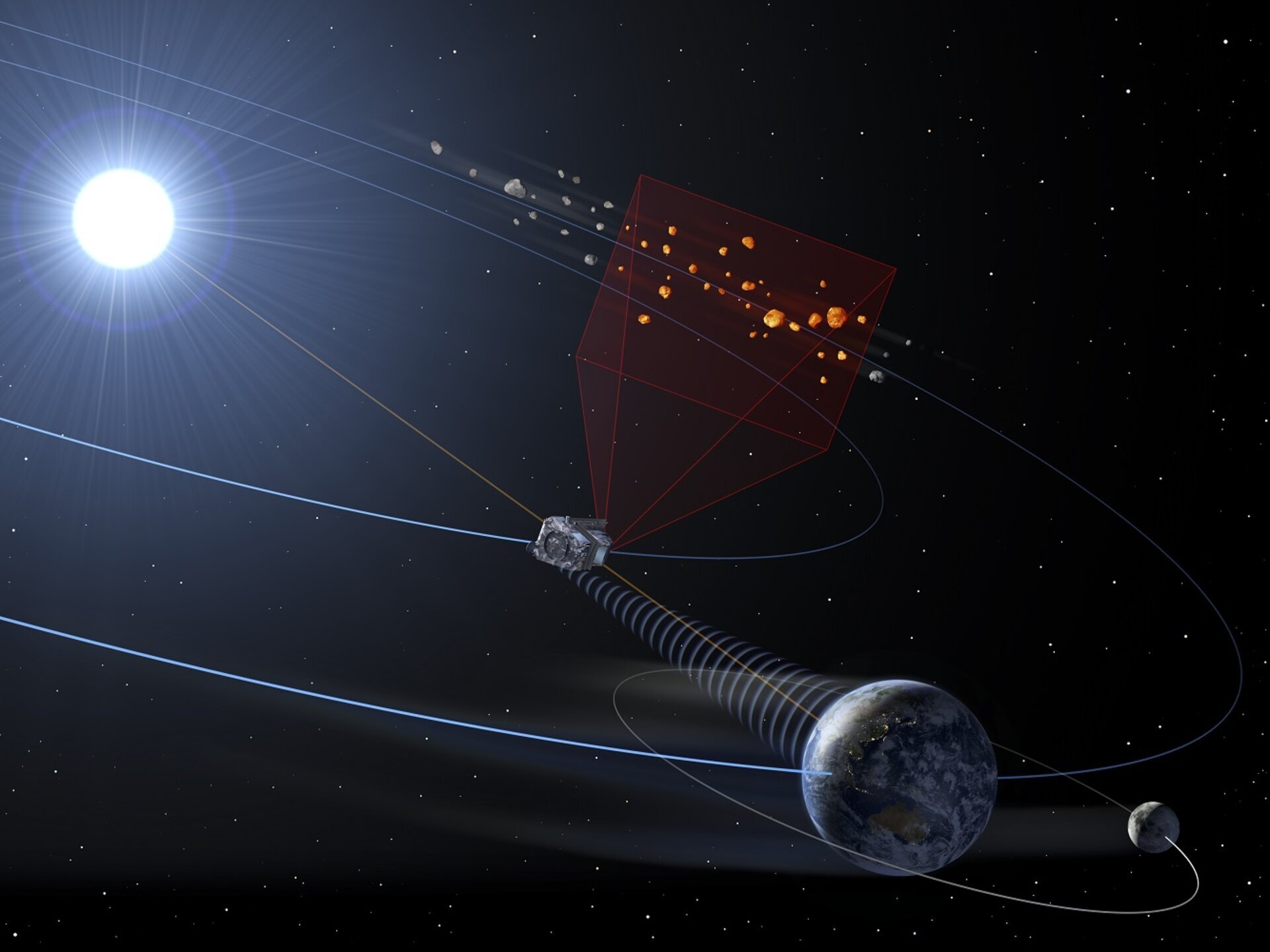
Asteroid 2024 YR4, with a 4% chance of hitting the moon in December 2032, was only detected late due to a blind spot near the sun; ESA's upcoming NEOMIR space telescope aims to improve early detection of such objects, especially from sunward directions, and will help clarify the asteroid's future trajectory, including the potential lunar impact.
iSpace's lunar lander failed to communicate after a landing attempt on the Moon, marking its second failure, but the company plans future missions. Meanwhile, ESA's FLYEYE telescope has begun operations to detect potentially hazardous asteroids, and new research suggests the Milky Way and Andromeda galaxies might not collide as previously thought, due to gravitational influences and uncertainties in their trajectories.
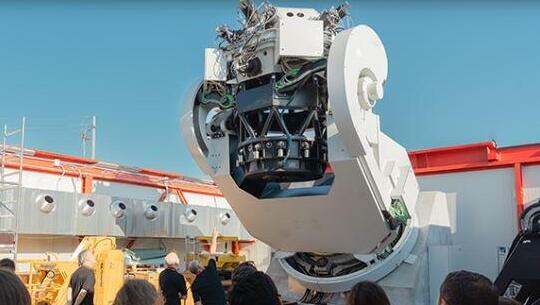
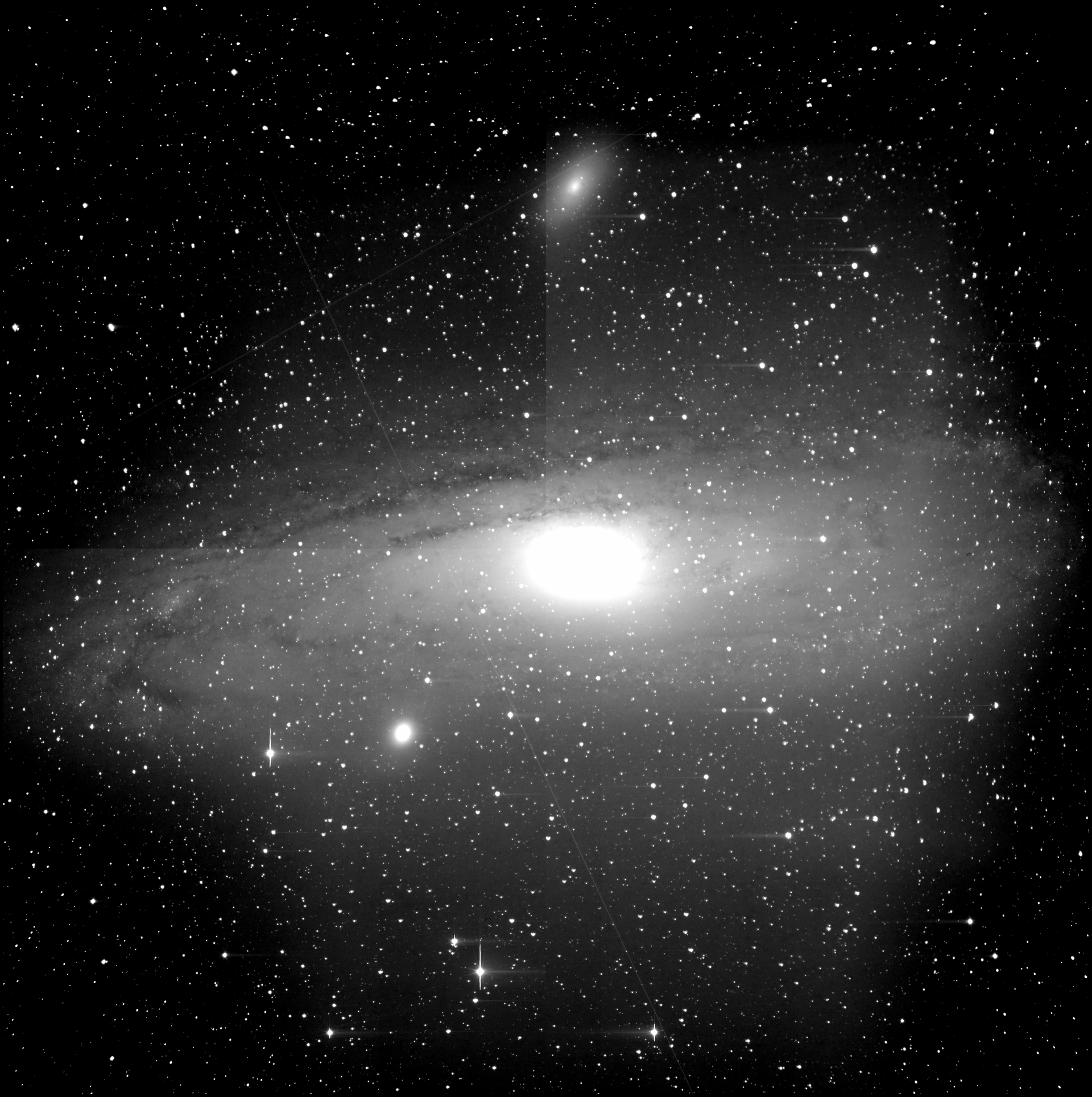
The European Space Agency has activated its new Flyeye telescope, inspired by an insect's eye, which has successfully captured its first images of celestial objects, marking a significant step in planetary defense by enhancing early detection of potentially hazardous asteroids through autonomous, wide-field sky surveys and a planned global network.
ESA's new Flyeye telescope has successfully achieved 'first light,' marking the start of its mission to automatically survey the sky for near-Earth asteroids and comets, using a wide field of view inspired by an insect's eye to enhance early detection and planetary defense efforts.
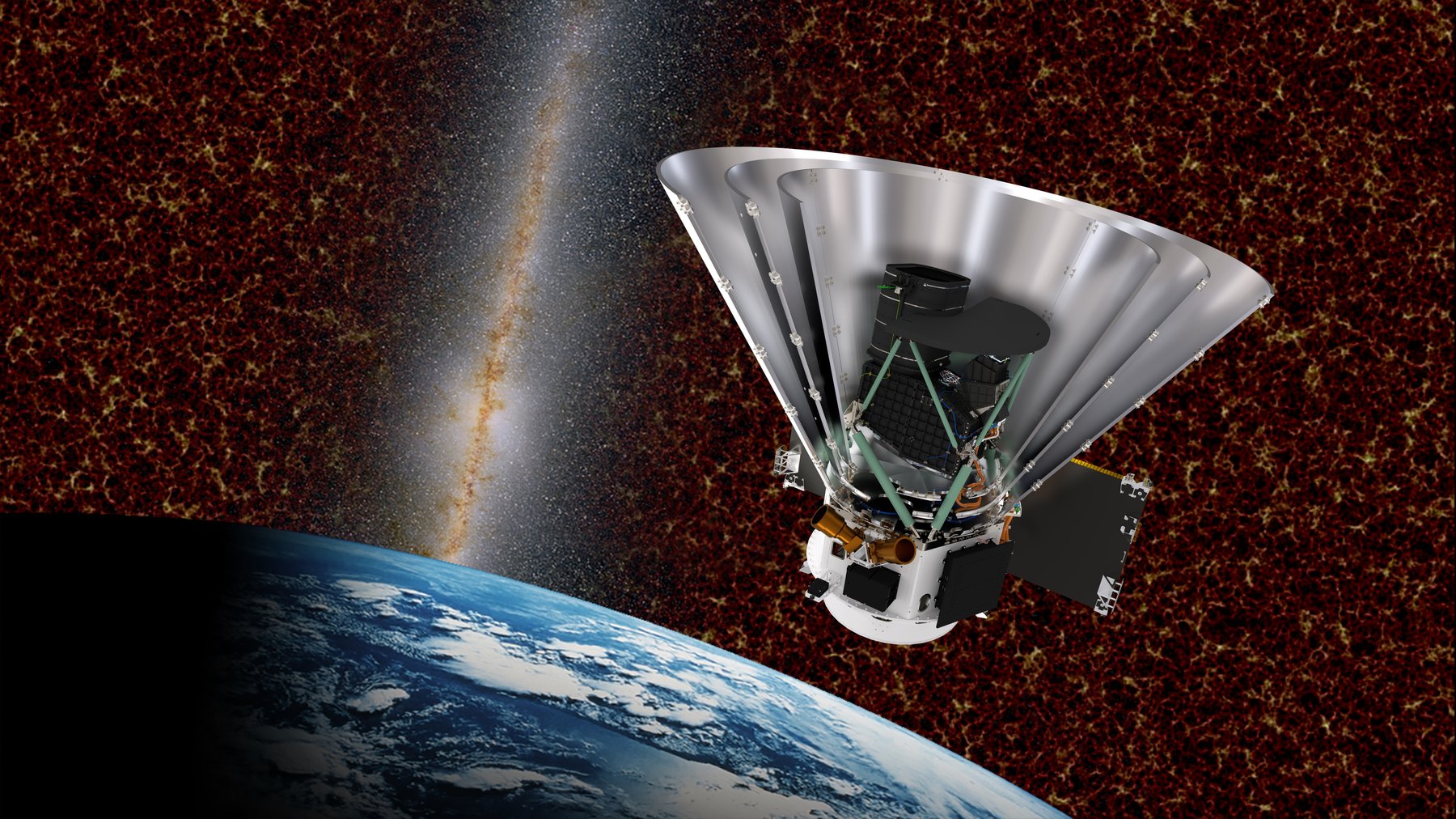
NASA's upcoming SPHEREx space telescope, set to launch by April 2025, will conduct a two-year all-sky survey in optical and infrared light, with a main focus on gathering data on galaxies and stars, while also contributing to the detection and characterization of Potentially Hazardous Objects (PHOs). The telescope's capabilities will aid in planetary defense efforts by cataloguing hundreds of thousands of solar system objects, providing crucial information to prepare for potential asteroid impacts and develop effective mitigation strategies.
NASA's Lead Program Executive for the Planetary Defense Coordination Office, Lindley Johnson, revealed the calm process of informing the public about a deadly asteroid heading towards Earth, stating that there's no "red phone" on his desk but formal procedures for notification. If a serious impact is detected, NASA would inform the White House, which would then release an official statement to the public. The International Asteroid Warning Network and the United Nations Office of Outer Space Affairs would also be involved if the asteroid posed an international threat. NASA tracks potentially hazardous asteroids and has confirmed that it doesn't expect a deadly impact in the next century, but some experts express concerns about Earth's readiness to defend against such threats.
Scientists discovered a small asteroid, named 2024 BXI, just three hours before it exploded over Berlin, producing a bright fireball visible for miles. This rare detection marks the eighth time researchers have spotted an asteroid before impact. The 3.3-foot-wide asteroid likely disintegrated 30 miles west of Berlin, possibly dropping meteorites along the way. With 99% of near-Earth asteroids smaller than 98 feet still undiscovered, government space agencies are developing new technologies to scan the skies for potential impacts, including NASA's NEO Surveyor satellite and ESA's NEOMIR.
An AI algorithm called HelioLinc3D, part of the Vera C. Rubin Observatory, has discovered a large potentially hazardous asteroid, 2022 SF289, that passed by Earth unnoticed by scientists. The asteroid, roughly the size of 183 North American beavers, poses no immediate threat but highlights the potential of AI algorithms to better detect dangerous asteroids. The algorithm reviewed old data from the Asteroid Terrestrial-impact Last Alert System (ATLAS) and successfully identified the asteroid. This discovery emphasizes the importance of advanced algorithms and telescope systems in improving asteroid detection and planetary defense efforts.
Asteroid Day 2023 is a global awareness movement focused on educating people about asteroids and the importance of protecting our planet from potential impacts. This year's events include online and worldwide activities, with NASA's Jet Propulsion Laboratory creating a webpage filled with educational resources. The significance of June 30 is highlighted, as it marks the anniversary of the Tunguska Event in 1908, the largest modern-day impact event that devastated a large area in Russia. Efforts by organizations like the United Nations and the B612 Foundation are working towards developing defensive capabilities and improving asteroid detection. Key highlights in planetary defense include the establishment of NASA's Planetary Defense Coordination Office, interagency exercises, the approval of the NEO Surveyor space-based telescope mission, the successful impact of NASA's DART mission, and the active participation of citizen astronomers in making real-time observations. The article emphasizes the need for continued vigilance and action to prevent catastrophic events like the extinction of the dinosaurs.