Tag

Roman Space Telescope

All articles tagged with #roman space telescope

science5 months ago

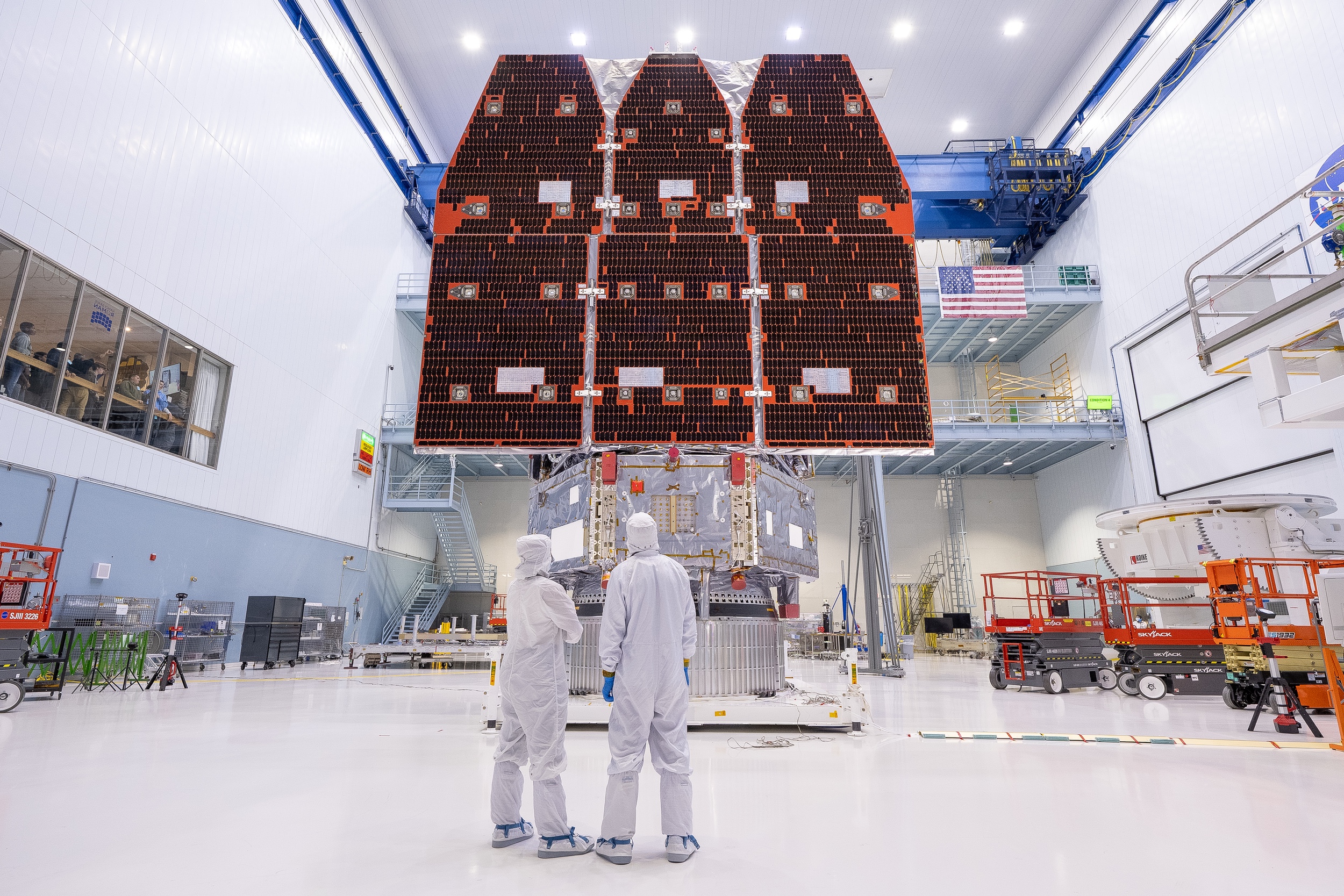
NASA's Roman Telescope Installs Advanced Sunblock

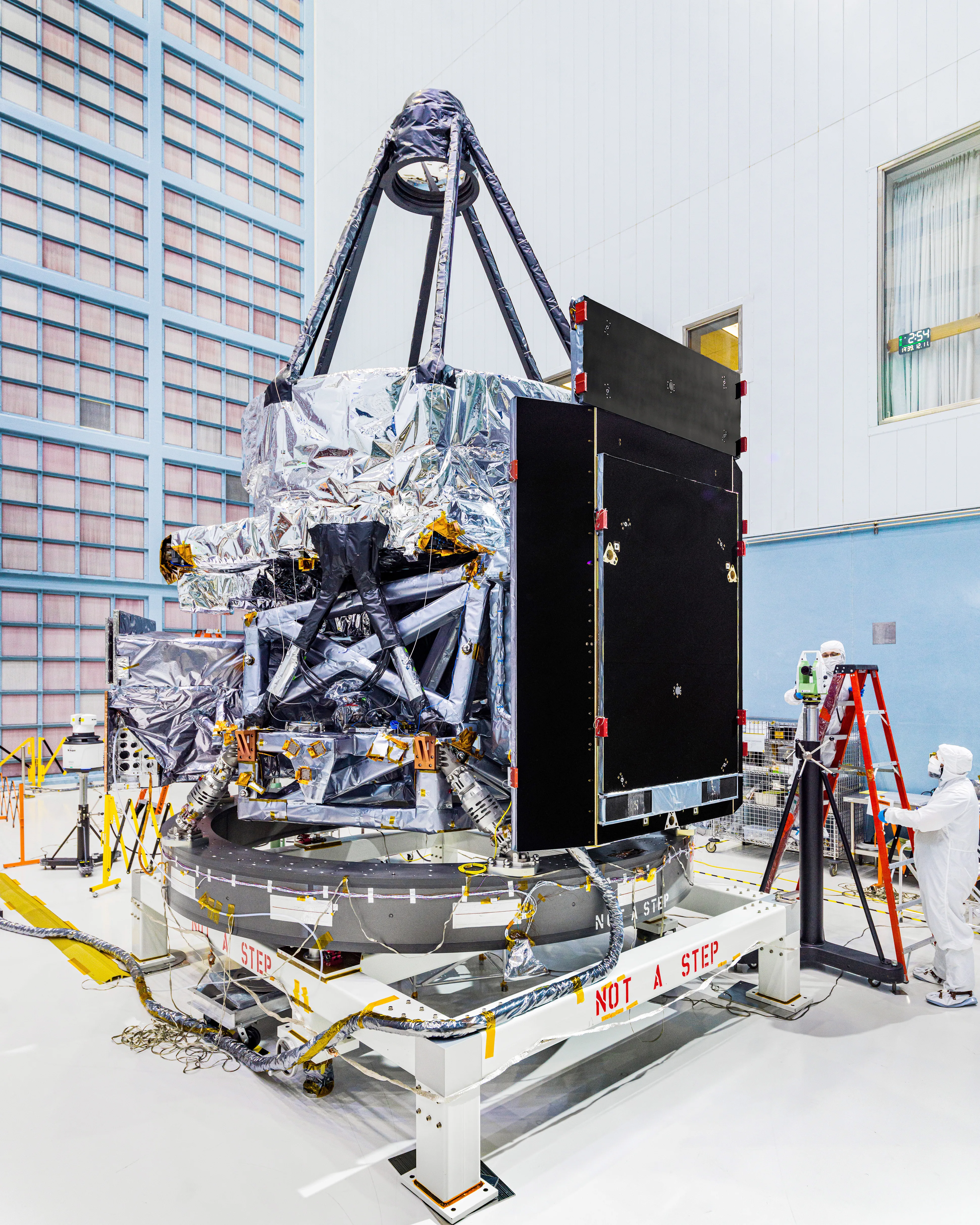
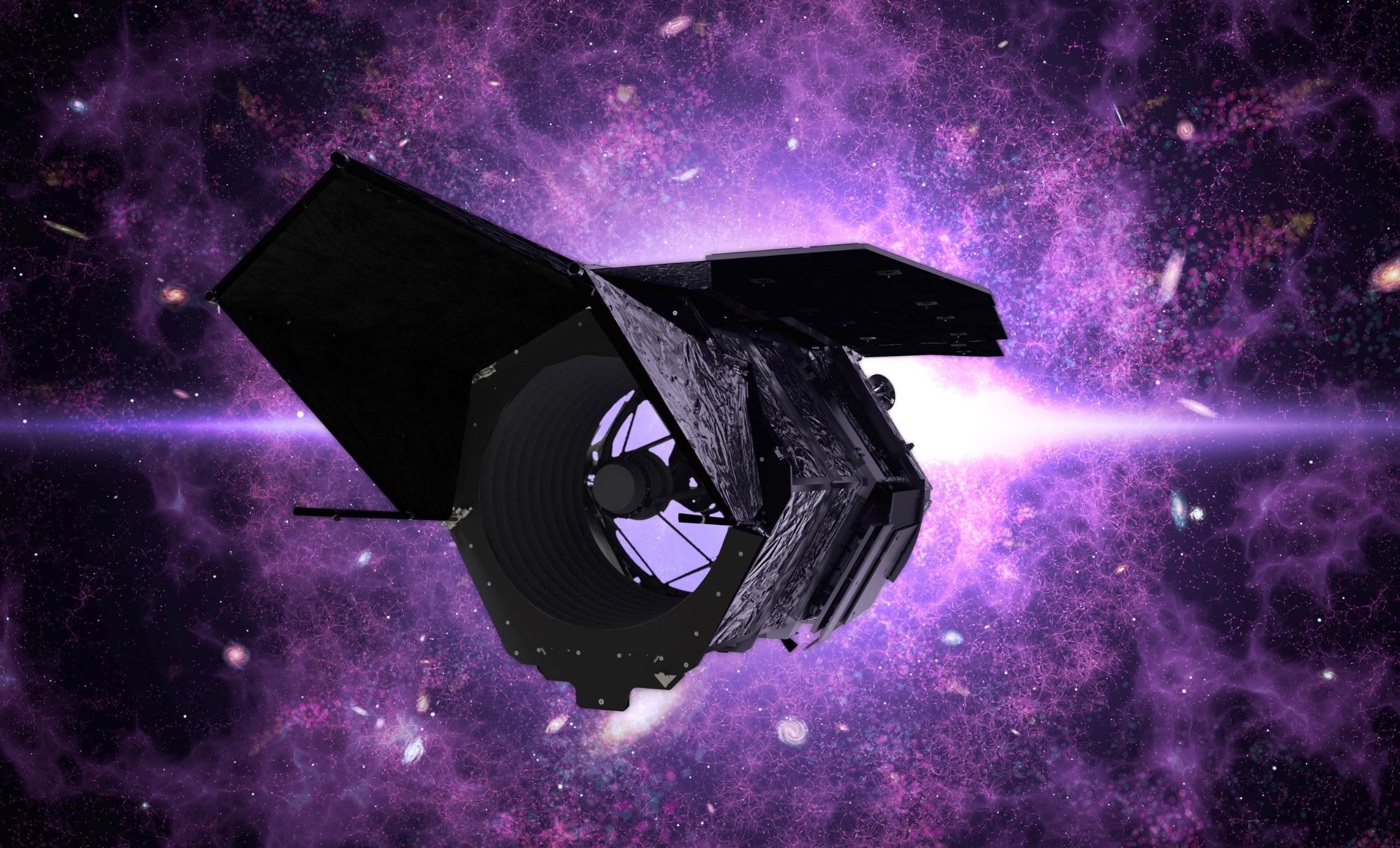
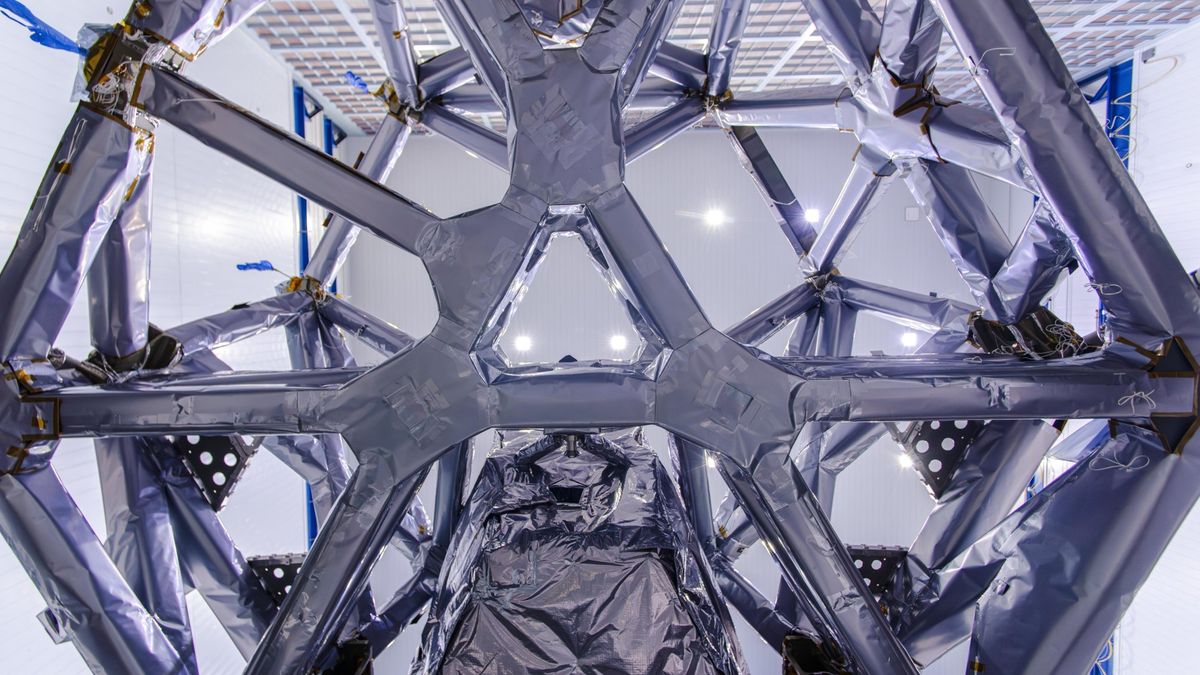
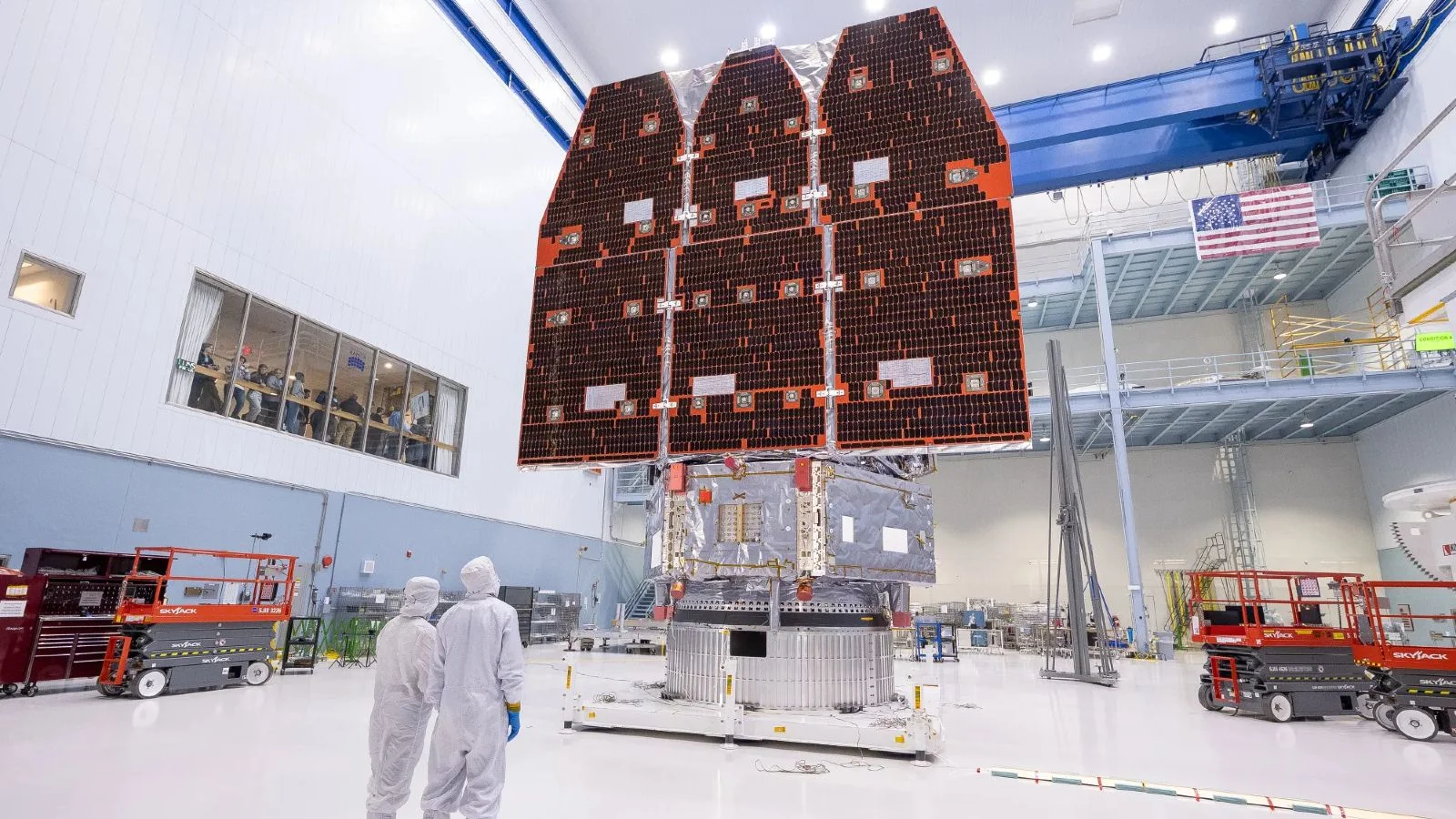
NASA's Roman Space Telescope has successfully installed its two sunshields, a crucial step in its development, despite ongoing funding uncertainties that could delay its launch planned for 2027. The sunshields protect the telescope's instruments from solar heat and light, ensuring optimal performance for deep space observations. Continued support and funding are vital for the mission's completion and success.

science5 months ago

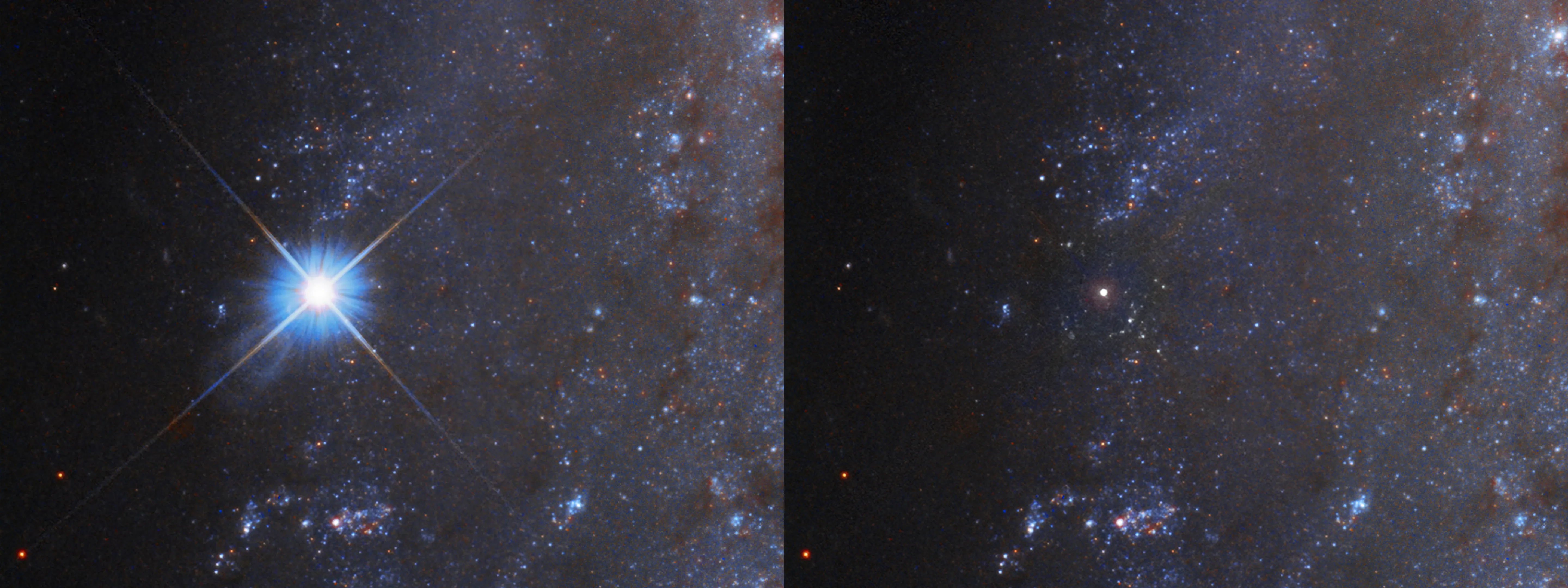
NASA's Roman Space Telescope Nears Completion, Ready to Capture Cosmic Explosions

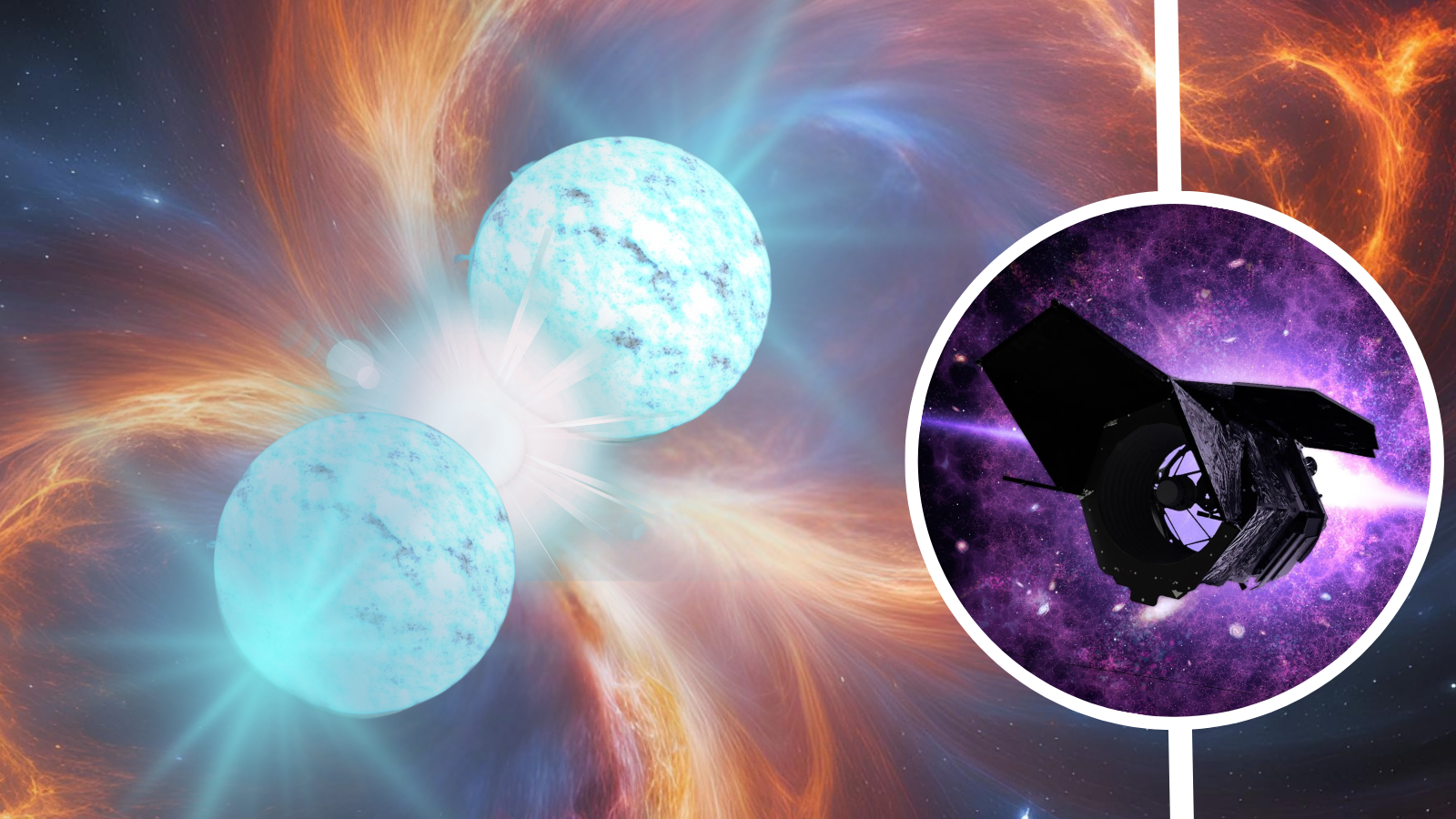
NASA's upcoming Roman Space Telescope, set to launch by May 2027, is expected to discover up to 100,000 cosmic explosions, including supernovas, kilonovas, and black hole events, which will help scientists understand dark energy, stellar life cycles, and the origins of heavy elements. The telescope's high-cadence survey will create cosmic movies over two years, vastly expanding our knowledge of the universe's most violent phenomena.

science-and-technology1 year ago

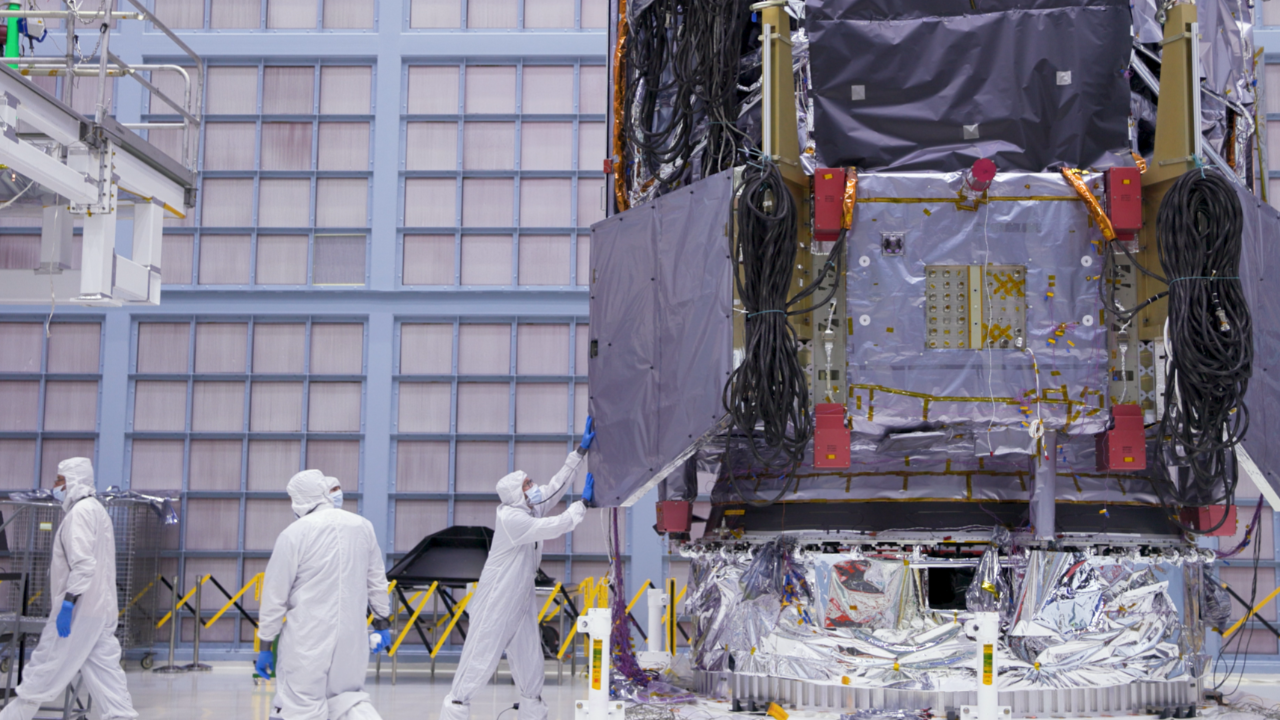
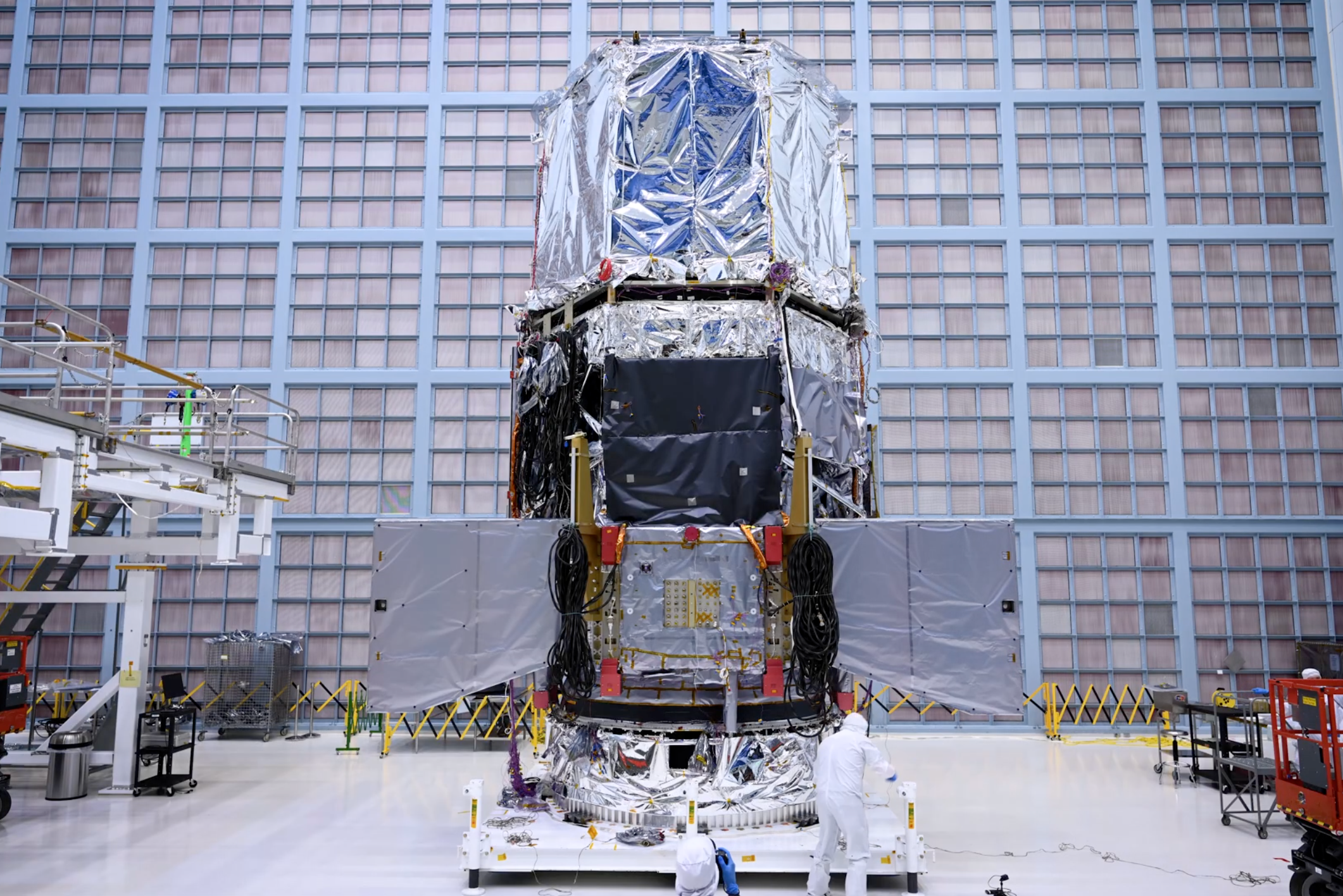
NASA Completes Integration of Roman Mission Telescope and Instruments

NASA has successfully integrated the Nancy Grace Roman Space Telescope's main components, including its telescope and instruments, at the Goddard Space Flight Center. This marks a significant milestone in the mission's preparation, with the telescope set to revolutionize astronomy by providing unprecedented precision in studying dark energy, dark matter, and exoplanets. The observatory is on track for completion by fall 2026 and launch by May 2027.

science-and-technology1 year ago

NASA's Roman Telescope Prepares to Hunt for Alien Worlds

NASA's Nancy Grace Roman Space Telescope, set to launch between 2026 and 2027, aims to revolutionize the search for exoplanets and study dark energy and dark matter. Equipped with the advanced Roman Coronagraph Instrument, it will directly image planets by blocking starlight, offering unprecedented precision. The telescope's Wide Field Instrument will survey the galaxy, using microlensing to detect hidden planets and study cosmic phenomena. This mission, costing $3.2 billion, promises to enhance our understanding of planetary formation, exoplanet diversity, and the universe's structure.

science-and-technology1 year ago

NASA's Roman Telescope Prepares to Hunt for Exoplanets

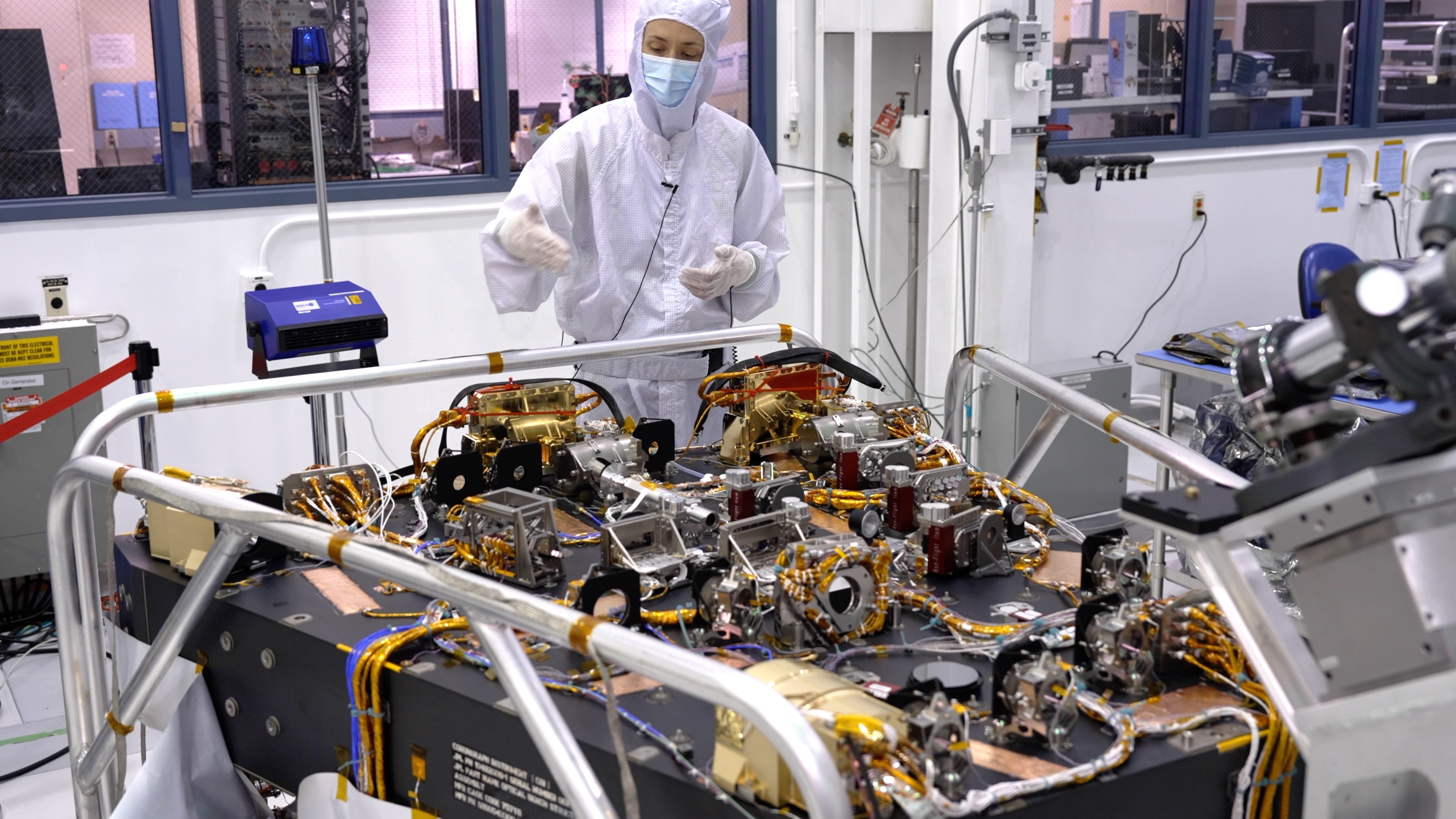
NASA's Nancy Grace Roman Space Telescope has successfully integrated the Roman Coronagraph Instrument, a key component designed to block starlight and detect faint light from exoplanets. This marks a significant step towards the telescope's 2027 launch, where it will explore dark energy, exoplanets, and infrared astrophysics. The coronagraph, a technology demonstration, aims to improve direct imaging of exoplanets, paving the way for future missions like the Habitable Worlds Observatory, which will search for Earth-like planets.

spacetechnology1 year ago

"NASA's Roman Space Telescope Successfully Passes First Vision Test"

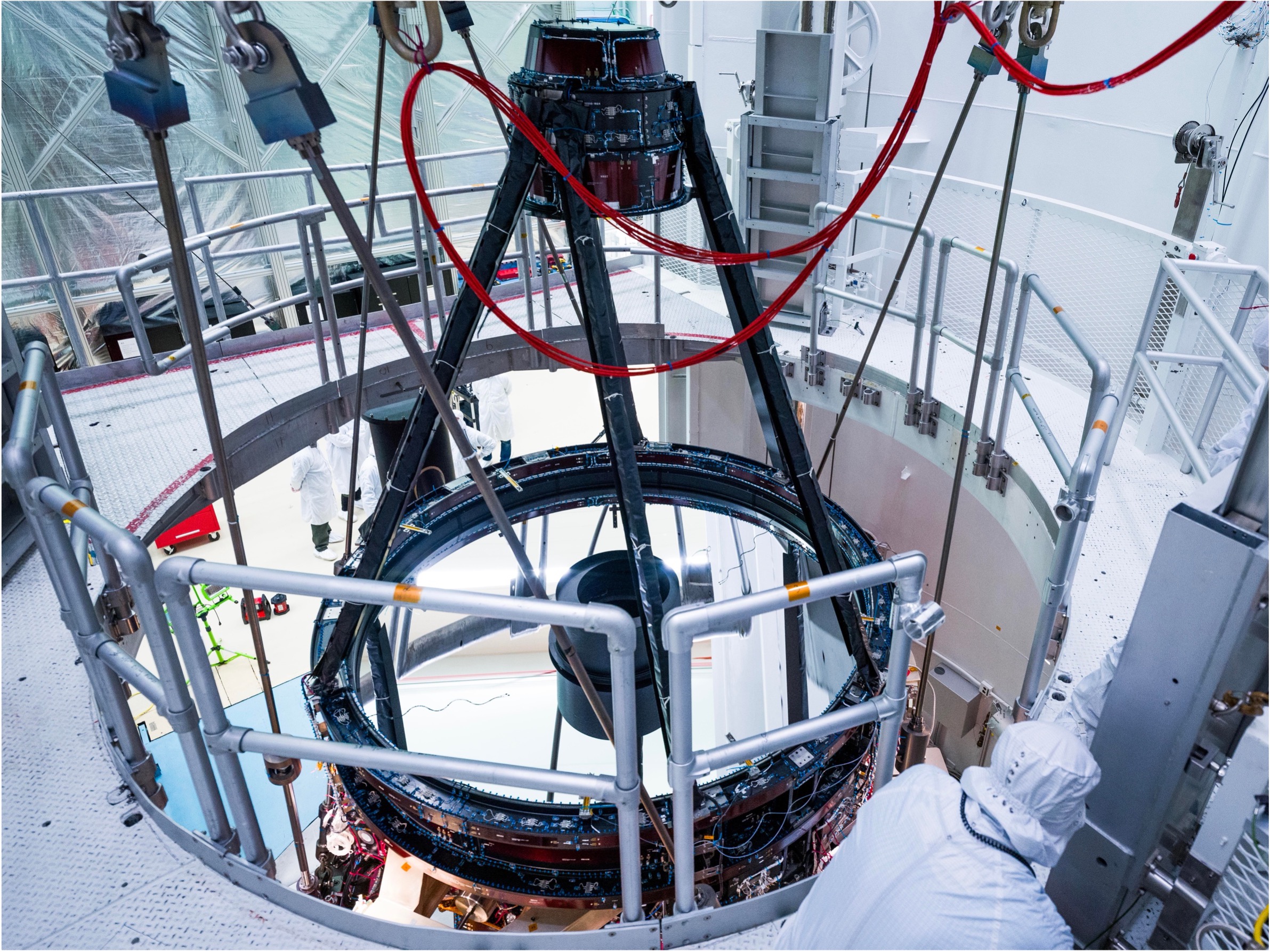
Engineers at L3Harris Technologies have successfully aligned all 10 mirrors for NASA’s Roman Space Telescope, ensuring precise light direction into the telescope's science instruments for crisp space images. The meticulous alignment process involved a month-long effort and will be followed by vibration and acoustic tests to ensure the optics can withstand the rigors of launch. The entire Optical Telescope Assembly, including the Imaging Optics Assembly, is expected to be complete and delivered to NASA's Goddard Space Flight Center this fall.

space-technology1 year ago

"NASA Tests Next-Gen Exoplanet-Imaging Tech"

NASA's next-generation Coronagraph Instrument, part of the upcoming Roman Space Telescope, has successfully passed critical tests at the Jet Propulsion Laboratory in Southern California. This cutting-edge tool aims to vastly increase the number of observable exoplanets by blocking light from bright cosmic objects, allowing scientists to directly observe nearby planets. The instrument's advanced technologies will enable the viewing of planets similar to Jupiter in size and distance from their star, with the potential to eventually observe more Earth-like planets. The Roman Space Telescope, managed by NASA's Goddard Space Flight Center, will also conduct groundbreaking surveys of cosmic objects and generate 3D maps of the universe to explore various scientific questions.

astronomy2 years ago

"NASA's Roman Telescope: Probing Andromeda's Dark Matter Gaps"

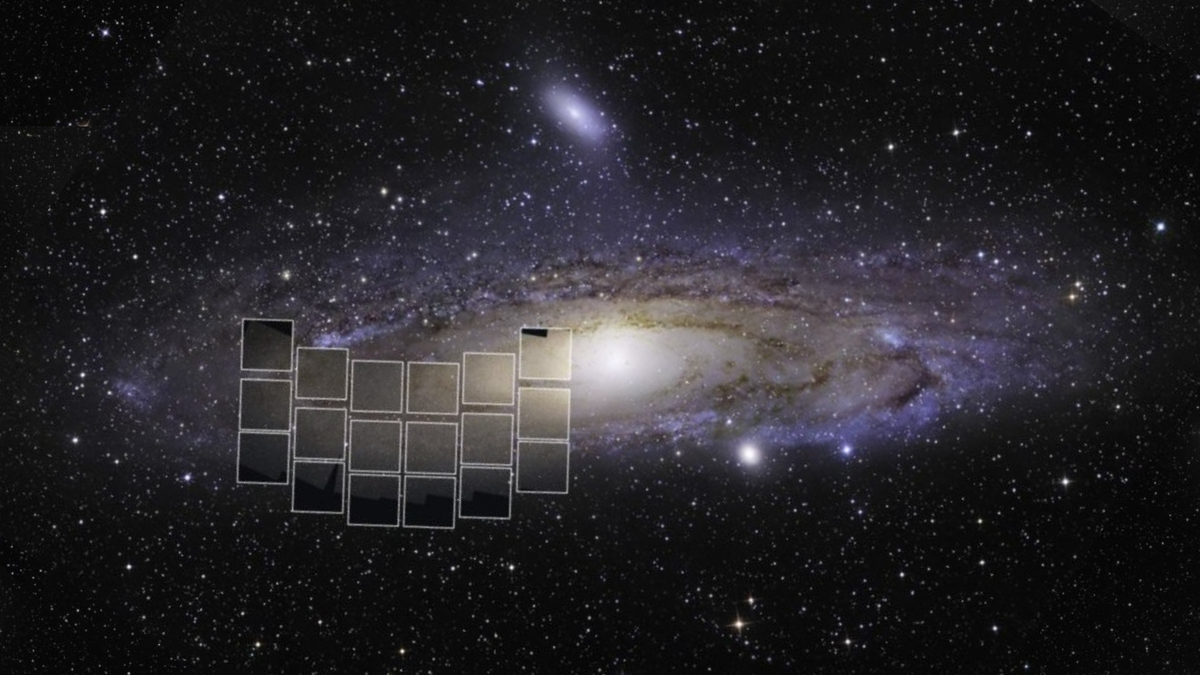
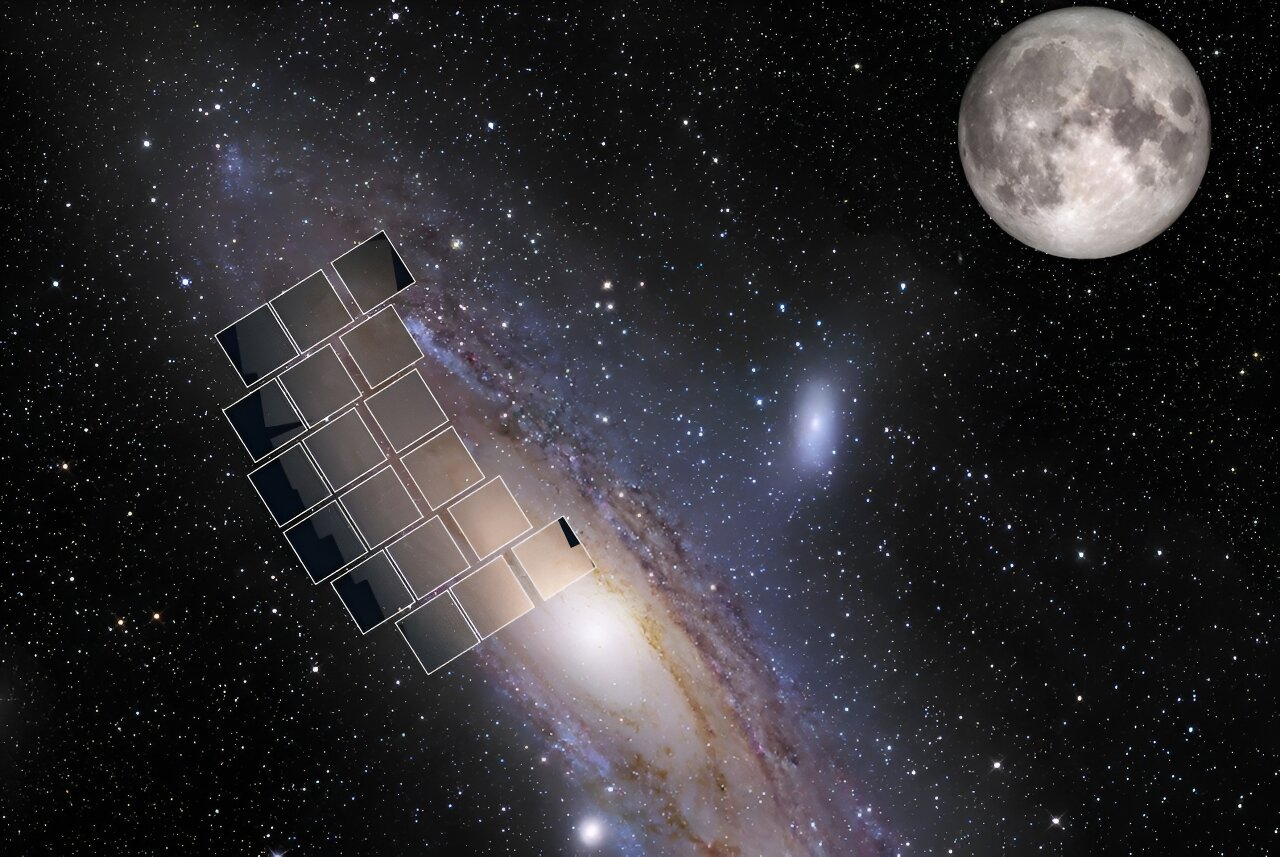
NASA's upcoming Nancy Grace Roman Space Telescope is set to launch in 2027 and may help scientists search for dark matter between stars in the Andromeda galaxy. An international team of researchers believes that gaps in stellar streams, influenced by dark matter clumps, could provide clues about this elusive substance. The telescope's wide-field instrument will produce images 200 times the size of those created by the Hubble Space Telescope, allowing it to investigate dark matter haloes and smaller "sub-haloes" around galaxies. This research could shed more light on the nature and properties of dark matter.

astronomy2 years ago

"Unveiling Dark Matter: Roman Telescope's Search Between the Stars"

An international team of researchers, including astrophysicists from Northwestern University, is preparing to use NASA's upcoming Roman Space Telescope to search for clues about dark matter in the gaps between stars. By examining thin stellar streams in the neighboring Andromeda galaxy, astronomers hope to detect disturbances created by clumps of dark matter, expanding their understanding of its properties. The telescope's advanced capabilities are expected to provide valuable data within as little as one hour of observing time, potentially shedding light on the elusive material's existence and characteristics.

astronomy2 years ago

"NASA's Roman Mission: Hunting for Dark Matter in Interstellar Gaps"

NASA's upcoming Nancy Grace Roman Space Telescope will use its advanced imaging capabilities to search for signs of dark matter by studying the gaps between elongated groups of stars, known as tidal streams, pulled from globular clusters orbiting the Andromeda galaxy. The telescope's wide field instrument will allow astronomers to detect stars individually and capture detailed images of Andromeda, potentially revealing new information about the nature of dark matter and its interaction with globular cluster streams. This research could provide insights into the existence and properties of dark matter sub-halos within galaxies, ultimately redefining our understanding of the universe.