Tag

Lisa Mission

All articles tagged with #lisa mission

space-science1 year ago

"NASA's LISA Mission: Hunting Ripples in Spacetime from Space"

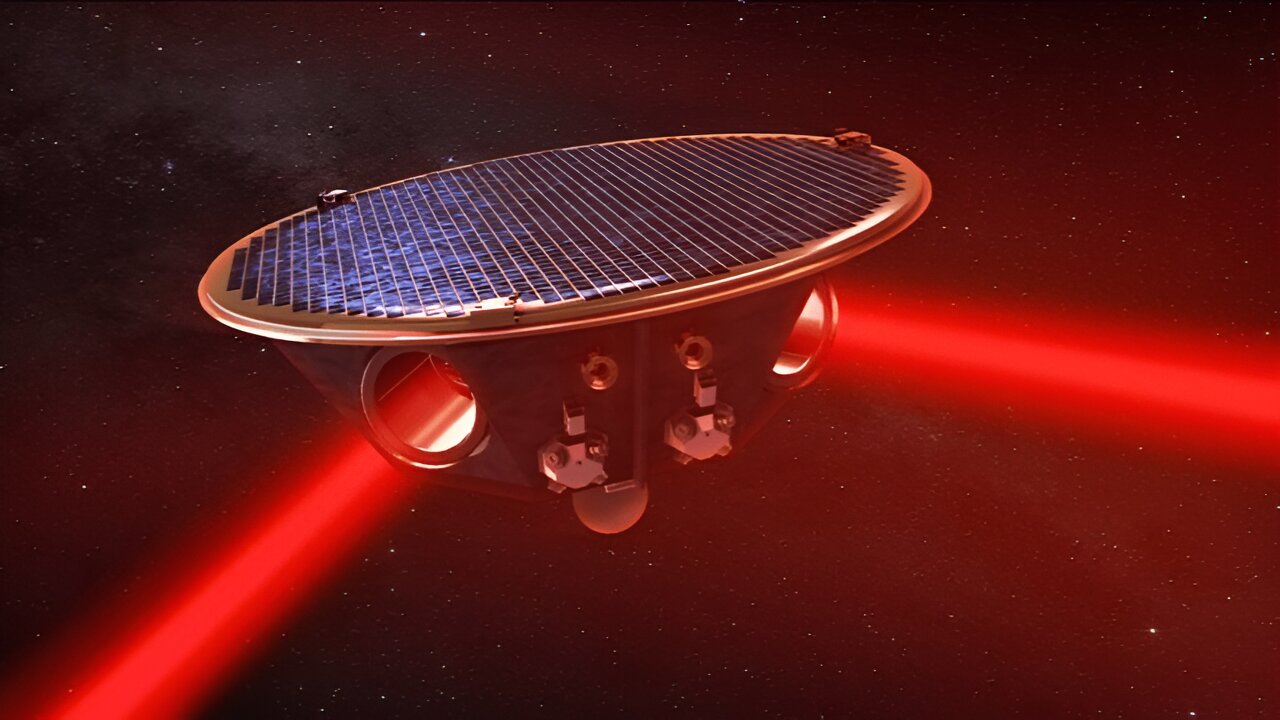
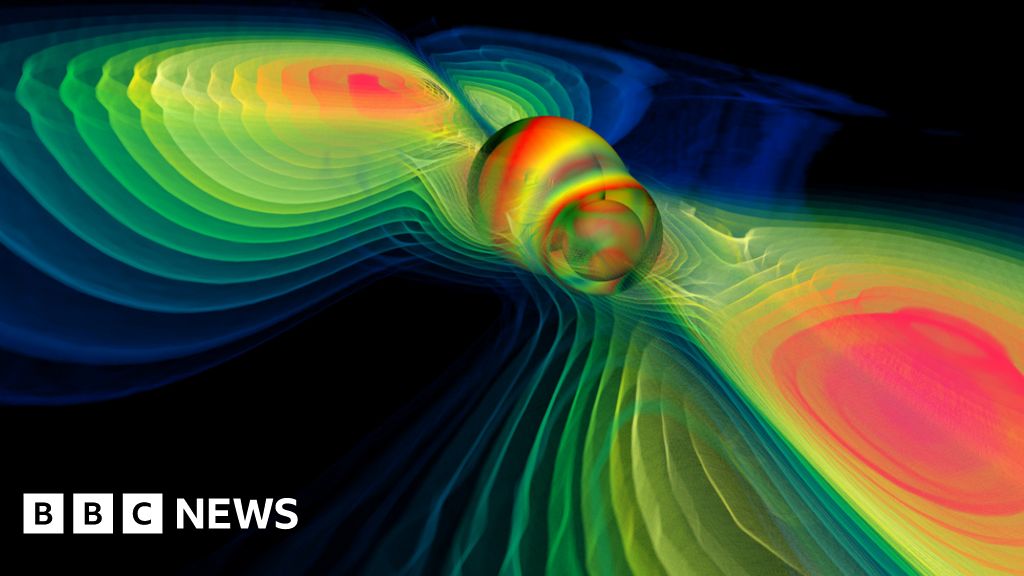
The European Space Agency plans to launch the first space-based gravitational wave detector, the Laser Interferometer Space Antenna (LISA) mission, in 2035. This mission will allow for the detection of gravitational waves at much greater distances than previously possible, potentially uncovering events from the dawn of time. The spacecraft will detect gravitational waves with wavelengths between 186,400 miles and 1.86 billion miles, using a floating cube of gold and platinum to register the slight movements caused by the waves. This groundbreaking mission is expected to be a game-changer in the field of space exploration and our understanding of the universe.

science-and-technology1 year ago

"NASA and European Space Mission to Detect Cosmic Ripples in Space"

NASA is collaborating with the European Space Agency (ESA) on the LISA (Laser Interferometer Space Antenna) mission, the first space-based observatory designed to detect gravitational waves. The mission, led by ESA with NASA contributions, will use three spacecraft flying in a triangular formation to measure how gravitational waves alter their relative distances. LISA will enable observations of gravitational waves produced by merging supermassive black holes and will provide a panoramic view to observe a broad range of sources within and beyond our galaxy. The spacecraft will track internal test masses affected only by gravity and continuously fire lasers to measure their separations with extreme precision.

space-science2 years ago

"European Mission Receives Approval to Detect Cosmic Ripples"

The European Space Agency has approved the ambitious and expensive Lisa mission, which aims to detect gravitational waves by using three spacecraft firing lasers at each other over a distance of 2.5 million km. The mission, with a budget of €1.75bn, will involve contributions from several European countries and the US. Lisa will study the collisions of supermassive black holes, providing insights into the nature of space-time and the evolution of galaxies. The mission is not expected to launch before 2035 and will require astonishing measurement precision due to the tiny signals from gravitational waves.

astronomy2 years ago

Visualizing the Universe's Largest Black Holes with NASA Animation.

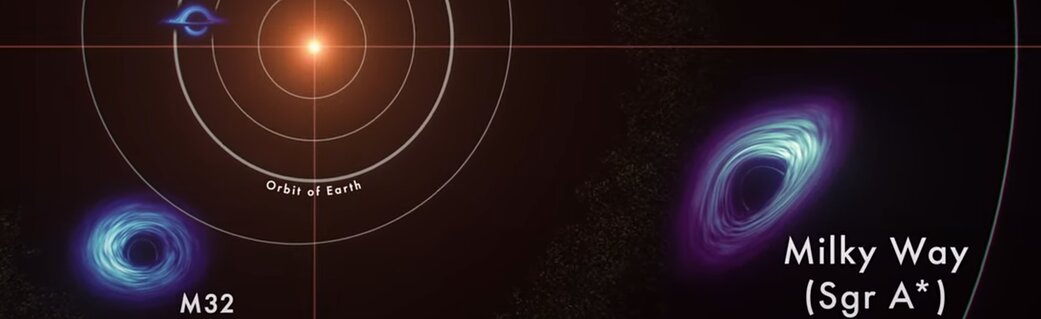
NASA has released an animation comparing the sizes of 10 supermassive black holes, including the one at the heart of the Milky Way, scaled by the sizes of their shadows. The animation shows how black holes grow by merging with other black holes, and highlights the importance of detecting gravitational waves from these mergers. NASA is collaborating with the European Space Agency to develop the LISA mission, which will detect passing gravitational waves from merging black holes with masses up to a few hundred million suns.