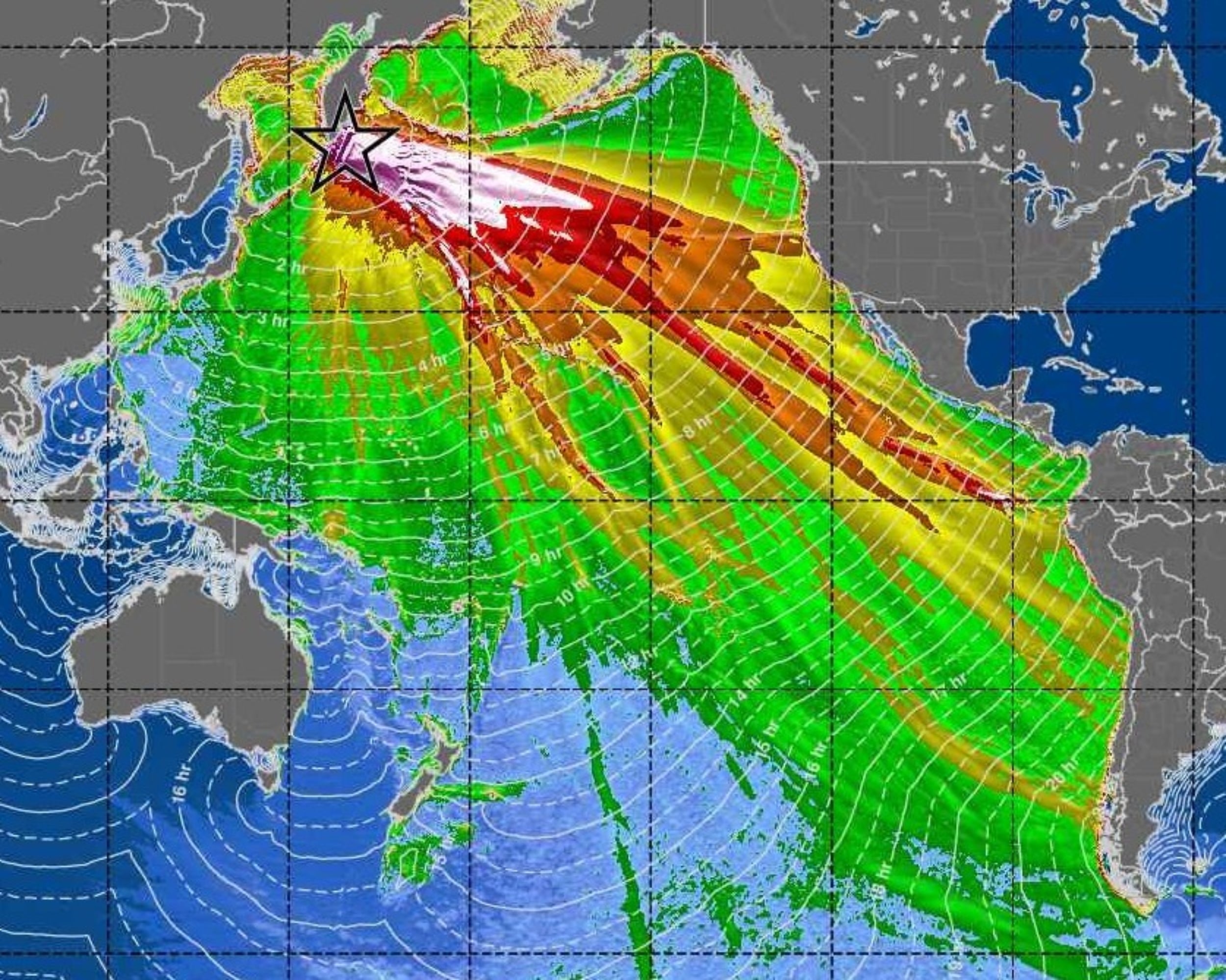
A NASA satellite, SWOT, captured high-resolution data of a complex tsunami triggered by a 8.8 magnitude earthquake off Russia's Kamchatka Peninsula, revealing intricate wave interactions that challenge traditional models and could improve future tsunami predictions.
NASA and French satellite SWOT captured high-resolution images of a Pacific tsunami caused by a 2025 earthquake, revealing complex wave patterns and challenging traditional models that treat large tsunamis as non-dispersive. The data suggest that dispersion plays a significant role in tsunami behavior, which could improve future forecasting and hazard assessment by integrating satellite, buoy, seismic, and geodetic data. This breakthrough highlights the need to update tsunami models to account for wave dispersion and internal structure.
NASA's SWOT satellite captured detailed images of a massive 8.8-magnitude earthquake and resulting tsunami off Russia's Kamchatka Peninsula in 2025, providing new insights into tsunami formation and potential for improved early warning systems.
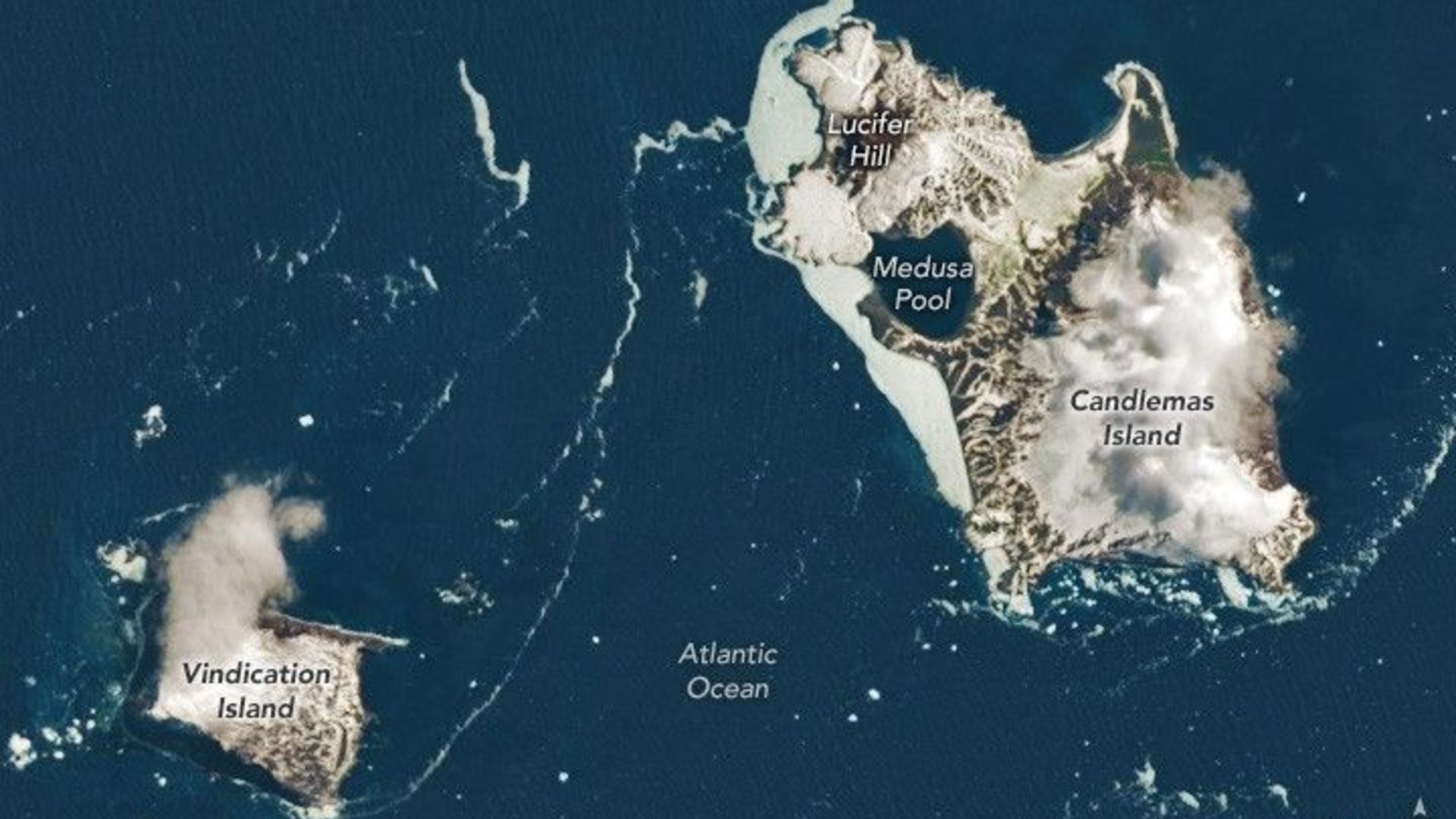
NASA's Landsat 9 satellite captured a rare clear view of Vindication and Candlemas Islands in the remote South Sandwich Islands, revealing volcanic features, erosion patterns, and atmospheric wave clouds, providing valuable data on Earth's extreme environments and climate processes.
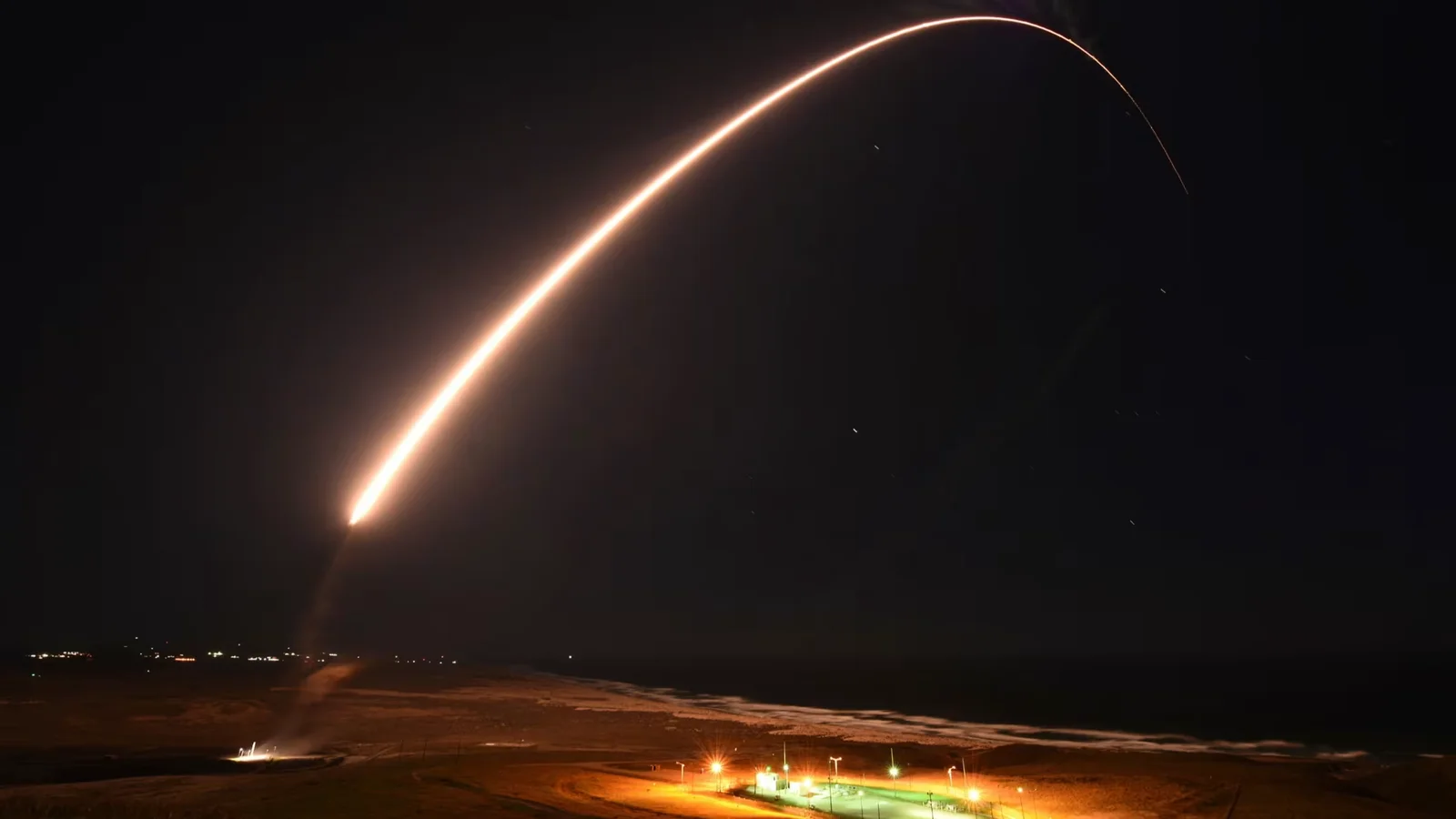
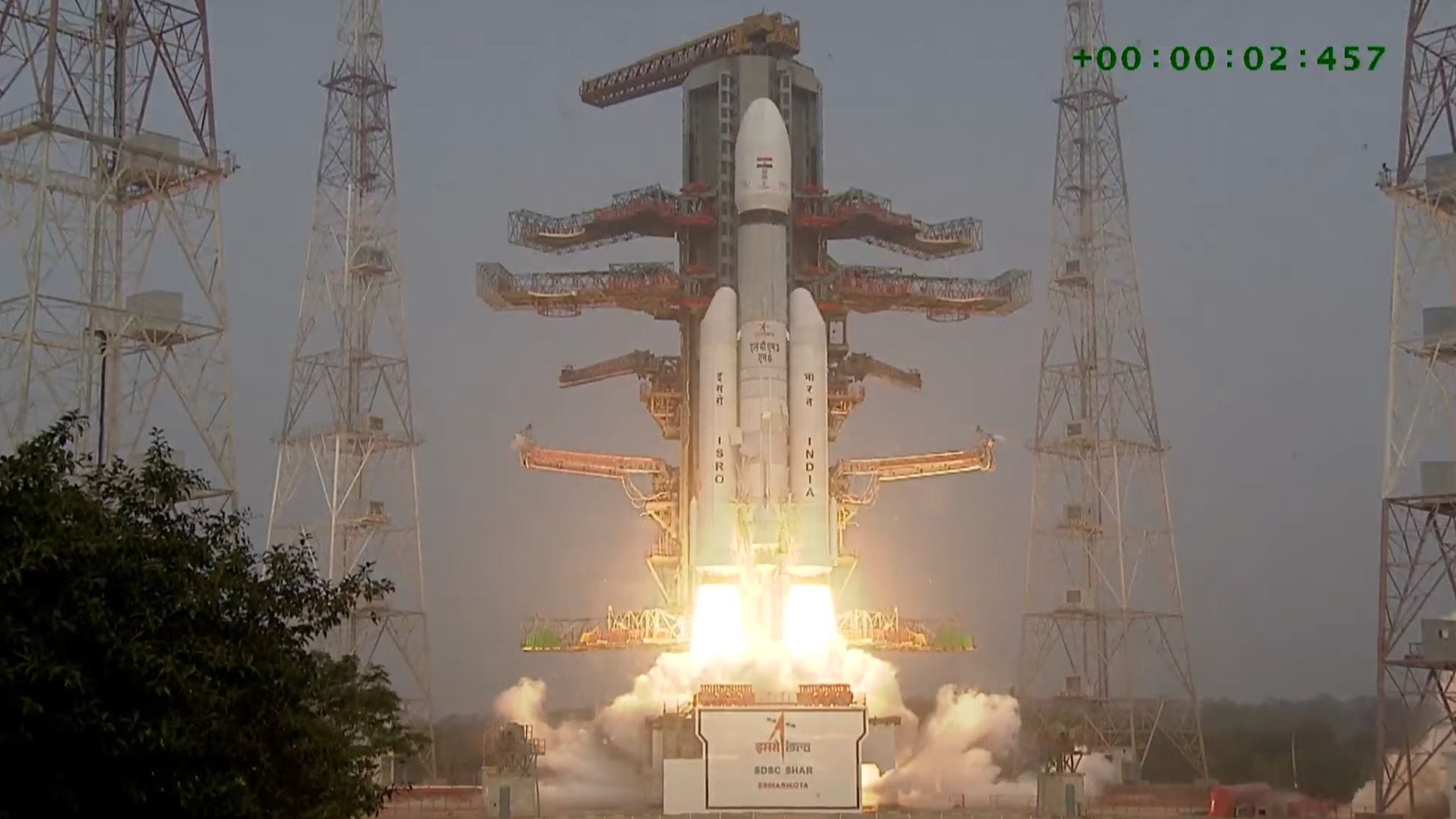
An Indian LVM3 rocket successfully launched the BlueBird 6 satellite for AST SpaceMobile, setting a record with the largest communication arrays ever deployed in low Earth orbit, as part of a project to provide broadband directly to smartphones.
Sentinel-5A, a new satellite launched in August 2025, has begun providing detailed images of Earth's atmosphere, including the ozone hole over Antarctica, pollution levels over urban areas, and natural emissions from volcanoes and wildfires, enhancing global environmental monitoring.
NASA's SWOT satellite captured the first high-resolution, space-based view of a major Pacific tsunami caused by the 2025 Kamchatka earthquake, revealing complex wave patterns that challenge existing tsunami models and could improve future forecasting.
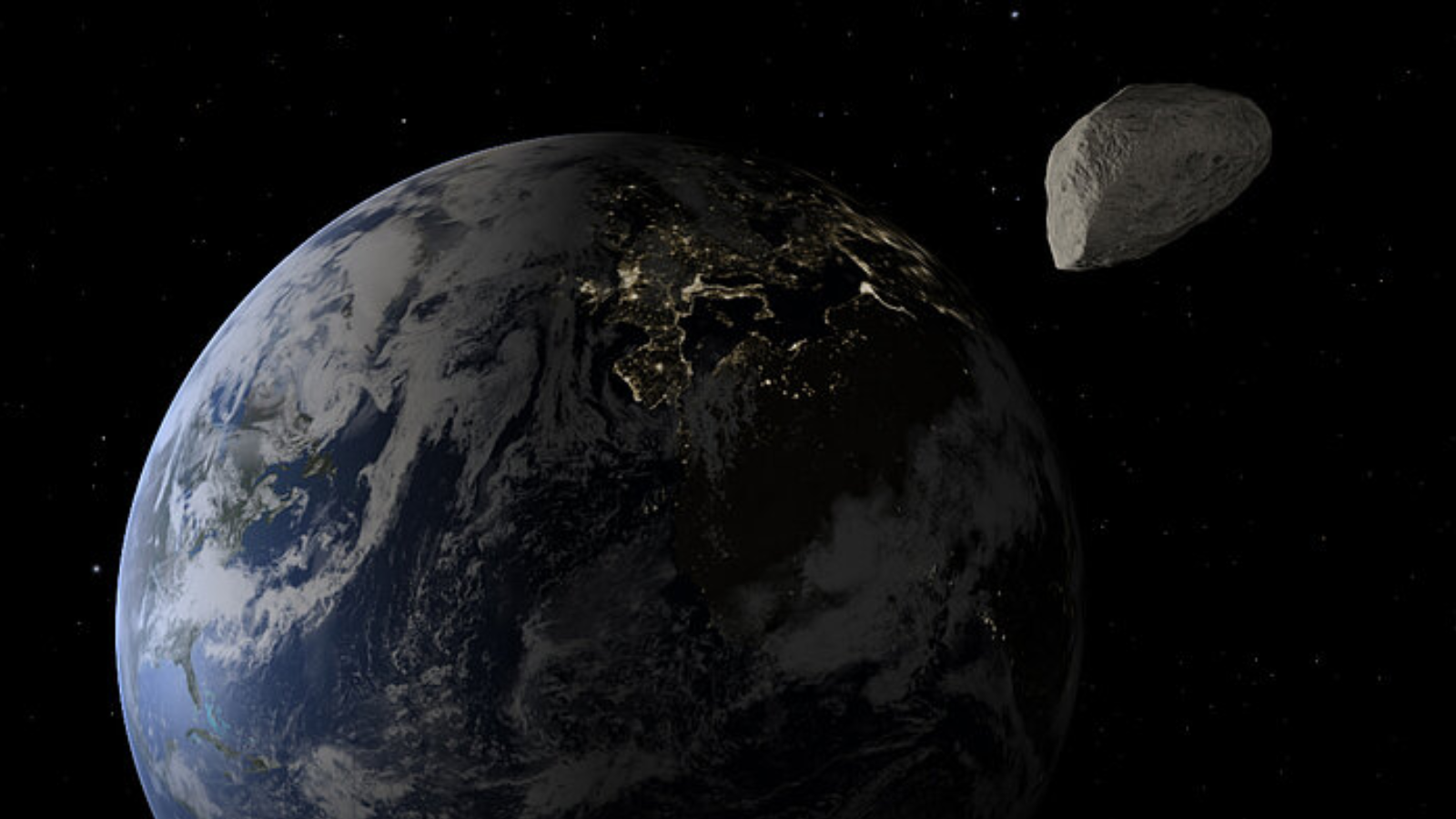
An Australian company, HEO Robotics, plans to use a dying satellite to photograph the asteroid Apophis during its close approach to Earth in 2029, joining international efforts to study this rare event, which offers a unique opportunity to understand asteroid behavior near Earth.
A NASA and French satellite captured the first high-resolution image of a giant tsunami caused by a 2025 earthquake, revealing complex wave patterns that challenge traditional models and suggest the need for revised tsunami forecasting methods that incorporate dispersion effects and multiple data sources.
Apple is planning upgrades to its satellite features for iPhones and smartwatches, including image texting and third-party app support, while also nearing a $1 billion deal to enhance Siri with Google Gemini and preparing to launch a low-cost MacBook to compete with Windows laptops, as it approaches its 50th anniversary and a $140 billion quarter.
Clever developers successfully ran Doom on an ESA satellite, using real Earth images captured by the satellite as the game's backdrop, demonstrating an impressive feat of space-based game porting and innovative use of satellite imagery.
India's space agency ISRO launched its heaviest satellite, CMS-03, weighing about 4,410 kg, from Sriharikota to enhance secure communication for the navy, marking a significant milestone in India's expanding space program and ambitions for future crewed missions.
Ólafur Waage successfully ported the classic game Doom to the ESA's OPS-SAT satellite by hacking its onboard systems and using its camera to capture gameplay, marking a notable achievement in orbital computing experiments and demonstrating innovative ways to utilize satellite hardware.
NASA's NOAA satellite GOES-19 captured a rare image showing Earth briefly 'photobombing' the sun's corona, providing a unique calibration opportunity for the satellite's instruments and highlighting its capabilities in monitoring space weather.
NASA's satellite imaging spectrometer on the International Space Station has detected a large sewage spill from the Tijuana River into the Pacific Ocean, using a specific spectral feature at 620 nanometers to track the pollution's extent and movement, aiding in environmental monitoring and public health efforts.