Tag

Proba 3

All articles tagged with #proba 3

science7 months ago

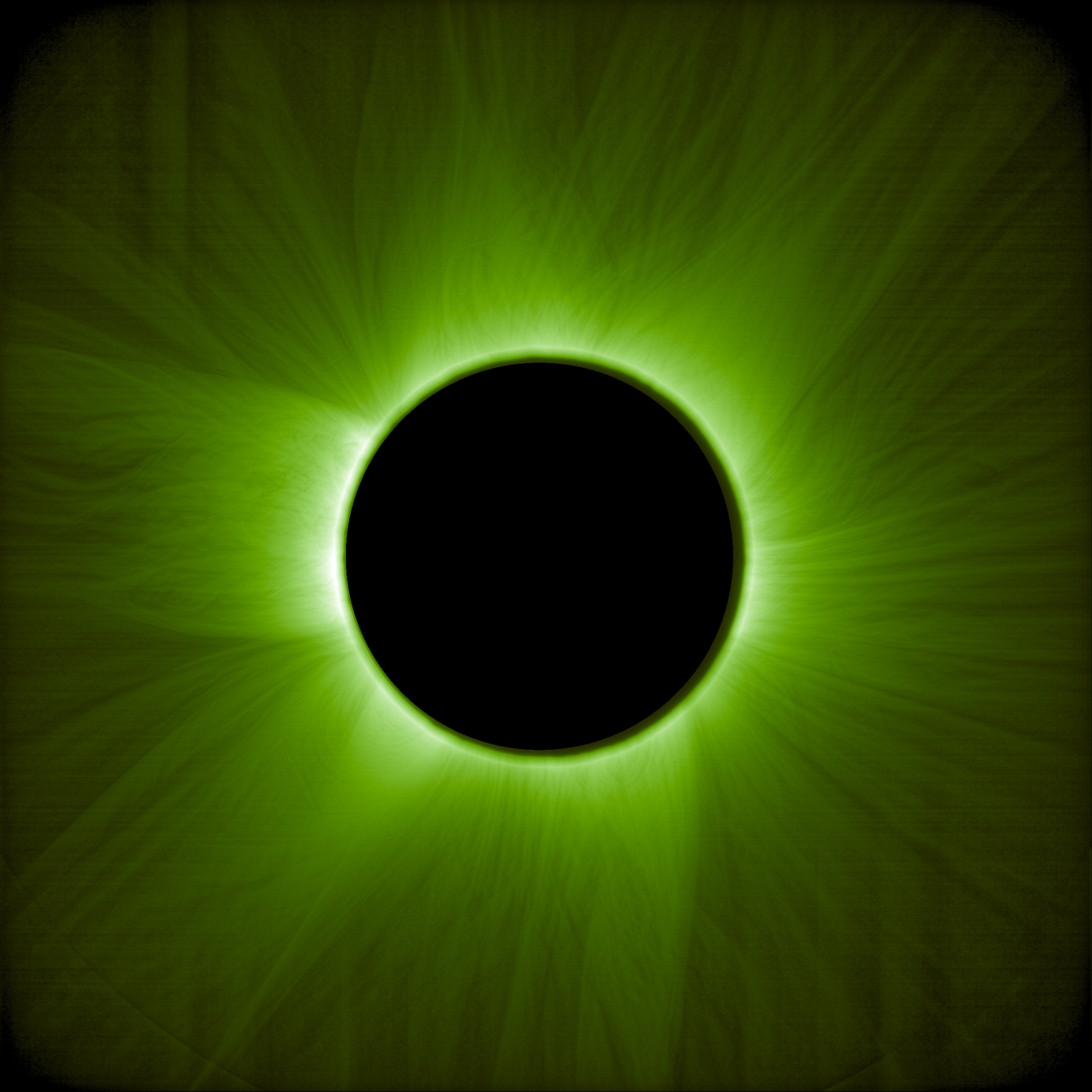
ESA's Proba-3 Mission Captures First Artificial Solar Eclipse Images

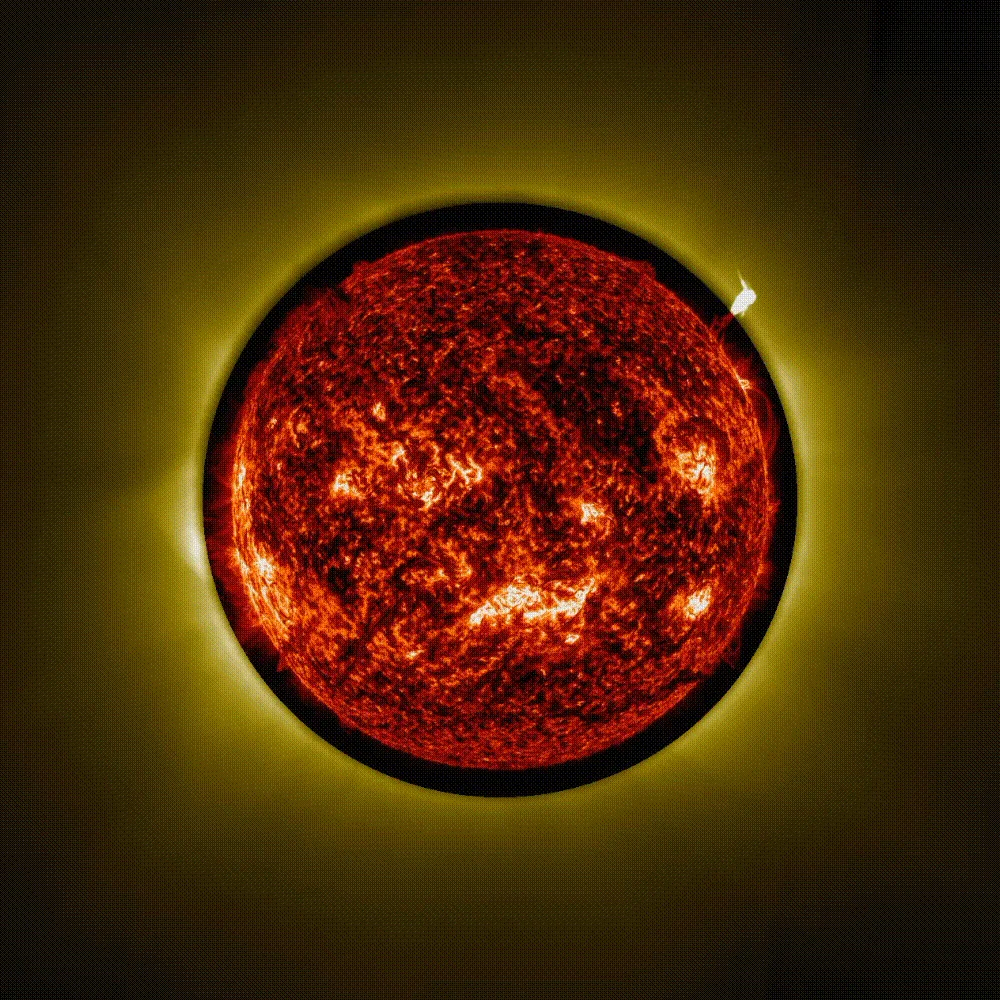
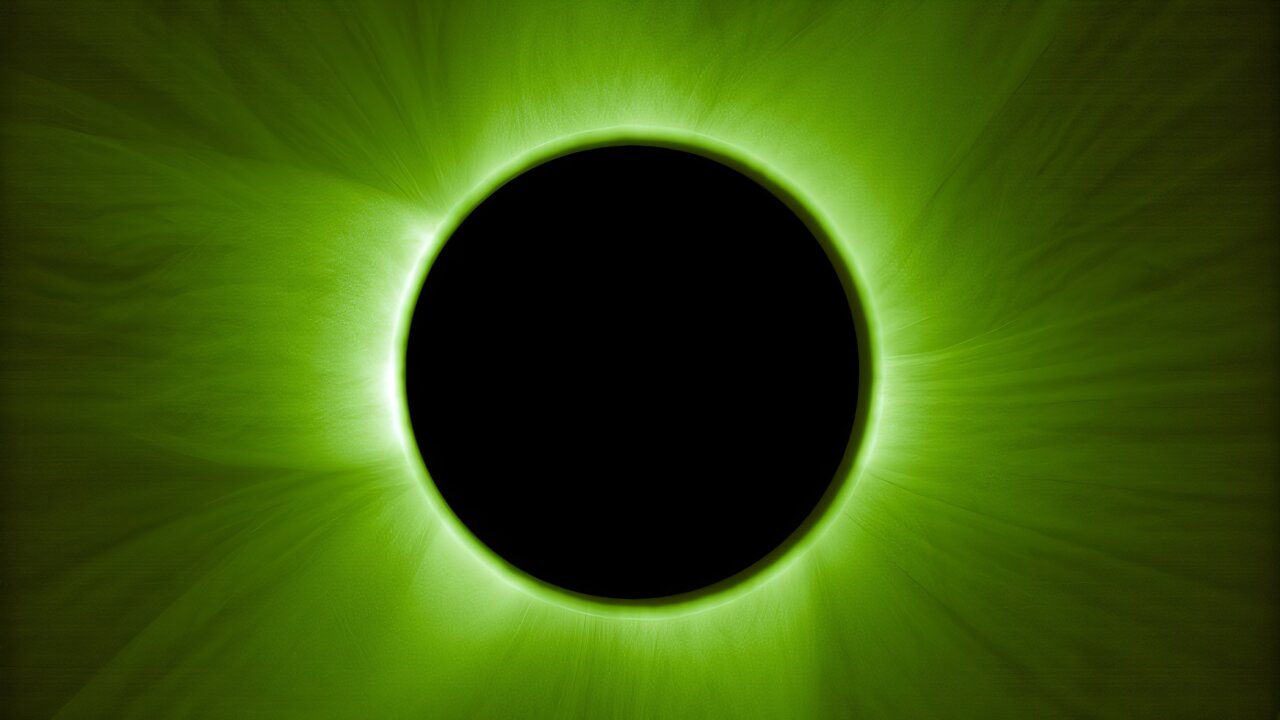
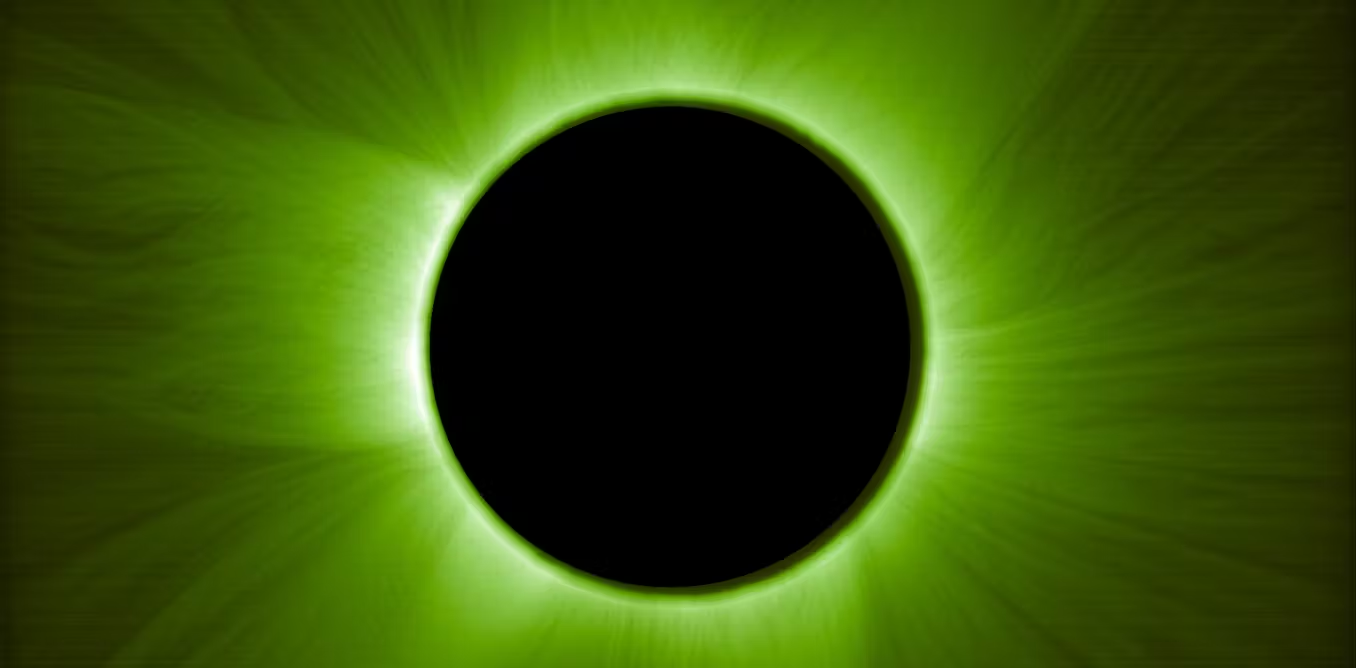
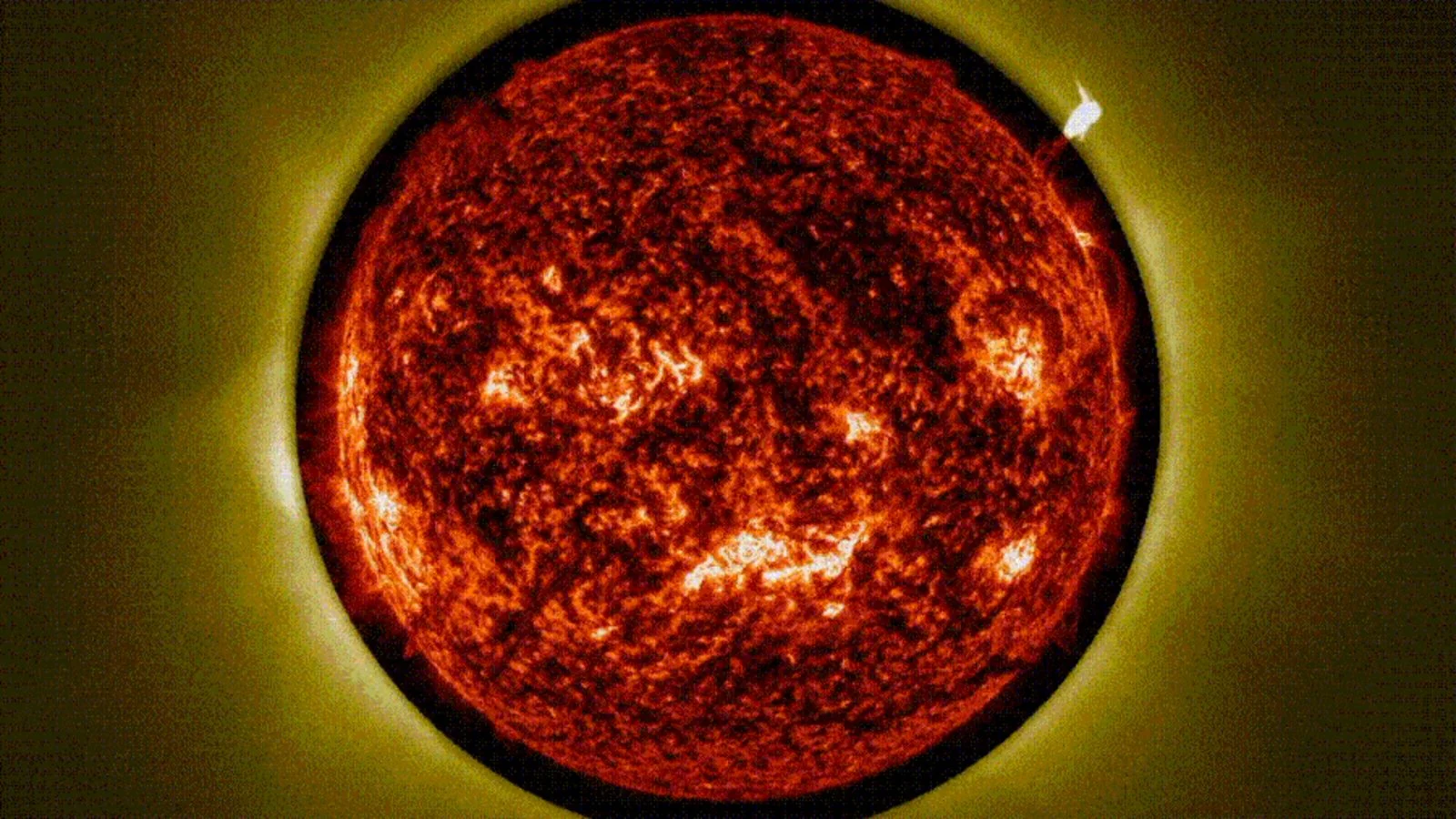
ESA's Proba-3 mission has captured the first images of an artificial solar eclipse using two satellites in precise formation, allowing detailed observation of the sun's corona and phenomena like prominences, which are crucial for understanding space weather and solar physics. This technology enables continuous observation of the corona without waiting for natural eclipses, marking a significant advancement in solar research.

science-and-technology1 year ago

Satellites to Simulate Solar Eclipses for Scientific Study

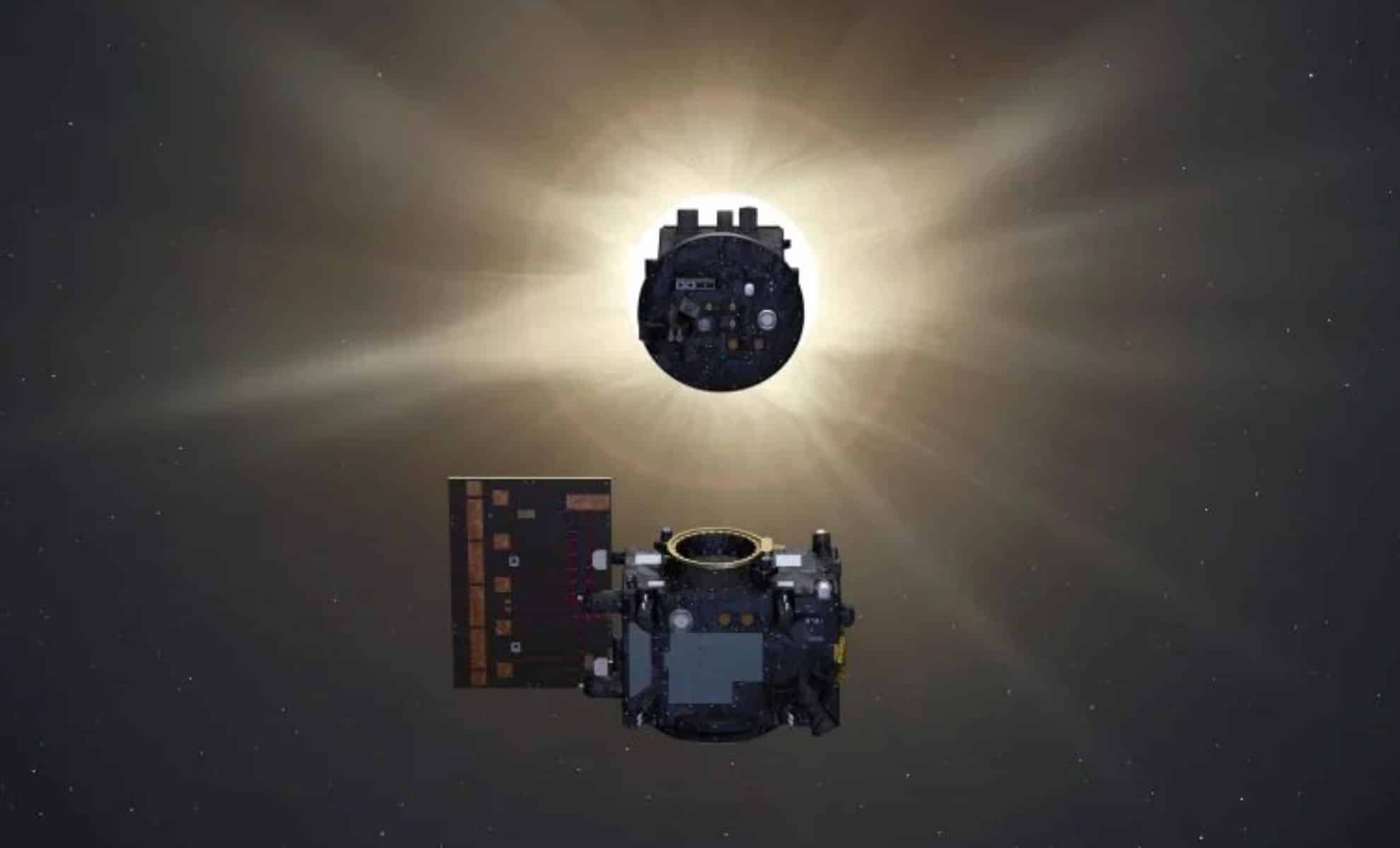
The European Space Agency has launched the Proba-3 mission, consisting of two spacecraft designed to create an artificial solar eclipse to study the sun's corona. This mission aims to demonstrate precise formation flying technology and investigate why the corona is significantly hotter than the sun's surface. By blocking the sun's light with millimeter-level accuracy, researchers can observe the corona for extended periods, improving our understanding of space weather and its impact on Earth.

science-and-technology1 year ago

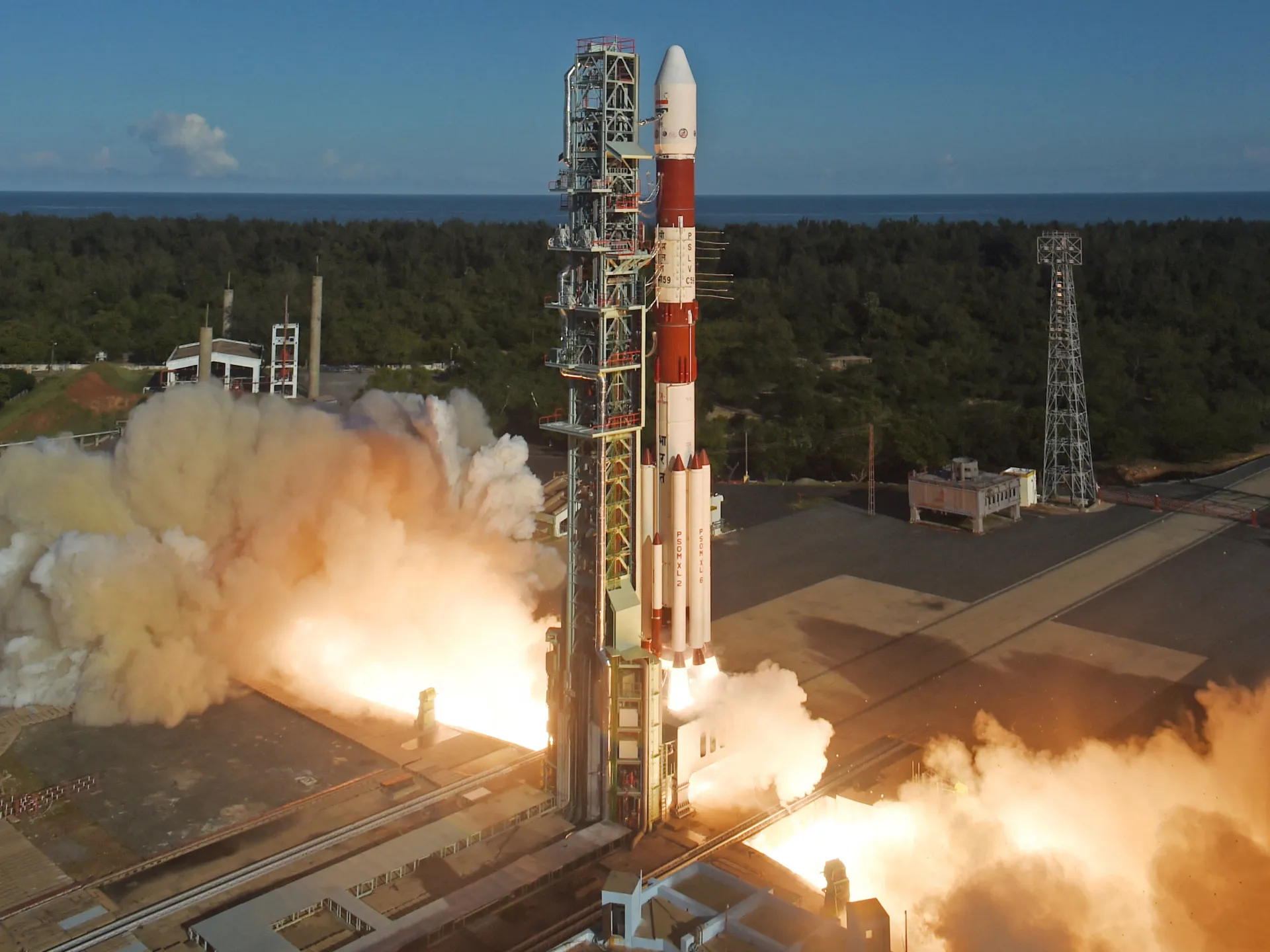
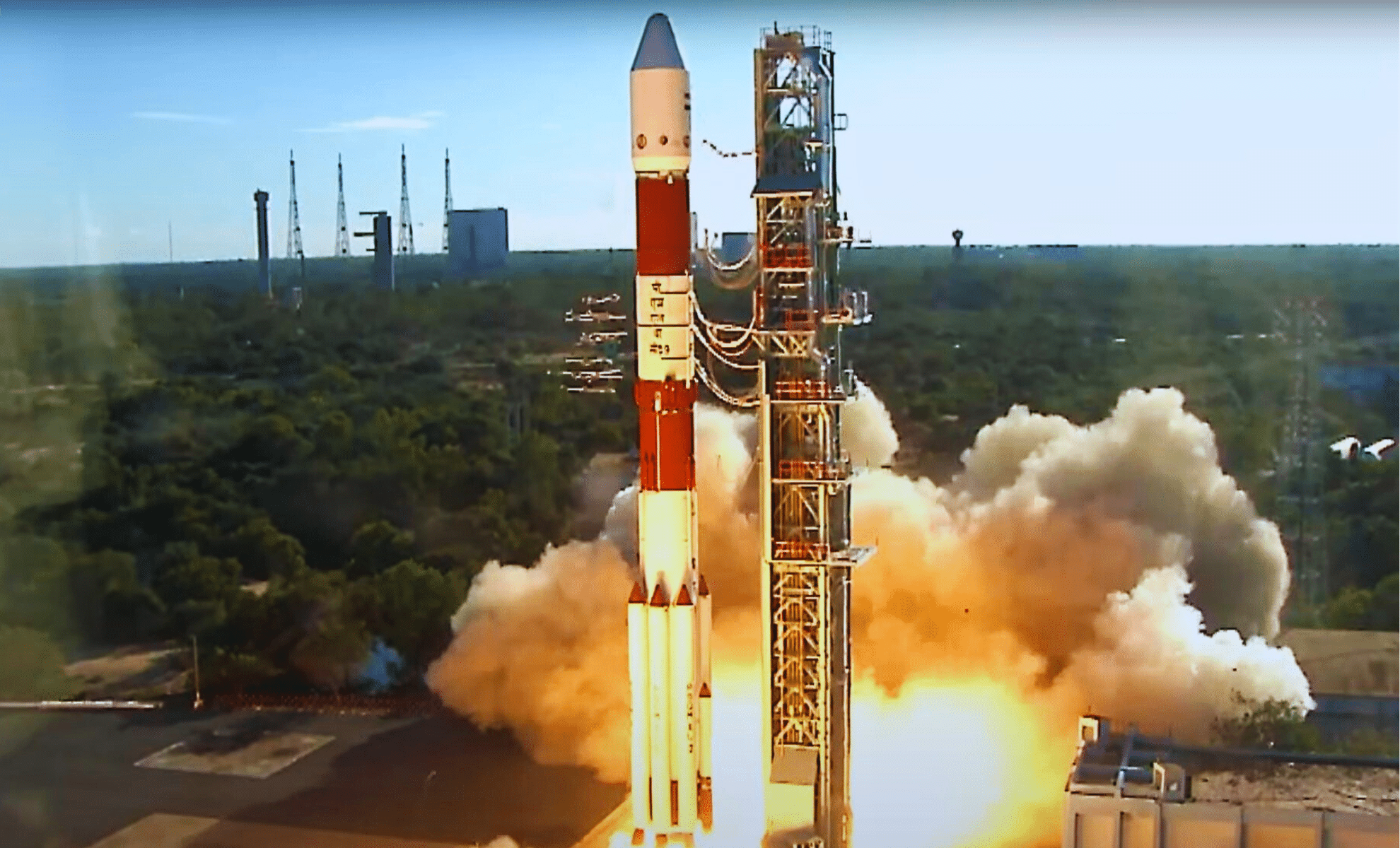
ISRO Launches European Satellites for Artificial Solar Eclipse Research

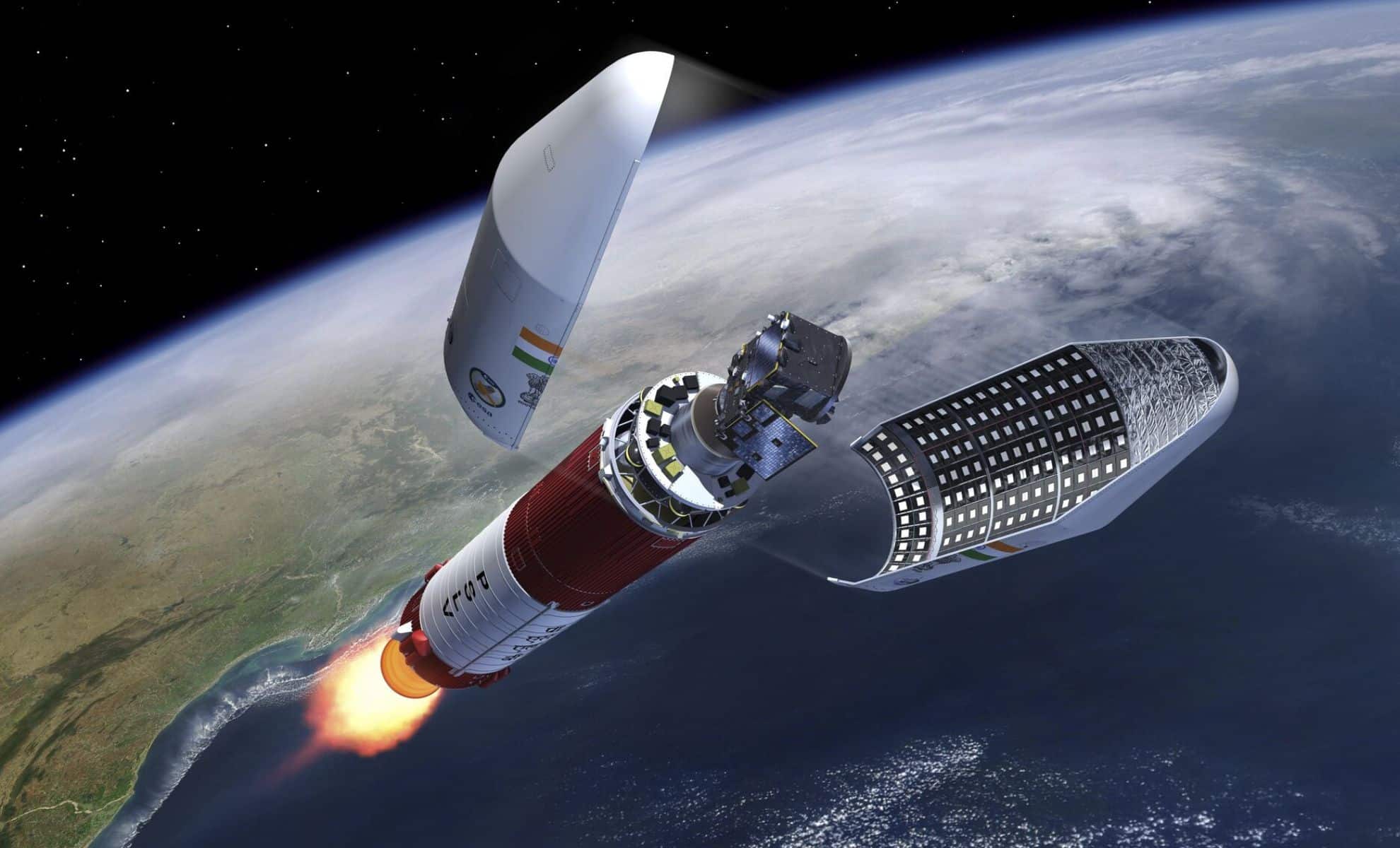
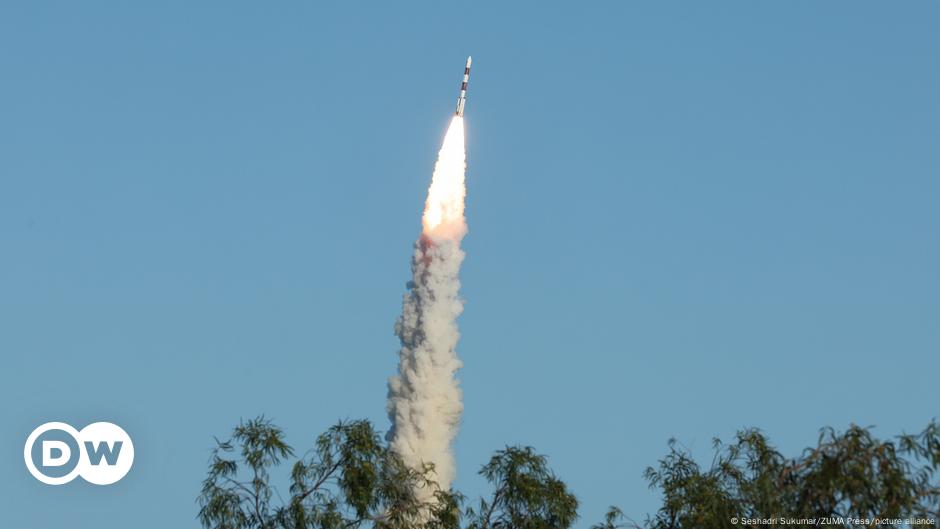
India's ISRO successfully launched the Proba-3 mission satellites, marking a significant achievement in space exploration. The mission, led by the European Space Agency (ESA), aims to demonstrate precise formation flying with two spacecraft, the Coronagraph Spacecraft and the Occulter Spacecraft, to study the Sun's corona. This collaboration between ISRO and ESA highlights advancements in solar research and international cooperation in space technology.

science-and-technology1 year ago

ESA's Proba-3 Satellites to Simulate Solar Eclipses for Sun Study

The European Space Agency's Proba-3 mission, launched on December 5, 2024, aims to create artificial solar eclipses using two satellites to study the Sun's corona. By blocking the Sun's light, the mission will allow extended observation of the corona, providing insights into phenomena like Coronal Mass Ejections and solar wind acceleration. This mission also demonstrates advanced autonomous spacecraft operations, potentially transforming future space exploration by using multiple small satellites for complex objectives.

science-and-technology1 year ago

India and Europe Collaborate on Artificial Solar Eclipse Mission

The European Space Agency, in collaboration with the Indian Space Research Organisation, launched the Proba-3 satellites to create artificial solar eclipses, allowing scientists to study the Sun's corona. The mission, costing €200 million, involves two satellites flying 150 meters apart to block sunlight and observe the Sun's atmosphere. This project aims to answer questions about the Sun's corona and energy output. The launch highlights India's growing role in space exploration, with plans for a space station by 2035 and a manned moon mission by 2040.

space1 year ago

European Satellites Launched for Artificial Solar Eclipse Tech Demo

ESA's Proba-3 mission, launched from India, involves two satellites performing precise formation flying to create artificial solar eclipses, allowing extended observation of the Sun's corona. This mission, supported by 14 ESA member states and Canada, aims to demonstrate advanced European space technology in autonomous operations and precision maneuvering. The satellites, placed in a highly elliptical orbit, will separate to achieve positioning accuracy crucial for their scientific objectives, including studying solar phenomena like Coronal Mass Ejections.

space1 year ago

India to Launch Proba-3 Satellites for Solar Research and Artificial Eclipses

The European Space Agency's Proba-3 mission, set to launch on December 4, 2024, aboard an Indian PSLV rocket, will use two satellites to create artificial solar eclipses in space. This mission aims to study the sun's corona by blocking its disk with one satellite while the other observes, allowing for extended observation periods compared to natural eclipses. The mission will also demonstrate precise formation flying, potentially paving the way for future large-scale space missions.