Tag

Space Agencies

All articles tagged with #space agencies

science3 months ago

Asteroid Passes Closer to Earth Than Satellites, Space Agencies Confirm

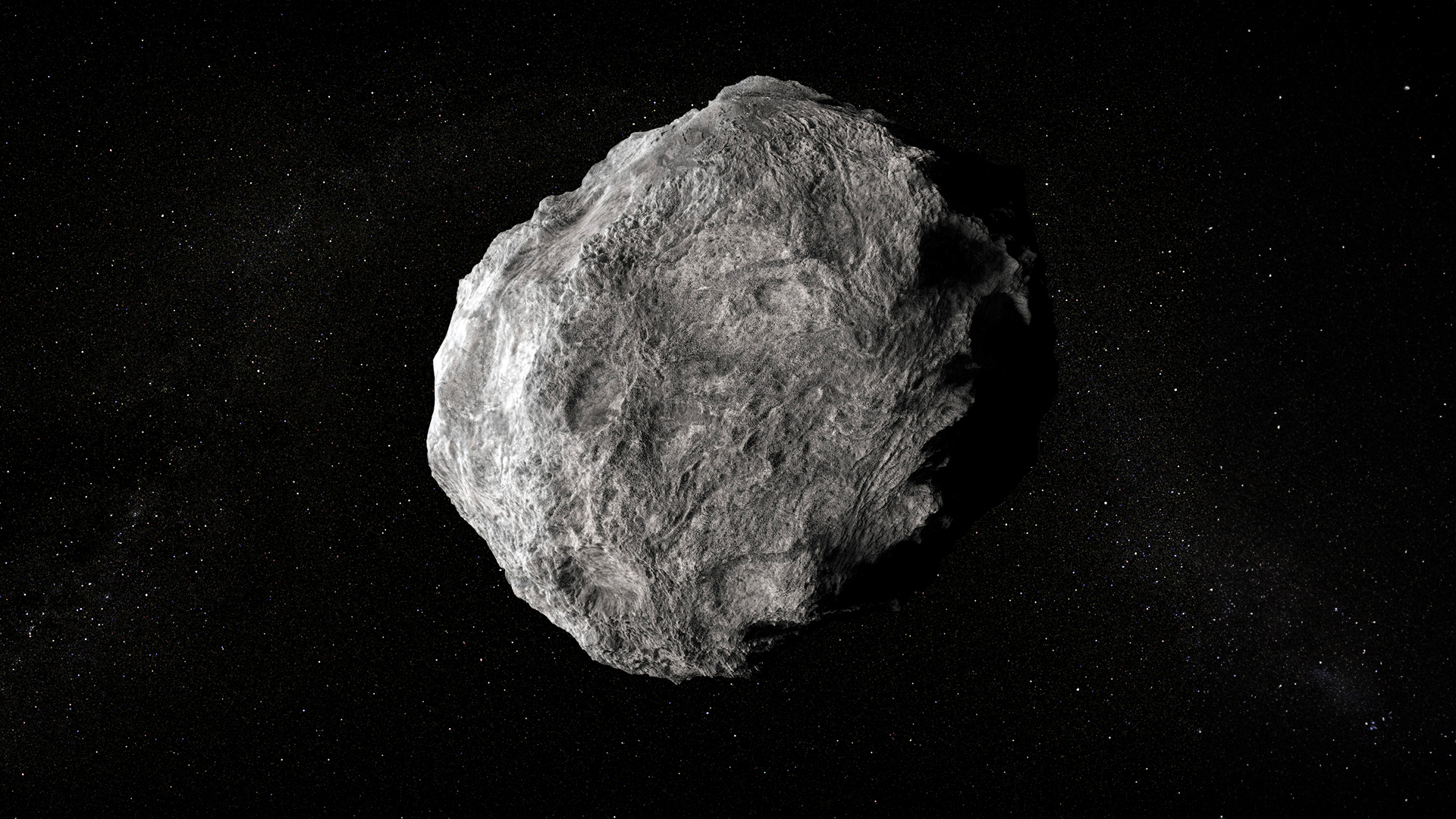
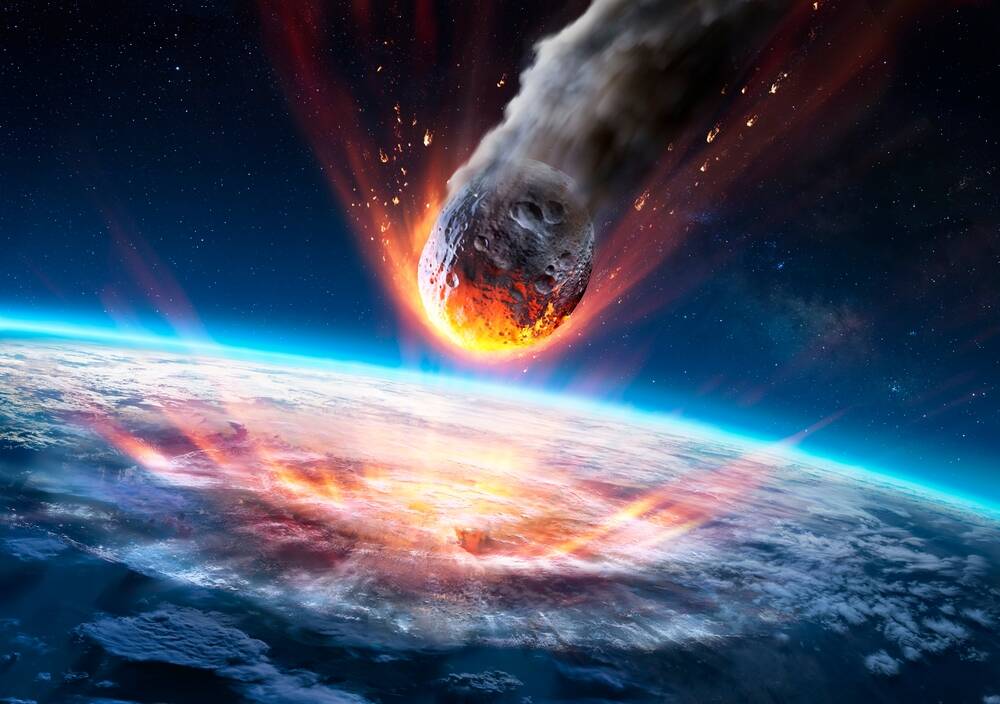
A small asteroid named 2025 TF passed closer to Earth than many satellites, flying over Antarctica at just 265 miles altitude on October 1, 2025. It was detected shortly after its passage by the Catalina Sky Survey and ESA's Planetary Defence Office, highlighting the challenges in tracking small near-Earth objects. The asteroid posed no significant threat but could have created a meteor if it had entered Earth's atmosphere. Another small asteroid, 2025 TQ2, also passed near Earth the following day.

science5 months ago

Global Collaboration Essential for Earth Observation Success

Earth observation relies heavily on global collaboration among space agencies and organizations to monitor and address climate change, natural disasters, and environmental challenges. The upcoming ESA symposium emphasizes the importance of sharing data, building joint missions, and ensuring equitable access to space technology to tackle global issues effectively, highlighting that space science is a collective effort vital for planetary resilience.

science-and-technology6 months ago

Lack of Global Protocols for Asteroid Impact Response

UK lawmakers discovered there is no international protocol for responding to asteroid threats, with limited readiness among global agencies to quickly implement deflection missions even with years of warning. While groups like SMPAG exist to address policy questions, decision-making processes remain unclear and challenging to coordinate internationally, highlighting the need for established procedures and testing.

space-technology1 year ago

"Uncle Sam's Quest for Satellite Fuel from Thin Air"

Researchers from the Department of Energy's Princeton Plasma Physics Laboratory and George Washington University are developing air-breathing electric propulsion (ABEP) systems for satellites in very low Earth orbit (VLEO) that can generate fuel from the atmosphere, potentially extending satellite lifetimes and reducing mass. This technology, funded by DARPA, aims to use air as propellant instead of conventional fuels, and while still in the experimental phase, it has garnered interest from space agencies like the European Space Agency.

science-and-technology1 year ago

NASA's Planetary Defense Chief Details Public Alert System for Impending Catastrophic Asteroid Strike

NASA's Lead Program Executive for the Planetary Defense Coordination Office, Lindley Johnson, revealed the calm process of informing the public about a deadly asteroid heading towards Earth, stating that there's no "red phone" on his desk but formal procedures for notification. If a serious impact is detected, NASA would inform the White House, which would then release an official statement to the public. The International Asteroid Warning Network and the United Nations Office of Outer Space Affairs would also be involved if the asteroid posed an international threat. NASA tracks potentially hazardous asteroids and has confirmed that it doesn't expect a deadly impact in the next century, but some experts express concerns about Earth's readiness to defend against such threats.

space-exploration1 year ago

"Lunar Landings: The New Space Race Unveiled"

The race to explore the Moon has intensified with multiple nations and commercial companies aiming for lunar landings. China, India, Japan, and the United States are among the key players with ambitious plans for lunar exploration. Delays in Nasa's Artemis program have sparked competition with China, while commercial companies like Astrobotic and Intuitive Machines are also vying for lunar missions. The prospect of a lunar economy is emerging, with an increasing number of space start-ups and collaborations aiming to stimulate demand for affordable lunar satellite missions.

science-and-technology2 years ago

"International Space Station's Final Resting Place: Point Nemo, the World's Spaceship Graveyard"

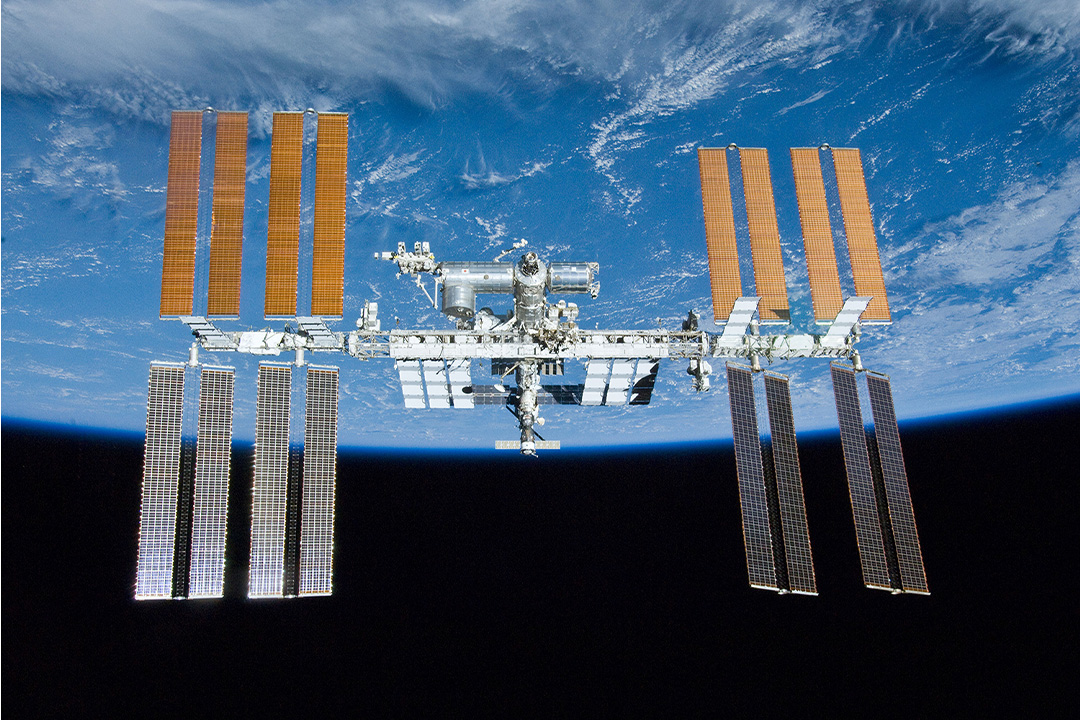
The International Space Station (ISS) is set to be retired in 2030 and will be intentionally crashed into the Pacific Ocean, joining other space debris in Point Nemo, the world's spaceship graveyard. Point Nemo, also known as the oceanic pole of inaccessibility, is the most remote location on Earth, reducing the risk of any surviving fragments causing harm. Space agencies are developing a complex plan to bring the ISS down in a controlled manner, including allowing its orbit to naturally decay, intentional maneuvers, and using a bespoke spacecraft for a final burn. The station is expected to break up in three stages during reentry.

science-and-technology2 years ago

Close Encounter: Newly Discovered Asteroid Whizzes by Earth at Record Speed

Newly discovered asteroid C9FMVU2, measuring just 6.5 feet wide, came within an astonishing 2,500 miles of Earth's surface, 100 times closer than the Moon. Despite its proximity, the European Space Agency (ESA) reassured the public that the small size of the asteroid posed no threat to our planet. Astronomers have identified over 30,000 near-Earth asteroids, with approximately 2,300 classified as potentially hazardous by NASA. Efforts are ongoing to map out the population of space rocks near Earth to ensure preparedness for any unexpected collisions.

space2 years ago

"CIA's 'World Factbook' Update Reveals Secrets of Global Space Programs"

The CIA has released a new update to its World Factbook, featuring a section on space programs around the world. The factbook provides information on over 90 countries and the European Union, including their space program budgets and key activities. The information is publicly available and gathered from open sources. The CIA plans to update the Space Programs section weekly and hopes to provide more frequent updates in the future.

space2 years ago

SpaceX Dragon Endurance Successfully Delivers International Crew to Space Station

The SpaceX Crew Dragon spacecraft successfully docked at the International Space Station, bringing four new crew members to replace the outgoing team. The crew consists of astronauts and cosmonauts from various space agencies, including NASA, ESA, JAXA, and Roscosmos. This marks the first time that crew members from four different space agencies are on board the ISS. The new crew will stay for six months before being replaced by another team in September.

space-exploration2 years ago

The Global Race to the Moon's South Pole: Explained

Countries and private companies are racing to the moon's heavily cratered south pole due to the presence of frozen water, which is seen as a key resource for moon colonization, lunar mining, and potential missions to Mars. Scientists have found evidence of water on the moon's surface and below its surface in shadowed craters. Water on the moon is important because it could provide drinking water, cooling for equipment, and be broken down to produce hydrogen for fuel and oxygen to breathe. The south pole is particularly challenging due to its craters and deep trenches, but countries like India, the United States, and China have planned missions to this region.

space-exploration2 years ago

"The Global Lunar Rush: Unraveling the Race to the Moon's South Pole"

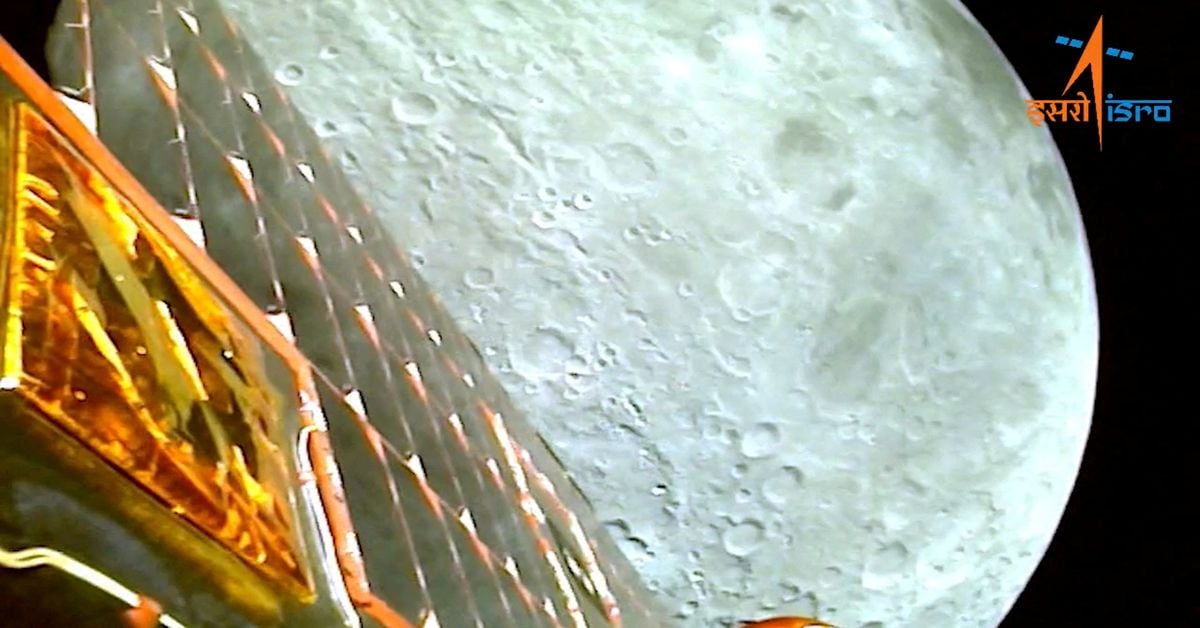
India's space agency, ISRO, is attempting to land a spacecraft on the moon's south pole to expand knowledge of lunar water ice, which is considered one of the moon's most valuable resources. The presence of water on the moon has been confirmed through various missions and research, and it holds significance for potential moon colonies, lunar mining, and future missions to Mars. The moon's south pole is particularly challenging due to its treacherous terrain, but both the US and China also have planned missions to this region.

space-exploration2 years ago

"Global Space Agencies Compete for Moon's South Pole Exploration"

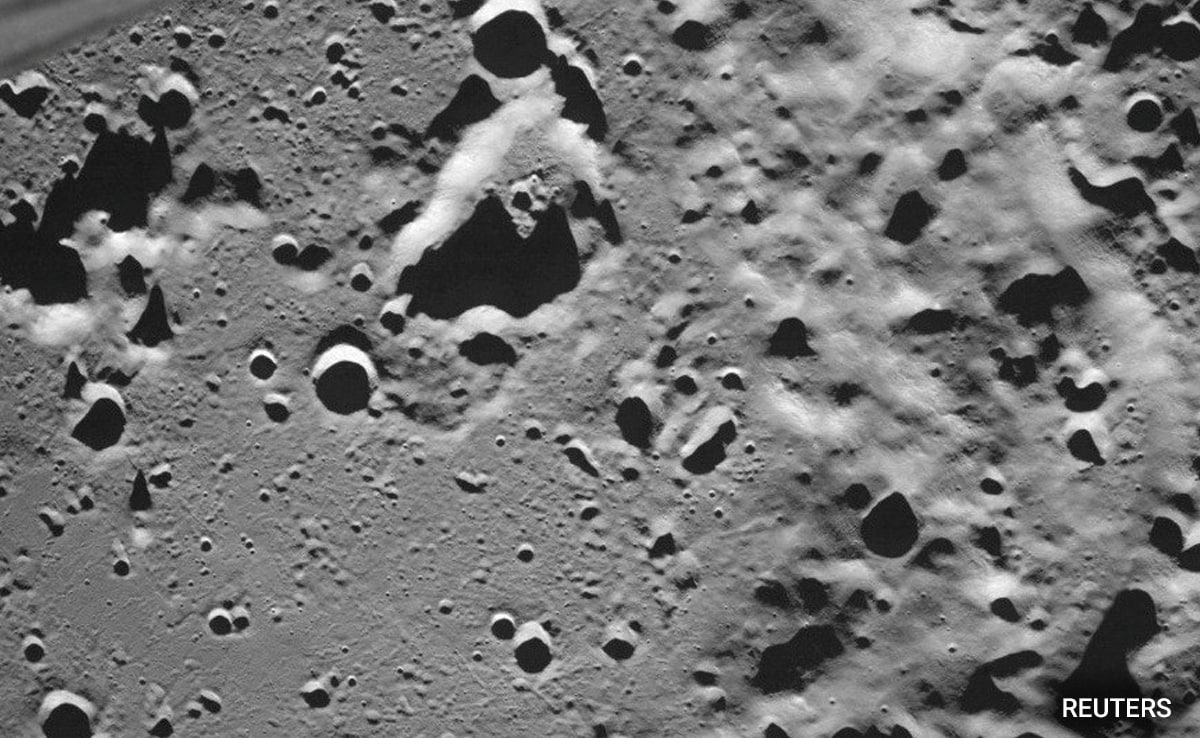
Space agencies around the world, including India's ISRO, are racing to the moon's south pole to explore the presence of frozen water ice, which could be a valuable resource for future moon colonies, lunar mining, and potential missions to Mars. Scientists have found evidence of water ice on the moon's surface and below its surface in shadowed craters. Water on the moon could provide drinking water, cooling for equipment, and be broken down to produce hydrogen for fuel and oxygen to breathe. The south pole is particularly challenging due to its craters and deep trenches, and recent attempts by Russia's Luna-25 craft have resulted in a crash.

space-exploration2 years ago

"The Lunar South Pole: A Global Space Race Explained"

Space agencies and private companies are racing to the moon's south pole due to the presence of frozen water, which is considered a valuable resource for potential moon colonies, lunar mining, and missions to Mars. The discovery of water on the moon was made through various missions, including the 2009 detection of water on the moon's surface by a NASA instrument aboard the Indian Space Research Organisation's Chandrayaan-1 probe. Water ice in sufficient quantities could provide drinking water, cooling for equipment, and be broken down to produce hydrogen for fuel and oxygen to breathe. The south pole is particularly challenging due to its craters and deep trenches, but multiple countries, including India, the United States, and China, have planned missions to this region.