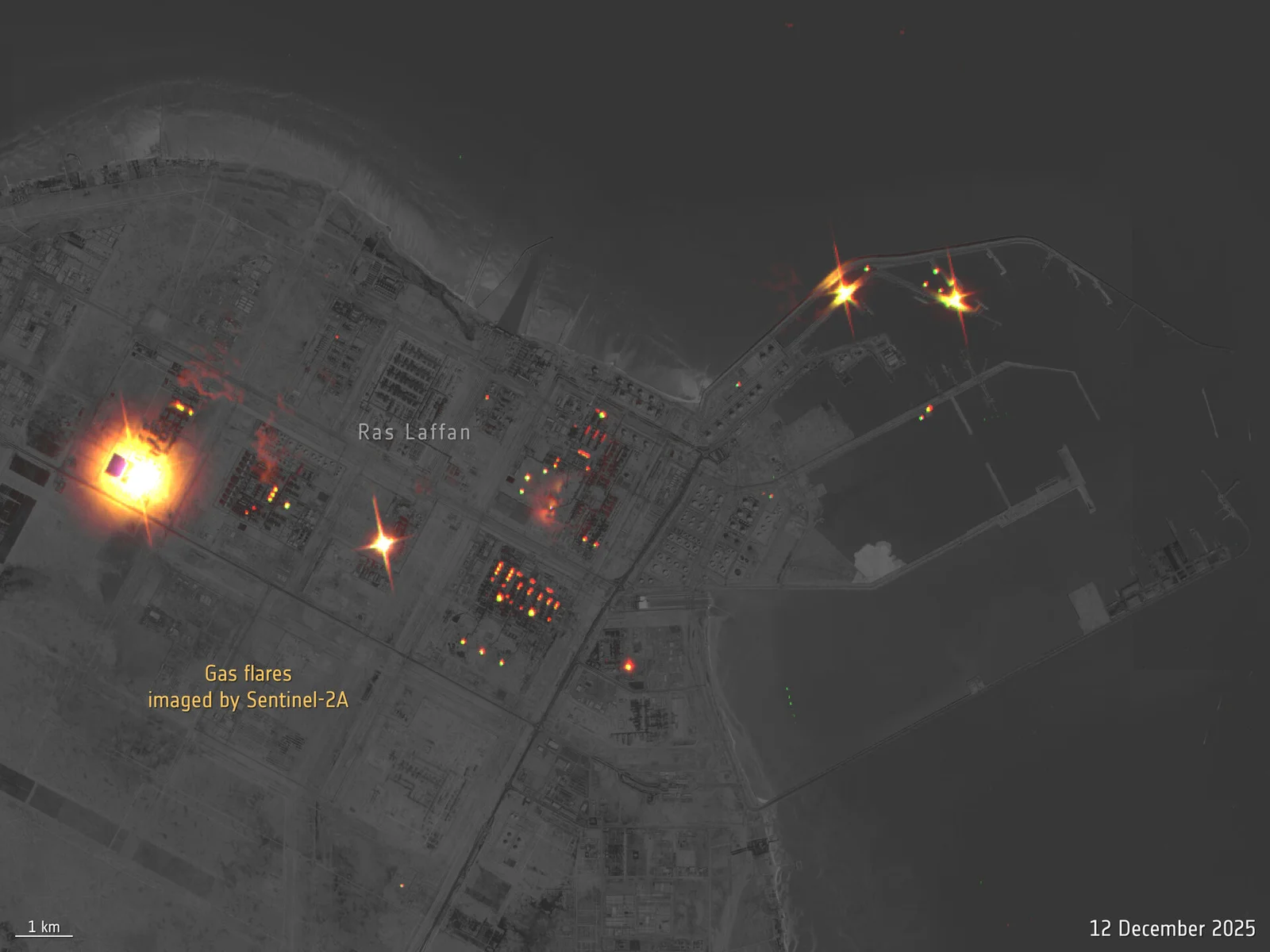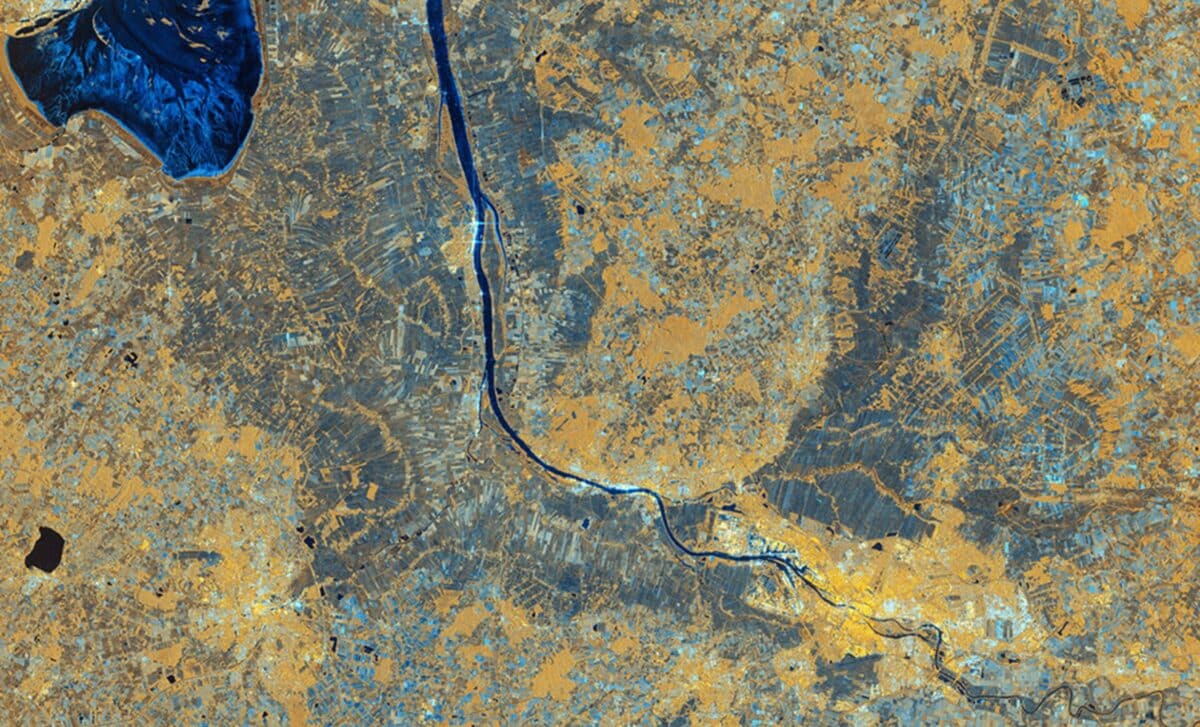
Sentinel-1D, Europe's latest Earth observation satellite, achieved a record-breaking 50-hour turnaround from launch to first images, capturing high-resolution radar data of Antarctica, Europe, and maritime activity, demonstrating rapid response capabilities and advancing climate and environmental monitoring.
SpaceX launched the Cosmo-SkyMed Second Generation Flight Model 3 satellite for Italy on January 2, 2026, using a Falcon 9 rocket from Vandenberg, marking the first Falcon launch in 16 days after previous delays. The satellite, designed for dual civilian and military Earth observation, will operate in a Sun-synchronous orbit and utilize synthetic aperture radar to capture images through clouds and darkness, enhancing Italy's defense and research capabilities.
NASA's satellites captured a striking image of a massive tsunami, highlighting the power of earth observation technology in monitoring natural disasters.
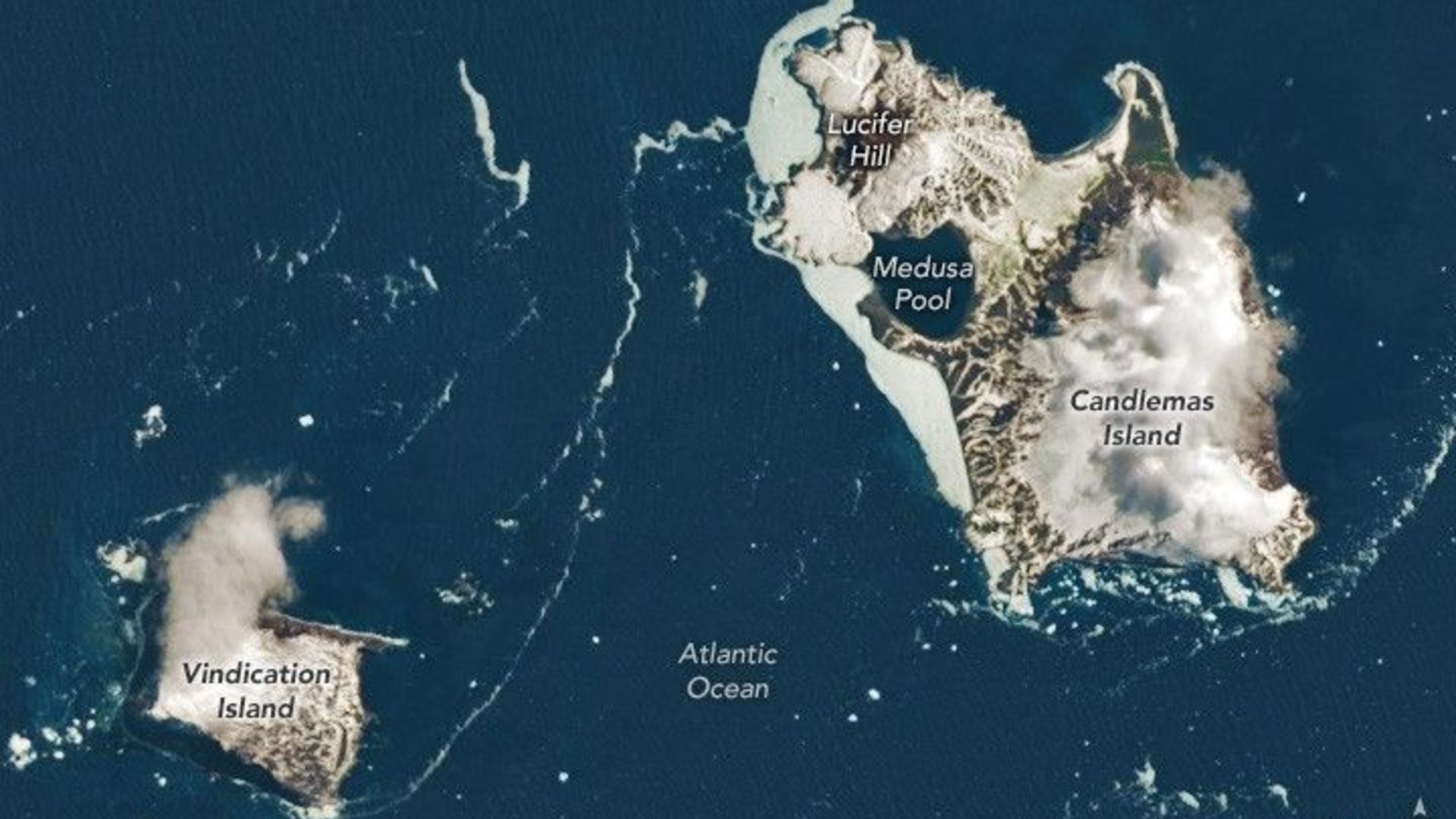
NASA's Landsat 9 satellite captured a rare clear view of Vindication and Candlemas Islands in the remote South Sandwich Islands, revealing volcanic features, erosion patterns, and atmospheric wave clouds, providing valuable data on Earth's extreme environments and climate processes.
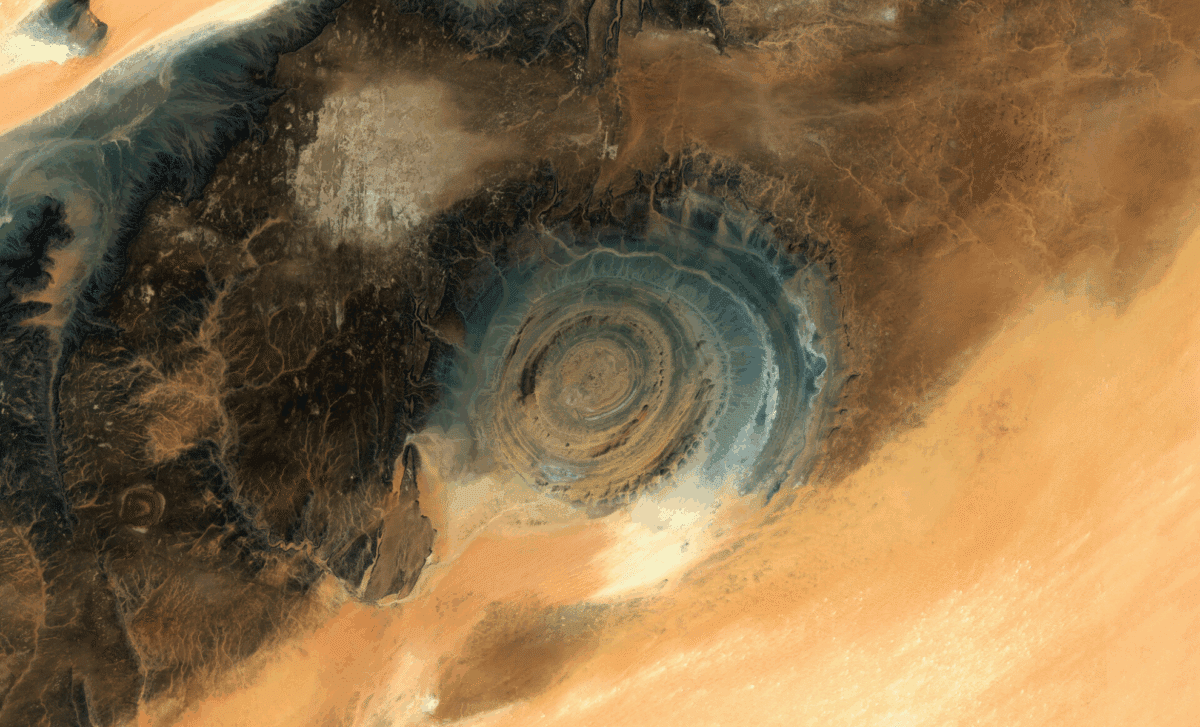
The 'Eye of the Sahara,' or Richat Structure, is a 50-kilometer-wide geological formation in Mauritania, visible from space and formed by ancient geological uplift and erosion. Recent satellite imagery from ESA reveals its layered sedimentary rocks, signs of erosion, and some desert life, providing valuable insights into Earth's geological history and ecosystem, showcasing ESA's role in Earth observation.
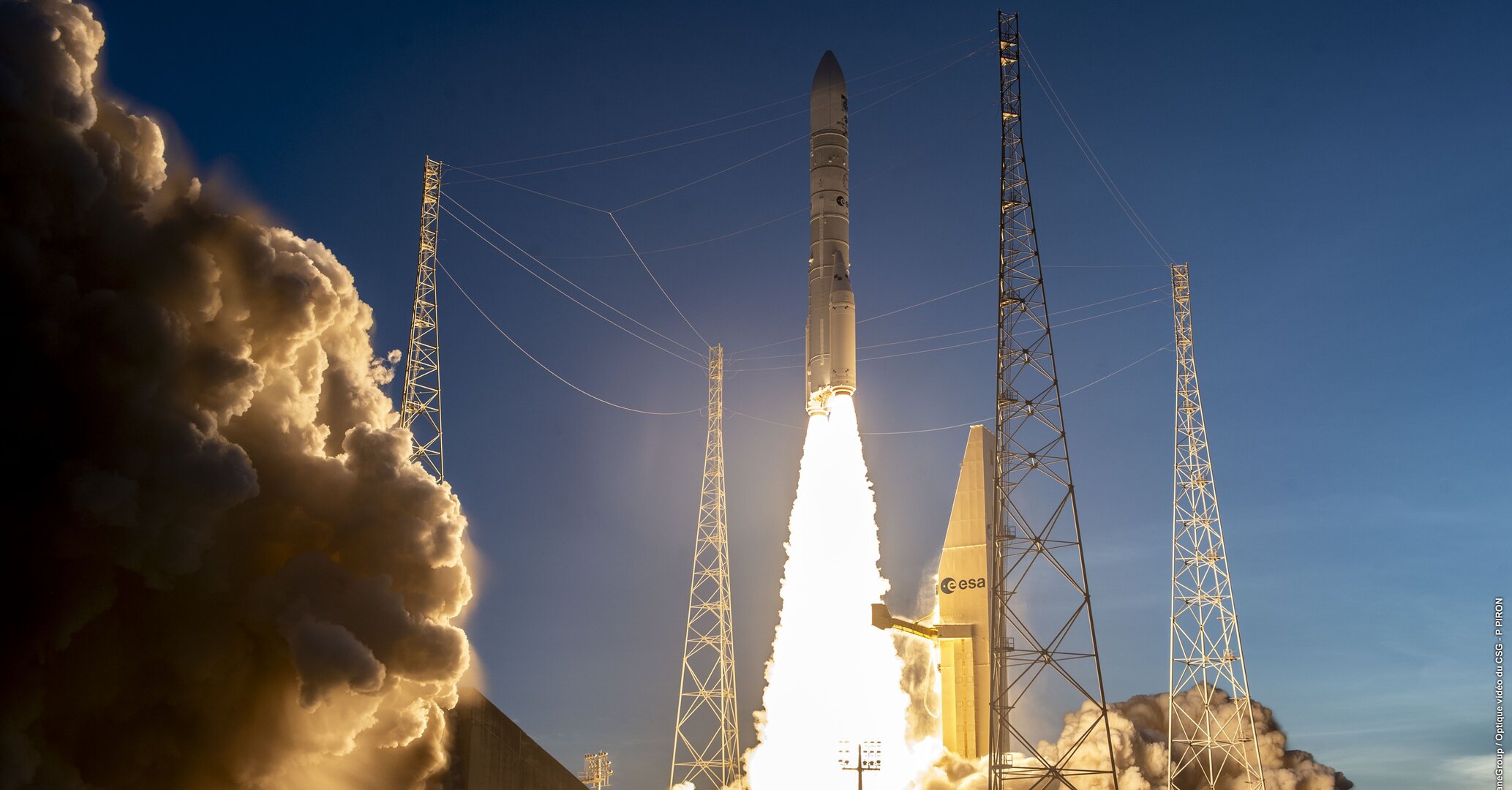
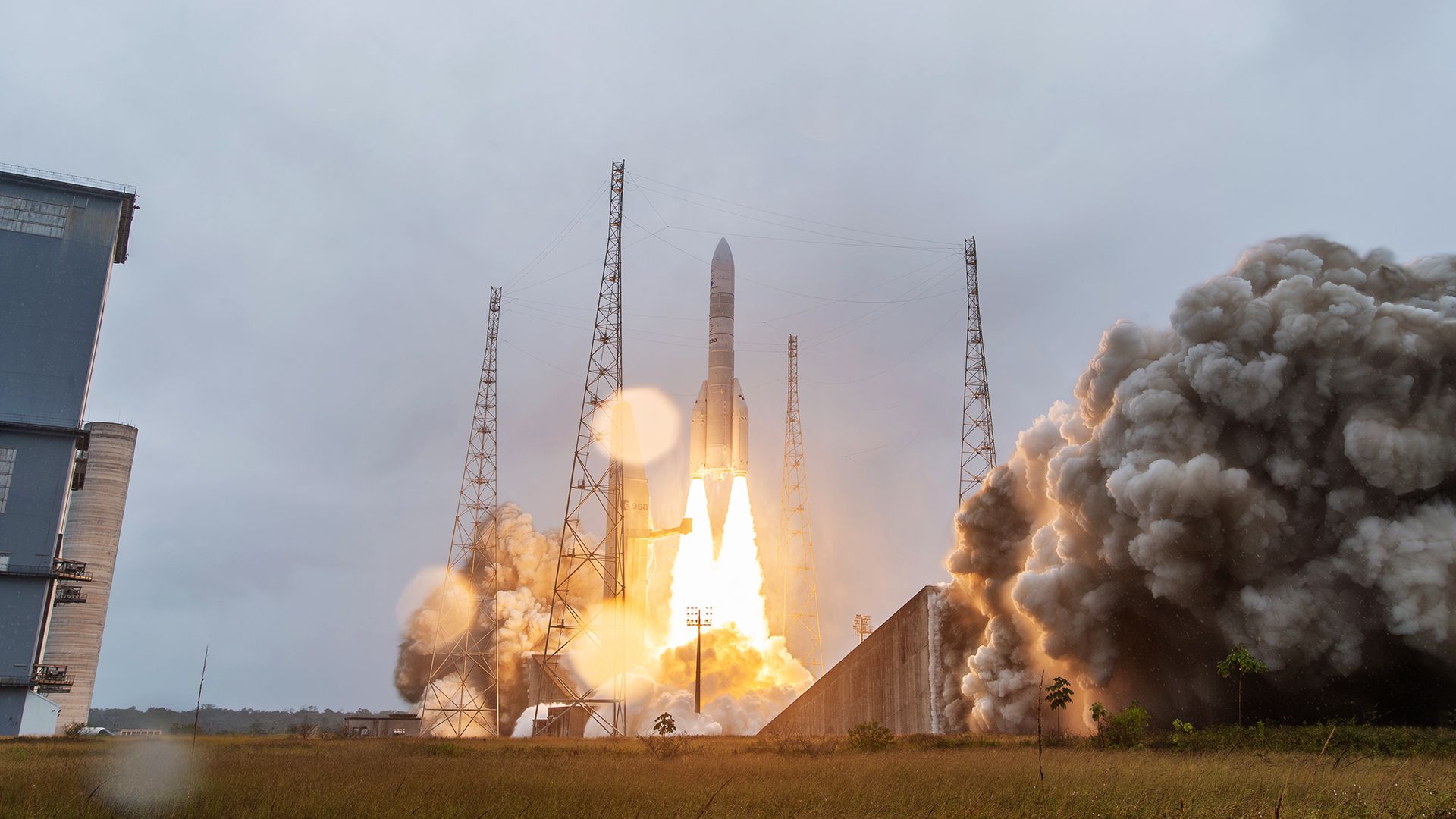
Sentinel-1D, the last of the first-generation Sentinel-1 satellites, was successfully launched into orbit aboard an Ariane 6 rocket from French Guiana, completing the Copernicus Earth observation mission that provides critical radar data for environmental monitoring and disaster response.
Europe's Ariane 6 rocket is launching its fourth mission, carrying the Sentinel-1D satellite for the EU's Copernicus program, which provides critical radar imagery for various applications, marking its third successful launch after debuting in July 2024.
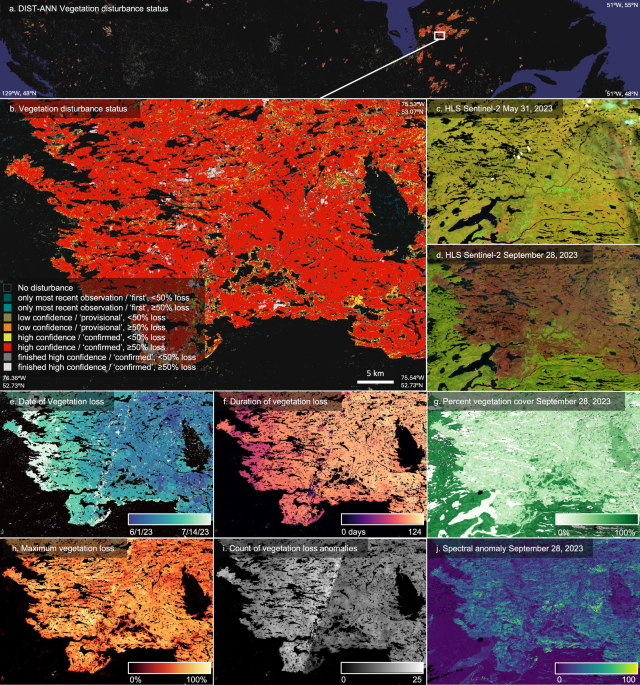
The article discusses DIST-ALERT, an operational satellite-based system that rapidly detects and monitors global land cover changes at 30m resolution using NASA and ESA satellite data, providing critical information for conservation, land management, and policy enforcement, with high accuracy and low latency since 2023.
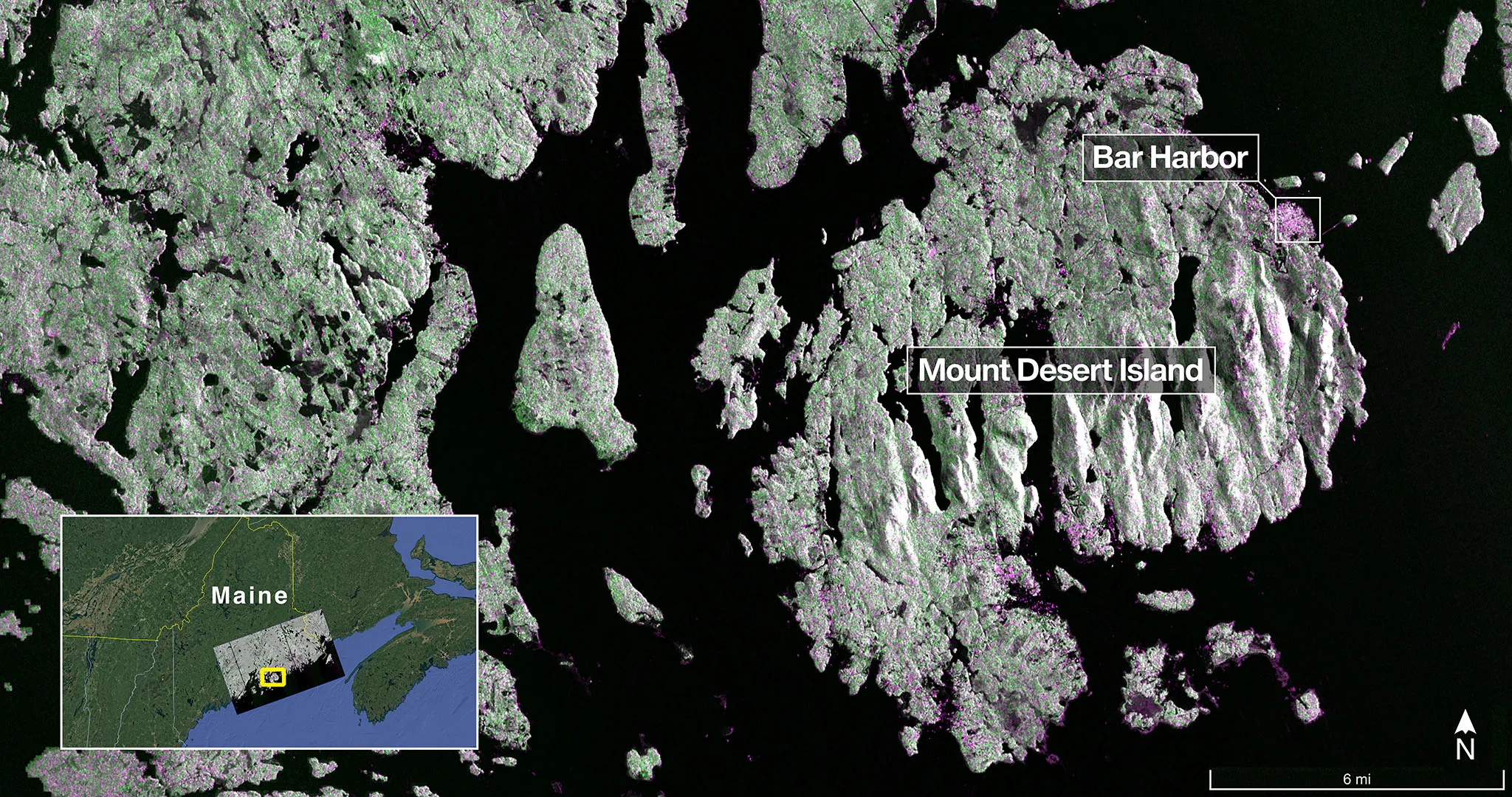
NASA and ISRO's joint NISAR satellite has captured its first detailed radar images of Earth's surface, demonstrating its capabilities in monitoring land and ice surfaces for applications like disaster response and environmental management, with full science operations expected later this year.
Photographers and astronauts Don Pettit and Babak Tafreshi collaborated to capture Earth from above and below, showcasing the planet's natural beauty and phenomena from the International Space Station and ground-based locations, highlighting the unique perspectives and the importance of human-led space photography.
The article highlights the extensive efforts and advanced technologies used in climate science, including fieldwork in remote locations, ice core analysis, cloud research, and satellite monitoring, to understand Earth's climate system and address global warming.
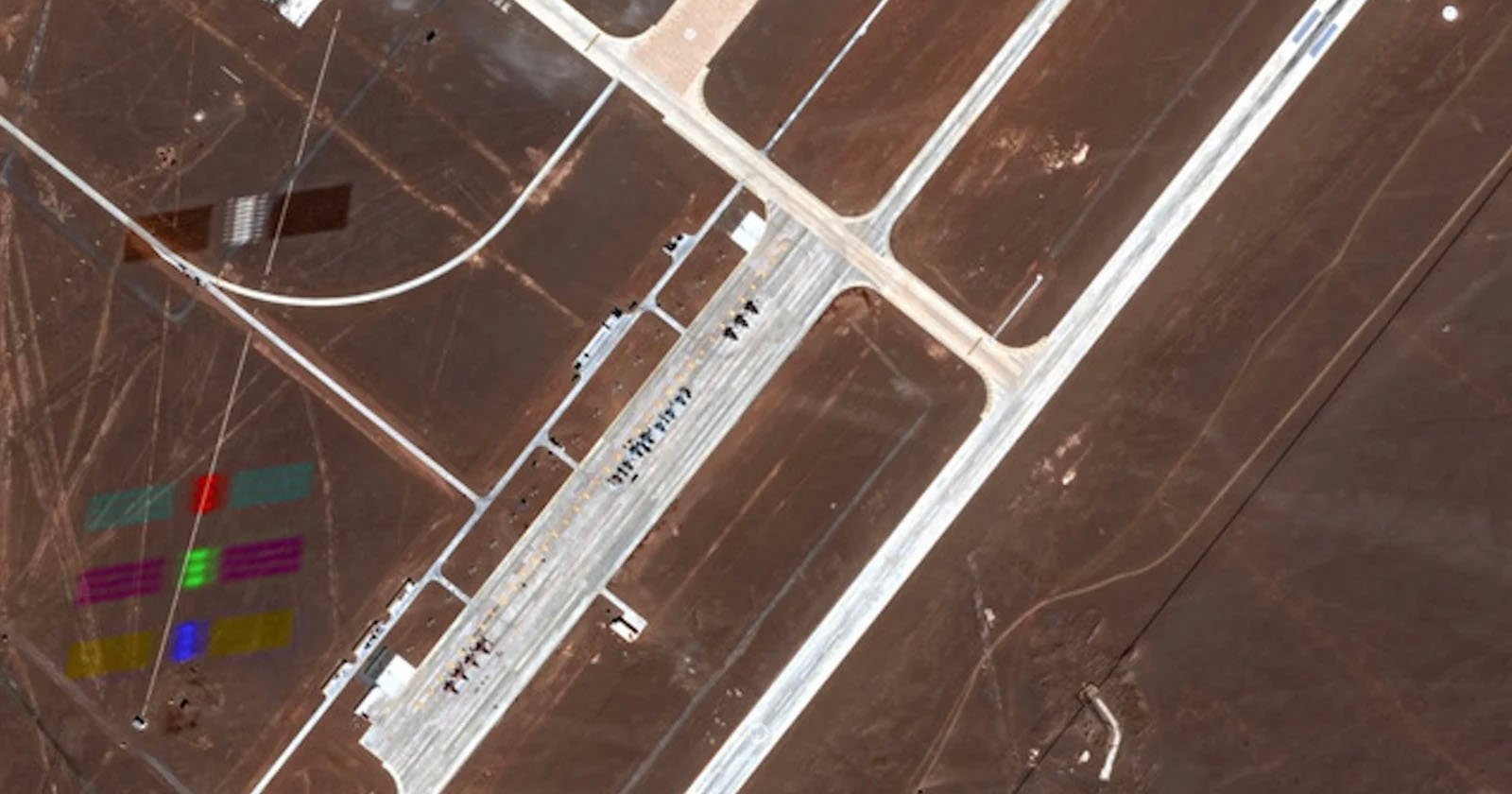
A high-resolution image captured by a Maxar satellite unexpectedly shows a SpaceX Starlink satellite passing over a Chinese military airbase, highlighting the increasing congestion in near-space and raising awareness about space domain complexities.
A Maxar Technologies satellite captured an image of a passing SpaceX Starlink satellite over China's Dingxin Airbase, creating colorful reflections due to high relative speed, highlighting the increasing activity in near-Earth space and raising awareness about space debris and satellite visibility issues.
A rare image captured by Maxar Technologies shows a SpaceX Starlink satellite passing over China's secret Dingxin Airbase, creating colorful reflections in the high-resolution photo, highlighting the increasing congestion in low Earth orbit and raising concerns about space sustainability and mission planning.
SpaceX successfully launched a Falcon 9 rocket from Vandenberg Space Force Base, deploying Luxembourg's NAOS Earth-observation satellite along with several smaller satellites for companies like Planet, Dhruva Space, and Exolaunch, marking SpaceX's 104th Falcon 9 mission of 2025.