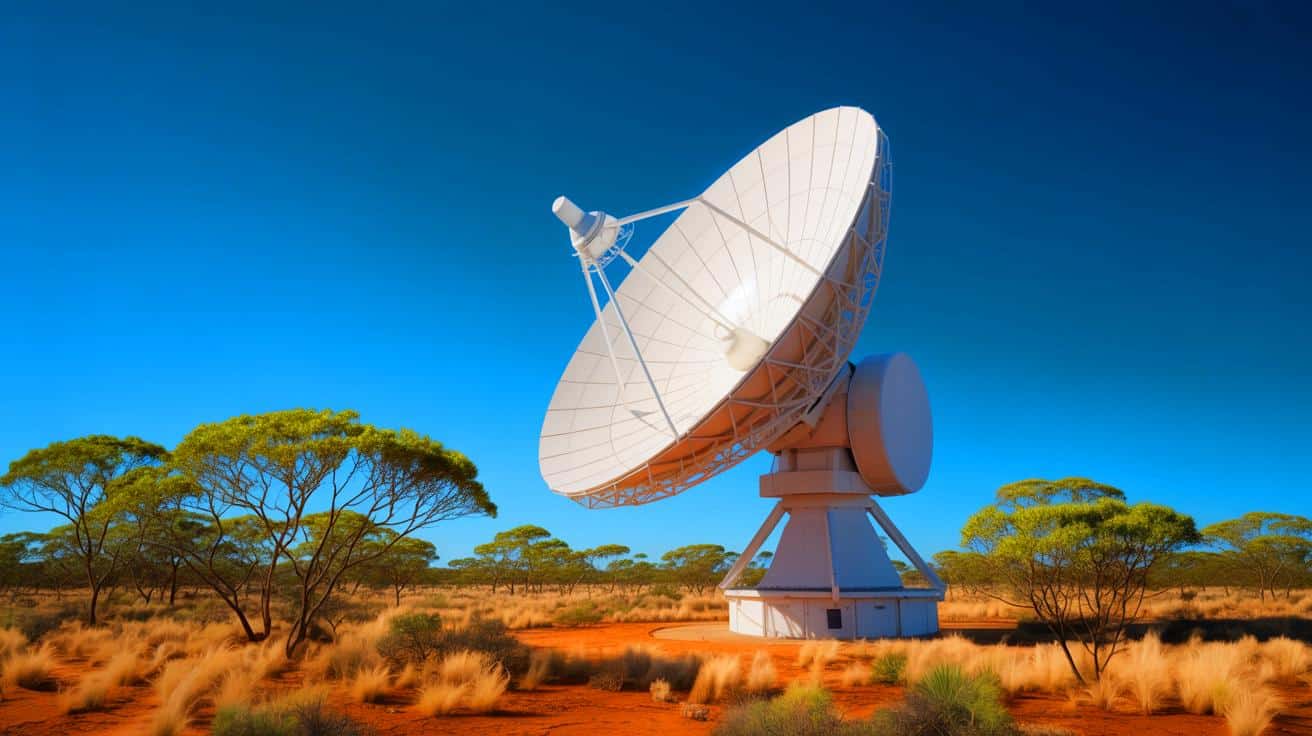
The European Space Agency has unveiled a new 115-foot deep space antenna in New Norcia, Australia, to enhance global space communication, support missions like Juice and Mars Express, and foster international cooperation, with significant scientific and economic benefits expected over its 50-year lifespan.

NASA aims to establish a human village on the Moon within a decade, including a nuclear-powered settlement, while other space agencies focus on sustainability, Earth observation, and international collaboration to address space debris and exploration goals.
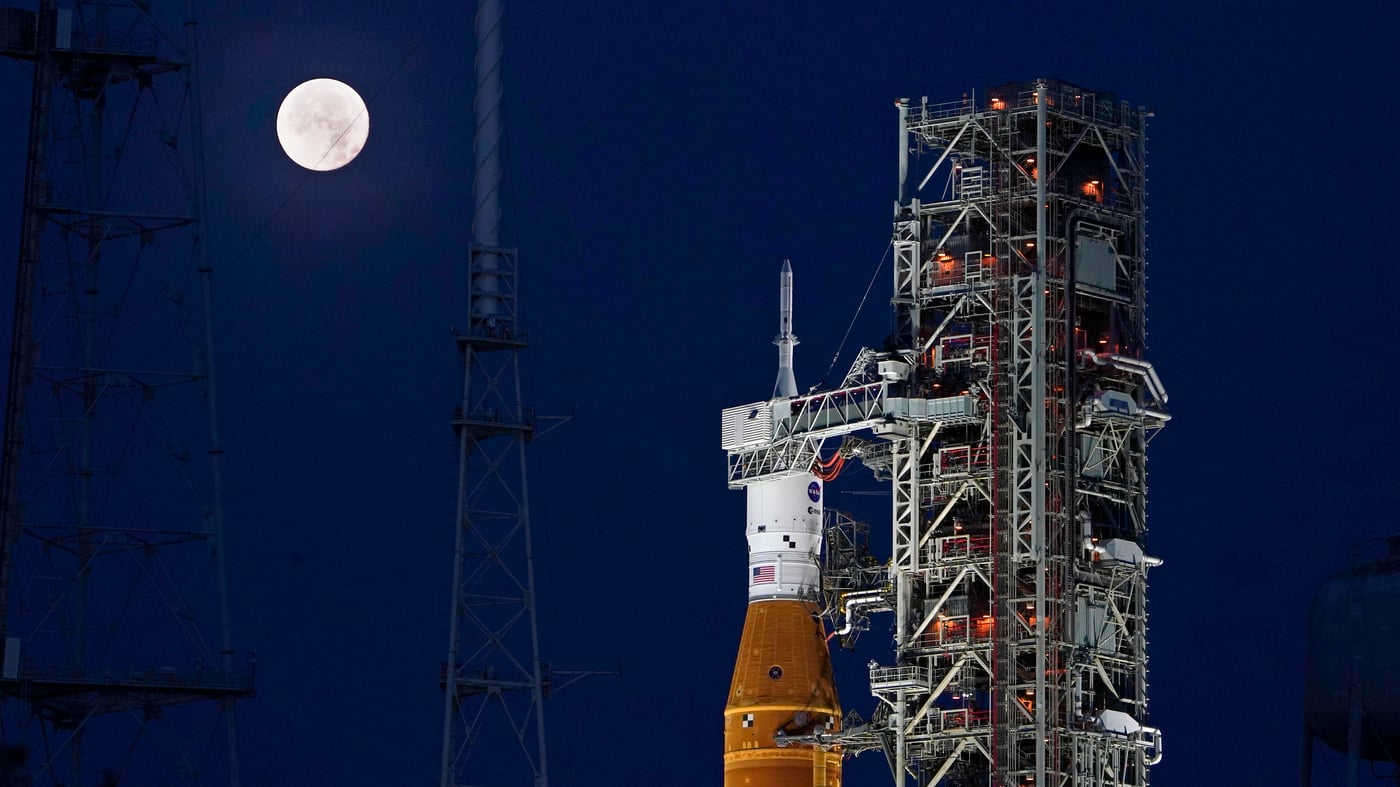
The Artemis II crew, consisting of three Americans and one Canadian, emphasized international collaboration and inspiring global unity during their upcoming moon mission, set to launch as soon as next February, aiming to make space exploration inclusive and inspiring for all.
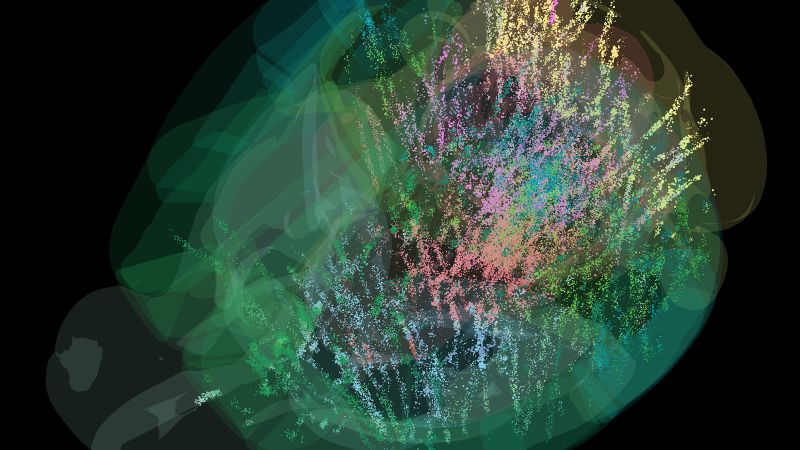
Neuroscientists from 22 labs created the first comprehensive brain map of decision-making in mice, tracking activity from over 600,000 neurons across nearly the entire brain, revealing widespread neural involvement and the role of prior knowledge, marking a major advancement in neuroscience research.
Earth observation relies heavily on global collaboration among space agencies and organizations to monitor and address climate change, natural disasters, and environmental challenges. The upcoming ESA symposium emphasizes the importance of sharing data, building joint missions, and ensuring equitable access to space technology to tackle global issues effectively, highlighting that space science is a collective effort vital for planetary resilience.
Spain is willing to invest up to €400 million to host the Thirty Meter Telescope on La Palma in the Canary Islands, marking a significant shift in international astronomy collaboration and a potential loss of prestige for the U.S.
NASA is hosting a signing ceremony for Senegal to join the Artemis Accords, but questions arise about the actual management structure at NASA, as the event's senior host is NASA's chief of staff rather than the acting administrator or other high-ranking officials, suggesting possible shifts or ambiguities in NASA's leadership hierarchy.
The U.S. will withdraw from UNESCO by the end of 2026, citing concerns over divisive social causes and Palestine's membership, reversing its 2023 reentry after previously leaving in 2018 due to similar issues, with the move impacting global cultural and heritage sites.
The ITER project has achieved a major milestone by completing a powerful central solenoid magnet capable of levitating an aircraft carrier, which is crucial for sustaining the superheated plasma needed for nuclear fusion. This international effort demonstrates significant progress toward developing clean, sustainable energy, with the first reactor operation expected by 2035, despite ongoing technical challenges.
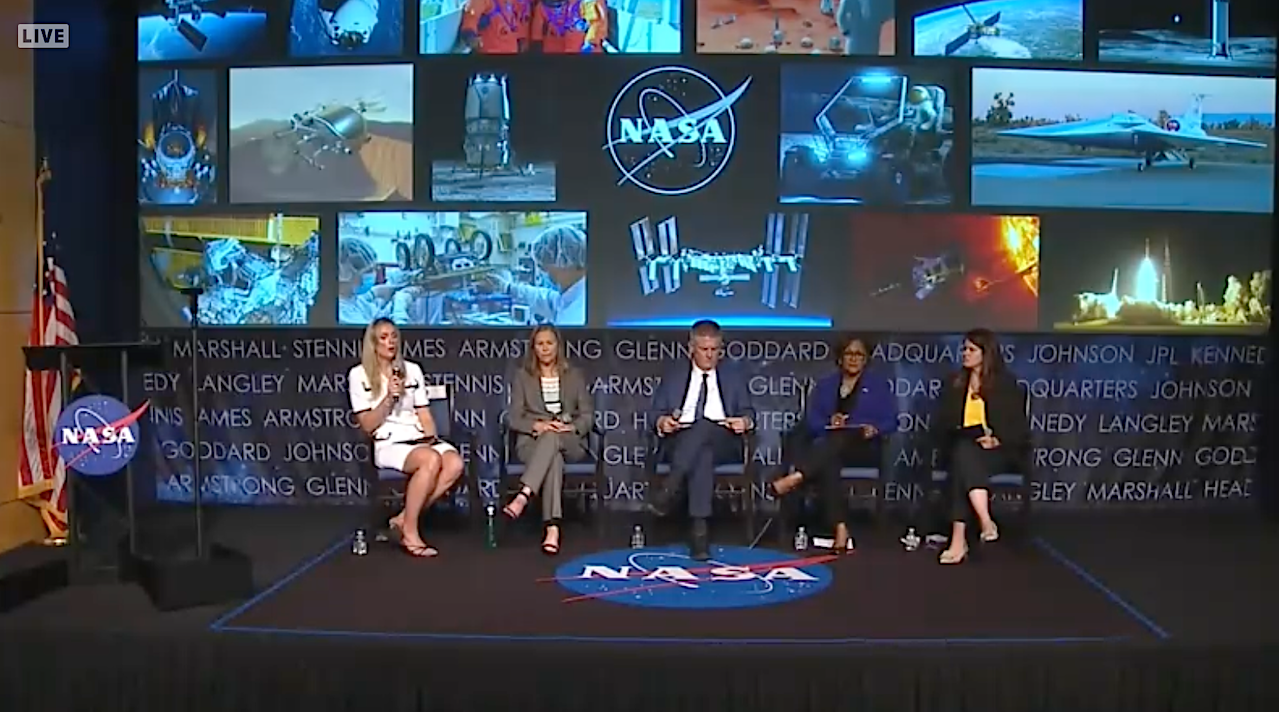
NASA's recent town hall emphasized ongoing organizational restructuring through voluntary workforce shaping programs, updates on budget and mission progress, and encouragement for staff to adapt to upcoming changes while maintaining focus on critical missions like Artemis and international partnerships.
A NASA-led exercise revealed that Earth is inadequately prepared to defend against a potential asteroid strike, even with 14 years' notice. The study highlighted unclear decision-making processes, insufficient readiness to launch space missions, and challenges in global collaboration. NASA recommends establishing clear protocols and conducting regular exercises to improve planetary defense readiness.
China has unveiled a new radar system for forecasting space weather, claiming significant technological breakthroughs. The system, part of the second phase of China's Meridian Project, consists of high-frequency radars in Jilin, Inner Mongolia, and Xinjiang, and can detect ionospheric irregularities over a vast area. This technology aims to enhance long-distance radio communication and monitor space weather disturbances that could affect satellites and spacecraft. China plans to integrate this system with the international SuperDARN network, although the timeline for data sharing remains unclear.
The Biden Administration has called on NASA to create a time zone for the moon, as time passes slightly faster there compared to Earth, which could cause issues for space missions. The proposed Coordinated Lunar Time (LTC) aims to ensure success for multinational missions to the moon and would require international agreements. This move is seen as crucial for establishing international collaboration in space travel and ensuring peaceful use of the moon.
A graphic by CNN based on data from the Federation of American Scientists listed "Jeff" as the tenth biggest possessor of nuclear weapons, causing confusion and concern. However, "Jeff" is not a person but an acronym for Joint Evaluated Fission and Fusion Project, an international collaboration to create a library of nuclear data. This was likely a data mishap, and Jeff does not actually possess nuclear weapons.
Astronaut Frank Rubio reflects on his 371-day mission in space, emphasizing the importance of fresh food and the beauty of Earth. He describes the daily routine, physical recovery, and staying connected with family while in space. Rubio shares his perspective on diversity in space missions, breaking records, and the future of space exploration. He expresses pride in representing the Latino community and shares memorable moments from his extraordinary journey.