
"The Lunar South Pole: A Global Space Race Explained"
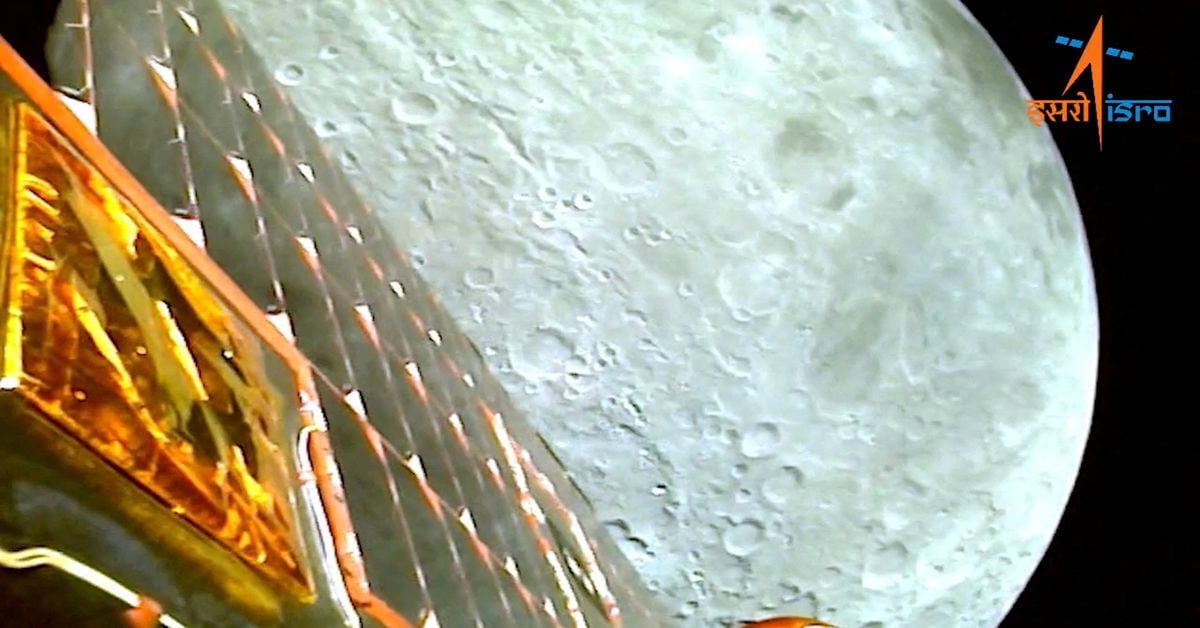
Space agencies and private companies are racing to the moon's south pole due to the presence of frozen water, which is considered a valuable resource for potential moon colonies, lunar mining, and missions to Mars. The discovery of water on the moon was made through various missions, including the 2009 detection of water on the moon's surface by a NASA instrument aboard the Indian Space Research Organisation's Chandrayaan-1 probe. Water ice in sufficient quantities could provide drinking water, cooling for equipment, and be broken down to produce hydrogen for fuel and oxygen to breathe. The south pole is particularly challenging due to its craters and deep trenches, but multiple countries, including India, the United States, and China, have planned missions to this region.
- Explainer: Why are space agencies racing to the moon's south pole? Reuters
- Why the world’s space leaders are rushing toward the Lunar South Pole Deseret News
- Moon's South Pole Discussed | Get All Key Details | NewsX NewsX
- India's lunar mission sends back images of moon's south pole Sky News Australia
- Explainer-Why are space agencies racing to the moon's south pole? CNA
- View Full Coverage on Google News
Reading Insights
0
8
2 min
vs 3 min read
79%
586 → 123 words
Want the full story? Read the original article
Read on Reuters