Tag

Chandrayaan 3

All articles tagged with #chandrayaan 3

India's Rover Uncovers Surprising Moon South Pole Activity

Originally Published 1 year ago — by The Daily Galaxy --Great Discoveries Channel

Featured image for India's Rover Uncovers Surprising Moon South Pole Activity
Source: The Daily Galaxy --Great Discoveries Channel

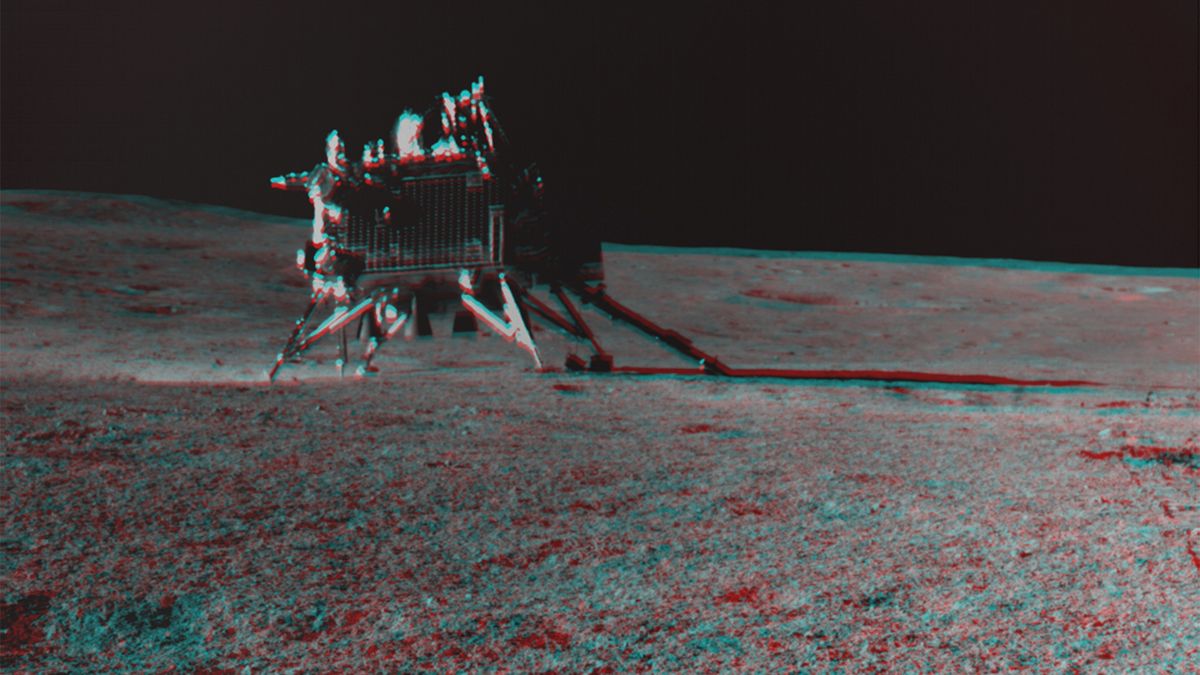
India's Chandrayaan-3 mission has detected unexpected subsurface movement at the moon's South Pole using the Pragyan rover's Instrument for Lunar Seismic Activity (ILSA). This discovery, recorded on August 25 and 26, 2023, suggests potential geological activity beneath the moon's surface, raising questions about its dynamics. The movements could be due to natural lunar quakes or impact-related shifts, and ISRO is investigating these unusual vibrations to understand their origins.
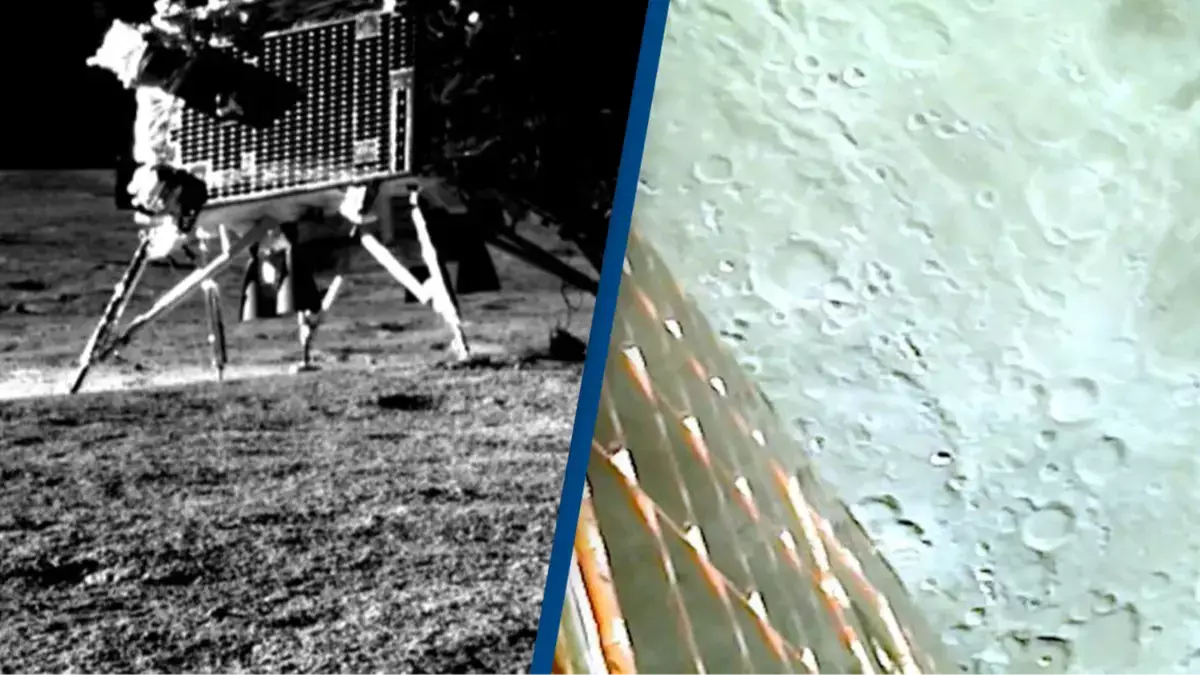
India's Rover Unveils Groundbreaking Find at Moon's South Pole

Originally Published 1 year ago — by UNILAD

Featured image for India's Rover Unveils Groundbreaking Find at Moon's South Pole
Source: UNILAD

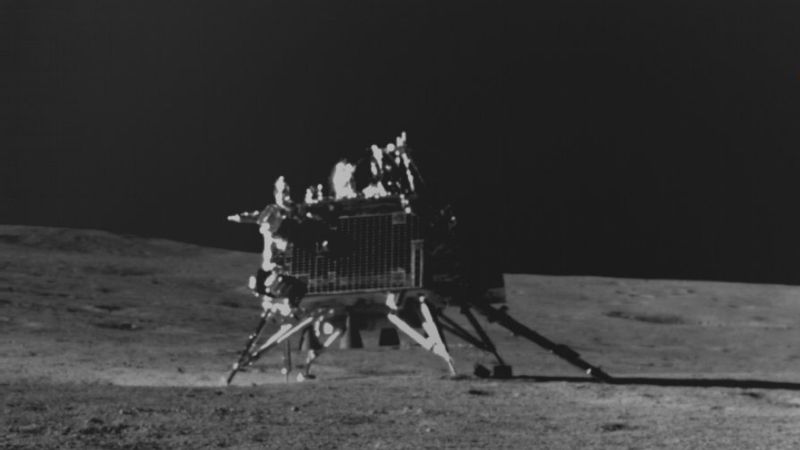
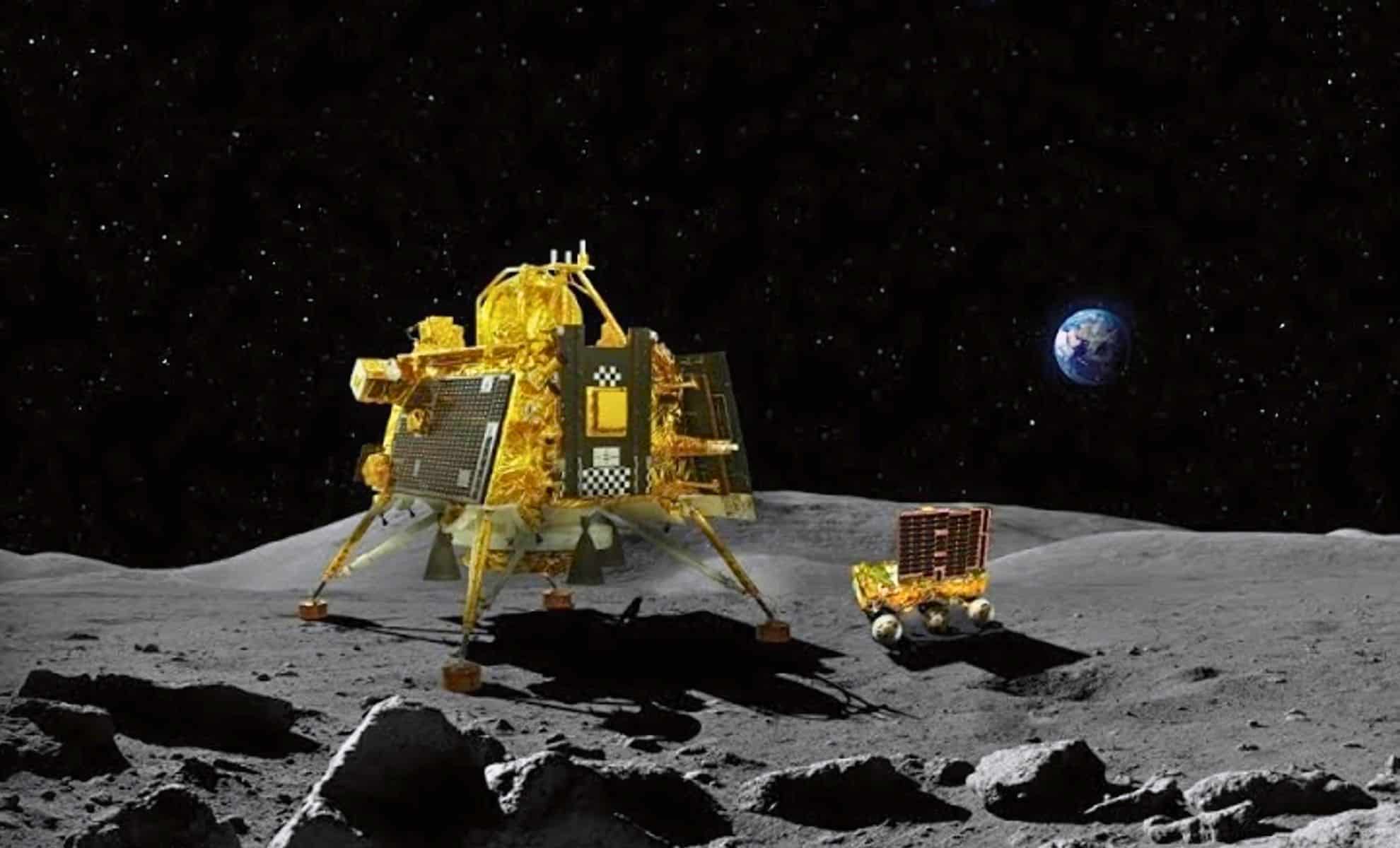
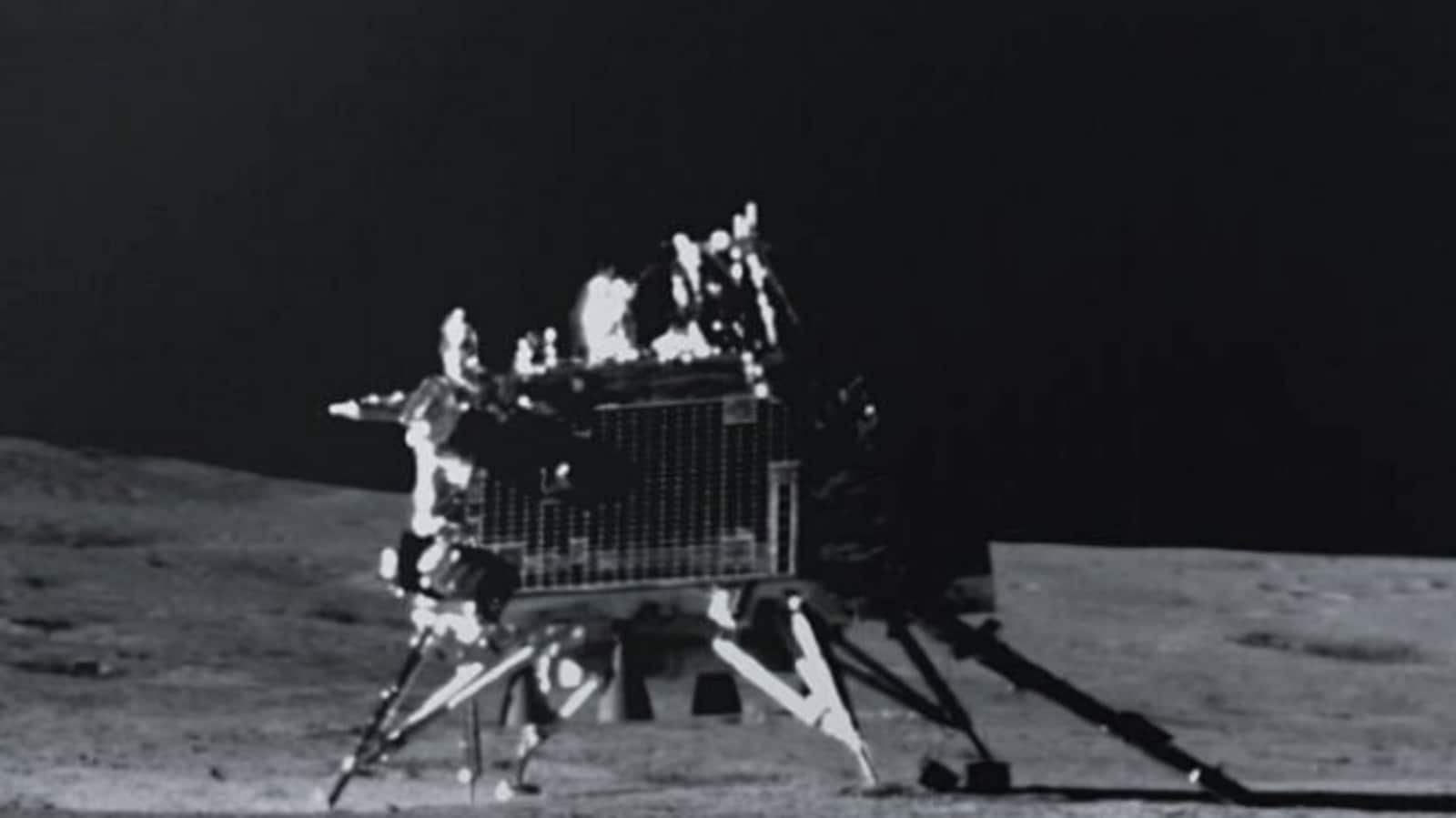
India's Chandrayaan-3 mission made history by landing the Vikram lander on the lunar south pole, with its rover Pragyan discovering sulfur and other elements in the region's soil. Using Laser-Induced Breakdown Spectroscopy, Pragyan conducted the first in-situ elemental analysis of the area, revealing the presence of sulfur, which could be crucial for future lunar exploration and habitation. This discovery provides new insights into the moon's composition and evolution.

Unveiling the Ancient Star Streams of the Milky Way

Originally Published 1 year ago — by Hindustan Times

Featured image for Unveiling the Ancient Star Streams of the Milky Way
Source: Hindustan Times

The landing site of Chandrayaan 3, named 'Shiv Shakti', has been approved by the International Astronomical Union, while astronomers have identified two ancient streams of stars in the Milky Way named 'Shakti' and 'Shiva', believed to be among the galaxy's earliest building blocks. These structures, found using data from the Gaia space telescope, are thought to be relics of two distinct galaxies that merged with the Milky Way around 12 billion years ago, shedding light on the galaxy's turbulent early stages.

"Why Chandrayaan-3's Minimal Moon Dust Stirring is Significant"

Originally Published 1 year ago — by Space.com

Featured image for "Why Chandrayaan-3's Minimal Moon Dust Stirring is Significant"
Source: Space.com

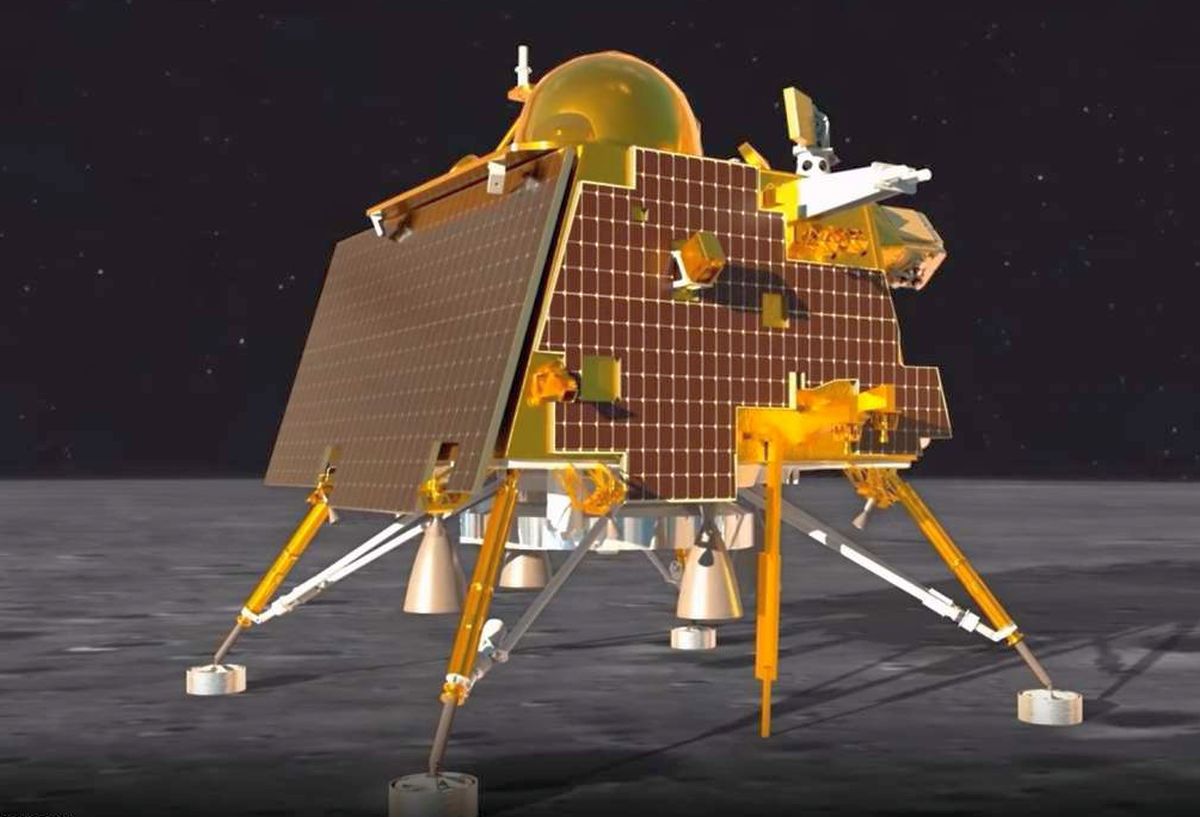
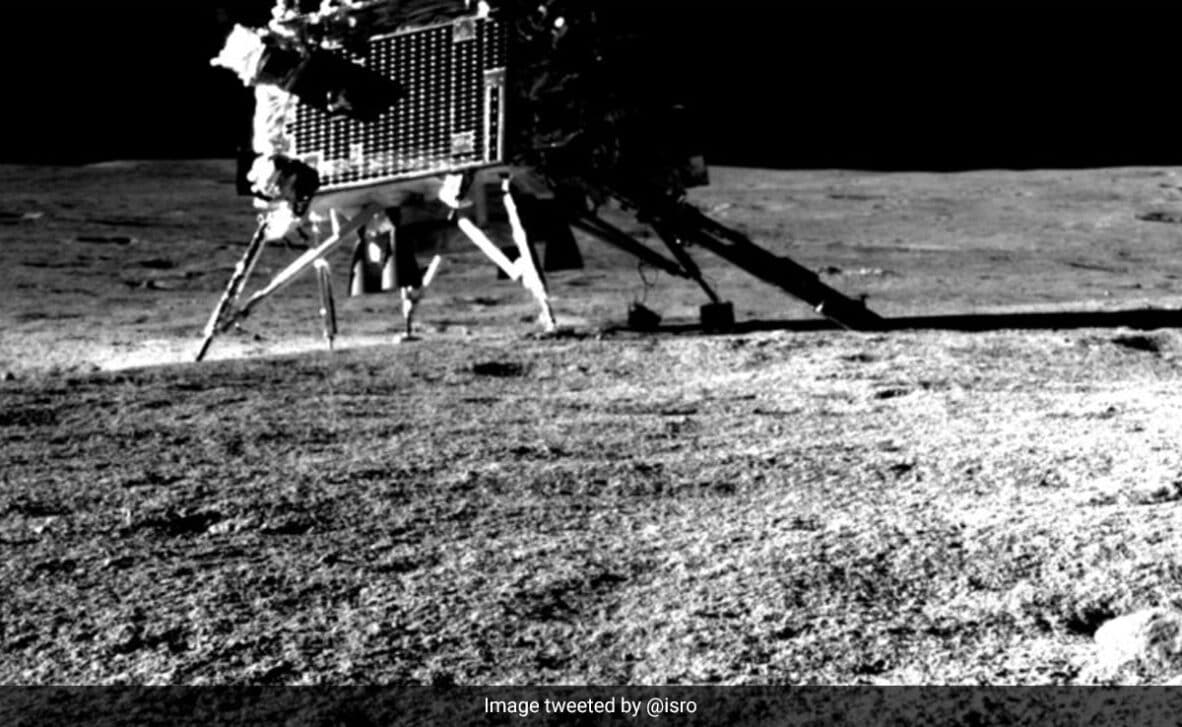
India's Chandrayaan-3 spacecraft's unique engine configuration resulted in minimal disturbance of moon dust during its historic landing near the moon's south pole, allowing for clear views of the landing region and safer touchdown. The spacecraft's cameras captured images that helped it avoid hazardous craters, and the mission achieved several milestones before succumbing to frigid lunar night temperatures. The Chandrayaan-3 team is still analyzing data on the dust plume and plans to make it public in two months, while India is already planning its next moon mission, Chandrayaan-4, tentatively scheduled for 2028 with the goal of bringing moon rocks to Earth.

"NASA's Laser 'Pings' Chandrayaan-3 Lander on Moon, Paving the Way for Precise Lunar Landings"

Originally Published 2 years ago — by Rediff.com

Featured image for "NASA's Laser 'Pings' Chandrayaan-3 Lander on Moon, Paving the Way for Precise Lunar Landings"
Source: Rediff.com

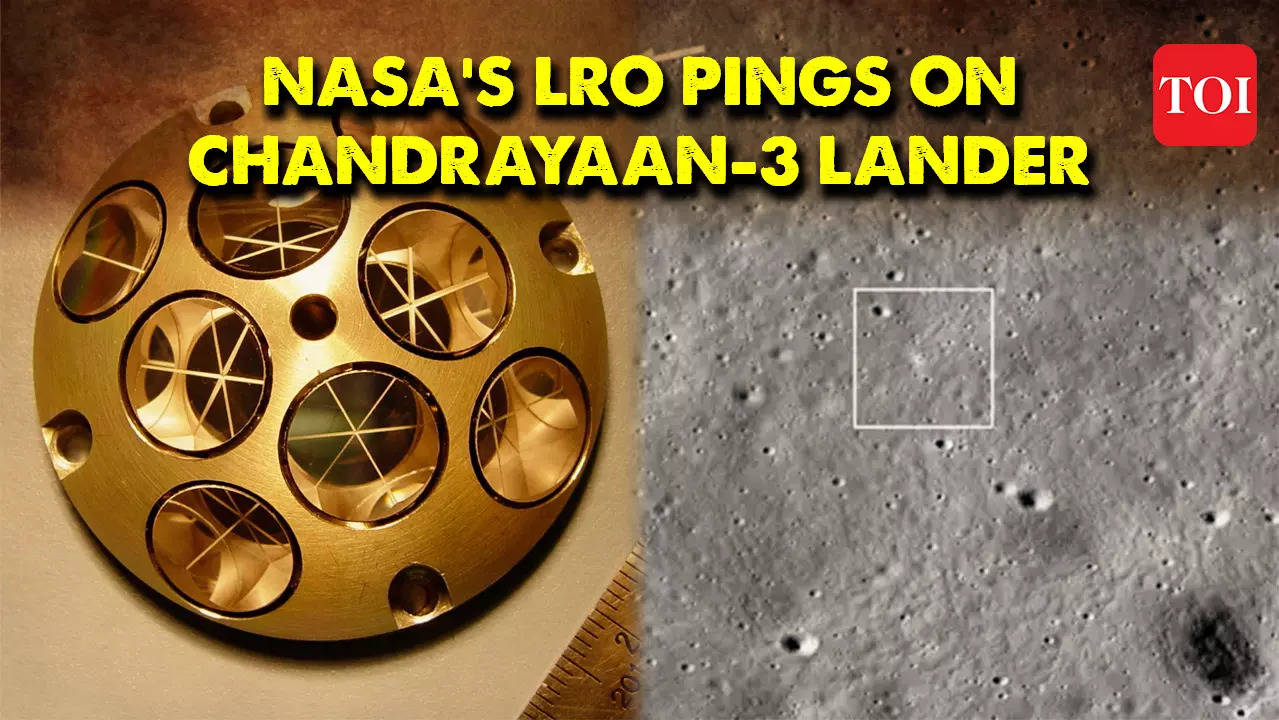
A NASA spacecraft orbiting the Moon has successfully pinged India's Chandrayaan-3 mission's Vikram lander using a laser instrument, marking a new way to precisely locate targets on the Moon's surface. The laser beam was transmitted and reflected between the Lunar Reconnaissance Orbiter and the lander, demonstrating the potential for this technique in future lunar missions. The retroreflector on the lander, developed in partnership between NASA and ISRO, has been used to measure the Moon's distance from Earth and is now serving as a fiducial point on the Moon.

"NASA's Laser Communication with Chandrayaan-3: Paving the Way for Precise Lunar Landings"

Originally Published 2 years ago — by NDTV

Featured image for "NASA's Laser Communication with Chandrayaan-3: Paving the Way for Precise Lunar Landings"
Source: NDTV

NASA's Lunar Reconnaissance Orbiter (LRO) successfully pinged India's Chandrayaan-3 mission's Vikram lander on the Moon using a laser instrument, marking a significant achievement in precisely locating targets on the lunar surface. The laser beam was transmitted and reflected between the LRO and the Oreo-sized device on the lander, demonstrating a new technique for determining precise locations on the Moon. The retroreflector on Vikram, developed in partnership between NASA and ISRO, has begun serving as a fiducial point on the Moon, and the successful ranging has opened up possibilities for future lunar missions to utilize retroreflectors for various scientific and exploration applications.

NASA's LRO Uses Laser to Locate Chandrayaan-3's Vikram Lander on Moon

Originally Published 2 years ago — by Times of India

Featured image for NASA's LRO Uses Laser to Locate Chandrayaan-3's Vikram Lander on Moon
Source: Times of India

NASA's Lunar Reconnaissance Orbiter has successfully located ISRO's Chandrayaan-3 Vikram lander near the lunar south pole, 100km away from the orbiter, using a Laser Retroreflector Array (LRA) fitted on the lander. This achievement paves the way for accurately locating targets on the moon's surface and demonstrates international collaboration in space exploration.

India successfully retrieves Chandrayaan-3 propulsion module from moon mission

Originally Published 2 years ago — by CNN

Featured image for India successfully retrieves Chandrayaan-3 propulsion module from moon mission
Source: CNN

India's propulsion module, which powered the Chandrayaan-3 mission's lunar lander, has been brought back into Earth's orbit to test the possibility of returning samples of lunar soil. The module had more fuel left than expected, prompting researchers to attempt its return. The lander and rover remain on the moon's surface after previous attempts to awaken them failed. The propulsion module served as a relay point and carried out the SHAPE experiment, observing Earth from lunar orbit. The surplus fuel will provide valuable information for future lunar missions and potential sample return missions.

India Successfully Retrieves Chandrayaan-3 Propulsion Module to Earth's Orbit

Originally Published 2 years ago — by Ars Technica

Featured image for India Successfully Retrieves Chandrayaan-3 Propulsion Module to Earth's Orbit
Source: Ars Technica

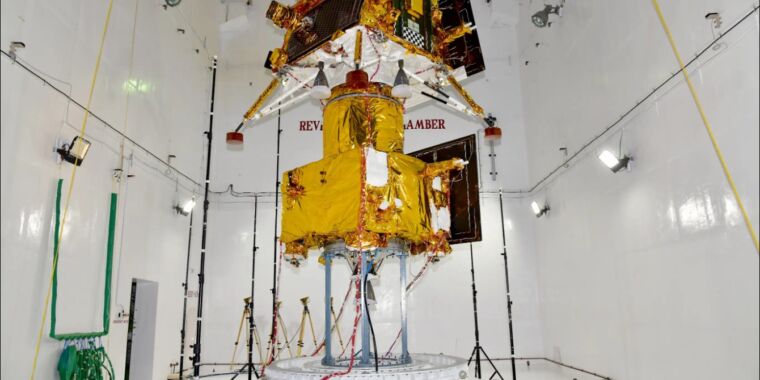
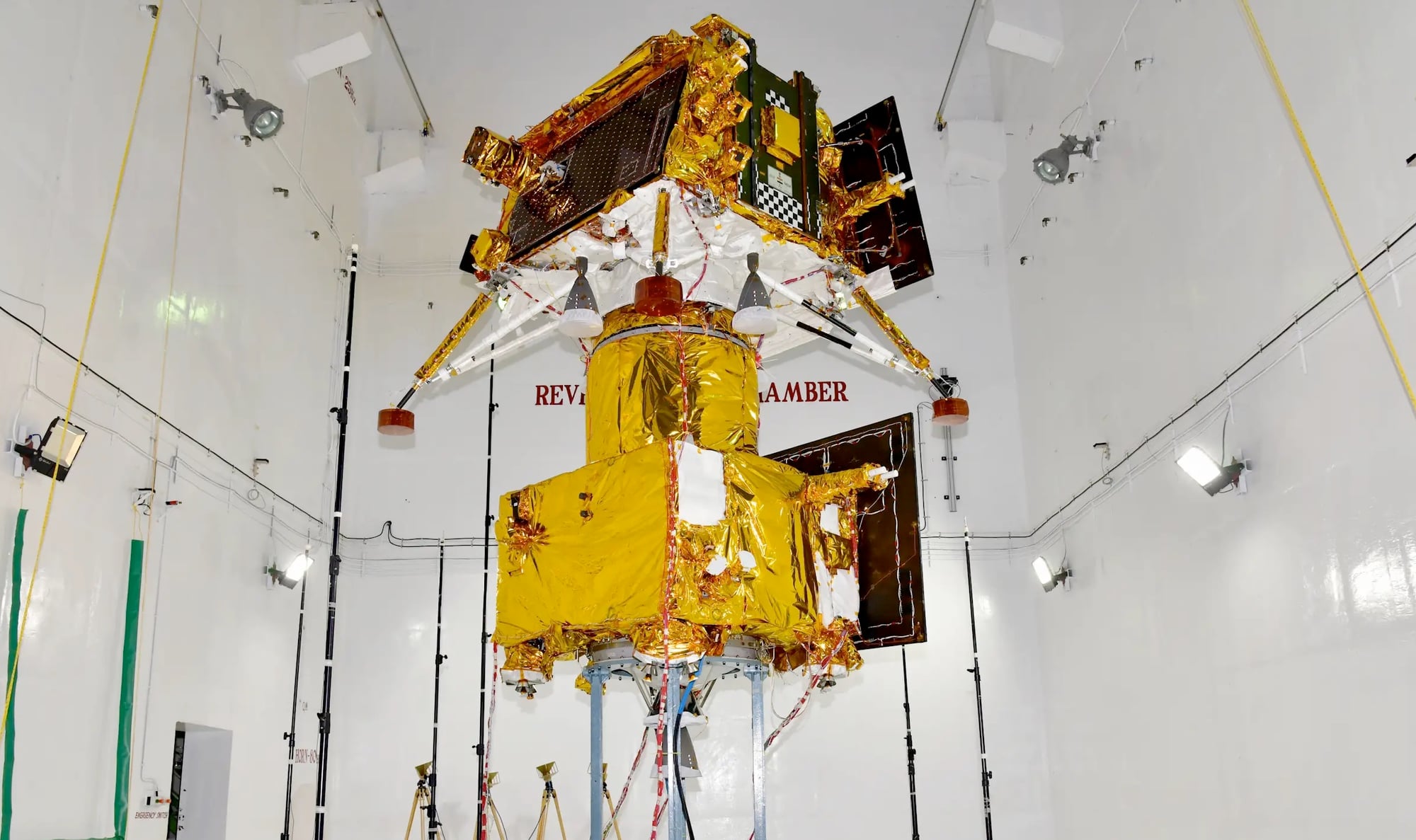
India's space agency, ISRO, has successfully returned the propulsion module used by its Chandrayaan 3 lunar spacecraft to a high orbit around Earth, after delivering the Vikram 3 lander to a low-lunar orbit. The module, which still had excess propellant, was used to test key capabilities for future lunar missions, including the potential for returning lunar rocks to Earth. India now ranks as the third most advanced deep-space exploration program in the world, following successful missions to Mars and the Moon.

Chandrayaan-3's Propulsion Module Returns to Earth's Orbit

Originally Published 2 years ago — by BBC.com

Featured image for Chandrayaan-3's Propulsion Module Returns to Earth's Orbit
Source: BBC.com

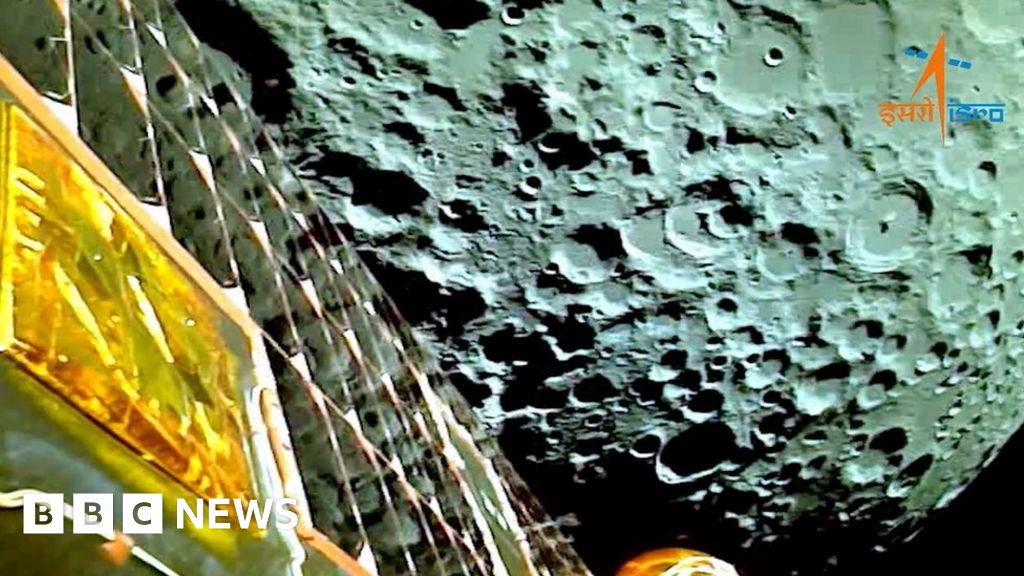
India's space agency, Isro, has successfully brought back the propulsion module of its Chandrayaan-3 Moon mission into Earth's orbit. The module had detached from the Vikram lander after it touched down near the lunar south pole in August. The experiment is significant for Isro's plans for future manned missions, and the module will continue to observe Earth from its new position. The module's return also addresses the issue of potential lunar debris.

"Chandrayaan-3 Propulsion Module Returns to Earth Orbit, Sets Stage for Lunar Sample Collection"

Originally Published 2 years ago — by ISRO

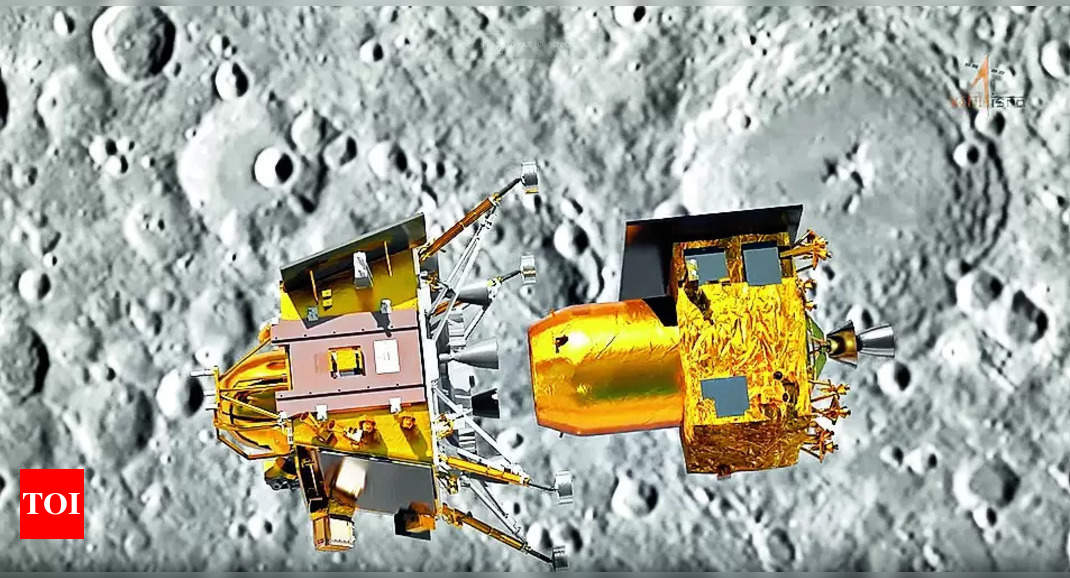
The Propulsion Module (PM) of Chandrayaan-3, which successfully completed its mission objectives in the lunar orbit, has been moved to an orbit around Earth. This unique experiment aims to derive additional information for future lunar missions and demonstrate mission operation strategies for a sample return mission. The PM was re-orbited to a suitable Earth orbit to continue operating the SHAPE payload for Earth observation, while ensuring collision avoidance with the Moon's surface and Earth's GEO belt. The return maneuvers carried out by the PM have provided valuable insights for planning trajectory and maneuvers, gravity-assisted flybys, and avoiding debris creation.

India's Chandrayaan-3 Propulsion Module Successfully Returned to Earth's Orbit by ISRO

Originally Published 2 years ago — by SpaceNews

Featured image for India's Chandrayaan-3 Propulsion Module Successfully Returned to Earth's Orbit by ISRO
Source: SpaceNews

The propulsion module of the Chandrayaan-3 mission, which transported the lander to the moon, has returned to a high Earth orbit after a series of maneuvers. The Indian Space Research Organisation (ISRO) decided to bring back the module after determining that it had more than 100 kilograms of propellant remaining. The module had initially transported the lander to a low lunar orbit before separating. ISRO has not formally announced plans for a lunar sample return mission but has discussed the potential of a near-term mission.

ISRO Successfully Transfers Chandrayaan-3 Propulsion Module Between Lunar and Earth Orbits

Originally Published 2 years ago — by NDTV

Featured image for ISRO Successfully Transfers Chandrayaan-3 Propulsion Module Between Lunar and Earth Orbits
Source: NDTV

The Indian Space Research Organisation (ISRO) has successfully moved the Propulsion Module (PM) of Chandrayaan-3 from an orbit around the Moon to an orbit around Earth, in a unique experiment. The primary objective of the Chandrayaan-3 mission, which was launched on July 14, 2023, was to demonstrate a soft landing near the lunar south polar region and perform experiments using the instruments on the 'Vikram' lander and the 'Pragyan' rover. After completing its mission objectives, the PM was re-orbited to a suitable Earth orbit to derive additional information for future lunar missions and demonstrate mission operation strategies for a sample return mission.

Isro Successfully Demonstrates Chandrayaan-3's Return Technology from Moon

Originally Published 2 years ago — by IndiaTimes

Featured image for Isro Successfully Demonstrates Chandrayaan-3's Return Technology from Moon
Source: IndiaTimes

The Indian Space Research Organisation (ISRO) has successfully brought back the Chandrayaan-3 Propulsion Module (PM) to Earth's orbit after surpassing its lunar mission objectives. Originally intended for lunar operations, the PM's trajectory was adjusted to transition from lunar orbit to Earth orbit, showcasing the capability of reigniting engines on the Moon and controlling equipment. The successful repositioning extends the PM's mission life and contributes valuable insights and capabilities for future lunar missions.

"Unraveling Lunar Mysteries: Chandrayaan-3's Ejecta Halo Reveals Moon's Secrets"

Originally Published 2 years ago — by Space.com

Featured image for "Unraveling Lunar Mysteries: Chandrayaan-3's Ejecta Halo Reveals Moon's Secrets"
Source: Space.com

India's Chandrayaan-3 mission successfully landed on the moon's surface, leaving behind a visible "ejecta halo" of moon dust. Photos taken by the Chandrayaan-2 orbiter captured the ring-shaped plume of lunar regolith displaced by Chandrayaan-3's thrusters during touchdown. Scientists estimate that around 2.06 metric tons of moon dust were scattered across an area of 1,167 square feet. Chandrayaan-2, which failed to land in 2019, witnessed Chandrayaan-3's successful landing. Only three other countries - the United States, the Soviet Union, and China - have achieved soft landings on the moon.