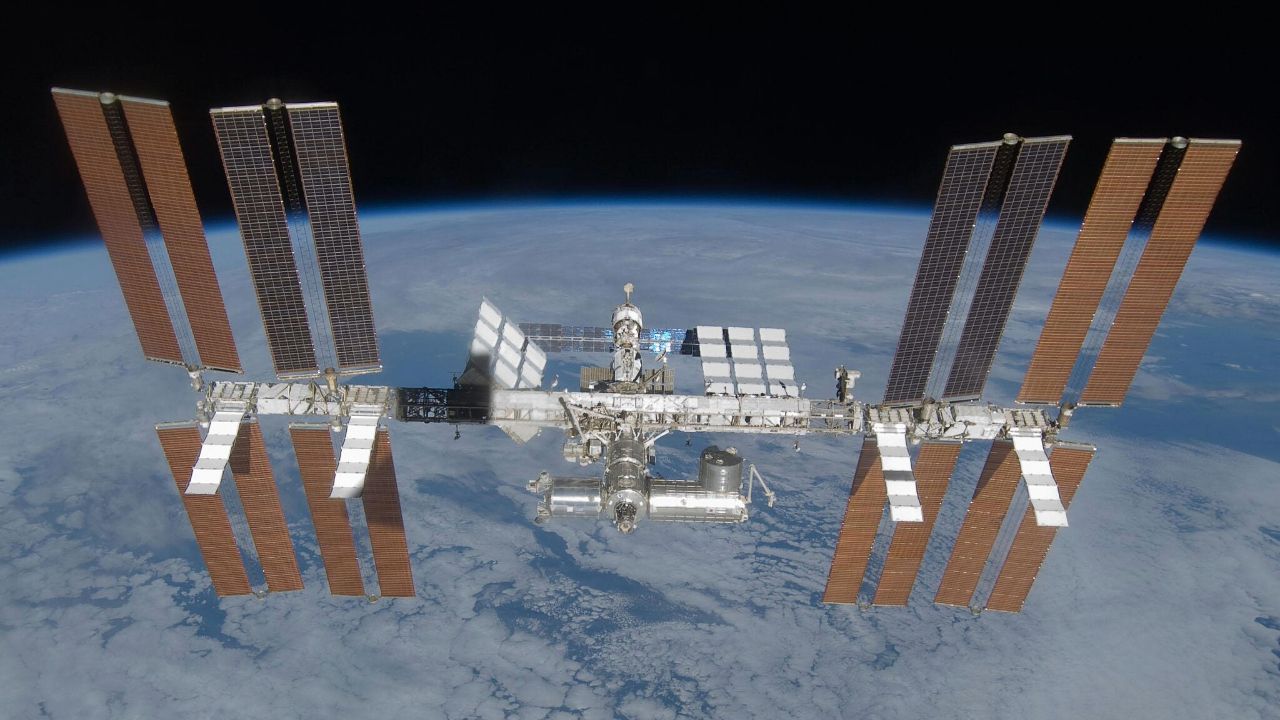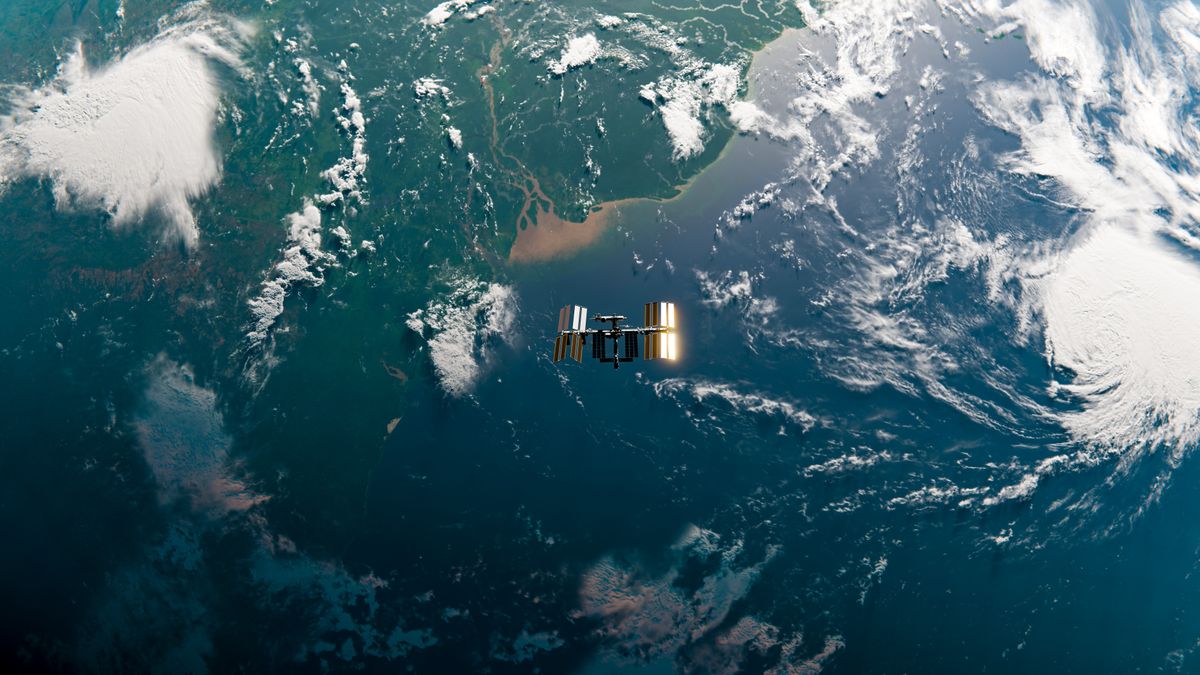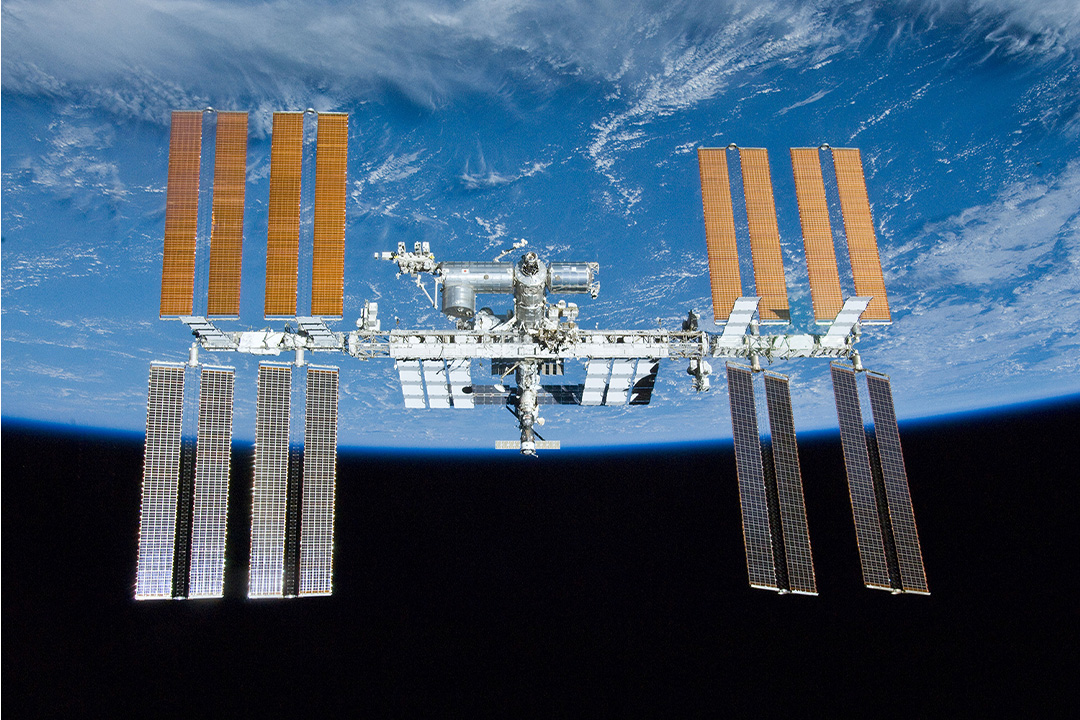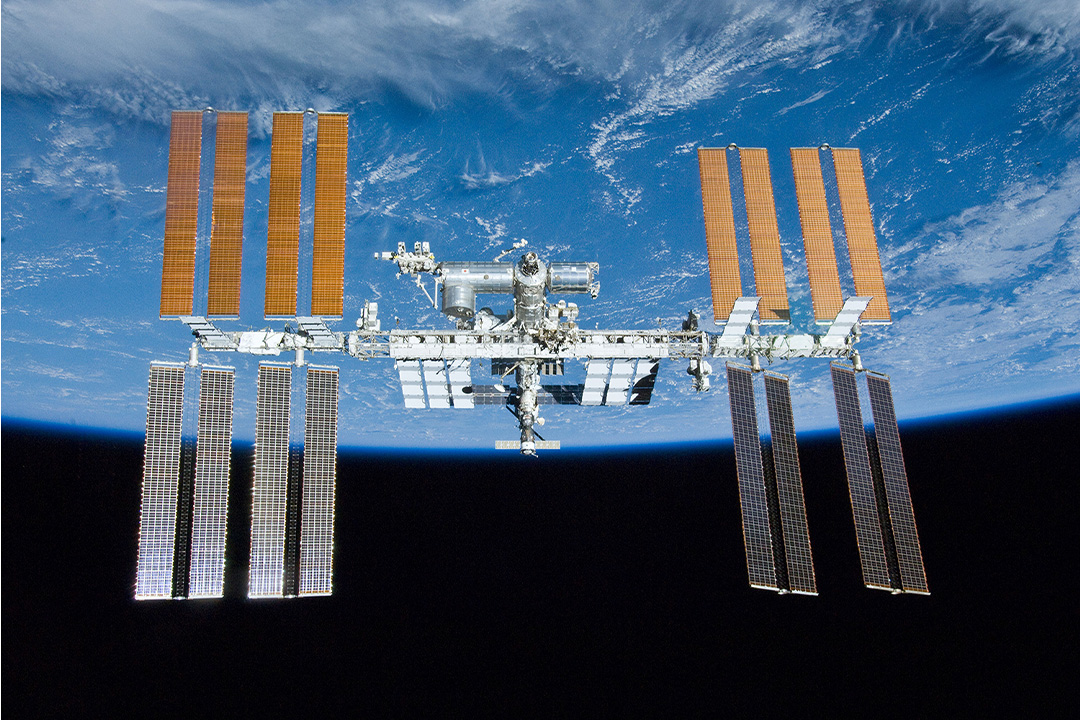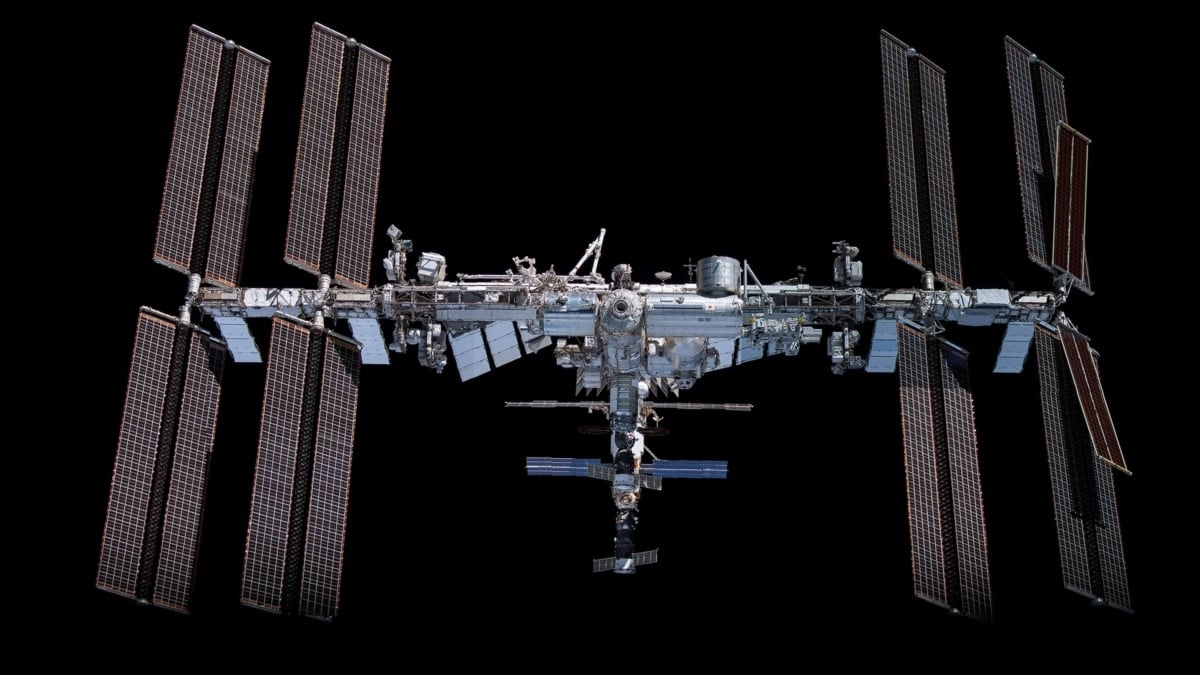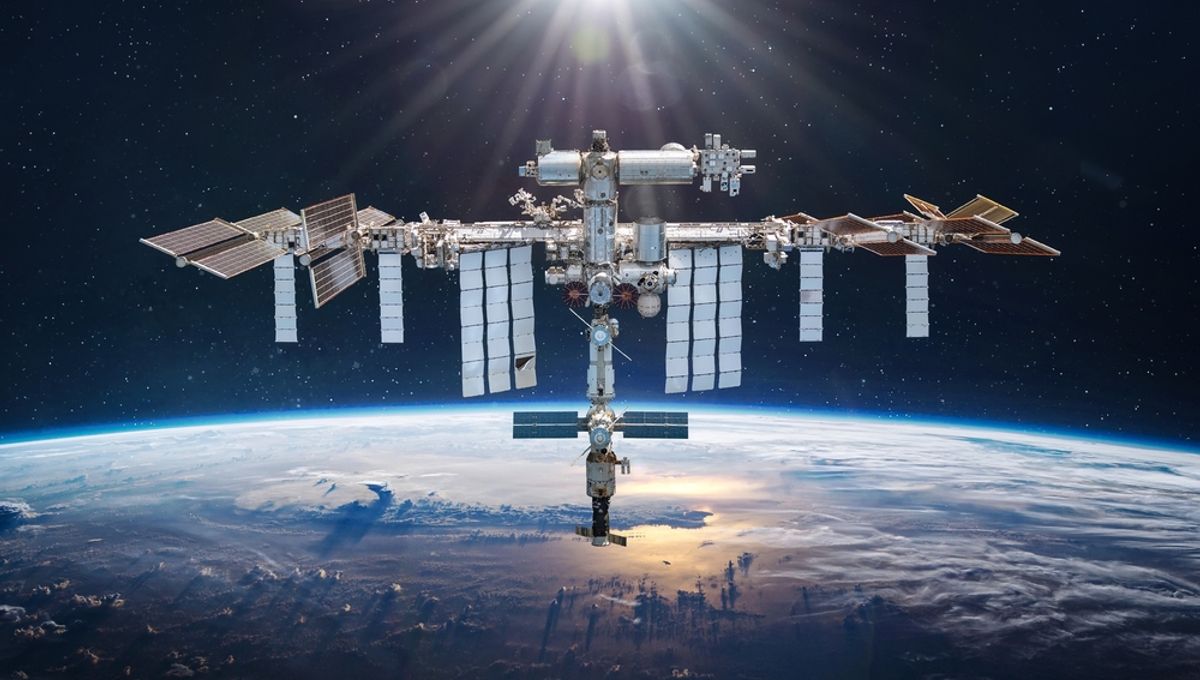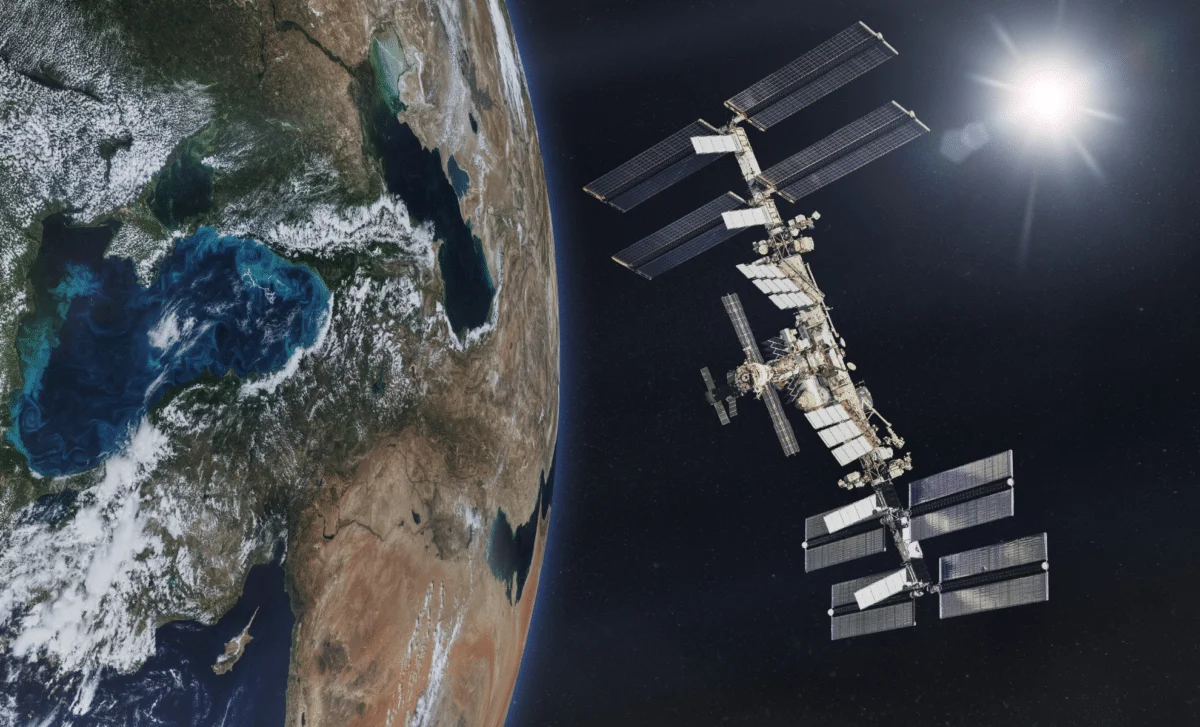
The International Space Station will be deorbited in late 2030 over Point Nemo in the South Pacific, marking the end of its 25-year mission, with debris expected to mostly burn up during reentry, similar to past space station deorbitings.
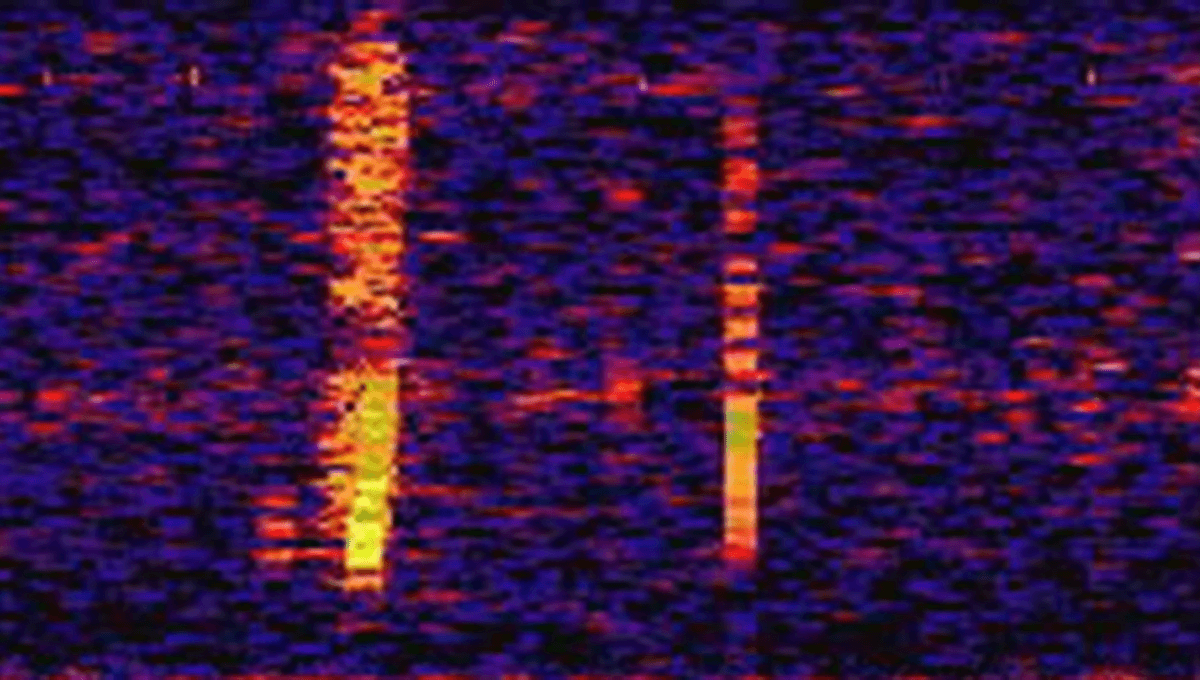
The loudest underwater sound ever recorded, known as the 'bloop,' originated from the remote Point Nemo in the Southern Pacific Ocean and is believed to be caused by ice calving from Antarctic glaciers, highlighting the powerful natural forces beneath the ocean's surface.
In the remote Point Nemo in the Pacific Ocean, scientists detected a mysterious ultra-low-frequency sound in 1997, speculated to be from a giant underwater creature. However, NOAA Oceanographer Chris Fox suggested that the sound, known as the "bloop," was likely caused by ice calving off the coast of Antarctica. Similar sounds have been detected before and were attributed to icequakes generated by large icebergs cracking and fracturing, rather than unknown marine animals.
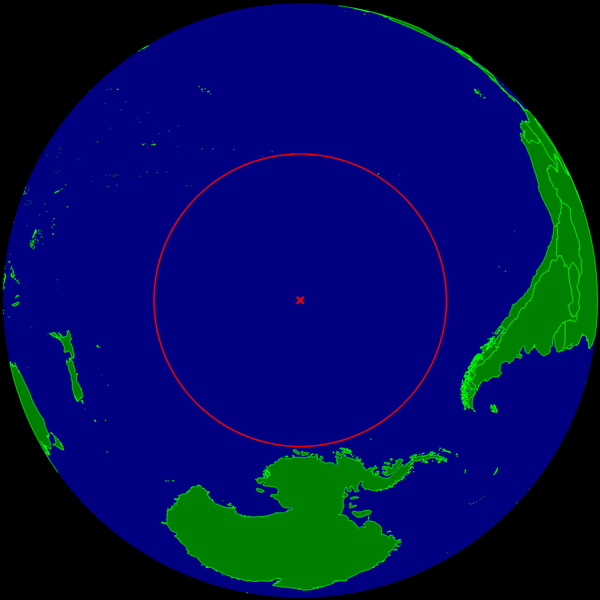
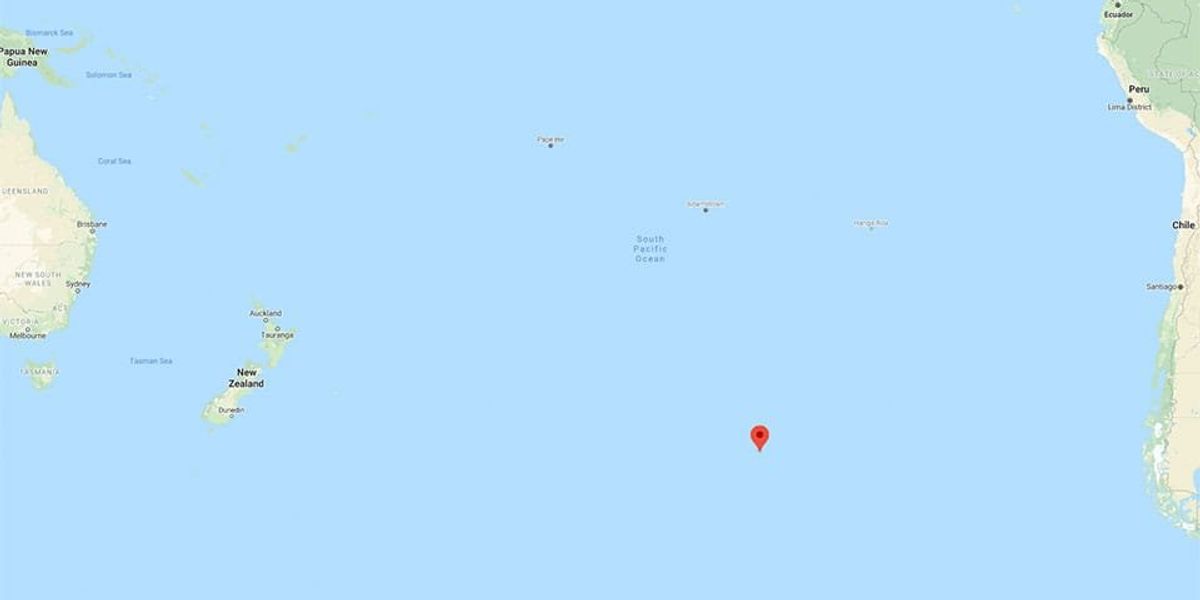
Point Nemo, located in the South Pacific, is the remotest place on Earth, farthest from any land. It serves as a "Spacecraft Cemetery" for the controlled descent of decommissioned space vessels. The area's eerie reputation is furthered by its proximity to the fictional city of R'lyeh from H.P. Lovecraft's works and the mysterious Bloop sound, potentially linked to an unknown underwater creature.
Point Nemo, located in the South Pacific Ocean, is considered the most remote place on Earth, with the nearest humans potentially being on the International Space Station. It serves as a space cemetery, where discarded spacecraft and satellites crash into the ocean. Despite being uninhabitable, the location preserves space debris in pristine condition, making it a potential site for future scientific study.
Point Nemo, also known as the "pole of inaccessibility," is a remote location in the Pacific Ocean where retired spacecraft, including satellites and space stations, are intentionally sunk. The International Space Station (ISS) is set to join the satellite graveyard in 2031. Sinking spacecraft into the ocean is done to prevent the accumulation of space debris in Earth's orbit, which poses a collision risk. Point Nemo is chosen due to its remoteness and wide area for safe landings. However, concerns about ocean pollution and the potential release of pollutants during re-entry have raised questions about the safety and environmental impact of this practice.
Point Nemo, also known as the "loneliest place on earth," is a remote location in the Pacific Ocean where retired spacecraft, including the International Space Station (ISS), are sent to be sunk. With the increasing risk of collisions in space due to the growing amount of space debris, sinking spacecraft into the ocean has become a safer alternative. Point Nemo's remoteness and uninterrupted stretch of ocean make it an ideal site for this purpose. However, concerns about ocean pollution and the potential environmental impact of sinking metal debris remain.
The International Space Station (ISS) is set to be retired in 2030 and will be intentionally crashed into the Pacific Ocean at Point Nemo, the world's spaceship graveyard. Point Nemo, also known as the oceanic pole of inaccessibility, is the most remote location on Earth, reducing the risk of any surviving debris striking people or property. Space agencies have been dumping space junk in this area since 1971. The ISS will undergo a controlled deorbit process, with its orbit naturally decaying and intentional maneuvers to lower its altitude. A bespoke spacecraft will then perform a final burn to push the station into a controlled reentry path over Point Nemo. The station is expected to break up in stages, with some heat-resistant components surviving the reentry and sinking into the ocean.
The International Space Station (ISS) is set to be retired in 2030 and will be intentionally crashed into the Pacific Ocean, joining other space debris in Point Nemo, the world's spaceship graveyard. Point Nemo, also known as the oceanic pole of inaccessibility, is the most remote location on Earth, reducing the risk of any surviving fragments causing harm. Space agencies are developing a complex plan to bring the ISS down in a controlled manner, including allowing its orbit to naturally decay, intentional maneuvers, and using a bespoke spacecraft for a final burn. The station is expected to break up in three stages during reentry.
Point Nemo, also known as the Oceanic Pole of Inaccessibility, is the furthest point from land in the middle of the South Pacific Ocean, making it an ideal location to dump derelict spacecraft. Over 160 spacecraft, including Soviet satellites and end-of-life satellites from various countries, have met their end in these waters. The International Space Station (ISS) is also scheduled to be de-orbited and crashed near Point Nemo in 2030. While some companies offered flights to catch a glimpse of the de-orbited Mir space station, the best view was from the island of Fiji.
NASA plans to develop a new spacecraft to safely guide the International Space Station (ISS) during its final reentry through Earth's atmosphere. The agency aims to retire the ISS by 2030 and use privately developed space laboratories for future space research needs. NASA has released a request for proposals to build the new spacecraft, called the U.S. Deorbit Vehicle (USDV). The targeted landing spot for the ISS is Point Nemo in the South Pacific Ocean, where most equipment is expected to burn up or vaporize during reentry.
NASA plans to develop a specialized spacecraft to deorbit the International Space Station (ISS) and guide it to crash into the Pacific Ocean at Point Nemo, the furthest location from any land. The $180 million allocation for the project is part of the $27.2 billion budget for NASA. The spacecraft will be developed to avoid relying on Russia's Progress cargo spacecraft for deorbiting the ISS. The project is expected to cost around $1 billion, and the ISS is expected to touch down in 2030.