Tag

Near Earth Objects

All articles tagged with #near earth objects

Undetected City-Killer Asteroids Threaten Cities, NASA Warns
space8 days ago

Undetected City-Killer Asteroids Threaten Cities, NASA Warns

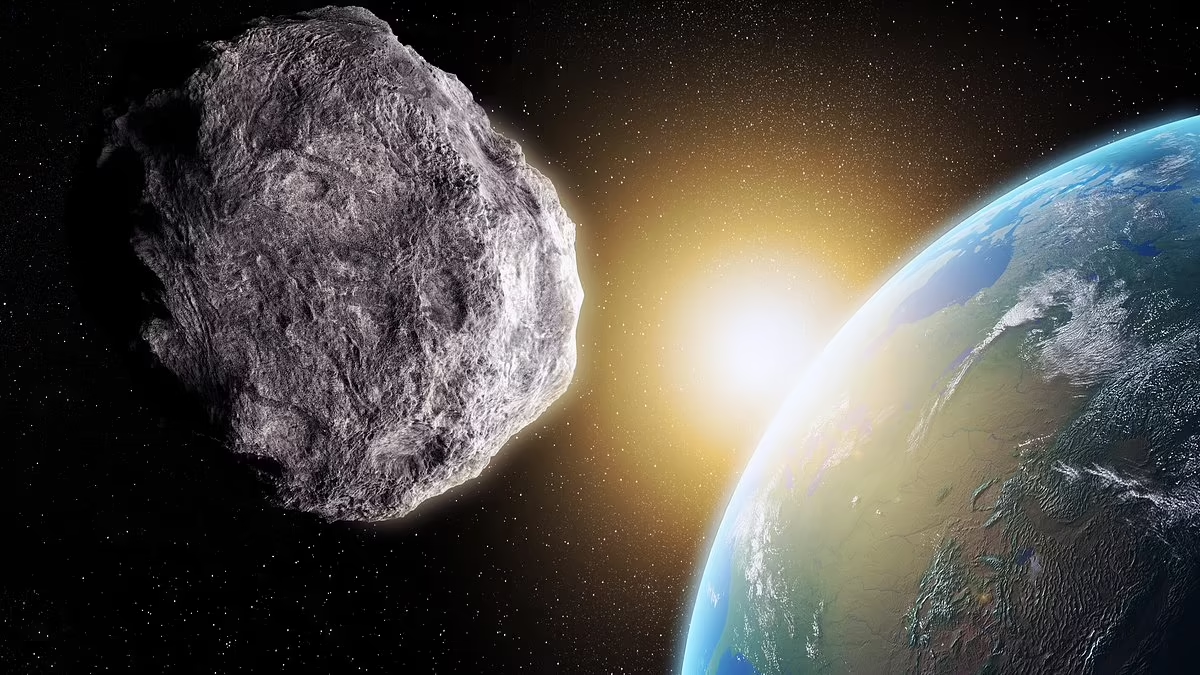
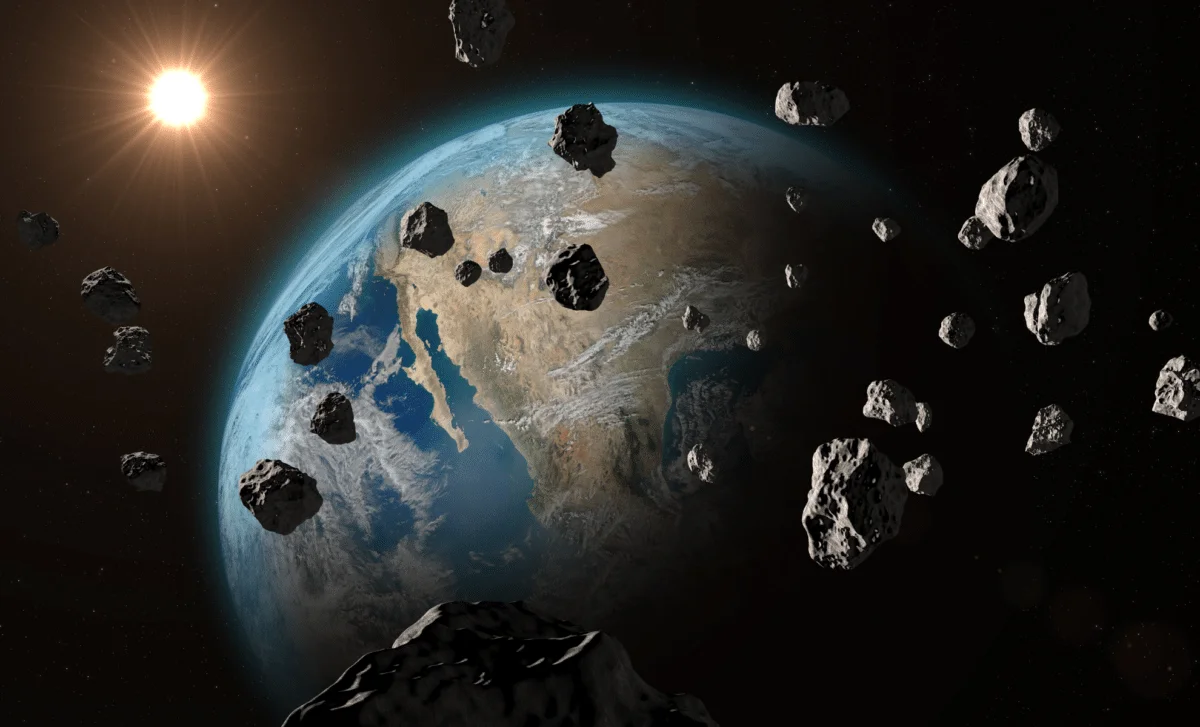
NASA experts warn that thousands of mid-sized near-Earth asteroids (roughly 140 meters and larger) could strike regional cities, but most remain undetected; scientists estimate up to 25,000 such objects exist near Earth, with only about 40% identified so far, highlighting gaps in detection and defense, despite progress like the Near-Earth Object Surveyor telescope and lessons from the DART mission, with experts urging more funding and planning to prevent regional catastrophes.
Fast-moving Asteroid Hidden in Sunlight Discovered Near Earth
science4 months ago

Fast-moving Asteroid Hidden in Sunlight Discovered Near Earth

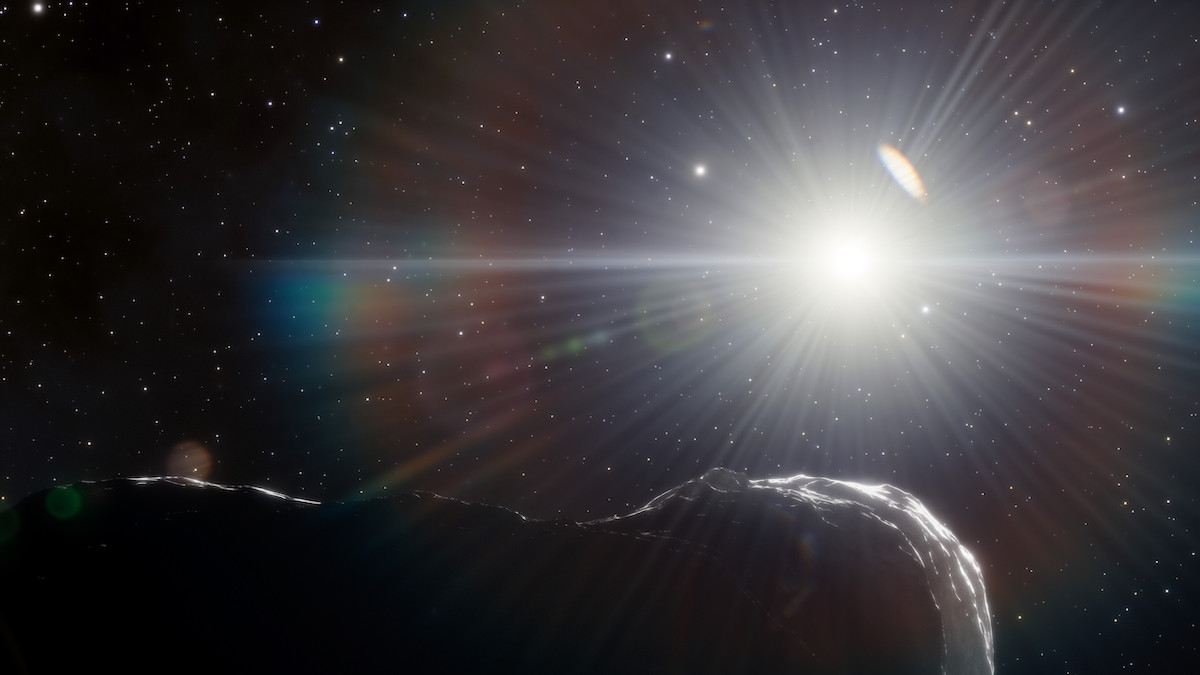
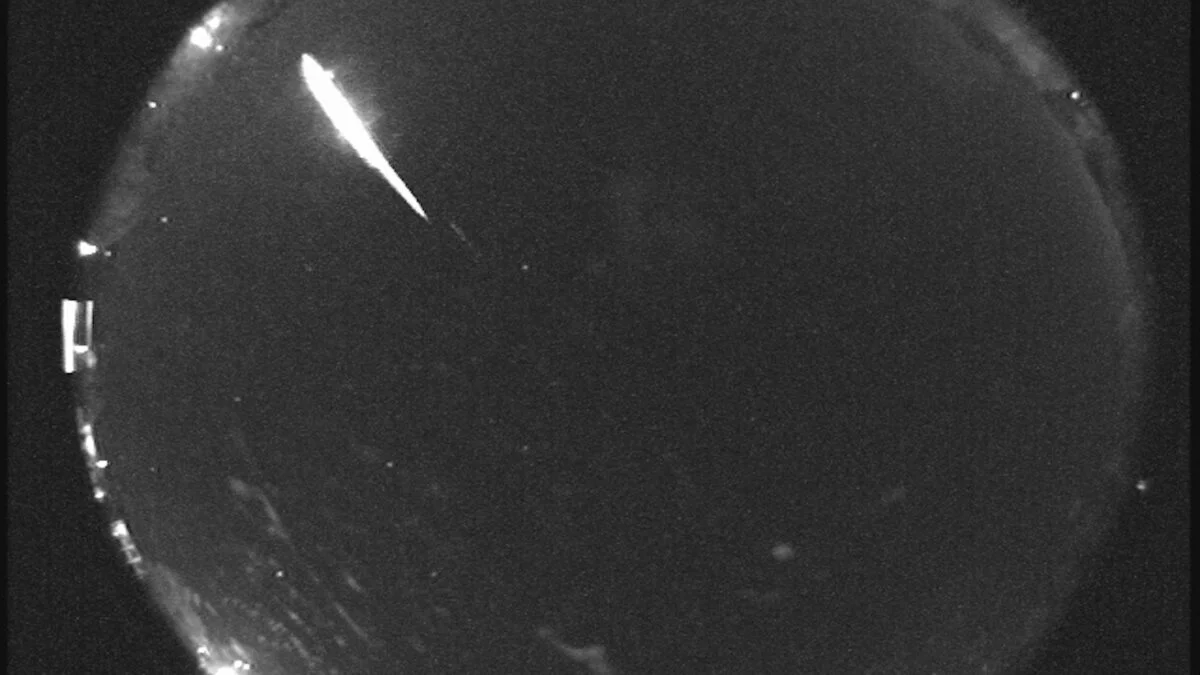
Scientists have discovered a new near-Earth asteroid, 2025 SC79, which is challenging to observe due to its proximity to the Sun and its orbit entirely within Venus's orbit. This asteroid, about 700 meters in diameter, completes an orbit around the Sun in 128 days and poses potential impact risks, highlighting the importance of studying such elusive objects for planetary defense.

Asteroid Passes Closer to Earth Than Satellites, Space Agencies Confirm
science4 months ago

Asteroid Passes Closer to Earth Than Satellites, Space Agencies Confirm

A small asteroid named 2025 TF passed closer to Earth than many satellites, flying over Antarctica at just 265 miles altitude on October 1, 2025. It was detected shortly after its passage by the Catalina Sky Survey and ESA's Planetary Defence Office, highlighting the challenges in tracking small near-Earth objects. The asteroid posed no significant threat but could have created a meteor if it had entered Earth's atmosphere. Another small asteroid, 2025 TQ2, also passed near Earth the following day.

Skyscraper-sized asteroid hurtling toward Earth at 24,000 mph
science5 months ago

Skyscraper-sized asteroid hurtling toward Earth at 24,000 mph

A massive asteroid, 427 to 951 feet in size and traveling at over 24,000 mph, will pass close to Earth on September 18, but poses no threat according to NASA and ESA. The asteroid, named 2025 FA22, was discovered in March and is considered potentially hazardous due to its size and proximity, but updated measurements have ruled out collision risk. It offers a rare opportunity for close study and highlights the importance of monitoring near-Earth objects.

NASA Tracks 180-Foot Asteroid Approaching Earth at 16,900 mph
science7 months ago

NASA Tracks 180-Foot Asteroid Approaching Earth at 16,900 mph

NASA and international space agencies are monitoring asteroid 2025 OL1, which will pass Earth at a safe distance of 1.29 million kilometers on July 30, 2025. Although it is classified as potentially hazardous due to its size, there is no threat to Earth. These flybys serve as important opportunities to improve detection and tracking systems, enhancing planetary defense strategies for future, potentially more dangerous objects.

NASA Tracks Fast-Moving Plane-Sized Asteroid Approaching Earth
science7 months ago

NASA Tracks Fast-Moving Plane-Sized Asteroid Approaching Earth

NASA announced that the asteroid 2025 OW, about the size of a plane, will pass by Earth at a safe distance of approximately 390,000 miles on July 28, traveling at nearly 47,000 mph. Experts emphasize that such close approaches are routine and pose no threat, with NASA tracking its orbit precisely. The article also highlights the upcoming close encounter with asteroid Apophis in 2029, which will pass closer to Earth but still safely.

Next-Gen Telescopes to Uncover Hidden Solar System Objects and Alien Signatures
science8 months ago

Next-Gen Telescopes to Uncover Hidden Solar System Objects and Alien Signatures

A new Chilean observatory, the Vera C. Rubin Observatory, is set to revolutionize our understanding of the solar system by discovering millions of asteroids, comets, and other objects, with the help of the Sorcha software that predicts its findings, significantly expanding our knowledge of near-Earth objects and the solar system's structure.