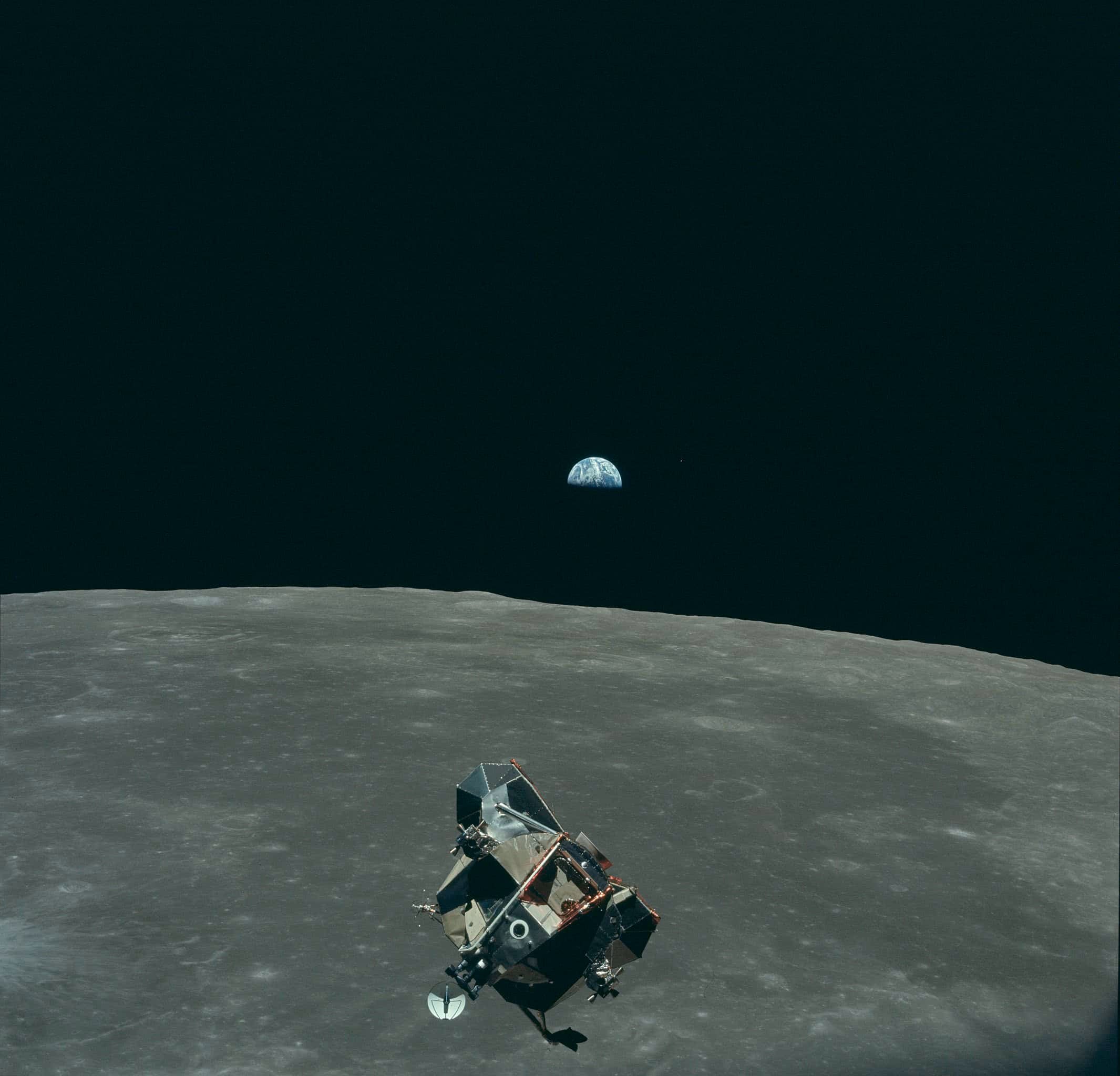
Nations and companies are racing to mine helium-3 on the Moon, a rare isotope with potential for clean fusion energy and advanced technology, amid technical challenges and geopolitical competition, aiming to establish long-term lunar operations and influence future space resource ownership.
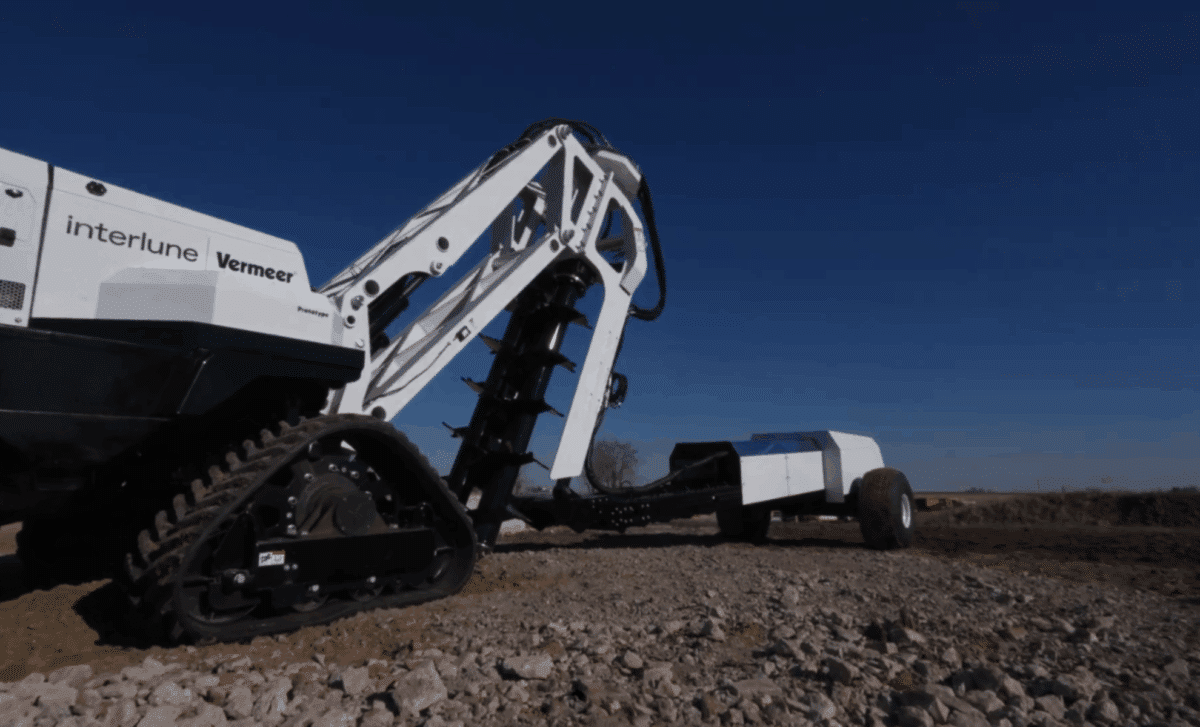
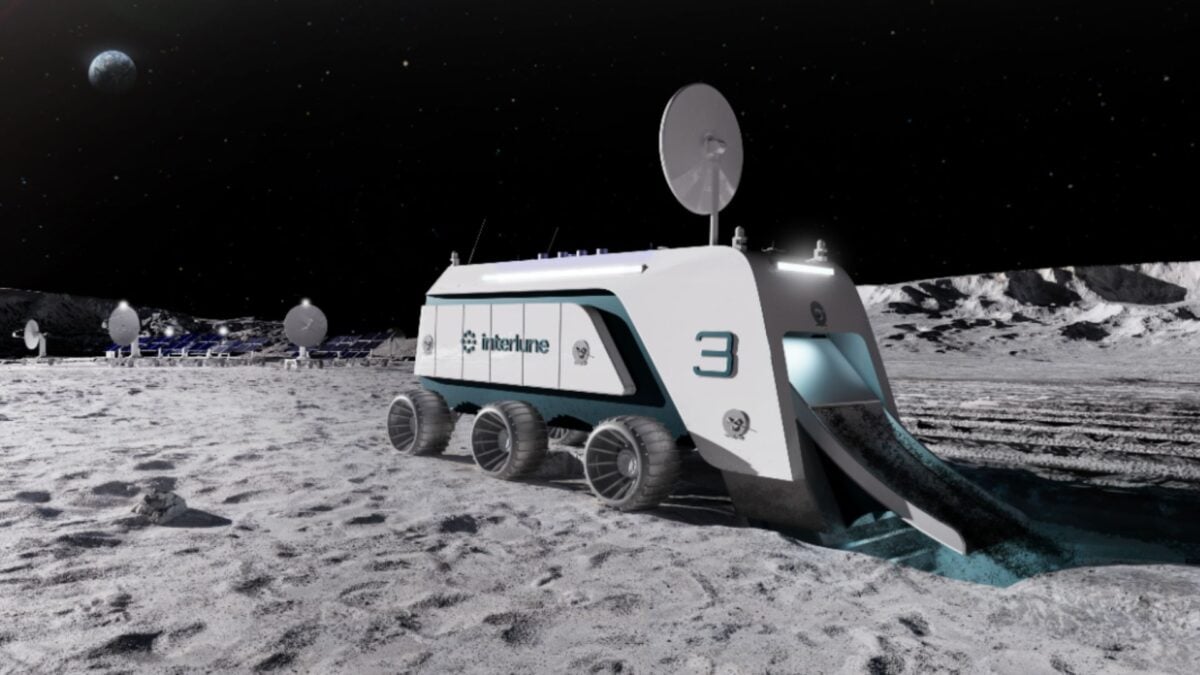
Interlune, a startup planning to launch in 2027, aims to mine helium-3 on the Moon, a rare isotope with immense energy potential, to revolutionize energy production and open new lunar economic opportunities.
Interlune, a Seattle-based startup, has made the largest deal yet for lunar helium-3, a rare isotope on Earth, by partnering with Bluefors to supply up to 10,000 liters annually from 2028 to 2037, driven by rising demand from the quantum computing industry, though challenges remain in lunar mining technology and resource estimation.
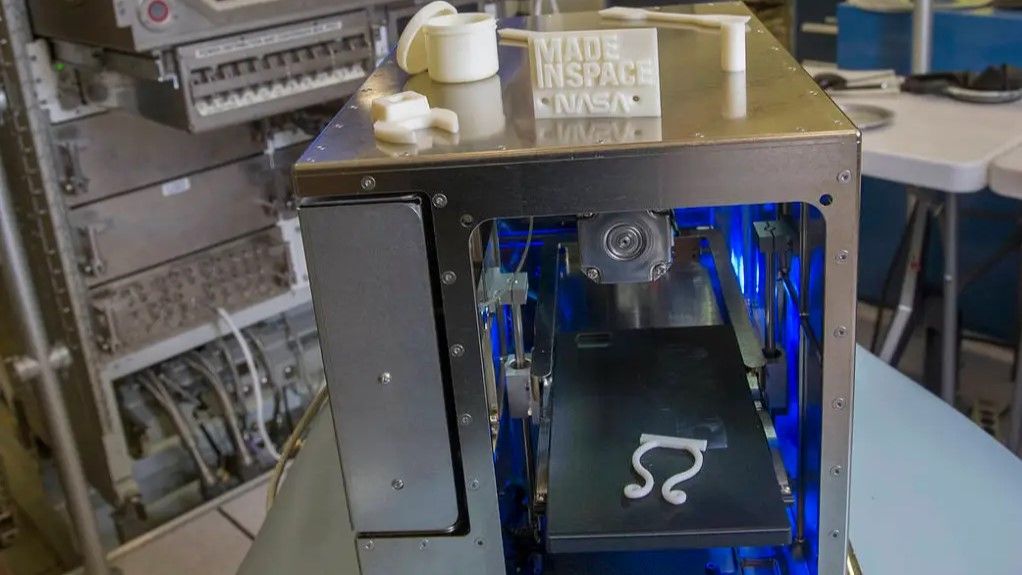
Scientists are studying the feasibility of using 3D printing to manufacture supplies in space, including on the moon and other planets. By using lunar minerals, astronauts could potentially 3D print various resources on-demand, reducing the need for cargo resupply missions. The study found that titanium dioxide foam, a material used for 3D printing, behaves differently in microgravity compared to Earth's gravity. Titanium, which is lightweight and resistant to corrosion, is abundant on the moon, making it a cost-effective choice for 3D printing materials. This research could pave the way for astronauts to mine lunar resources and print necessary equipment for future missions.
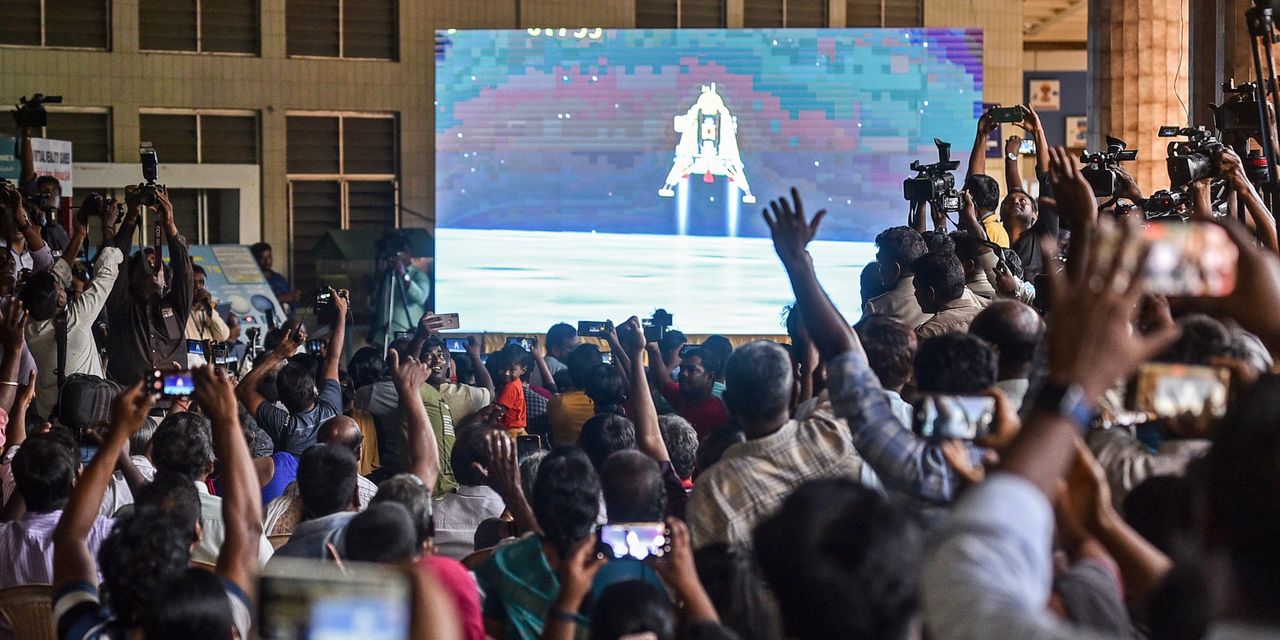
India's recent moon landing has brought attention to the legal gray zone surrounding lunar mining, as copyright laws and ownership rights on celestial bodies remain ambiguous. The issue of who has the right to exploit lunar resources is still unresolved, raising questions about the legality and regulation of future space mining activities.
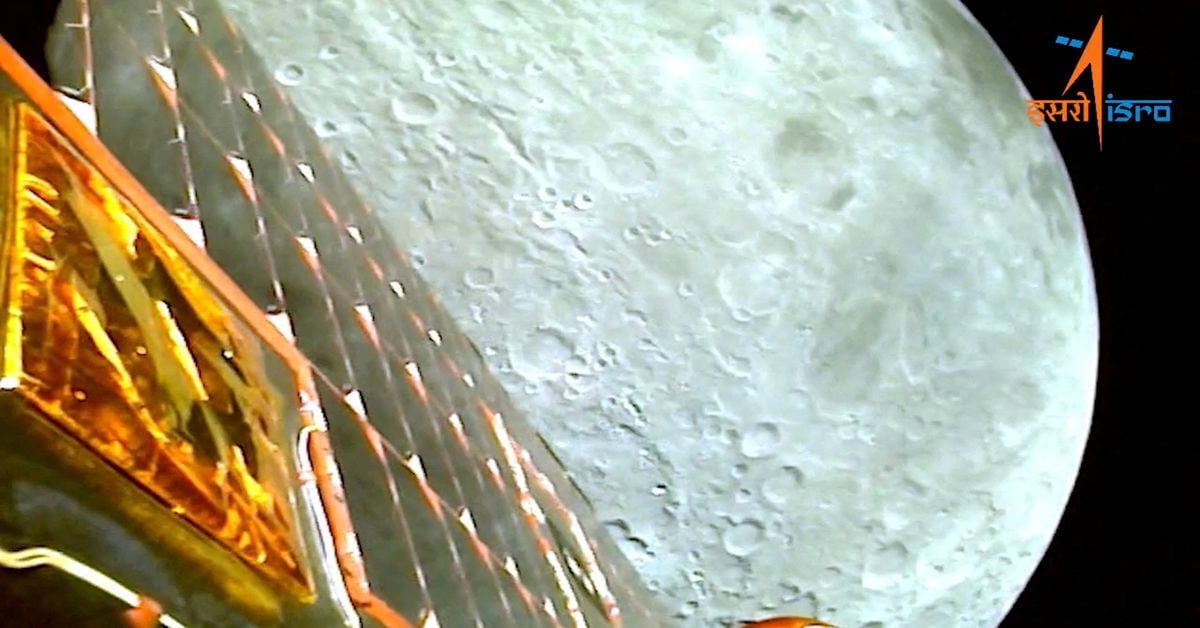
Space agencies and private companies are racing to the moon's south pole due to the presence of frozen water, which is considered a valuable resource for potential moon colonies, lunar mining, and missions to Mars. The discovery of water on the moon was made through various missions, including the 2009 detection of water on the moon's surface by a NASA instrument aboard the Indian Space Research Organisation's Chandrayaan-1 probe. Water ice in sufficient quantities could provide drinking water, cooling for equipment, and be broken down to produce hydrogen for fuel and oxygen to breathe. The south pole is particularly challenging due to its craters and deep trenches, but multiple countries, including India, the United States, and China, have planned missions to this region.