Jackery is showcasing an expensive, ready-made solar-powered gazebo at CES, but suggests that DIY enthusiasts can build their own using solar panels and power stations from various brands, potentially saving money. The gazebo features integrated solar panels, lighting, a projector screen, and weather-resistant outlets, and can be paired with portable power stations to run various devices for hours.
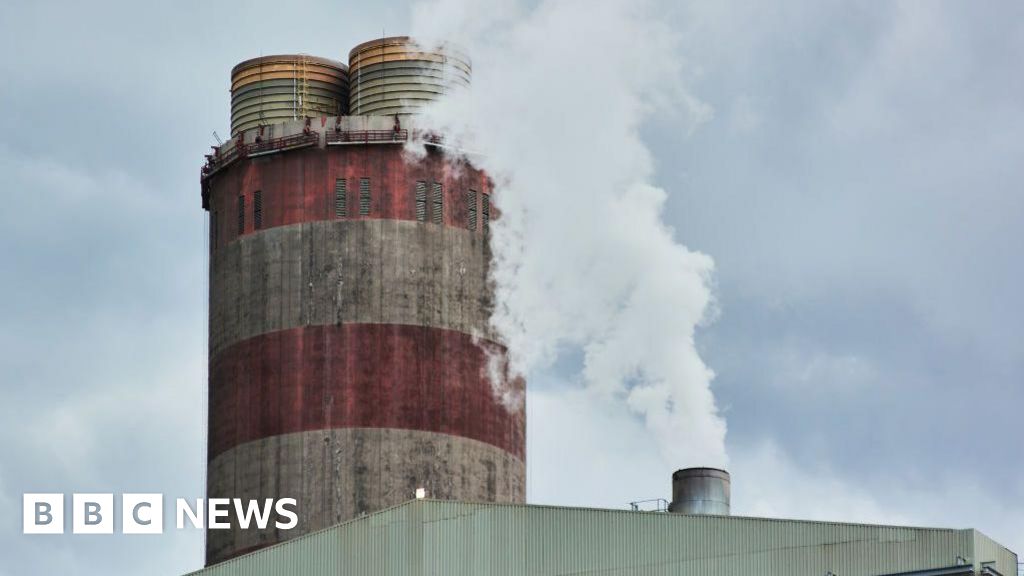
In 2025, Great Britain set a record for renewable electricity generation, with wind and solar leading the way, though reliance on fossil gas remains a challenge to achieving the government's 2030 clean power target, amid ongoing grid and storage upgrades.
The article highlights the continued growth and success of clean energy sources like solar and wind, with significant advancements in battery storage, a shift in steelmaking away from coal, and the increasing dominance of renewables in global and regional power mixes, demonstrating that the clean energy transition is still progressing strongly in 2025.
The year 2025 was tumultuous for clean energy in the US, marked by policy reversals under Trump that hindered wind and solar projects, yet the industry showed resilience with booming solar and storage sectors, advancements in nuclear and geothermal energy, and a challenging but evolving offshore wind industry, setting the stage for continued growth in 2026.
Global fossil fuel emissions are projected to increase slightly in 2025, but the growth rate has slowed over the past decade due to a boom in renewable energy, especially solar power, which is helping to stabilize electricity sector emissions. While this offers hope for curbing global warming, current policies suggest that warming could still reach 2.6°C by the end of the century, highlighting the urgent need for more decisive climate action.
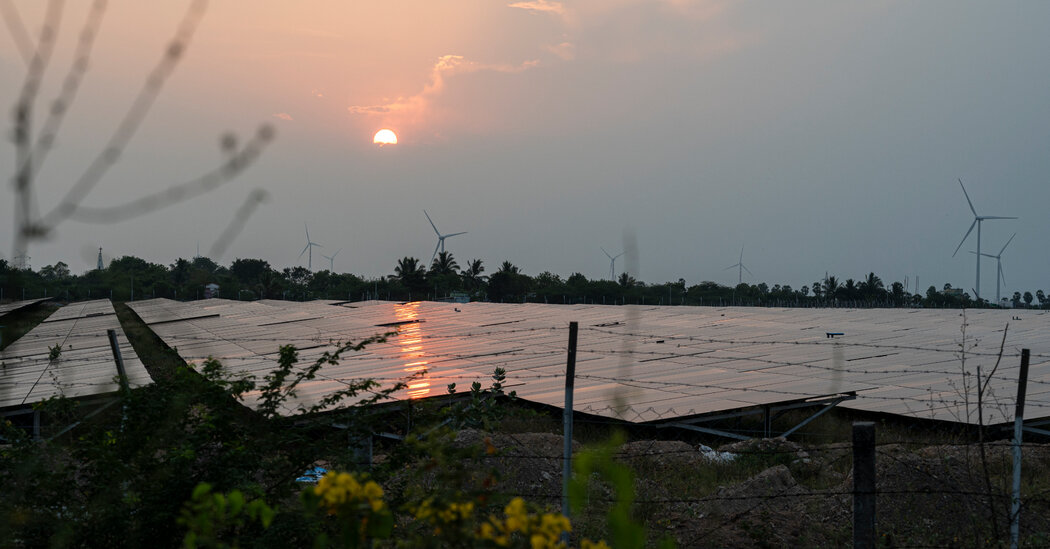
Emerging economies like Brazil, India, and Vietnam are rapidly expanding their renewable energy capacities, driven by affordable Chinese technology, leading to a significant shift in global climate politics as the US and Europe face challenges in their climate efforts.
China is poised to dominate the global renewable energy sector due to its rapid technological advancements, production capabilities, and geopolitical strategies, making it a key player in the future of energy and international power dynamics.
Google is exploring the idea of deploying solar-powered AI data centers in space to meet growing energy demands and reduce environmental impact on Earth, with plans to launch test satellites carrying AI chips in 2027 as part of 'Project Suncatcher.'
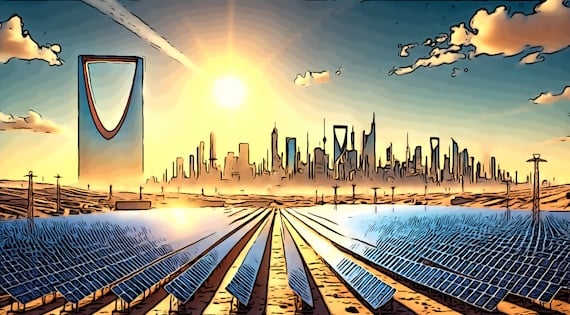
Saudi Arabia is rapidly deploying renewable energy, aiming for 50% of its electricity from renewables by 2030, with significant projects like the world's largest wind farm and low-cost solar projects, supported by Chinese technology and investment, as part of its economic shift away from fossil fuels.
California-based startup Reflect Orbital plans to launch a constellation of over 4,000 space mirrors to enhance solar power generation by reflecting sunlight onto Earth during twilight hours, but this project has raised concerns among astronomers and environmentalists due to its potential to significantly increase light pollution and disrupt natural ecosystems and astronomical observations.
More than 20 states have sued the EPA over its decision to cancel the $7 billion 'Solar For All' program, which aimed to expand solar access for low-income households, arguing that the agency overstepped its legal authority and violated congressional funding approvals. The lawsuit challenges the EPA's withdrawal of funds and seeks to uphold the program's continuation, amid broader disputes over clean energy funding under the Biden administration.
EcoFlow announced the Delta Pro Ultra X, a powerful and scalable home battery system capable of powering a home for weeks, with up to 12kW continuous output and 180kWh capacity, compatible with solar, gas generators, and EV chargers, and designed for easy installation and modular expansion.
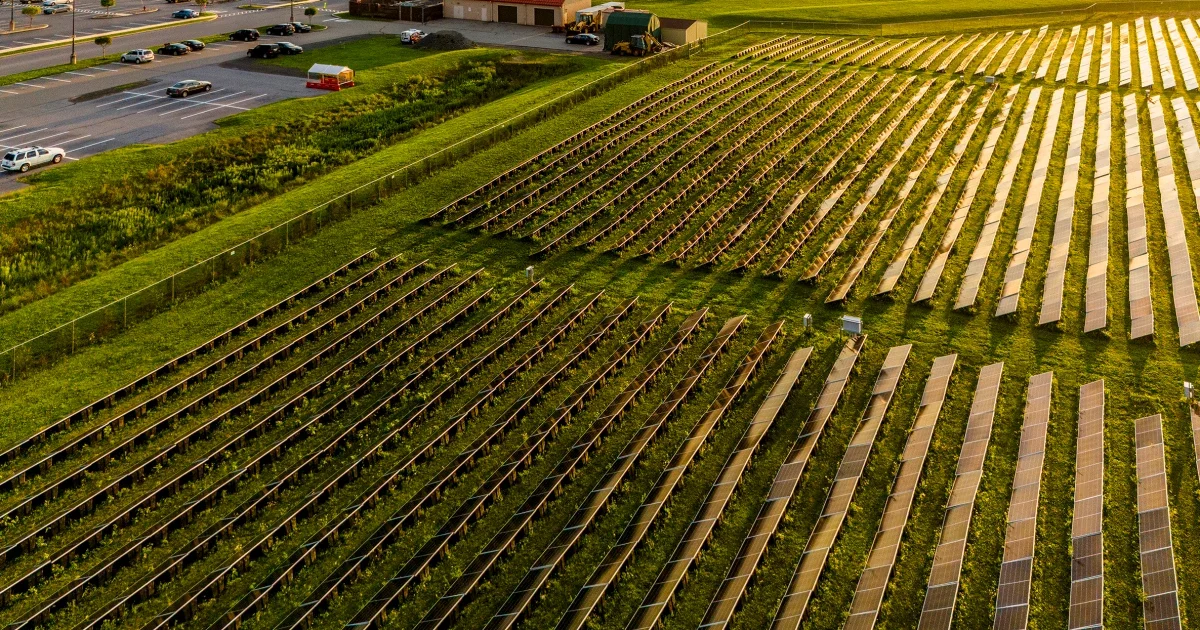
The Esmeralda 7 solar power project in Nevada, initially thought to be canceled, is still under review with plans to evaluate each of its seven components separately, despite recent setbacks and political disputes over federal permits and transmission development. The project, which could generate up to 6.2 gigawatts, remains a key part of Nevada's renewable energy future, with potential legal and political maneuvers possibly influencing its fate.
The cancellation of Nevada's Esmeralda 7 solar project highlights the U.S. government's shift away from streamlined, cost-effective renewable energy development on public lands, favoring policies that hinder large-scale clean energy projects and favor fossil fuels, ultimately risking higher costs and slower progress in America's energy transition.
A US startup, Reflect Orbital, plans to deploy thousands of satellites with mirrors to beam sunlight onto Earth for solar energy at night, but this raises significant concerns about light pollution, astronomical interference, and practicality, with the potential for bright flashes and widespread environmental impact.