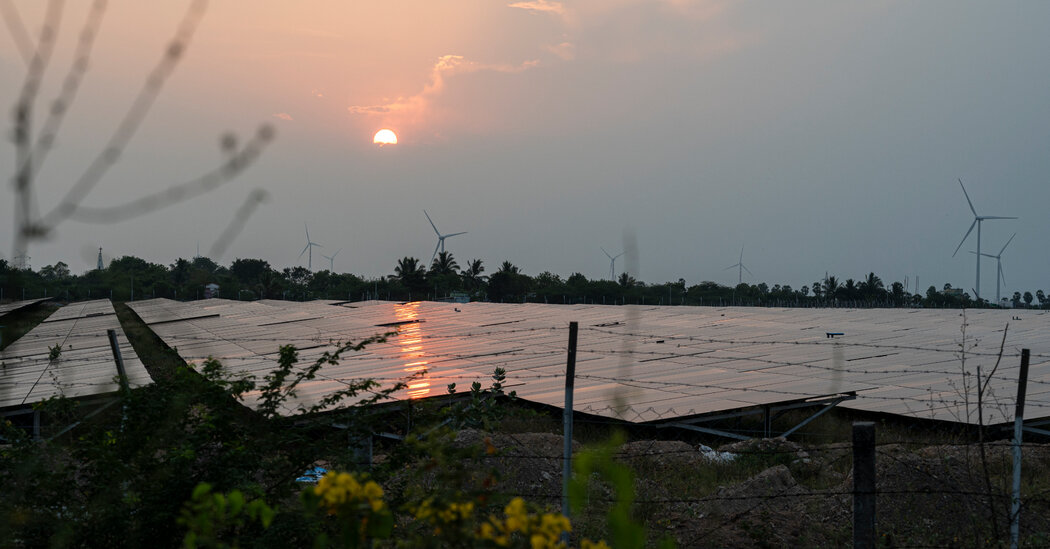
Emerging economies like Brazil, India, and Vietnam are rapidly expanding their renewable energy capacities, driven by affordable Chinese technology, leading to a significant shift in global climate politics as the US and Europe face challenges in their climate efforts.
The article summarizes global leaders' diverse perspectives on Donald Trump's presidency, highlighting praise for his role in peace processes and criticism of U.S. policies, as expressed during the UN General Assembly.
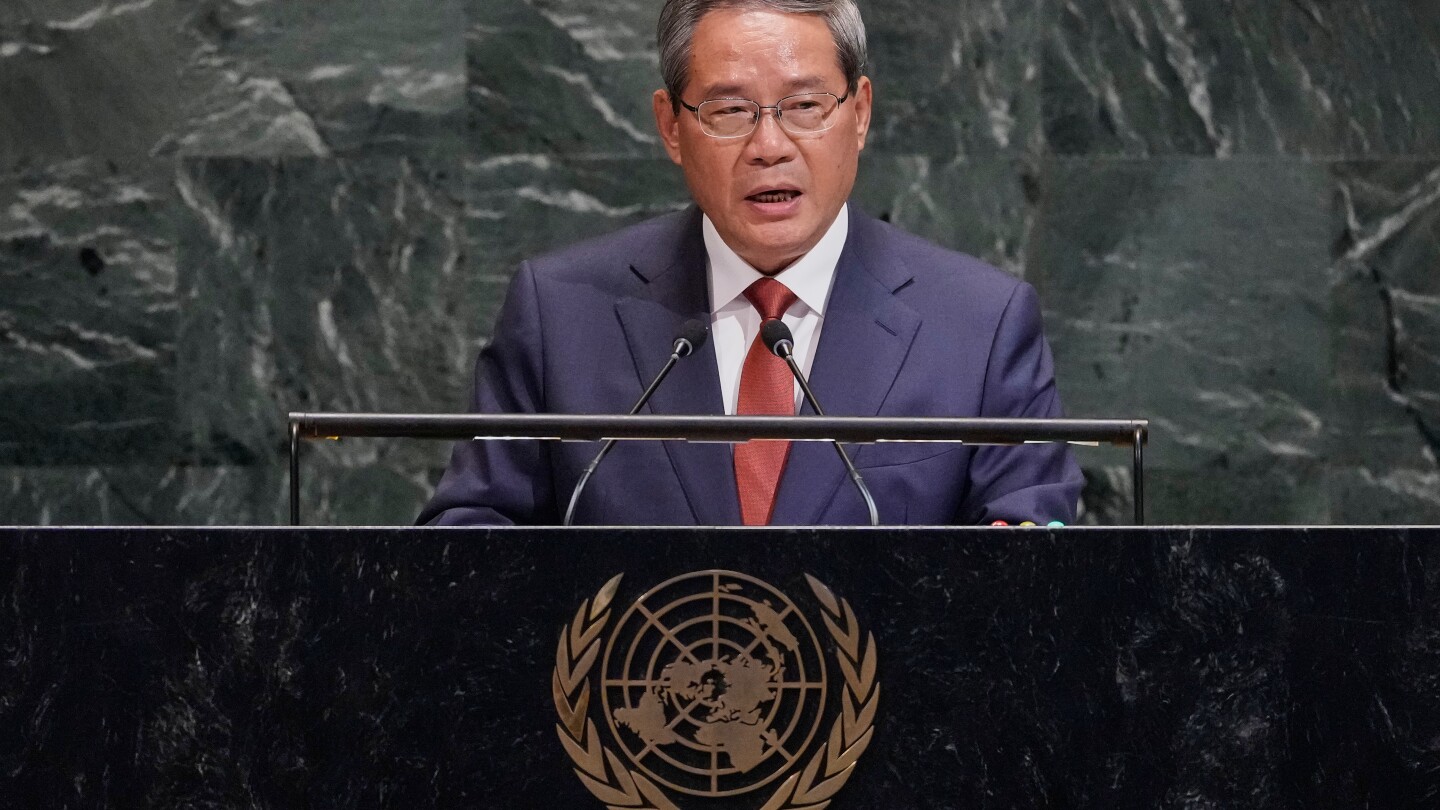
China's second-in-command Li Qiang delivered a speech at the UN emphasizing multilateralism and criticizing unilateral actions and protectionism, especially highlighting concerns about US policies, while positioning China as a defender of global order amid rising tensions and competition with the US.
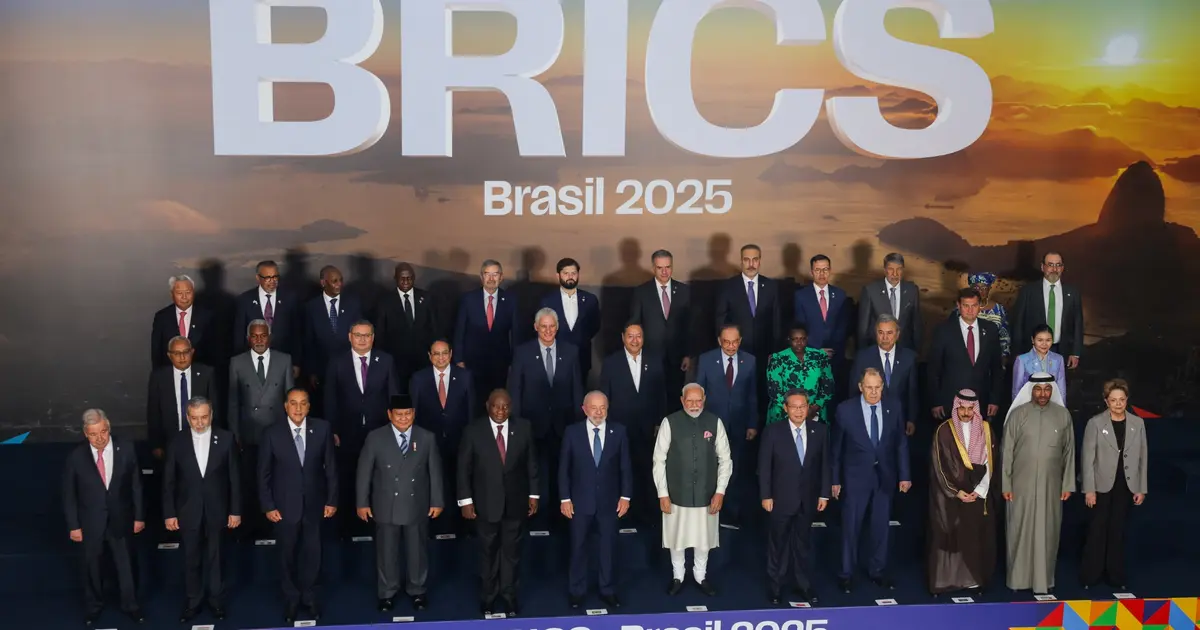
BRICS nations are holding talks to counter US protectionism amid global political and economic tensions, with discussions covering issues from trade, military support, and regional conflicts to technological advancements and geopolitical strategies.
The recent overthrow of Syrian President Bashar al-Assad by rebel forces has significant global implications, affecting alliances and power dynamics in the Middle East. The fall of Assad, who fled to Russia, is seen as a setback for Iran and Russia, while benefiting the U.S., Turkey, and Israel. Analysts suggest this shift could lead to a less unstable Middle East, though concerns about a power vacuum remain. The regime change may also impact global markets and geopolitical strategies, particularly for the U.S. and its allies.
China is emerging as a dominant force in global climate policy, leveraging its control over clean energy technologies and minerals to form strategic alliances with developing nations. As the U.S. under President-elect Trump plans to retreat from international climate agreements, China is poised to fill the leadership void, despite its continued reliance on coal. This shift could reshape global climate efforts to align more with China's interests, challenging the U.S. and EU's influence and their push for stricter environmental standards.
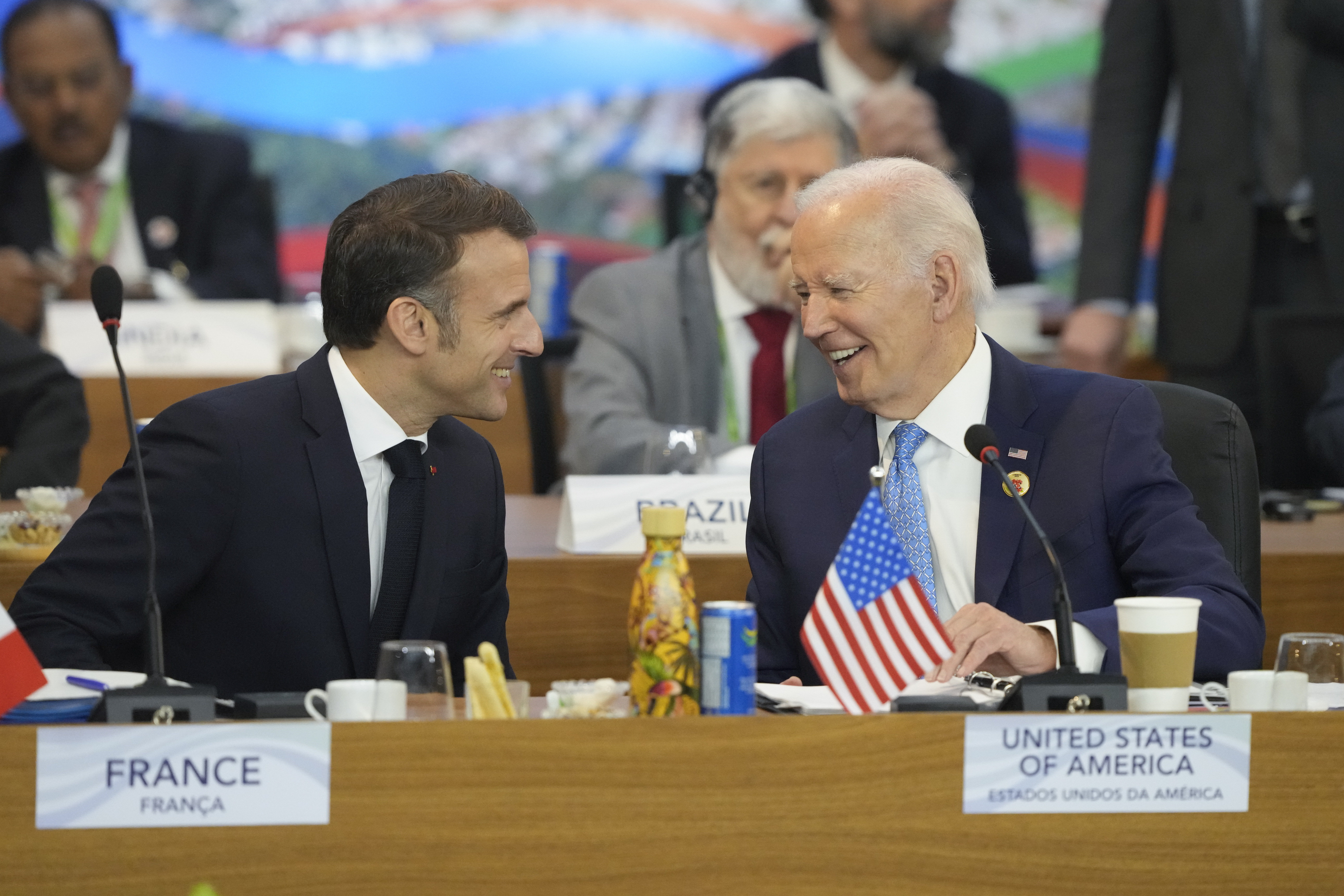
At the G20 summit in Rio de Janeiro, world leaders are avoiding public discussions about President-elect Donald Trump, despite his looming influence on global issues like climate change and trade. While Trump's potential policies and cabinet picks are causing concern, leaders like French President Emmanuel Macron and British Prime Minister Keir Starmer are refraining from direct criticism. Meanwhile, outgoing U.S. President Joe Biden is also sidestepping questions about Trump's upcoming administration, focusing instead on ensuring a smooth transition.
Donald Trump's recent election victory is seen as a triumph for illiberalism in the West, emboldening far-right movements across Europe and signaling a potential shift in U.S. foreign policy. With traditional liberal leaders like Angela Merkel no longer in power, far-right parties are gaining influence in countries like Germany, France, and Italy. Trump's win is celebrated by leaders like Hungary's Viktor Orban and Russia's political establishment, who view it as a setback for liberal forces. The election reflects broader voter discontent with incumbents amid economic concerns.
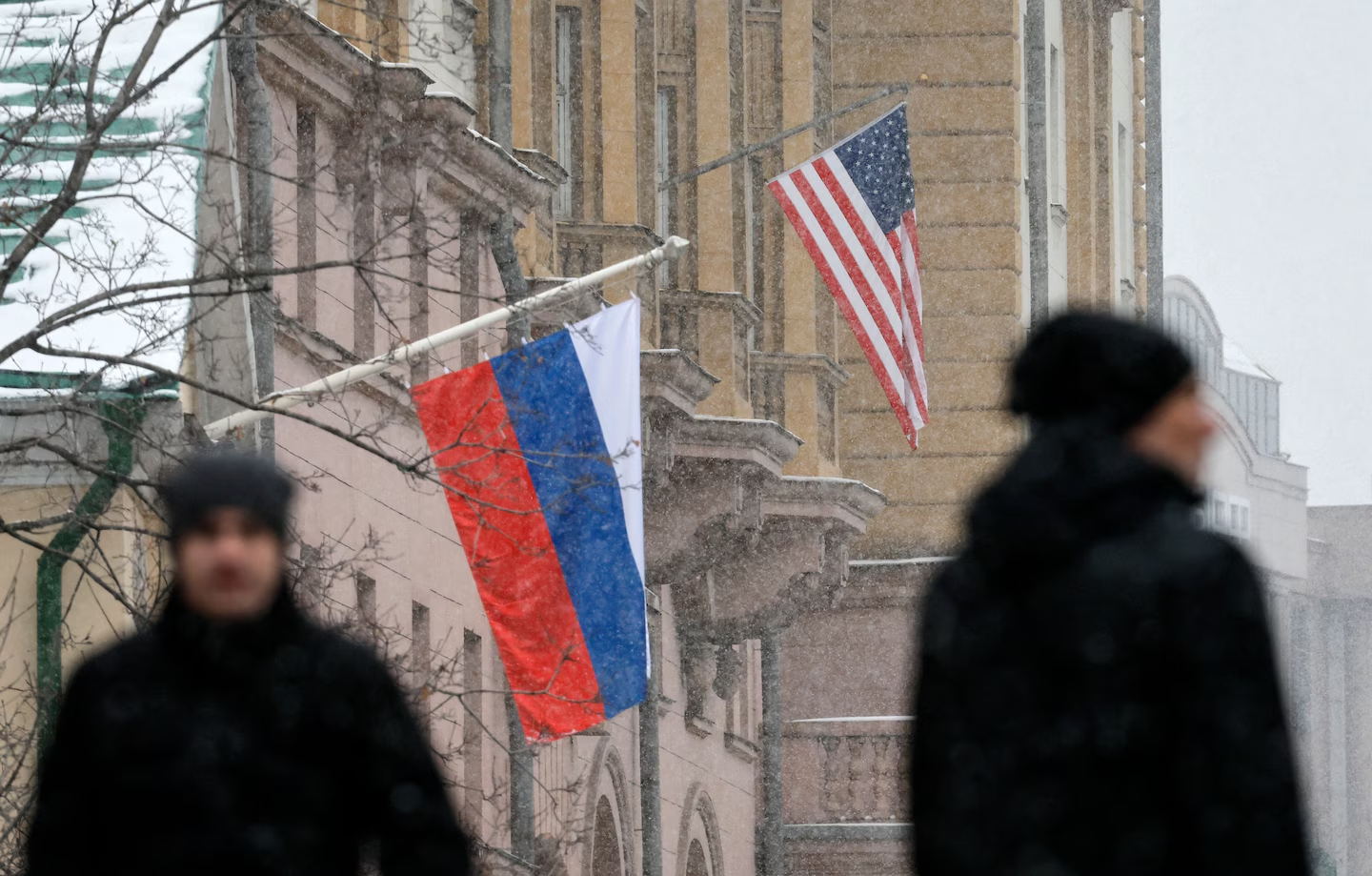
Russians view Donald Trump's election victory as a triumph for conservative and isolationist forces, potentially allowing Russia to disrupt Western unity on Ukraine and reshape global power dynamics. Influential Russian figures see Trump's focus on domestic issues over international aid as an opportunity to expand Russia's influence.
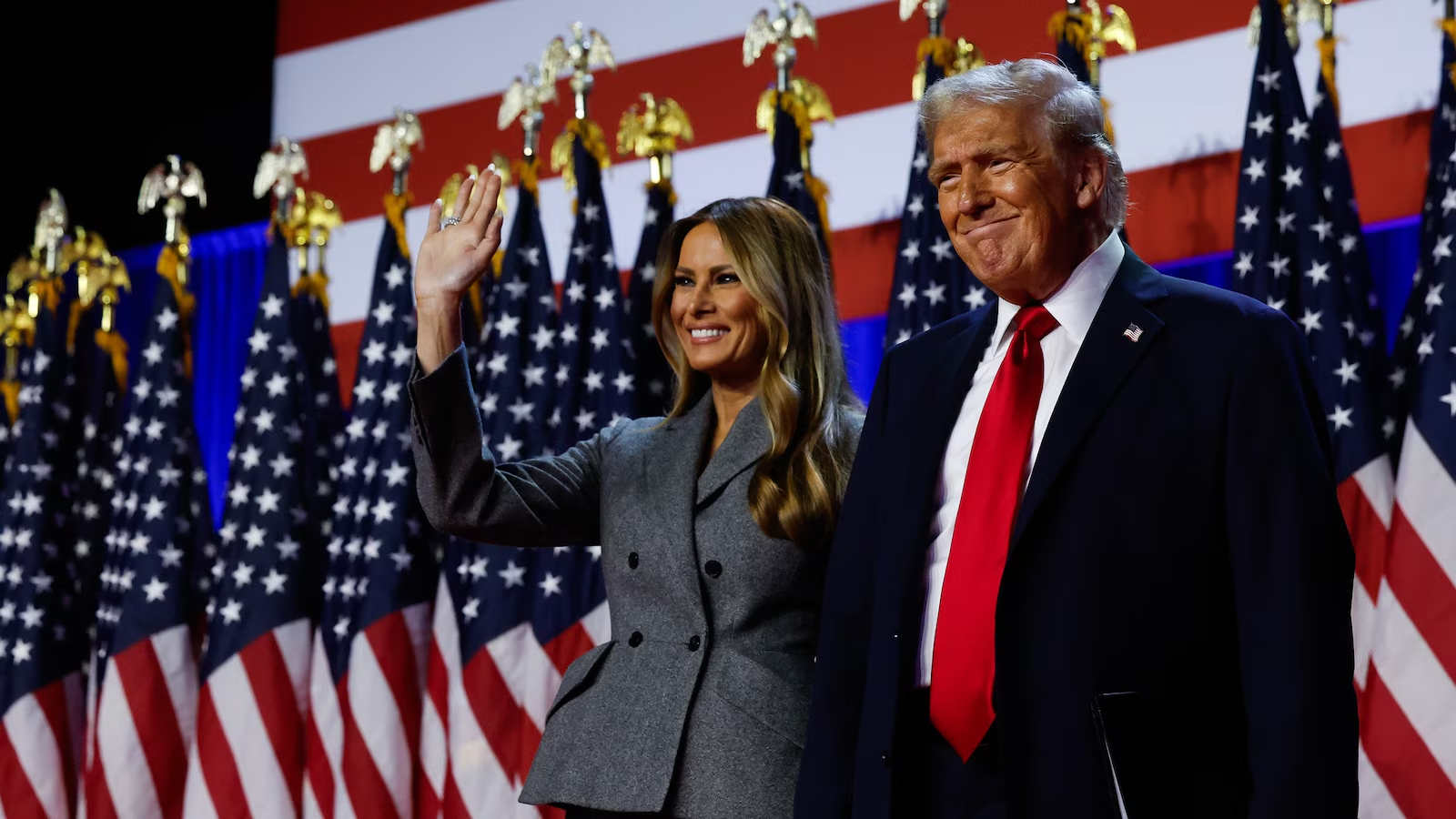
World leaders are reacting to the 2024 U.S. presidential election results, with Donald Trump claiming victory over Kamala Harris. French President Emmanuel Macron, Israeli Prime Minister Benjamin Netanyahu, and other global leaders have congratulated Trump, highlighting hopes for strengthened alliances and peace efforts, particularly in Ukraine. Russian officials have also commented, suggesting potential changes in U.S. foreign aid policies. This marks a significant political comeback for Trump, drawing varied international responses.
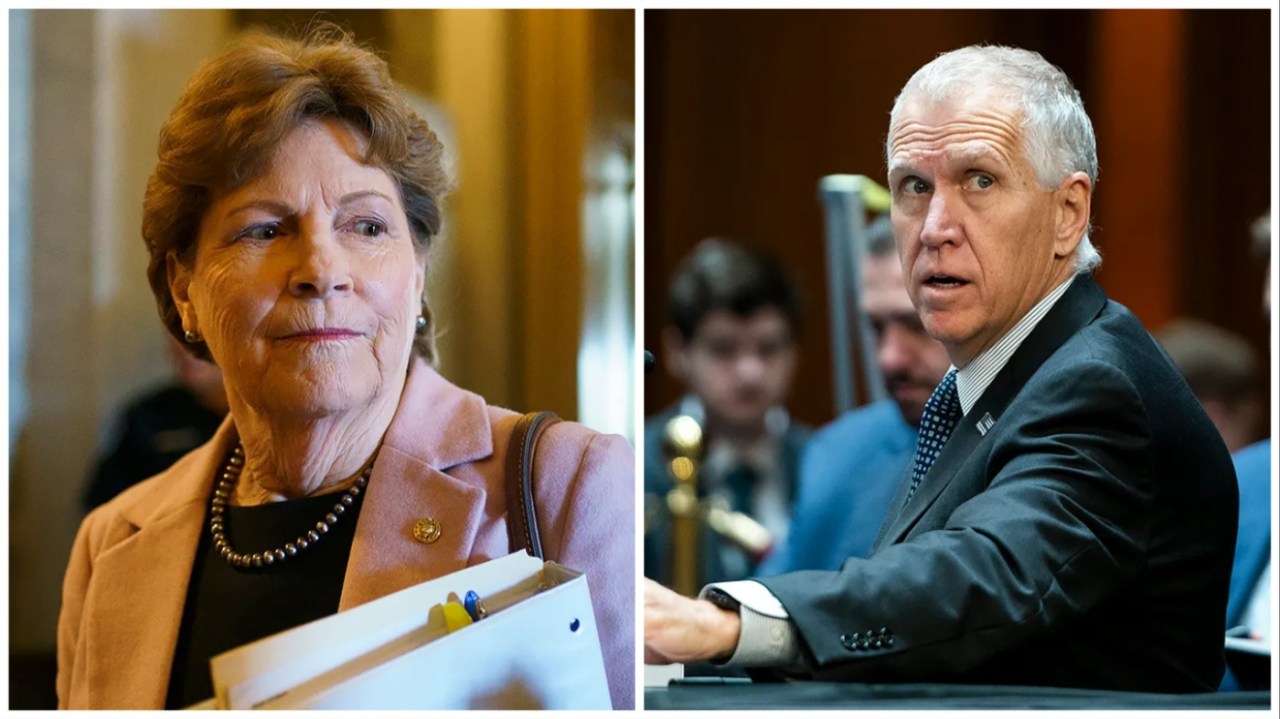
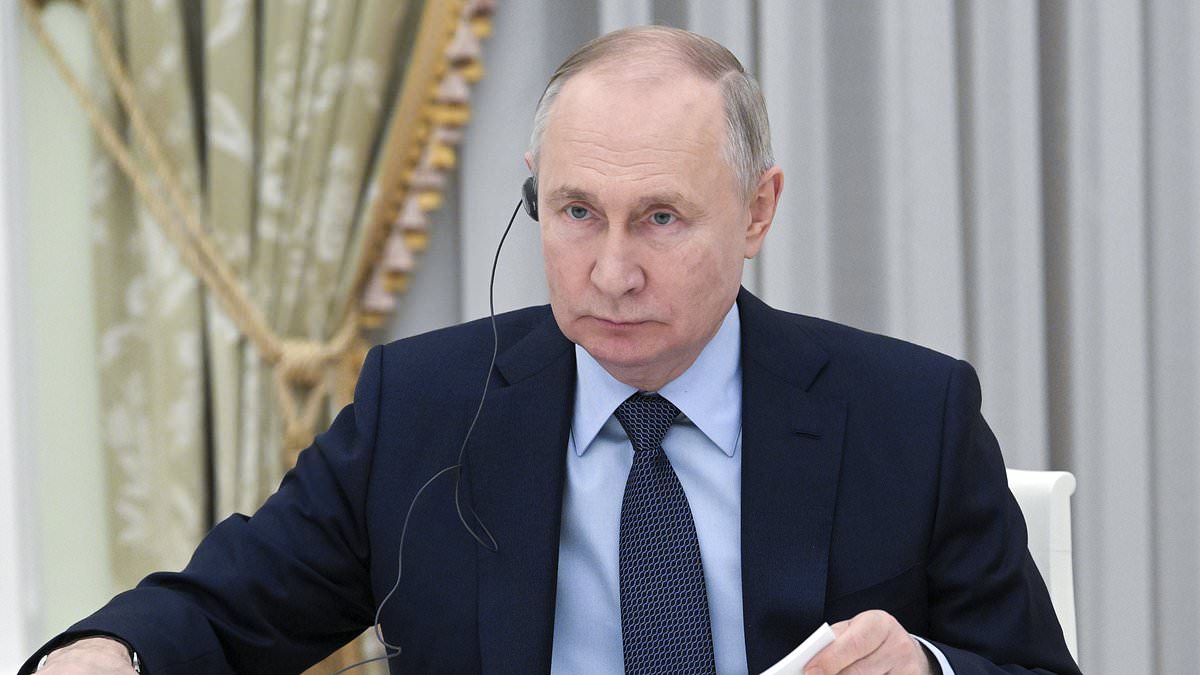
Senators Jeanne Shaheen and Thom Tillis warn of rising global authoritarianism, citing leaders like Putin and alliances with China, North Korea, and Iran. They emphasize the importance of NATO and strengthening international alliances, drawing parallels to the unity seen during World War II.
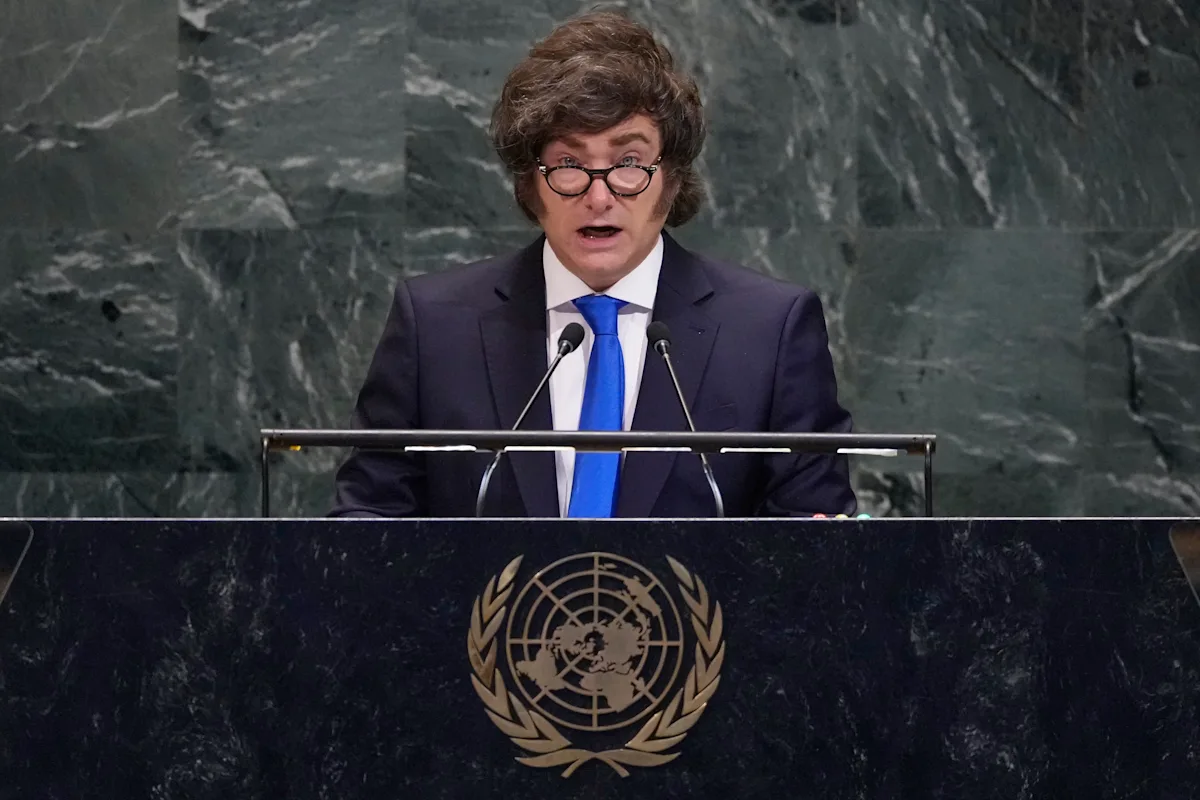
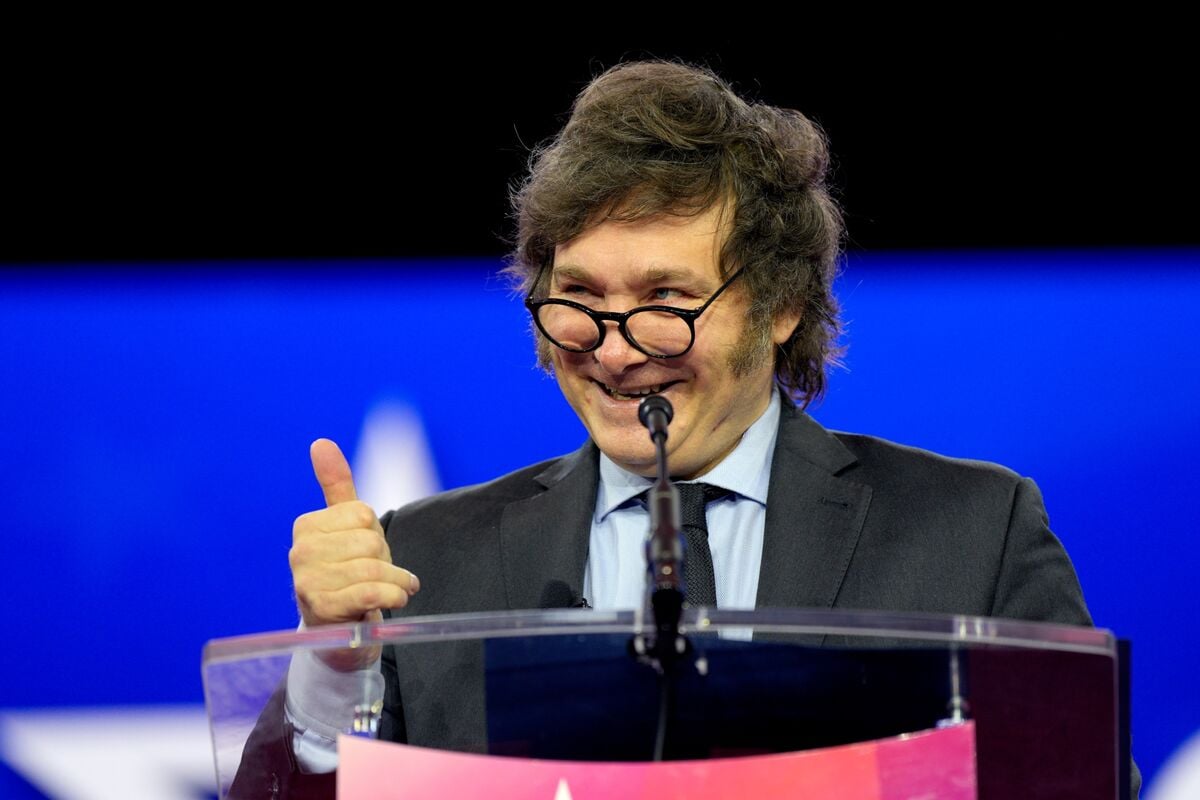
Argentine politician Javier Milei is facing the reality of his country's dependence on China as he takes on his new role. The presidential palace in Buenos Aires serves as a constant reminder of Argentina's close ties with China, highlighting the challenges Milei will need to navigate in the realm of global relations.
The article discusses the need for NATO to prepare for the possibility of increased unilateralism from the United States under the leadership of former President Donald Trump. It highlights concerns about Trump's potential return to power and the impact it could have on international security and global politics, urging NATO to develop strategies to navigate this potential challenge.
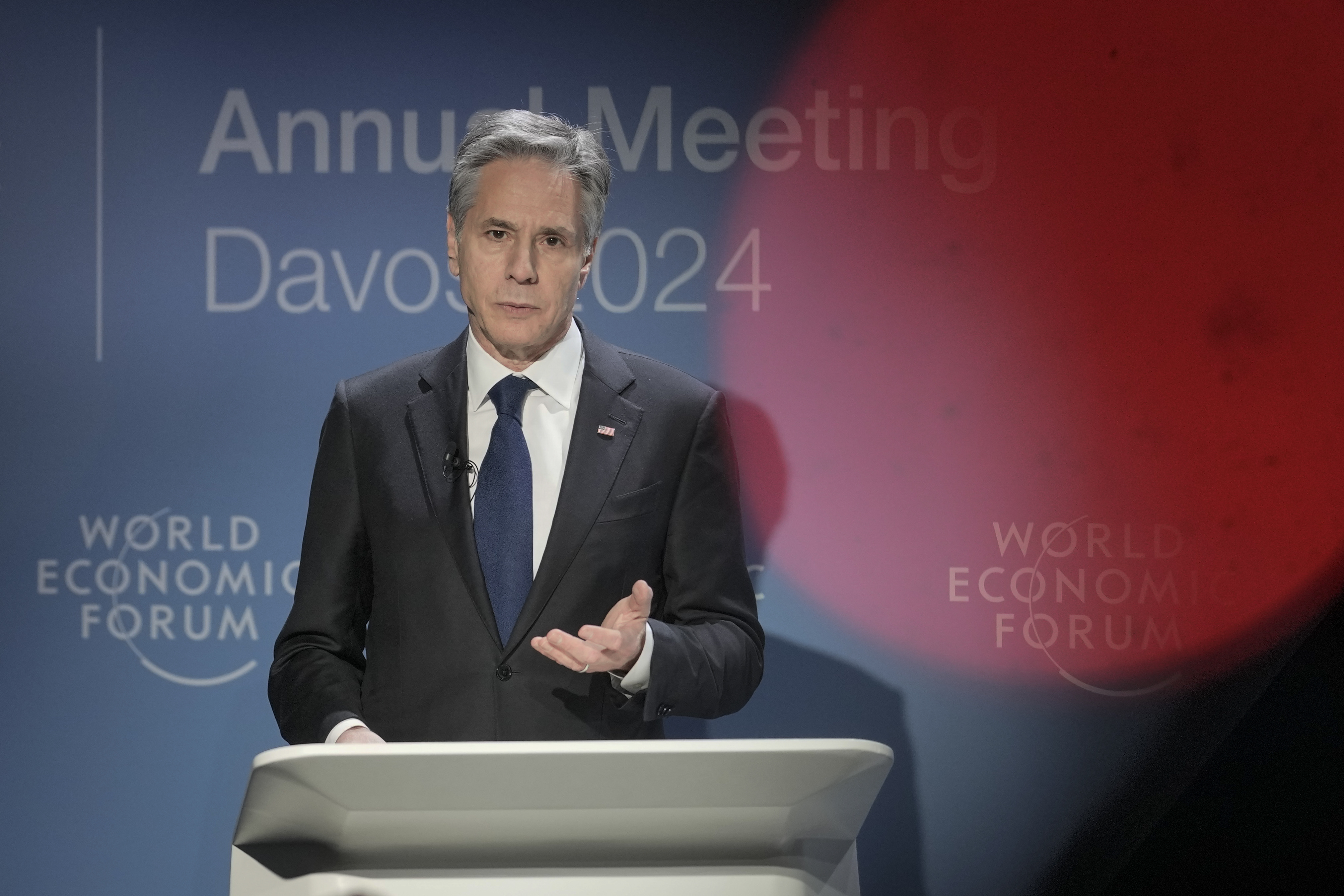
At the World Economic Forum in Davos, U.S. officials, including Secretary of State Antony Blinken, found themselves on the defensive as they faced questions about congressional polarization, aid to Ukraine, support for Israel, and the bombing campaign against the Houthis in Yemen. Despite reassurances from U.S. representatives, concerns were expressed by global leaders about American politics and foreign policy, with some questioning the trajectory of U.S. security guarantees and the impact of political polarization on equipping Ukrainian forces. The U.S. also faced criticism for its approach to the Israeli-Hamas conflict and the military response to Houthi strikes, with ongoing concerns about the effectiveness of its actions.
Andrew Neil expresses concern that 2024, a year with elections in over 60 countries, may be a crisis point for democracy rather than a celebration. He highlights the likelihood of undemocratic elections in Russia, India, and Pakistan, and the potential negative impacts of a Trump re-election on Ukraine and NATO. Neil also notes the threats posed by China towards Taiwan, North Korea's aggressive stance, and Iran's regional disruptions. He criticizes the lack of strong democratic leadership and the complacency of Western nations in defense spending and geopolitical strategy, drawing parallels to the 1930s and the rise of autocrats, suggesting that democracies may struggle before finding the resolve to confront authoritarianism effectively.