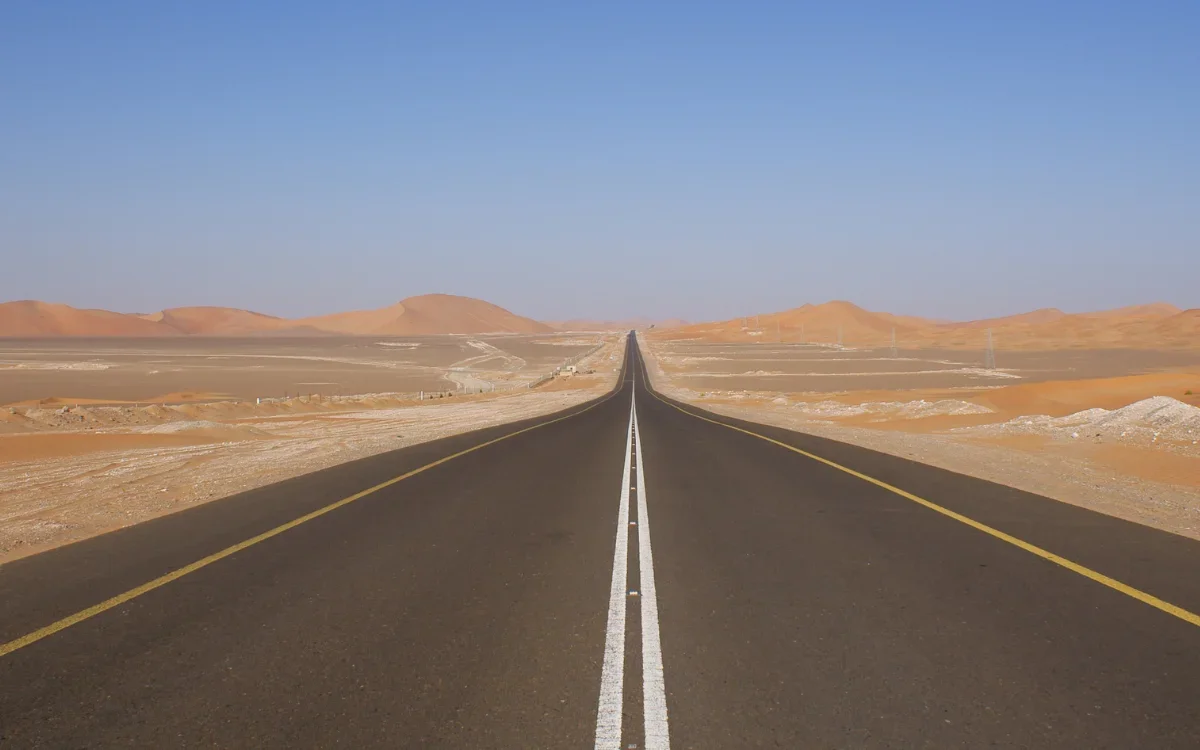
Saudi Arabia’s 149-mile stretch of Highway 10 is the world’s longest straight road, but a civil engineer warns its unchanging, repetitive driving can cause fatigue and highway hypnosis, making it riskier than it sounds.
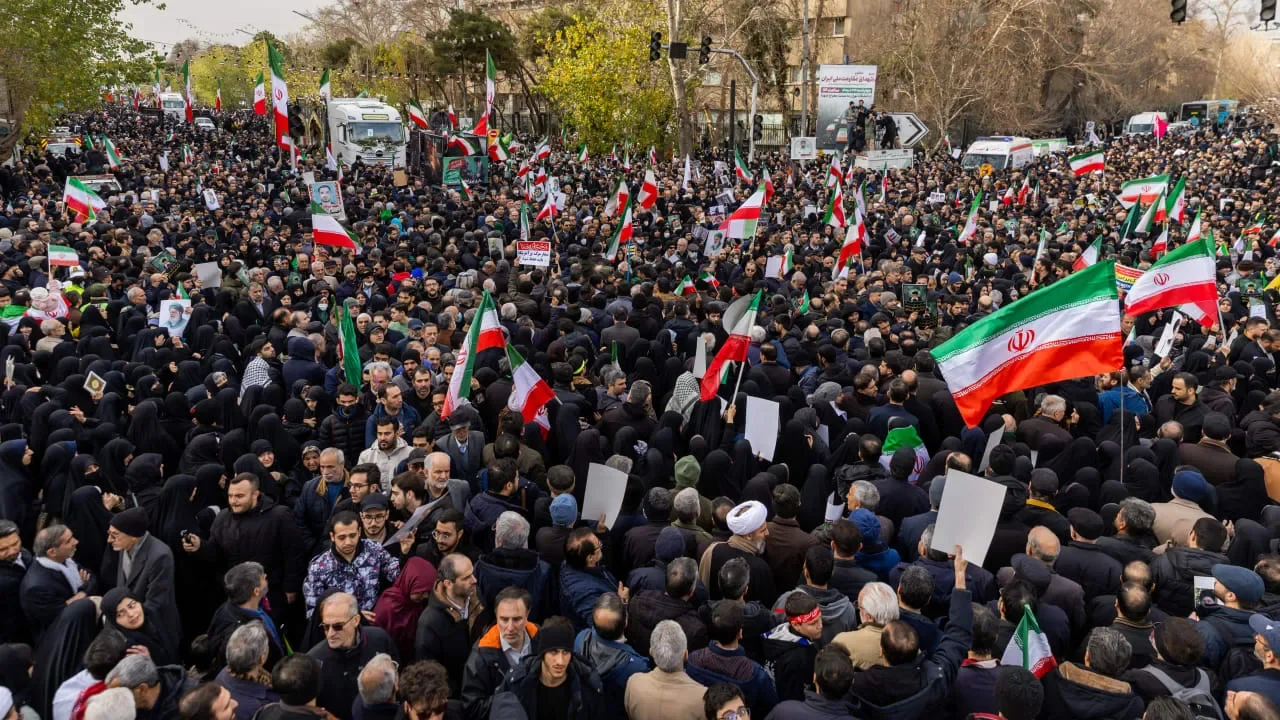
A Saudi royal family source tells N12 that the Iran crisis should be resolved through regime change beginning with the ouster of Supreme Leader Ali Khamenei, advocating elimination of top leadership and a post-regime election, while criticizing US/Israel strategy and noting Iran’s ongoing protests, political dynamics, and potential nuclear trajectory.
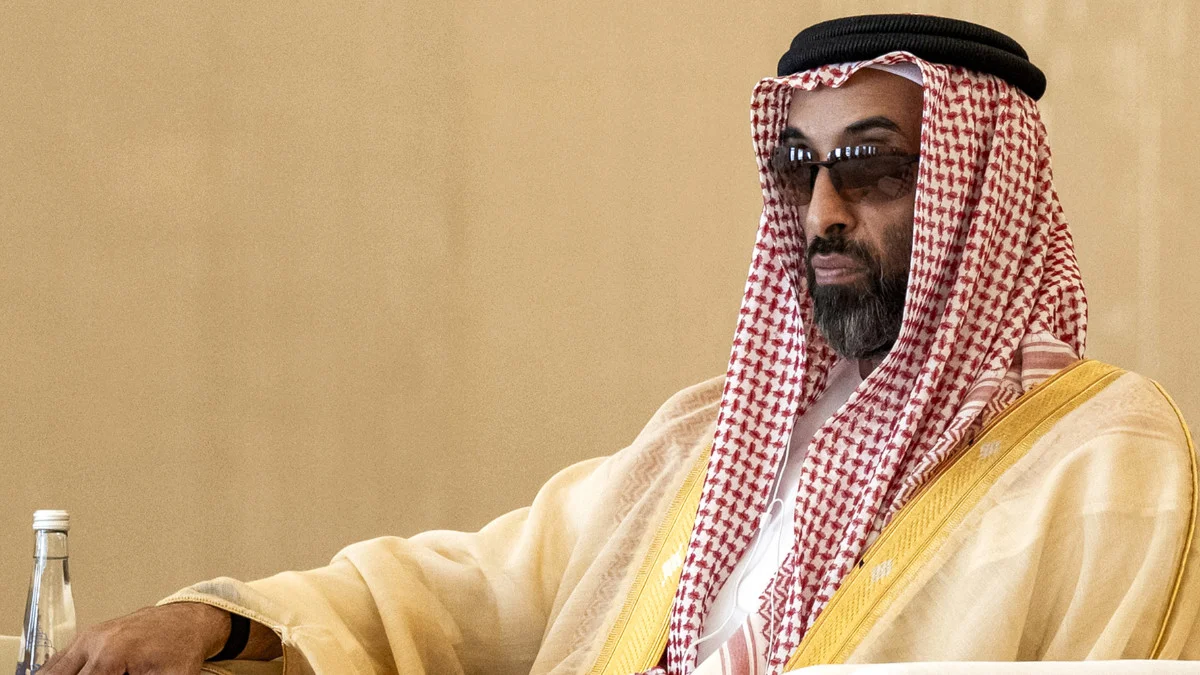
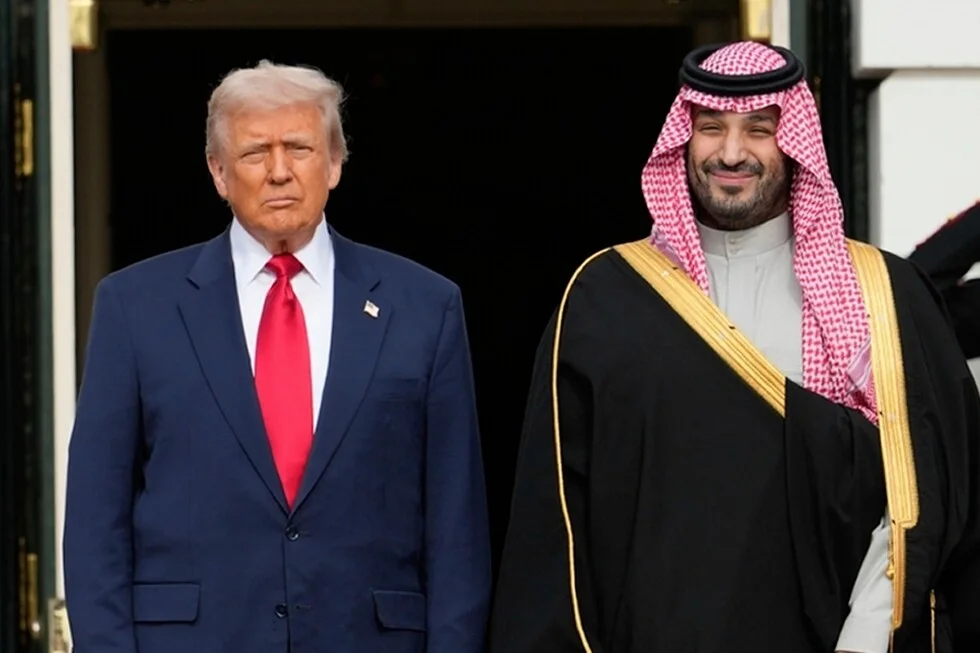
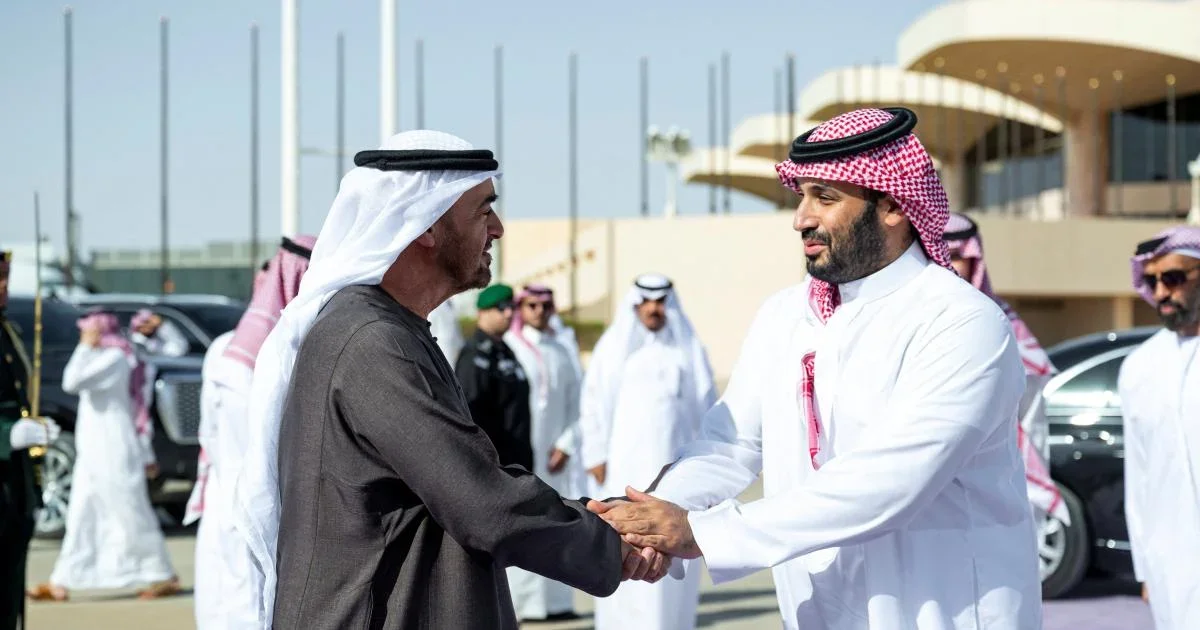
Saudi Crown Prince Mohammed bin Salman sent a lengthy complaint to UAE national security adviser Tahnoon bin Zayed, accusing Abu Dhabi of backing Yemen’s RSF and supporting Sudan’s civil war in ways Riyadh cannot tolerate, while offering mediation through Khalid bin Salman. The letter, which framed Yemen as a Saudi sphere of influence and stressed national security, underscores a growing rift with the UAE even as the two sides describe their ties as brotherly and seek behind‑the‑scenes mediation in Washington.
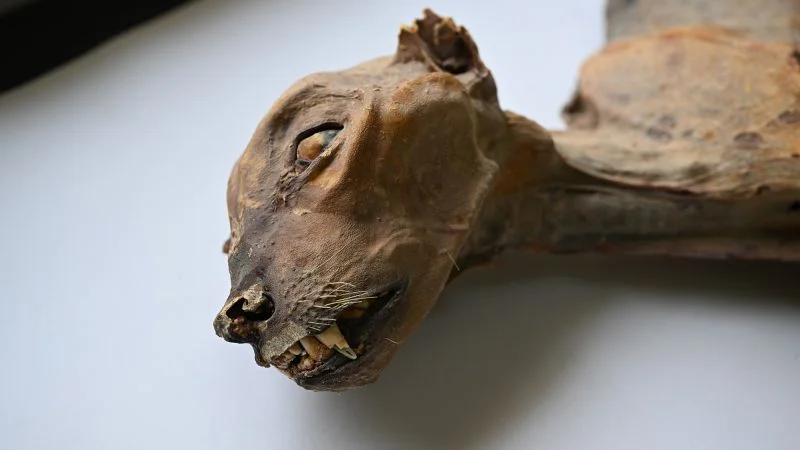
Saudi researchers found seven naturally mummified cheetahs in five caves near Arar, with DNA from three mummies showing two of the oldest specimens belonged to Acinonyx jubatus hecki (Northwest African cheetah). Dated up to 4,000 years old (and up to ~1,870 years for some), the remains reveal multiple cheetah lineages once roamed the Arabian Peninsula and indicate cheetahs thrived there historically. The study, based on exceptionally preserved tissue, offers a DNA-backed guide for selecting subspecies and lineages best suited to potential reintroduction in Saudi Arabia’s protected habitats.
Congressional documents suggest a proposed U.S.–Saudi nuclear pact could let Saudi Arabia pursue uranium enrichment under IAEA safeguards, a move that raises proliferation concerns despite oversight. Experts warn that even restricted enrichment could create a pathway to weaponization amid Iran tensions, with the UAE’s non-enrichment approach cited as a contrast.
Saudi Arabia’s formal, oddly cordial tone masks a sharp dispute with the United Arab Emirates after Riyadh bombed a UAE weapons shipment in Yemen and accused Abu Dhabi of threatening Saudi security, a rare rift between the Gulf’s two dominant powers with potentiallywide regional consequences.
Saudi Arabia and the UAE confirmed the Ramadan crescent sighting, with most Gulf countries expected to begin fasting on Wednesday; Oman starts one day later (Feb 19), Kuwait has also confirmed, and Turkey and Indonesia announced fasting dates for Feb 19. In the Indian subcontinent, fasting dates usually follow the Gulf’s sighting by a day, subject to local announcements.
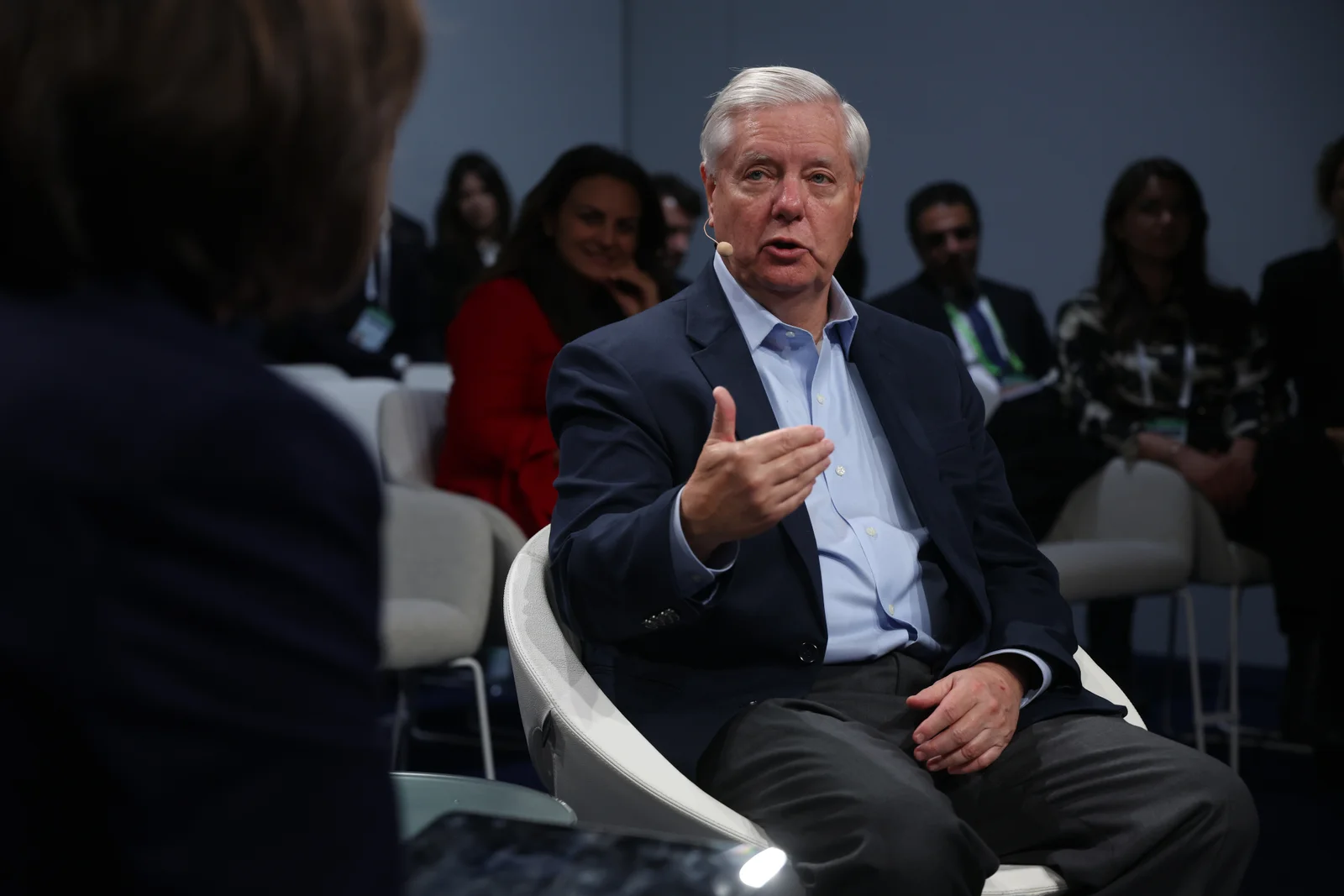
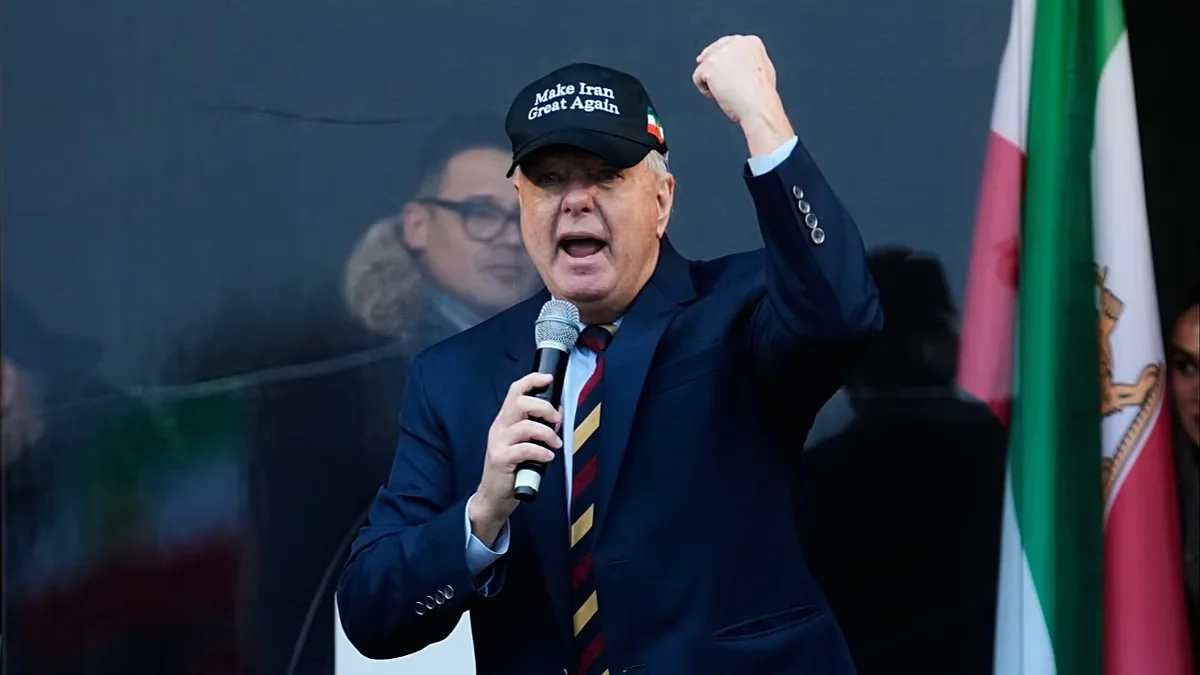
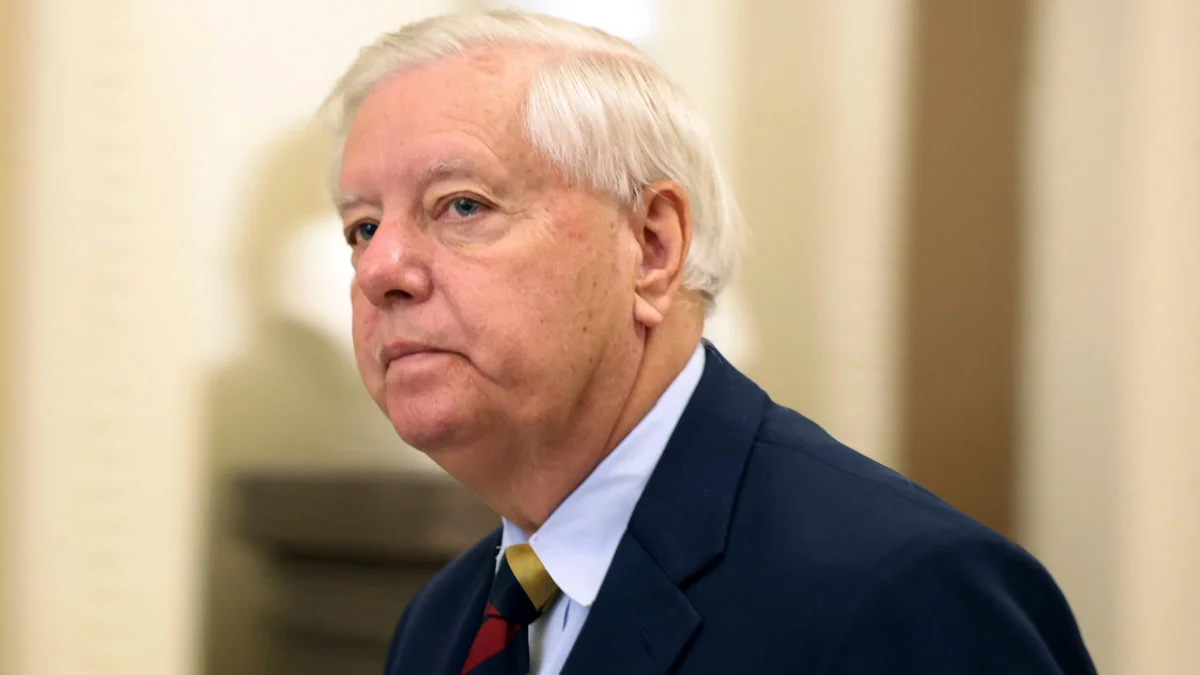
Sen. Lindsey Graham used a Munich Security Conference appearance to urge Saudi Crown Prince Mohammed bin Salman and UAE President Sheikh Mohamed bin Zayed al-Nahyan to stop escalating Gulf realignment, warning that tensions between Riyadh and Abu Dhabi could bolster Iran and affect regional stability; he pressed for broader cooperation with Israel and urged leaders to think big picture beyond Yemen and Sudan conflicts.
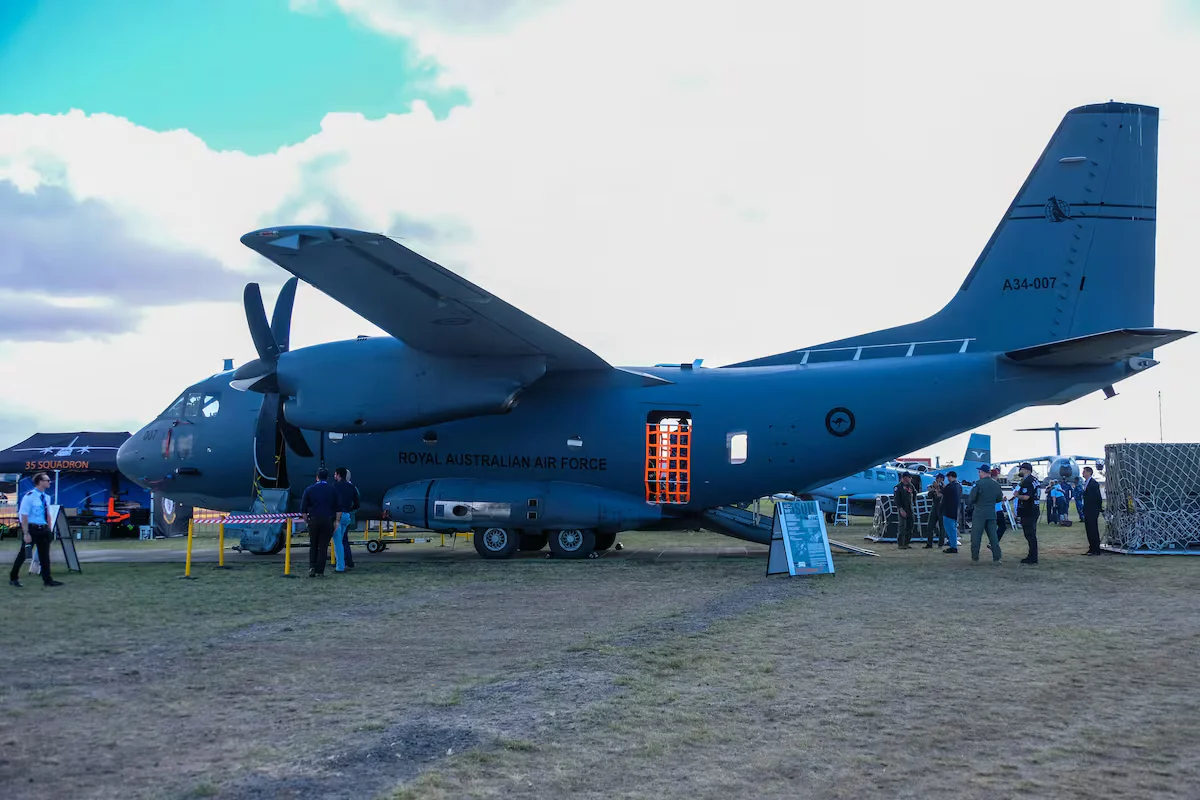
Saudi Arabia will receive four C-27J tactical airlifters outfitted for armed maritime patrols with torpedoes, anti-ship missiles and depth charges, plus a dedicated mission suite and sensors for surface and undersea tracking. The aircraft can be reconfigured to standard transports, with deliveries expected to begin in 2029. This follows earlier C-27J purchases for firefighting and medevac, and Leonardo notes a potential MC-27 special-forces variant around 2029–30; possible weapons include the Marte-ER anti-ship missile and MU-90 torpedo amid a recent Saudi deal with WASS for MU-90.
At the Munich Security Conference, U.S. Senator Lindsey Graham urged Saudi Arabia and the UAE to resolve recent rifts and present a united front on Iran, warning that Gulf divisions could bolster Tehran while Washington signals its readiness with forces in the region amid Yemen and Sudan tensions and stalled nuclear talks.
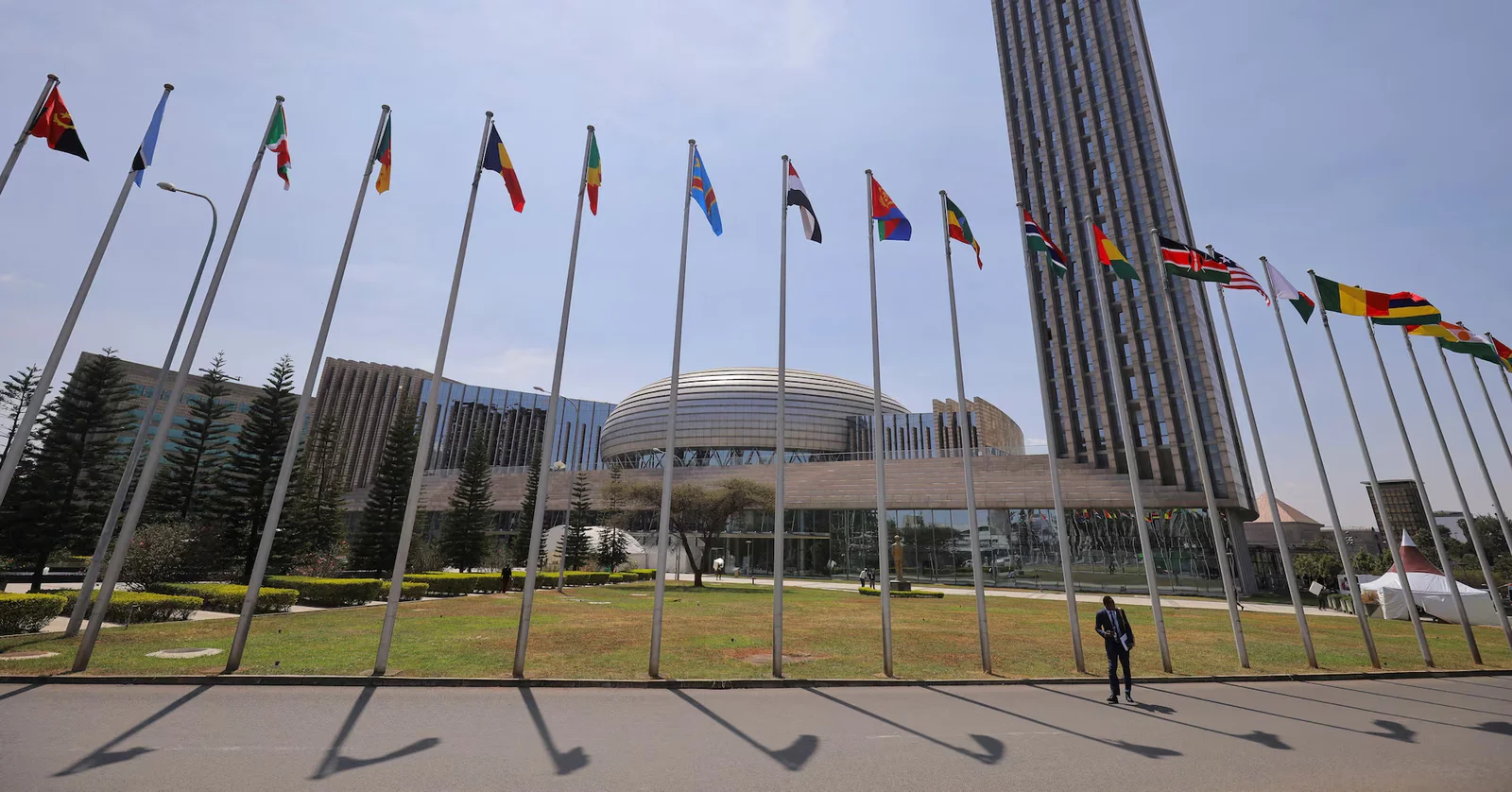
Saudi–UAE rivalry spills into the Horn of Africa ahead of the African Union summit, with Riyadh and Abu Dhabi backing opposing sides in regional conflicts and pressuring states to choose camps, as leaders aim to stay neutral to avoid being drawn into the Gulf feud amid tensions in Somalia, Sudan and Ethiopia-Eritrea.
At the Munich Security Conference, Senator Lindsey Graham pressed Crown Prince Mohammed bin Salman to end the Saudi-UAE rift, arguing the UAE's close ties with Israel and its backing of the Abraham Accords threaten regional balance and embolden Iran; he urged a bigger‑picture approach despite broader conflicts in Yemen and Sudan, and warned against backing away from confronting Iran.
Saudi Arabia’s Public Investment Fund will test a revised 2026–2030 investment strategy at its Private Sector Forum, seeking private-sector funding to sustain its giga‑projects while signaling up to a 15% cut to capital expenditure. The plan, shaped by investor feedback, prioritizes Expo 2030 and the 2034 World Cup, with projects like Neom and the Mukaab under reprioritisation and tighter financial scrutiny as oil prices and liquidity tighten.
A rising Saudi–UAE rift has shifted from a close strategic partnership to a widening rivalry over economics, investment, and security, driven by Saudi Vision 2030 and Riyadh’s pivot toward Iran, Qatar, and Turkey while the UAE pursues diversified global power. The feud plays out across Yemen, Sudan, Syria, and Israel, involving proxy contests and competing investments, raising the risk of broader instability even if a direct war remains unlikely. Western powers should hedge rather than pick sides to preserve influence over oil markets and trade routes, as a personal rapprochement between MBS and MBZ could help stabilize the region in the longer term.
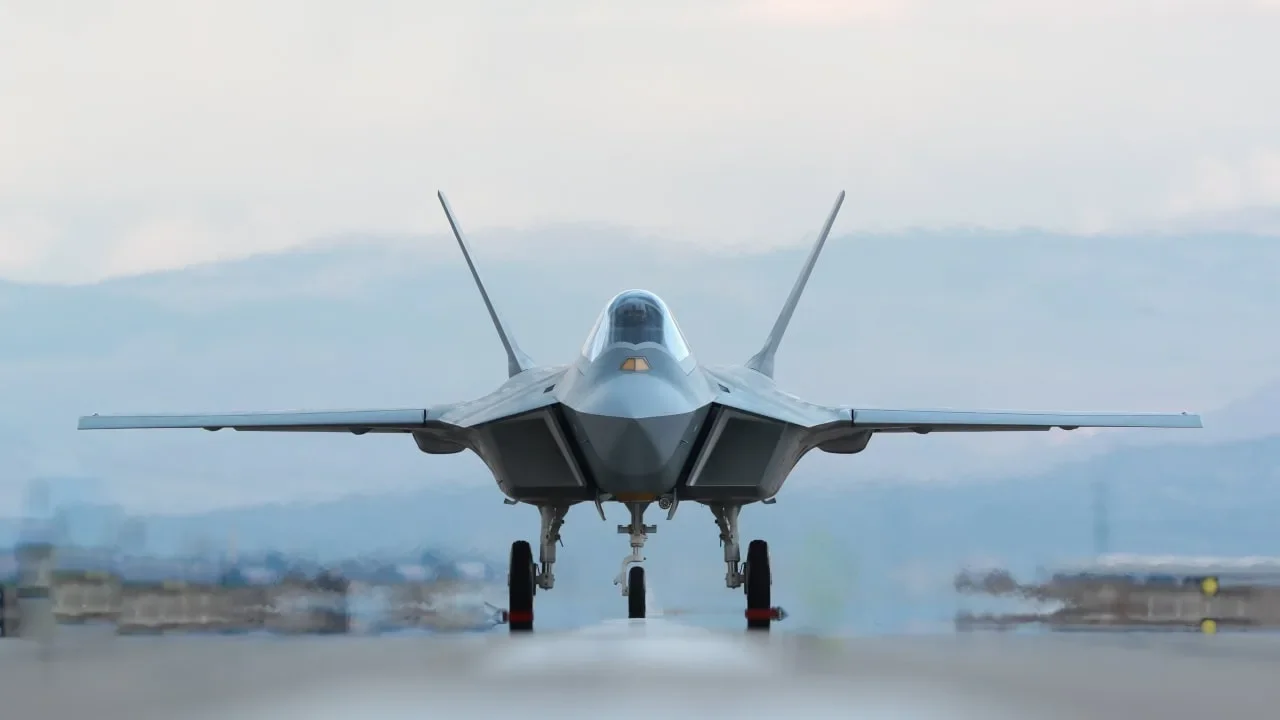
A Daily Sabah report says Turkey and Saudi Arabia may jointly invest in Turkey’s Kaan stealth fighter, following Erdogan’s meetings in Saudi Arabia, as Ankara pursues 5th-generation capabilities after being sidelined from the F-35 program due to the S-400. Production of Kaan is eyed for 2028, with talks of Saudi collaboration reflecting broader regional defense deals, though Israel and Western concerns about such a partnership linger.