Bulgaria began withdrawing euros for the first time after joining the euro currency union, replacing the lev in cash transactions, amid political instability and public skepticism about the change's impact on prices and national identity.
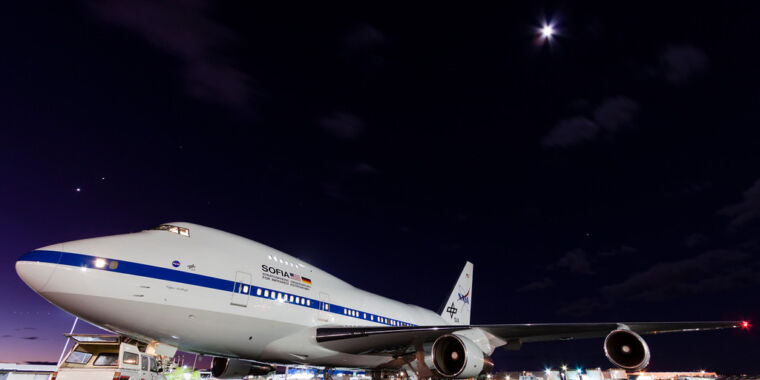
The Stratospheric Observatory for Infrared Astronomy (SOFIA), a telescope housed in a modified Boeing 747, captured a photo on the tarmac in New Zealand featuring the Moon, Venus, and Jupiter in the background. The airborne observatory, which operated from 2010 to 2022, provided unique observations of celestial magnetic fields, star-forming regions, and comets from a vantage point above much of the Earth's atmosphere.
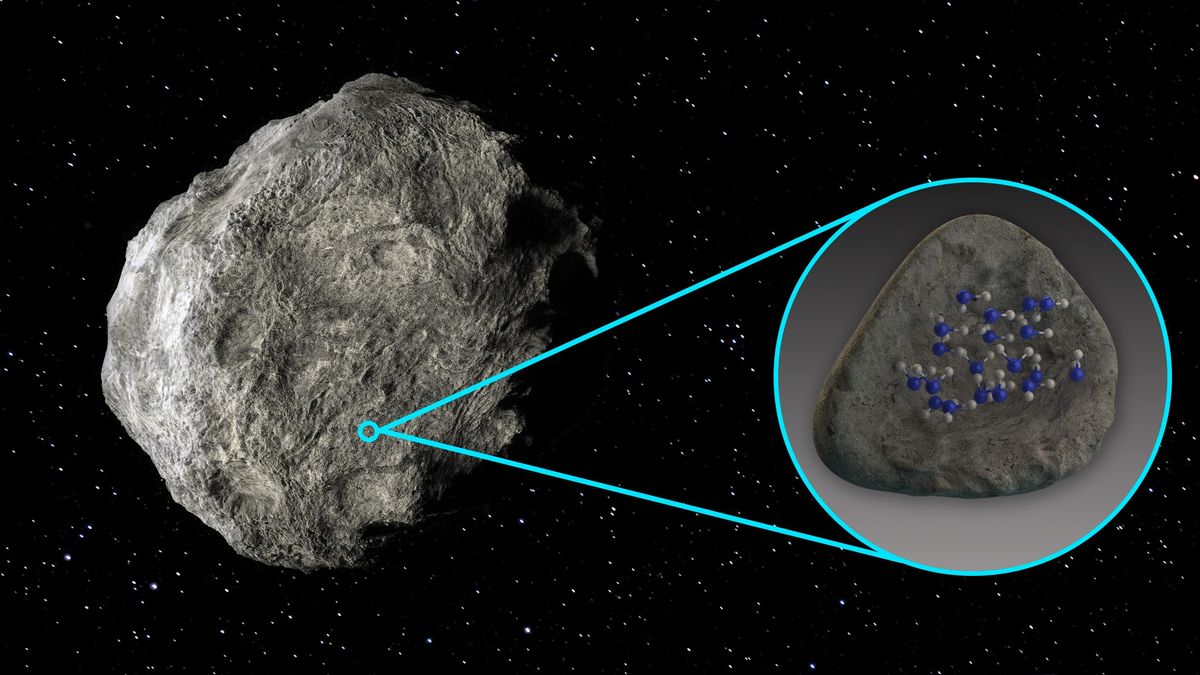
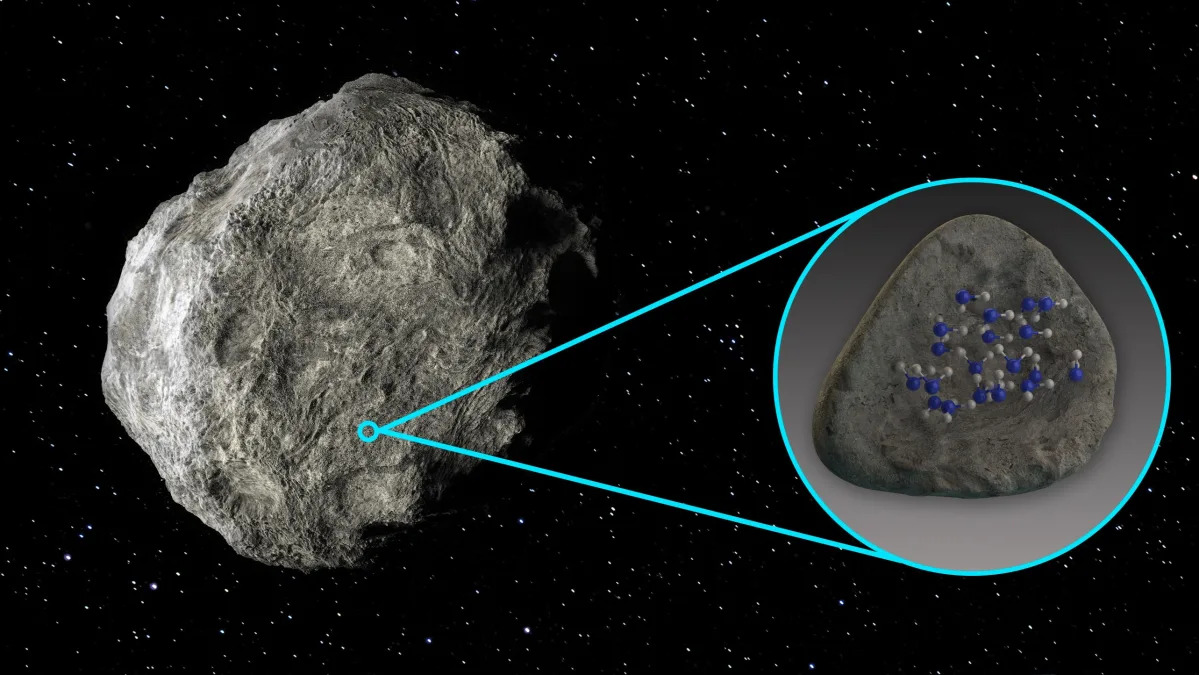
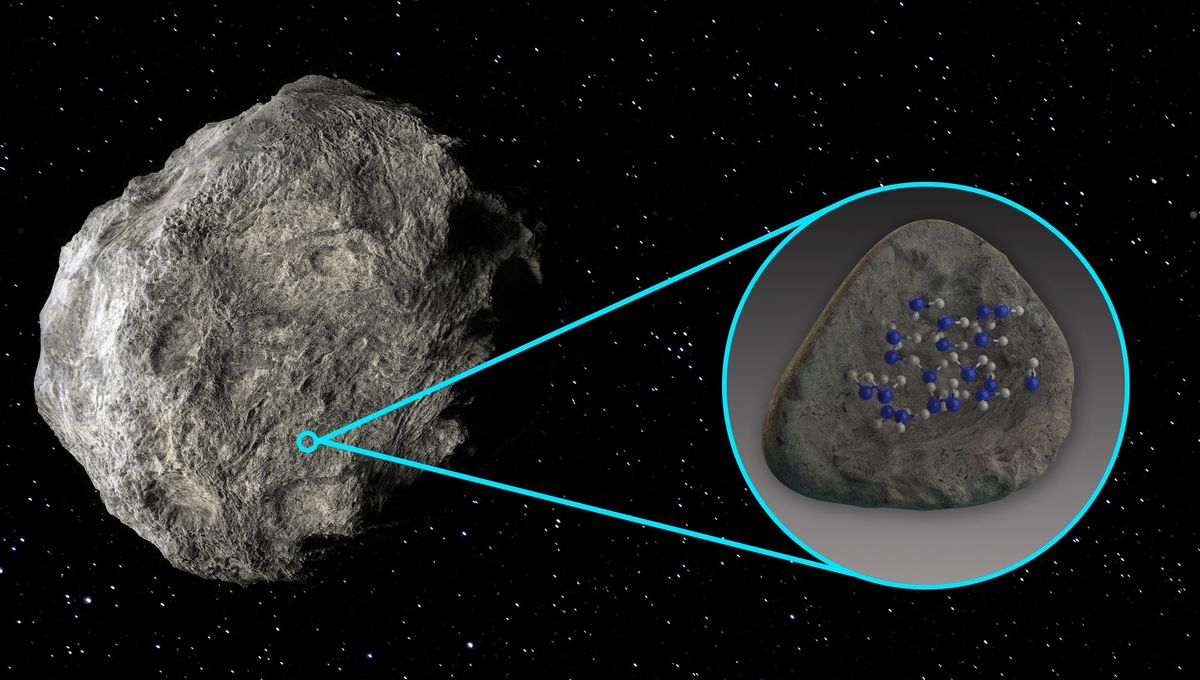
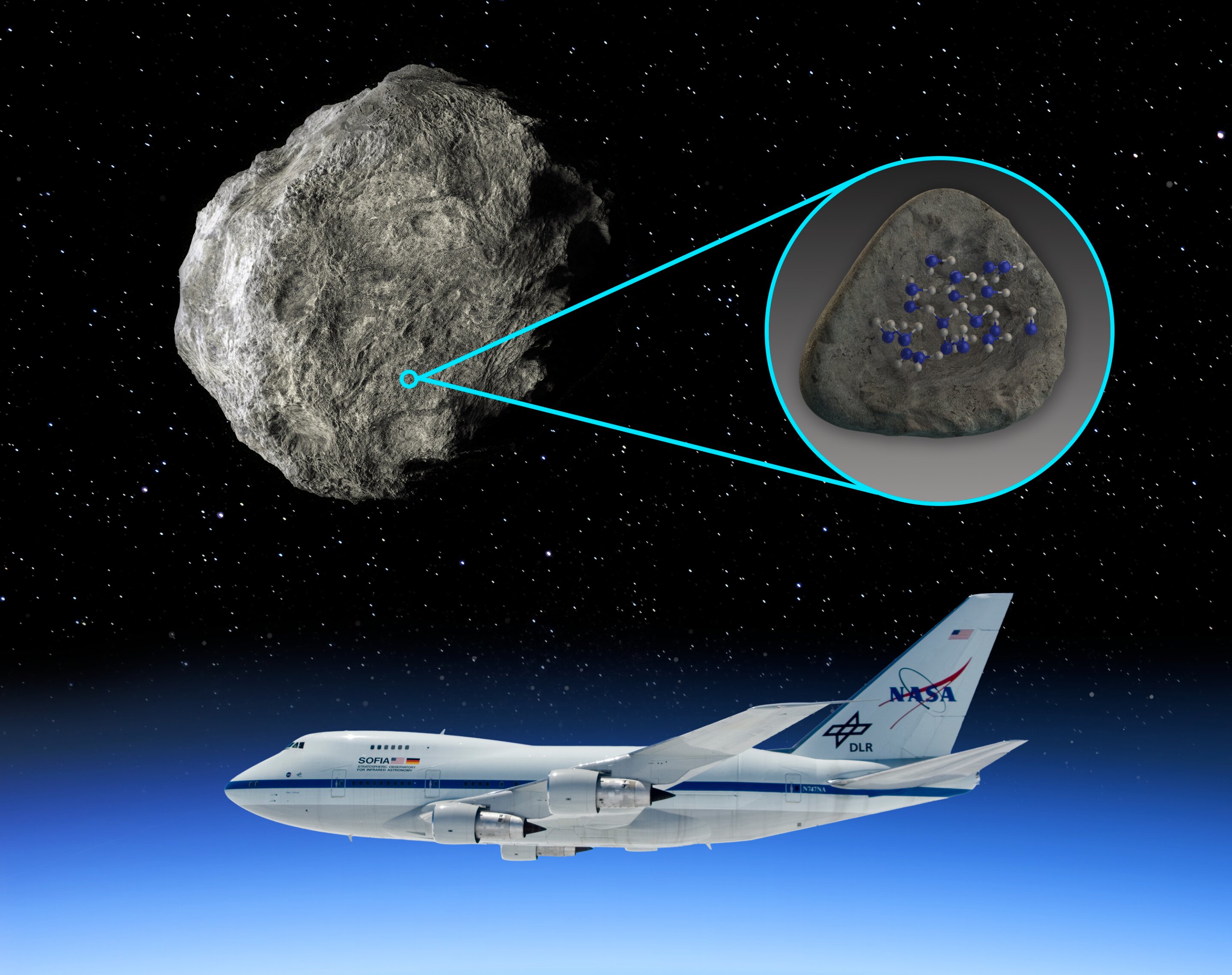
Water molecules have been detected on the surface of two silicate-rich asteroids, Iris and Massalia, for the first time, providing new insights into the distribution of water in our solar system. Data collected by NASA's SOFIA revealed the presence of water molecules on these asteroids, similar to previous findings on the moon. This discovery challenges previous assumptions about the distribution of water in the inner solar system and suggests that some silicate asteroids may retain water over time. Understanding the distribution of water in space is crucial for assessing potential sources of life beyond Earth.
Water molecules have been discovered on the surface of an asteroid for the first time, providing insights into the distribution of water in our solar system. Using data from NASA's SOFIA telescope, scientists found evidence of water molecules on the asteroids Iris and Massalia, similar to those found on the moon. This discovery challenges previous assumptions about the distribution of water in the inner solar system and suggests that some silicate asteroids may retain water over time. Understanding the distribution of water in space is crucial for identifying potential sources of life beyond Earth.
Water has been discovered on the surface of two main belt asteroids, Iris and Massalia, for the first time using observations from the retired Stratospheric Observatory for Infrared Astronomy (SOFIA). This finding challenges the previous belief that water is rare in the inner Solar System and sheds light on how water was delivered to Earth. The discovery was made by researchers from various institutions across the United States, and the results have been published in The Planetary Science Journal.
Scientists using data from NASA's Stratospheric Observatory for Infrared Astronomy (SOFIA) have identified water molecules on the surface of asteroids for the first time, shedding light on the distribution of water in our solar system and potentially beyond. The discovery, made using the FORCAST instrument, provides insight into the formation and evolution of asteroids and their compositions, with implications for understanding the delivery of water to Earth and the search for potential life in our solar system and beyond.
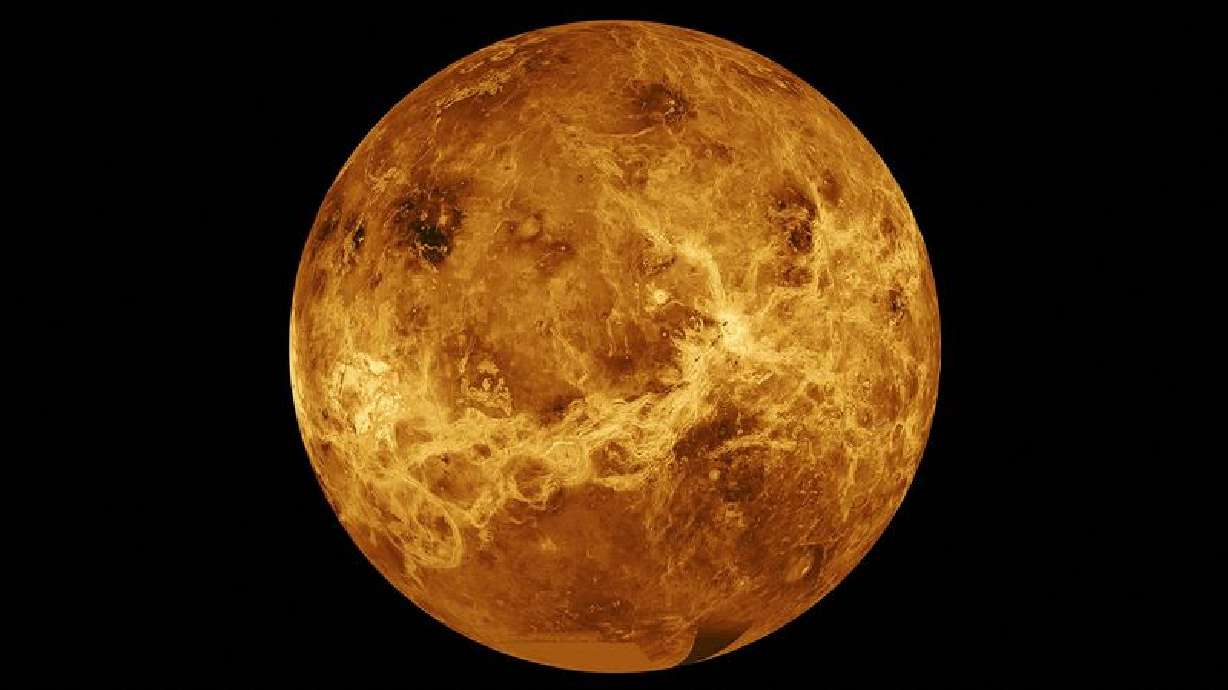
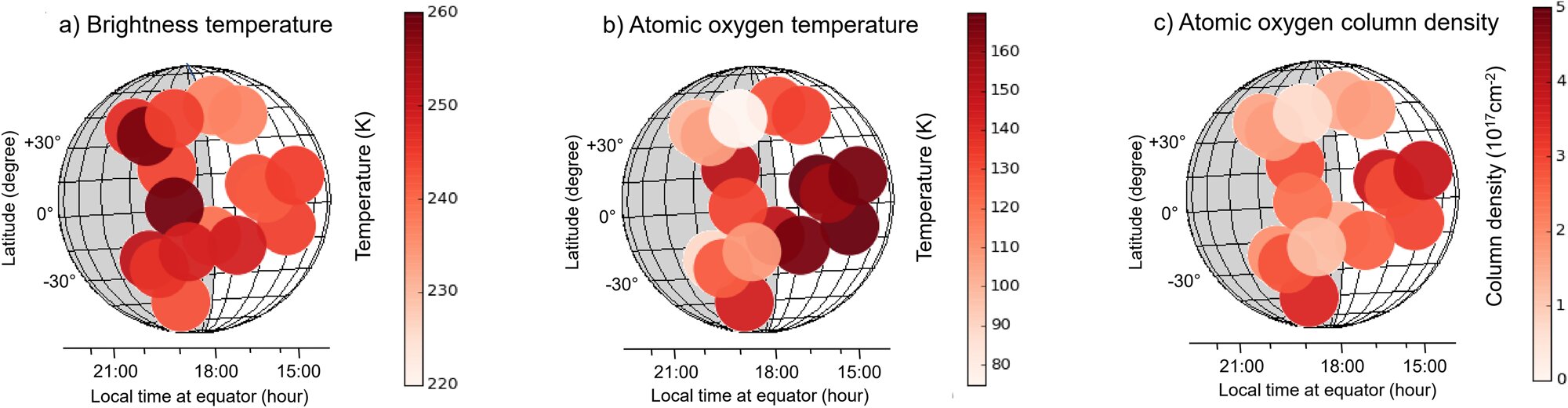
Scientists have detected atomic oxygen in a thin layer of Venus' atmosphere using an instrument aboard the SOFIA airborne observatory. This marks the first direct detection of oxygen on Venus, which has a thick and noxious atmosphere dominated by carbon dioxide. The oxygen is produced on the planet's dayside by ultraviolet radiation from the sun, breaking down atmospheric carbon dioxide and carbon monoxide. It is then transported by winds to the Venusian night side. The discovery provides insight into the photochemistry and atmospheric dynamics of Venus, a planet that is vastly different from Earth.
A team of astrophysicists has directly observed atomic oxygen in the day side atmosphere of Venus for the first time. Using data from the Stratospheric Observatory for Infrared Astronomy (SOFIA), the researchers found evidence of atomic oxygen in 17 points in Venus' atmosphere. The presence of atomic oxygen on both the day and night sides suggests that it is formed by the sun's energy breaking apart carbon monoxide and carbon dioxide molecules. The researchers also suggest that atomic oxygen has a cooling effect on Venus' upper atmosphere.
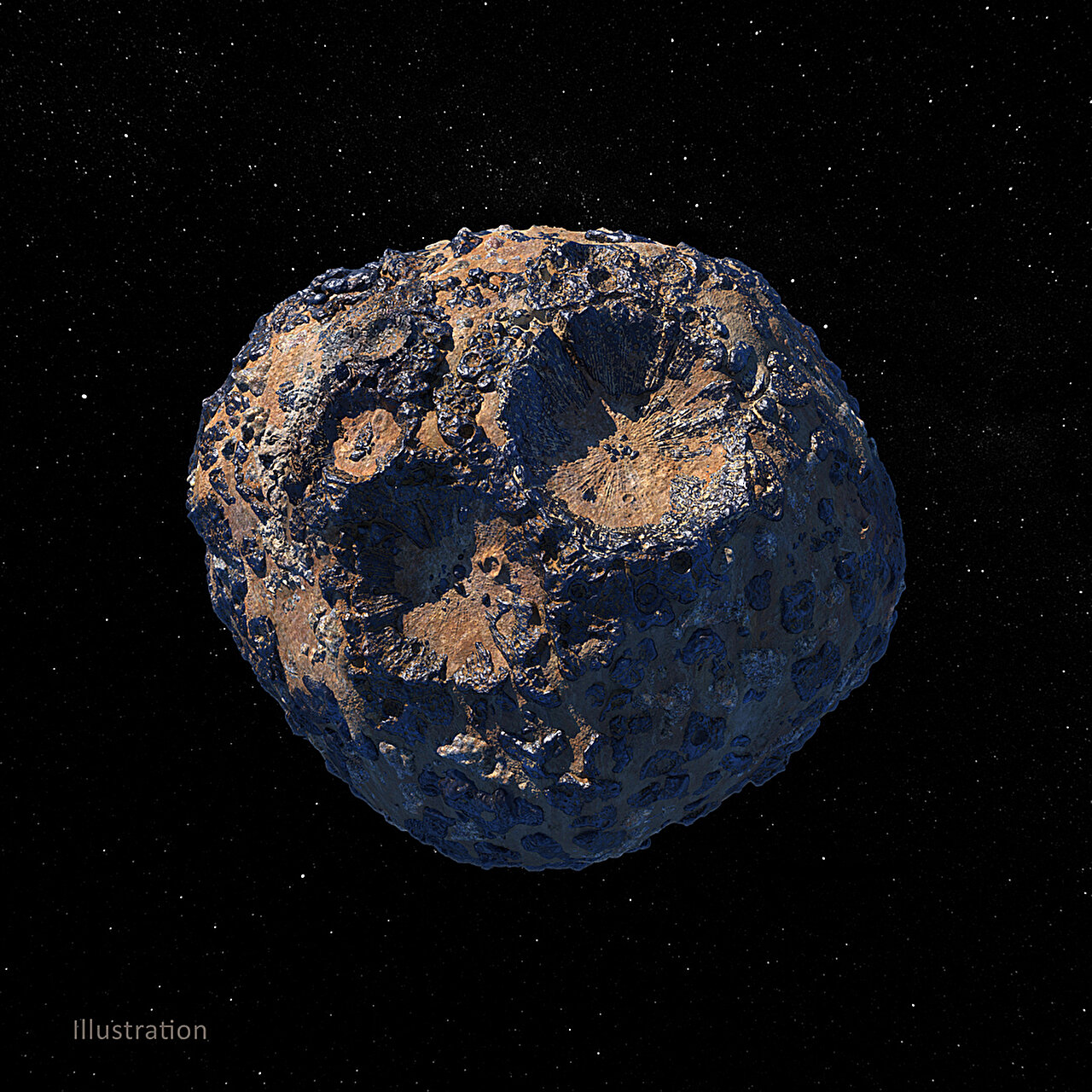
Scientists at the Southwest Research Institute are using the James Webb Space Telescope (JWST) and the Stratospheric Observatory for Infrared Astronomy (SOFIA) to observe the metallic asteroid Psyche in the infrared. The observations aim to provide context for NASA's upcoming Psyche mission and gather information about the asteroid's composition and the presence of water. Psyche, believed to be the leftover core of a failed planet, is an intriguing target that could offer insights into the formation of solar system objects.
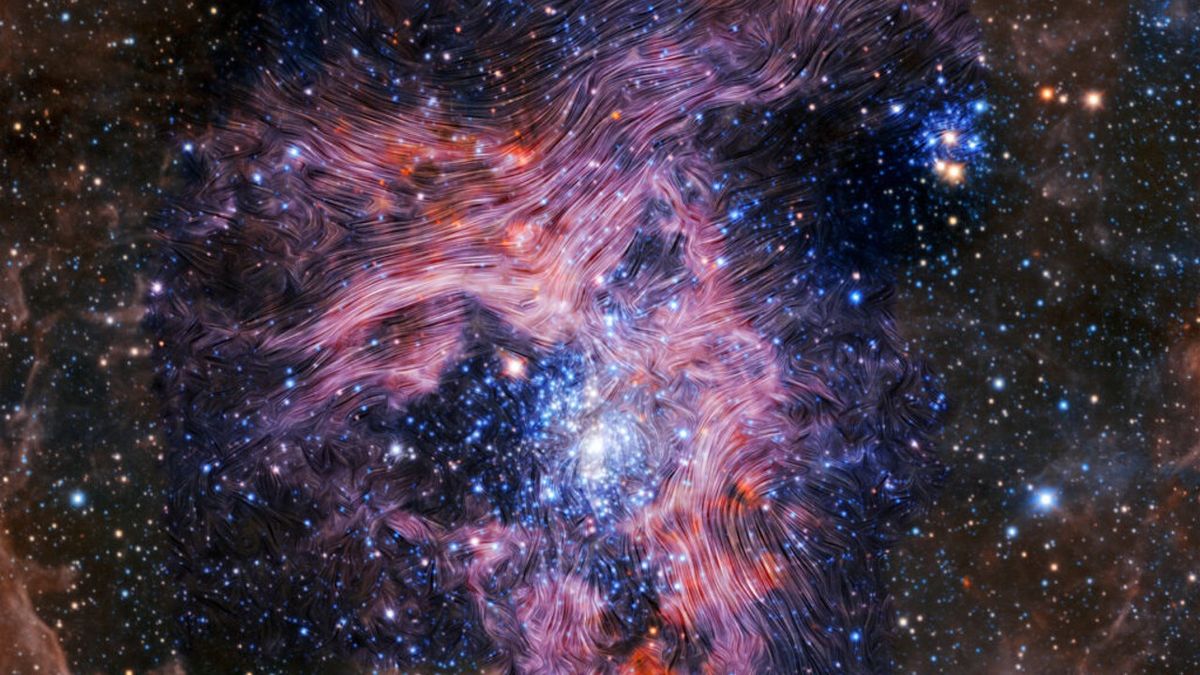
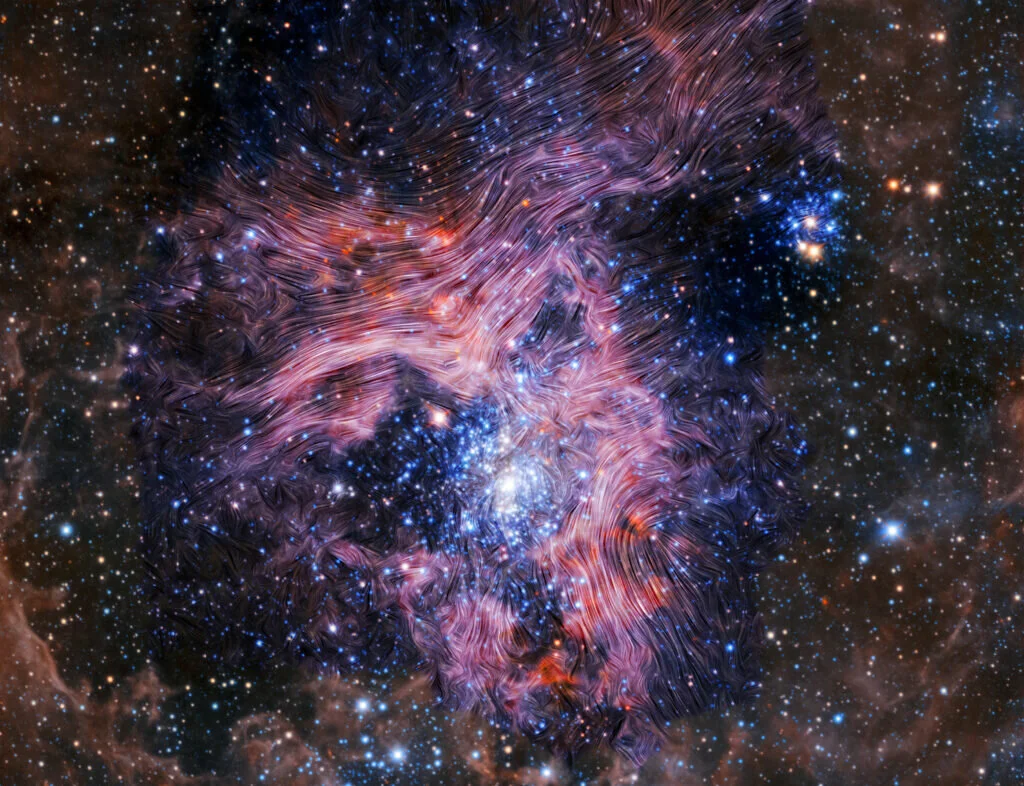
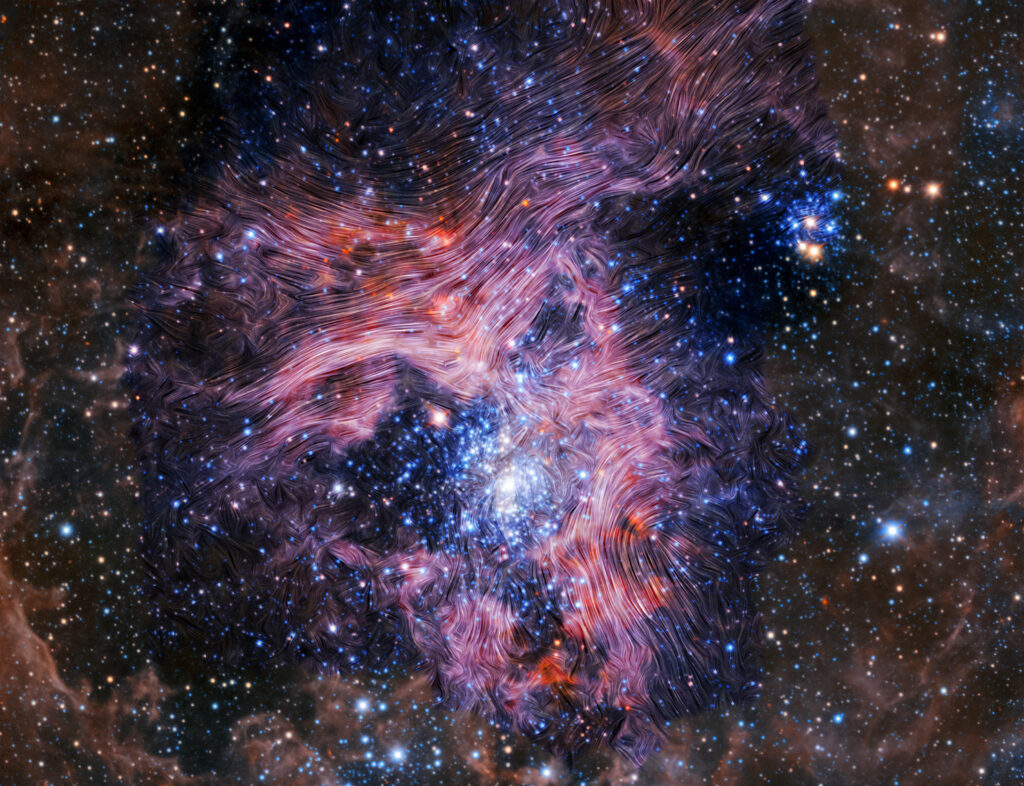
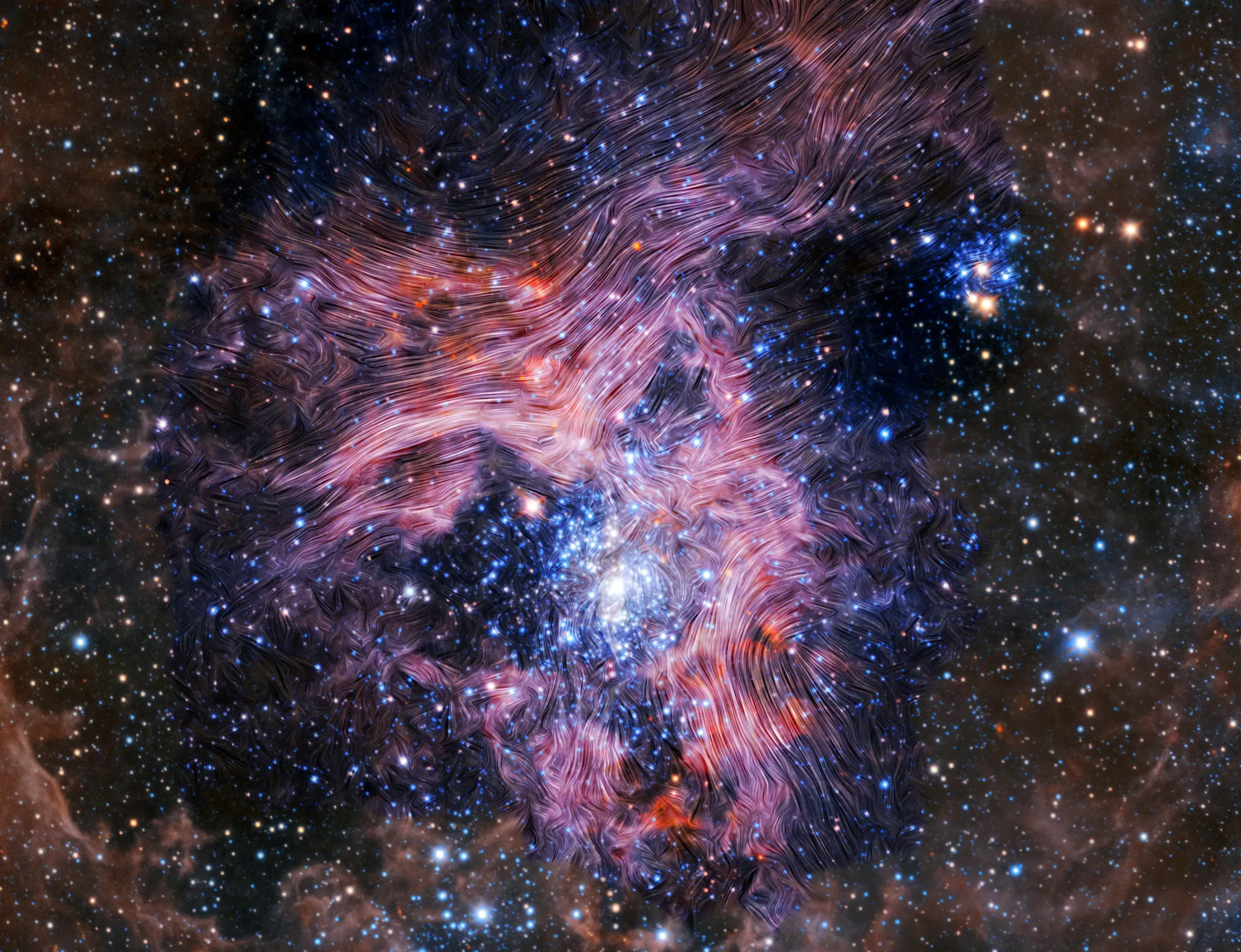
The Tarantula Nebula, a region of star-forming gas in the Large Magellanic Cloud, may owe its longevity to powerful magnetic fields at its heart, according to new research. The magnetic fields constrict gases in some areas and allow them to escape in others, which could explain why the region displays a lower gas pressure than would be expected alongside the intense radiation from the massive star cluster near its center. The interplay of gravity and magnetic fields in the region was observed using the Stratospheric Observatory for Infrared Astronomy (SOFIA) High-resolution Airborne Wideband Camera Plus (HAWC+) instrument.
The Tarantula Nebula, a star formation region in the Large Magellanic Cloud, is dominated by a massive cluster of stars called R136. The stars are both young and massive, and when enough of them are concentrated in one area, it's called a starburst region. In a new paper published in The Astrophysical Journal, researchers explain that the magnetic fields in the Tarantula Nebula are responsible for keeping the region together and regulating the flow of gas, allowing for ongoing star formation despite the combined stellar winds from all the young stars.
The Tarantula Nebula, a star formation region in the Large Magellanic Cloud, is dominated by a massive cluster of young and massive stars called R136. The stars in R136 output enormous amounts of energy, shaping the nebula. However, the center of the nebula is less massive than expected, and the gas in the region should be dispersed, slowing star formation. A new study using SOFIA's observations shows that the magnetic fields in the Tarantula Nebula are responsible for keeping the region together and regulating the flow of gas, allowing star formation to continue. More research is needed to understand the role of magnetic fields in shaping the entire nebula.
New research from the Stratospheric Observatory for Infrared Astronomy (SOFIA) has shown that the magnetic fields in 30 Doradus, also known as the Tarantula Nebula, could be the key to its surprising behavior. The recent study found that the magnetic fields in this region are simultaneously complex and organized, with vast variations in geometry related to the large-scale expanding structures at play. The magnetic fields are strong enough to resist turbulence, regulate gas motion, and hold the cloud's structure intact, but weaker in some spots, enabling gas to escape and inflate the giant shells, allowing stars to continue to form despite the strong magnetic fields.
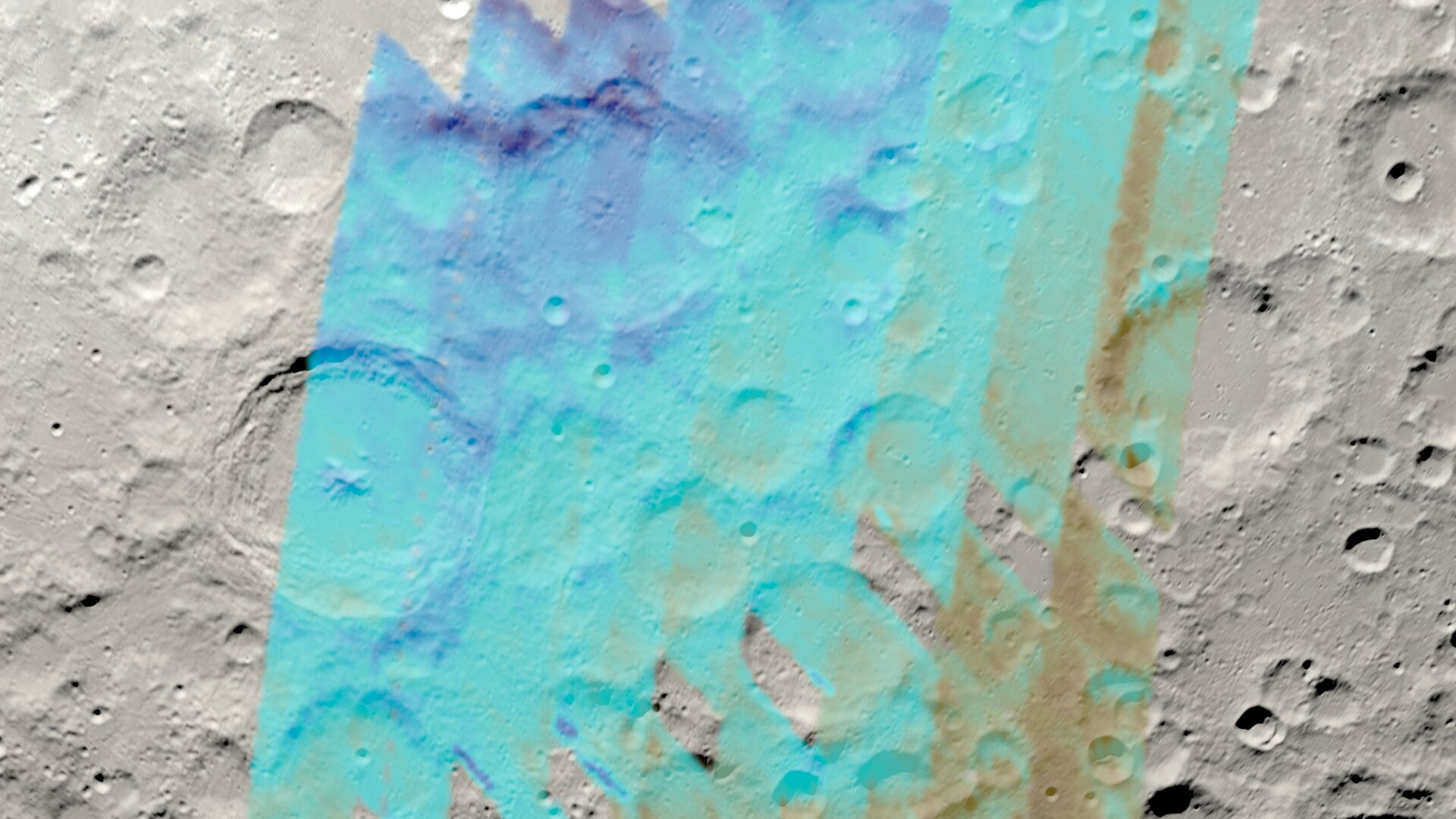
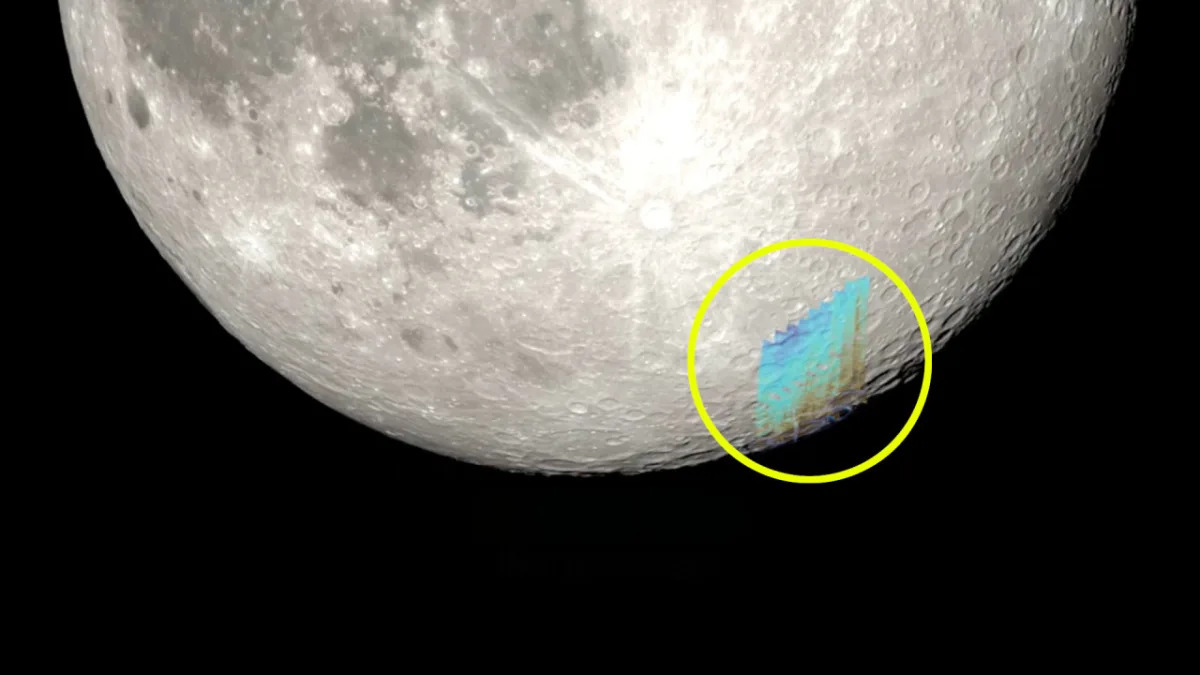
A new study using data from the now-retired Stratospheric Observatory for Infrared Astronomy (SOFIA) has created the first detailed, wide-area map of water distribution on the Moon. The map covers about one-quarter of the Earth-facing side of the lunar surface below 60 degrees latitude and extends to the Moon’s South Pole. The study provides hints about how water may be moving across the Moon's surface, particularly near its south pole—an important area for space exploration. NASA's Volatiles Investigating Polar Exploration Rover (VIPER) will land in the region studied by SOFIA in late 2024 to conduct the first resource mapping mission beyond Earth.
NASA's now-retired SOFIA telescope has produced a new map that covers over 230,000 square kilometres of the lunar surface, revealing an abundance of water trapped on the shady sides of mountains and in the shadowed parts of craters. This is the first detailed map of water on the Moon, and it will provide valuable information for future lunar missions, including the upcoming VIPER mission to the Moon. If the water discovered by SOFIA and investigated by VIPER is found to be a resource that we can easily extract, it could secure the future of sustained human presence on the Moon.