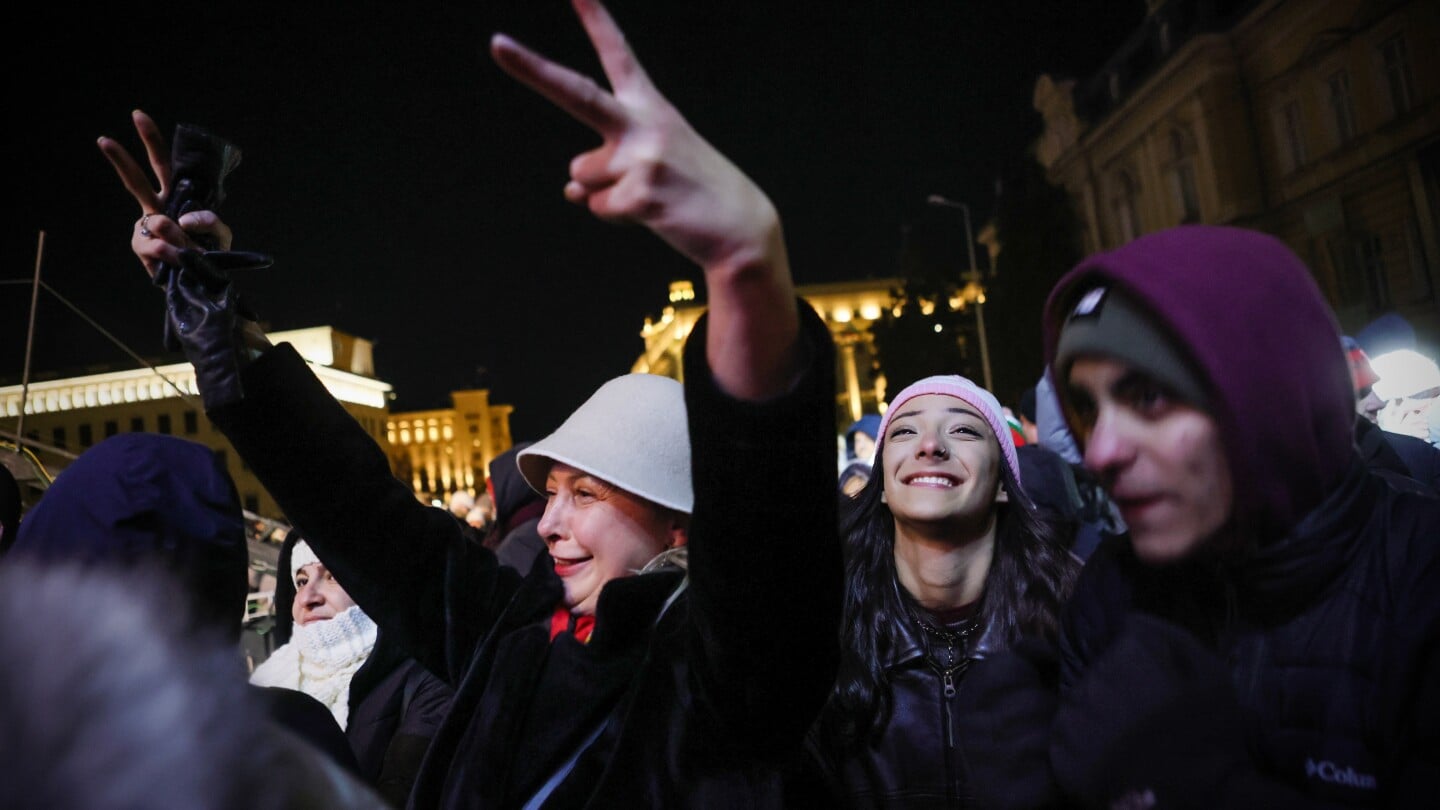
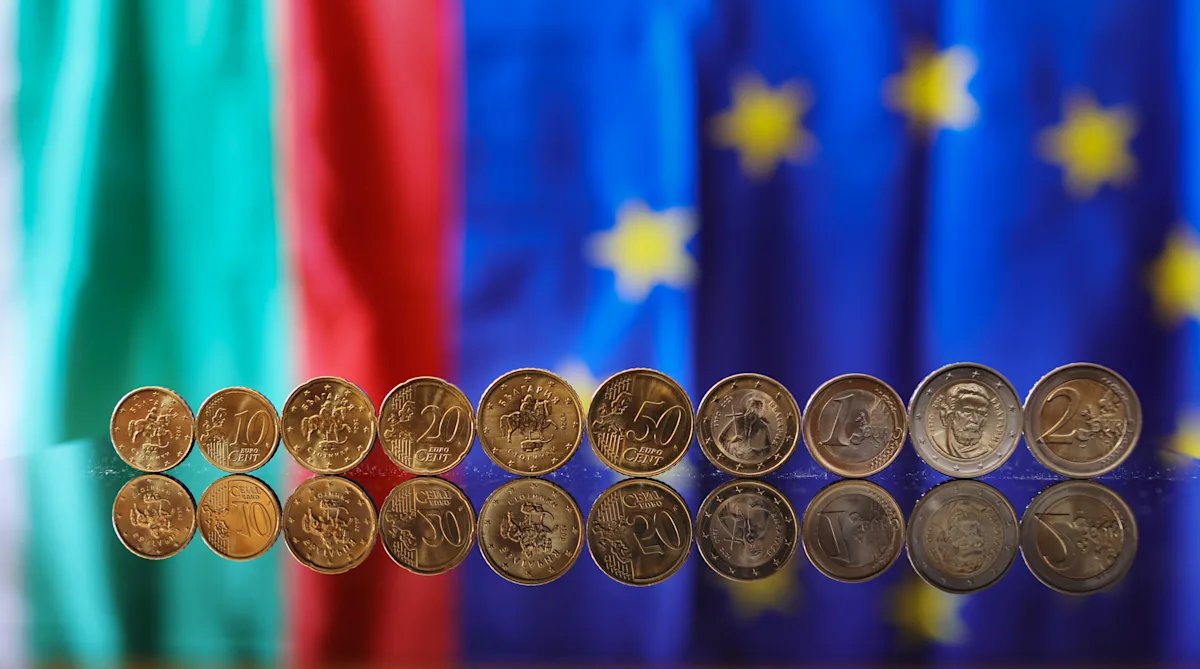
Bulgaria began withdrawing euros for the first time after joining the euro currency union, replacing the lev in cash transactions, amid political instability and public skepticism about the change's impact on prices and national identity.
Bulgaria will adopt the euro on New Year's Day, replacing the lev, which is expected to boost cross-border trade, travel, and investment, while also giving Bulgaria a seat on the European Central Bank's governing council. The changeover involves currency conversion, with old notes exchanged for free until June 30, and aims to deepen economic ties with Western Europe, despite some public skepticism.
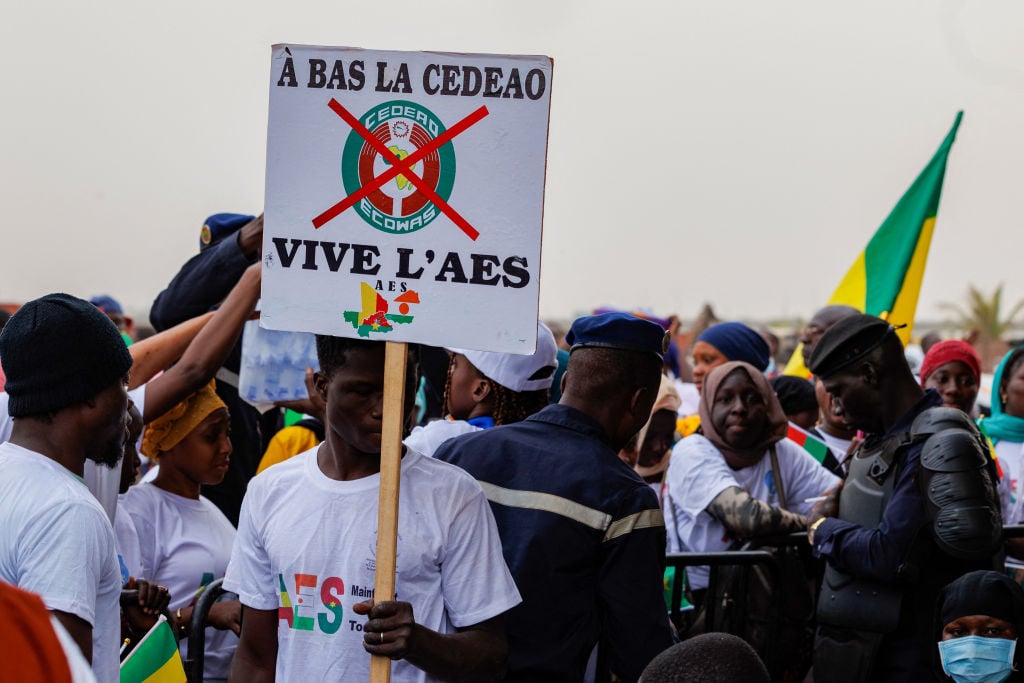
Three West African countries, Mali, Burkina Faso, and Niger, have announced their withdrawal from ECOWAS, citing lack of support in fighting terrorism and economic sanctions imposed by France and its African allies. The move reflects a broader assertion of sovereignty against French neocolonial influence, with the countries forming a security pact and seeking economic and monetary integration outside of ECOWAS. The future durability of ECOWAS is uncertain, as the organization faces challenges in economic integration and lacks political legitimacy. The recent military takeovers in these countries are seen as a response to French influence, and the new authorities are seeking to renegotiate their role in managing migration in exchange for development aid.