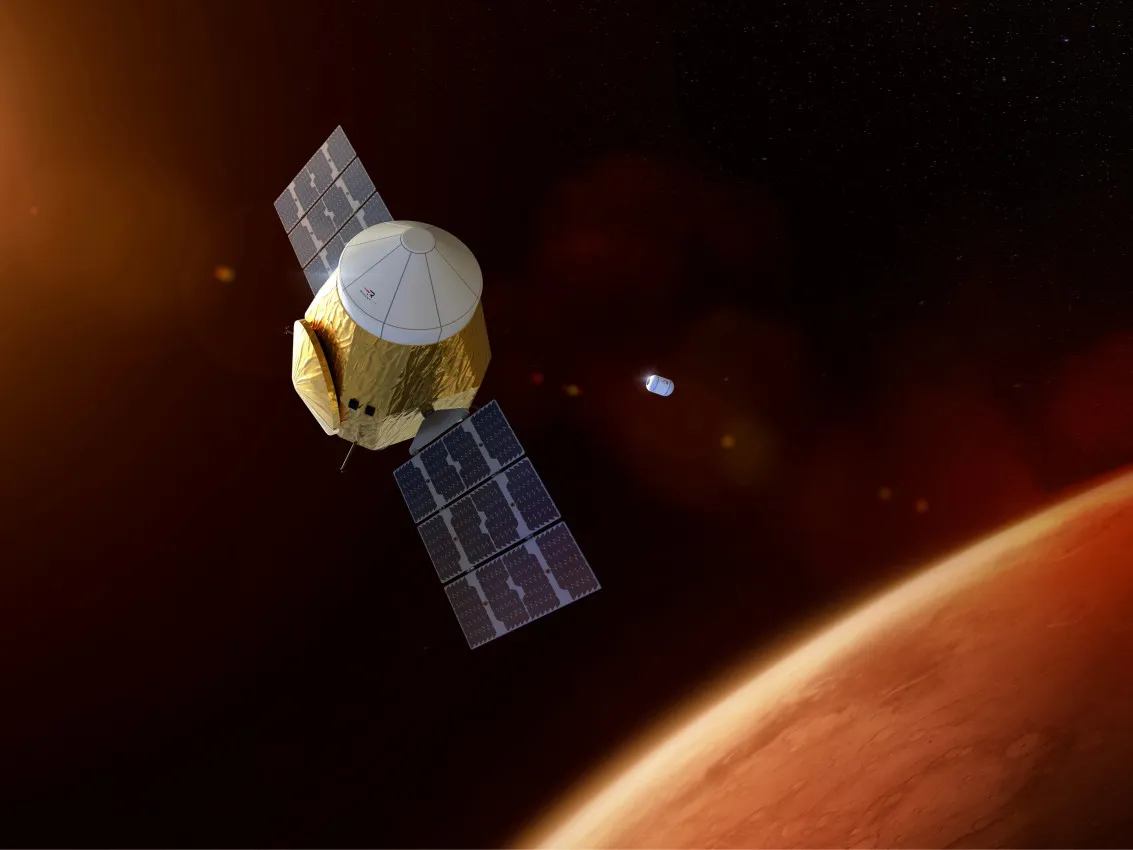
The article advocates for shifting planetary exploration from costly, slow government-led missions to a more agile, industry-led operational model that leverages commercial capabilities, enabling faster, more frequent, and affordable missions to advance science and U.S. leadership in space by 2026.
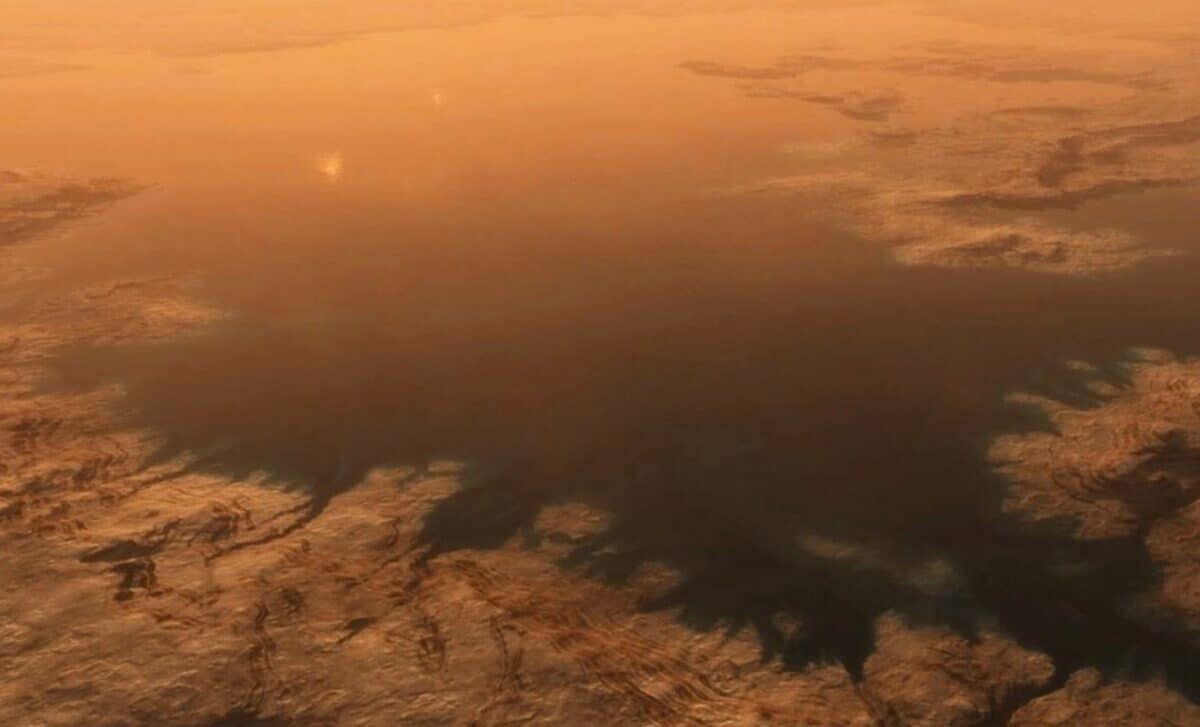
New analysis of NASA's Cassini data reveals that Kraken Mare, Titan's largest sea, may reach depths of up to 300 meters, making it the deepest known sea on Titan and a significant surface reservoir, which raises new questions about the moon's geophysical processes and potential habitability.
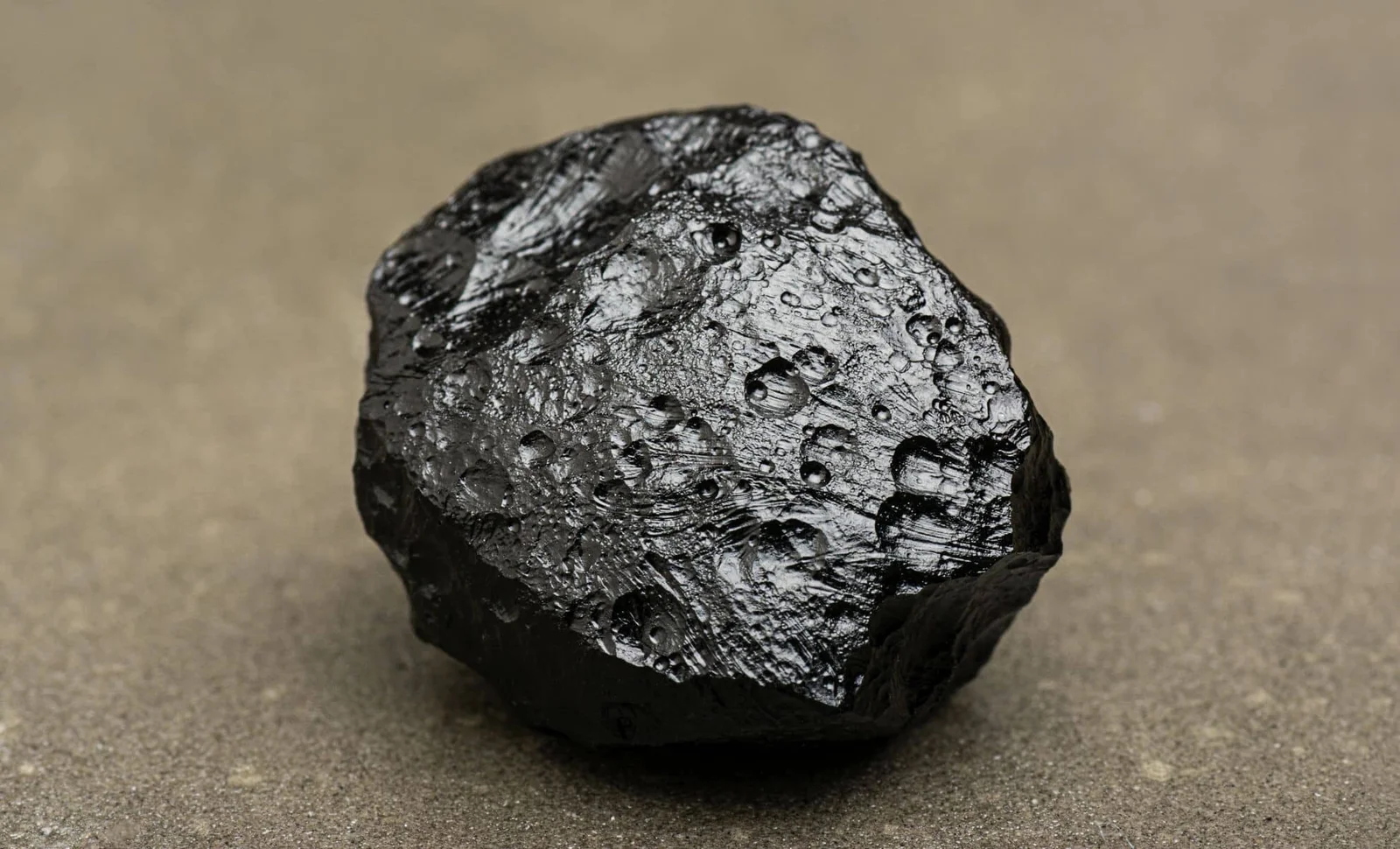
Researchers analyzing rare meteorites called carbonaceous chondrites from Antarctica have revealed their potential as sources of valuable materials like transition metals and water for future space mining, although concentrations are lower than Earth's deposits. These primitive asteroids could support in-space infrastructure development, but mining them remains complex and experimental, with specific asteroid types showing more promise for resource extraction.
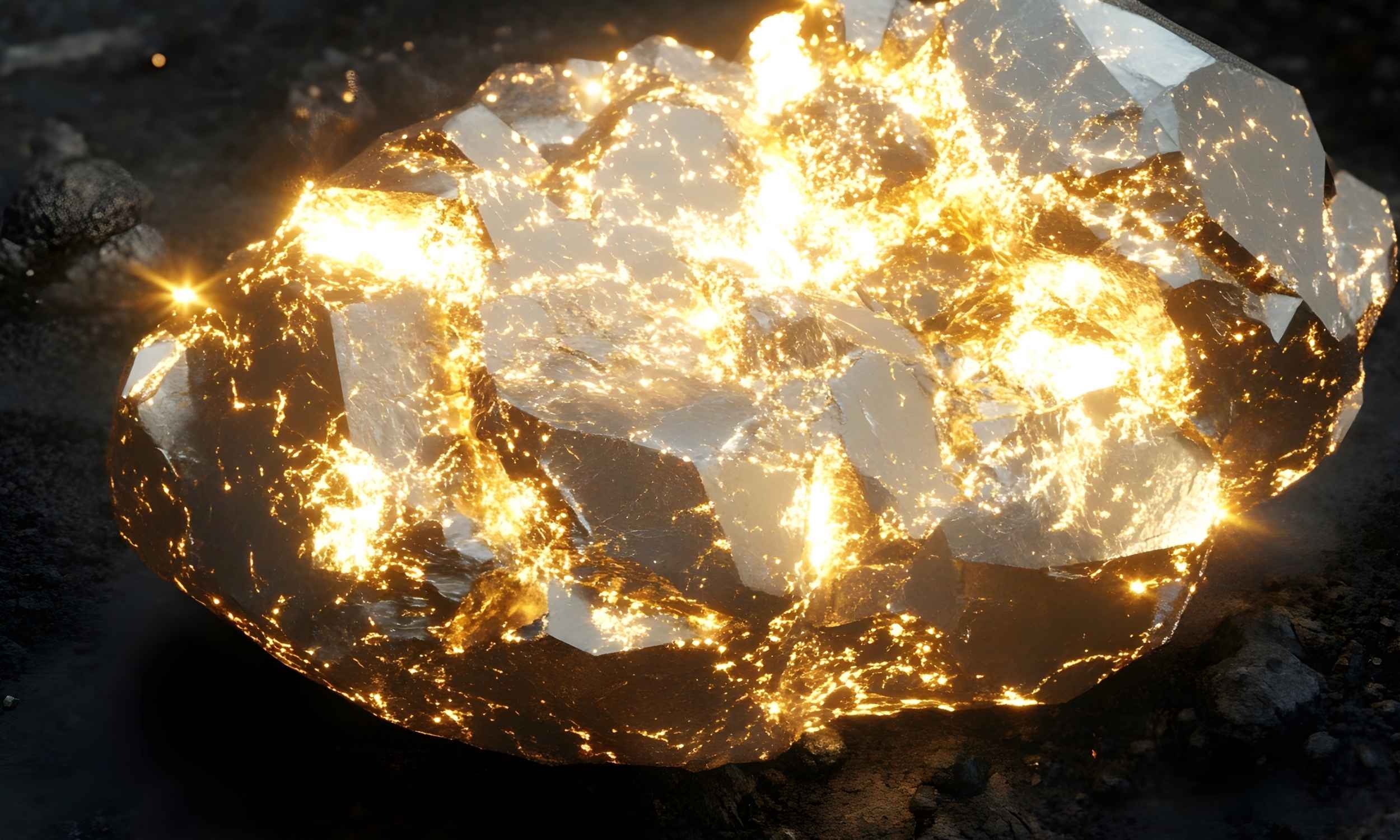
Scientists accidentally created gold hydride under extreme pressure and temperature conditions, challenging gold's reputation as an inert metal and providing new insights into dense hydrogen behavior relevant to planetary interiors and fusion research.
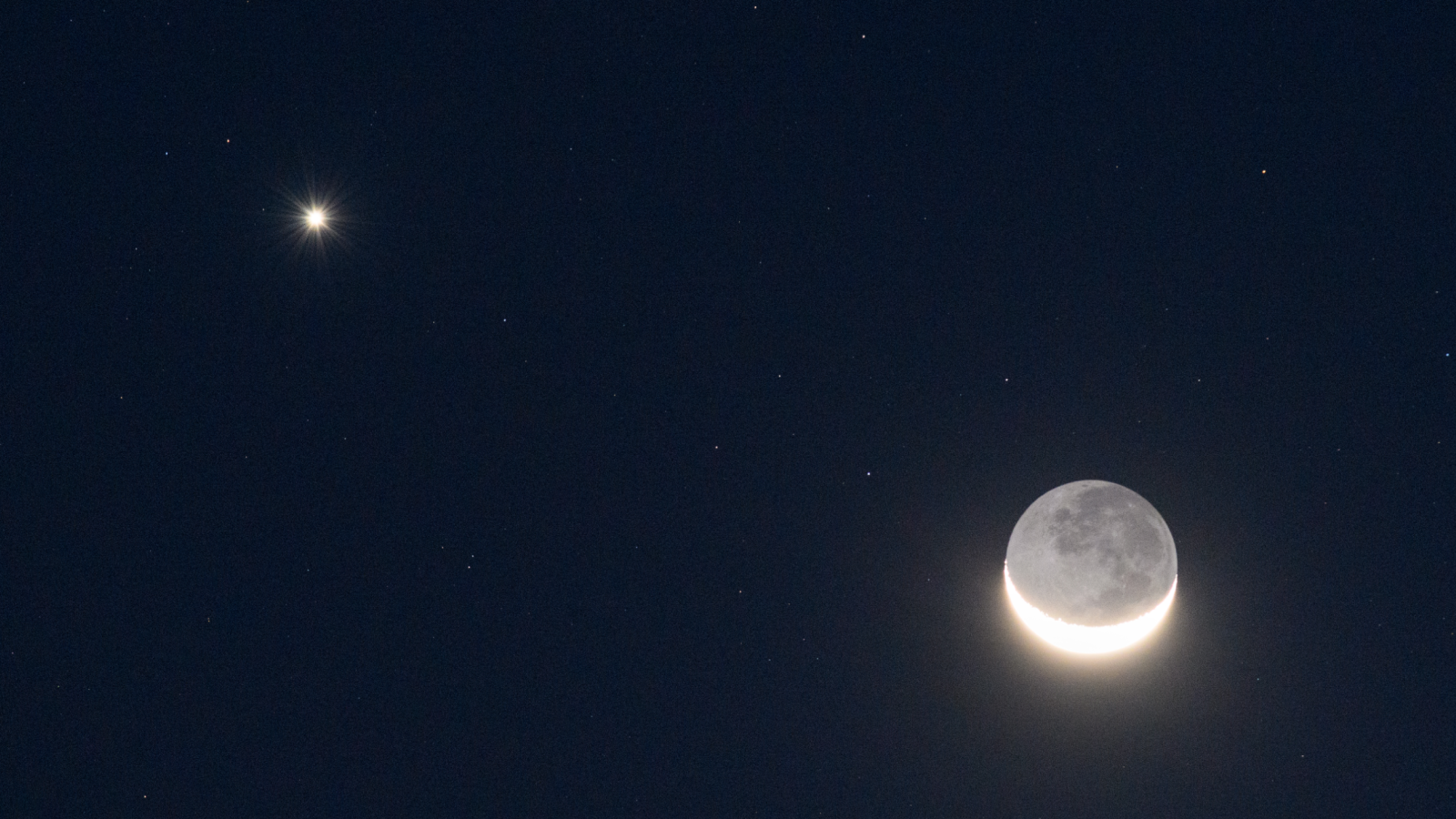
Venus appears so bright in the night sky primarily due to its high albedo, reflecting about 76% of sunlight because of its thick cloud cover of sulfuric acid droplets, and its proximity to Earth, making it the second-brightest object after the Moon. Its brightness varies with its phase, distance from Earth, and the scattering of sunlight by its clouds, sometimes making it visible during the day.
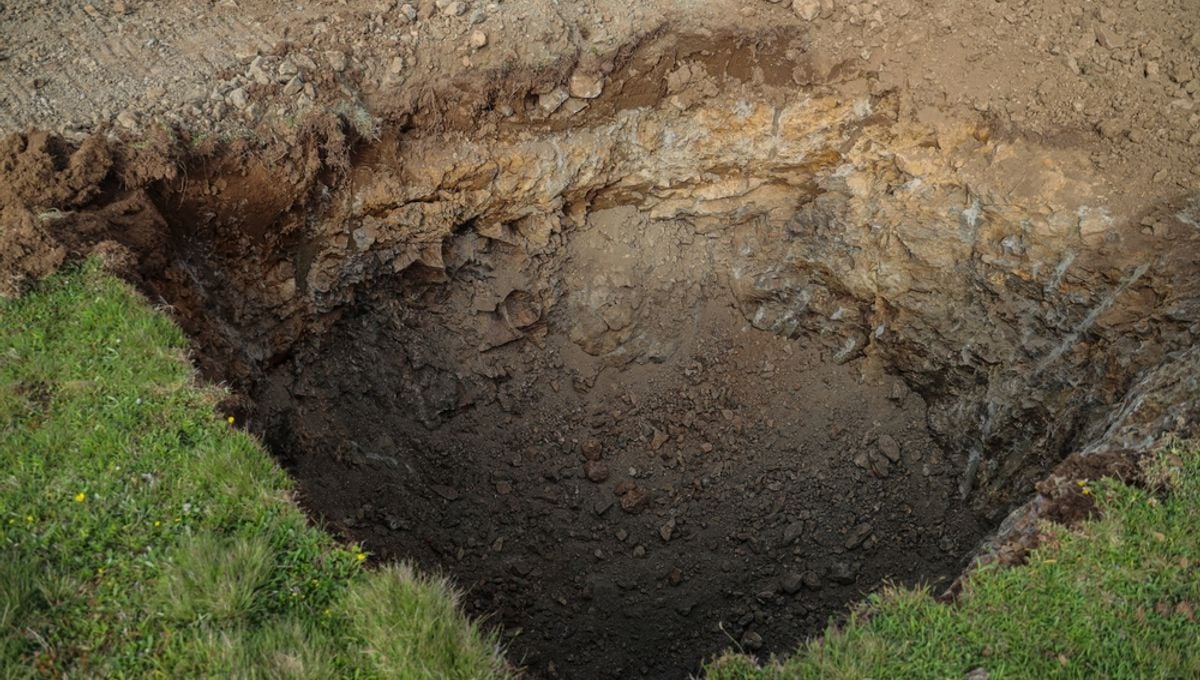
The article explores the possibility of drilling straight through the Earth, highlighting current deep drilling efforts like China's 10,000-meter hole and Russia's Kola Superdeep Borehole, and discusses the insurmountable challenges posed by extreme pressure and temperature as one approaches the Earth's core, making a complete tunnel through the planet currently impossible.
NASA's James Webb Space Telescope has discovered two mysterious atmospheric phenomena on Saturn—dark beads in the ionosphere and an asymmetric star-shaped pattern in the stratosphere—that defy current scientific understanding, suggesting new, unexplored dynamics in planetary atmospheres.
The Japanese spacecraft Akatsuki, which studied Venus since 2010 and provided valuable data, has been officially declared dead after losing contact in 2024, marking Japan's first successful planetary exploration. Despite setbacks, it exceeded its expected lifespan, and future missions by NASA and ESA are planned to continue Venus research. Until then, Earth’s connection to Venus is temporarily severed.
Japan's Akatsuki spacecraft, which studied Venus for nearly a decade and provided valuable insights into its atmosphere and super rotation, has been declared dead after losing contact in 2024, marking the end of humanity's last active mission to Venus.
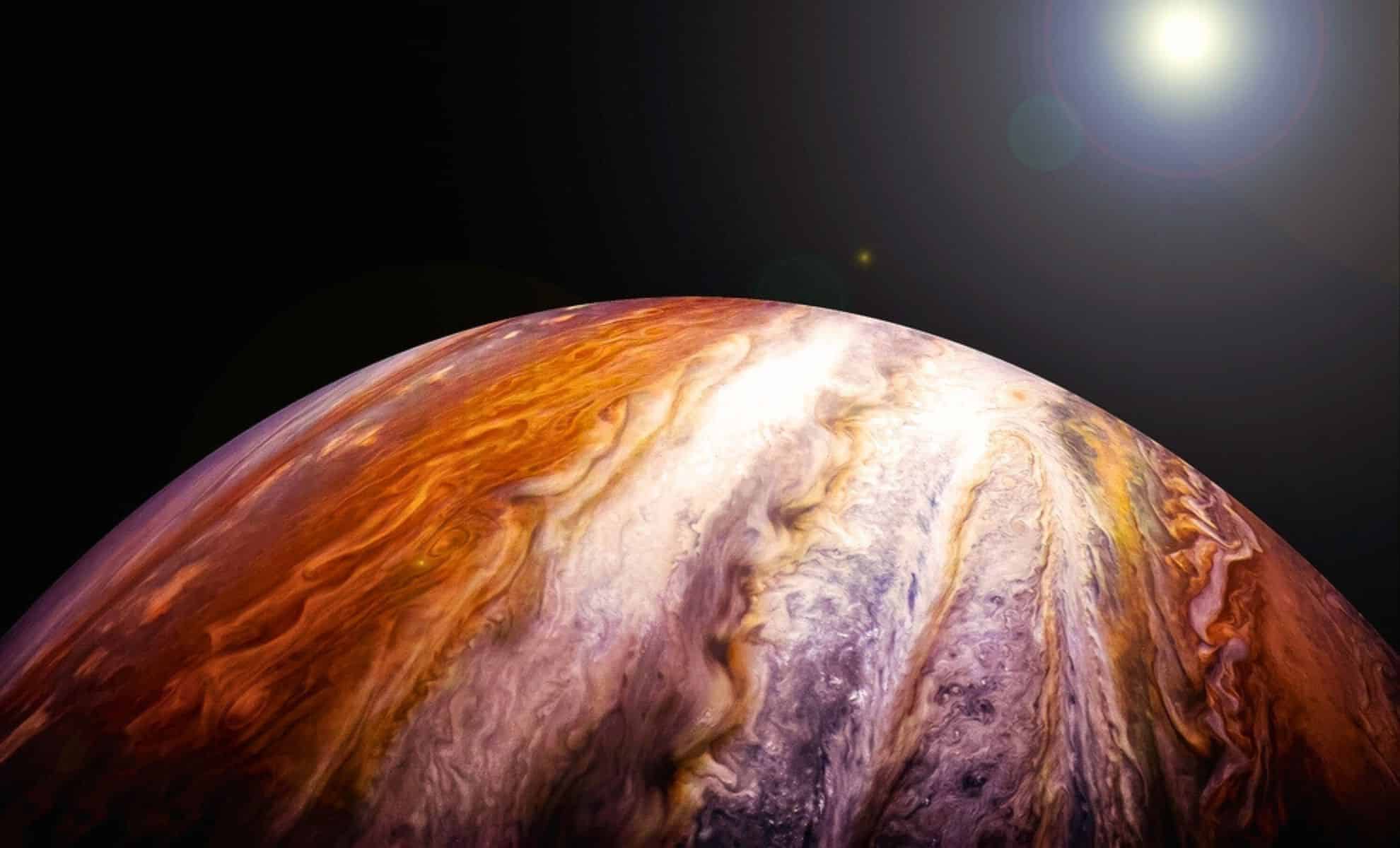
New research suggests that Jupiter's early rapid growth influenced the formation of the solar system by creating rings and gaps that led to the late formation of primitive meteorites called chondrites, and also helped shape the orbits of Earth, Venus, and Mars.
Scientists have detected a chemical signature in ancient rocks that may be a remnant of proto-Earth, suggesting parts of Earth's original chemistry have persisted despite the planet's tumultuous history, challenging previous assumptions about Earth's complete chemical reset after the giant impact 4.5 billion years ago.
The article reviews the first close-up images of planets and celestial bodies in our Solar System, highlighting missions like Venera 9 on Venus, Mariner 4 on Mars, Luna 3 on the Moon, Huygens on Titan, New Horizons on Pluto, and Philae on a comet, showcasing the technological advancements and discoveries that have transformed our understanding of our cosmic neighborhood.
Analysis of over 1,000 dust devil events on Mars using data from ESA orbiters reveals that surface winds can reach speeds of up to 160 km/h, much faster than previously thought, providing new insights into Martian wind dynamics and dust lifting processes.
Researchers studying Japanese iron-rich hot springs have uncovered microbial communities that resemble those from Earth's early oceans during the Great Oxygenation Event, providing insights into how life persisted in low-oxygen, iron-rich environments and informing the search for extraterrestrial life.
NASA scientists have recreated Martian conditions in laboratory experiments, revealing that the planet's spider-like formations are caused by sublimation processes involving sunlight, ice, and gas, providing insights into Mars's geological history and potential habitability.