Scientists successfully observed atomic oxygen in water persisting for tens of microseconds and penetrating hundreds of micrometers, using advanced laser techniques, challenging previous assumptions about its reactivity and transport in liquids, and prompting a reevaluation of existing models.
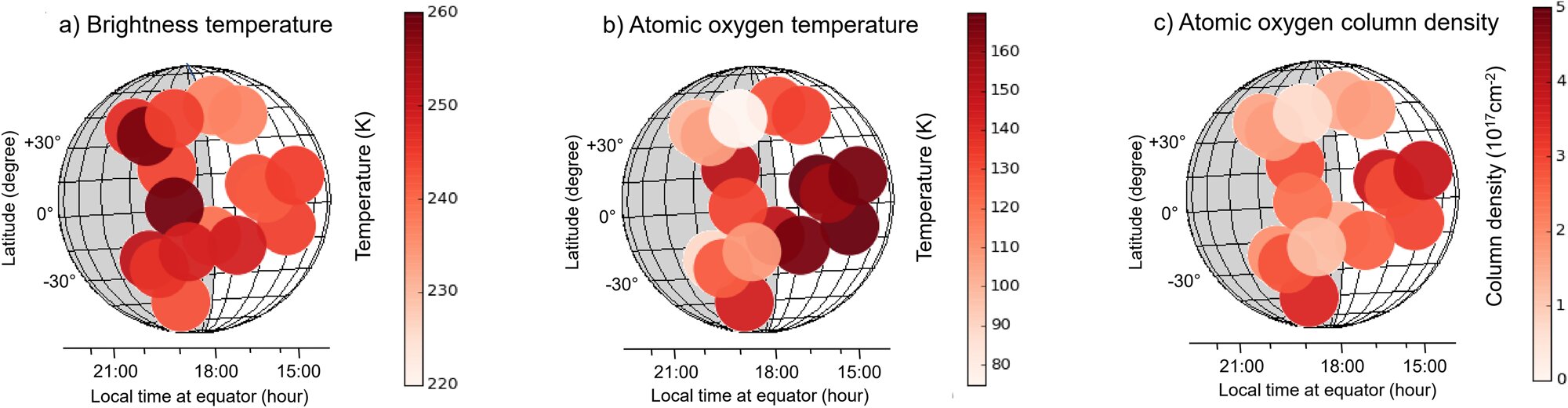
A team of astrophysicists has directly observed atomic oxygen in the day side atmosphere of Venus for the first time. Using data from the Stratospheric Observatory for Infrared Astronomy (SOFIA), the researchers found evidence of atomic oxygen in 17 points in Venus' atmosphere. The presence of atomic oxygen on both the day and night sides suggests that it is formed by the sun's energy breaking apart carbon monoxide and carbon dioxide molecules. The researchers also suggest that atomic oxygen has a cooling effect on Venus' upper atmosphere.
Astronomers have detected atomic oxygen in the dayside atmosphere of Venus, providing new insights into the dynamics of the planet's atmosphere. While atomic oxygen had been previously detected on Venus' nightside, this is the first time it has been observed on the dayside. The presence of atomic oxygen could help scientists understand the differences between Venus and Earth and shed light on the planet's atmospheric circulation patterns. The research, conducted using data collected by the Stratospheric Observatory for Infrared Astronomy (SOFIA), suggests that atomic oxygen could be a valuable resource for further exploration and future space missions to Venus.
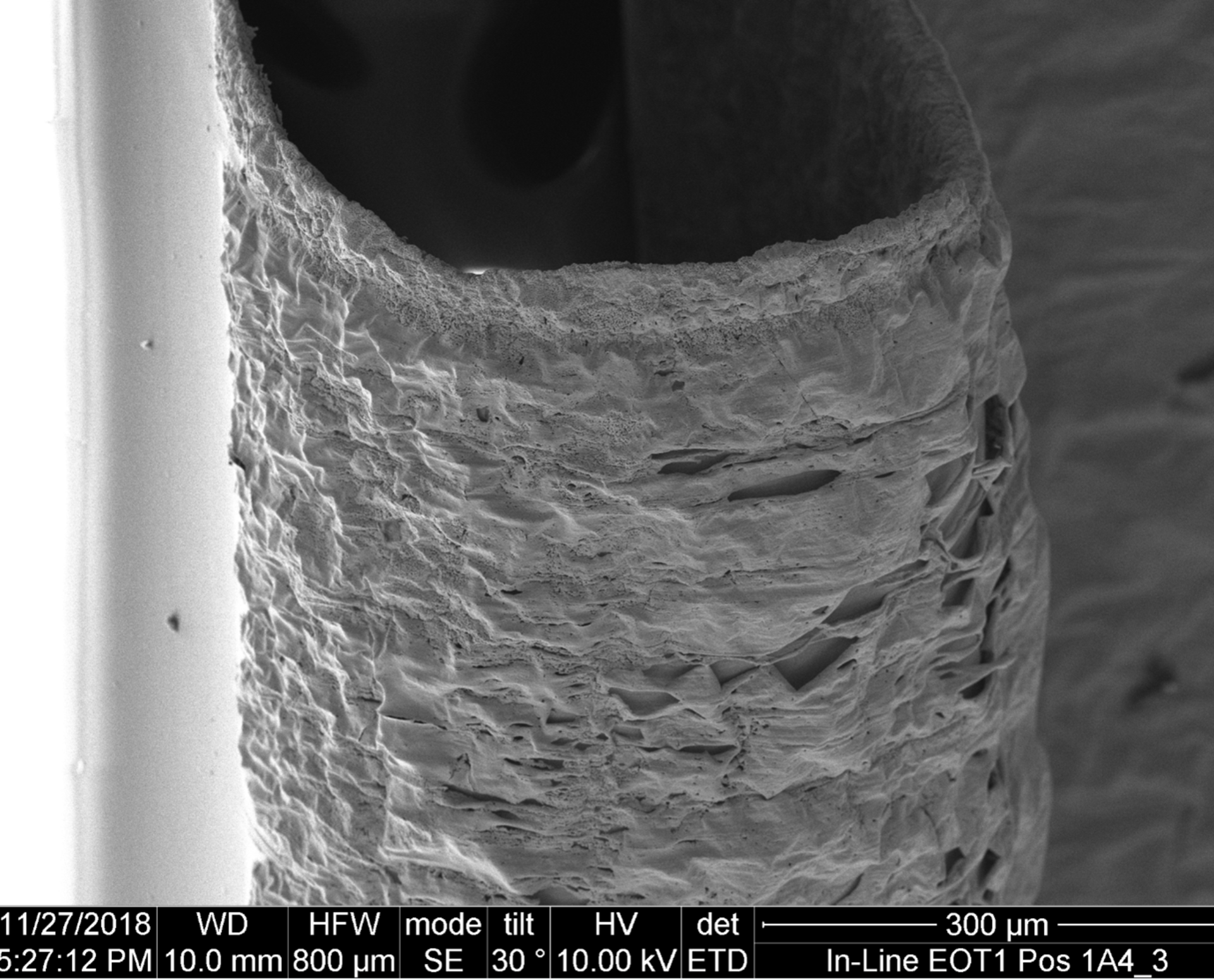
The European Space Agency's (ESA) Jupiter Icy Moons Explorer (Juice) mission, set to launch on 13 April, has undergone extensive materials testing to ensure it can withstand the harsh environment around Jupiter's moon Ganymede. The testing included exposing silver interconnects to atomic oxygen, which can erode susceptible materials, and low-temperature thermal cycling. The interconnects were found to be resistant to atomic oxygen erosion, allowing the spacecraft to maintain magnetic cleanliness, which is essential for optimal operation of the in-situ science instruments. Juice will spend three and a half years in the Jupiter system and will go into orbit around Ganymede in the final phase of its exploration.