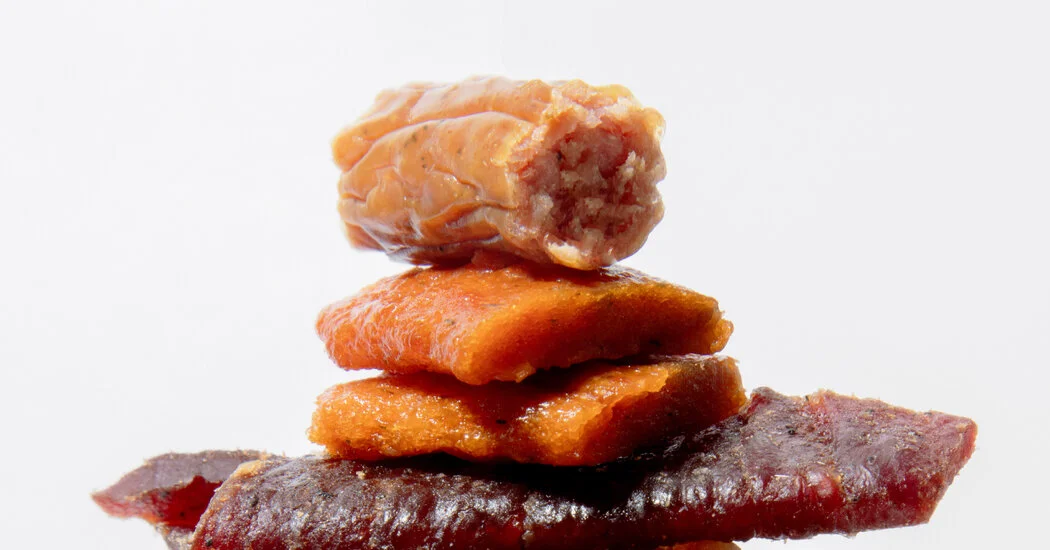
The NYT Ask Well piece weighs the pros and cons of jerky as a healthy snack, noting its portability and high-protein appeal across many flavors and brands, while warning that sodium and additives vary by product and that not all jerky is equally healthy.
New research links adding salt to prepared foods with shorter life expectancy (about 1.5 years shorter for women and 2.28 years for men), while potassium-rich foods may mitigate some risk. Other studies tie high salt intake to higher diabetes risk, and lowering sodium can improve blood pressure and memory in some cases. The American Heart Association advises aiming for 1,500 mg or less of sodium per day (no more than 2,300 mg). Since much sodium comes from packaged foods, reading labels and flavoring with herbs is recommended; common high-sodium items include bread, pizza, poultry, dressings, and canned/frozen meals. Those with heart-disease risk should be especially vigilant.
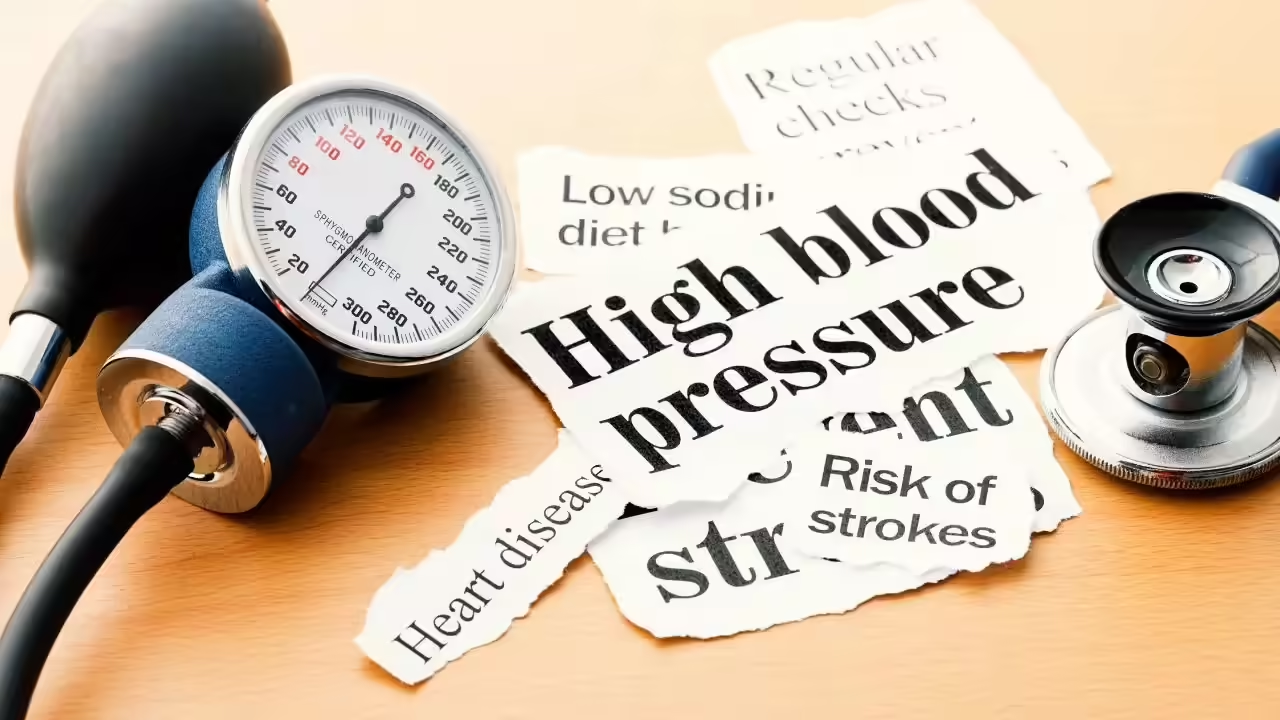
Nearly half of US adults have high blood pressure, a major modifiable risk factor for heart disease, stroke and possibly cognitive decline. The article lays out five practical steps: know your numbers by properly measuring BP at home (to catch white‑coat hypertension); understand personal risk from genetics, age and pregnancy; follow the DASH diet with potassium‑rich foods and lower sodium (ideally under 2,300 mg/day); get regular aerobic and isometric exercise to reduce pressure and stress; and, if needed, use medications to reach targets below 130/80, noting that lifestyle changes still improve outcomes beyond the BP number.
Cardiologists warn that turkey bacon, though marketed as a healthier alternative, is a processed meat high in sodium and preservatives that can raise blood pressure and contribute to heart disease; experts suggest healthier breakfast options such as eggs, whole-grain pancakes, Greek yogurt parfaits, smoothies, and avocado toast to protect long-term heart health.
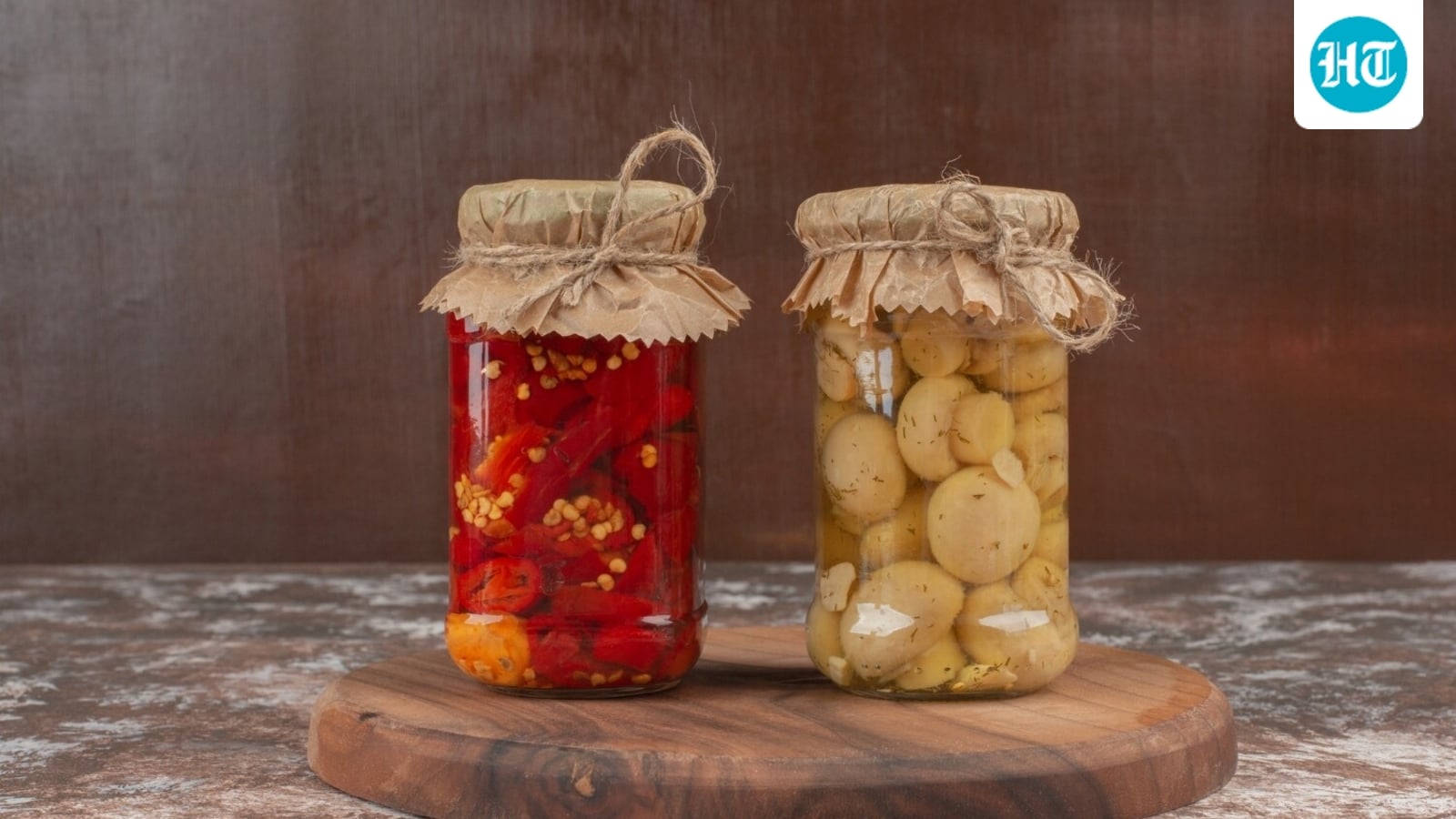
A Kailash Hospital cardiologist emphasizes the importance of avoiding high-sodium foods like pickles and papads, reducing fried and refined foods, and adopting a balanced diet rich in fruits, vegetables, nuts, and healthy fats to prevent heart disease, especially in India where heart issues are rising at a younger age.
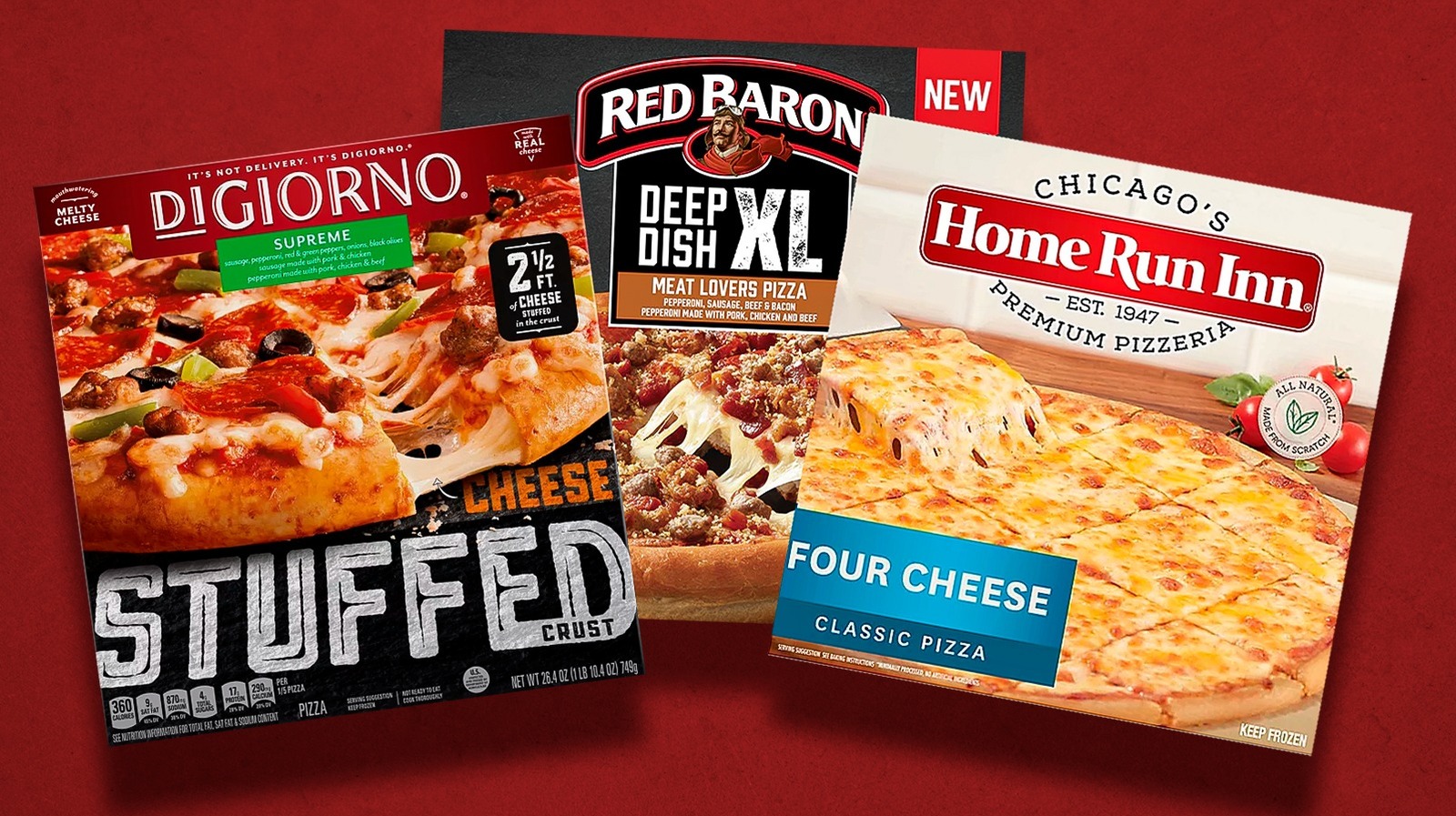
The article lists some of the most unhealthy frozen pizzas, highlighting their high levels of sodium, saturated fats, calories, and questionable additives, which can negatively impact health if consumed frequently or in large quantities.
To manage high blood pressure, it is essential to avoid processed foods high in sodium, sugary drinks, saturated and trans fats, pickled and canned foods, and limit alcohol and caffeine intake, replacing them with healthier alternatives like fresh produce, lean proteins, and water.
Cardiologists warn that salty, ultra-processed savory snacks like pretzels and beef jerky can raise blood pressure quickly and long-term, especially in those over 60 with hypertension. Reducing sodium intake by choosing herbs and spices over salt and opting for healthier snack alternatives can support cardiovascular health and help manage blood pressure.
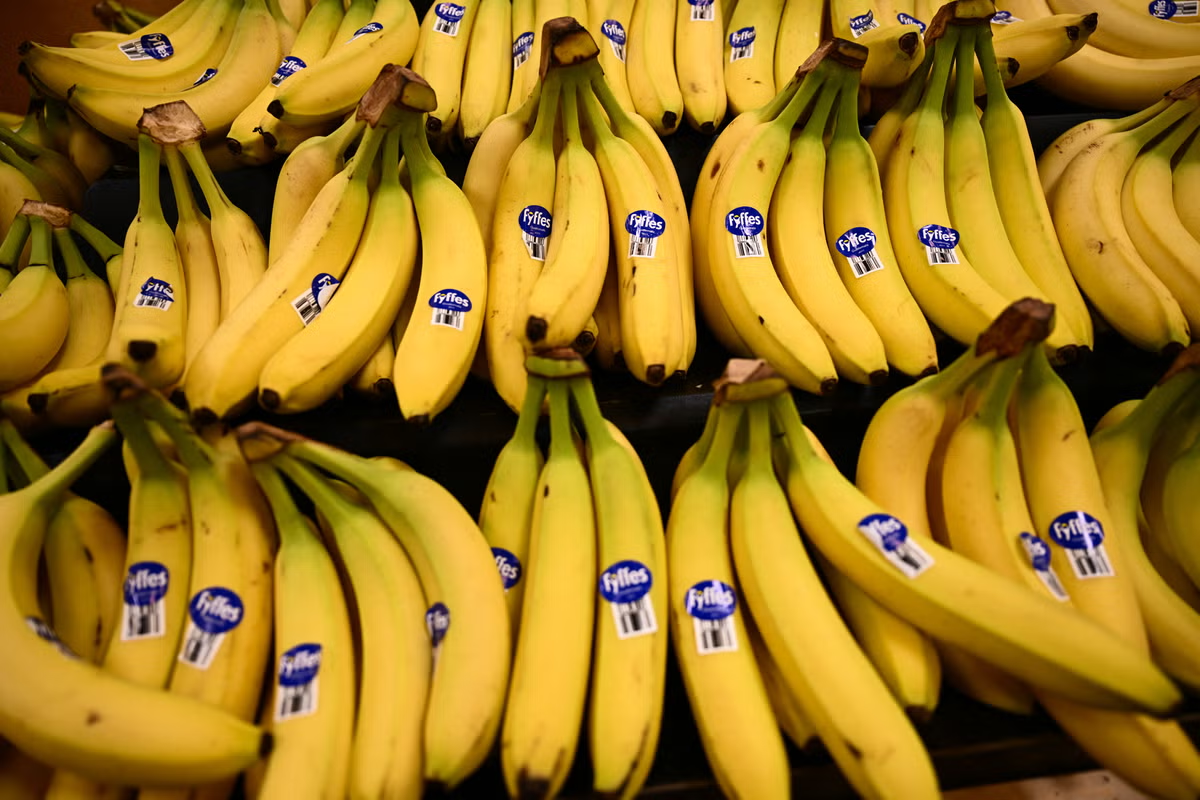
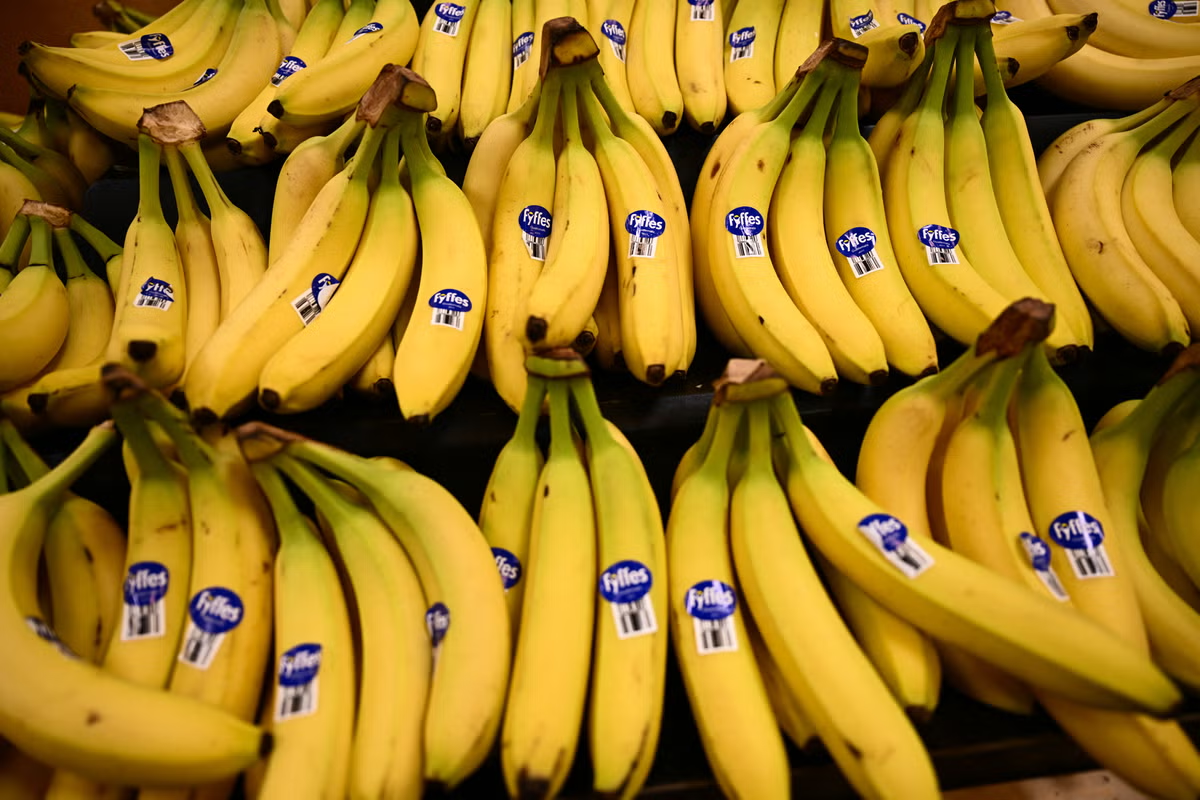
A new study suggests that eating potassium-rich foods like leafy greens and bananas can reduce the risk of heart disease by 24% by helping the body eliminate excess sodium, which is linked to cardiovascular problems. The research highlights the importance of a diet high in potassium and low in processed foods to support heart health.
A new study shows that consuming potassium-rich foods like leafy greens and bananas can reduce the risk of heart disease, irregular heartbeats, and death by up to 24%, highlighting the importance of a diet high in potassium and low in processed foods and sodium for overall cardiovascular health.
Adding Celtic sea salt to water can help with hydration and electrolyte balance, especially for active individuals, but most people don't need extra salt and should be cautious about excessive sodium intake, which can raise blood pressure. The nutritional benefits of specialty salts are minimal, and a balanced diet usually provides sufficient electrolytes. The trend is popular on social media, but moderation and individual health considerations are key.
A cardiologist warns that high-sodium breakfast foods like bacon, muffins, and bread can raise blood pressure, increase the risk of heart disease and diabetes, and are often low in heart-healthy fiber. Recommending healthier habits such as hydrating, including fiber and lean protein, avoiding added sugars, and incorporating morning exercise and mindfulness can support better heart health.
The article discusses the high levels of salt and sodium in restaurant foods, driven by chefs' desire for maximum flavor, and highlights the health risks associated with excessive sodium intake, including high blood pressure and cardiovascular disease. It emphasizes that restaurant dishes often contain more sodium than recommended daily limits, and reducing salt in restaurant cooking remains a challenge due to industry practices and consumer preferences.
Experts from Tufts University state that specialty waters like alkaline, electrolyte, or flavored waters do not offer significant health benefits over regular water, and consumers should be cautious of added sodium and electrolytes, especially if they have health concerns like hypertension. The best way to stay hydrated is simply drinking plain water, and more research is needed on the benefits of alkaline water for older adults.
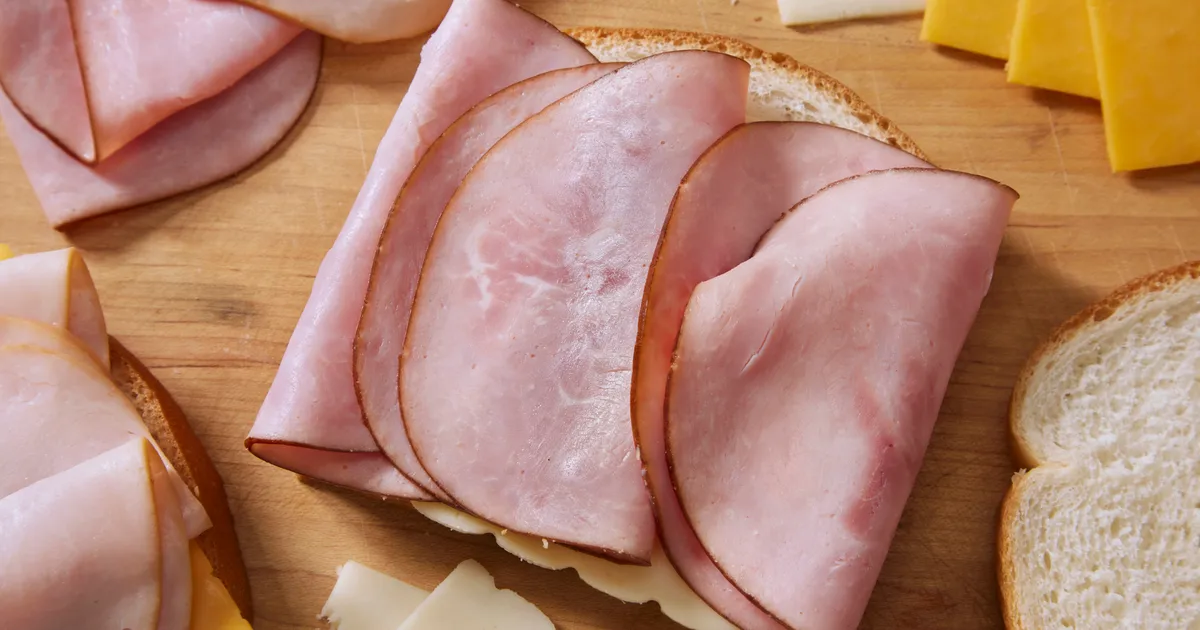
Nutritionists recommend choosing leaner deli meats like turkey, chicken, and roast beef, and paying attention to sodium and saturated fat content on labels, while being mindful of processed meats' carcinogenic classification and enjoying them in moderation.