A modified DASH diet tailored for people with type 2 diabetes significantly lowers blood pressure, even in those on medication, by reducing sodium and adjusting carbohydrate and fat intake, offering a promising non-drug approach to reduce cardiovascular risks.
Canned foods can be part of a blood pressure-friendly diet if chosen wisely; opt for low-sodium or no-salt-added options and incorporate nutrient-rich varieties like sardines, beans, tomatoes, tuna, pumpkin, pineapple, spinach, and beets to support heart health and manage hypertension.
Eating nutrient-dense carbs such as bananas, beans, yogurt, watermelon, oats, blueberries, and orange juice can support healthy blood pressure levels by providing essential nutrients like potassium, fiber, and vitamins, complementing the DASH diet's focus on heart health and blood pressure management.
The DASH diet, ranked as the world's second-best diet after the Mediterranean diet, is designed to lower high blood pressure and cholesterol by emphasizing fruits, vegetables, whole grains, lean proteins, and low-fat dairy while limiting sodium and unhealthy fats. It offers numerous health benefits, including reduced inflammation, improved heart and kidney health, and a lower risk of diabetes and cancer. The diet is flexible, balanced, and suitable for all adults, promoting overall well-being without being overly restrictive.
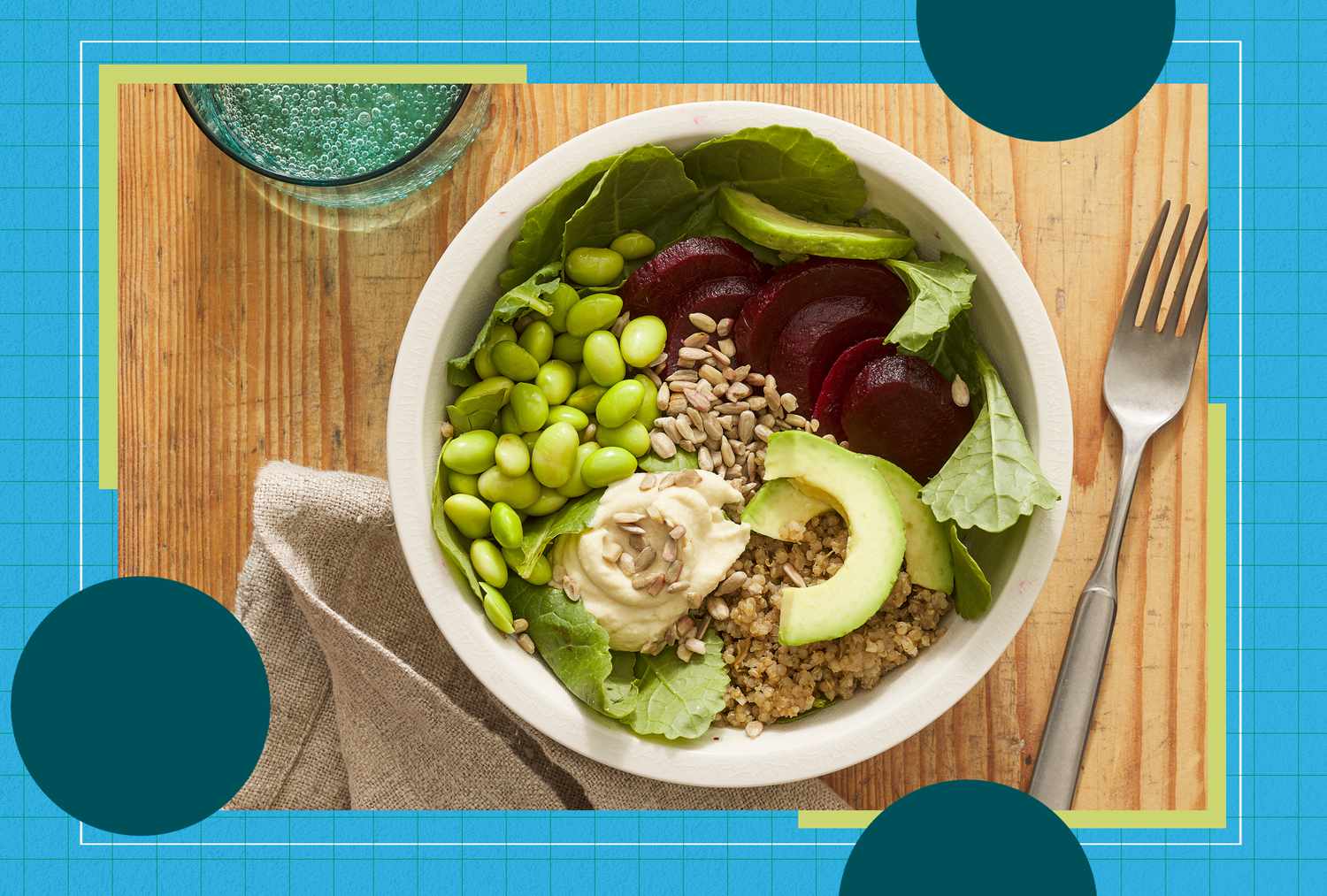
High blood pressure, or hypertension, affects nearly half of American adults and can lead to serious health issues if left untreated. The DASH diet, which emphasizes fruits, vegetables, whole grains, and lean proteins while limiting saturated fats and sodium, is recommended for managing high blood pressure. A heart-healthy lunch option for those with high blood pressure is a Vegan Superfood Grain Bowl, packed with potassium, fiber, and ingredients that promote blood vessel health. In addition to dietary changes, managing stress, staying active, and limiting alcohol intake are important for controlling high blood pressure.
A seven-day high-protein meal plan designed by a dietitian aims to support heart health and lower high blood pressure by incorporating the principles of the DASH diet, emphasizing fruits, vegetables, whole grains, legumes, and healthy fats while limiting processed foods and added sugars. The plan provides at least 80 grams of protein per day and focuses on nutrient-rich foods to promote weight loss and reduce blood pressure. Research suggests that consuming a variety of protein sources may lower the risk of high blood pressure. The meal plan includes recipes and daily calorie options, aiming to provide a template for a healthy high-protein DASH eating plan while allowing for individual preferences and calorie needs.
Regular exercise, particularly walking and muscle-engaging activities, can effectively lower blood pressure by strengthening the heart, improving blood flow, and reducing inflammation. The DASH diet, rich in fruits, vegetables, and lean proteins while limiting sodium, also plays a crucial role in managing hypertension. By incorporating healthy eating, regular exercise, and avoiding sedentary lifestyles and stress, individuals can significantly reduce their risk of heart problems associated with high blood pressure.
The Mediterranean, DASH, and MIND diets have been ranked as the best overall diets for 2024 in a U.S. News & World Report poll. The Mediterranean diet, which has held the top spot for seven consecutive years, focuses on plant-based foods and healthy fats, while the DASH diet emphasizes fruits, vegetables, and low sodium intake to lower high blood pressure. The MIND diet, a combination of the Mediterranean and DASH diets with a focus on brain health, has been shown to reduce the risk of cognitive decline. These diets offer various health benefits and are recommended for overall health, heart health, and cognitive protection.
The Mediterranean diet has been named the best overall diet for 2024, topping the list for the seventh consecutive year and also ranking first in several other categories. The DASH and MIND diets followed in second and third place, respectively, with all three emphasizing plant-based eating. The vegan diet was newly evaluated and placed third in the best plant-based diets category. The Mediterranean diet, known for its health benefits, focuses on fruits, vegetables, whole grains, and healthy fats, while the raw food diet ranked last due to its overly restrictive nature. The popular keto diet ranked 25th overall but claimed the top spot in the fast weight-loss category, despite concerns about its long-term sustainability and potential health risks.
According to a panel of experts, the best diets for overall health in 2024 are the Mediterranean, DASH, and MIND diets, which are backed by scientific research and promote cardiovascular and brain health. While diets like keto, Atkins, and HMR are effective for quick weight loss, they ranked low overall. Nutritionists emphasize the importance of sustainable changes over quick fixes, recommending gradual adjustments and long-term focus on health and well-being.
U.S. News & World Report released its list of the best diets for 2024, compiled with the help of health experts. The Mediterranean diet topped the list for the seventh consecutive year, followed by the DASH diet and the MIND diet. The rankings emphasize whole foods, balance, and maintainability, and include a variety of diets such as the Flexitarian diet, WeightWatchers, and the Volumetrics diet. The list spans 11 categories, including Best Diets Overall, Best Weight Loss Diets, and Best Diets for Healthy Eating, and focuses on promoting long-term sustainability and evidence-based effectiveness.
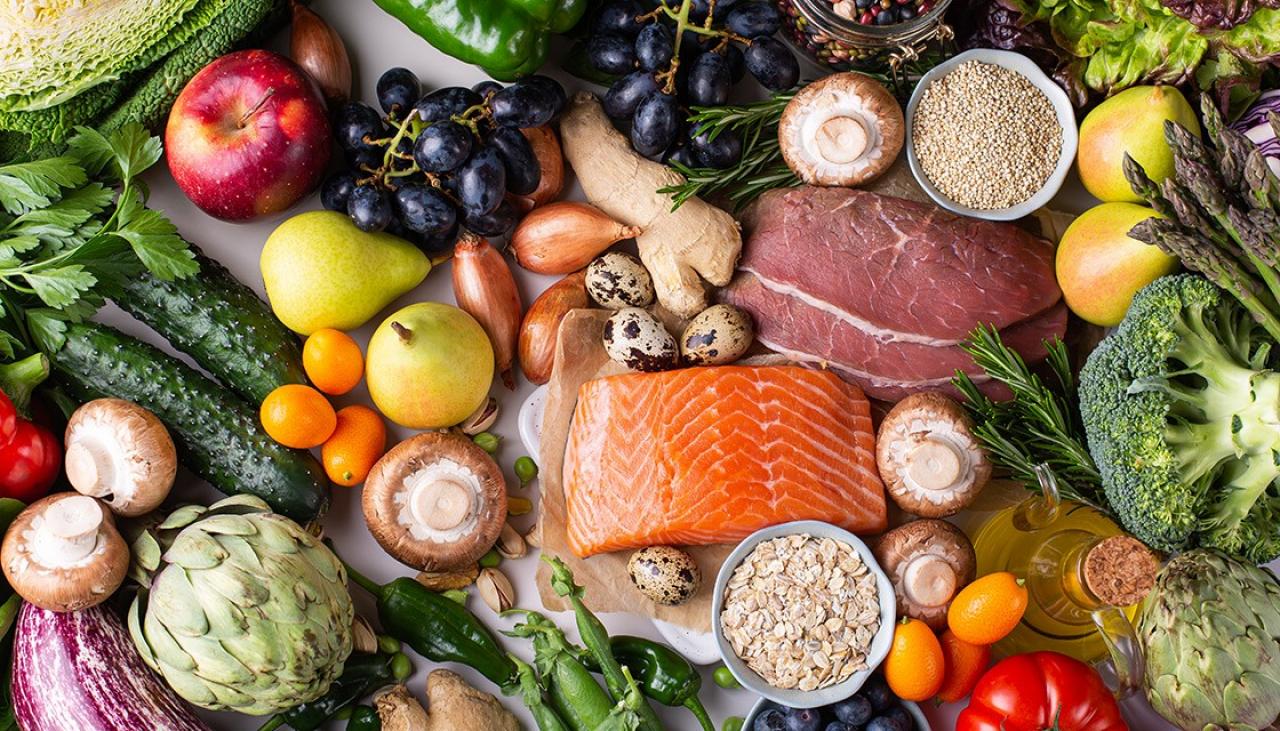
The DASH (Dietary Approaches to Stop Hypertension) diet is a well-established dietary plan designed to help prevent and manage hypertension. It emphasizes consuming plenty of fruits and vegetables, whole grains, lean proteins, nuts and legumes, low-fat dairy products, and heart-healthy fats while avoiding high-sodium foods, highly processed foods, fried foods, sugary beverages, alcohol, and excessive caffeine. The DASH diet promotes a balanced and heart-healthy approach to eating, and regular monitoring of blood pressure levels is crucial for managing and controlling hypertension.
A study from Tulane University reveals that frequent use of added salt is linked to a higher risk of developing Type 2 diabetes. The study surveyed over 400,000 adults in the UK and found that those who sometimes, usually, or always added salt to their food had a 13%, 20%, and 39% higher risk, respectively, of developing Type 2 diabetes compared to those who rarely or never added salt. The study also found a link between frequent salt consumption and higher BMI and waist-to-hip ratio. The exact mechanism behind this link remains unknown, but it is believed that salt may encourage larger food portions, leading to obesity and inflammation, which increase the risk of diabetes. To reduce salt intake, experts recommend following the DASH diet, which emphasizes fruits, vegetables, whole grains, low-fat dairy, lean meats, and poultry while limiting high-sodium foods.
Women over the age of 40 who follow the DASH (Dietary Approaches to Stop Hypertension) diet, which focuses on plant-based foods rich in potassium, calcium, and magnesium, may have a lower risk of cognitive decline as they age, according to a study published in Alzheimer's & Dementia: The Journal of the Alzheimer's Association. The study found that women who adhered to the DASH diet during middle age were about 17% less likely to experience memory loss and other signs of cognitive decline later in life. The findings suggest that adopting a healthy diet, such as the DASH or Mediterranean diet, starting at a younger age can provide long-term protection against cognitive decline.
Following the DASH diet, which focuses on whole foods and is known to reduce blood pressure and prevent cardiovascular disease, in midlife could help prevent memory loss and keep the brain sharper for longer as individuals age, according to a new study. The study found that women who closely followed the DASH diet between the ages of 40 to 60 were less likely to report cognitive problems, such as memory loss, 30 years later. The diet's emphasis on lean proteins, whole grains, fruits, vegetables, and legumes, while limiting red meat, sodium, added sugar, and saturated fats, may contribute to its positive effects on brain health. However, more research is needed to determine if these findings apply to a broader population.