A study suggests that drinking beet juice twice daily can lower blood pressure in older adults within two weeks, likely due to nitrates in beets that convert to nitric oxide, relaxing blood vessels. However, more research is needed, and beet juice should be part of a comprehensive heart-healthy lifestyle.
A study suggests that drinking beet juice twice daily may help lower blood pressure in older adults by altering oral bacteria that convert nitrates into nitric oxide, which relaxes blood vessels. Experts recommend considering beet juice as part of a heart-healthy lifestyle, but more research is needed to confirm its effectiveness and identify who may benefit most.
Scientists are calling for a ban on supermarket bacon due to its use of nitrates, which are linked to 54,000 cases of bowel cancer in the UK, and are urging the government to implement warning labels and phase out these chemicals to protect public health.
A study suggests that drinking beet juice rich in nitrates may help lower blood pressure by positively altering the oral microbiome, especially in older adults, and highlights the potential benefits of incorporating nitrate-rich foods like beets, spinach, and kale into a balanced diet for heart health.
A study by the University of Exeter found that drinking nitrate-rich beetroot juice can lower blood pressure in older adults by improving vascular health and altering oral bacteria, with potential benefits for healthy aging. More research is needed, and individuals should consult healthcare providers before making dietary changes.
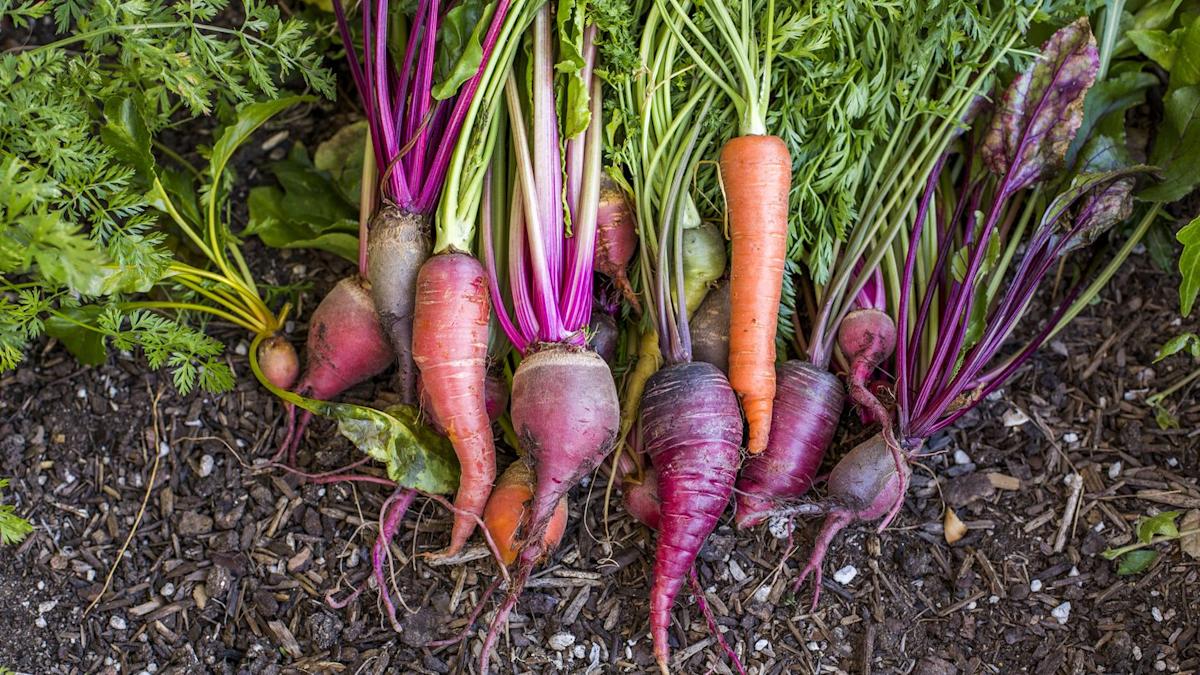
A study found that daily consumption of nitrate-rich beet juice can lower blood pressure in adults, especially in older individuals, by altering oral bacteria and promoting vasodilation through nitric oxide production. Beets are a nutritious vegetable that may support heart health, digestion, and athletic performance, and should be consumed regularly alongside other nitrate-rich vegetables for optimal benefits.
A recent study suggests that consuming beet juice, rich in nitrates, can help lower blood pressure by promoting vasodilation through the production of nitric oxide, especially benefiting older adults. Regular intake of about a cup of beets may support heart health and improve blood vessel function, but should complement, not replace, medical treatment.
Research indicates that drinking nitrate-rich beetroot juice twice daily can lower blood pressure in older adults by altering the oral microbiome, which may improve nitric oxide production and vascular health, offering a natural alternative to medication for hypertension management in seniors.
Research suggests that drinking a glass of beetroot juice daily can significantly lower blood pressure in hypertensive patients, potentially offering a natural alternative to medication, though further studies are needed for official recommendations.
The British Heart Foundation recommends drinking beetroot juice daily to help lower blood pressure and reduce the risk of cardiovascular diseases like heart attacks and strokes. Beetroot juice, rich in nitrates, has been shown to normalize blood pressure in people with hypertension. While beetroot juice is effective, other nitrate-rich foods like leafy greens and potassium-rich fruits can also help manage blood pressure. However, those with low blood pressure should monitor their intake. Homemade beetroot juice can be made by blending or juicing beetroot, with optional flavor additions like ginger or lime.
A study of over 60,000 men found that taking erectile dysfunction (ED) medications, known as phosphodiesterase-5 inhibitors (PDE5i), along with nitrates, a common drug for chest pain, increased the risk of negative health outcomes such as heart failure and early death. The study emphasizes the need for careful consideration before prescribing PDE5i to men receiving nitrate treatment and highlights the importance of continued research into the effects of ED drugs on men with cardiovascular disease. Experts caution against the simultaneous use of these medications and recommend discussing alternative ED treatment options with a physician.
A two-mile stretch of County Road B in Dodge County, Minnesota, has been dubbed "cancer road" due to a cluster of cancer cases. Since the 1980s, fifteen people have been diagnosed with tumors, seven of whom have died. Local residents suspect that high levels of nitrates in the water supply, likely from commercial fertilizers, may be the cause. Tests have shown elevated nitrate levels in the area, and experts have expressed concern over the concentration of disease. Some studies have linked nitrates to an increased risk of various cancers. Residents are calling for stricter regulations on nitrate levels and increased action to protect public health.
The labels "cured" and "uncured" on bacon and other processed meats can be misleading. Both cured and uncured bacon are preserved, and the use of these labels is a result of labeling regulations. "Uncured" bacon may still contain similar amounts of nitrites and nitrates as "cured" bacon. Nitrites and nitrates, whether synthetic or from natural sources, can form nitrosamines in the body, which may increase the risk of certain cancers. Processed meat intake has also been linked to an increased risk of Type 2 diabetes and heart disease. While vegetables like celery contain nitrates and nitrites, their conversion to nitrosamines is less likely due to the low protein content. It is recommended to consume processed meats in moderation.
Nitrates are compounds found in vegetables, meat, and drinking water. While some studies suggest that nitrates benefit cardiovascular health, others suggest they may increase cancer risk. Researchers conducted an analysis of studies investigating the benefits and risks of dietary nitrates and concluded that evidence is insufficient to say that nitrates in food and water are carcinogenic. Further research is needed to better understand these associations. Nitrates from vegetables that contain vitamin C or polyphenols may prevent the production of N-nitrosamines, meaning consumers can enjoy the nutrient’s benefits while avoiding its negative consequences.