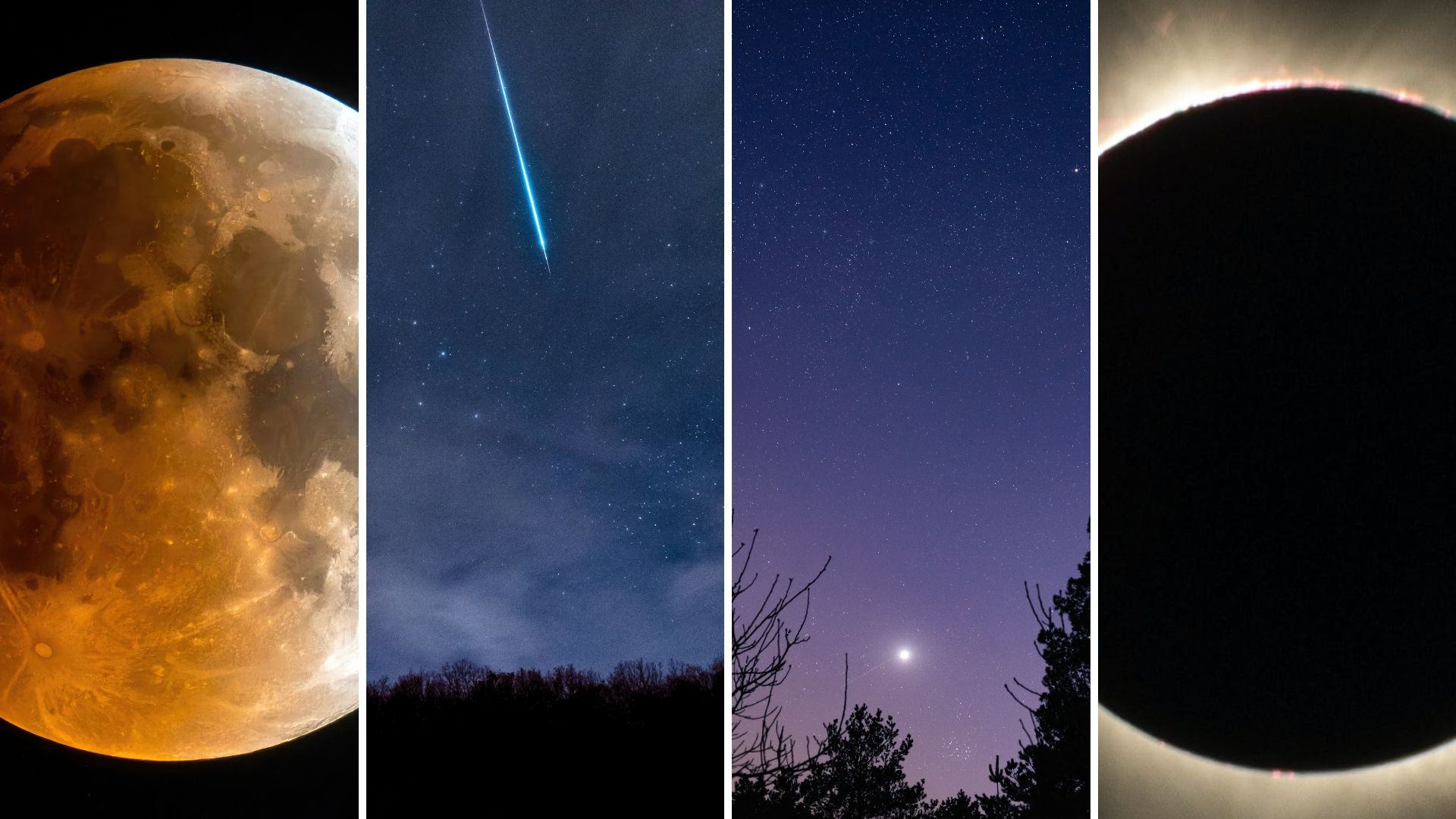
2026 offers numerous exciting skywatching events including eclipses, planetary conjunctions, meteor showers, and a supermoon, providing spectacular opportunities for astronomy enthusiasts to observe the night sky.
The article provides an outlook on meteor activity from November 8-14, 2025, highlighting the moon phases, expected meteor shower rates, and radiant positions for various meteor showers such as the Andromedids, Orionids, and Taurids. It offers guidance for observers on the best times and directions to view meteors, emphasizing the influence of moonlight and sky conditions.
November offers a variety of celestial events including the best chance to see Mercury in the evening sky, multiple meteor showers such as the Taurids and Leonids, a supermoon called the beaver moon, close approach of the moon to the Pleiades, and the opposition of Uranus, making it an exciting month for stargazing.
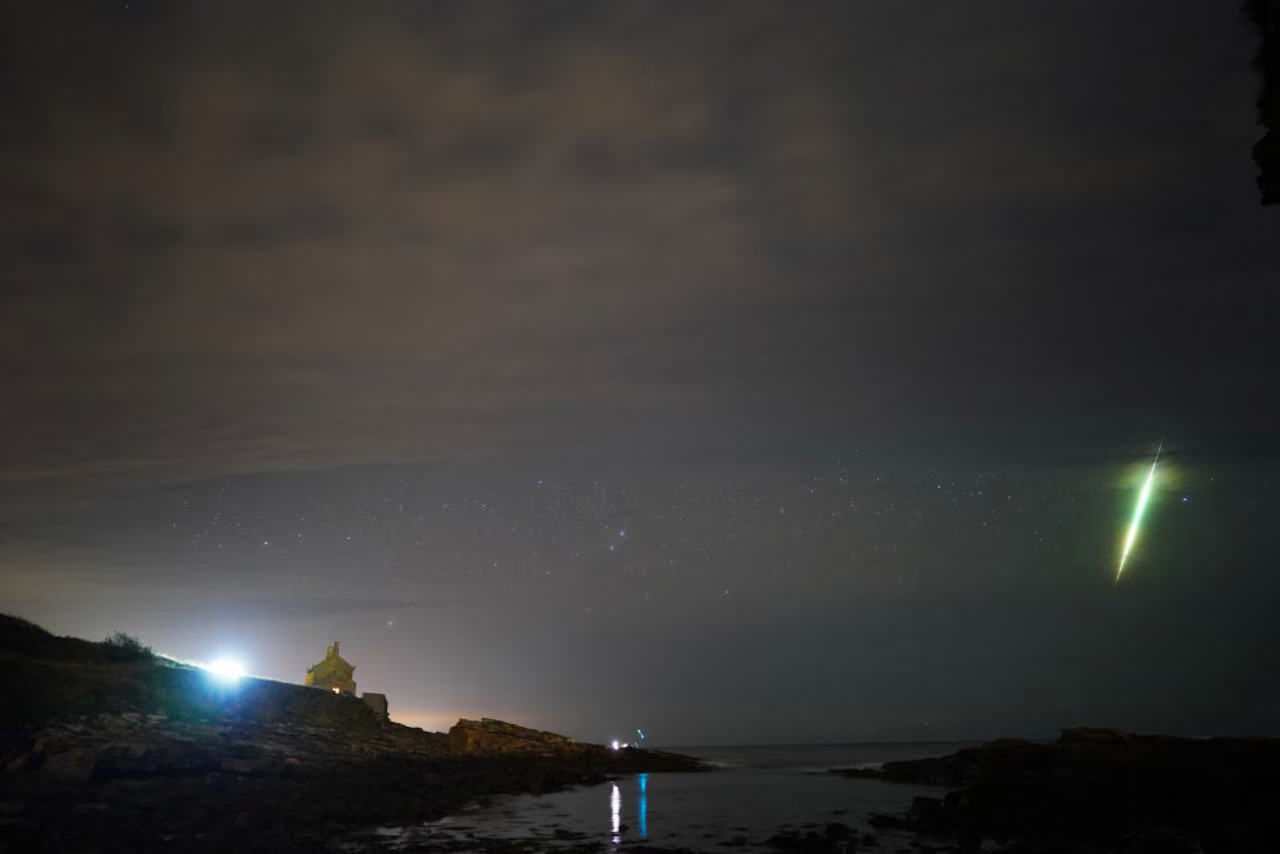
The Southern and Northern Taurid meteor showers, known for bright fireballs, begin around October 11, 2025, with peak activity in mid-November, offering the best viewing from midnight to dawn when Taurus is high overhead. These showers are caused by debris from Comet Encke, which has the shortest orbital period of any known comet, completing its orbit every 3.25 years.
October is an ideal month for meteor viewing, with the Draconid meteor shower peaking from October 6-10 and the Orionid shower peaking around October 21, both offering opportunities to see shooting stars, especially with clear skies and minimal moonlight.
October offers a spectacular celestial display with two major meteor showers: the Draconids from October 6-10, best viewed in the Northern Hemisphere, and the Orionids peaking on October 21, known for their bright fireballs and trains, both best observed away from city lights under dark, clear skies.
In October, the Draconids and Orionids meteor showers will light up the night sky, with the Draconids peaking around October 8 and the Orionids peaking on October 21. The Draconids, originating from Comet 21P/Giacobini-Zinner, may be visible with up to 10 meteors per hour, while the Orionids, from Halley's Comet, can produce about 20 meteors per hour and even fireballs. Viewing conditions depend on darkness and moon phase, with the super full moon potentially obscuring the Draconids.
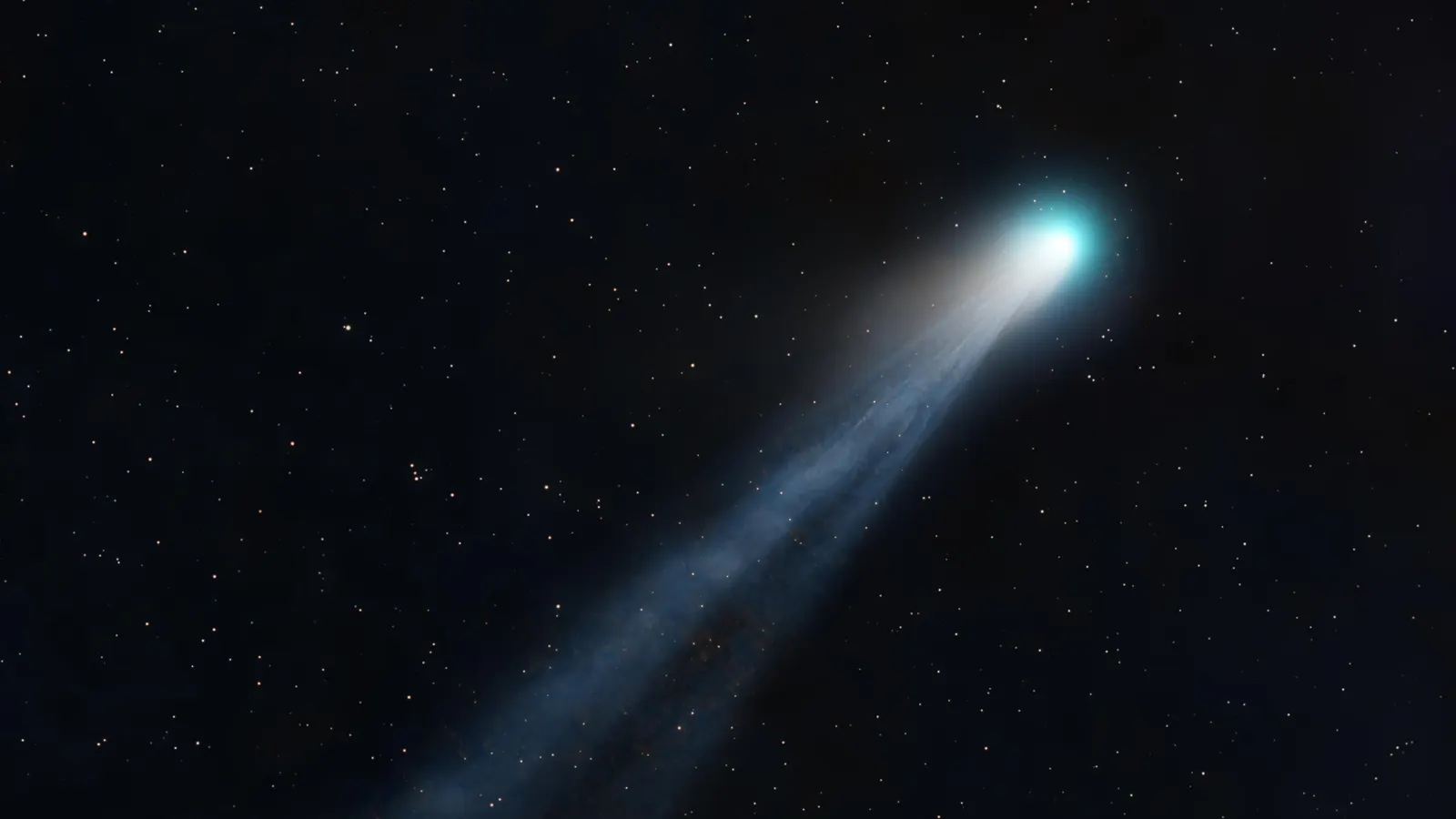
October 2025 promises a spectacular night sky with Comet Lemmon, Orionid and Taurid meteor showers, and a swarm of fireballs, offering skywatchers a rare chance to see bright comets, shooting stars, and fireballs, especially around October 21 when Comet Lemmon reaches its closest approach to Earth.
As fall begins in September, New Yorkers can enjoy longer nights for stargazing, with notable celestial events including Saturn at opposition, visibility of Neptune, Venus, and Jupiter, along with minor meteor showers like the Aurigid and Epsilon Perseid, especially during the darker phases of the moon after September 21.
This weekend, sky-gazers can view August's sturgeon moon at its peak, along with planets Venus and Jupiter, and upcoming meteor showers. Additionally, 2025 will feature four more full moons, including supermoons, and notable lunar and solar eclipses in September.
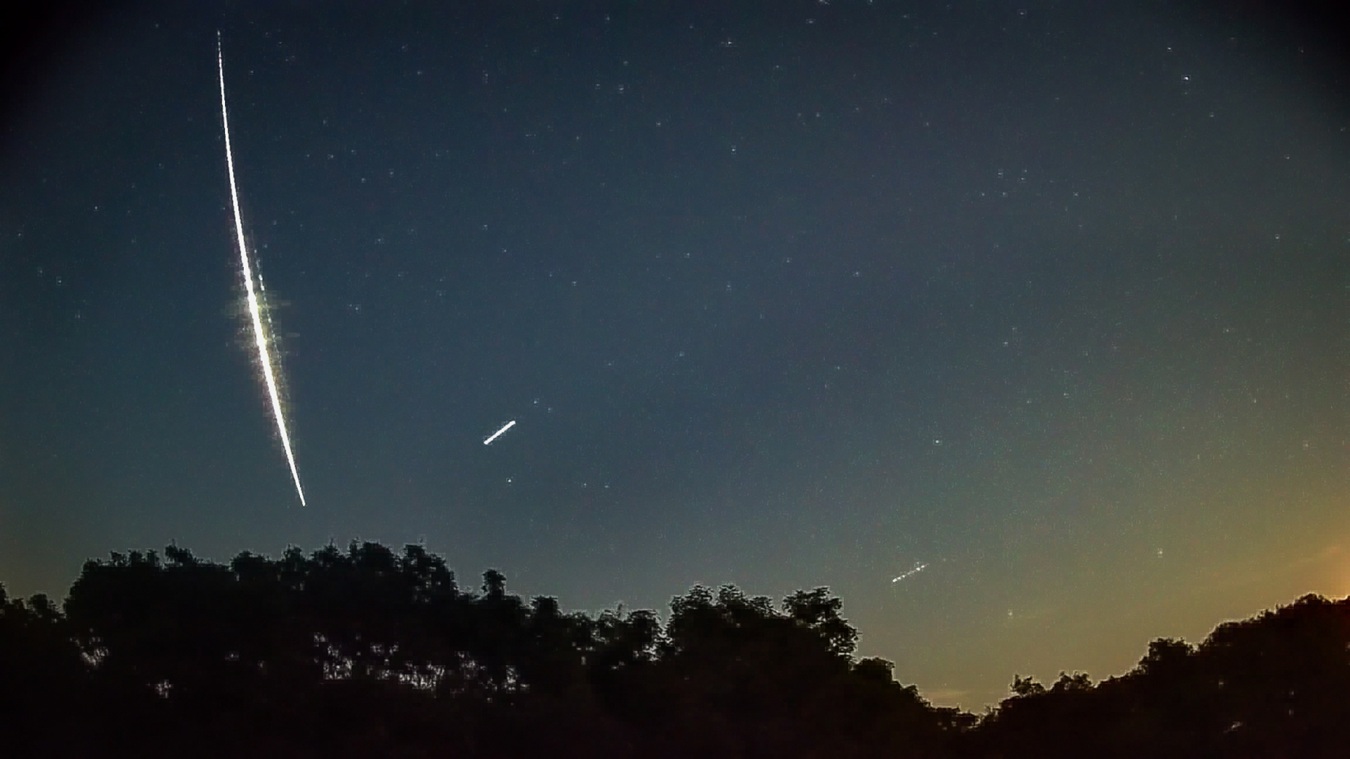
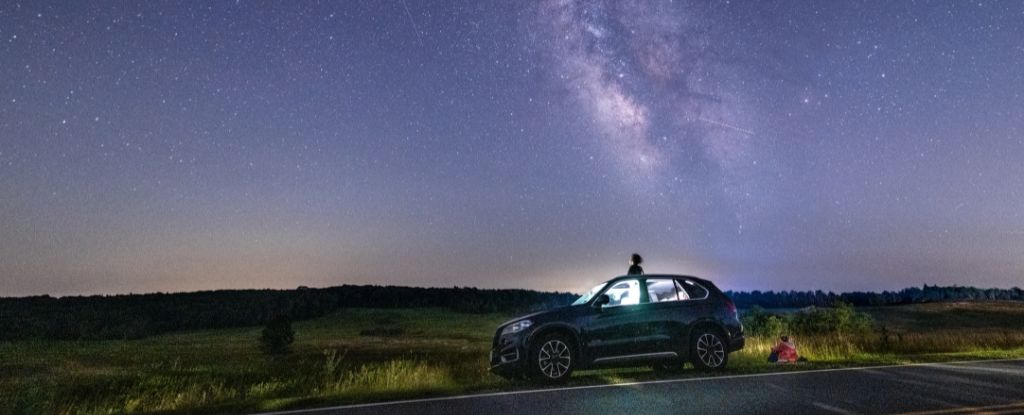
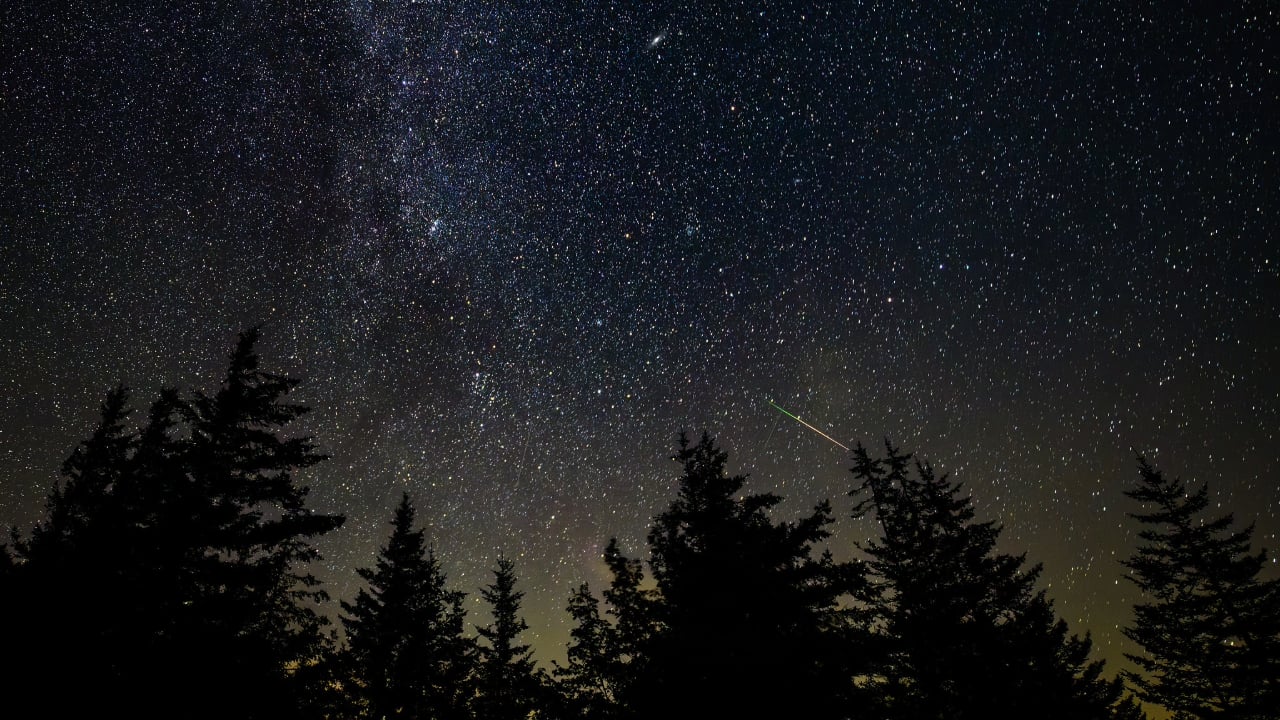
NASA photographer Bill Ingalls captured a stunning image of a meteor over West Virginia during the overlapping Perseid and Alpha Capricornid meteor showers on August 3, 2025, highlighting the beauty of night sky events and the importance of remote viewing locations.
This week offers a great opportunity to observe two major meteor showers, the Alpha Capricornids and Southern Delta Aquariids, with peak activity expected around Tuesday and Wednesday nights, providing a chance to see bright fireballs and numerous meteors, especially in the Southern Hemisphere, while also enjoying other celestial events like full moons and eclipses in 2025.
This week, sky-gazers can observe two major meteor showers, the Alpha Capricornids and Southern Delta Aquariids, reaching their peaks with potential for bright fireballs, alongside the ongoing Perseids and upcoming celestial events like eclipses and full moons, offering a rich period for astronomical observation.
This week, sky-gazers can observe the peak of two meteor showers, the Alpha Capricornids and Southern Delta Aquariids, with the best viewing times around midnight and early morning, especially from the Southern Hemisphere. The showers are visible through August 13, and the week also offers opportunities to see other celestial events like the Perseid meteor shower, full moons, and eclipses. Experts recommend finding dark, high-altitude locations for optimal viewing and encourage reporting sightings to aid scientific understanding.
The Southern Delta Aquariids and Alpha Capricornids meteor showers peak over northern Oklahoma from July 29-30, with the best viewing between 2-4 a.m. under clear skies and minimal moonlight, offering a great opportunity for skywatchers to see shooting stars and fireballs, especially in dark, open areas facing south.