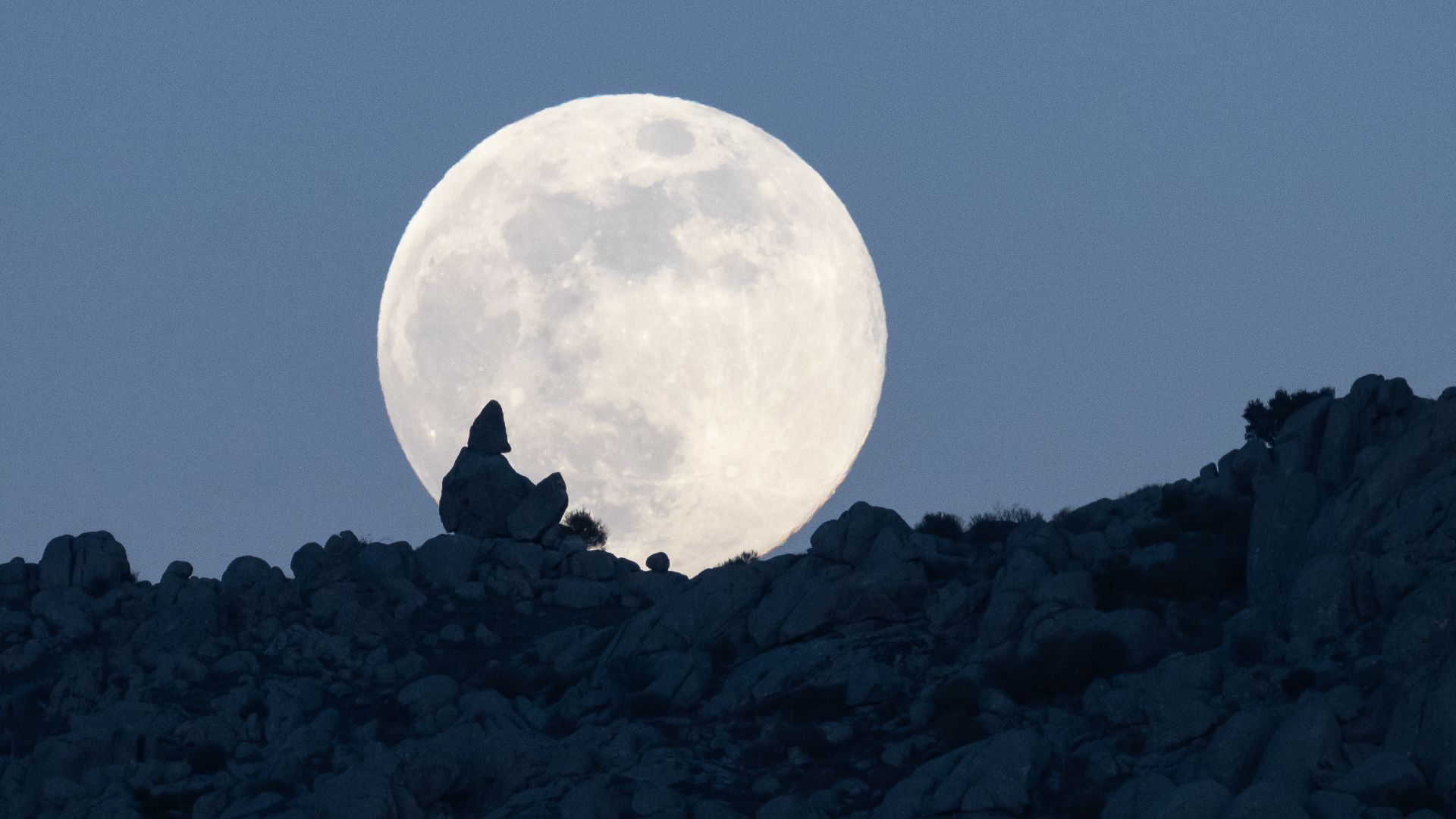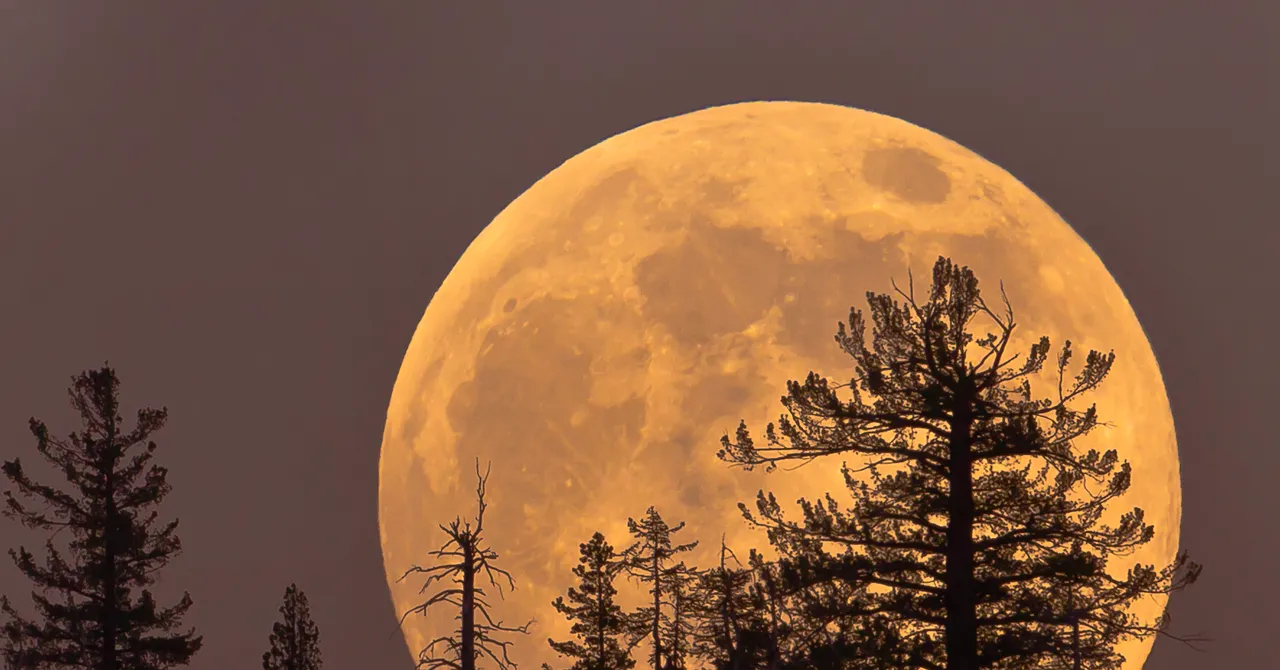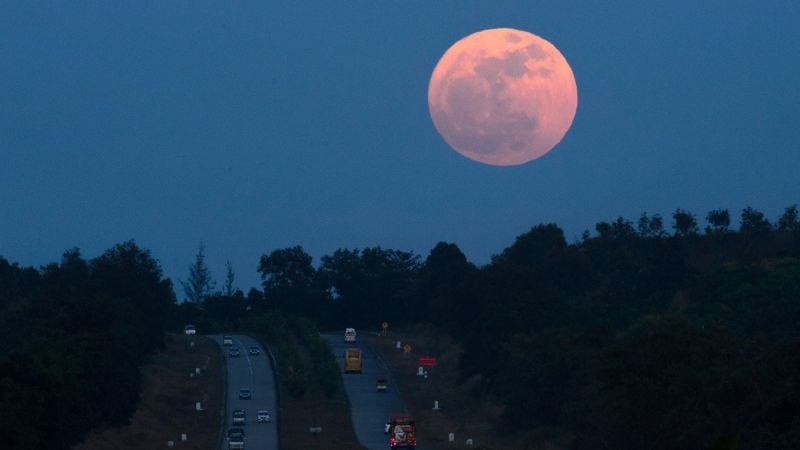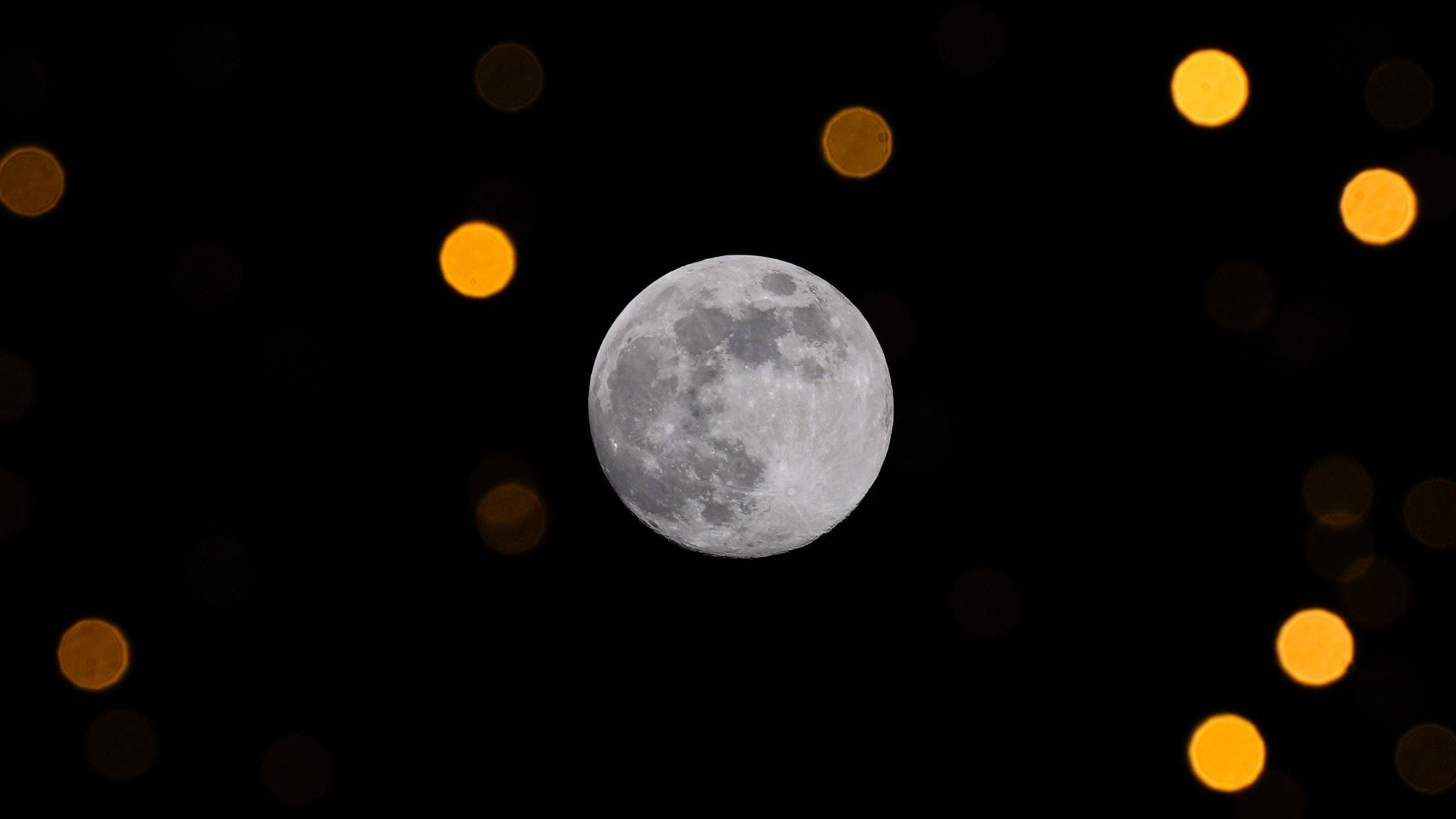
The February 2026 full moon, known as the Snow Moon, will peak on February 1st and is visible worldwide, offering a great opportunity for skywatchers to observe lunar details and related celestial events, with tips for optimal viewing and photography.
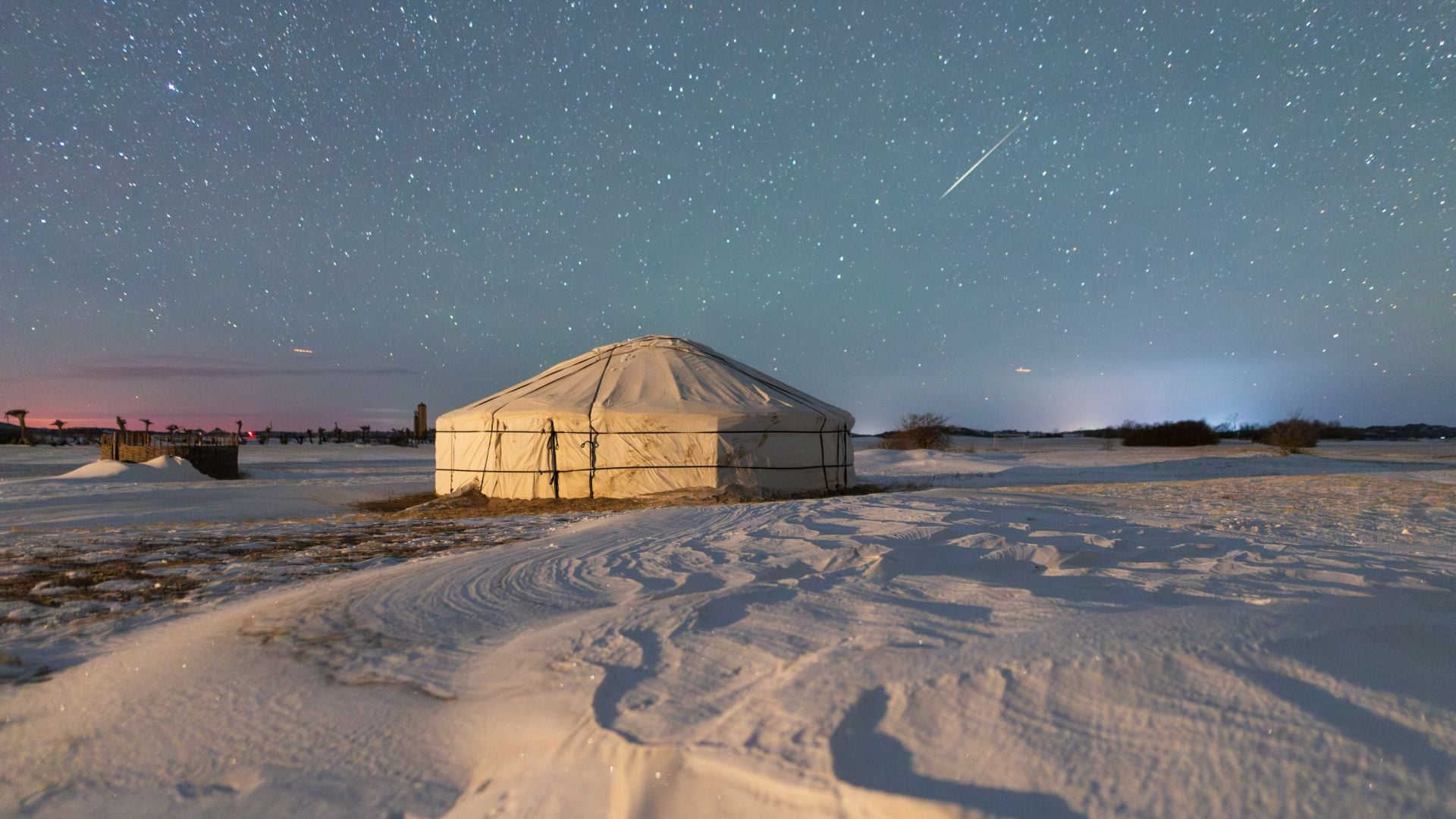
The peak of the Quadrantid meteor shower occurs overnight, but the bright full moon may overshadow the display, making only the brightest meteors visible, especially from northern latitudes.
The horoscope for January 3, 2026, highlights the influence of a full moon in Cancer, bringing various challenges and positive moments for each zodiac sign, with themes of emotional tension, financial clarity, and opportunities for personal growth. It advises caution in speech and actions, especially around accidents and conflicts, while encouraging patience and self-discipline.
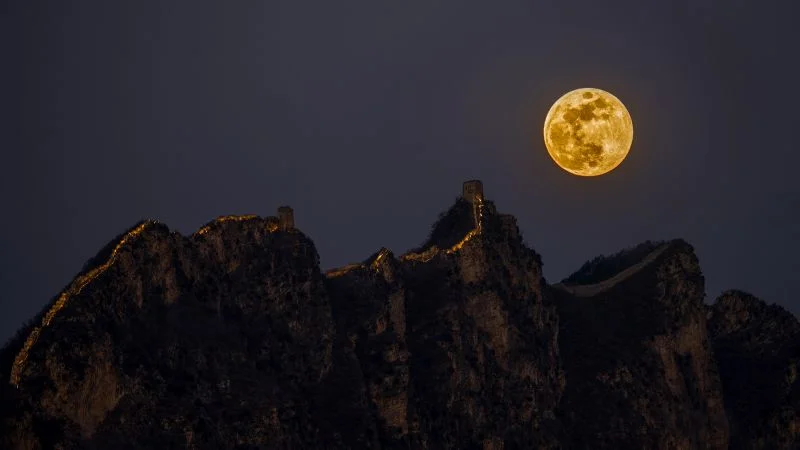
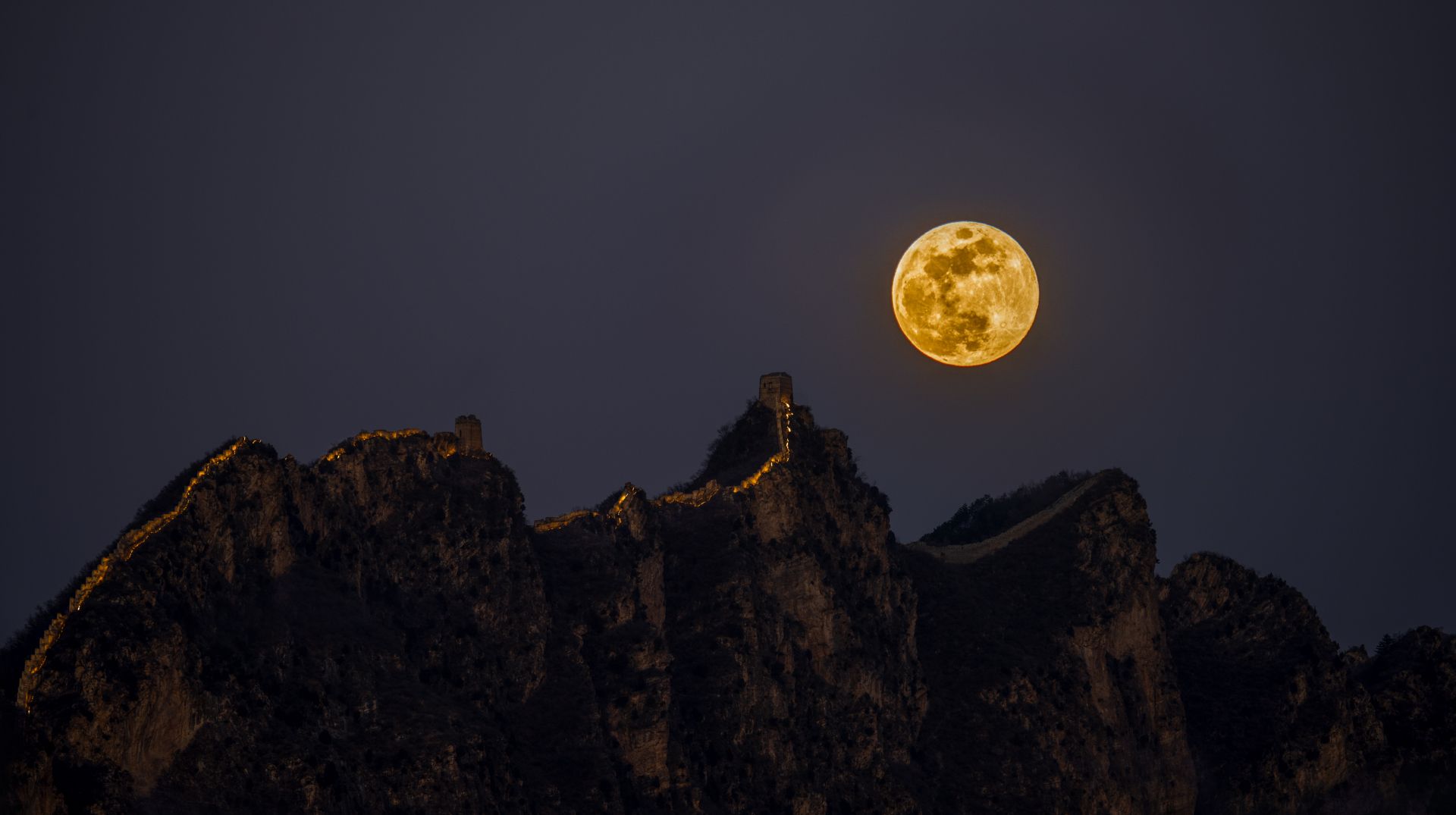
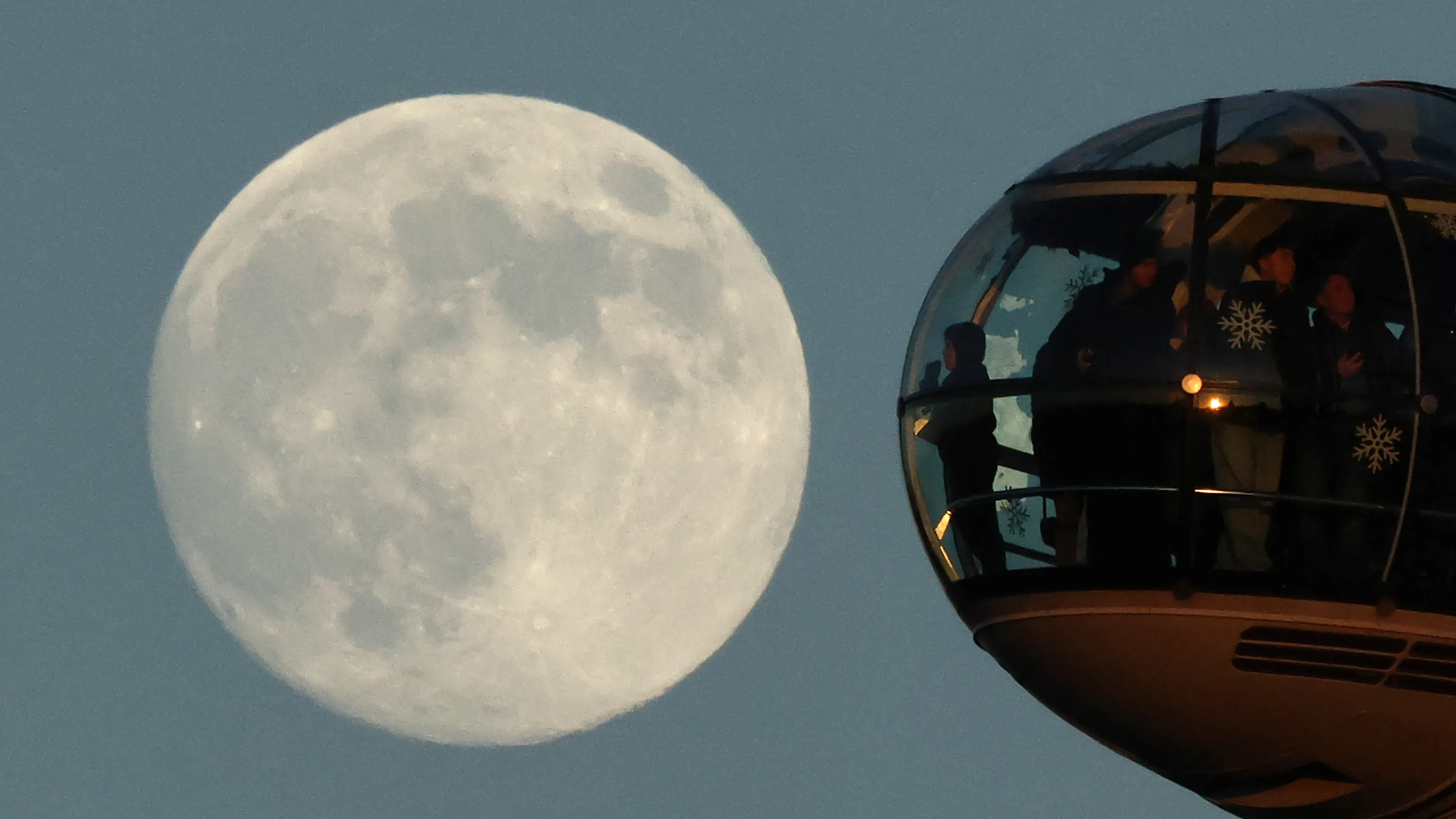
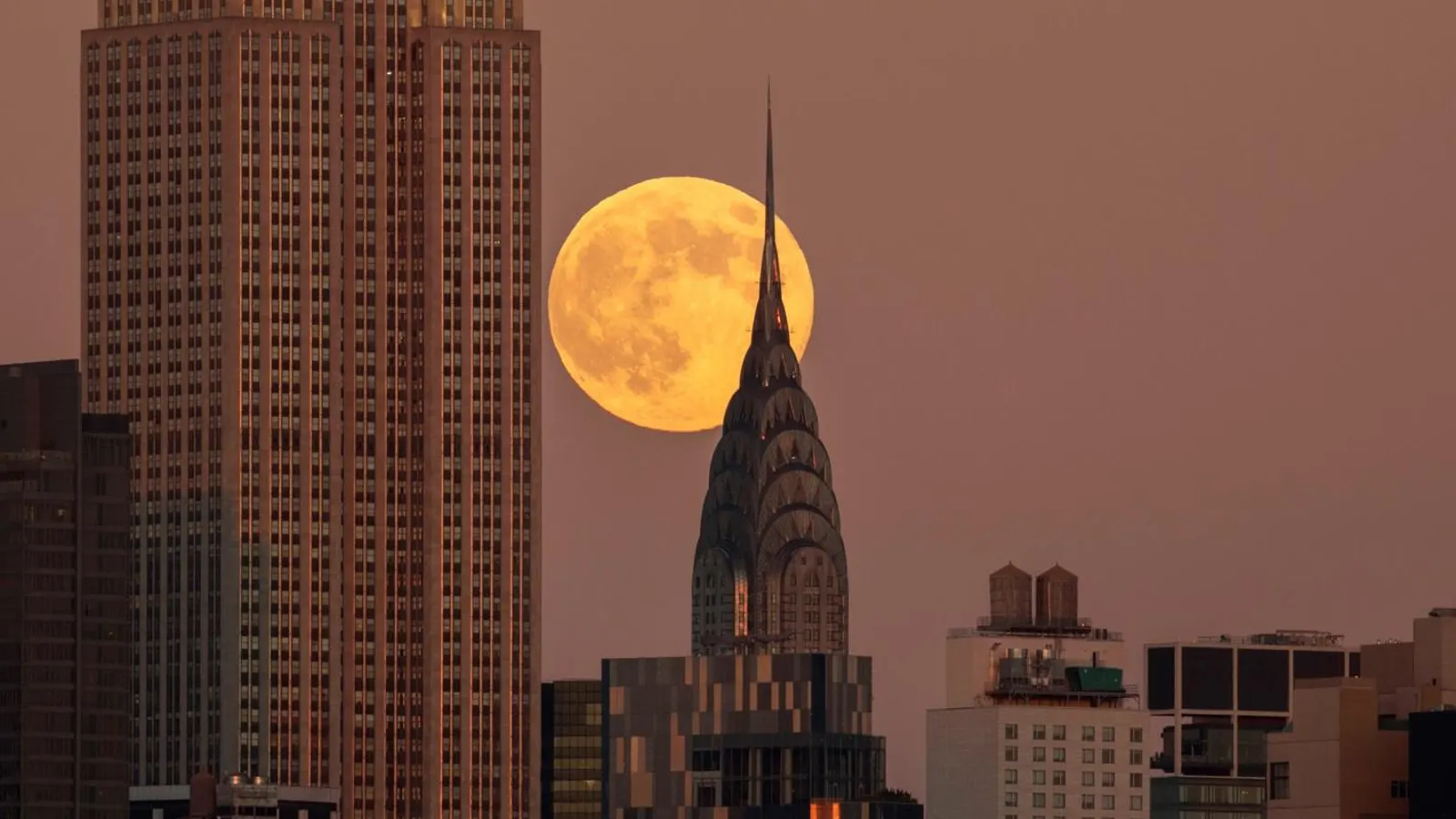
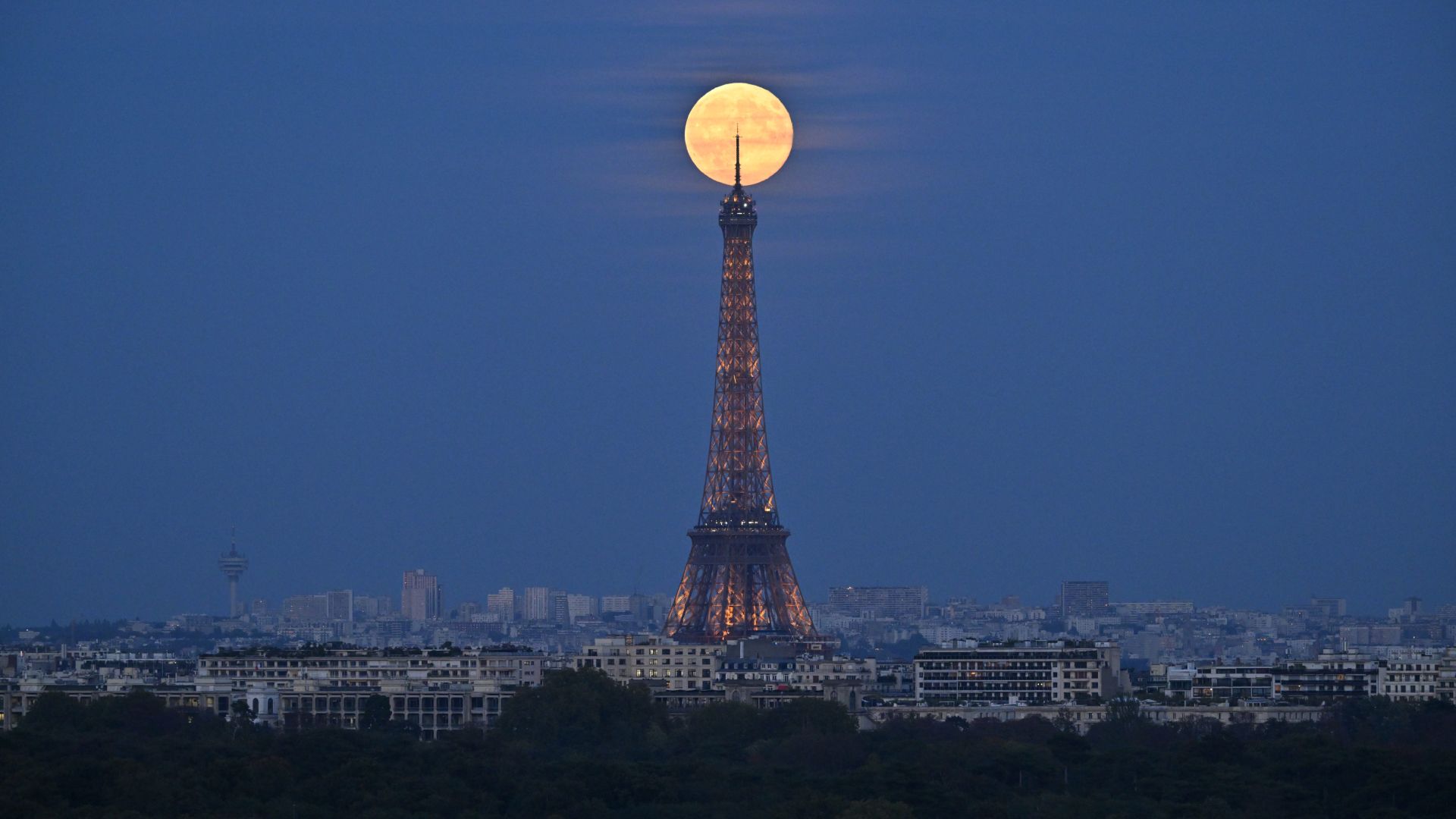
The article highlights stunning photos of the Wolf Supermoon, the first full moon of 2026, captured around the world on January 2, 2026, showcasing its appearance over various iconic locations and during different activities.
The January 2026 Wolf Moon, coinciding with the moon's closest approach to Earth, will be a spectacular supermoon visible on the night of January 2-3, offering a bright, large, and potentially orange-hued view, with optimal viewing times depending on your location.
The article discusses the significance of the upcoming full moon in Cancer at the start of 2026 and its potential impact on individuals, though the detailed content is not provided.
The last supermoon of 2025, called the Cold Moon, will occur on December 4, appearing larger and brighter due to its proximity to Earth, and is best viewed around moonrise from an elevated, unobstructed location.
December's full supermoon, also called the cold moon, is the last supermoon of the year, occurring around 6:14 p.m. ET Thursday, and is notable for its proximity to the winter solstice and historic Apollo missions, with upcoming lunar exploration planned for Artemis II.
The final full moon of 2025, known as the Cold Supermoon, will be the second-largest of the year and will appear higher in the sky than any other full moon in 2025, providing a spectacular sight for skywatchers as it rises in the constellation Taurus on December 4th.
The week of December 1-7, 2025, features a significant Full Moon in Gemini emphasizing communication, which may lead to disagreements or deep conversations in relationships. Key astrological events include Venus sextile Pluto and a grand trine in Water, promising positive and meaningful interactions. Each zodiac sign experiences unique love-related influences, with opportunities for new connections, deepening bonds, or resolving past issues, culminating in a hopeful and upbeat end to the week.
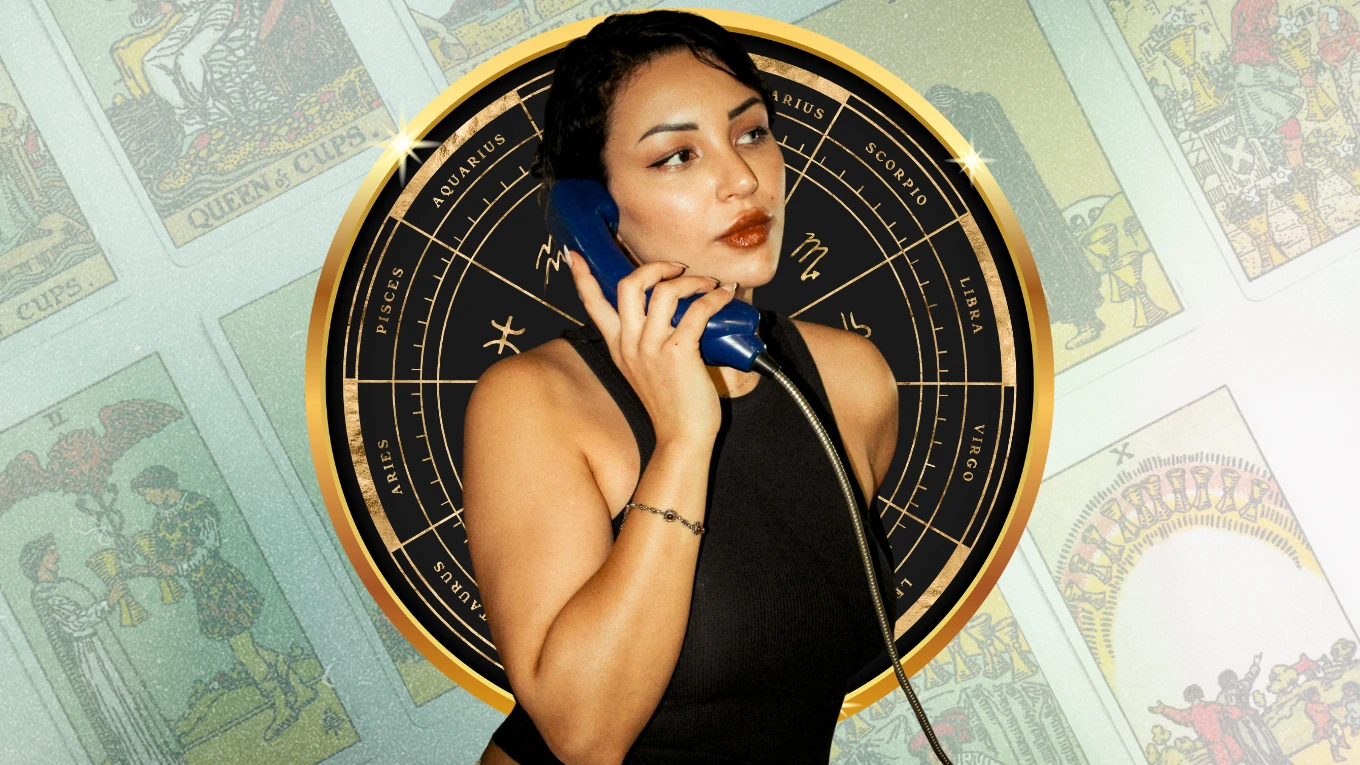
On November 4, 2025, the collective tarot card is the Four of Cups, emphasizing reflection and letting go of material pursuits, with each zodiac sign receiving personalized guidance based on their tarot card, highlighting themes of leadership, self-care, release, and growth.
The beaver moon, the second and biggest supermoon of 2025, will be full on November 5, 2025, and best viewed from North America on November 6 at dusk, appearing about 10% larger and brighter due to its proximity to Earth during perigee, making it the largest since 2019.
The biggest full moon of 2025, a supermoon, will rise on Nov. 5, appearing larger and brighter due to its closest approach to Earth at perigee. Despite media hype, the size and brightness increase are subtle and often imperceptible to the naked eye, but the event will cause notably large tides. The term 'supermoon' is often misused, as the moon reaches perigee monthly, but this event is the closest in 2025. The moon illusion may enhance the perception of size, and the event offers a spectacular skywatching opportunity.
The largest and brightest full moon of 2025 will appear on Nov. 5, coinciding with its closest approach to Earth at about 221,726 miles, often called a 'super moon,' though it appears only 7% larger than usual and may be affected by the moon illusion. Observers are encouraged to watch the moon rise in the east after sunset for a stunning view.
Skywatchers will experience the largest and brightest full moon of the year, the Beaver Moon, on November 5, 2025, with optimal viewing on November 6, as it reaches its closest point to Earth during a supermoon, appearing about 14% larger and 30% brighter than usual.