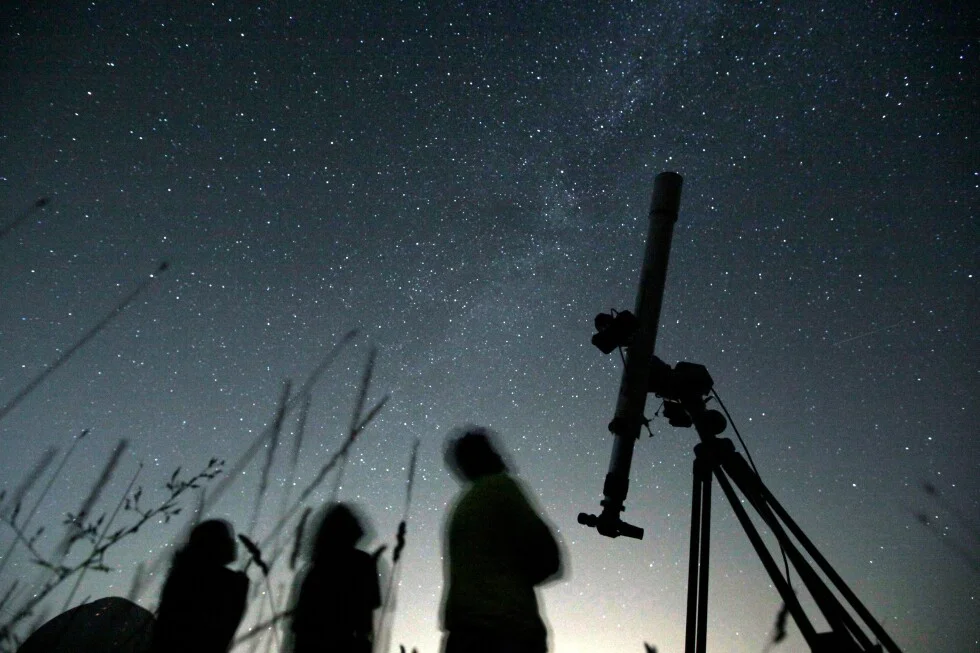
February’s Sky to Showcase Six Planets in Evening View
Skywatchers can expect six planets to be visible in the night sky toward the end of February, offering a rare multi-planet view for observers under clear, dark skies.

All articles tagged with #evening sky
Skywatchers can expect six planets to be visible in the night sky toward the end of February, offering a rare multi-planet view for observers under clear, dark skies.
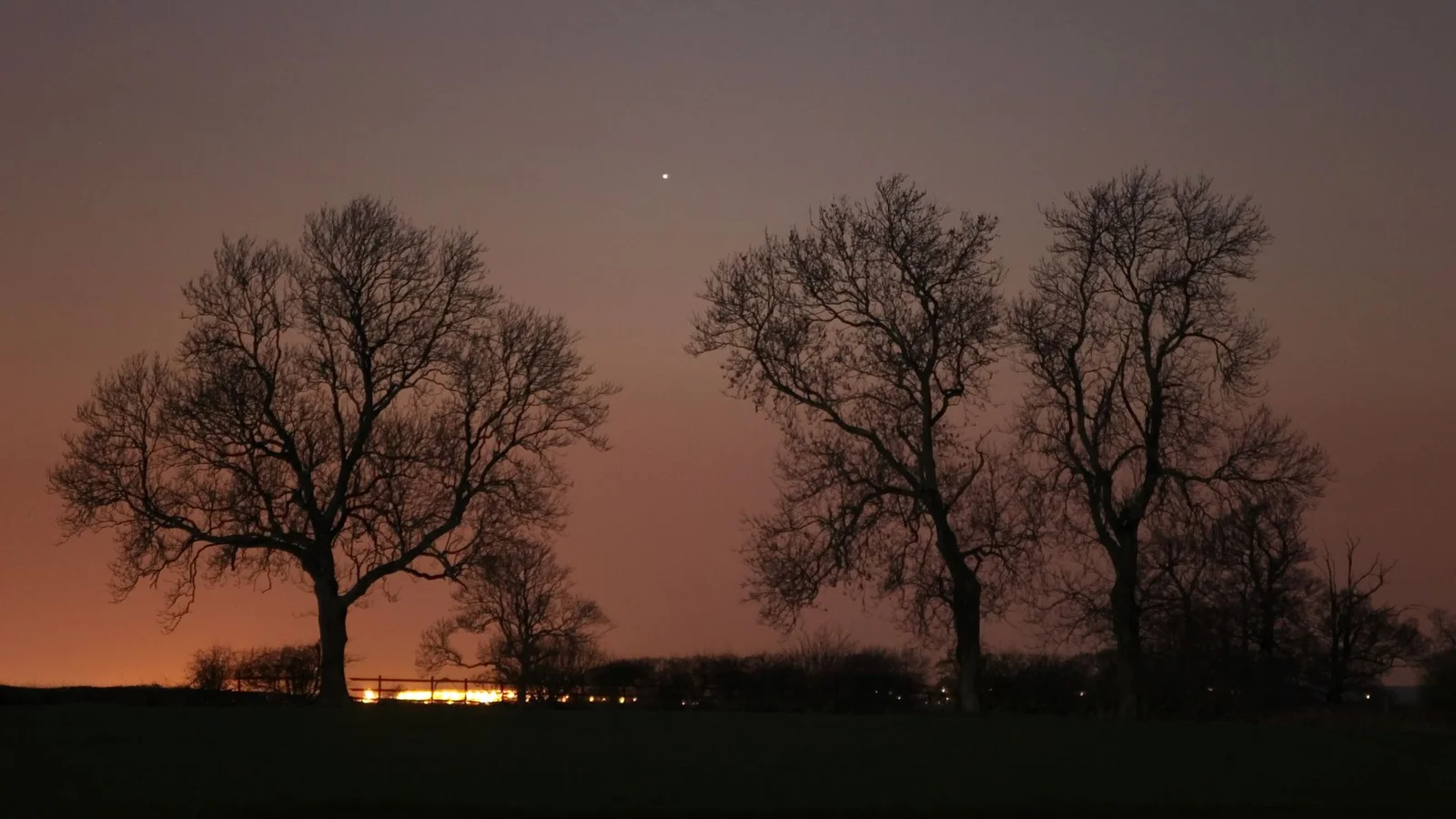
On October 29, Mercury will reach its greatest eastern elongation, making it one of the best evenings to observe the planet as it appears farthest from the sun in the twilight sky, visible near the southwestern horizon shortly after sunset.
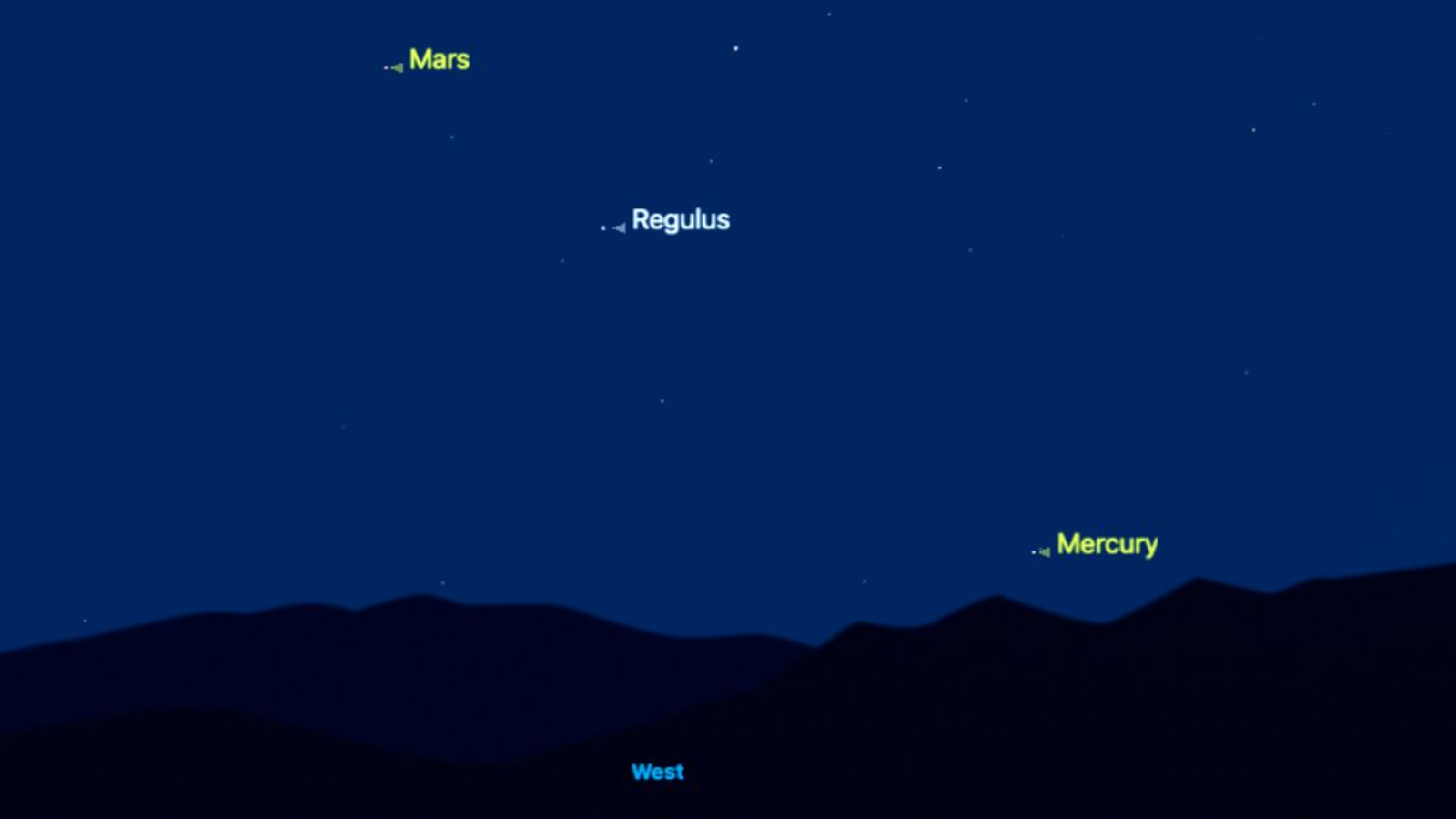
Mercury reaches its greatest eastern elongation on July 4, offering a prime opportunity to observe the planet low on the western horizon just after sunset, especially in clear, unobstructed locations, as it appears as a bright 'evening star' in the constellation Cancer.
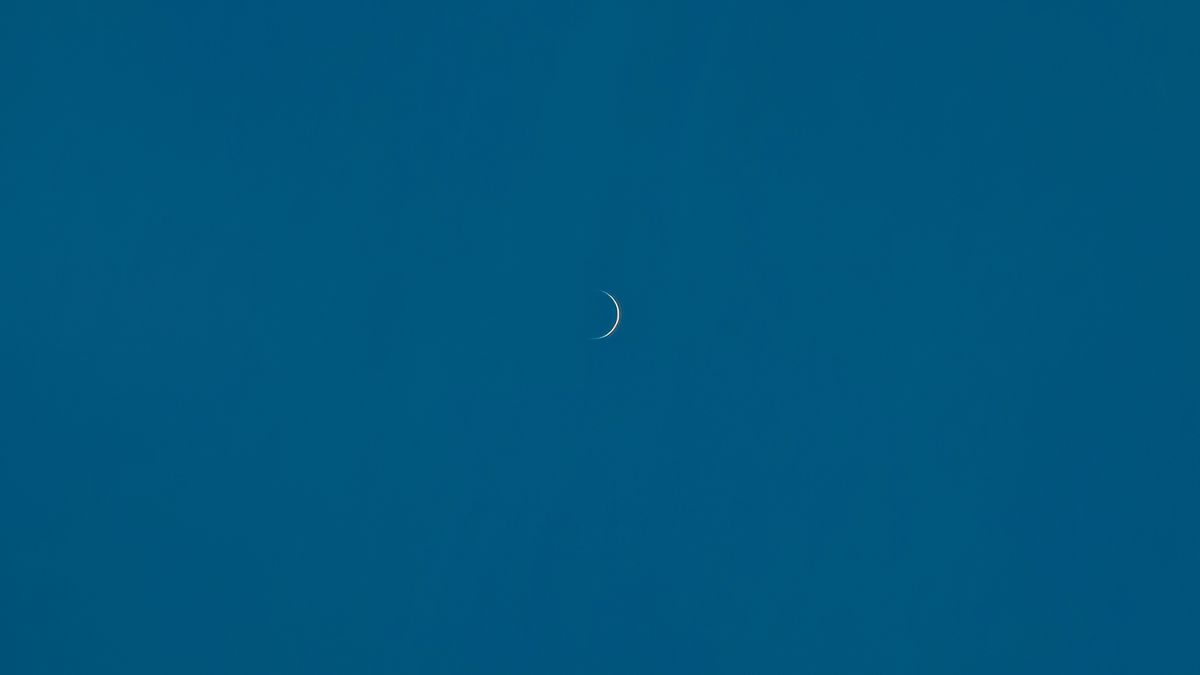
Venus is currently transitioning into its "new" phase, appearing as a slim crescent and disappearing from the evening sky. This is due to its proximity to Earth and the sun, known as inferior conjunction. Venus will be virtually invisible on August 13th, completely lost in the sun's glare. This phenomenon occurs every 19 months, as Venus' orbit around the sun is shorter than Earth's. After inferior conjunction, Venus will reemerge as the "Morning Star" in the dawn sky.