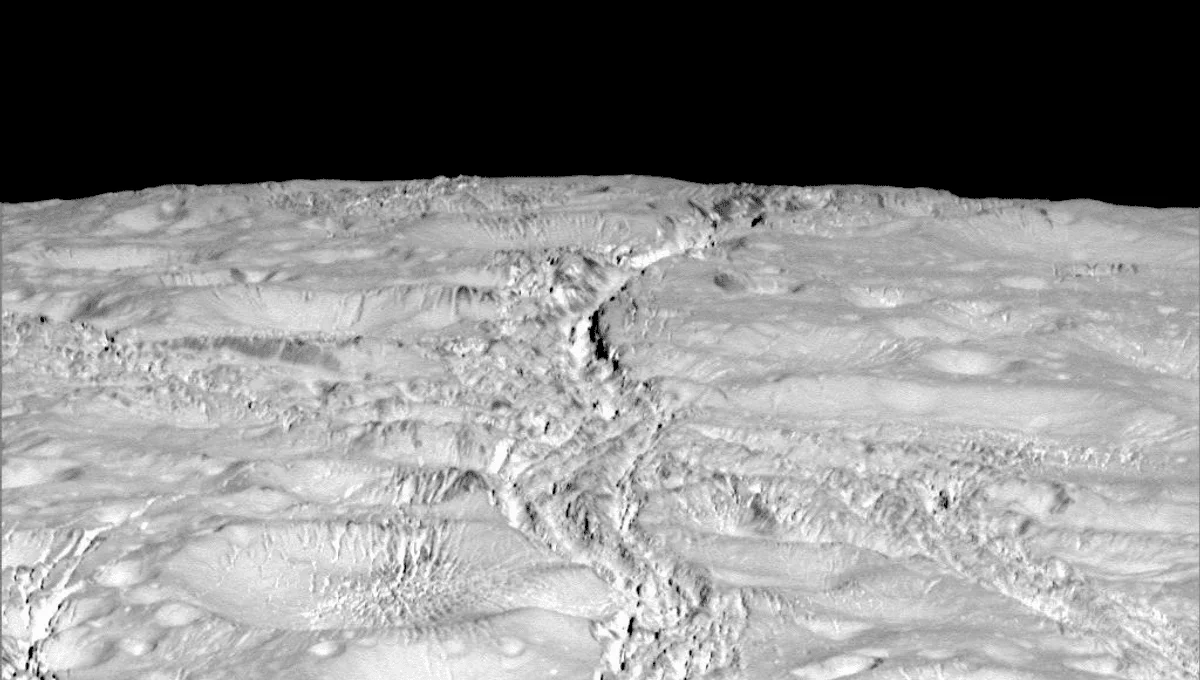
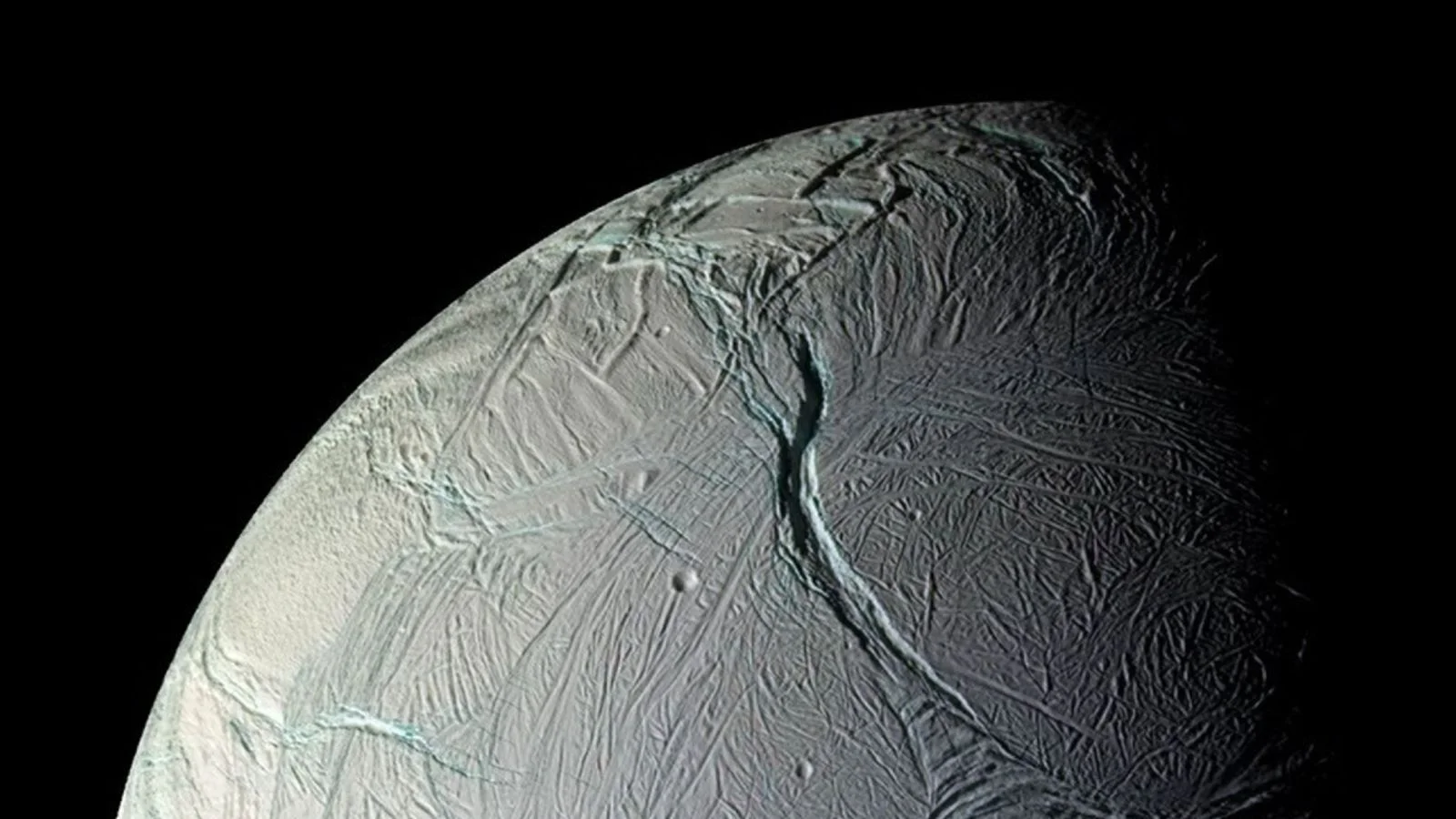
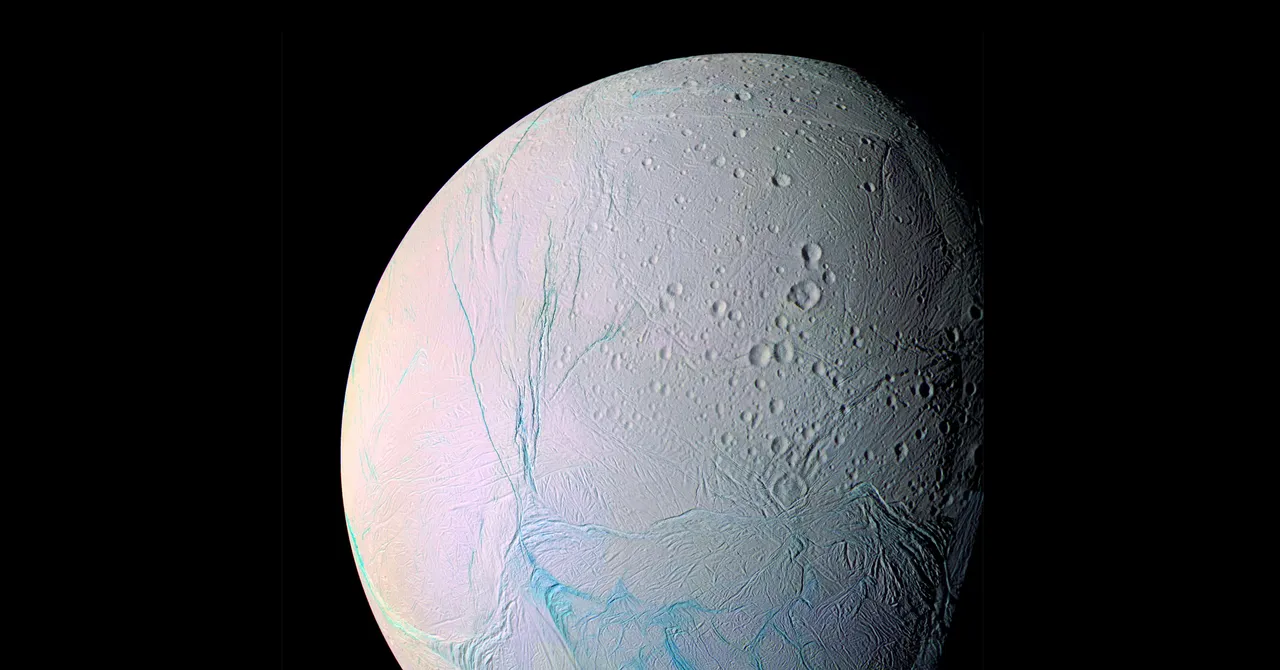
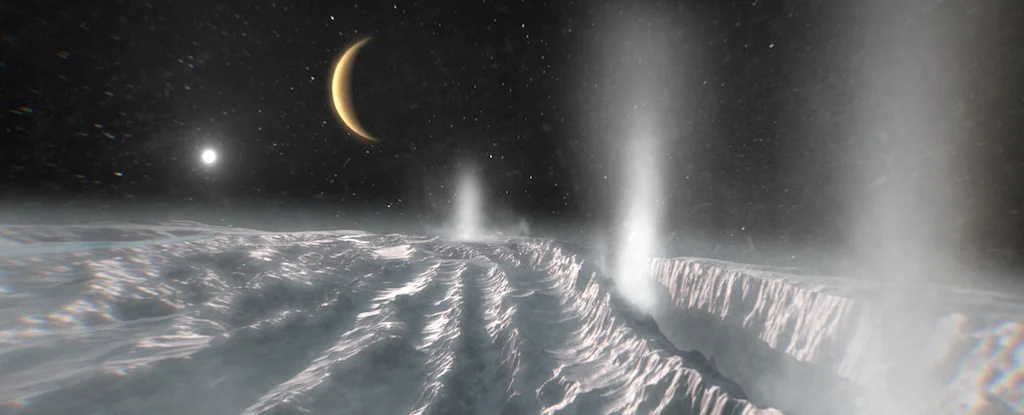
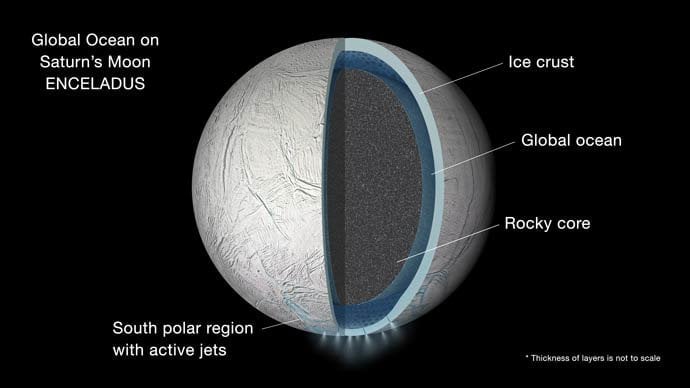
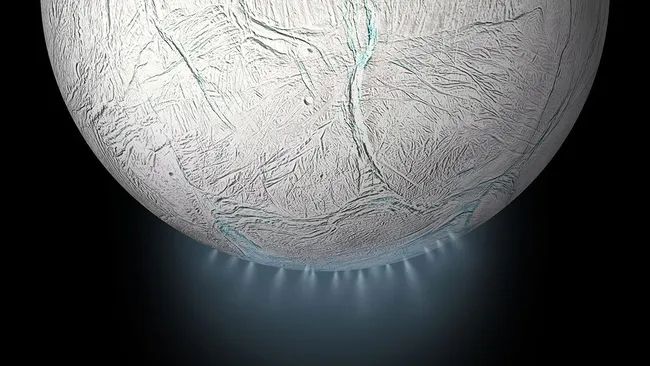
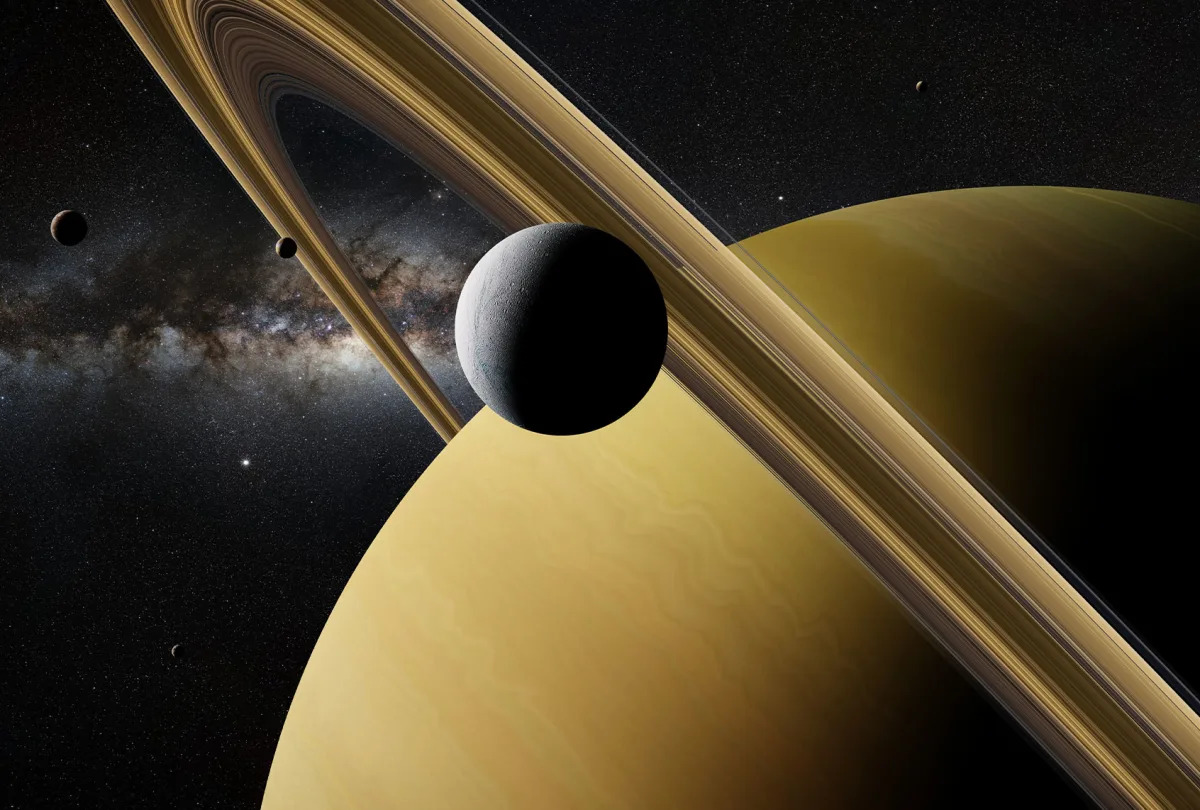
Reanalysis of Cassini data shows heat escaping from both poles of Saturn's moon Enceladus, suggesting its subsurface ocean is in long-term thermal balance, which increases the likelihood that it is an ancient, sustainable environment capable of supporting life.
Recent measurements show that Enceladus, a moon of Saturn with a subsurface ocean, is leaking more heat from its north pole than previously thought, indicating a delicate energy balance that has kept its ocean stable over long periods, making it a promising candidate for supporting life.
Recent research has discovered previously undetected organic compounds in ice ejected from Enceladus, Saturn's moon, suggesting it may harbor conditions suitable for life and warranting further investigation.
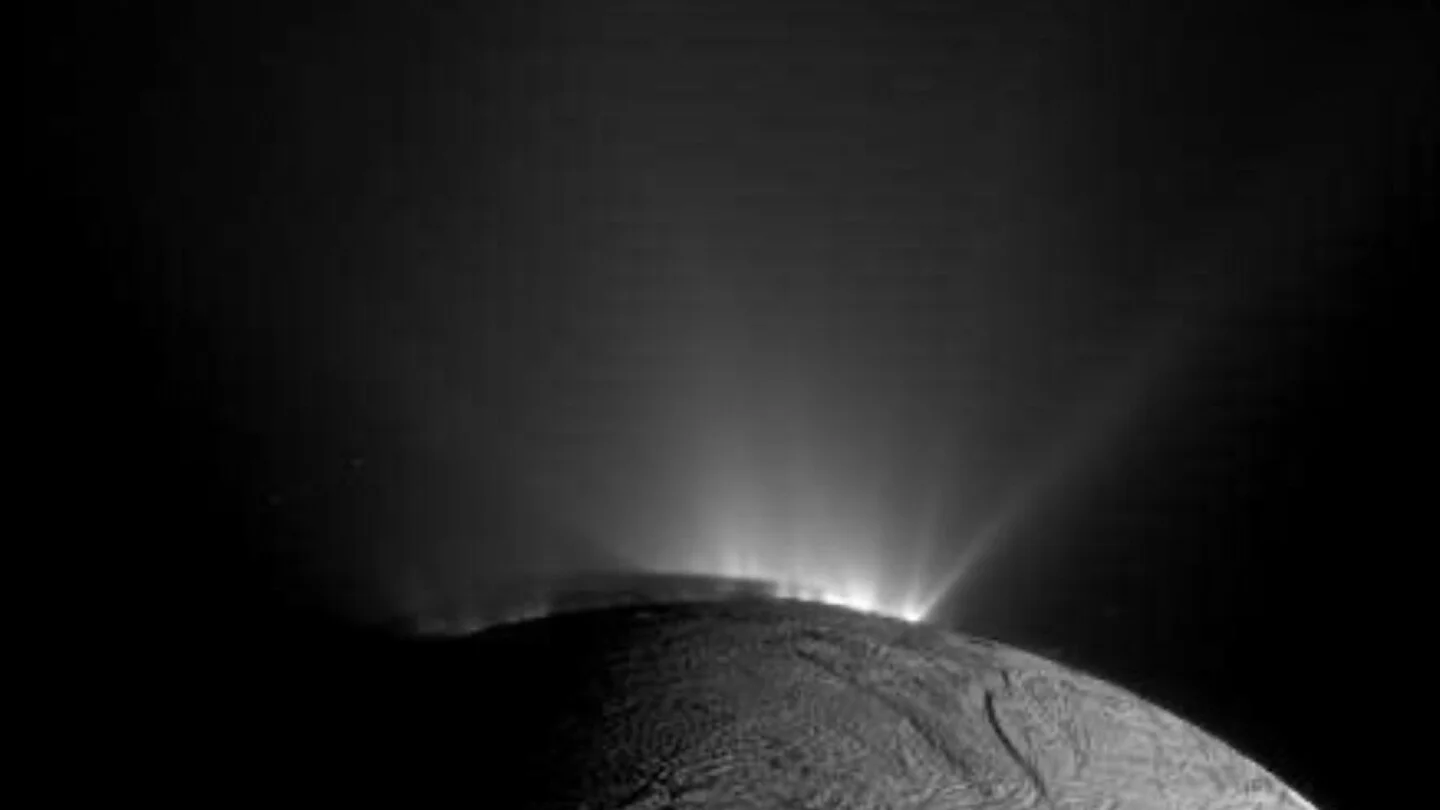
Scientists analyzing data from NASA's Cassini spacecraft have discovered new types of organic molecules in icy geysers from Saturn's moon Enceladus, suggesting the moon's subsurface ocean may be habitable and further supporting the case for future exploration missions.
New analysis of data from NASA's Cassini probe has revealed complex organic molecules in the plumes of Saturn's moon Enceladus, suggesting the presence of a habitable environment similar to Earth's deep-ocean hydrothermal systems, and raising the possibility of life-supporting conditions beneath its icy surface.
A recent study estimates that Enceladus' subsurface ocean has a highly alkaline pH of around 10.6, which suggests significant interaction between basic rocks and the ocean, and has implications for the potential habitability and search for life on this moon. The study used data from NASA's Cassini spacecraft and computer models to refine previous pH estimates, highlighting the importance of understanding Enceladus' ocean chemistry for future exploration.
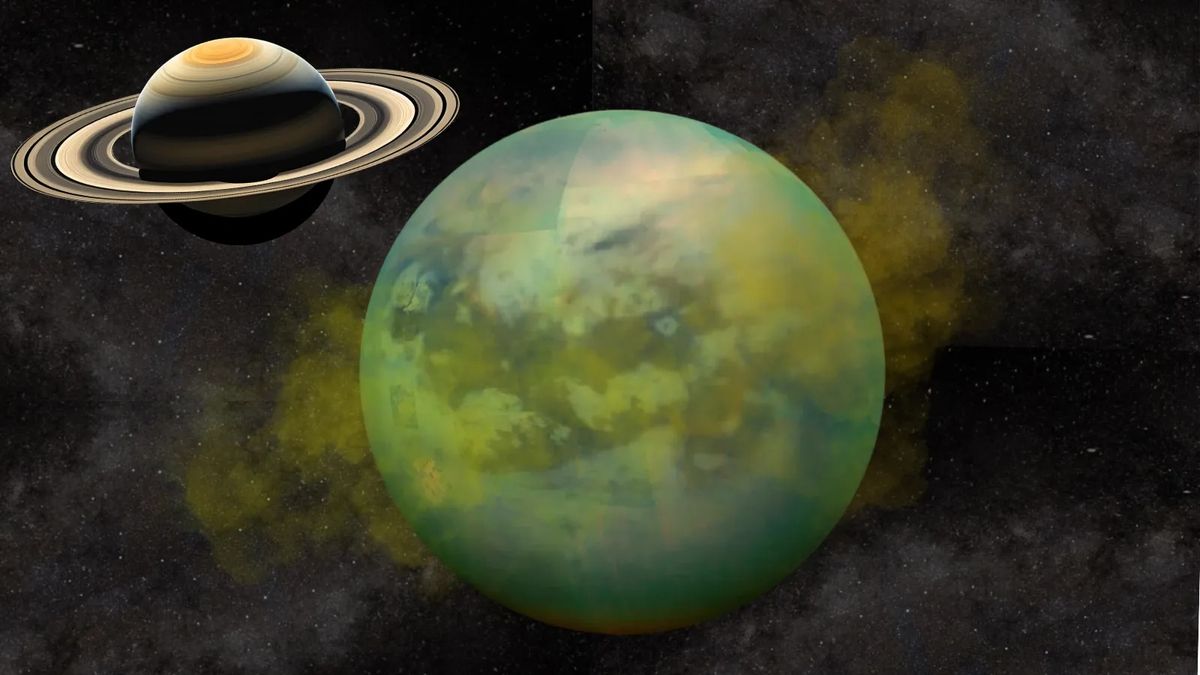
Scientists have found that Saturn's moon Titan may have a six-mile-thick crust of methane ice, which could facilitate the detection of life signs from its subsurface ocean. This methane layer might also explain Titan's methane-rich atmosphere and provide insights into Earth's climate processes. The discovery, based on shallow impact craters and computer modeling, suggests Titan's interior is warmer and more flexible than previously thought. This research could guide future missions like NASA's Dragonfly, set to explore Titan in the 2030s.
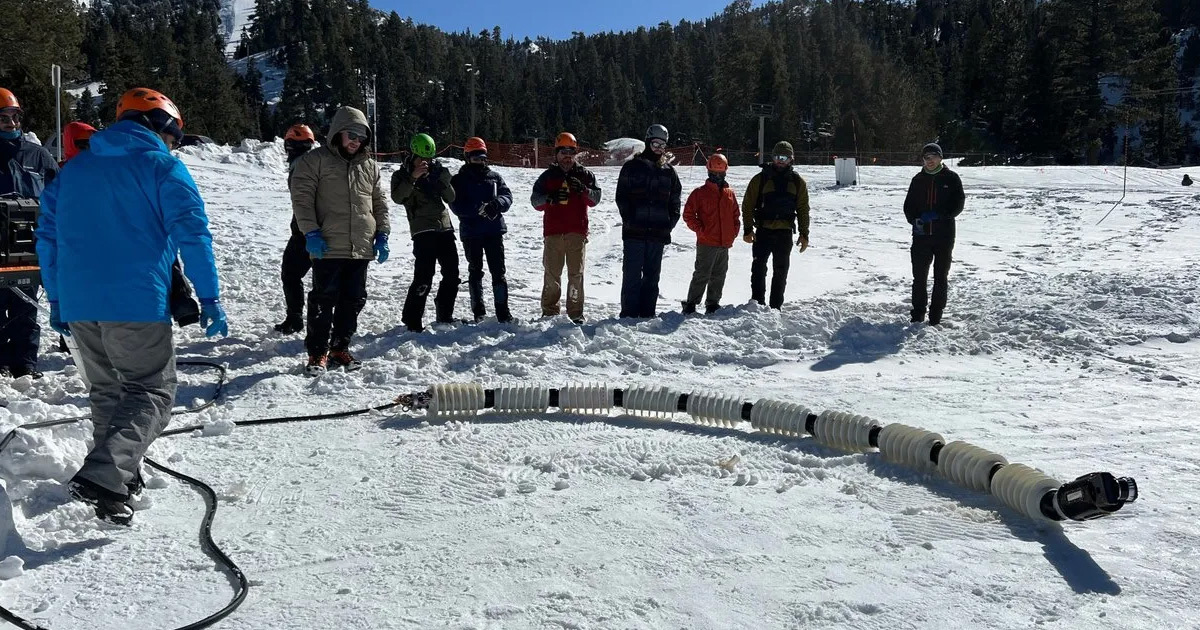
NASA is testing a snake-like robot named EELS for potential exploration of Saturn's moon Enceladus, which is believed to have subsurface oceans and conditions suitable for life. The 14-foot autonomous and self-propelled robot is designed to navigate various terrains, including oceans, sands, rocks, and cliffs, using its flexible body and array of sensors. If successful, EELS could provide valuable insights into the potential for life beyond Earth.
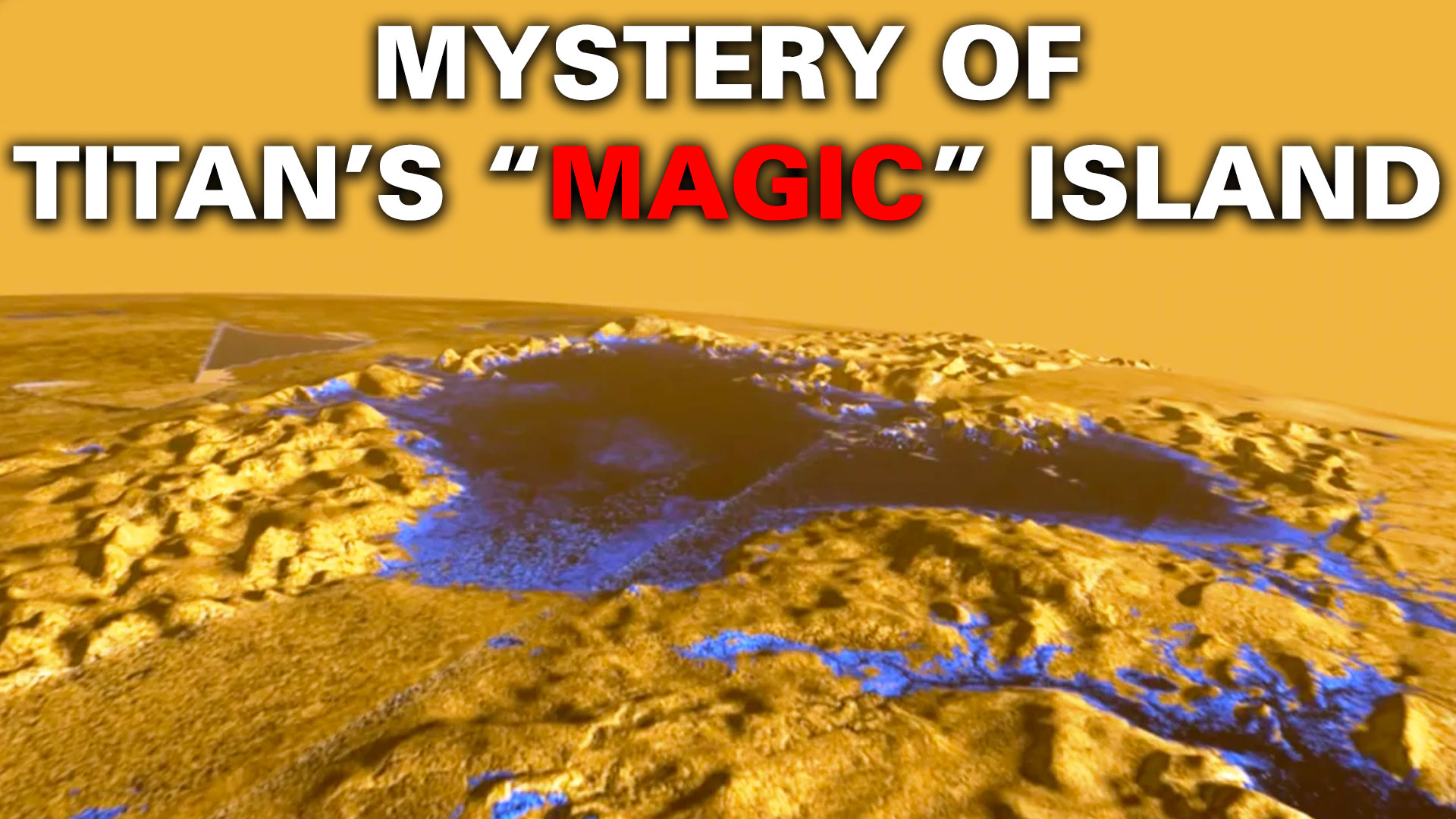
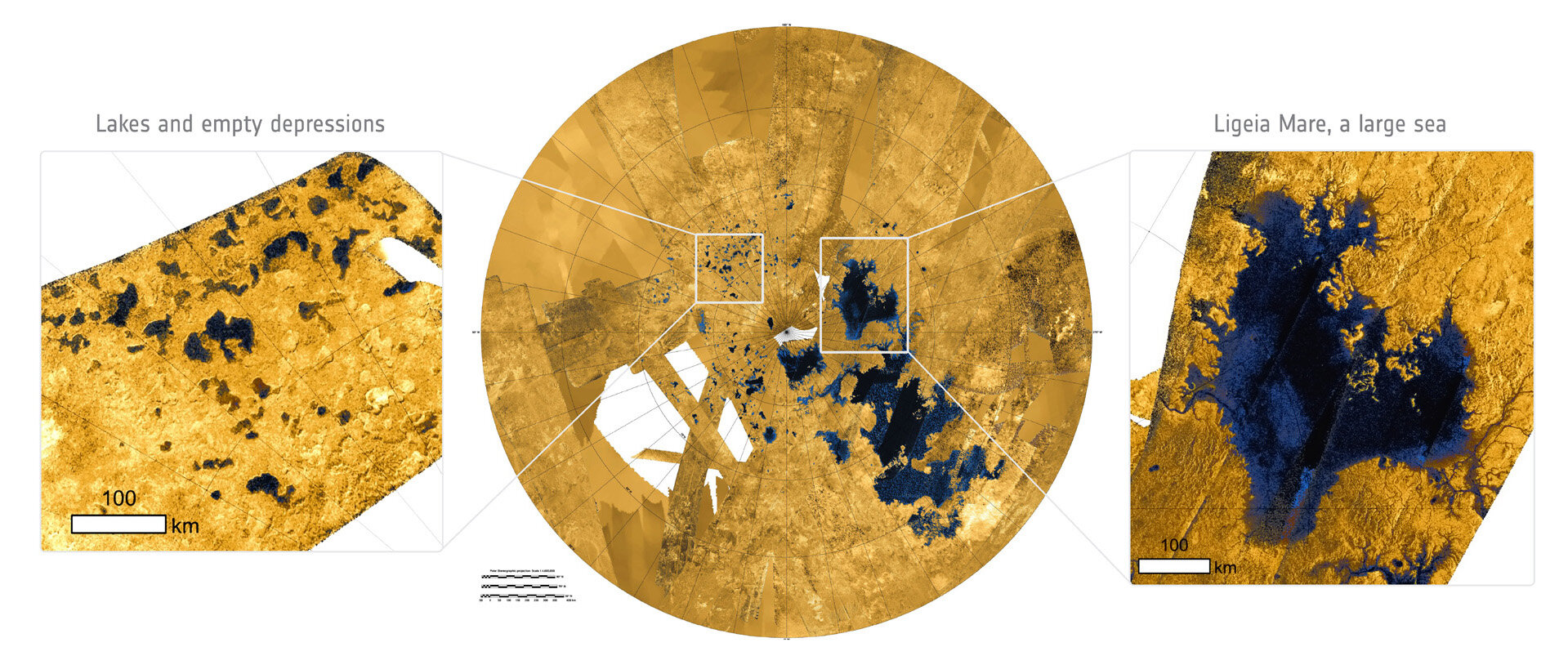
Scientists studying radar scans of Saturn's moon Titan believe that the "magic islands" observed in its lakes of liquid methane may be blobs of organic molecules that form in the atmosphere, collect in the lakes, and float around. The Cassini spacecraft, which orbited Saturn for 14 years, provided valuable data about Titan's unique features, including its dense atmosphere and stable bodies of water. Researchers found that the organic compounds on Titan's surface exist as solids, and their porous nature allows them to float, potentially explaining the temporary bright spots observed in the lakes.
A new study published in Geophysical Research Letters suggests that the mysterious "magic islands" observed on Saturn's moon Titan are likely porous hydrocarbon icebergs. These transient bright spots, first detected by the Cassini-Huygens mission, were previously thought to be gas bubbles. However, the study led by planetary scientist Xinting Yu proposes that organic molecules from Titan's atmosphere can freeze and clump together, forming buoyant structures that can float on the moon's methane and ethane lakes due to their porosity. These findings offer an explanation for both the "magic islands" and the unusual smoothness of Titan's liquid bodies.
New research suggests that spacecraft could land on Saturn's moon, Enceladus, and collect pristine traces of organic molecules, potentially indicating the presence of life. Previous understanding was that the freshest material from Enceladus' subsurface oceans could only be sampled by flying through plumes of material erupting through fissures in the moon's surface. However, scientists now believe that landing on the moon's surface can provide relatively pristine plume organics sourced from the ocean. The study also found that damaging ultraviolet (UV) photons only penetrate the top 100 micrometers of the icy surface, meaning that deeper grains remain unexposed and can act as a shield for the underlying material.
New analysis of data from NASA's Cassini mission has provided further evidence that Saturn's moon Enceladus could be a habitable ocean world. The data revealed the presence of organic compounds and a molecule called hydrogen cyanide, which is crucial for the origin of life. Scientists suspect that processes like methanogenesis, which played a role in the origin of life on Earth, may also be occurring on Enceladus. Further investigation is needed to determine the dilution of organic compounds in the moon's subsurface ocean, which could determine its potential to support life. Future missions to Enceladus may provide a definitive answer regarding the existence of life in its ocean.
New analysis of data from NASA's Cassini mission has provided further evidence that Saturn's moon Enceladus is a habitable ocean world. The analysis revealed the presence of organic compounds and the molecule hydrogen cyanide, which is crucial for the origin of life. These findings suggest that Enceladus has the necessary ingredients for life, including water, energy, and chemical elements. The discovery of varied and powerful chemical energy sources within Enceladus' ocean indicates the potential for sustaining life. Future missions are needed to investigate the dilution of organic compounds and determine whether life exists on Enceladus.
New evidence suggests that Saturn's moon Enceladus may be more likely to sustain life than previously thought. Astronomers have found strong evidence of hydrogen cyanide, an essential molecule for forming amino acids, in the plumes of water ice erupting from fractures near the moon's south pole. The presence of oxidized organic compounds also suggests multiple pathways for sustaining life in Enceladus' subsurface ocean. While scientists are still far from a definitive conclusion, this study provides further support for the potential habitability of Enceladus.
Saturn's moon, Enceladus, may have the ideal ratio of elements to support life, according to data from NASA's Cassini spacecraft mission. The moon's water plumes contain a mix of chemicals, including carbon dioxide, water vapor, ammonia, and phosphorus. The Redfield ratio, which is critical for sustaining life on Earth, is also present on Enceladus. While signs of methanogenesis suggest the possibility of life, further research is needed to determine the complexity of organisms. Jupiter's moon, Europa, also shows potential for sustaining life. As more data is gathered, scientists hope to understand the conditions necessary for life on these celestial bodies.