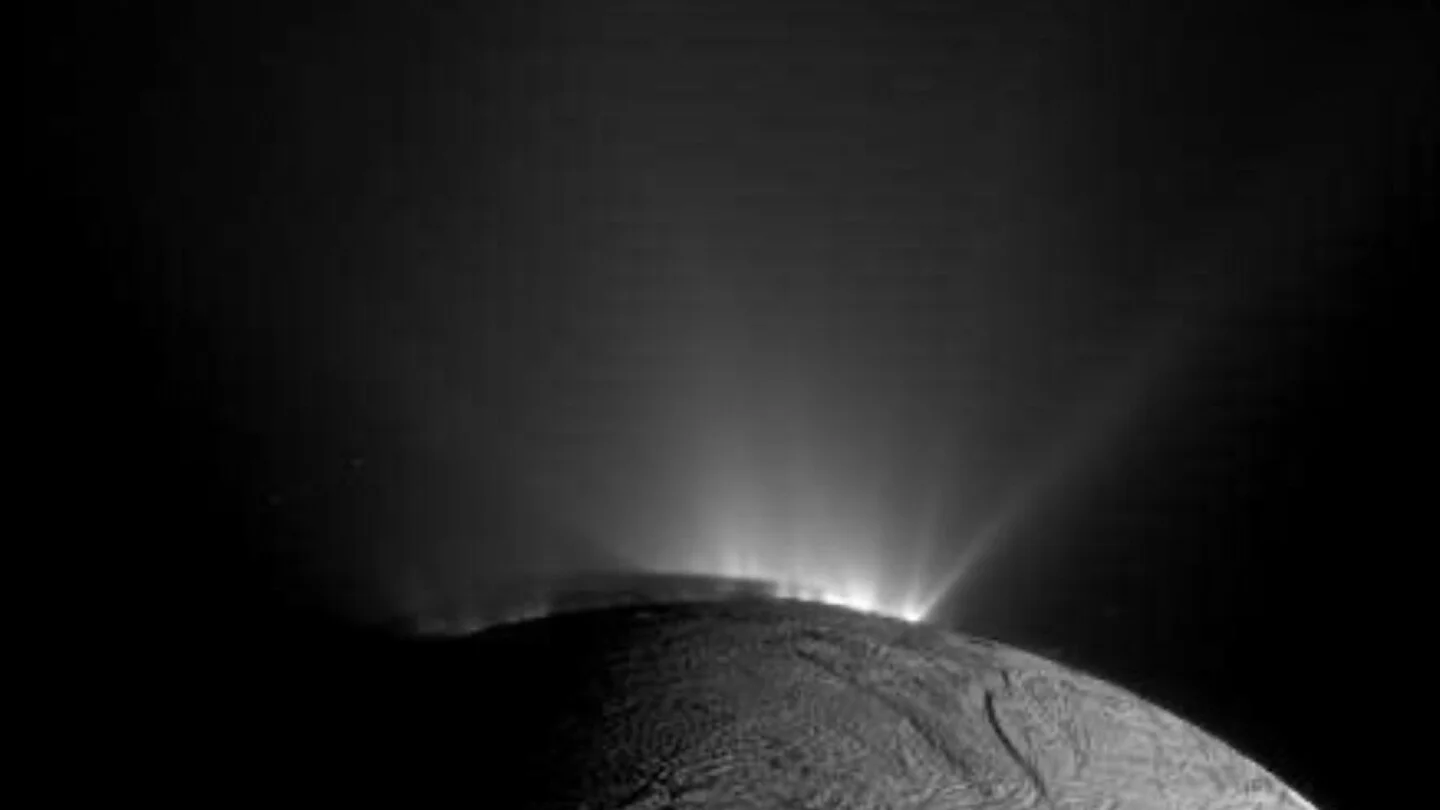
Scientists analyzing data from NASA's Cassini spacecraft have discovered new types of organic molecules in icy geysers from Saturn's moon Enceladus, suggesting the moon's subsurface ocean may be habitable and further supporting the case for future exploration missions.
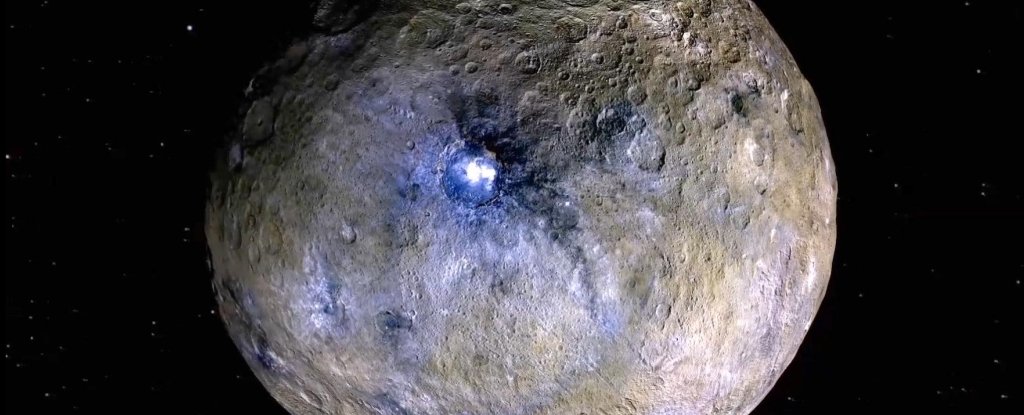
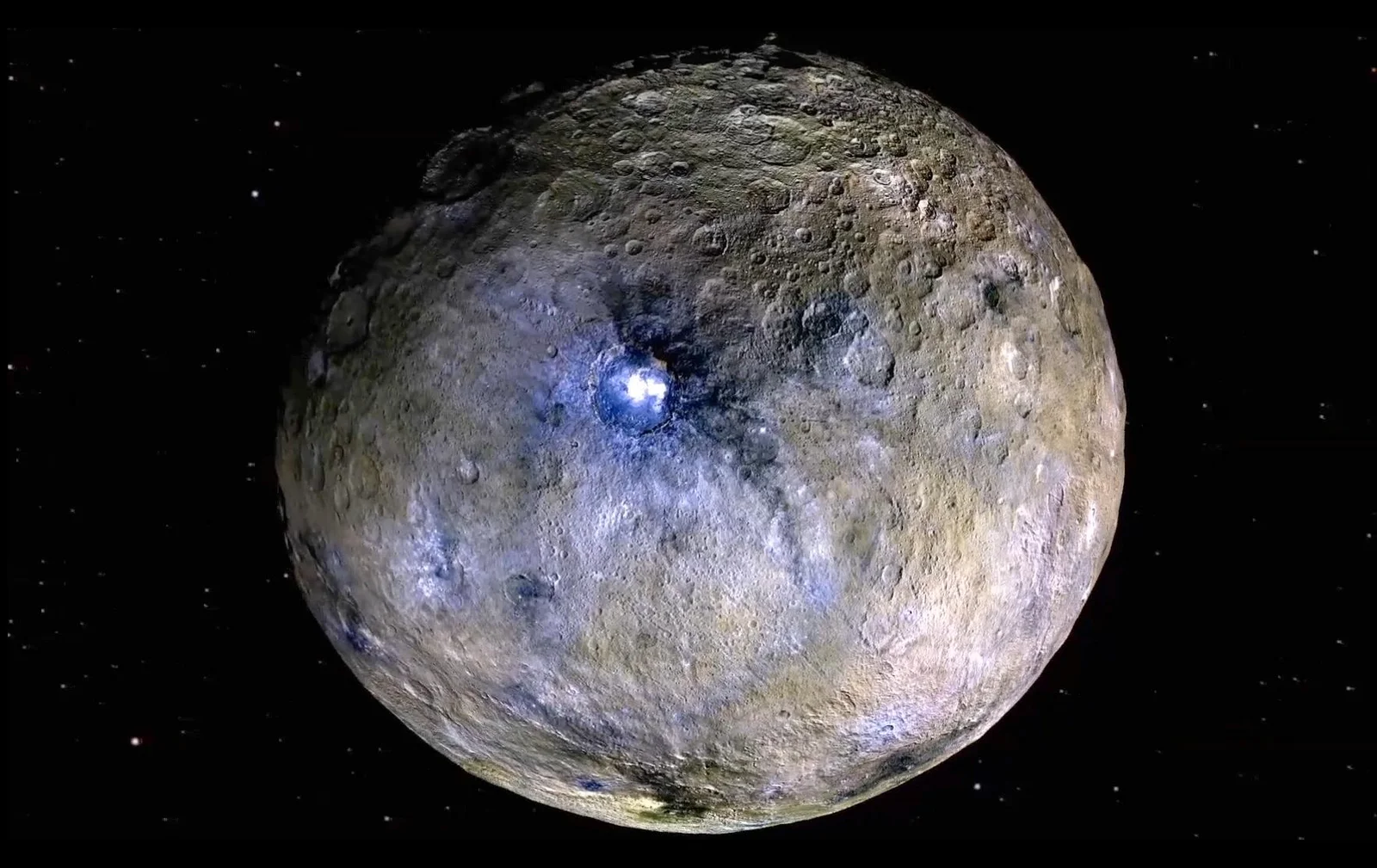
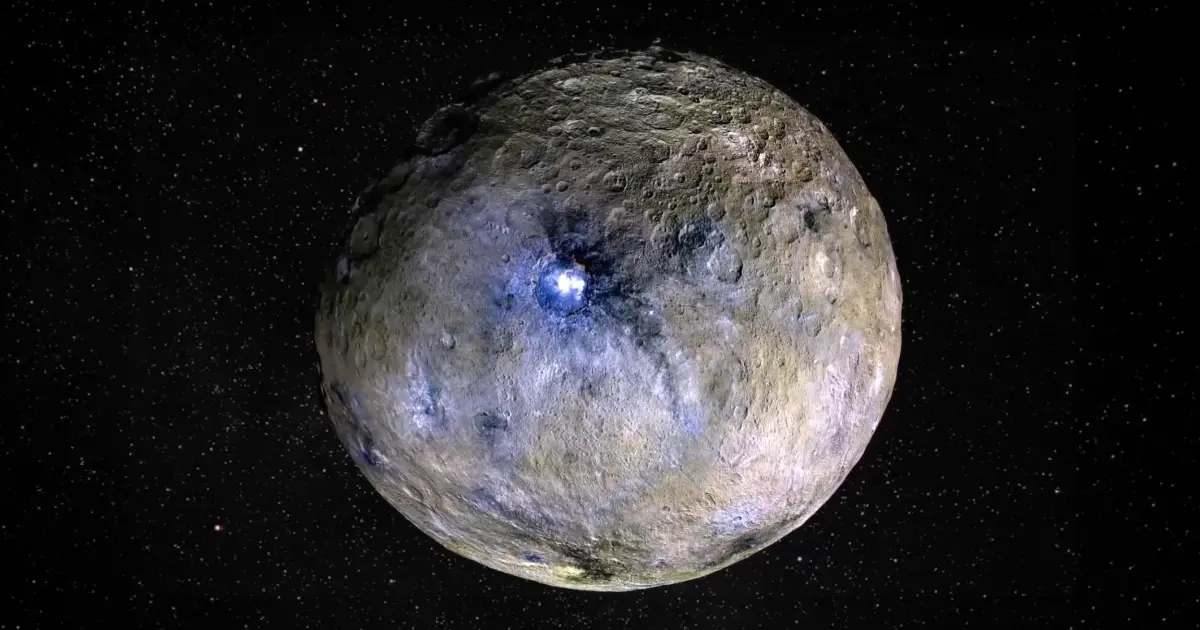
NASA's Dawn mission revealed that Ceres, the largest object in the Asteroid Belt, may have supported single-celled life 2.5 to 4 billion years ago due to a once-active subsurface water reservoir heated by radioactive decay, although it likely no longer has an internal ocean today.
NASA research suggests that Ceres, the largest object in the asteroid belt, may have supported single-celled life 2.5 to 4 billion years ago due to a once-present subsurface water reservoir heated by radioactive decay, despite being too cold now to sustain liquid water.
Ceres, the largest object in the asteroid belt, is a nearly spherical dwarf planet with complex geology and evidence of a once-frozen ocean, making it a compelling target for future exploration and the search for past life in our solar system.
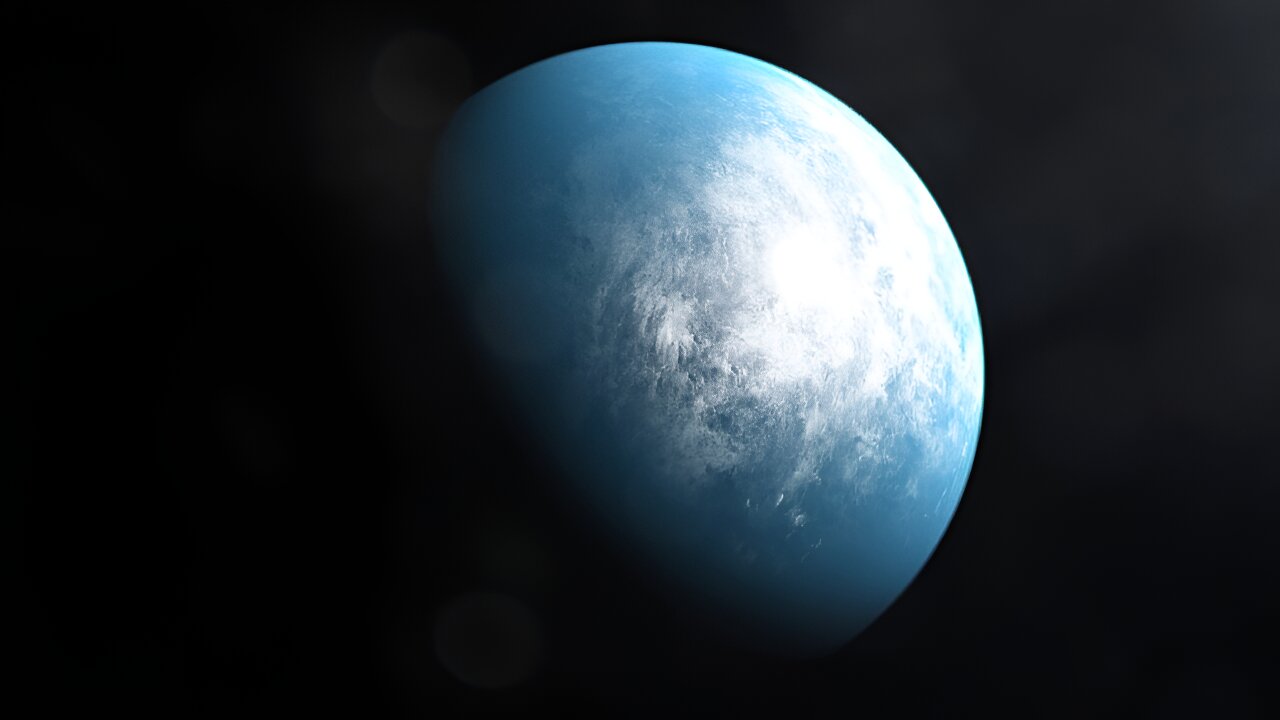
Scientists using the James Webb Space Telescope have identified the exoplanet LHS 1140 b, located 48 light years from Earth, as a potential ocean world. Initially thought to be a mini-Neptune, new observations reveal it is a rocky "super-Earth" with significant water content, possibly in liquid form. This makes LHS 1140 b one of the best candidates for finding liquid water on an alien world. Further research is needed to confirm the presence of an atmosphere and key gases like carbon dioxide.
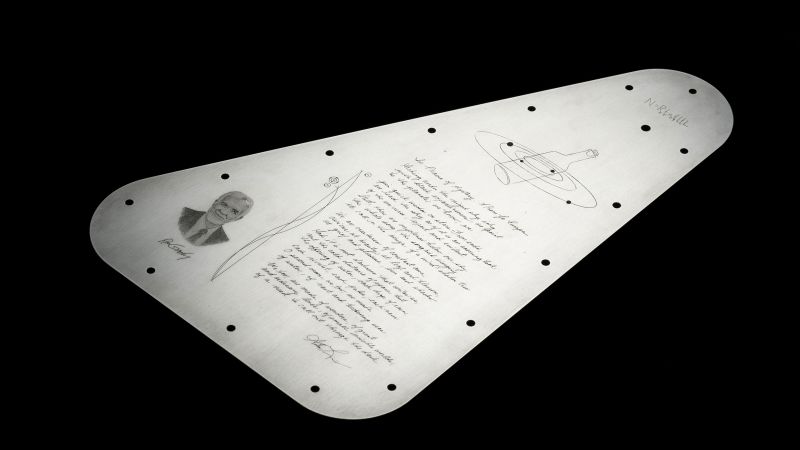
NASA's Europa Clipper mission, set to launch in October, will carry a unique design etched with names, poetry, and artwork symbolizing humanity to Jupiter's moon Europa, one of the best places to search for life beyond Earth. The spacecraft will carry a triangular plate made of tantalum, featuring a silicon microchip with over 2.6 million names, a poem by US Poet Laureate Ada Limón, and a portrait of planetary sciences pioneer Ron Greeley. The plate also includes the Drake Equation and waveforms depicting the word "water" in 103 languages. Europa Clipper aims to make nearly 50 flybys of Europa to study its potential to support life using various instruments, including cameras, spectrometers, and ice-penetrating radar.
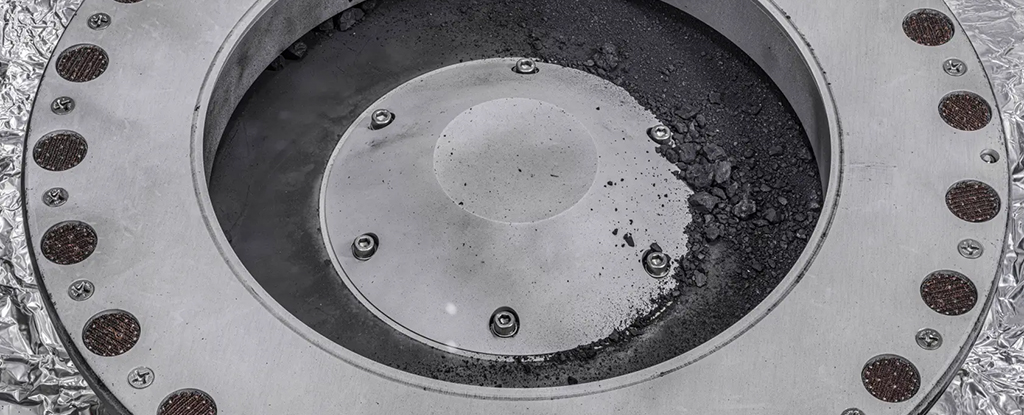
NASA scientists are analyzing fragments from the Bennu asteroid and have found evidence suggesting it originated from an ancient ocean world, based on the unique phosphate crust detected. The mineral's chemistry resembles that found on Saturn's moon, Enceladus, and is a crucial building block of life, supporting the hypothesis that asteroids may have sparked life on Earth. The world Bennu was part of likely resembled Enceladus but was destroyed by a collision, forming thousands of asteroids. This rare opportunity to study asteroid samples will provide insights into the formation of the Solar System and our origins, with ongoing research expected to yield more discoveries and possibly confirm the type of planetesimal that spawned Bennu.
Astronomers have discovered evidence of a vast liquid ocean beneath the icy surface of Saturn's moon Mimas, contradicting its "Death Star" nickname. The findings, based on observations from NASA's Cassini spacecraft, suggest that the ocean formed relatively recently, making Mimas a potential location for studying the origins of life in the solar system. Despite lacking visible signs of subterranean ocean activity, the moon's young ocean provides unexpected evidence that even small, seemingly inactive moons can harbor conditions supportive of life.
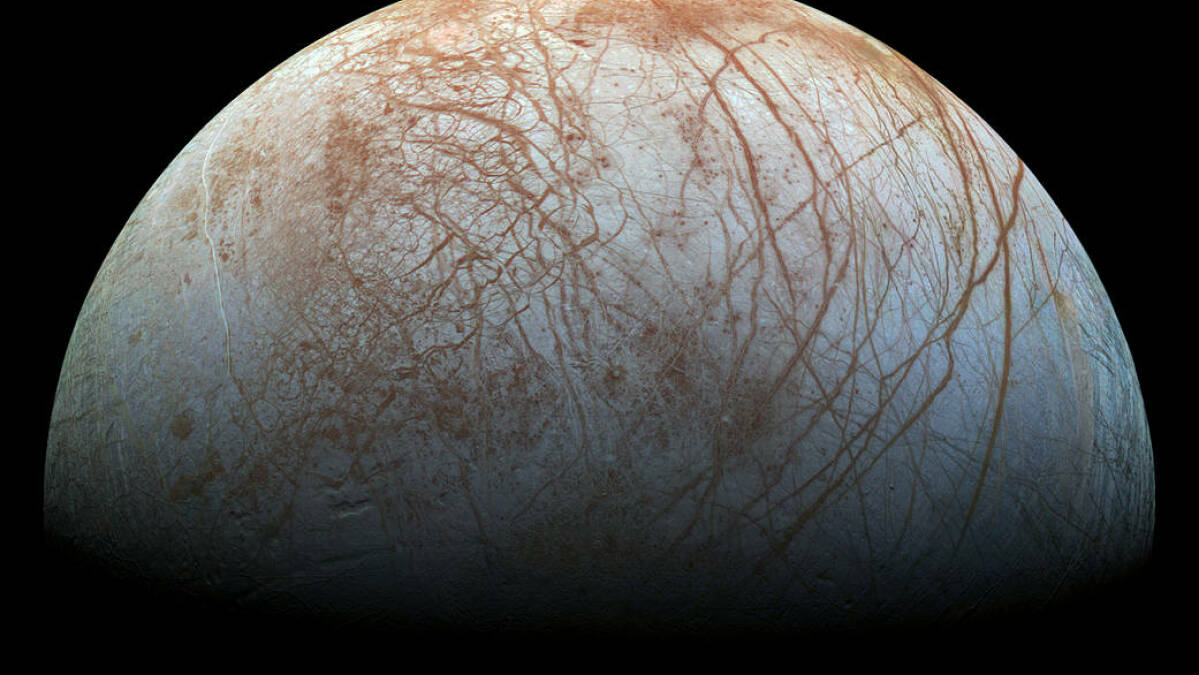
The James Webb Space Telescope has made a significant discovery on Jupiter's moon Europa, revealing the presence of carbon dioxide on its surface. This finding suggests that the carbon likely originated from Europa's internal ocean, making the moon an even more compelling target for further exploration. The concentration of carbon dioxide is highest in a region called Tara Regio, which also contains salt. NASA plans to launch the Europa Clipper mission in 2024 to investigate whether Europa's subsurface could support life. The Webb telescope's powerful capabilities, including its giant mirror and infrared view, allow it to peer into the deepest cosmos and study planets and moons in our solar system.