Tag

Heat Flow

All articles tagged with #heat flow

physics1 year ago

"MIT Physicists Capture First Images of Second Sound in Superfluid"

MIT physicists have captured direct images of "second sound," the movement of heat sloshing back and forth within a superfluid, for the first time. This breakthrough will expand scientists' understanding of heat flow in superconductors and neutron stars, and could lead to better-designed systems. The team visualized second sound in a superfluid by developing a new method of thermography using radio frequency to track heat's pure motion, independent of the physical motion of fermions. The findings will help physicists get a more complete picture of how heat moves through superfluids and other related materials.

space-science2 years ago

"Discovery: Scientists Uncover Lunar Hot Spot on Moon's Far Side"

Scientists have discovered a hot spot on the Moon's far side using data from Chinese orbiting spacecraft. The rocks beneath an ancient volcano on the Moon's far side remain surprisingly warm, with a heat flow 20 times higher than the average for the highlands. The source of the hotspot is not active volcanism but rather radioactive elements within the now-solidified rock that was once molten lava billions of years ago. This finding could help scientists better understand the Moon's past, but further research is needed to determine how such a feature can exist without water or plate tectonics.

earth-science2 years ago

The Intricacies of Earth's Magnetic Field and Heat Flow.

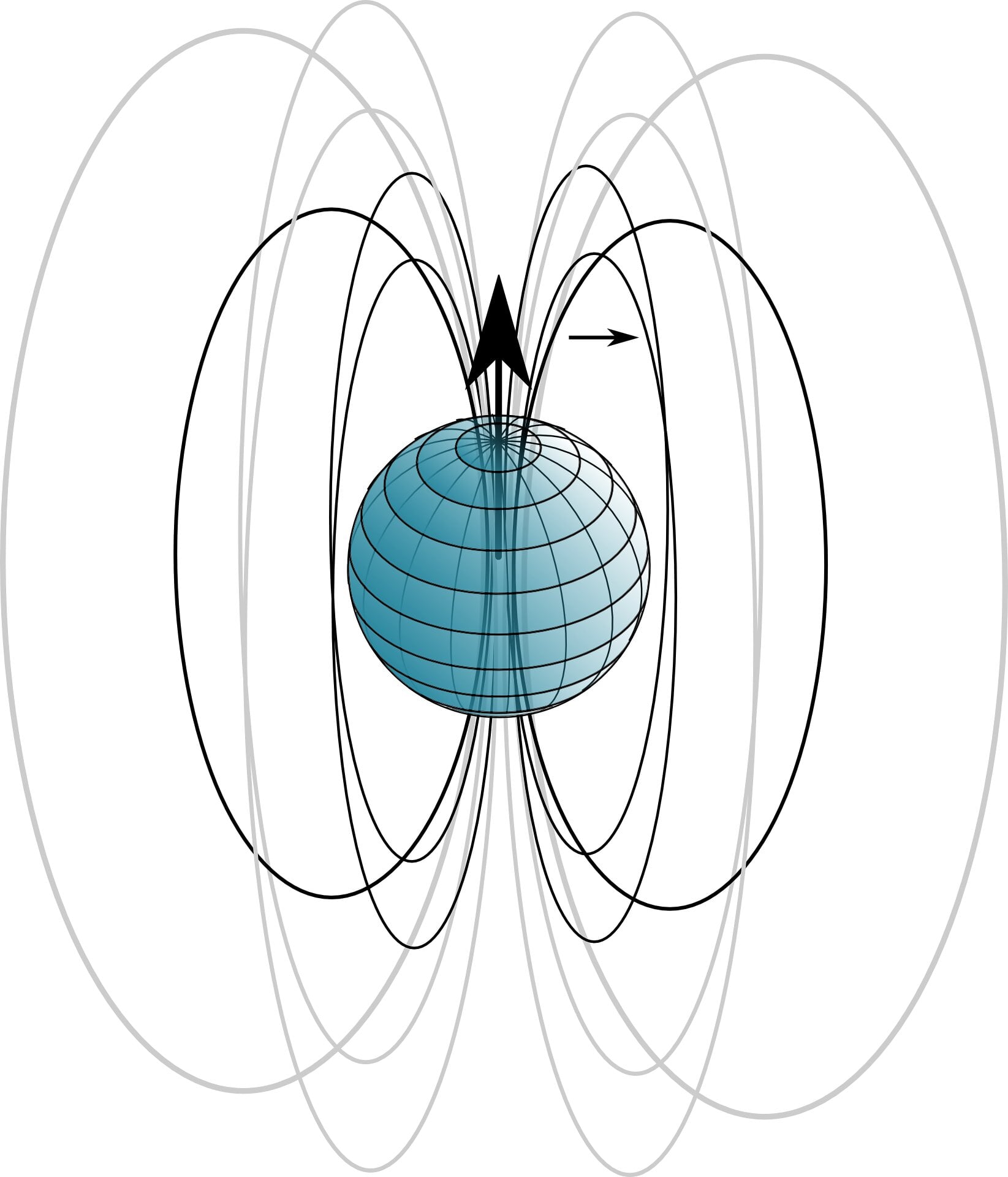
Geophysicists at the University of Leeds have found that the way the Earth's super-hot core is cooled is key to understanding the anomalies of the Earth's magnetic field. Variations in the cooling process cause localized changes to the properties of the magnetic field, resulting in weaker magnetic fields that can interfere with orbiting satellites. The anomalies are likely caused by differences in the rate at which heat flows from the Earth's core into the mantle, and where these differences happen in the Earth's inner structure is likely to dictate how long they could last.