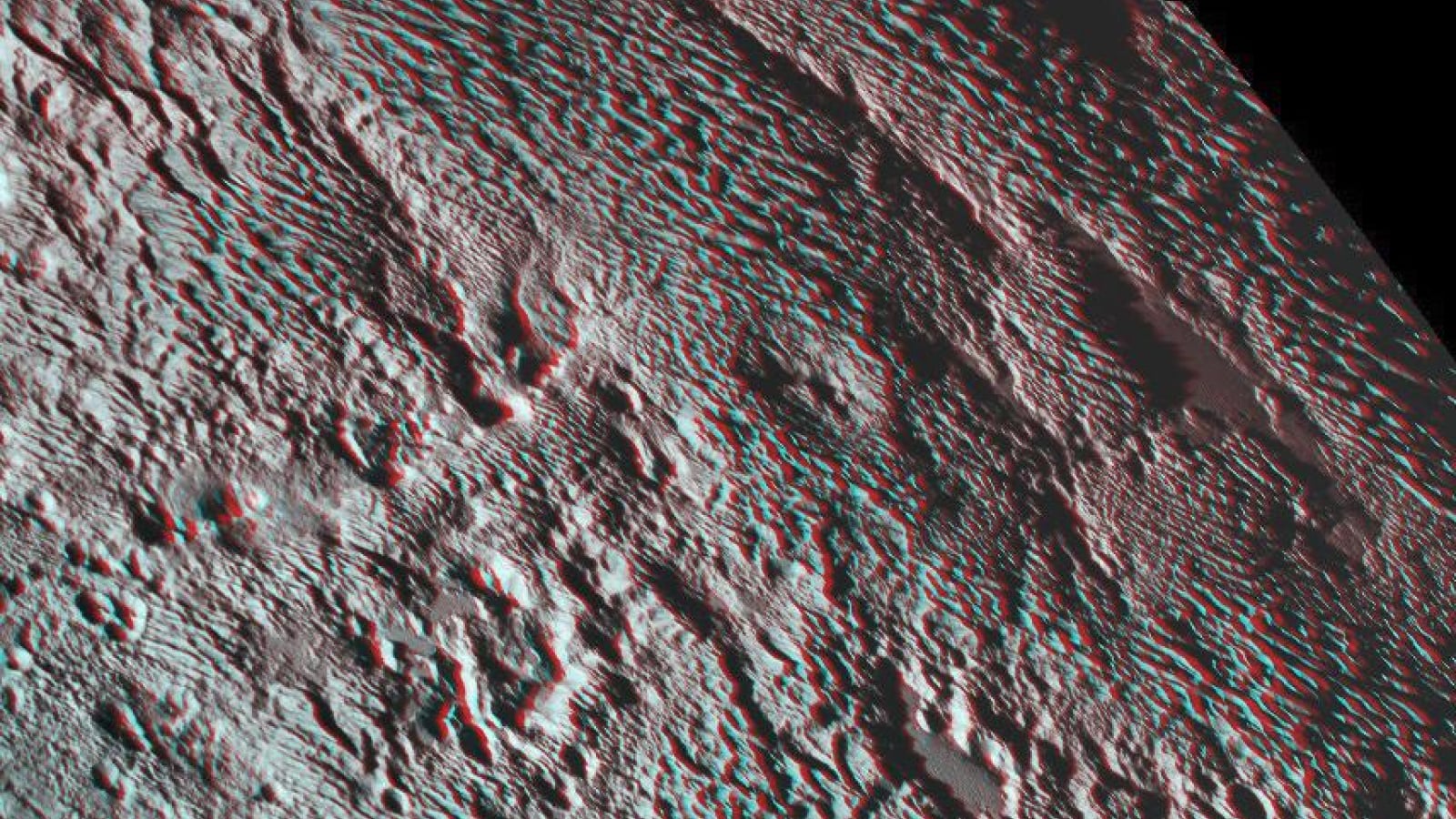
A new study suggests that skyscraper-sized methane ice spires, forming bladed terrain, cover about 60% of Pluto's equator, mainly on the non-encounter hemisphere, based on indirect surface roughness analysis from NASA's New Horizons data.
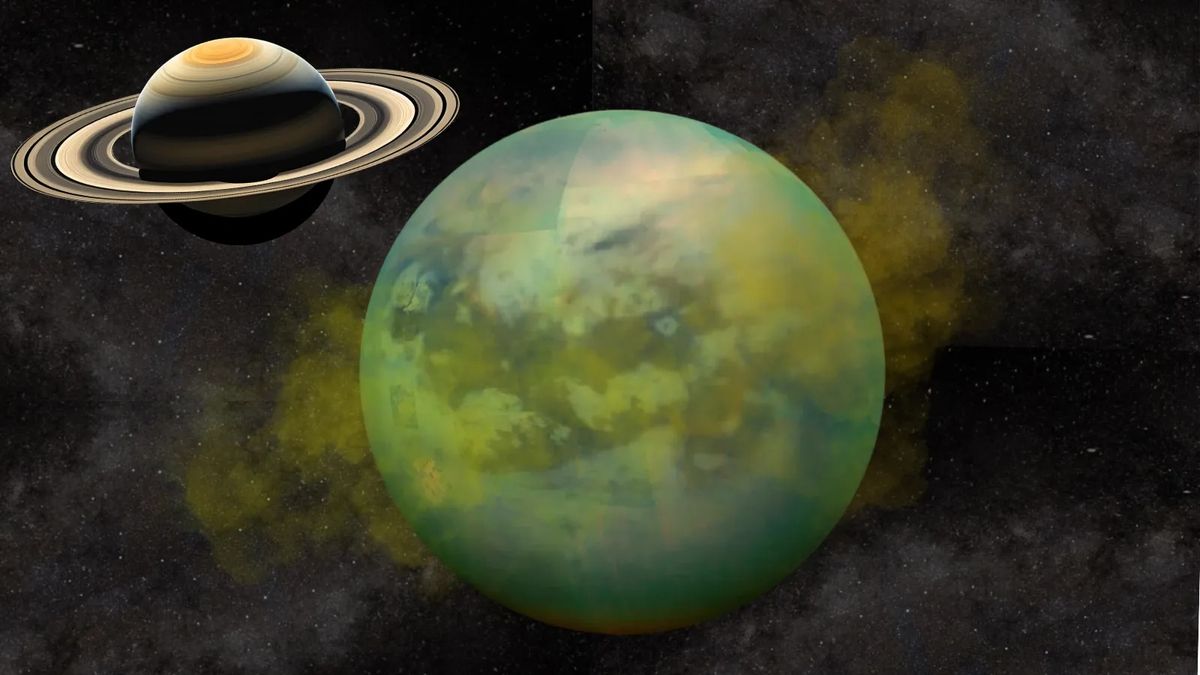
Scientists have found that Saturn's moon Titan may have a six-mile-thick crust of methane ice, which could facilitate the detection of life signs from its subsurface ocean. This methane layer might also explain Titan's methane-rich atmosphere and provide insights into Earth's climate processes. The discovery, based on shallow impact craters and computer modeling, suggests Titan's interior is warmer and more flexible than previously thought. This research could guide future missions like NASA's Dragonfly, set to explore Titan in the 2030s.
A new study suggests that Uranus and Neptune may contain tons of methane ice in addition to frozen water, challenging previous beliefs about their composition. The findings could help solve the puzzle of how these icy worlds formed, as they coalesced from planetesimals rich in carbon. The study's authors built models of the planets' interiors and found that those with methane fit their criteria, with the methane forming a thick layer between the hydrogen-helium envelope and the water layer. This discovery could provide greater insight into these little-understood planets, although confirming their methane content would be challenging and may require future space missions.