Tag

Satellite Reentry

All articles tagged with #satellite reentry

science-and-technology1 year ago

Starlink Satellite's Fiery Descent Lights Up US Skies

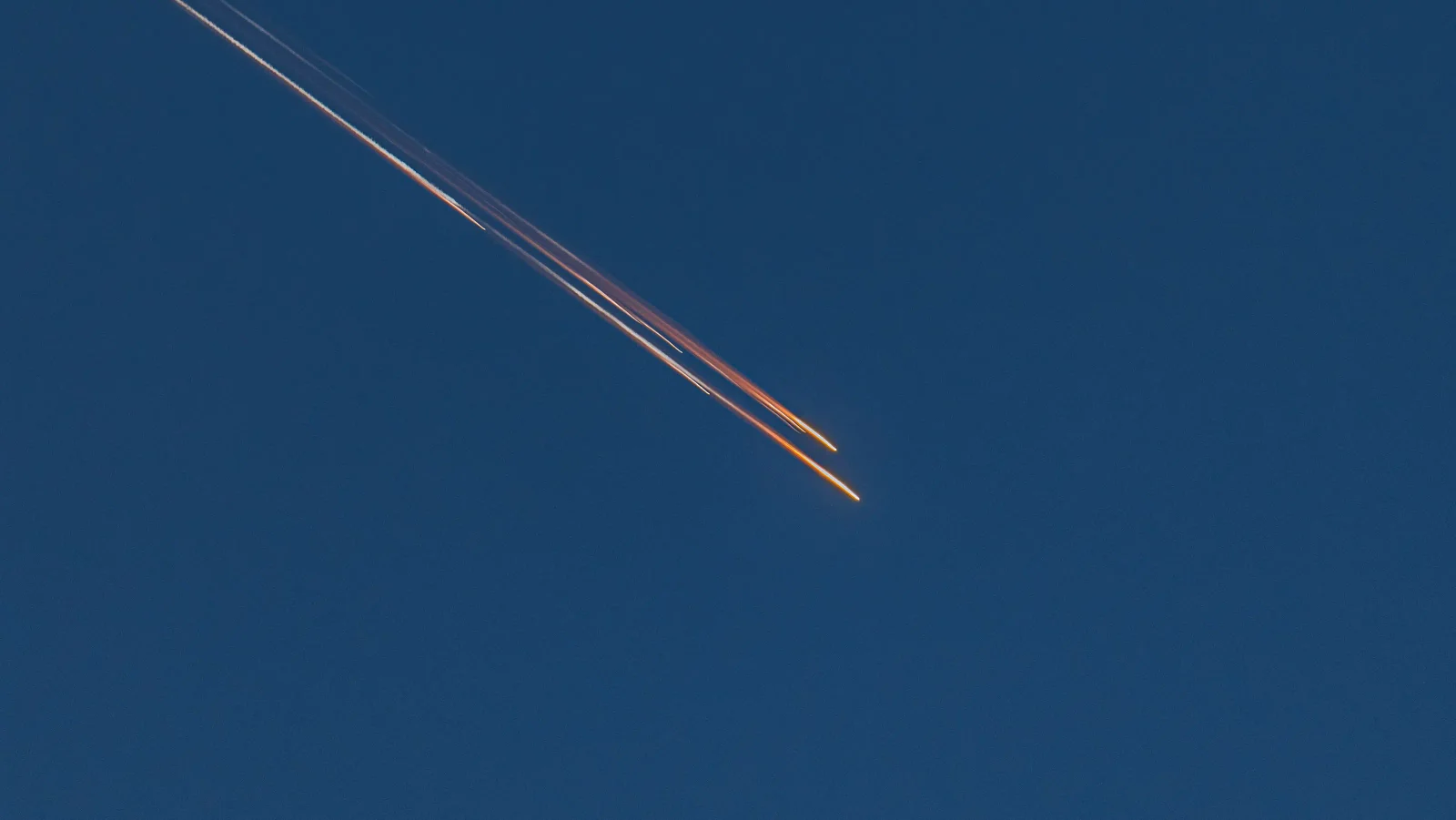
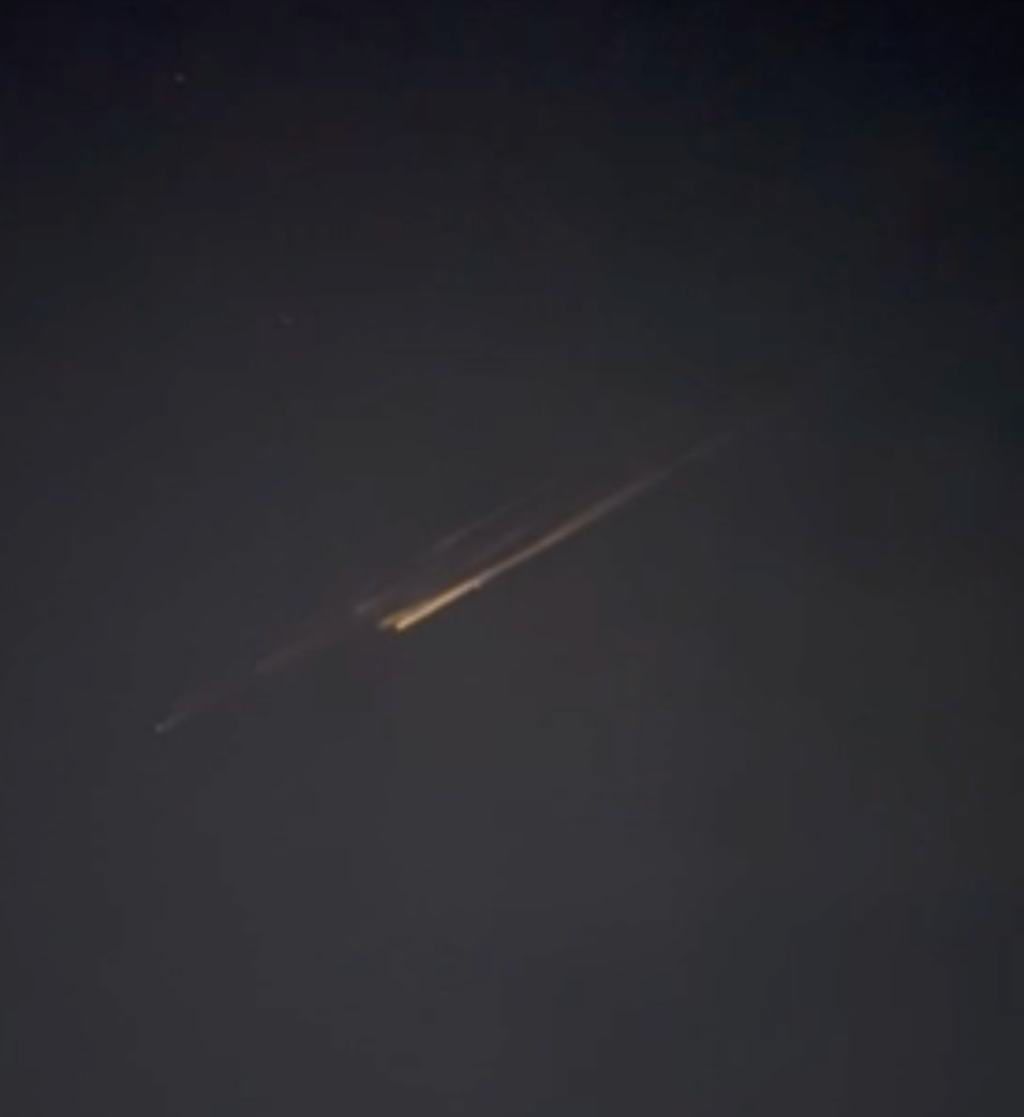
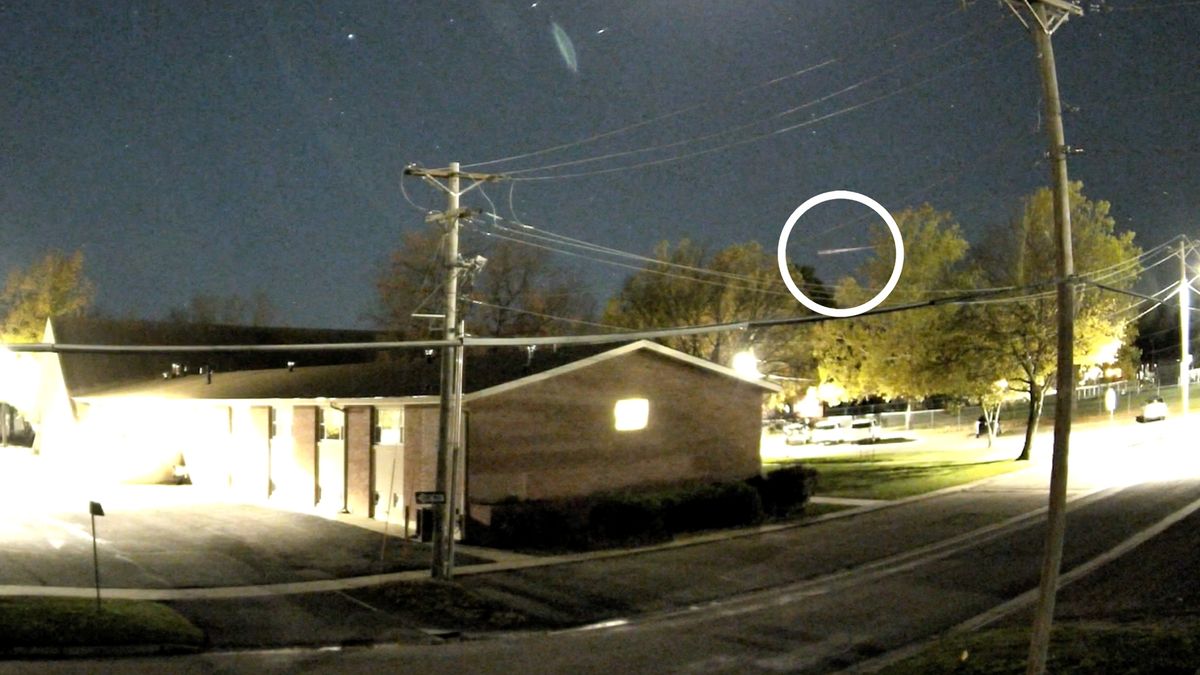
A SpaceX Starlink satellite, designated Starlink-4682, reentered Earth's atmosphere, creating a spectacular fireball visible over Colorado, Kansas, Texas, and Oklahoma. The event, observed by numerous eyewitnesses, highlights concerns about the environmental impact of frequent satellite reentries, which release harmful substances like aluminum oxide that could affect the ozone layer and atmospheric temperature. As SpaceX continues to launch and deorbit satellites regularly, the long-term effects on Earth's atmosphere remain uncertain.

environment1 year ago

Starlink Satellites Threaten Ozone Layer Recovery, Study Warns

New research suggests that Elon Musk's Starlink satellites could damage the Earth's ozone layer by releasing significant amounts of aluminium oxide gas when they deorbit and burn up in the atmosphere. This gas can deplete the ozone layer, which protects against harmful ultraviolet radiation. With thousands of satellites planned for launch, the environmental impact could be substantial, prompting scientists to call for further investigation.

spacetech1 year ago

"Fiery Reentry: Satellite ERS-2 Plunges Towards Earth Over Pacific Ocean"

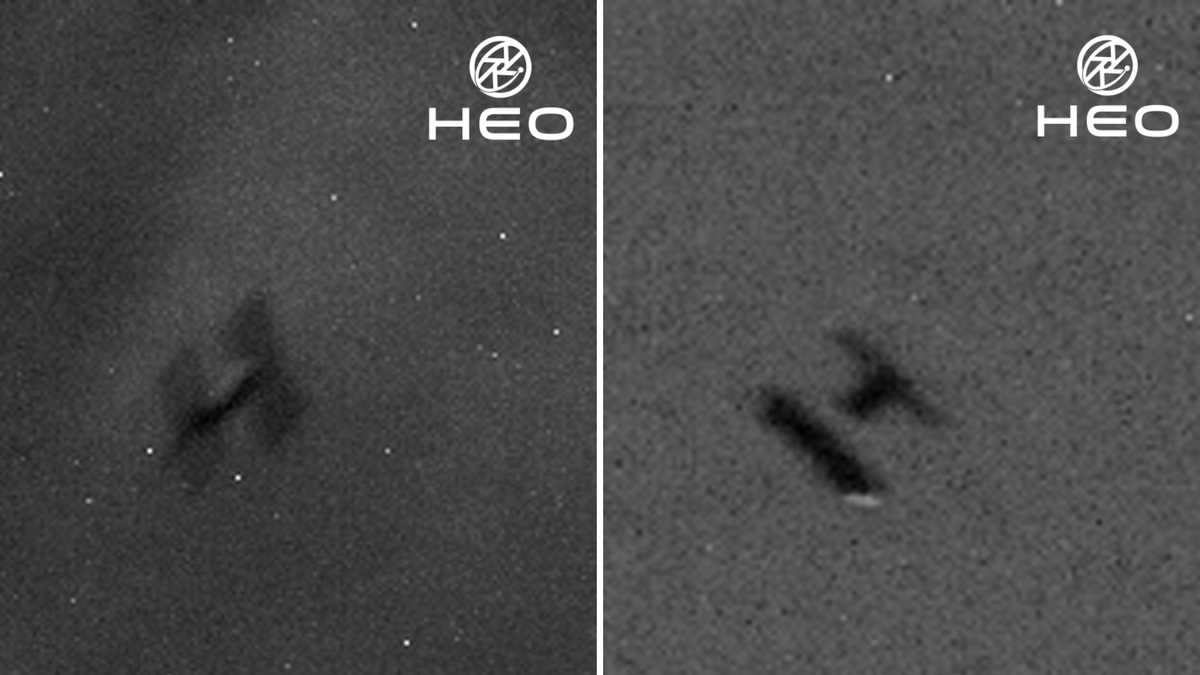
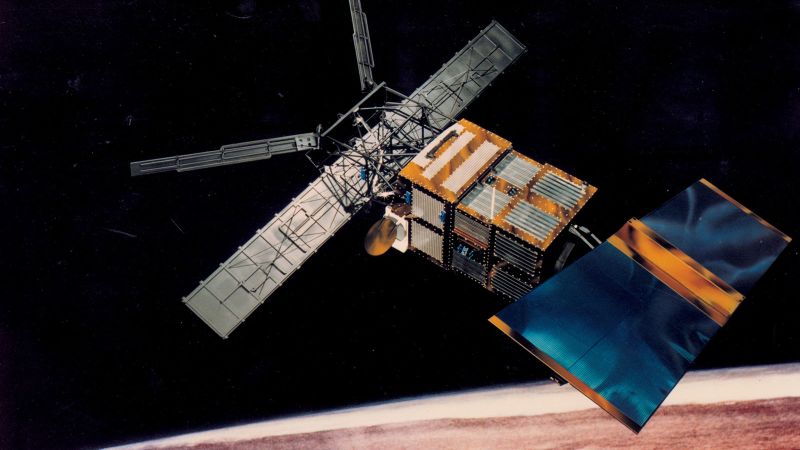
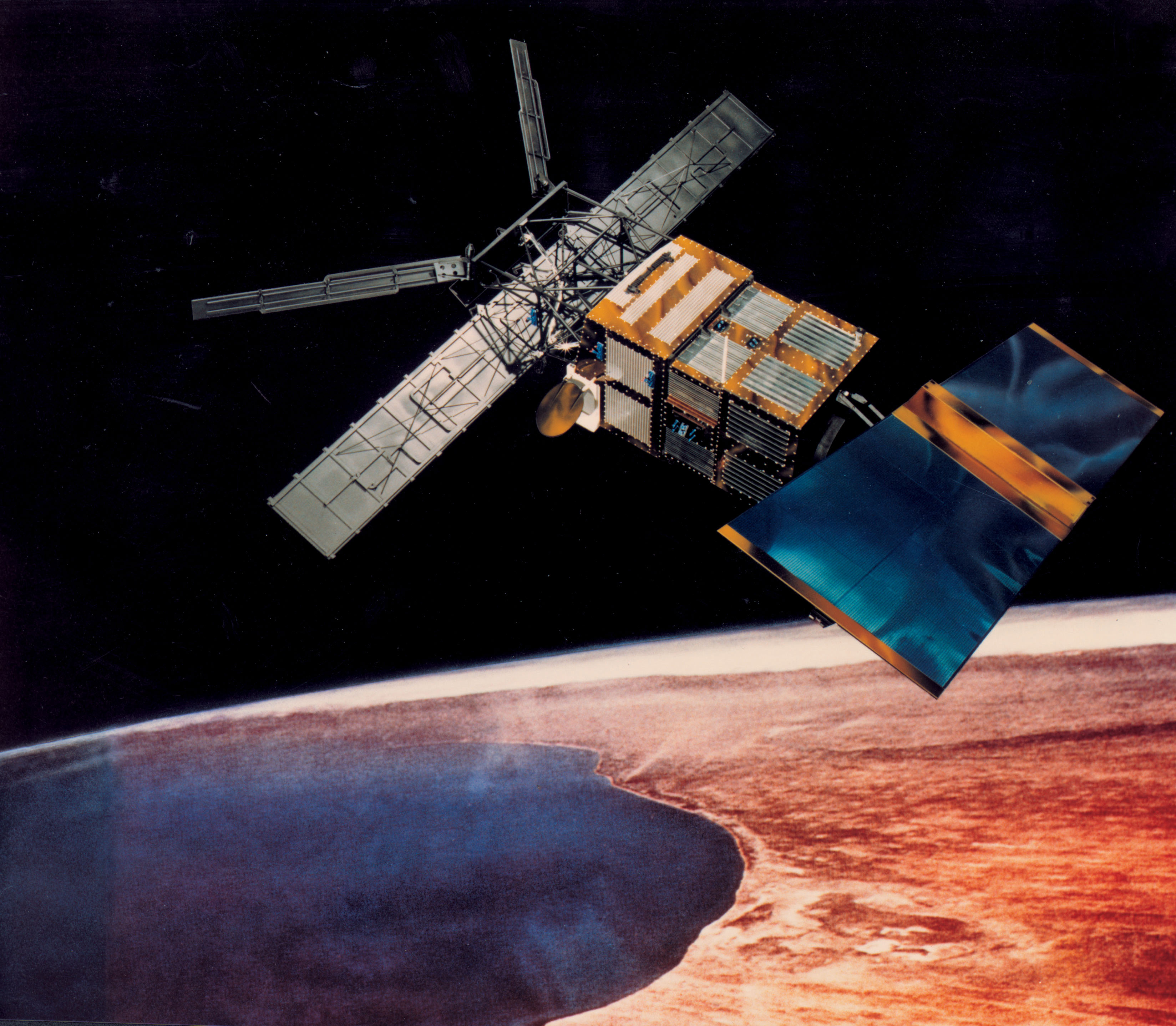
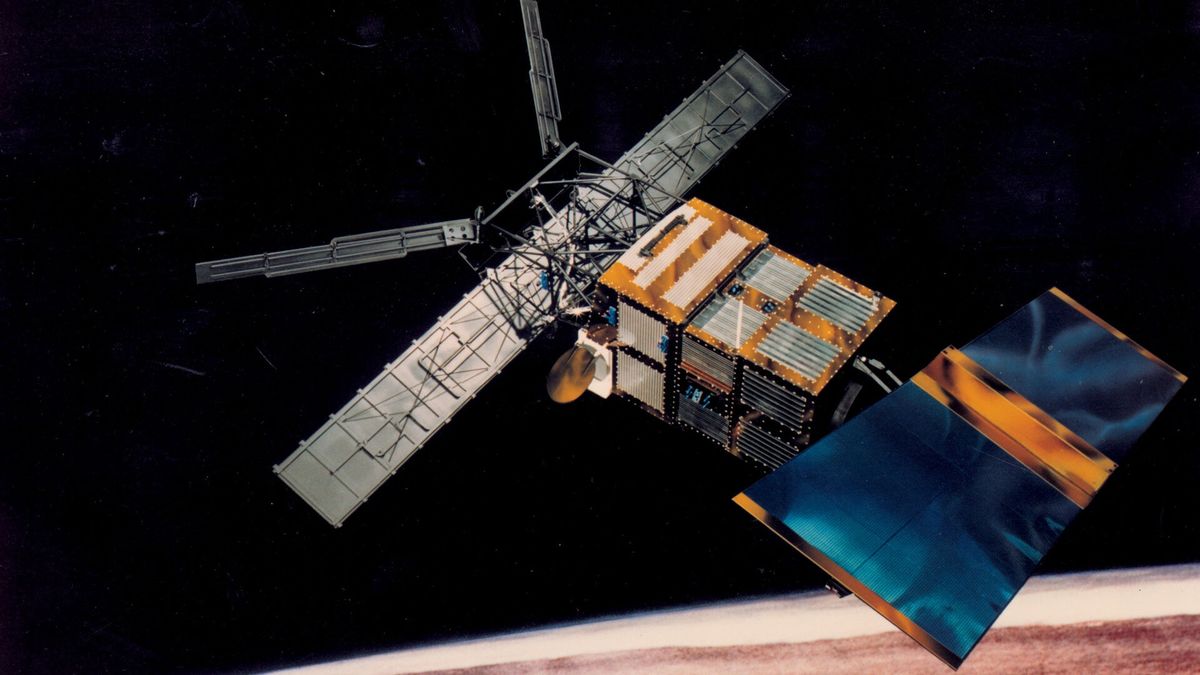
The European Space Agency captured images of the reentry of the ERS-2 satellite, which was decommissioned in 2011 after years of Earth observation. The satellite, launched in 1995, played a crucial role in advancing our understanding of climate change and gathering data for scientific research. It finally made an uncontrolled reentry into Earth's atmosphere, landing in the North Pacific Ocean without causing any damage. ESA highlighted the significant contributions of the ERS satellites to our understanding of the world and the foundation they laid for future Earth observation missions.

space1 year ago

"Uncontrolled European Satellite Predicted to Crash Through Earth's Atmosphere Today: What to Expect"

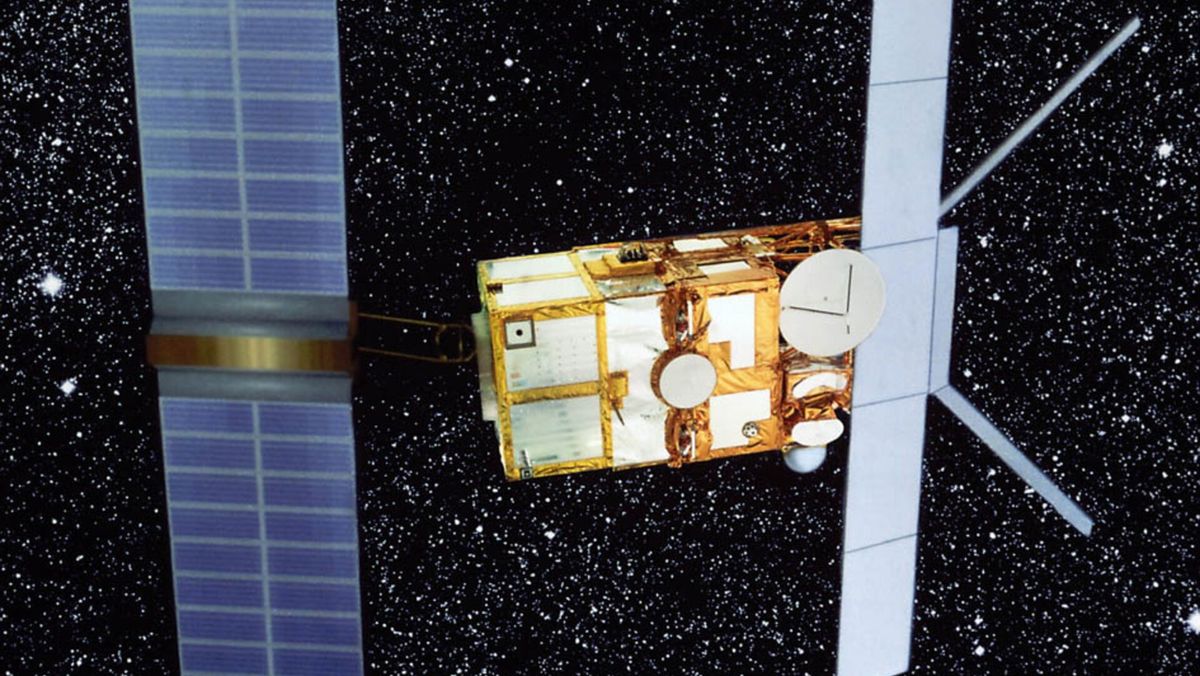
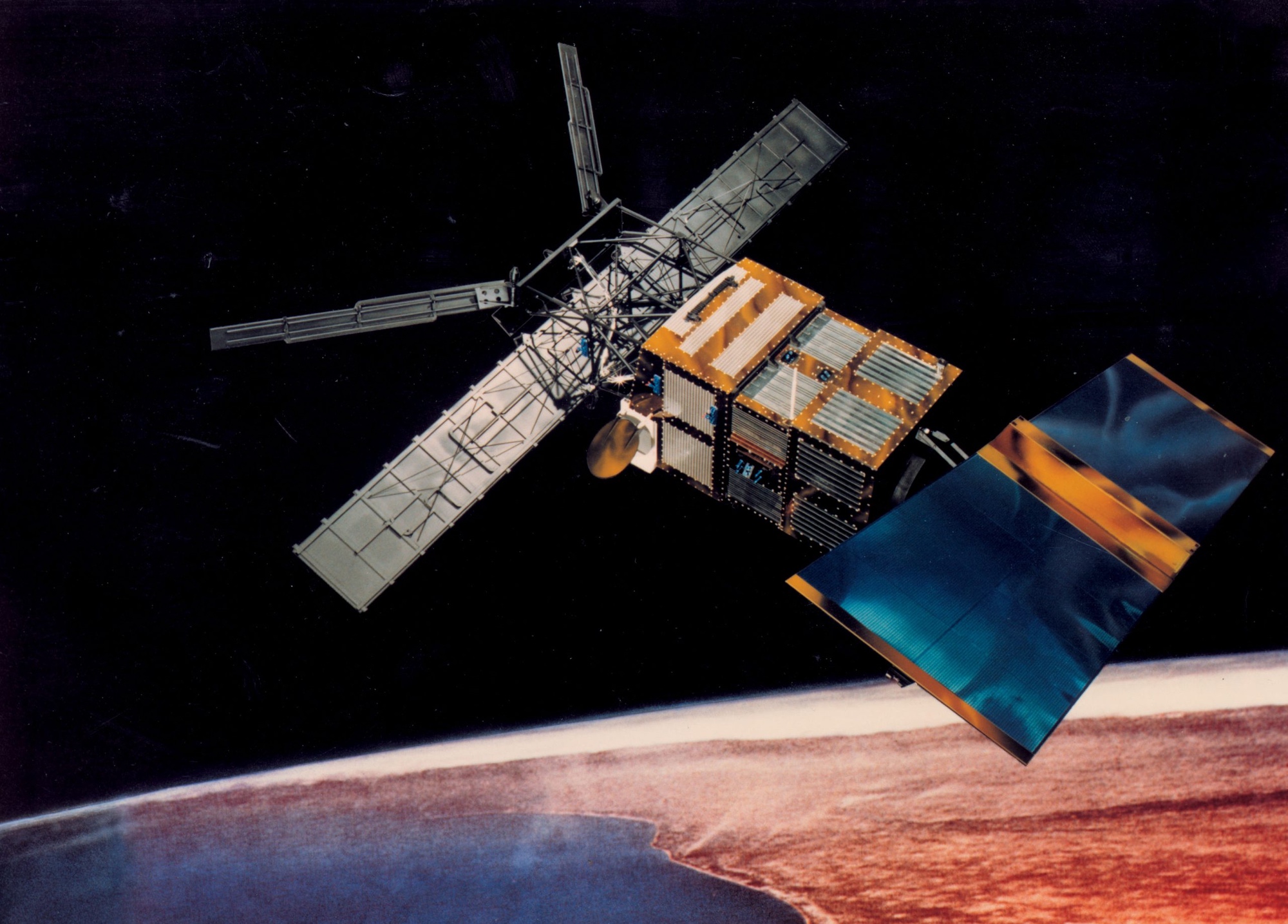
The European Space Agency's ERS-2 satellite, weighing 2.3 tons, is expected to make an uncontrolled reentry into Earth's atmosphere, with some parts likely to survive the plunge. The exact time and location of the reentry is uncertain, but the latest prediction suggests it will occur at 10:41 a.m. EST on Feb. 21. The uncertainty in the prediction is primarily due to unpredictable solar activity affecting Earth's atmosphere density. While most of the satellite is expected to burn up, some parts are likely to survive, with a potential splashdown in the ocean. This event underscores the need for enforceable orbital debris regulation to support sustainable space exploration and scientific investigation.

space1 year ago

"European Satellite's Impending Reentry and Earth Impact Pose Debris Mitigation Challenges"

The European Space Agency's ERS-2 satellite, launched in 1995, is set to reenter Earth's atmosphere on Feb. 21 after being decommissioned in 2011. The impending reentry highlights the challenges of mitigating orbital debris, as some components of the satellite are expected to survive reentry. ESA has recently published a new orbital debris mitigation policy, aiming for a zero-debris vision and reducing the post-mission disposal timeframe from 25 to 5 years, with plans to progressively implement the measures through the end of the decade.

science-and-technology1 year ago

"Massive Satellite Plunging Towards Earth in Uncontrolled Re-Entry"

A 5,000-pound European Space Agency satellite, ERS-2, is expected to reenter Earth's atmosphere on Wednesday morning, with a 7.5-hour window of uncertainty. The satellite, launched in 1995, will largely burn up, with some fragments possibly reaching the planet's surface but posing no harm. Solar activity's unpredictability affects the exact reentry time, and the satellite's data collection has been valuable. The risk of injury from space debris is extremely low, less than the risk of being killed in a home accident.

science-and-technology1 year ago

"Massive Dead Satellite to Plummet Back to Earth After 19 Years in Space"

The massive, dead ESA satellite ERS-2, launched in 1995, will make an uncontrolled reentry into Earth's atmosphere later this month after being passivated in 2011. Skywatchers may witness its descent, with the likelihood of it crashing into the ocean. While the risk to humans is low, the event highlights the need for better space junk solutions and satellite disposal methods.

space1 year ago

"European ERS-2 Satellite's Imminent Earth Reentry After 13 Years in Space"

The European Space Agency's (ESA) European Remote Sensing 2 (ERS-2) satellite, launched in 1995 and retired in 2011, is expected to reenter Earth's atmosphere later this month after a 13-year fall. The satellite, which has been maneuvered to reduce collision risk, will break apart and most fragments will burn up in the atmosphere. The risk of human injury from space debris is extremely low, and ESA will provide updates on the reentry process.

space-technology2 years ago

"Captivating Animation Reveals Dramatic 'Assisted' Reentry of Satellite"

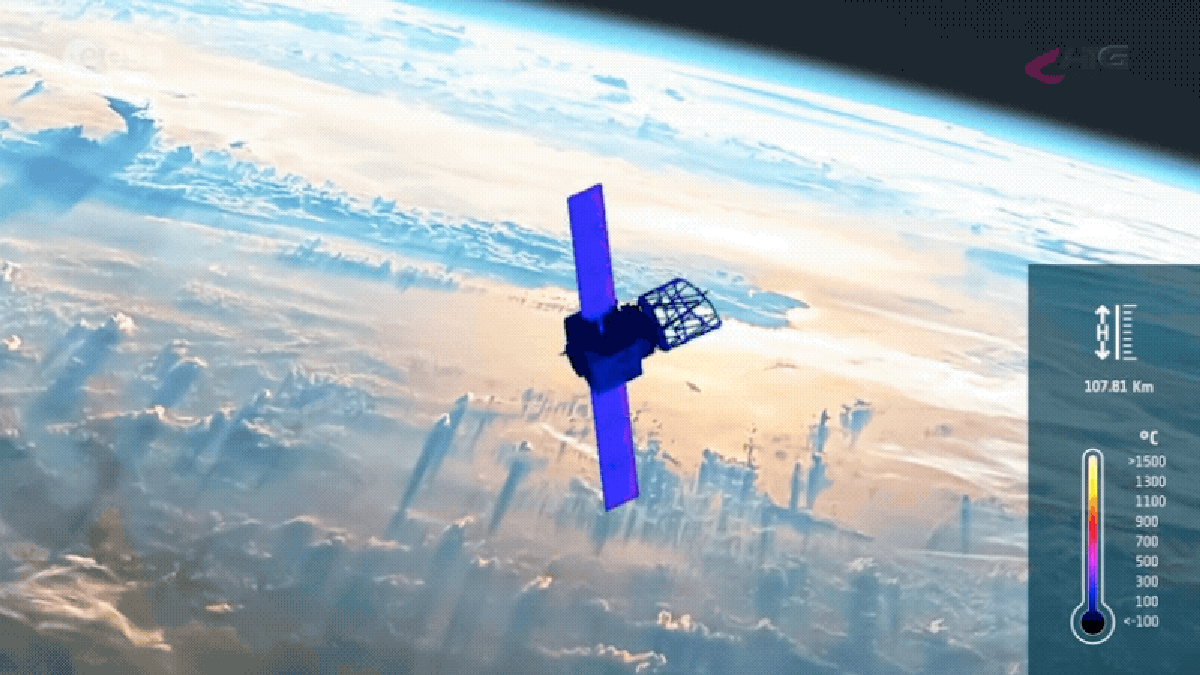
The European Space Agency (ESA) successfully demonstrated the possibility of safely deorbiting satellites, even those not originally designed for such maneuvers. Using the Aeolus Earth Explorer satellite as a test case, the ESA guided the satellite to a controlled reentry, ensuring its safe return and eventual incineration in the atmosphere. The simulation of the satellite's final moments showcased the controlled descent made possible by its "six degrees of freedom." This breakthrough reduces the risk of debris falling in populated or undesired locations and contributes to the ongoing effort to keep low Earth orbit free from space debris.

space2 years ago

ESA's Aeolus: A Trailblazing Mission's Historic Return

The European Space Agency's (ESA) Aeolus wind mission has successfully concluded, setting a benchmark for satellite reentry safety measures. The mission, which provided valuable data on winds, aerosols, and clouds, exceeded expectations and extended its planned life in orbit. To ensure a safe reentry, ESA's mission control team guided Aeolus to reenter Earth's atmosphere above Antarctica, following a series of complex maneuvers. This assisted reentry, the first of its kind, demonstrated ESA's commitment to minimizing space debris and could be applied to other satellites in the future. The success of Aeolus has paved the way for ESA's long-term commitment to the safety and sustainability of space activities.