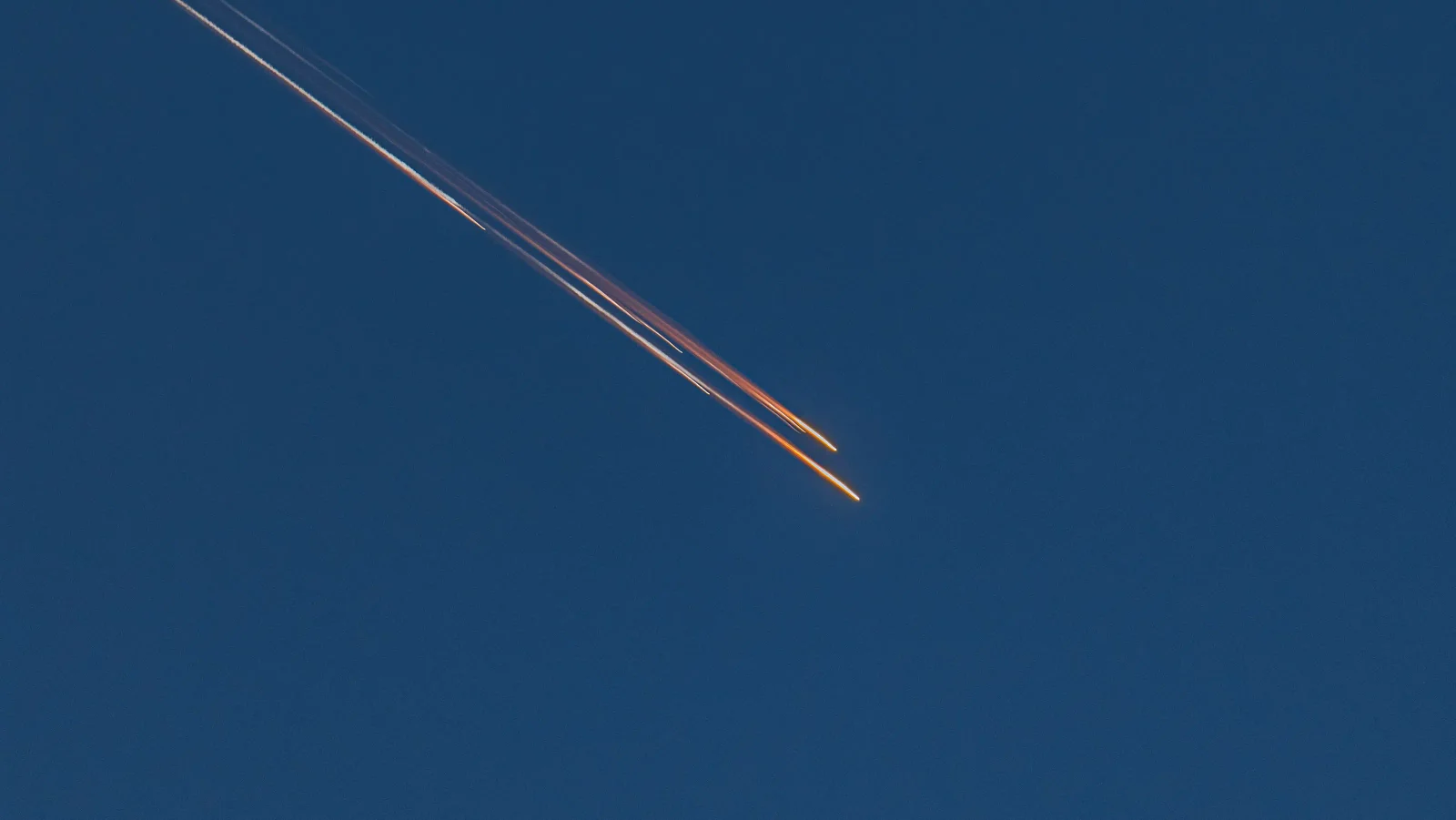
A fireball was observed over Florida on Nov. 8, 2025, likely caused by a satellite reentry rather than a meteorite or rocket explosion, with multiple eyewitnesses and photos documenting the event.
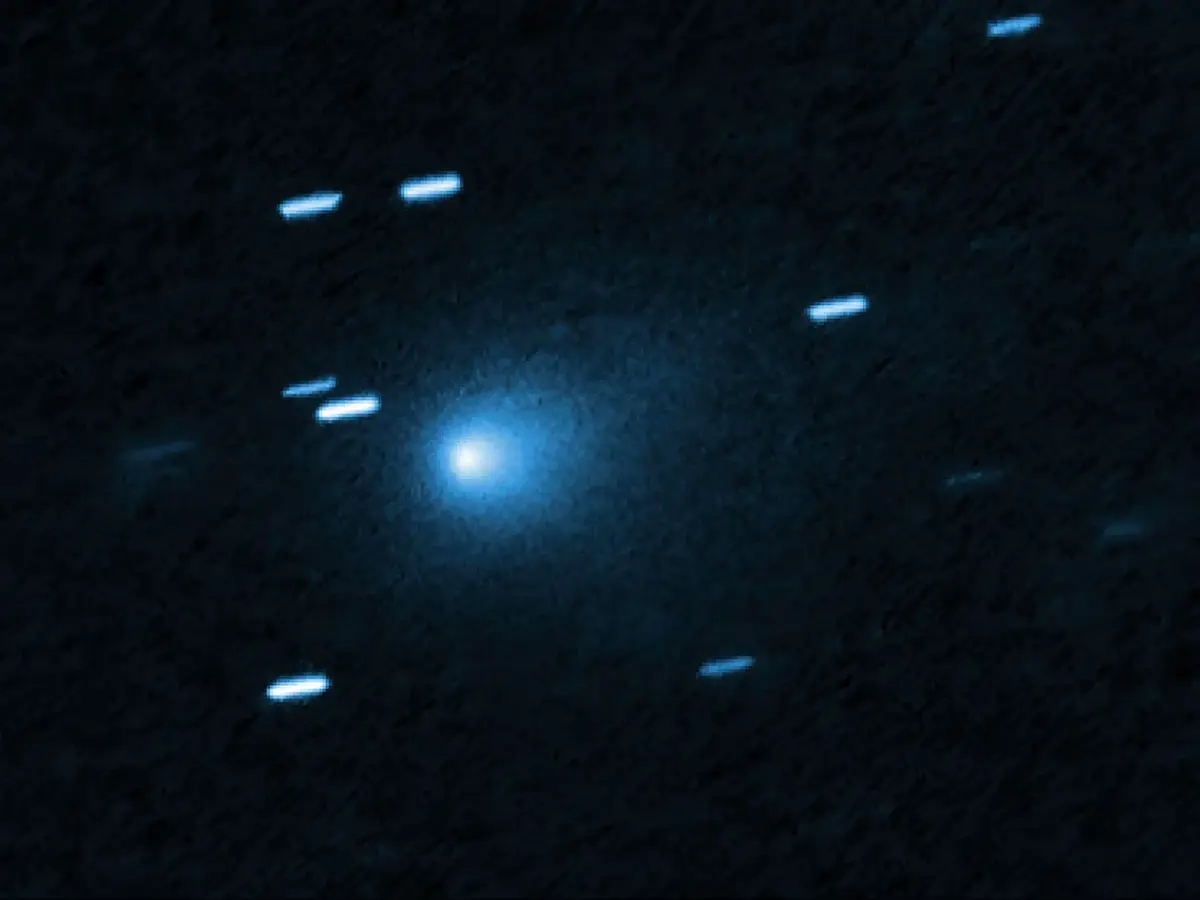
Scientists are preparing for multiple observations of the interstellar comet 3I/ATLAS using various spacecraft, including ESA's Hera, Europa Clipper, JUICE, and NASA's Juno, as the comet approaches its closest point to the Sun in late October, offering unique opportunities to study its properties and tail.
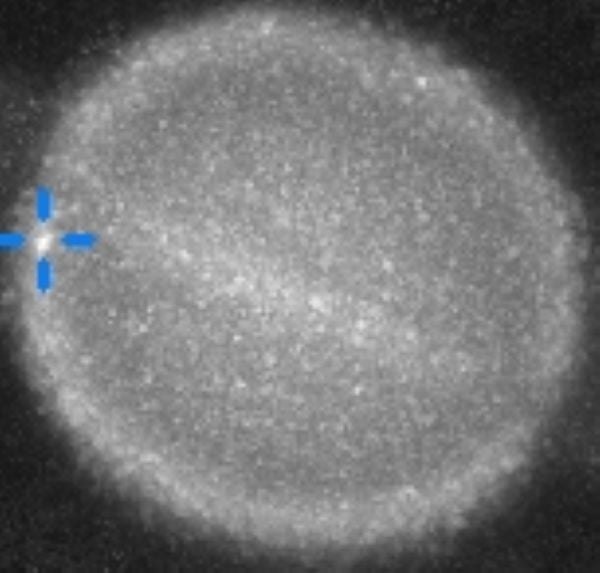
A photographer in Virginia captured a bright flash on Saturn, possibly indicating an impact event, and scientists are seeking additional observations to confirm whether something hit the planet on July 5, 2025.
The Miami Dolphins kicked off their three-day mandatory minicamp with notable performances from quarterback Tua Tagovailoa, who showed improved passing accuracy and comfort with a new throwing motion. Key players like Tyreek Hill and Odell Beckham Jr. were absent, while others like Jalen Ramsey and De'Von Achane impressed. The team also showcased new defensive strategies under coordinator Anthony Weaver. Brazilian soccer star Vinicius Junior made a special appearance at the practice.
The Eagles' second open OTA session featured a new video monitor for immediate feedback, player development drills, mixing and matching of personnel, standout performances from tight ends, wide receiver John Ross's debut, and an interception by undrafted rookie Shon Stephens.
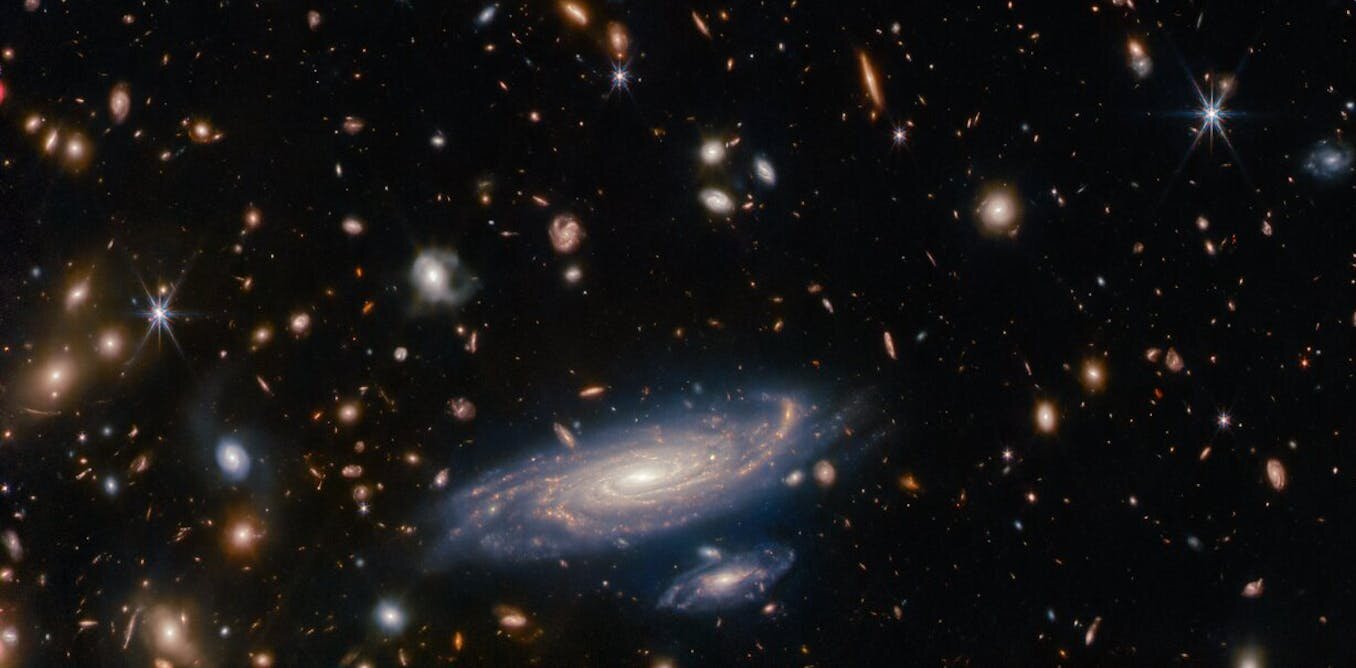
A meeting of leading cosmologists is challenging the conventional view of the universe, questioning the fundamental assumption that everything looks the same everywhere. Recent astronomical observations have raised doubts about the standard model of cosmology, with findings suggesting potential lopsidedness, varying expansion rates, and cosmic megastructures. While some scientists believe these anomalies could undermine standard theories, others argue that the data may not be compelling enough to do so. The conference aims to foster robust debate and exploration of where the standard model may break down.
The Miami Hurricanes' spring game showcased strong performances from quarterback Cam Ward and wide receiver Isaiah Horton, with the offense dominating the first half and the defense showing improvement in the second half. All four quarterbacks had encouraging moments, but the limited contact made it difficult to fully evaluate the defense.
Alabama football held its 13th spring practice indoors due to rain, with reporters allowed to observe part of the practice, reinstated by new head coach Kalen DeBoer. Standout moments included center Parker Brailsford's absence due to personal issues, injured offensive lineman Jaeden Roberts participating in drills, linebacker Jihaad Campbell and offensive lineman Miles McVay on the exercise bike, and freshman defensive back Zay Mincey leaving the field holding his upper body. The practice featured individual drills, with wide receiver Kendrick Law making an impressive catch, and a playlist including songs by Outkast, The Notorious B.I.G., and Earth, Wind & Fire.
Millions of people across North America witnessed the total solar eclipse, with reactions ranging from awe to scientific curiosity. Doctors warned about the dangers of looking at the sun without proper eyewear, while scientists conducted rare experiments to study the eclipse's effects. From Arkansas to Canada, people marveled at the darkness and celestial beauty, with some describing it as a once-in-a-lifetime experience. However, the UK experienced disappointment as heavy clouds obscured the eclipse.
Animal behaviorists at several zoos in the US will be observing the reactions of various animals during the upcoming solar eclipse, building on their observations from the 2017 eclipse. The research aims to understand how animals respond to sudden darkness, with previous findings showing changes in behavior such as anxiety-related actions and unusual mating behaviors. The observations are not only for recreational purposes but also to understand and mitigate anxiety in animals, as well as satisfy the fundamental curiosity humans have about animal behavior.
Recent research suggests that dark matter may form "dark stars" that explode, potentially revealing its composition. Axions, a type of subatomic particle, are a leading candidate for dark matter and could form stars through a phenomenon called Bose-Einstein condensate. Observations of the aftermath of these explosions, such as radio frequencies emitted by surrounding gas, could provide evidence for the existence of dark stars and help determine the nature of dark matter. While axions are a promising candidate, other particles like WIMPs are also being considered, and ongoing efforts in both observation and theory aim to unlock the mystery of dark matter.
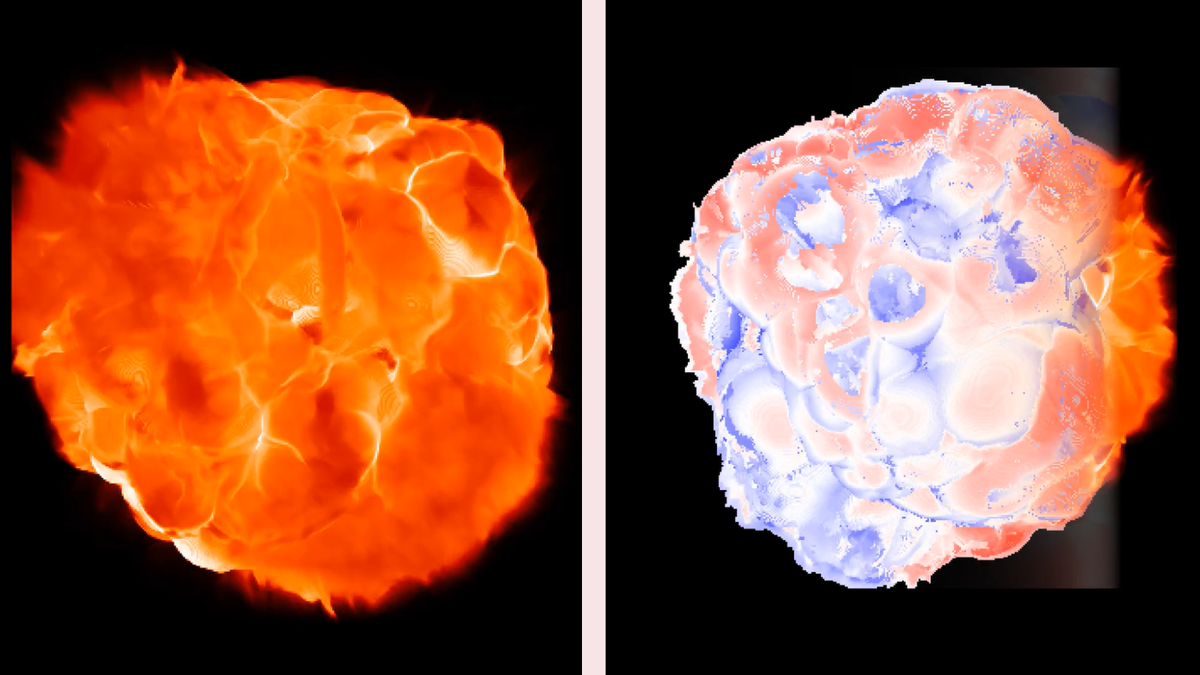
Recent observations of Betelgeuse, a red supergiant star, suggest it is spinning much faster than expected, but a new study proposes that the star's violently boiling surface may be creating an illusion of rapid rotation. The Max Planck Institute for Astrophysics team suggests that the bubbling surface could be mistaken for rotation, leading to the belief that Betelgeuse is rotating faster than possible for a star of its size. The team's research, published in the Astrophysical Journal Letters, aims to better understand how the star's boiling surface affects measurements and will use further observations to assess its rotational speed.
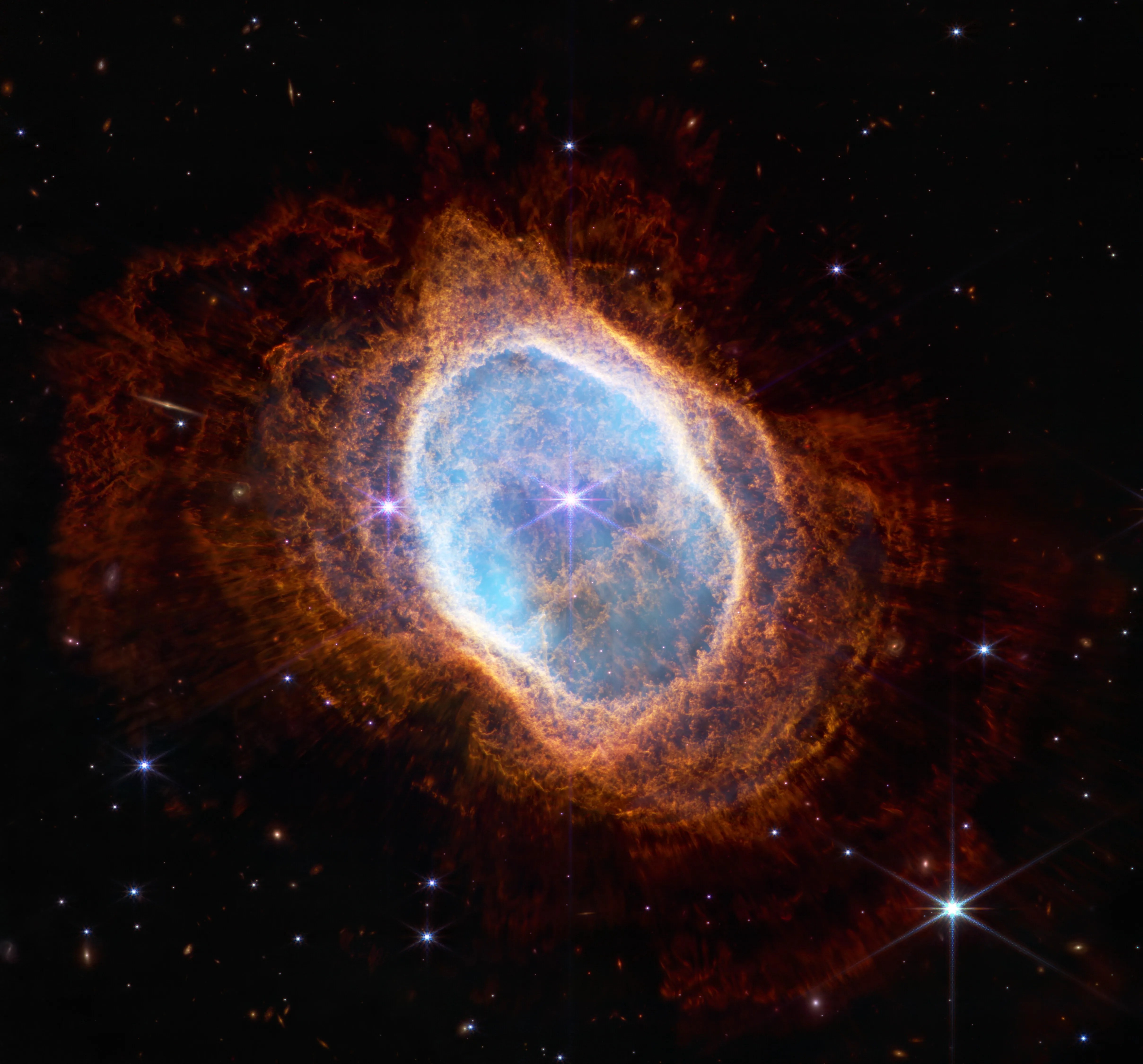
NASA's Webb Space Telescope is being used for current, upcoming, and recent past observations, allowing scientists to study various science themes such as star lifecycle, galaxies over time, other worlds, and the early universe. Users can access details of each observation, including science focus areas and instruments used, through the "Observation Details +" button on the website. The telescope's observations are providing valuable insights into the universe.
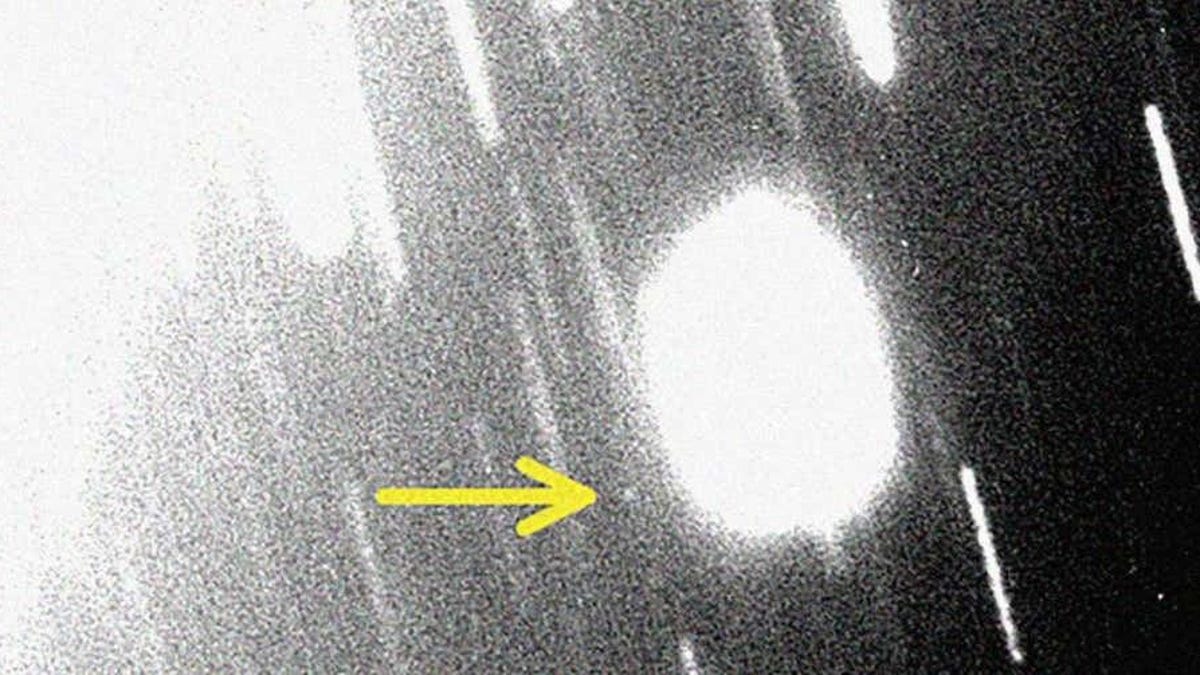
Astronomers have discovered a new moon orbiting Uranus and two around Neptune, using ground-based telescopes in Chile and Hawaii. The newly found moons are the faintest ever discovered around these ice giant planets and have eccentric, distant, and inclined orbits. The Uranian moon is the first to be found in over 20 years and is likely the smallest of Uranus' 28 moons, while the Neptunian moons have sizes of 14 miles and 8.6 miles wide. The discoveries required special image processing and extensive observations to confirm their orbits, and the moons are believed to have been captured by the gravitational pull of their respective planets after their formation.
Cosmologists are facing challenges as measurements of distant stars and galaxies reveal discrepancies in the standard model of cosmology, particularly in the values of key parameters such as dark energy and the rate of cosmic expansion. Observations from various surveys and telescopes suggest that the universe's structure and expansion may differ from previous understanding, leading to tensions and inconsistencies. Scientists are exploring new observations and potential tweaks to the standard model, while also considering the possibility of new physics to resolve these discrepancies.