Tag

Ers 2

All articles tagged with #ers 2

spacetech1 year ago

"Fiery Reentry: Satellite ERS-2 Plunges Towards Earth Over Pacific Ocean"

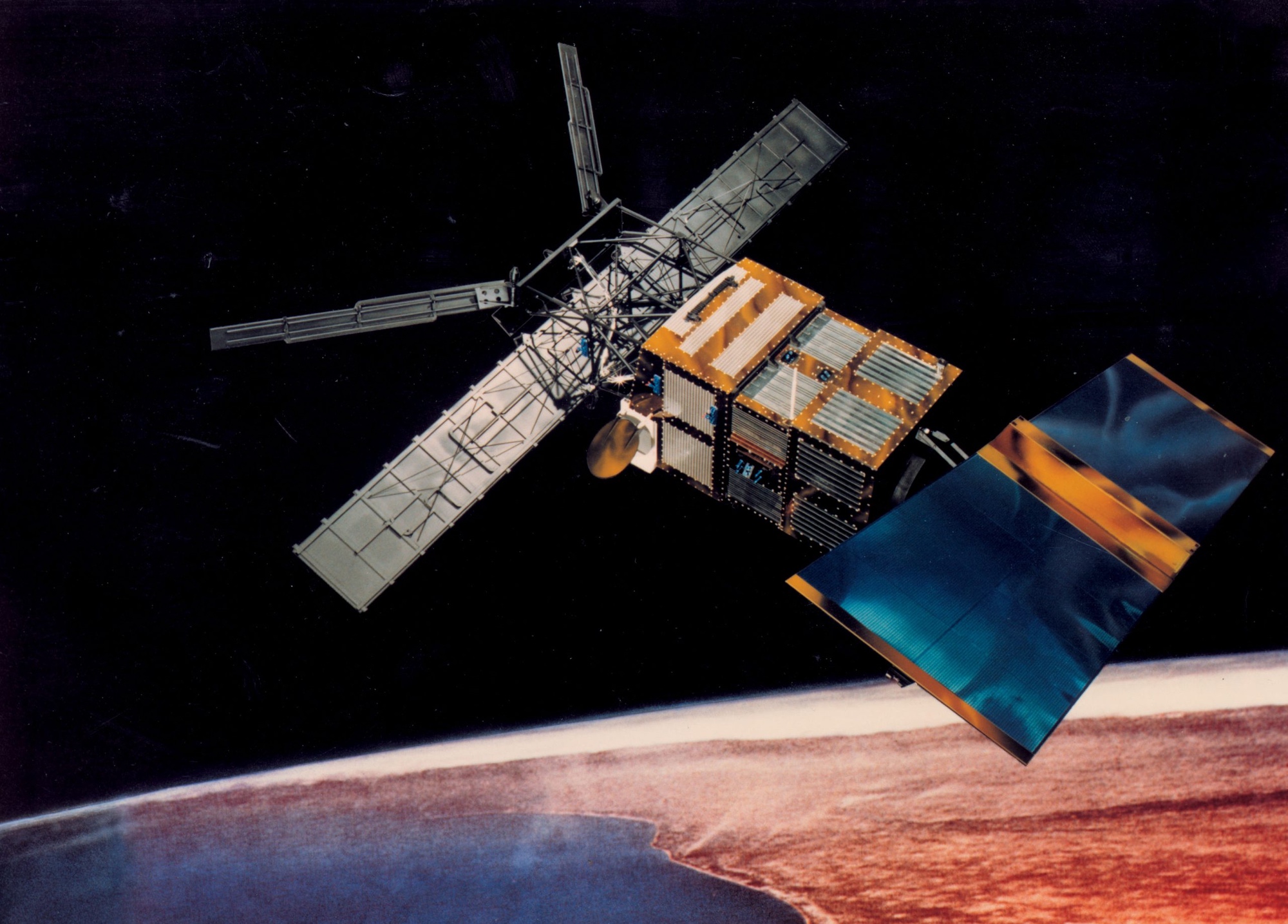
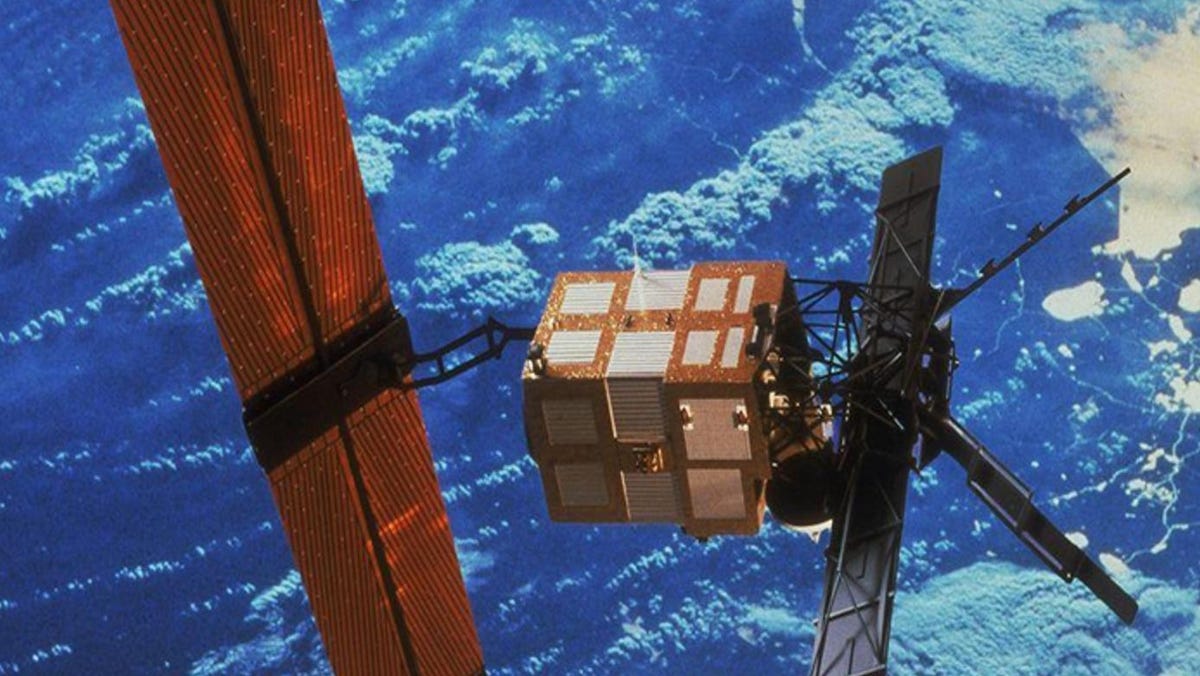
The European Space Agency captured images of the reentry of the ERS-2 satellite, which was decommissioned in 2011 after years of Earth observation. The satellite, launched in 1995, played a crucial role in advancing our understanding of climate change and gathering data for scientific research. It finally made an uncontrolled reentry into Earth's atmosphere, landing in the North Pacific Ocean without causing any damage. ESA highlighted the significant contributions of the ERS satellites to our understanding of the world and the foundation they laid for future Earth observation missions.
space1 year ago

"Uncontrolled European Satellite Predicted to Crash Through Earth's Atmosphere Today: What to Expect"

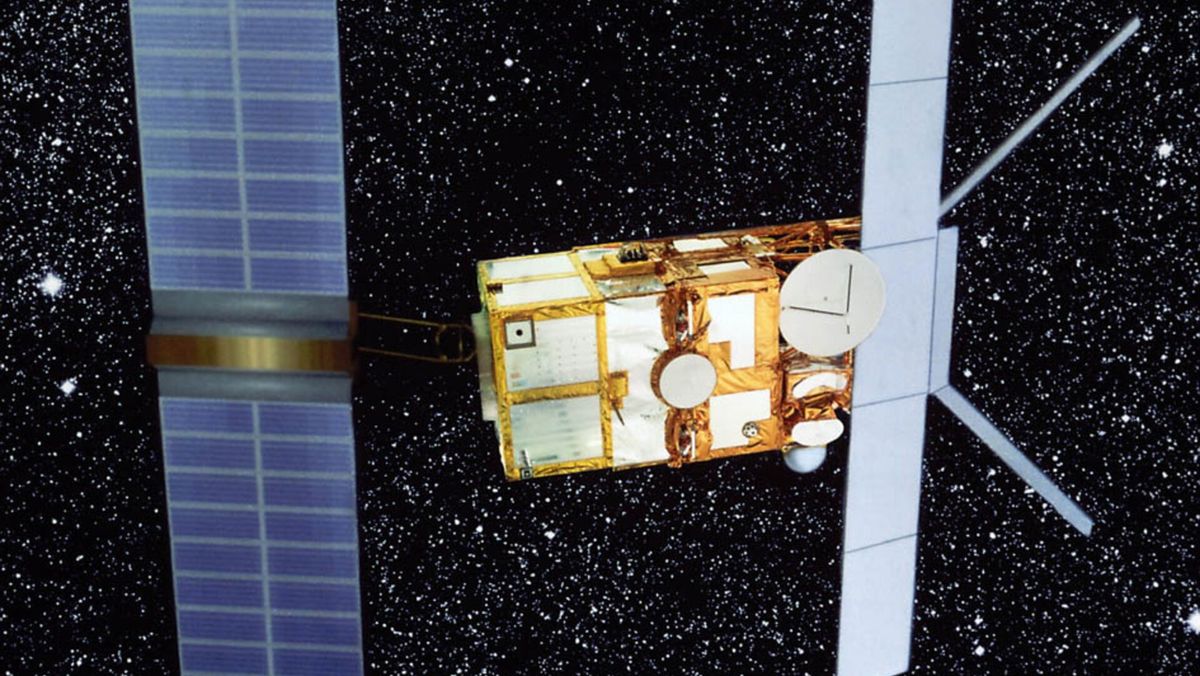
The European Space Agency's ERS-2 satellite, weighing 2.3 tons, is expected to make an uncontrolled reentry into Earth's atmosphere, with some parts likely to survive the plunge. The exact time and location of the reentry is uncertain, but the latest prediction suggests it will occur at 10:41 a.m. EST on Feb. 21. The uncertainty in the prediction is primarily due to unpredictable solar activity affecting Earth's atmosphere density. While most of the satellite is expected to burn up, some parts are likely to survive, with a potential splashdown in the ocean. This event underscores the need for enforceable orbital debris regulation to support sustainable space exploration and scientific investigation.

science-and-technology1 year ago

"30-Year-Old European Satellite ERS-2 Plummets to Earth"

The European satellite ERS-2, launched in 1995, is set to re-enter Earth's atmosphere after almost 30 years in orbit, with its descent expected to occur over the Pacific Ocean. The satellite, which revolutionized Earth observation, will break up and burn upon re-entry, with the majority of debris likely to disperse harmlessly. The European Space Agency emphasized the low risks associated with satellite re-entries and highlighted that the satellite's components are not radioactive or toxic. This event underscores the increasing need to manage space debris and encourage the controlled re-entry of defunct satellites to maintain a clear space environment for future missions.

space1 year ago

"European Satellite's Impending Reentry and Earth Impact Pose Debris Mitigation Challenges"

The European Space Agency's ERS-2 satellite, launched in 1995, is set to reenter Earth's atmosphere on Feb. 21 after being decommissioned in 2011. The impending reentry highlights the challenges of mitigating orbital debris, as some components of the satellite are expected to survive reentry. ESA has recently published a new orbital debris mitigation policy, aiming for a zero-debris vision and reducing the post-mission disposal timeframe from 25 to 5 years, with plans to progressively implement the measures through the end of the decade.

space1 year ago

"Massive Satellite Plunging into Earth's Atmosphere This Week"

The European Space Agency estimates that the ERS-2 satellite, weighing as much as an adult rhinoceros, will make an uncontrolled return through Earth's atmosphere on Wednesday. Its depleted batteries and switched-off communication systems mean there's no way to actively control its descent, with most of the satellite expected to burn up upon re-entry. The satellite, launched in 1995 for Earth observation, will likely have remaining fragments fall into the ocean, posing minimal risk to people on Earth.

science-and-technology1 year ago

"Upcoming Reentry: Large Dead Satellite Set to Crash into Earth"

The European Space Agency predicts that its defunct satellite, ERS-2, will naturally re-enter Earth's atmosphere on Wednesday after 16 years in space, following over a decade of Earth observation. Launched in 1995, the satellite exceeded its planned three-year mission, providing data for over 5,000 projects until 2011. The majority of the 2.5 ton satellite is expected to disintegrate upon re-entry, with any remaining debris likely to land in a body of water.