Tag

Orbital Debris

All articles tagged with #orbital debris

October 31, 2000: The Last Day of Humanity Before Change

Originally Published 6 months ago — by Indian Defence Review

Featured image for October 31, 2000: The Last Day of Humanity Before Change
Source: Indian Defence Review

On October 31, 2000, the first crew arrived at the ISS, marking the start of continuous human presence in space, a milestone that has supported extensive scientific research. The station faces aging challenges and potential retirement by 2030, while China has launched its own space station, Tiangong, expanding its influence. Growing orbital debris poses significant risks to space operations, prompting efforts to improve debris management and ensure sustainable human activity in orbit.

Space Exploration's Hidden Environmental Costs: Debris and Climate Impact

Originally Published 1 year ago — by Space.com

Featured image for Space Exploration's Hidden Environmental Costs: Debris and Climate Impact
Source: Space.com

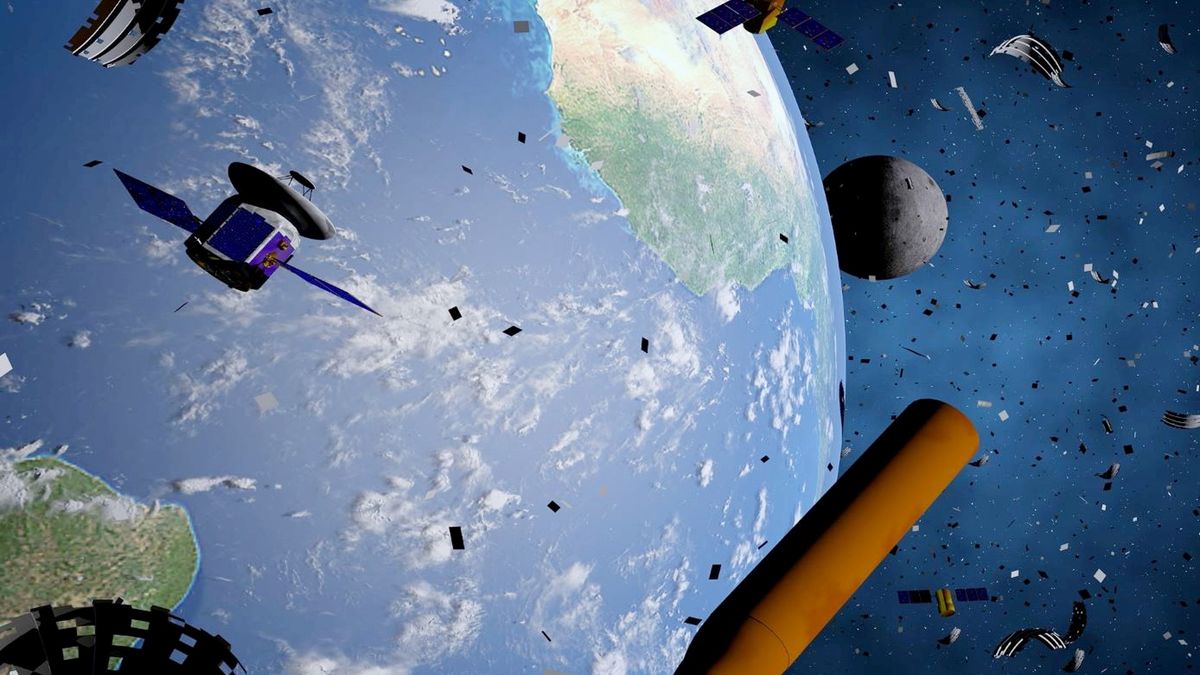
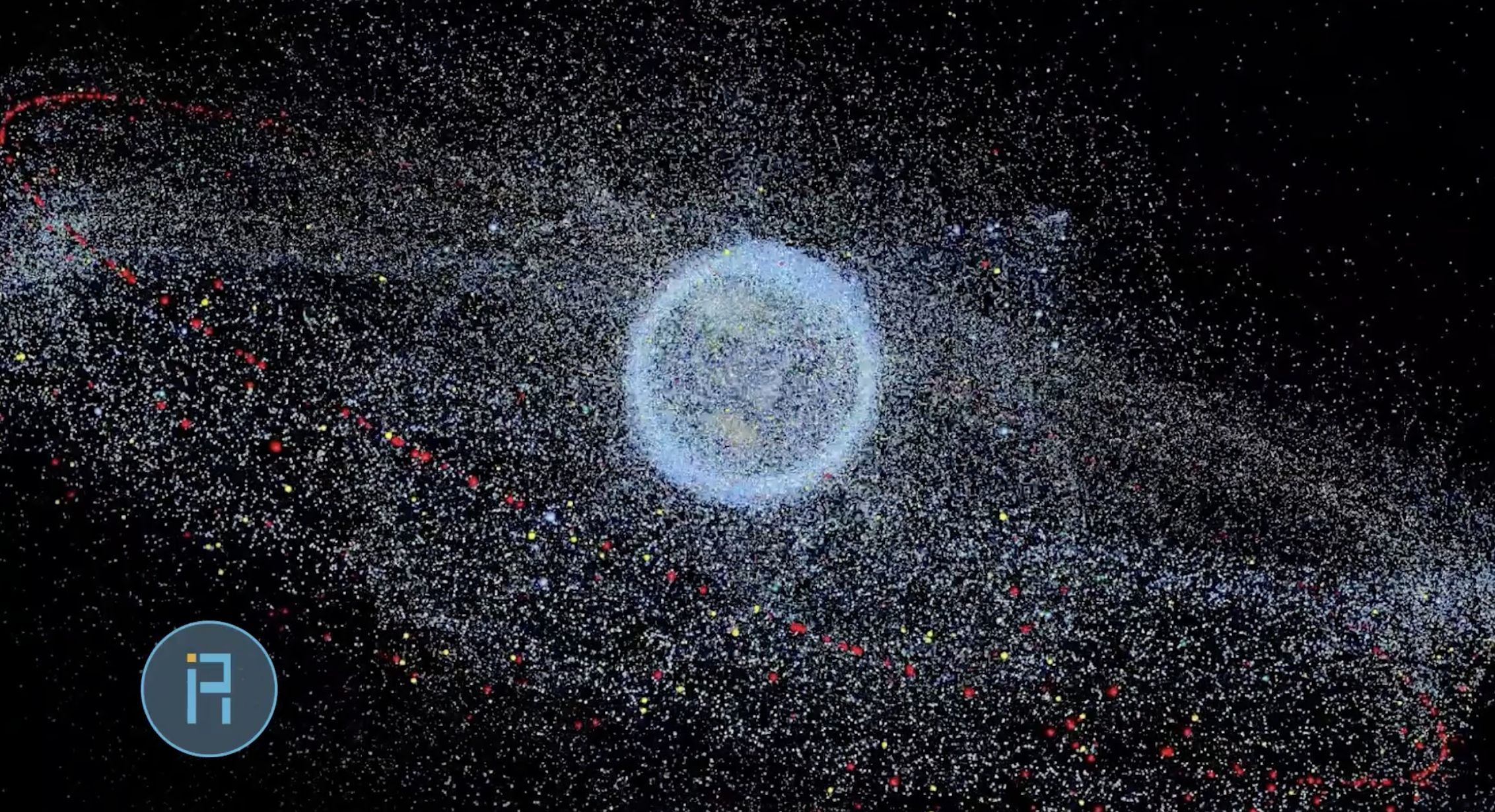
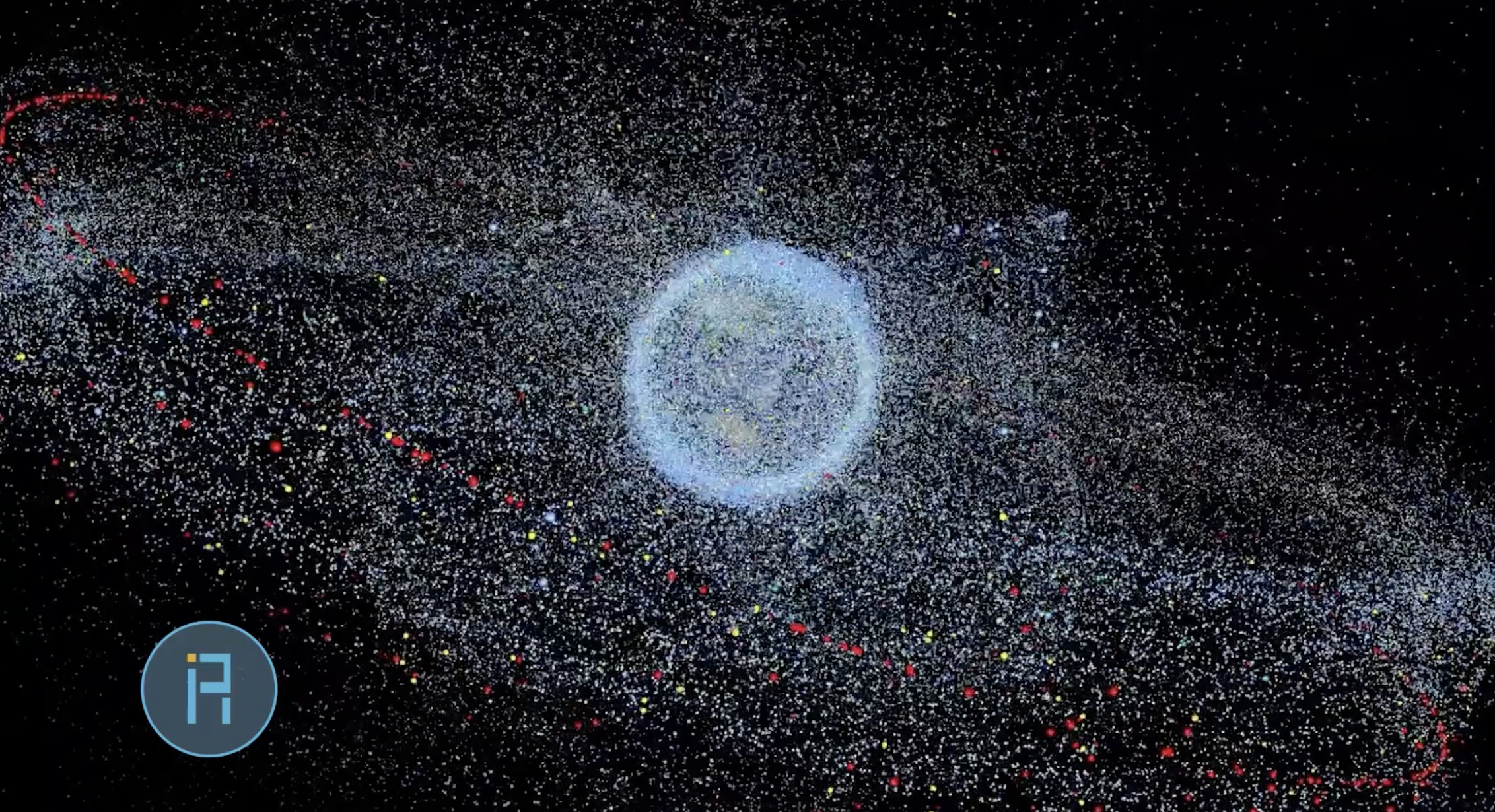
Scientists warn that the increasing amount of space debris in Earth's orbit poses a significant threat, potentially leading to the Kessler syndrome, where collisions create more debris, making parts of space unusable. With over 10,200 active satellites and millions of debris pieces, the risk of collisions is rising, especially in low Earth orbit. Experts urge immediate action and regulation to prevent a 'tragedy of the commons' scenario, where individual actions deplete shared resources, affecting scientific research and cultural experiences like stargazing.

NASA Advances Space Sustainability Strategy

Originally Published 1 year ago — by SpaceNews

Featured image for NASA Advances Space Sustainability Strategy
Source: SpaceNews

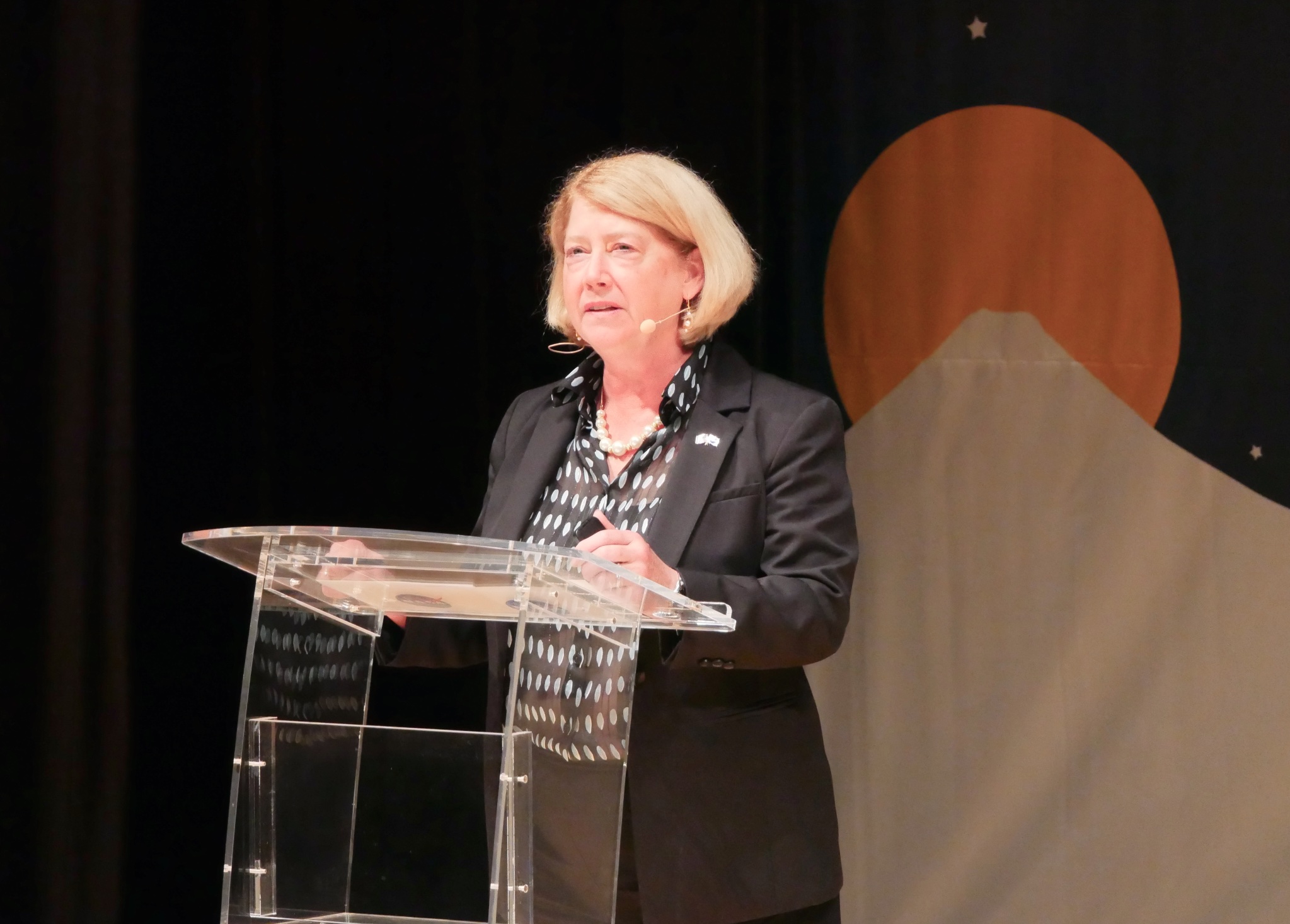
NASA Deputy Administrator Pam Melroy reported significant progress on the agency's space sustainability strategy, including developing a framework for assessing space sustainability, analyzing collision risk uncertainties, and planning investments in debris management and space situational awareness. The strategy, initially focused on Earth orbit, is expanding to include cislunar space, with ongoing interagency and international coordination and the appointment of Trudy Kortes as interim director of space sustainability.

NASA Unveils Efficient Space Debris Cleanup Solutions

Originally Published 1 year ago — by SciTechDaily

Featured image for NASA Unveils Efficient Space Debris Cleanup Solutions
Source: SciTechDaily

NASA's Office of Technology, Policy, and Strategy has released a new report identifying cost-effective methods for managing orbital debris, emphasizing direct risk and cost evaluations over 30 years. The study compares over 10 different actions to reduce debris risk, such as shielding, tracking, and remediation, and suggests that some methods may be more valuable than previously thought. The findings aim to guide NASA and the space community in addressing the growing issue of space debris.

NASA Unveils Cost-Effective Solutions for Space Debris Management

Originally Published 1 year ago — by SpaceNews

Featured image for NASA Unveils Cost-Effective Solutions for Space Debris Management
Source: SpaceNews

A NASA report highlights that reducing the time satellites remain in orbit post-mission is a highly cost-effective way to mitigate orbital debris. The study found that even modest reductions in post-mission disposal timeframes can yield significant benefits, with potential net benefits up to $9 billion. The report also identifies promising debris remediation techniques, such as "just in time" collision avoidance, and emphasizes the importance of economic analysis in developing space sustainability strategies.

"European Satellite's Impending Reentry and Earth Impact Pose Debris Mitigation Challenges"

Originally Published 1 year ago — by SpaceNews

Featured image for "European Satellite's Impending Reentry and Earth Impact Pose Debris Mitigation Challenges"
Source: SpaceNews

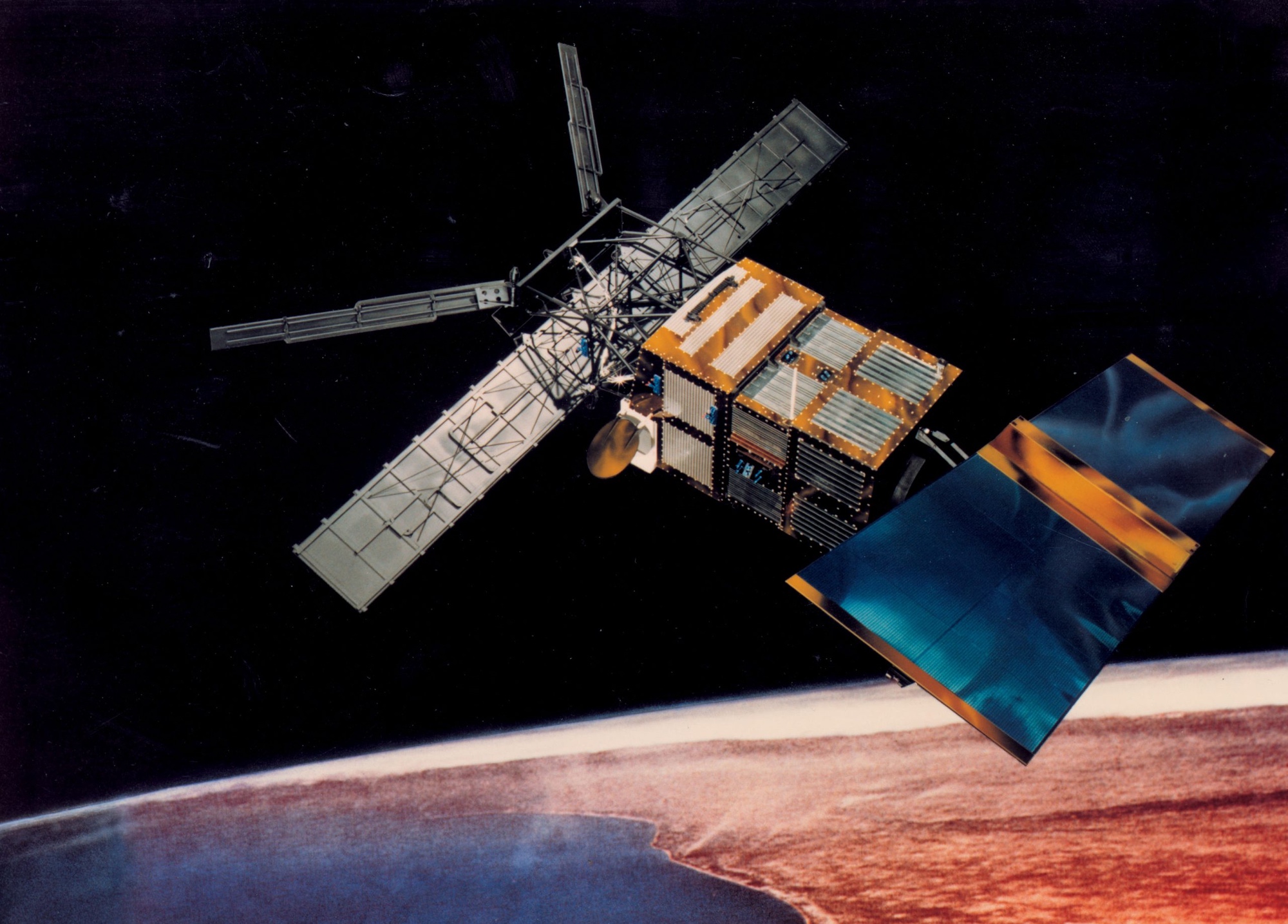
The European Space Agency's ERS-2 satellite, launched in 1995, is set to reenter Earth's atmosphere on Feb. 21 after being decommissioned in 2011. The impending reentry highlights the challenges of mitigating orbital debris, as some components of the satellite are expected to survive reentry. ESA has recently published a new orbital debris mitigation policy, aiming for a zero-debris vision and reducing the post-mission disposal timeframe from 25 to 5 years, with plans to progressively implement the measures through the end of the decade.

"Japan's ADRAS-J Satellite Launches to Inspect Space Debris"

Originally Published 1 year ago — by The Register

Featured image for "Japan's ADRAS-J Satellite Launches to Inspect Space Debris"
Source: The Register

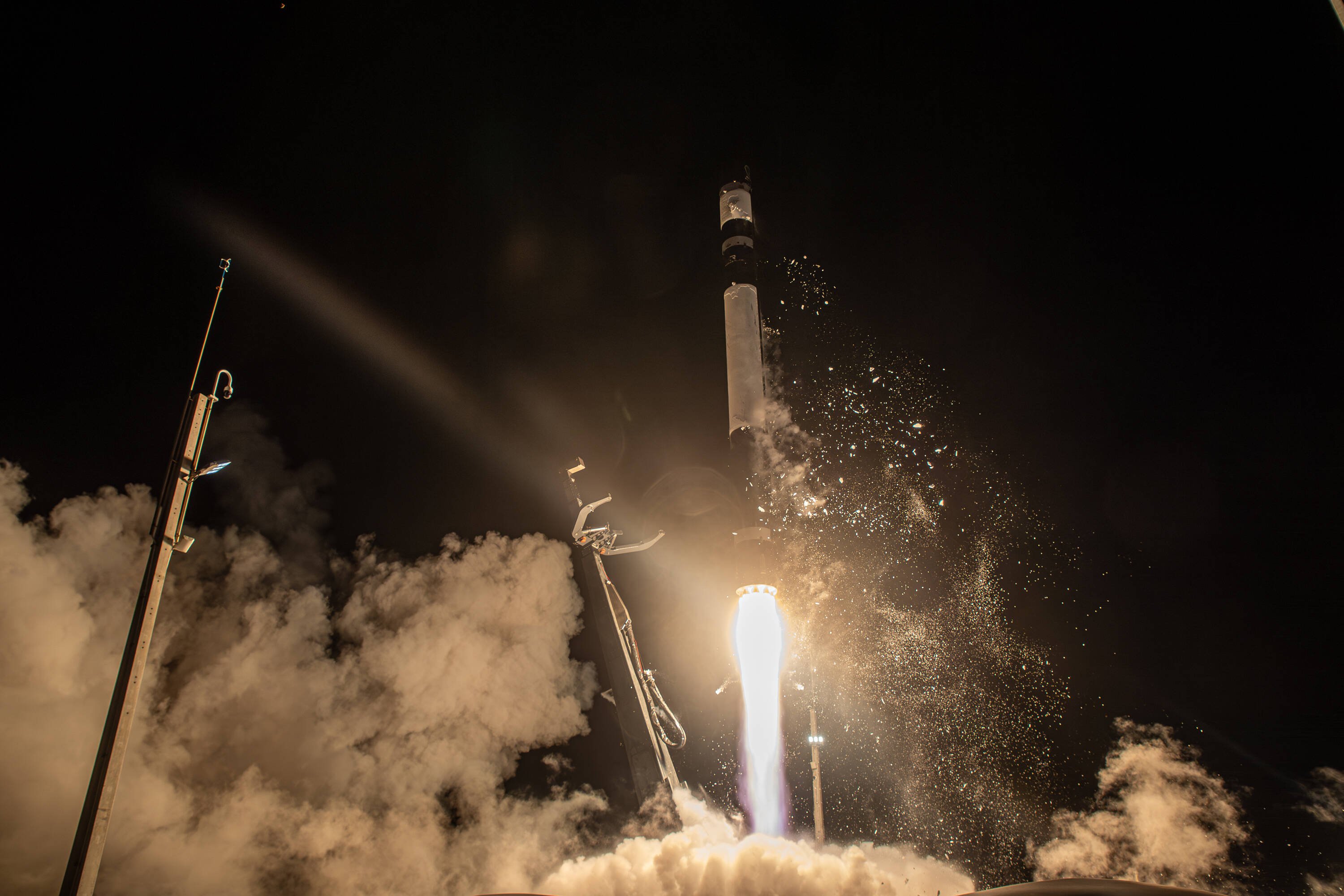
Japan's ADRAS-J satellite, launched by Rocket Lab, aims to monitor a derelict HII-A rocket stage in space, representing the world's first attempt to approach, characterize, and survey existing space debris. The spacecraft will rely on ground-based observations to approach the unprepared object and use cameras and sensors to document its state, as part of Japan's Commercial Removal of Debris Demonstration program.

"Rethinking Sustainability in the Space Industry"

Originally Published 1 year ago — by SpaceNews

Featured image for "Rethinking Sustainability in the Space Industry"
Source: SpaceNews

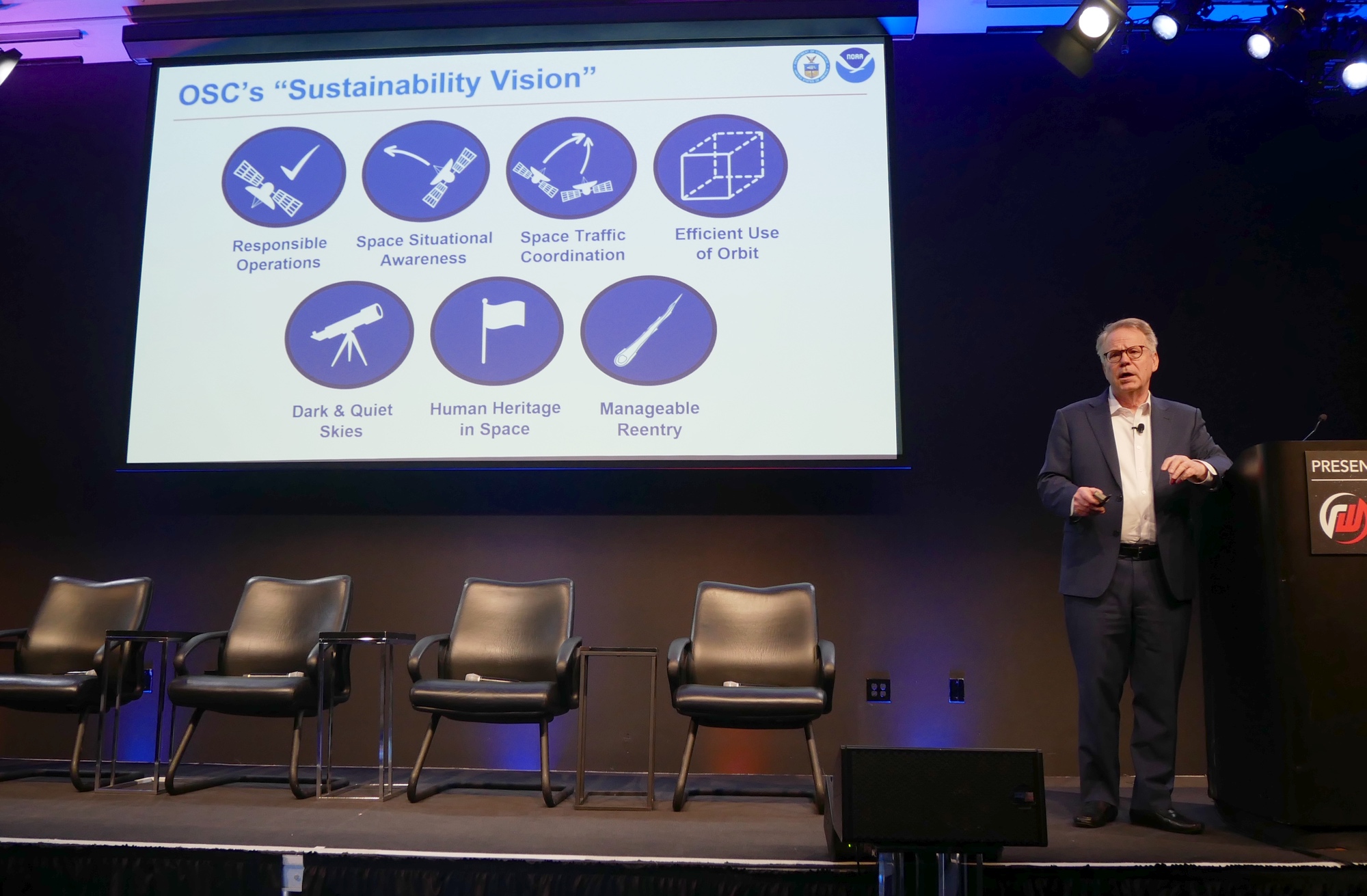
Richard DalBello, director of the Office of Space Commerce, emphasized the need for the space industry to address a broader range of sustainability issues beyond orbital debris, including space traffic coordination, protection of night skies from satellite interference, and environmental concerns. International cooperation and the development of internationally accepted responsible actions are crucial in addressing these issues, with the International Telecommunication Union taking steps to study space sustainability and strategies for post-mission disposal of satellites.

Senate Unanimously Passes Bill to Clean Up Space Junk and Address Orbital Debris

Originally Published 2 years ago — by SpaceNews

Featured image for Senate Unanimously Passes Bill to Clean Up Space Junk and Address Orbital Debris
Source: SpaceNews

The Senate has passed the Orbital Sustainability Act, also known as the ORBITS Act, which directs NASA to establish an orbital debris remediation program. The bill requires NASA to create a demonstration project for the research, development, and demonstration of technologies to remove selected orbital debris. It also mandates a partnership to conduct a demonstration mission for debris removal. The Department of Commerce will develop a list of debris to be targeted, and the National Space Council will update the federal government's Orbital Debris Mitigation Standard Practices. The bill now moves to the House for consideration. Additionally, the Senate passed the Launch Communications Act, which aims to streamline access to spectrum for commercial launches and reentries.

Enhanced Star Trackers Revolutionize Satellite Debris Monitoring

Originally Published 2 years ago — by SpaceNews

Featured image for Enhanced Star Trackers Revolutionize Satellite Debris Monitoring
Source: SpaceNews

Belgian spacecraft component specialist Arcsec and Portuguese space traffic management venture NeuraSpace are collaborating on the development of star-tracking sensors that would enable satellites to detect hazardous orbital debris that is too small to be detected from the ground. The upgraded star trackers would provide data to NeuraSpace, allowing them to track smaller orbital debris. Redwire has also developed a star tracker with debris detection capabilities, set to be launched in the next three to six months. Other manufacturers are exploring the development of star trackers for debris detection. The addition of debris-monitoring capabilities to star trackers would enhance space safety and improve orbit calculations.

FAA Proposes Stricter Rules to Curb Space Debris

Originally Published 2 years ago — by AVweb

Featured image for FAA Proposes Stricter Rules to Curb Space Debris
Source: AVweb

The FAA has proposed a rule to limit new orbital debris from commercial space vehicles in order to reduce the risk of collisions with spacecraft and satellites. The proposed rule focuses on how commercial operators will be required to dispose of the upper stages of their launch vehicles, offering five disposal options. The FAA aims to align commercial space orbital debris mitigation practices with those accepted by the U.S. government for its space missions. The rule will be open for public comment for 90 days.

TransAstra Secures NASA Contract for Debris Capture Bag

Originally Published 2 years ago — by SpaceNews

Featured image for TransAstra Secures NASA Contract for Debris Capture Bag
Source: SpaceNews

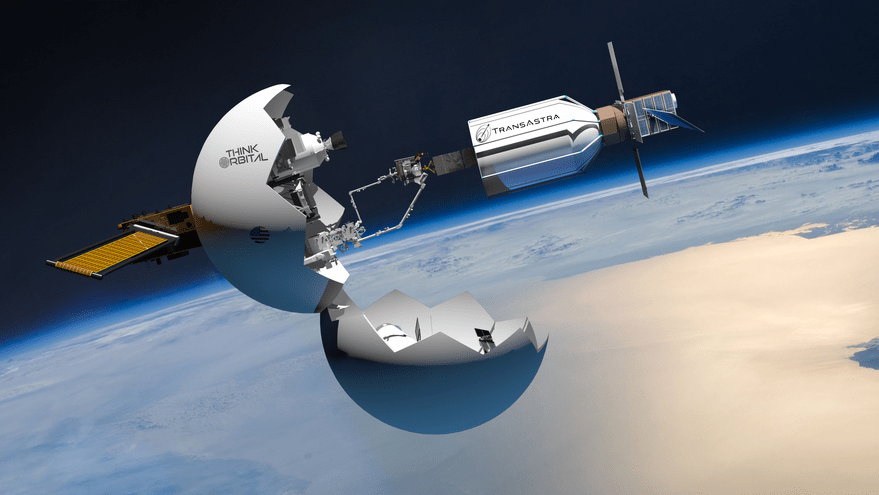
TransAstra has been awarded an $850,000 NASA contract to manufacture an inflatable capture bag for orbital debris cleanup. The bag, which uses inflatable struts to open and close, can envelop noncooperative objects without requiring docking or fixtures. TransAstra proposes capturing multiple pieces of debris with a single bag, reducing propellant consumption and time. The company also plans to transport debris to an on-orbit processing plant for recycling, offering cost reductions and a more sustainable approach to space debris removal. Computer simulations have validated the effectiveness of this method, highlighting its potential for space industrialization and national defense.

"European Debris Removal Mission Foiled by Colliding Debris"

Originally Published 2 years ago — by SpaceNews

Featured image for "European Debris Removal Mission Foiled by Colliding Debris"
Source: SpaceNews

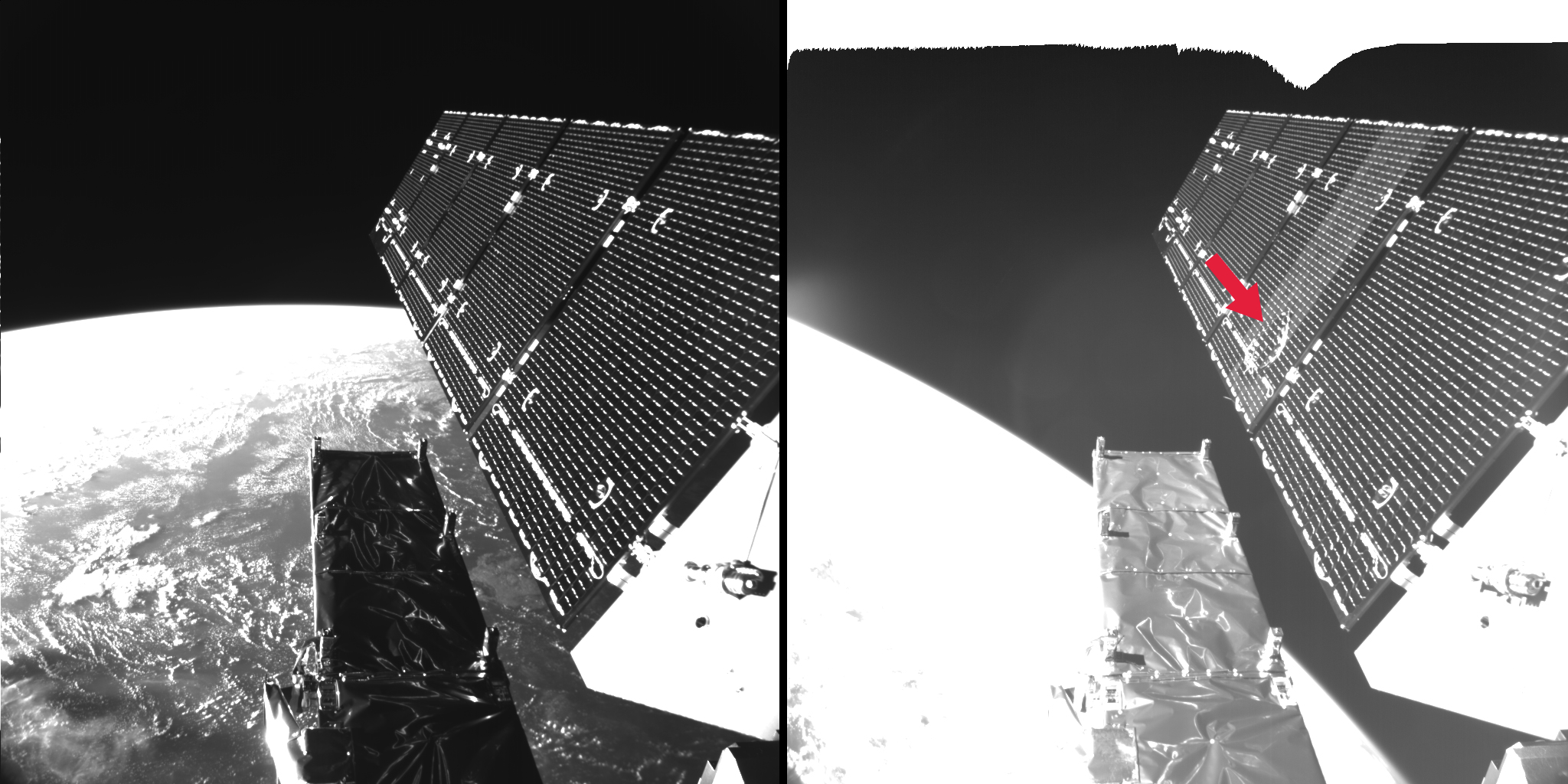
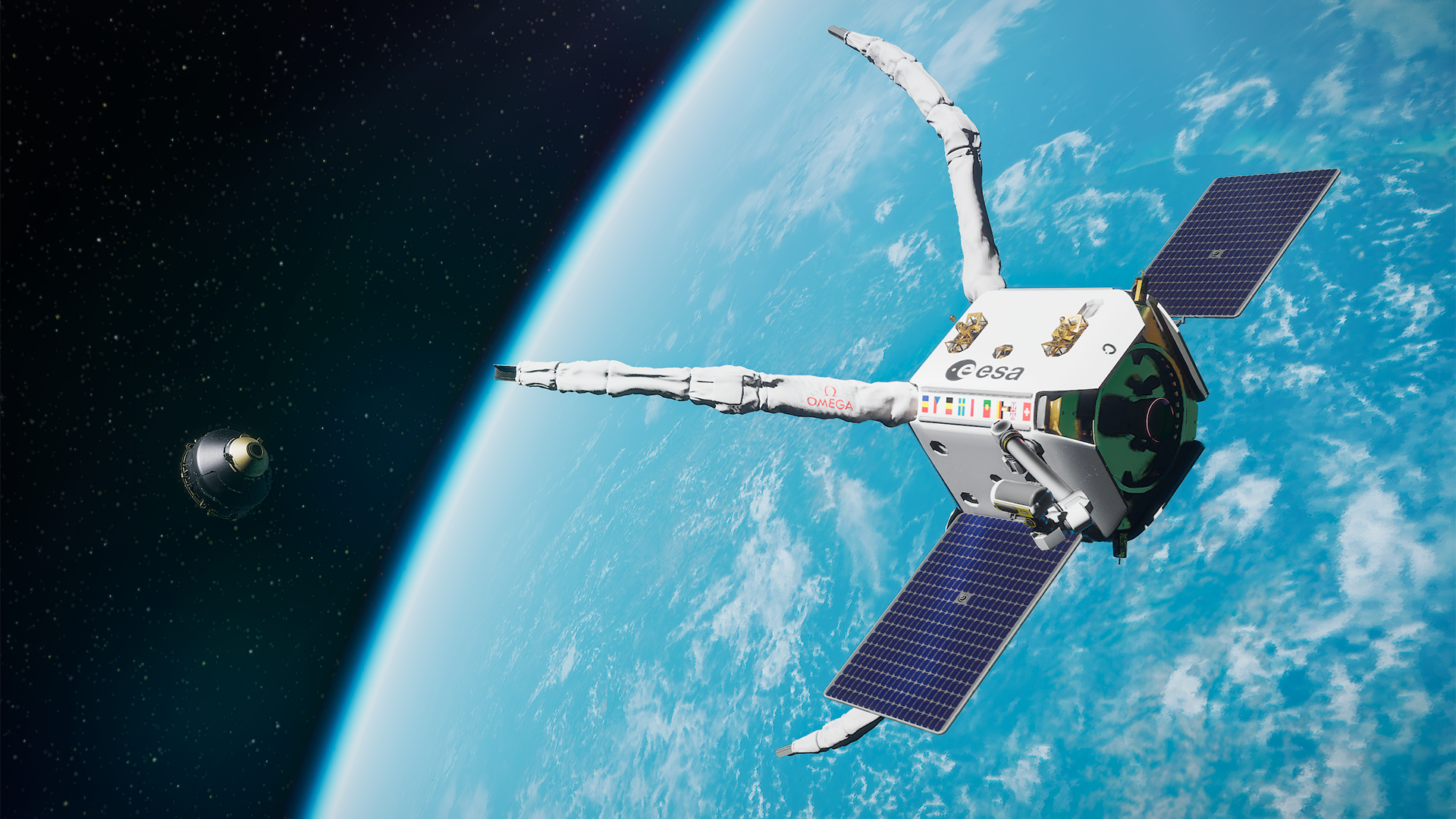
The European Space Agency (ESA) has revealed that the target of its debris cleanup mission, a payload adapter called Vespa, may have been damaged by debris impact. The ESA-backed mission, called ClearSpace-1, aims to remove the Vespa adapter from orbit. The incident is ironic as the debris originated from Vespa itself. ESA is currently evaluating the impact of the debris on the ClearSpace-1 mission, which is scheduled to launch in 2026. ESA has made space safety and mitigating orbital debris a priority, and recently unveiled plans for a "Zero Debris Charter" to prevent the creation of new debris in Earth orbit.

Space Governance and the Tumbling Motion of Space Debris: A Sustainable Challenge

Originally Published 2 years ago — by SpaceNews

Featured image for Space Governance and the Tumbling Motion of Space Debris: A Sustainable Challenge
Source: SpaceNews

The rapid increase in the number of satellites and debris in low Earth orbit is challenging the international governance model for space activities. The United Nations' Committee on the Peaceful Uses of Outer Space (COPUOS) has been handling space governance, but its consensus-based model and large size make progress slow. Efforts are underway to address space sustainability through alternative mechanisms, including the United Nations' Summit of the Future in 2024 and the development of binding agreements or widely adopted norms and guidelines. Other initiatives, such as the World Economic Forum's guidelines for mitigating orbital debris and the European Space Agency's Zero Debris Charter, aim to promote responsible space practices. However, the need for a global space government framework becomes increasingly urgent as low Earth orbit becomes more congested.