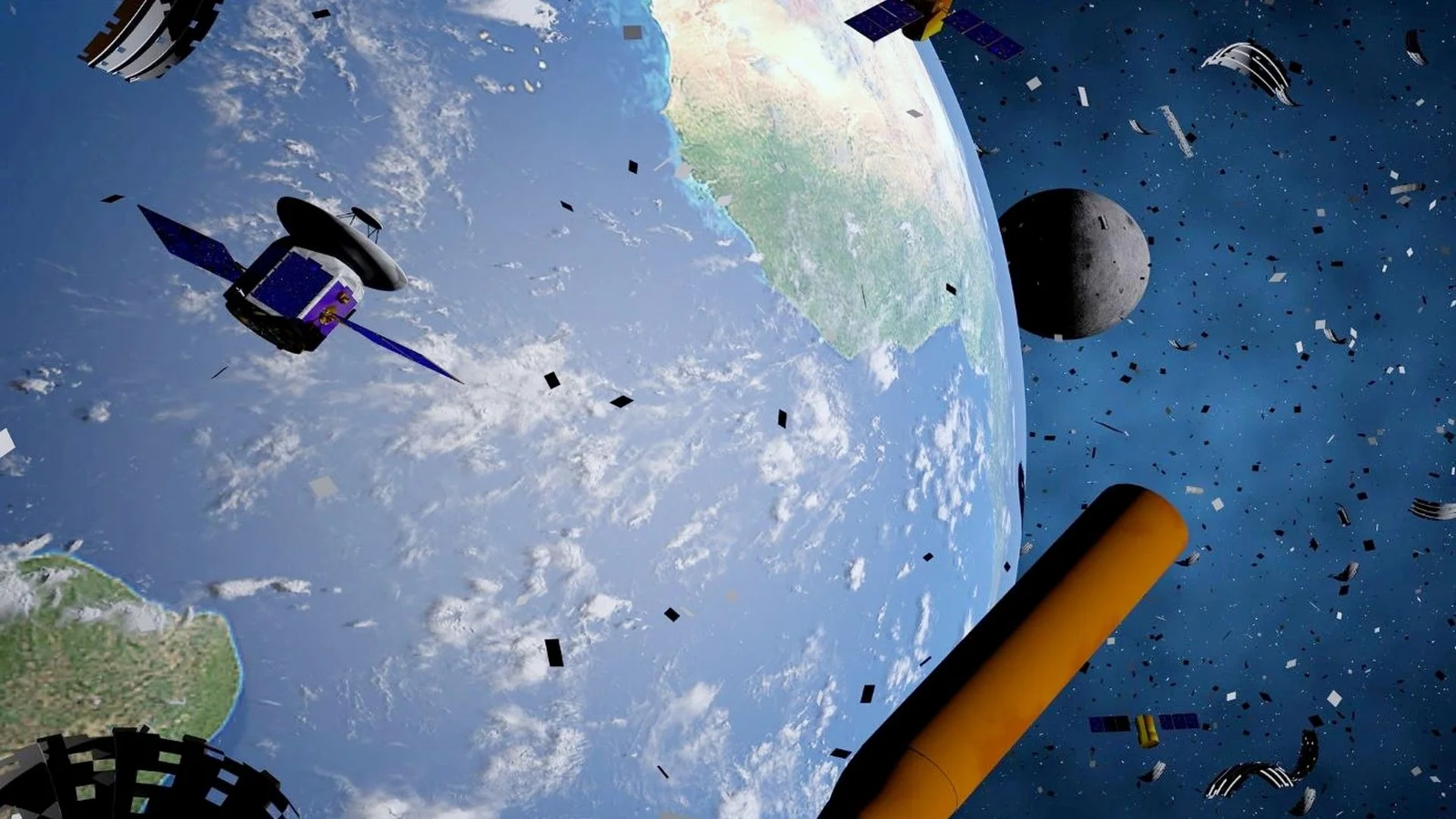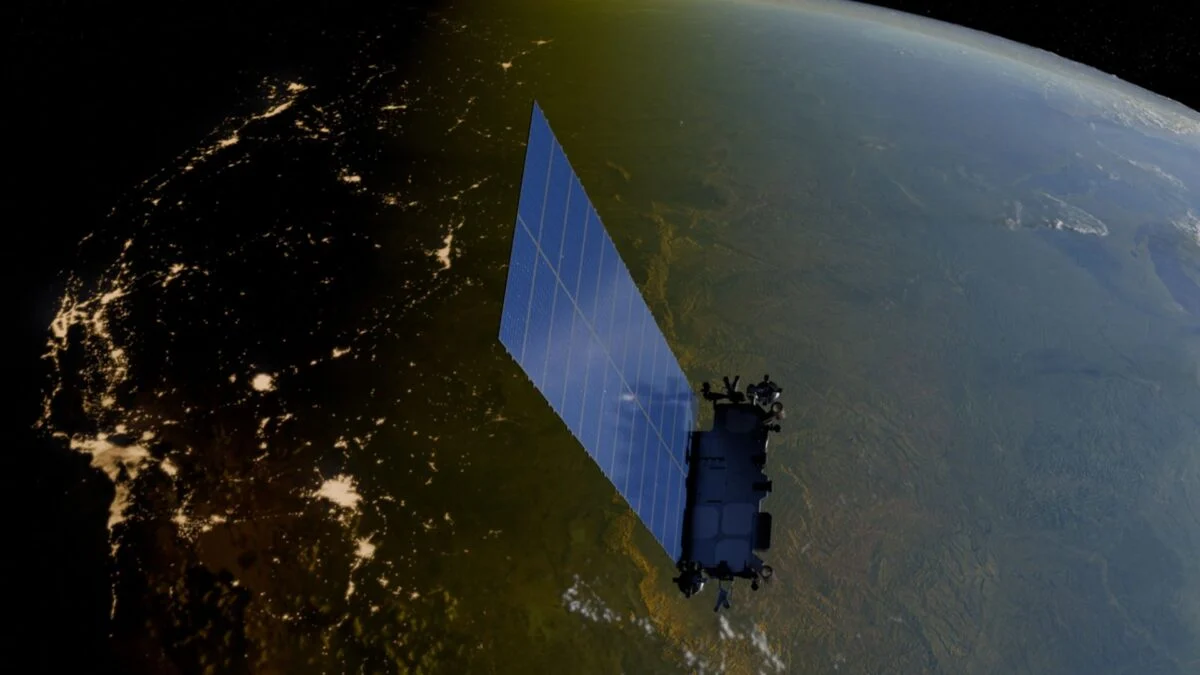
A Starlink satellite experienced an anomaly, vented propellant, and released debris into orbit, raising concerns about space debris and the risk of Kessler Syndrome, as the satellite is expected to reenter Earth's atmosphere within weeks.
A new metric called the CRASH Clock quantifies the risk of catastrophic satellite collisions, revealing that a severe event like a solar storm could cause a collision in less than three days, highlighting the urgent need to address space debris and satellite congestion, especially with the rapid increase in satellite constellations by companies like SpaceX.
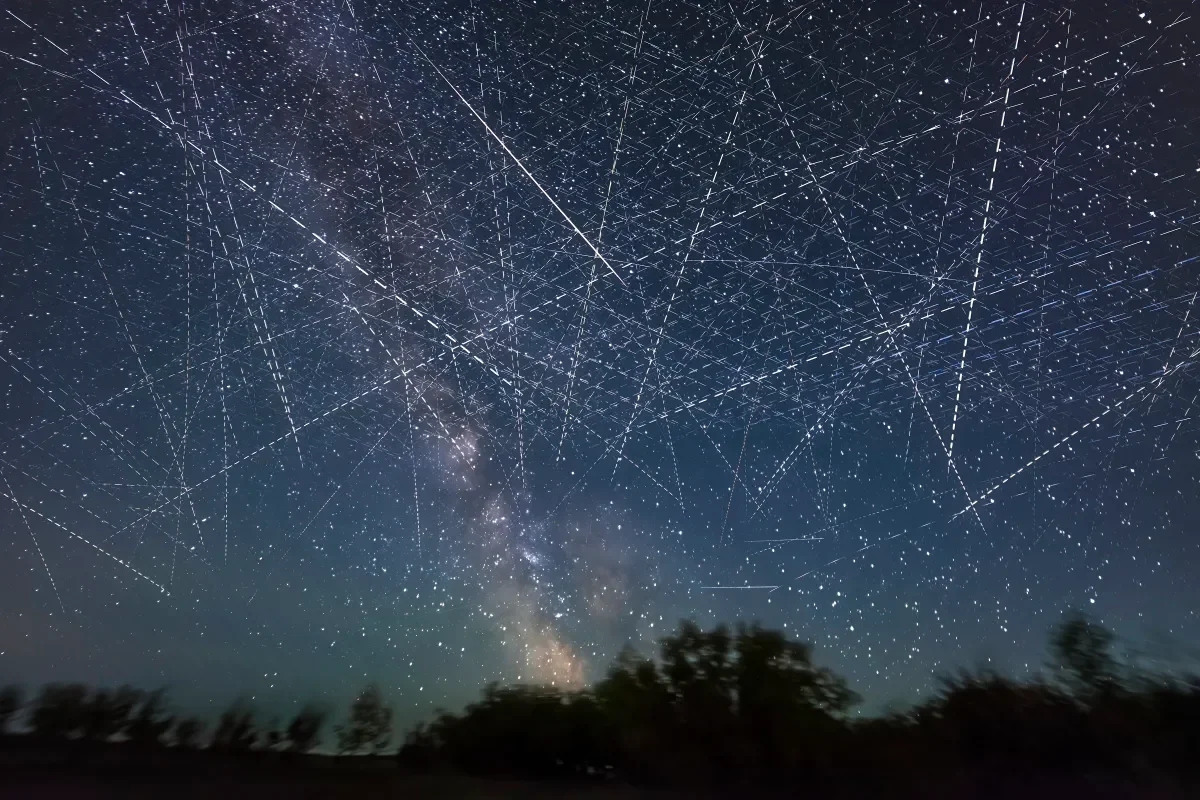
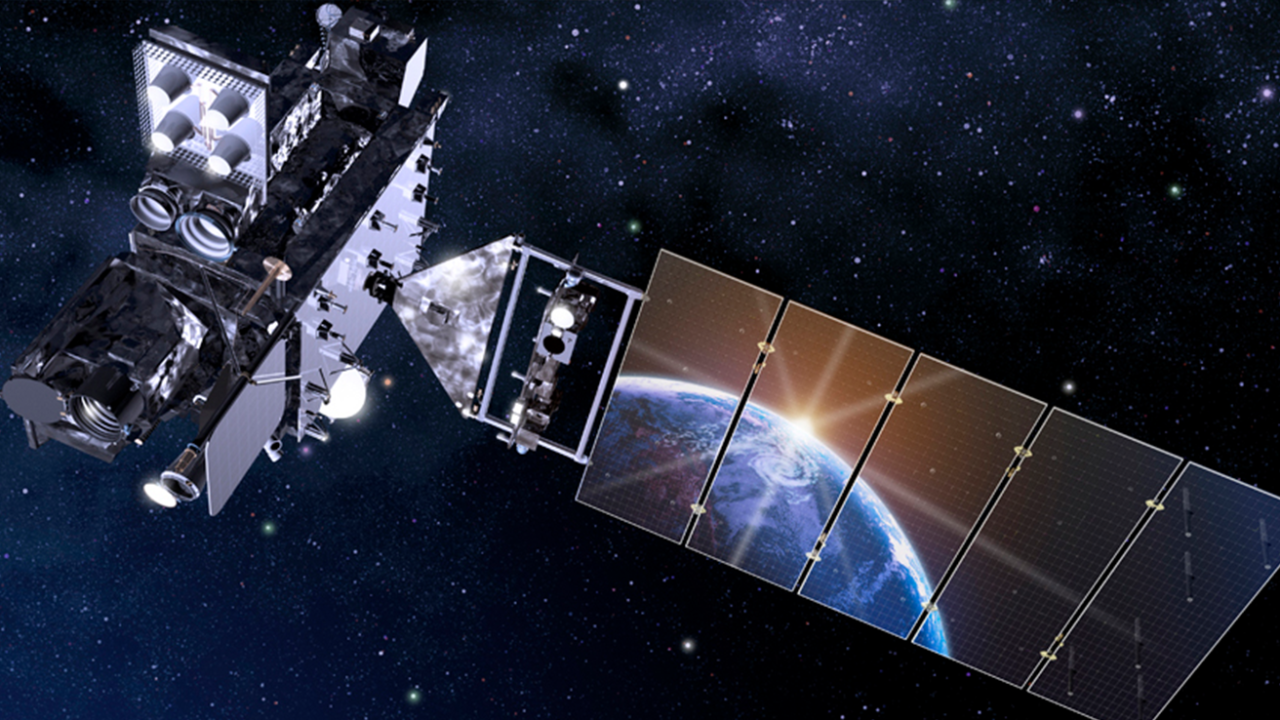
A near-miss occurred on December 12 when a Starlink satellite narrowly avoided colliding with a Chinese-launched satellite launched just 48 hours earlier, highlighting the lack of an international space traffic management system. With the increasing number of satellites from companies like SpaceX and Amazon, the risk of space debris and collisions is rising, potentially leading to catastrophic chain reactions and debris falling to Earth, emphasizing the urgent need for coordinated space traffic control.
A new study warns that a severe solar storm could trigger satellite collisions in Earth's orbit within days, especially in low Earth orbit where most satellites like SpaceX's Starlink operate, potentially leading to a cascade of debris and making space unusable. The risk is higher now than in 2018 due to increased satellite numbers, and future solar storms could cause significant disruptions if satellite operators are unprepared.
A new study warns that a solar storm could disable Earth's satellite system within three days, potentially causing a chain reaction of collisions and debris that could devastate global communications, navigation, and space exploration capabilities, especially during the current solar maximum.
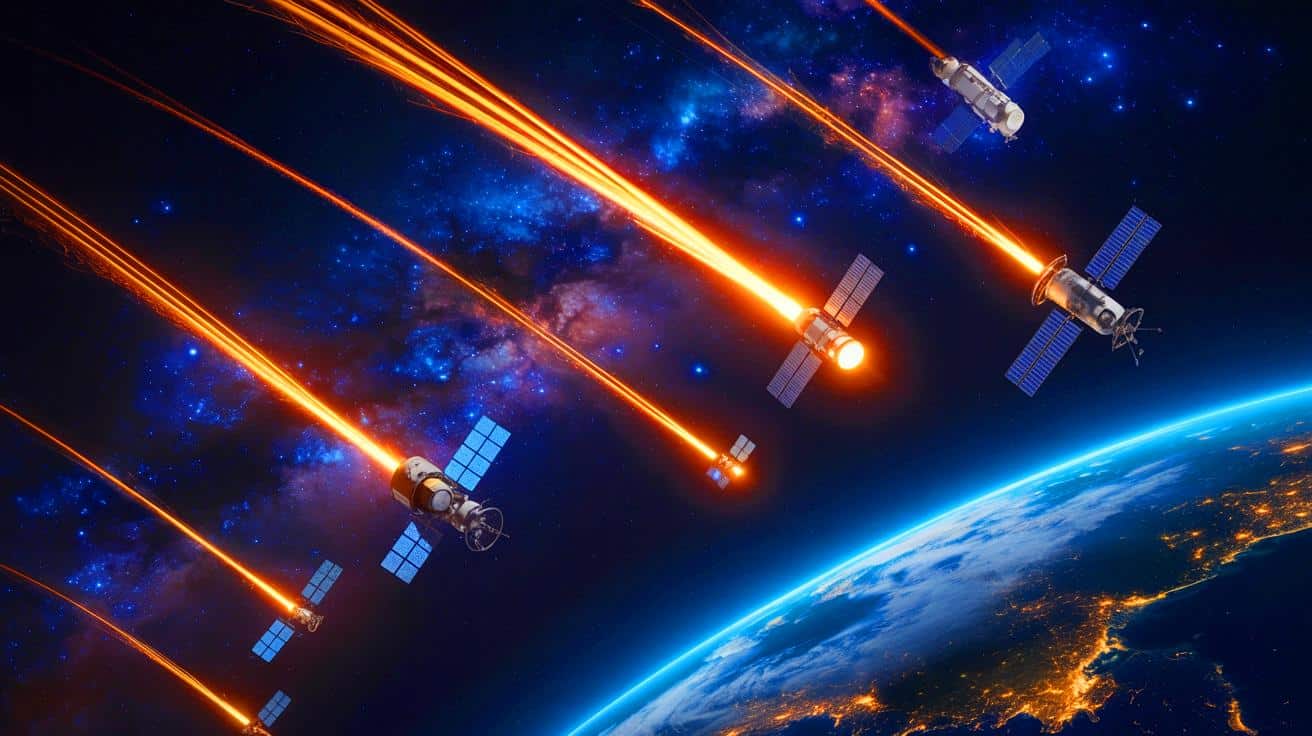
A new study warns that a single solar storm could disable satellite control systems, leading to catastrophic collisions in space and potentially triggering Kessler syndrome, which could make space inaccessible for humans for decades. The increasing density of satellite mega-constellations like Starlink amplifies this risk, especially since solar storms can damage satellites' navigational systems and increase atmospheric drag, making real-time control crucial to prevent disaster.
A new study warns that the risk of catastrophic satellite collisions in Earth's orbit has increased significantly, with the 'CRASH Clock' now at just 2.8 days, indicating little time to prevent disaster from solar storms or satellite debris chain reactions, potentially leading to severe space and Earth-based consequences.
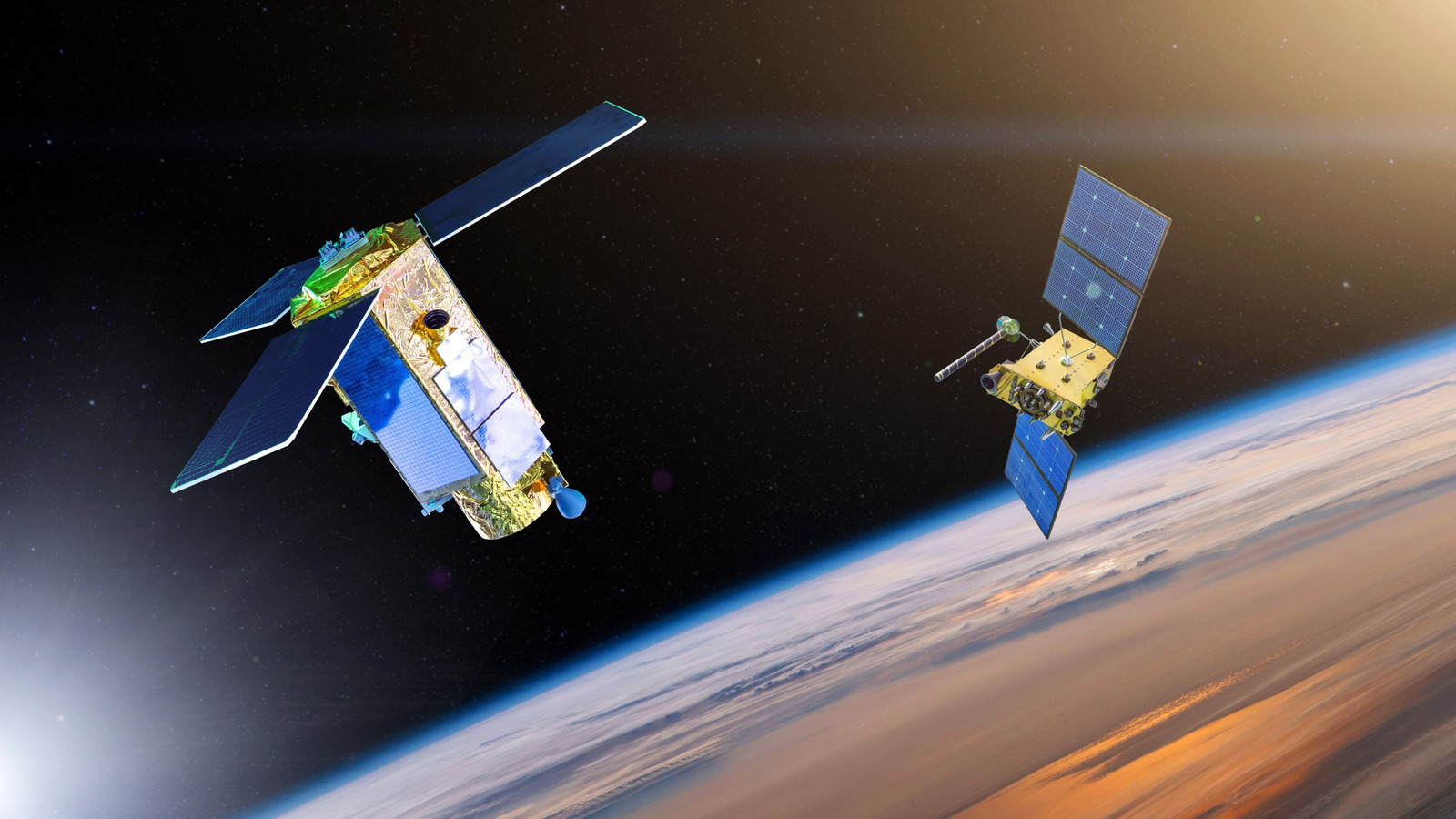
A Chinese Kinetica 1 satellite nearly collided with a Starlink satellite in low-Earth orbit, highlighting the urgent need for better coordination among satellite operators to prevent space collisions as orbit becomes increasingly crowded, raising concerns about the potential for Kessler syndrome.
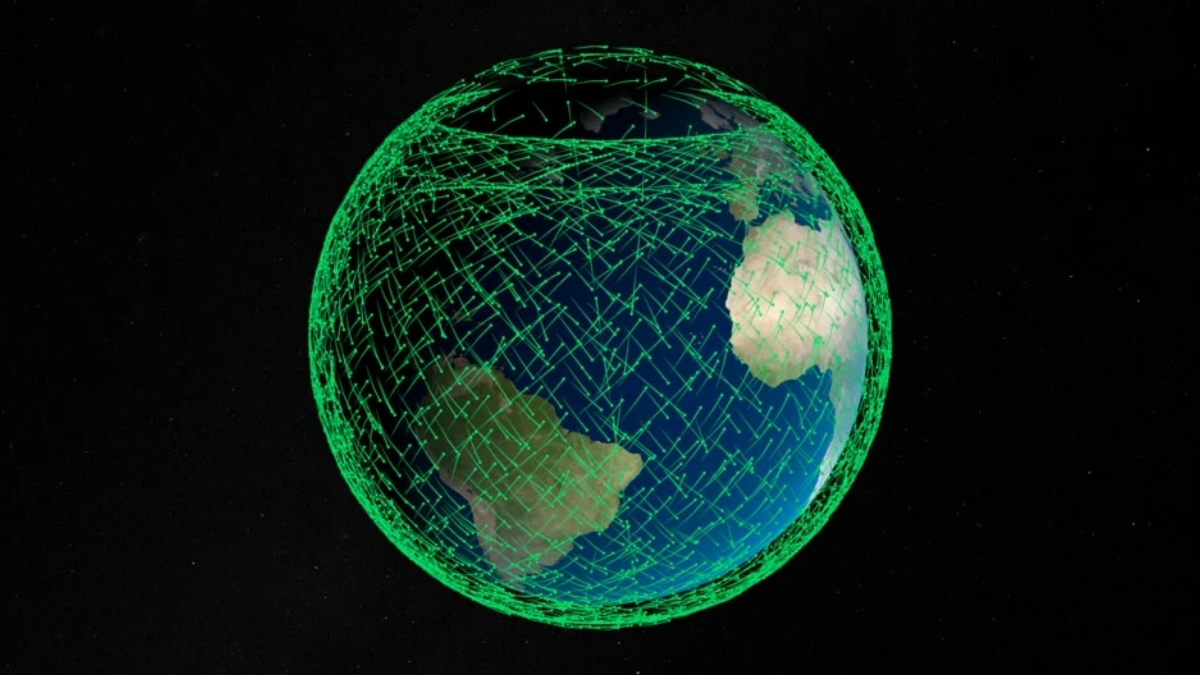
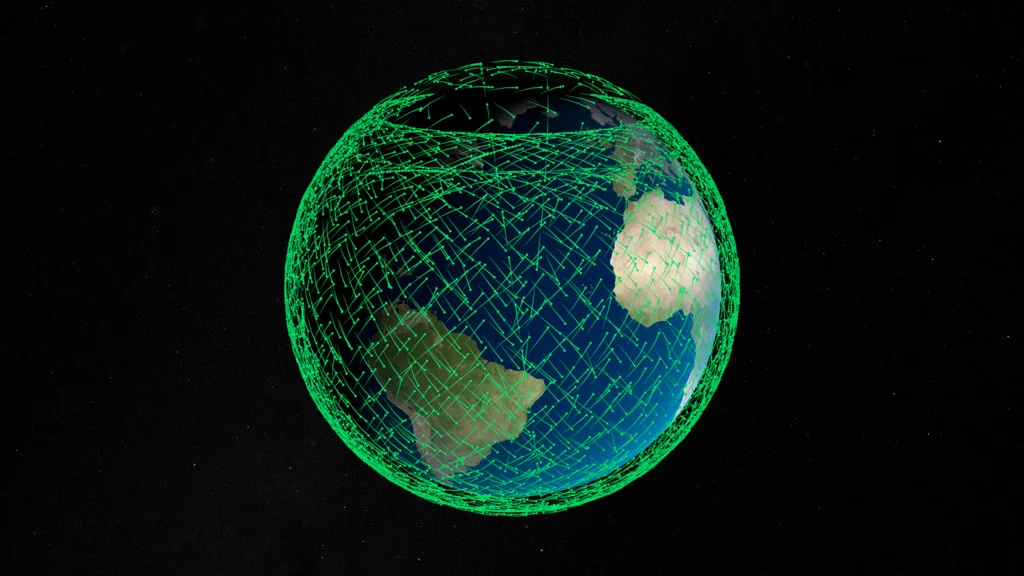
A new study warns that the increasing density of satellite mega-constellations in Low Earth Orbit creates a fragile system at risk of catastrophic collision, especially during solar storms, with potential for a rapid cascade of debris and loss of space access within days if control is lost. The paper emphasizes the urgent need for better management and risk assessment to prevent a future space debris catastrophe.
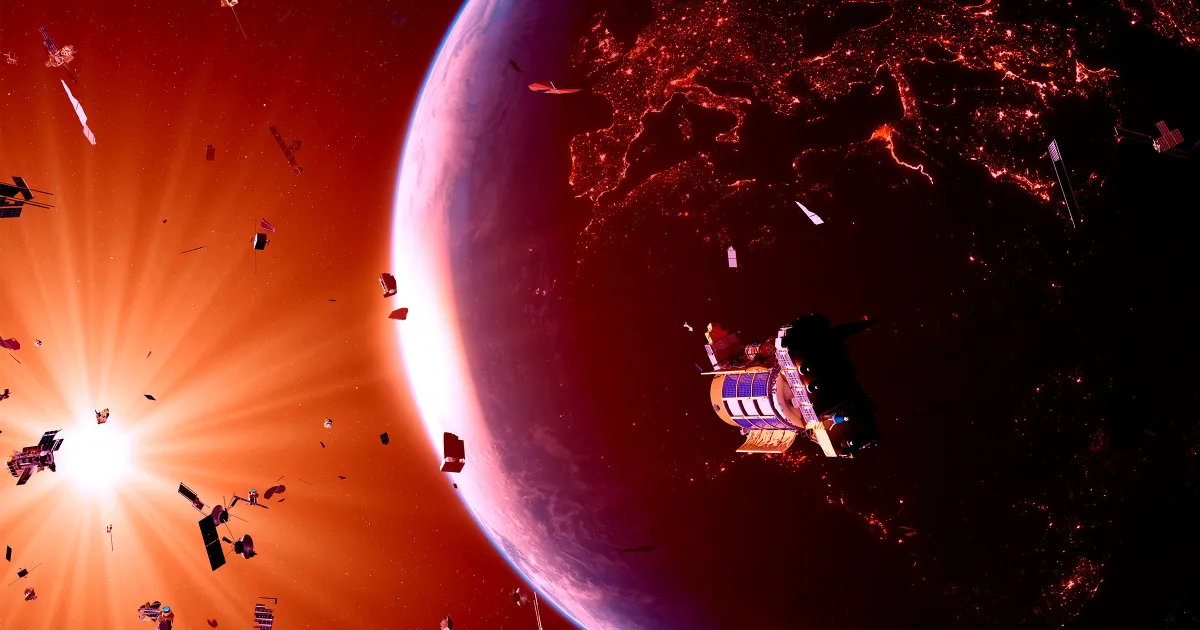
The rapid increase in satellite launches by SpaceX and Amazon is raising concerns about space debris, environmental pollution, and the risk of catastrophic collisions like the Kessler syndrome, threatening both space and human safety, and calling for international efforts to manage space junk.
Elon Musk's Starlink satellites are increasingly deorbiting, raising concerns about space debris and the potential onset of Kessler syndrome, a catastrophic chain reaction of collisions in Earth's orbit that could threaten satellite infrastructure and safety.
Elon Musk's Starlink satellites are contributing to increasing space debris, with one or two satellites falling back to Earth daily, raising concerns about pollution, satellite collisions, and the potential for a catastrophic chain reaction known as Kessler syndrome, which could severely impact Earth's orbital environment and pose risks to ground safety.
SpaceX deorbits about one to two Starlink satellites daily, raising concerns about space debris and potential environmental impacts, including the risk of Kessler syndrome and pollution of Earth's atmosphere with satellite remnants, which could have unknown effects on climate and the ozone layer.
Researchers at Tohoku University in Japan have developed a revolutionary bidirectional plasma ejection propulsion system that can safely and efficiently remove space debris using affordable argon, potentially preventing the Kessler syndrome and ensuring sustainable space activities.
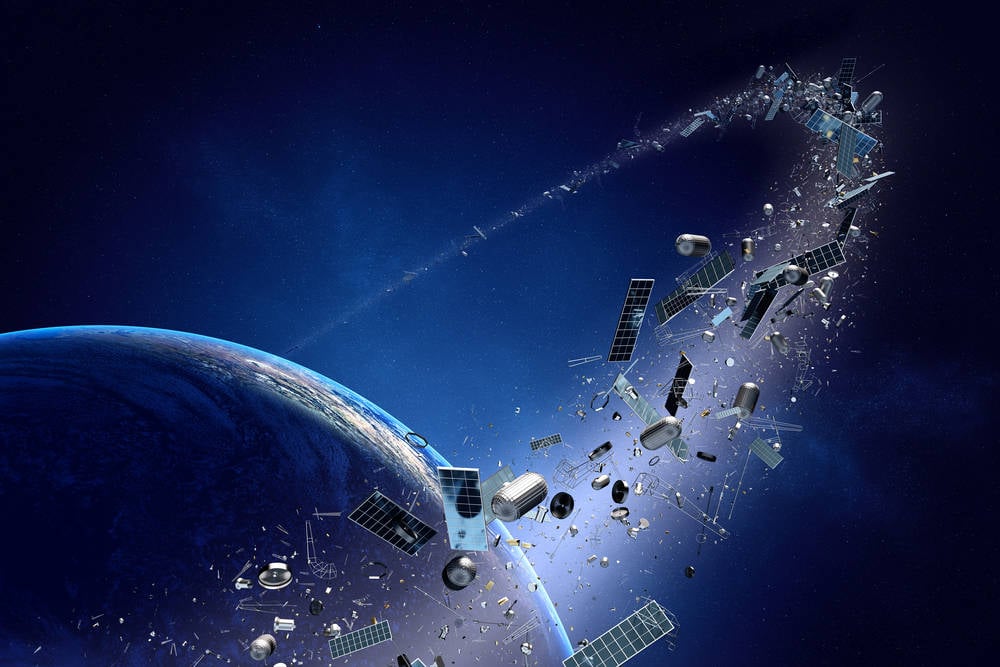
Tens of thousands of pieces of space debris threaten Earth's orbit, with experts emphasizing the need to prioritize removal of large, hazardous objects to prevent catastrophic collisions and Kessler Syndrome. Advances in cleanup technology are underway, but cost and decision-making methods are critical, highlighting the importance of fair and effective prioritization strategies for sustainable space exploration.