Tag

Solar Storms

All articles tagged with #solar storms

Starlink Expansion Sparks Warnings of Space Debris, Atmospheric Impact
technology1 month ago

Starlink Expansion Sparks Warnings of Space Debris, Atmospheric Impact

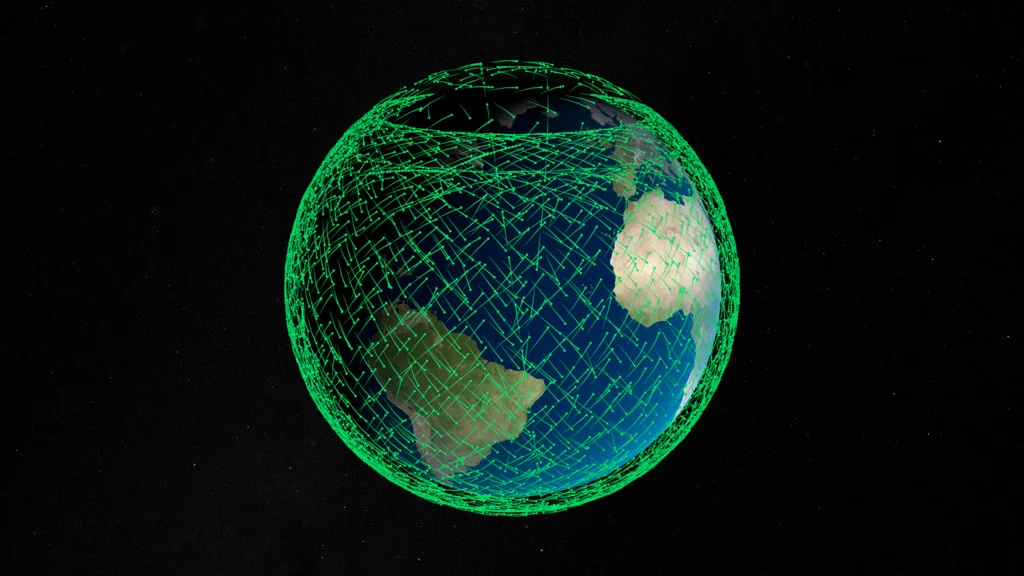
The FCC approved 7,500 more Starlink satellites, bringing the constellation to about 15,000 by 2031, but scientists warn this could heighten collision risk in crowded orbits, trigger space-debris concerns (including sub-10 cm fragments), and alter the stratosphere with more aluminum oxide from deorbiting, while solar storms pose additional lower-orbit risks—even as officials emphasize faster broadband and economic benefits.
Countdown to Crisis: The Urgent Need to Address Low Earth Orbit Congestion
science-and-technology2 months ago

Countdown to Crisis: The Urgent Need to Address Low Earth Orbit Congestion

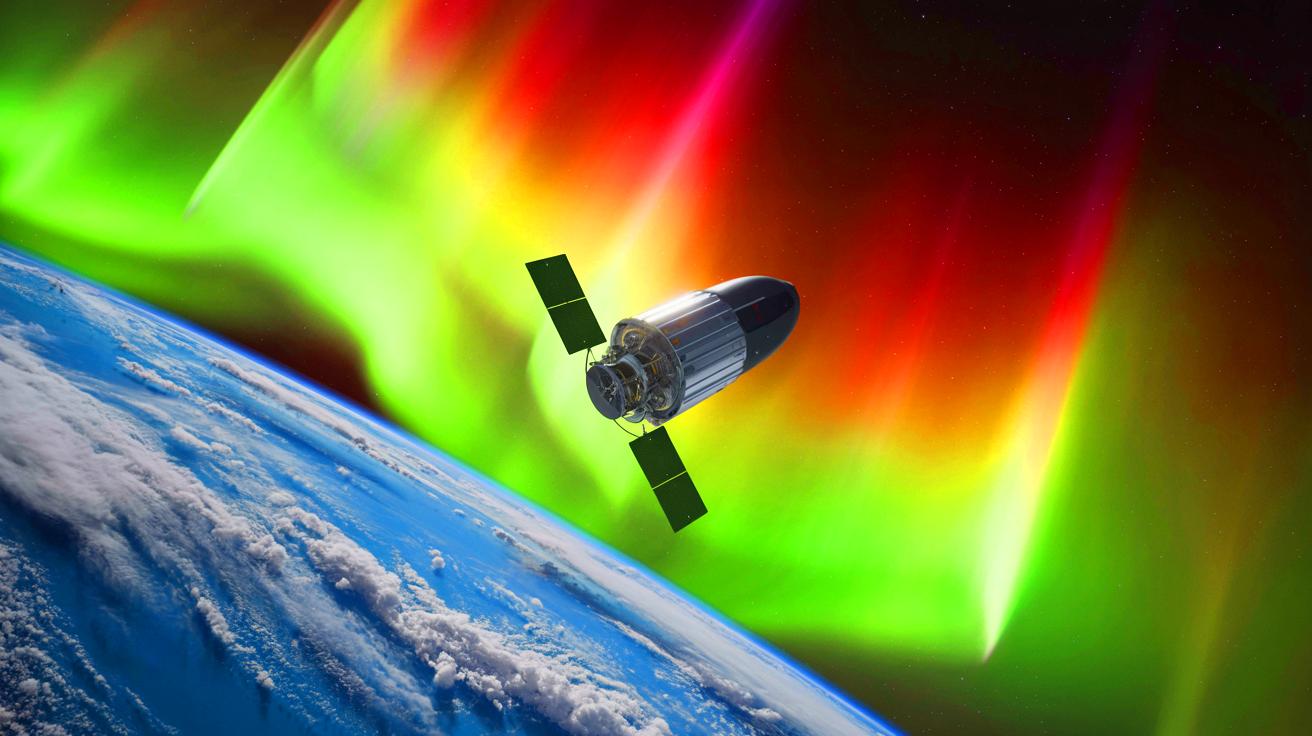
A new study warns that the increasing density of satellite mega-constellations in Low Earth Orbit creates a fragile system at risk of catastrophic collision, especially during solar storms, with potential for a rapid cascade of debris and loss of space access within days if control is lost. The paper emphasizes the urgent need for better management and risk assessment to prevent a future space debris catastrophe.

Severe Solar Storms May Bring Stunning Auroras to North America
science3 months ago

Severe Solar Storms May Bring Stunning Auroras to North America

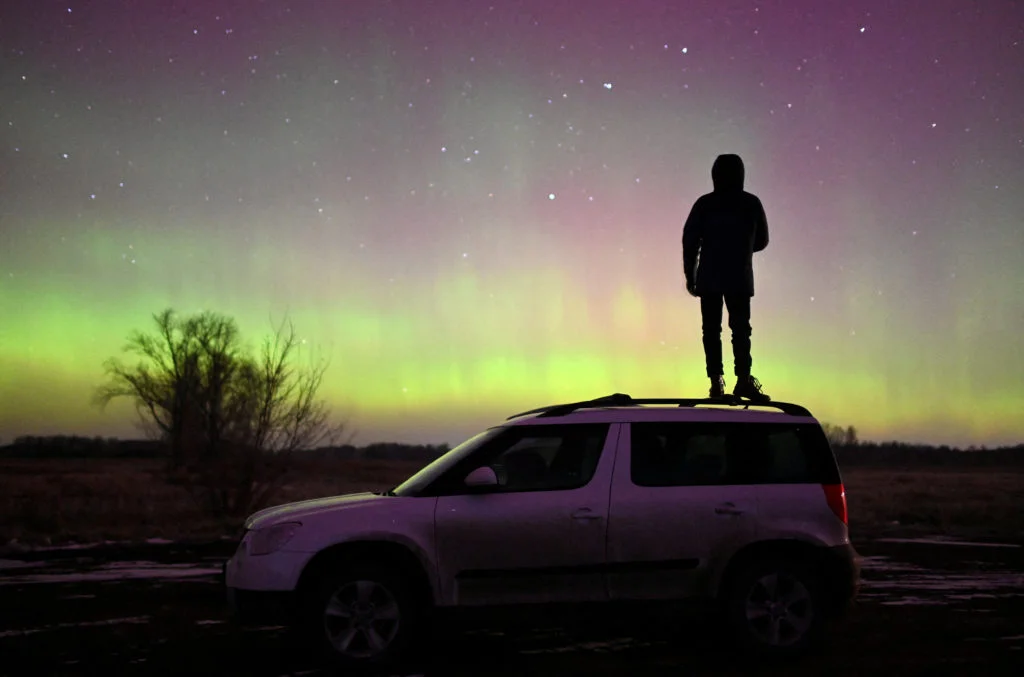
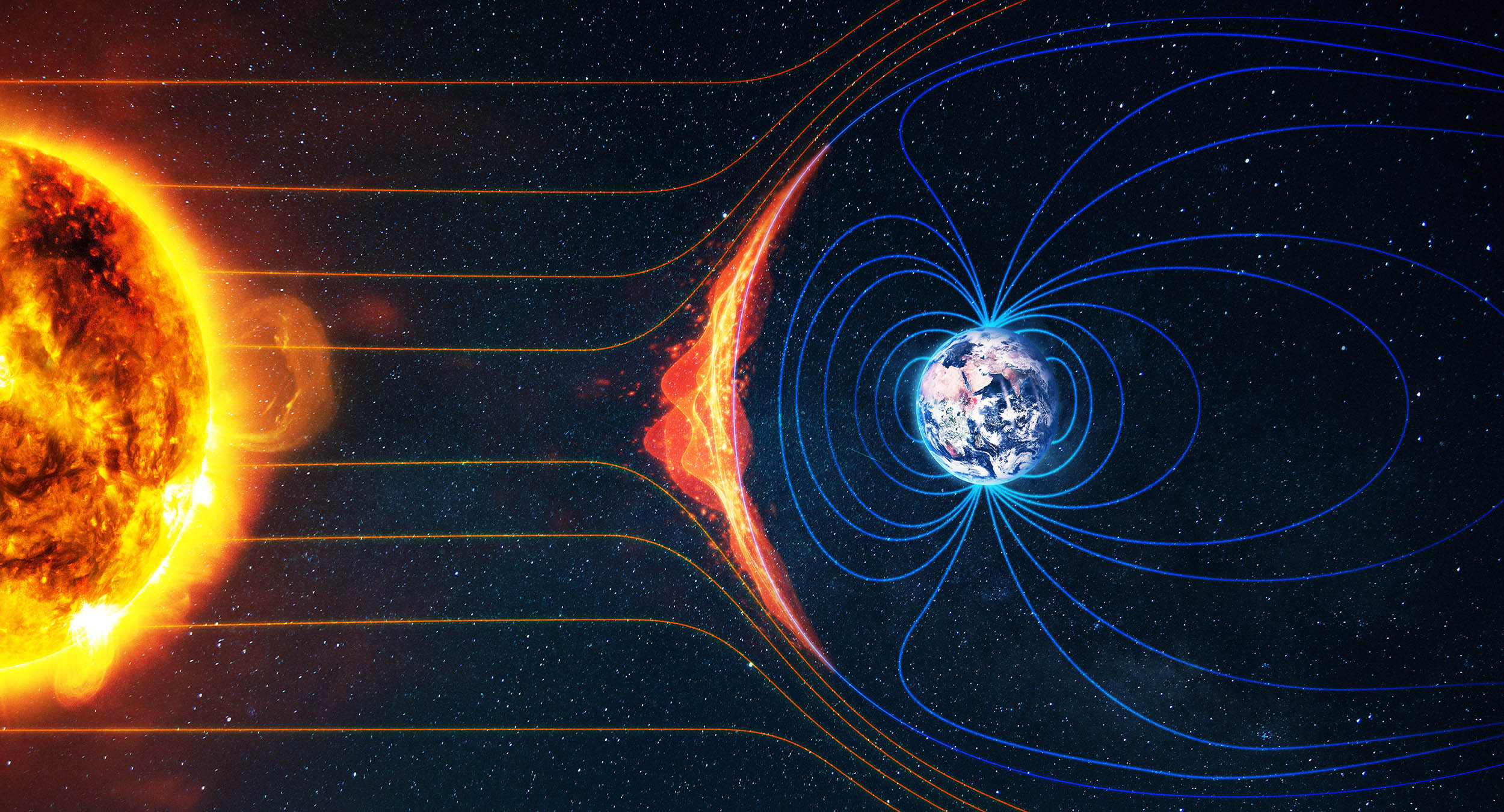
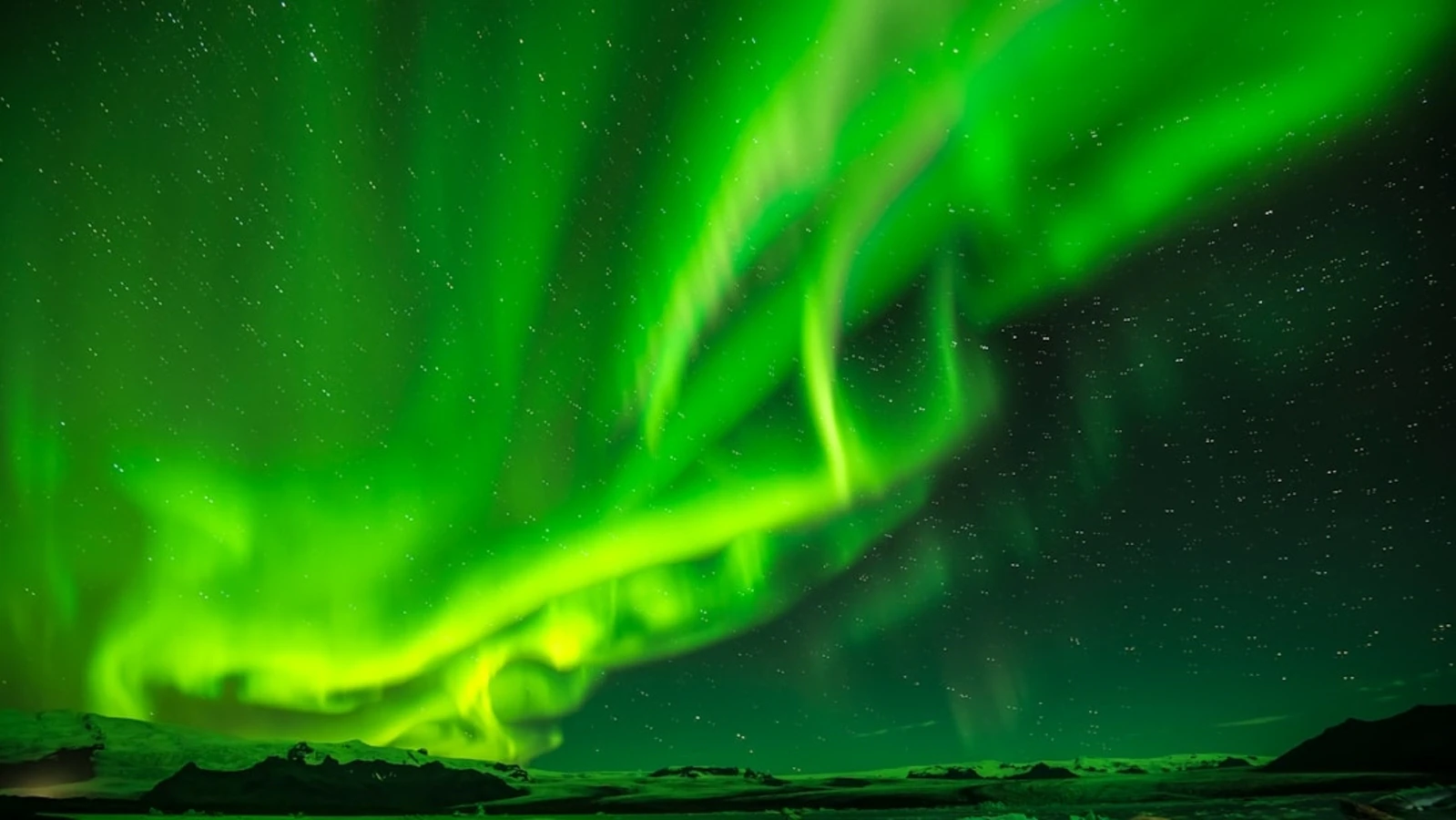
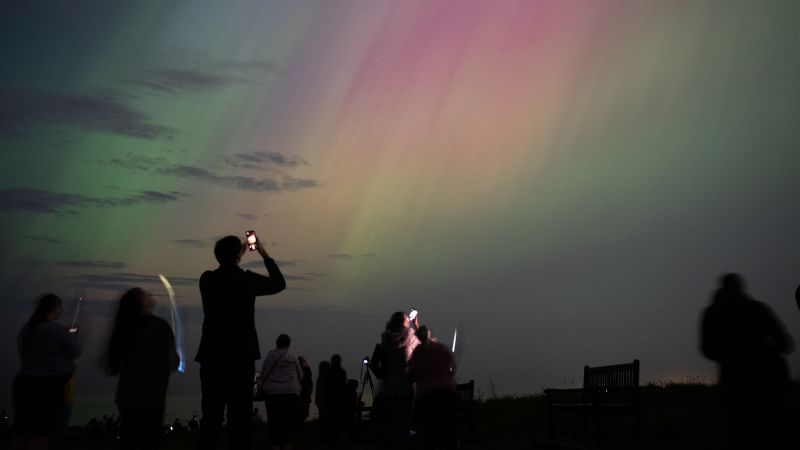
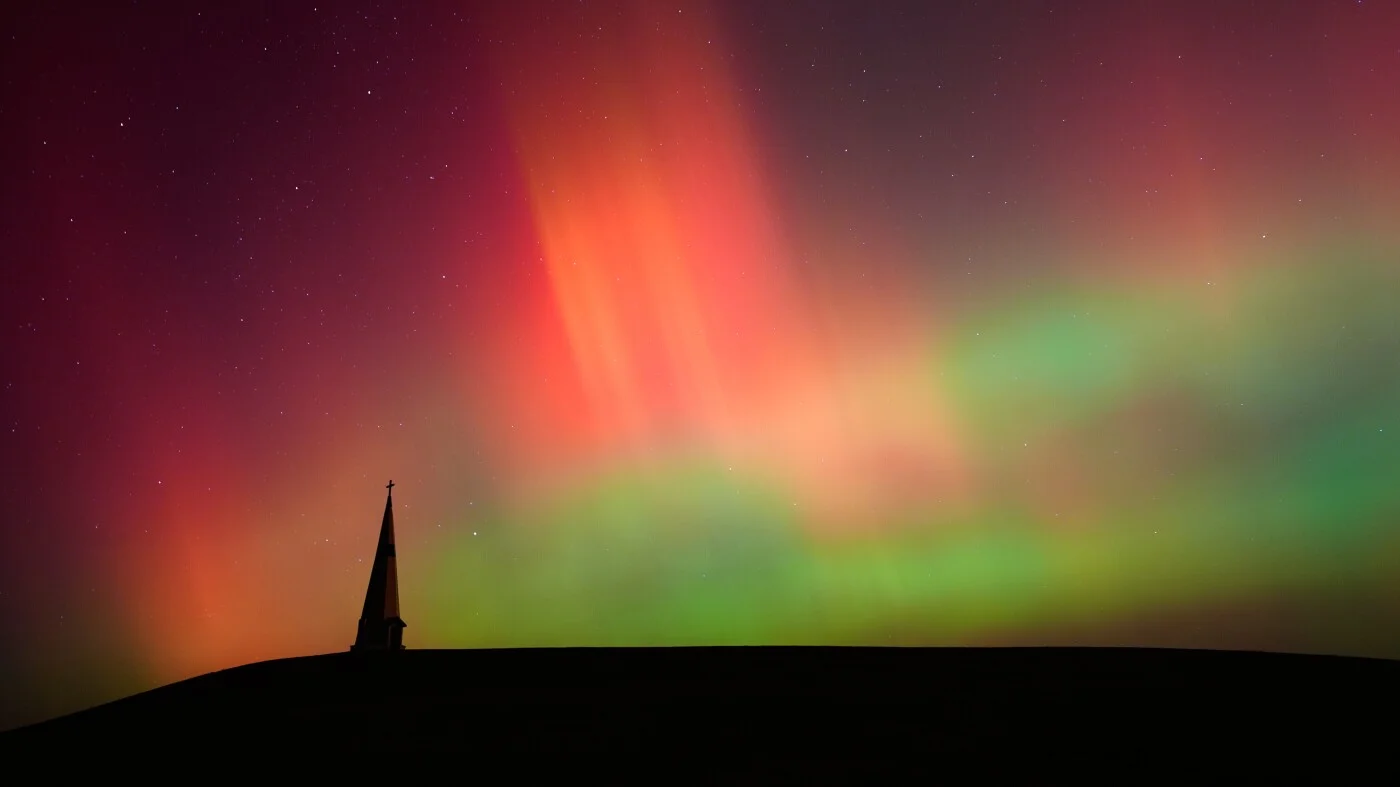
Space weather forecasters warn of severe solar storms caused by recent coronal mass ejections from the sun, which could produce vibrant northern lights visible across much of the northern U.S. and disrupt communications, GPS, and power grids. The sun is currently at the peak of its 11-year activity cycle, increasing aurora activity and space weather events, with experts advising caution and preparation for potential disruptions.

Severe Solar Storms May Bring Northern Lights to 21 States Tonight
science3 months ago

Severe Solar Storms May Bring Northern Lights to 21 States Tonight

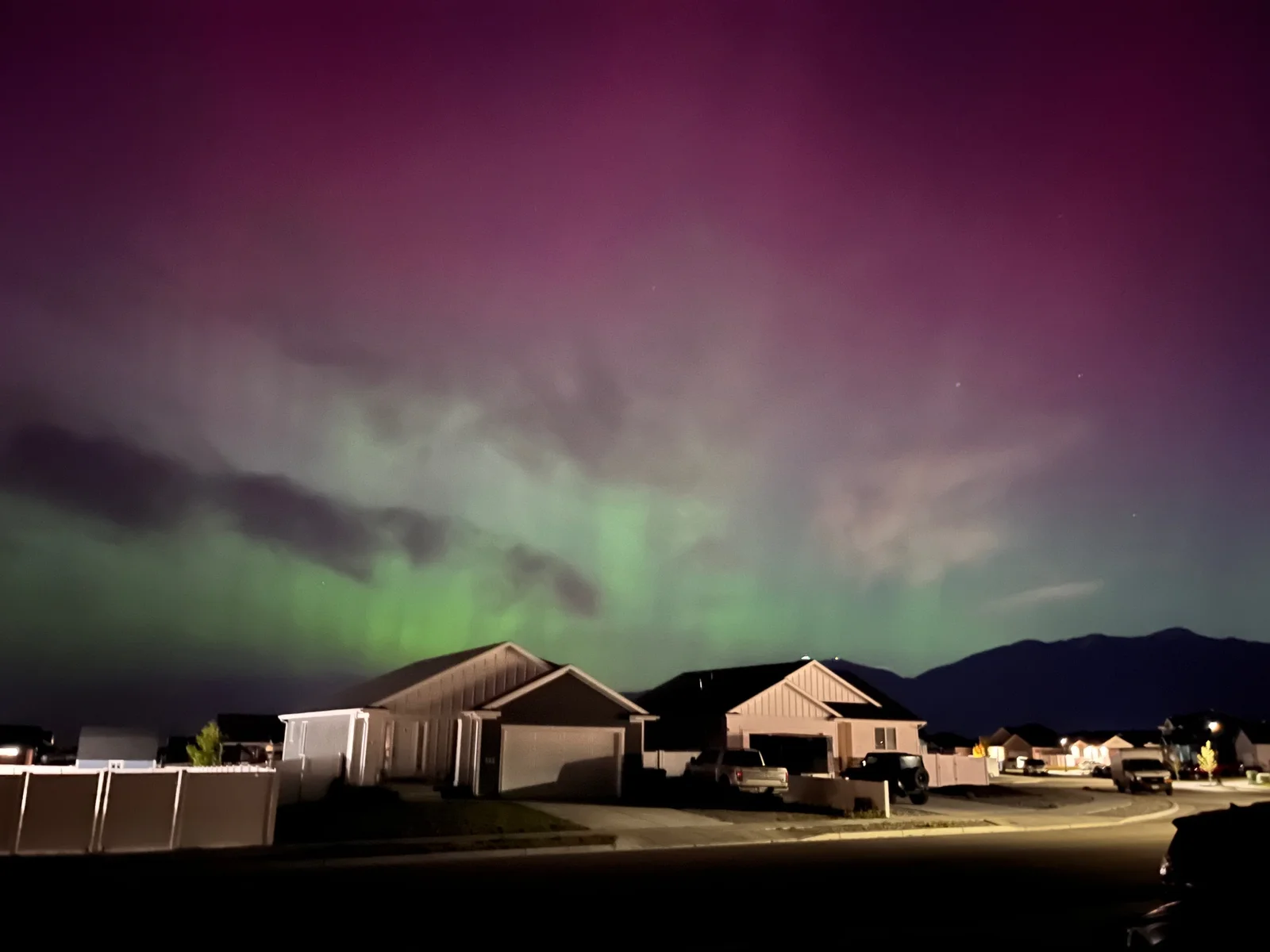
The northern lights may be visible in Utah on Tuesday and Wednesday nights due to solar storms, with the best viewing chances on Tuesday from 8 p.m. to 11 p.m., though cloud cover could hinder visibility. The aurora borealis has been increasingly visible in Utah since 2023, and residents are encouraged to watch social media for updates and share their photos.

Severe Solar Storms May Bring Northern Lights to 21 US States
science3 months ago

Severe Solar Storms May Bring Northern Lights to 21 US States

Space weather forecasters warn of severe solar storms caused by recent coronal mass ejections from the sun, which could produce spectacular auroras visible across much of the northern U.S. and even further south, while also potentially disrupting communications and power grids. The sun's heightened activity, part of its 11-year cycle, increases the likelihood of these displays and disruptions, with experts advising on how to view the auroras safely and effectively.

New Space Missions Explore Solar and Cosmic Mysteries
science-and-technology5 months ago

New Space Missions Explore Solar and Cosmic Mysteries

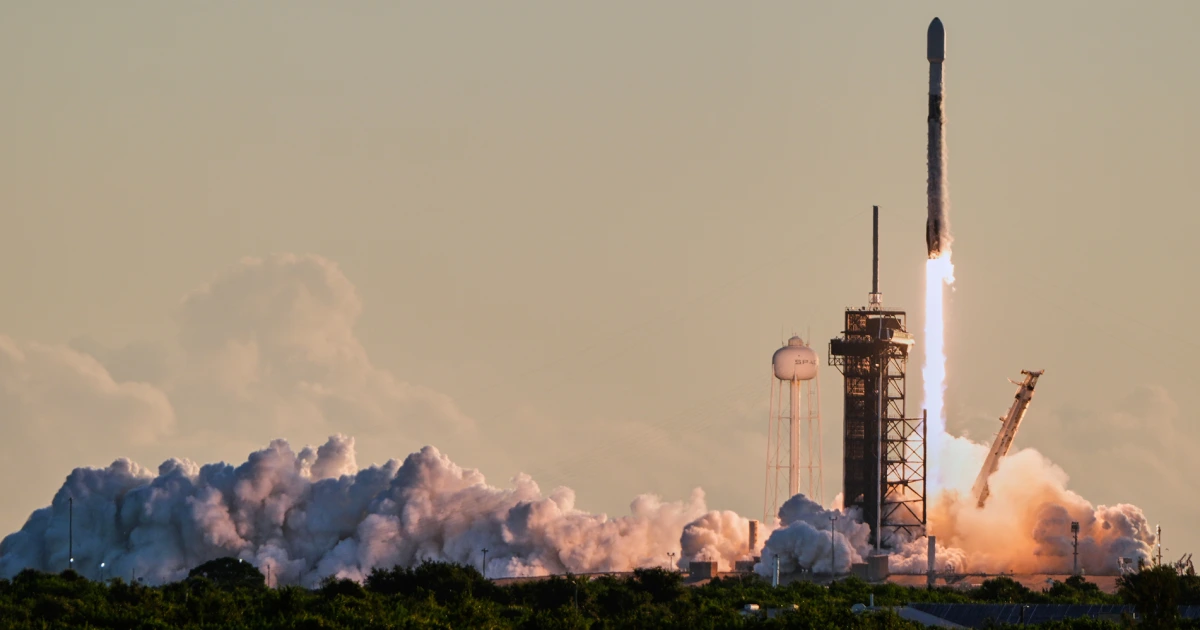
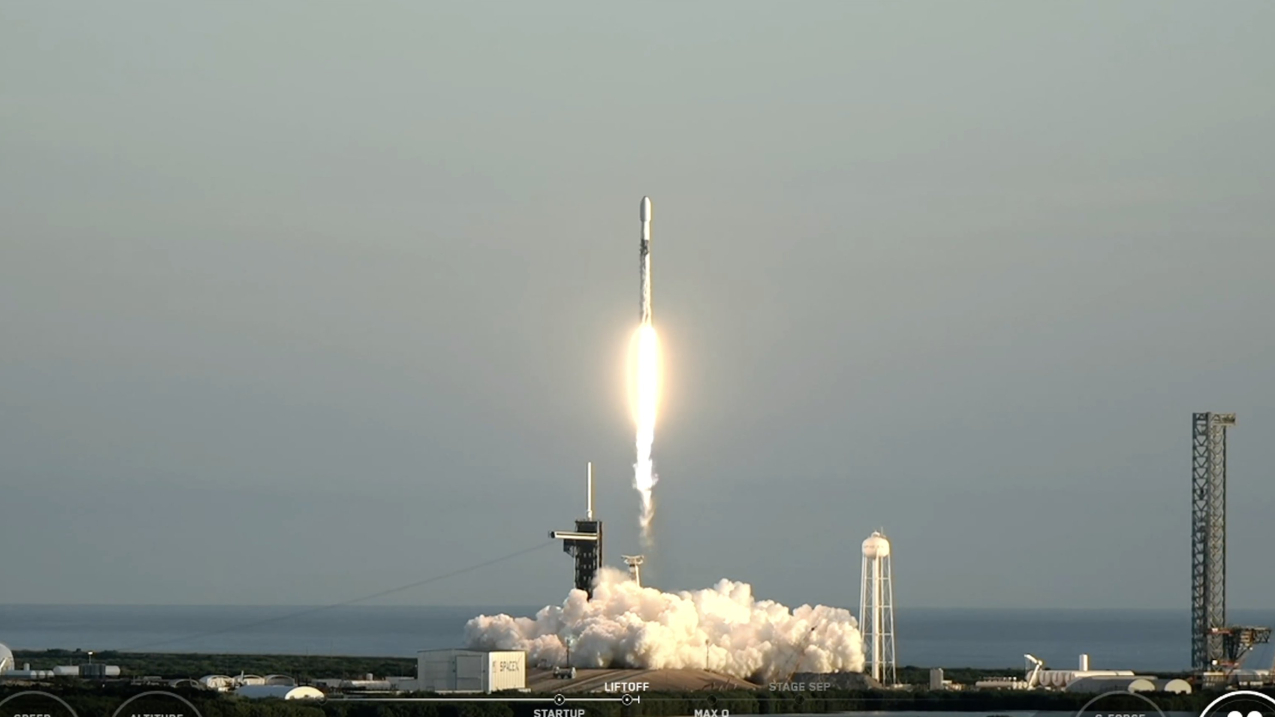
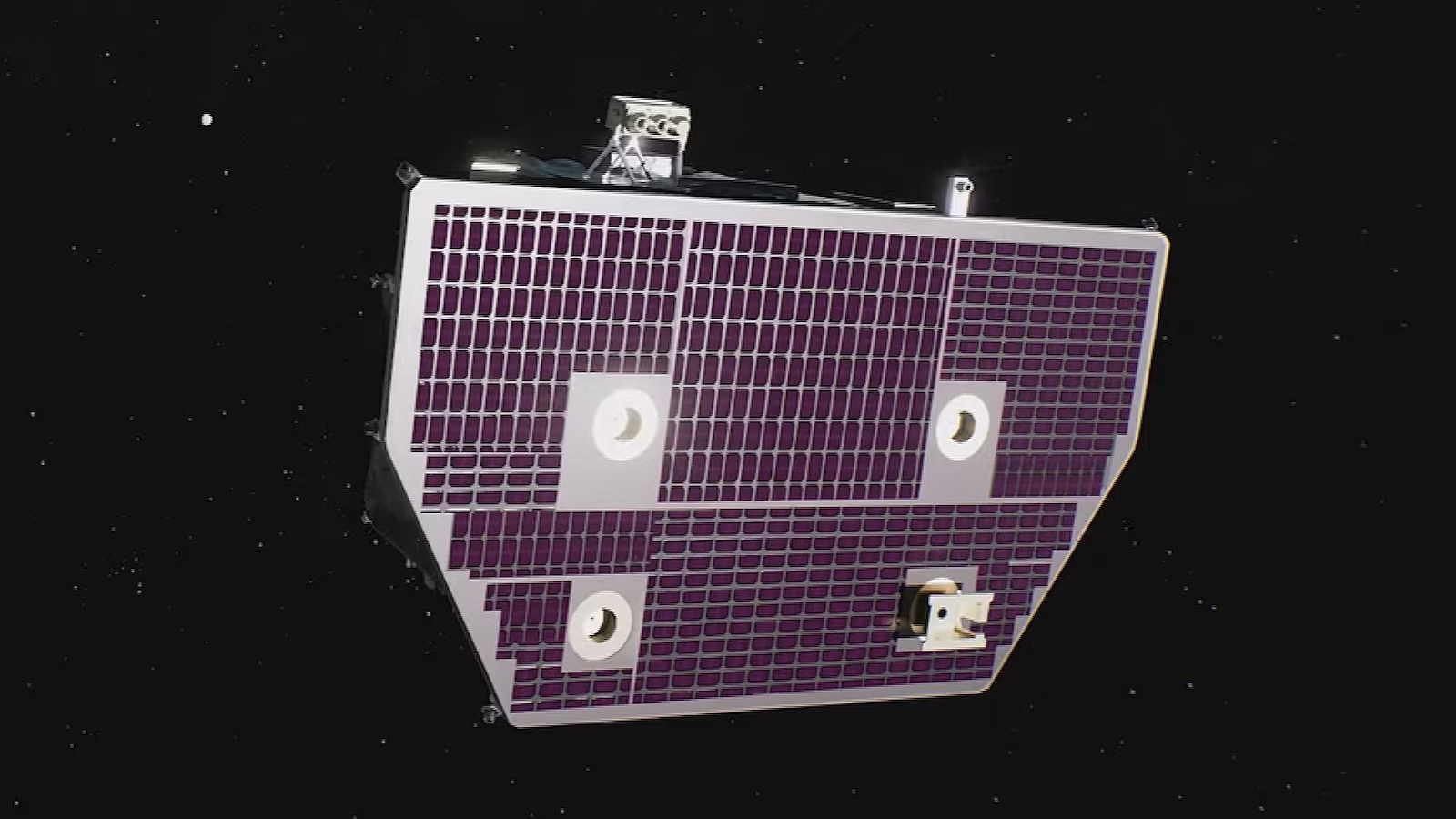
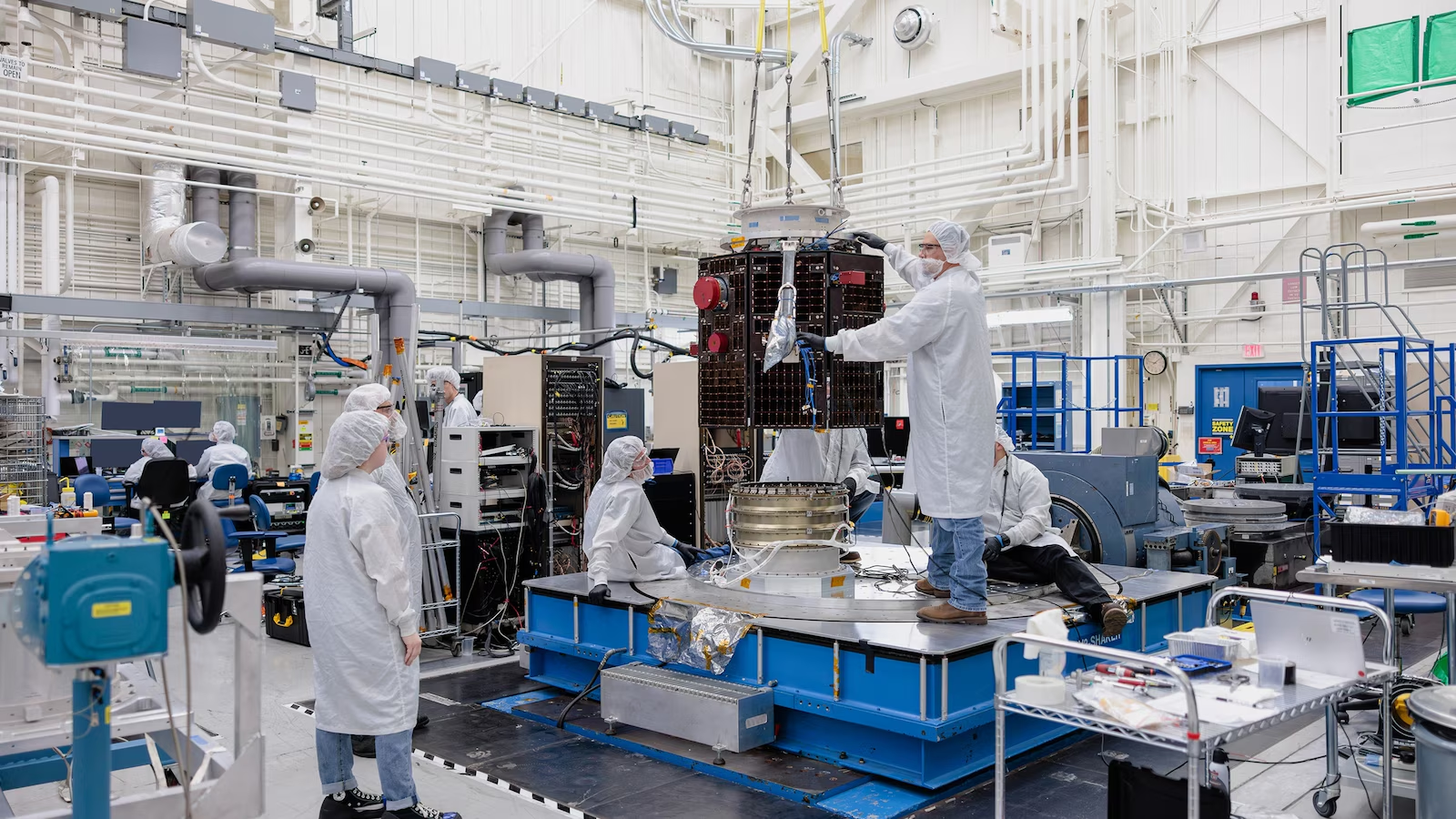
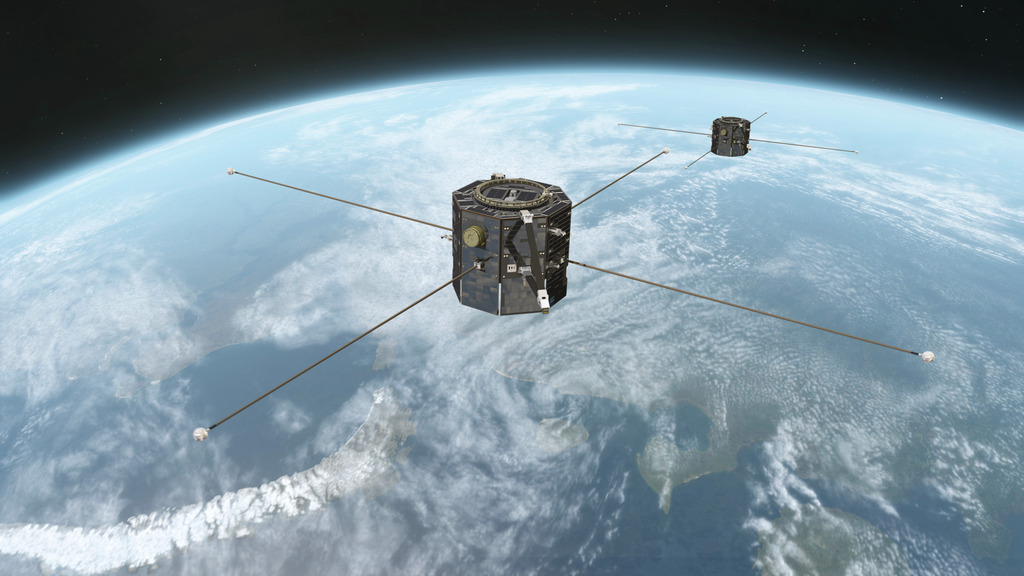
NOAA's first dedicated space weather observatory, SWFO-L1, was successfully launched into space aboard a SpaceX Falcon 9 and will travel to Lagrange point 1 to provide early warnings of solar events like CMEs, enhancing protection for critical infrastructure and national security, with operational status expected by mid-2026.

Major Solar Storm Expected This Week Due to Large Sunspot and Solar Wind
science5 months ago

Major Solar Storm Expected This Week Due to Large Sunspot and Solar Wind

Earth is experiencing significant solar storms, including a G3 geomagnetic storm, which are causing disruptions to power grids, satellite communications like Starlink, and creating opportunities to view the Northern Lights, especially in northern US states. The storms are expected to weaken by midweek, but ongoing effects and future impacts, particularly near the South Atlantic Anomaly, remain a concern.

Venus, Earth, and Jupiter Collaborate to Mitigate Solar Storms
science6 months ago

Venus, Earth, and Jupiter Collaborate to Mitigate Solar Storms

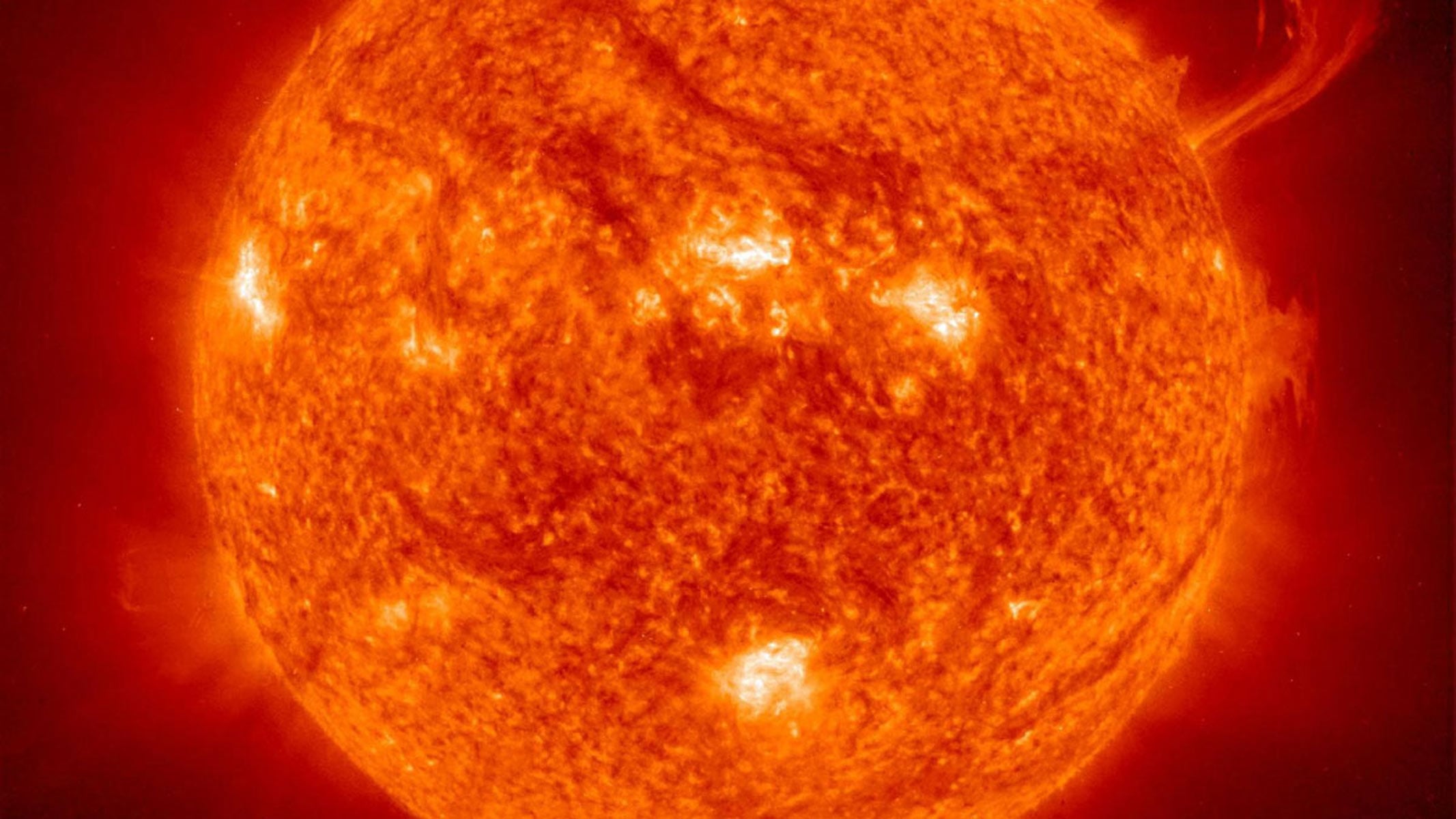
A study suggests that gravitational tidal forces from Venus, Earth, and Jupiter may help keep the sun calmer than other stars, potentially reducing the risk of extreme solar storms that could disrupt Earth's technology. These forces influence the sun's magnetic activity in a cyclical manner, possibly explaining why our sun's eruptions are milder compared to similar stars, which may have contributed to Earth's habitability.