A study from the University of Pennsylvania provides scientific evidence that rosemary extract, specifically the compound carnosic acid, can promote scarless skin healing by activating the TRPA1 nerve receptor, supporting viral social media claims and opening new avenues for wound care.
Research suggests that rosemary, a common kitchen herb, may have potential in treating Alzheimer's disease by reducing toxic protein build-up, regenerating synapses, and lowering inflammation, with promising results shown in mice studies. Further research could lead to new treatment approaches.
A study highlights that compounds in common herbs like rosemary and sage, particularly carnosic acid, may help slow Alzheimer's progression by reducing inflammation and oxidative stress, with promising results in mouse models. However, more human research is needed before these herbs or derived compounds can be recommended for treatment.
Research suggests that rosemary, rich in compounds like carnosic acid, may support brain health, improve memory, reduce anxiety, and enhance sleep, with promising studies showing benefits in both animal models and humans. Incorporating rosemary into the diet could be a natural way to boost mental well-being and potentially lower dementia risk.
Scientists have developed diAcCA, a stable drug derived from rosemary's carnosic acid, which shows promise in treating Alzheimer's by reducing brain inflammation and oxidative stress, improving memory, and decreasing disease biomarkers in mouse studies, with potential for human trials due to its safety profile and targeted activation.
Research suggests that inhaling rosemary essential oil, particularly its active compound 1,8-cineole, can improve memory and mental alertness by affecting neurotransmitter activity, making it a natural and accessible option for cognitive enhancement.
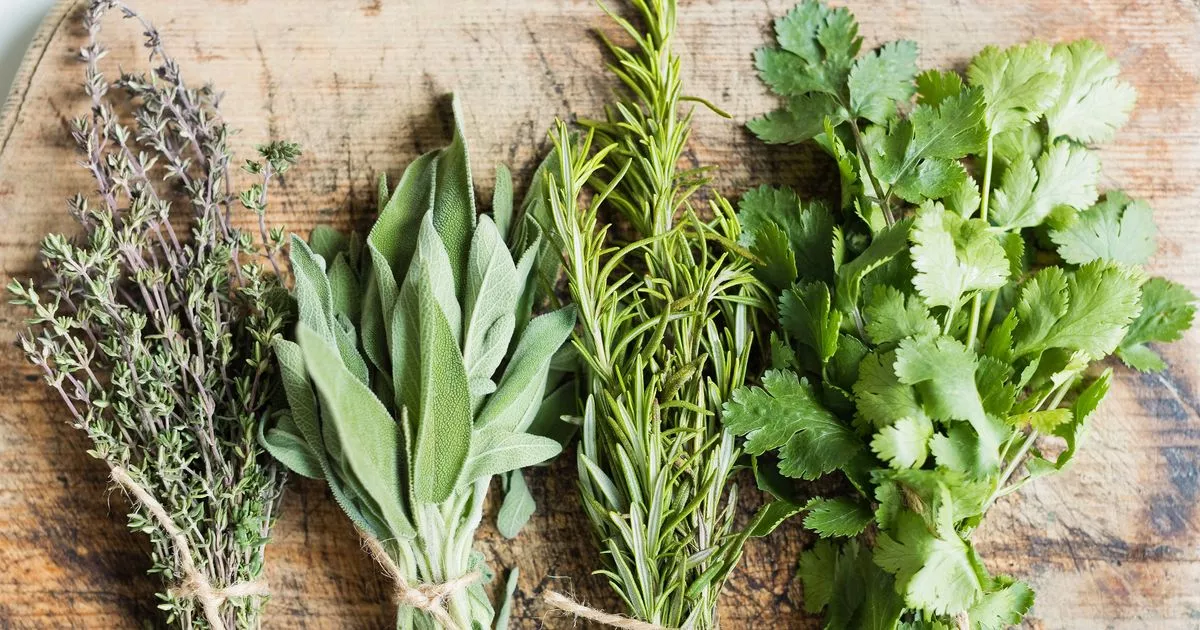
Rosemary, a Mediterranean herb, may boost brain health, improve memory, and potentially aid in fighting Alzheimer's disease through its compounds like 1,8-cineole and carnosic acid, which support cognitive function and protect brain cells. It also offers anti-inflammatory and antioxidant benefits, with promising research into derivatives like diAcCA showing cognitive improvements in pre-clinical studies. Beyond brain health, rosemary has traditional uses for digestion, skin health, and antimicrobial properties. While generally safe in culinary amounts, concentrated doses should be used cautiously, especially for pregnant women and those on certain medications.
Dietitians recommend rosemary as the number one herb to help decrease inflammation due to its anti-inflammatory and antioxidant properties. Chronic inflammation has been linked to various health conditions, and rosemary's compounds have shown potential in treating inflammation, pain, anxiety, and memory disorders. While more research is needed, incorporating fresh or dried rosemary into your diet can be a simple and flavorful way to potentially lower inflammation levels and improve overall health.
Rosemary can be used in various ways to promote healthy hair. From using rosemary oil as a hair potion to incorporating it into shampoos, hair masks, and tonics, this versatile herb can stimulate hair growth, prevent hair loss, and improve scalp health. Rosemary tea rinses and consumption of rosemary tea can also contribute to smoother and shinier hair. Additionally, rosemary offers benefits for brain health and memory retention.
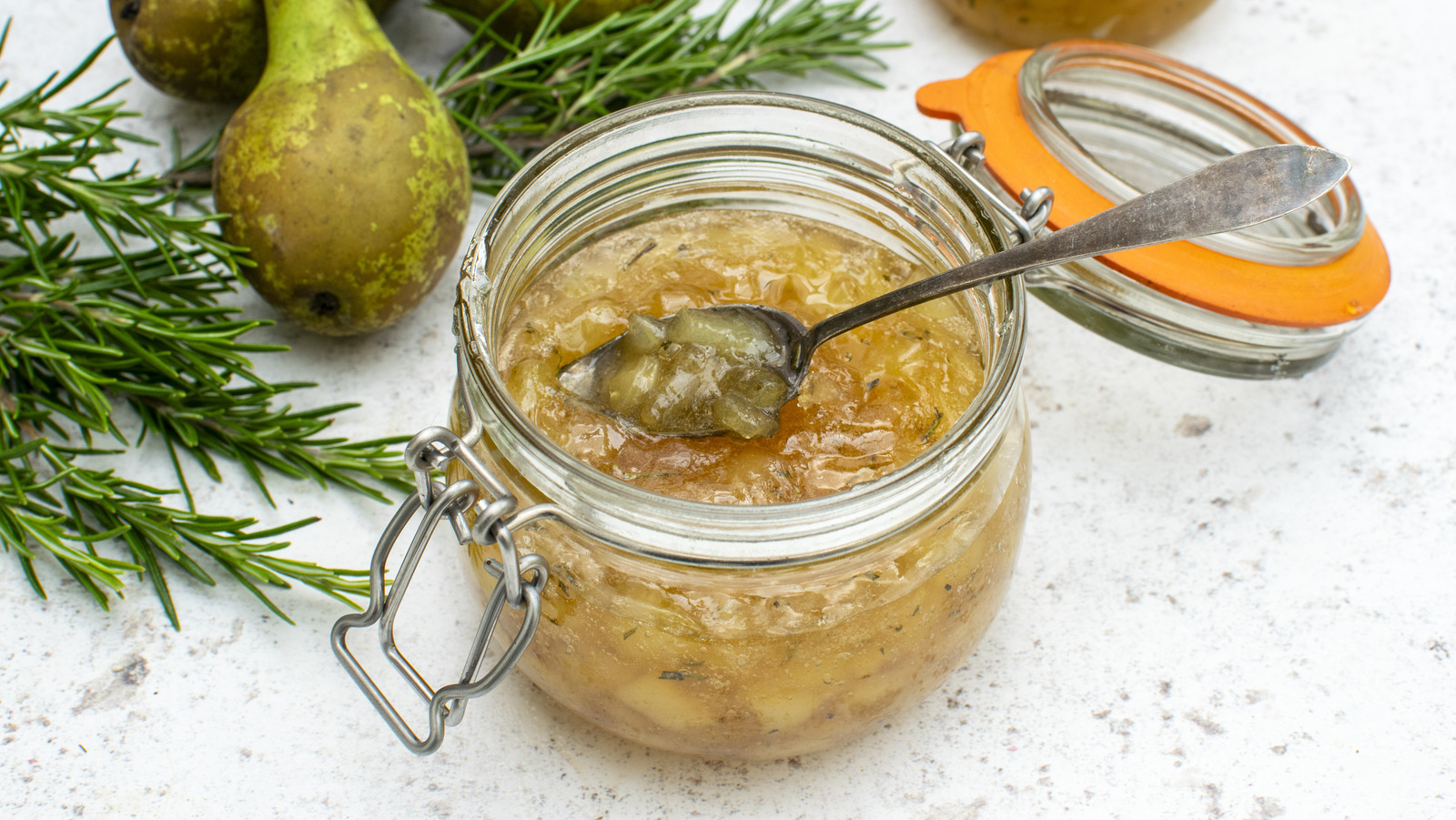
This article provides a recipe for homemade rosemary and pear jam. The recipe involves macerating ripe pears with sugar and lemon juice for 12 hours, then cooking them with chopped rosemary until the sugar dissolves. The jam is boiled until it reaches a setting point of 221 F, and its doneness can be tested using a chilled plate. Once set, the jam is transferred to sterilized jars and can be stored for up to a year.
Pruning rosemary is a simple task that requires only a few tools and can be done once a year to keep the plant looking neat and healthy. Use clean and sharp pruning shears to remove old flowers, dead, damaged, crossing, or diseased branches, and shorten all long stems. Pruning can also help protect the plant from fungal diseases and promote growth. However, it is not recommended to cut rosemary back too hard as it may not recover. Plan ahead and take cuttings to replace older bushes.