A study from the University of Pennsylvania provides scientific evidence that rosemary extract, specifically the compound carnosic acid, can promote scarless skin healing by activating the TRPA1 nerve receptor, supporting viral social media claims and opening new avenues for wound care.
Research suggests that rosemary, a common kitchen herb, may have potential in treating Alzheimer's disease by reducing toxic protein build-up, regenerating synapses, and lowering inflammation, with promising results shown in mice studies. Further research could lead to new treatment approaches.
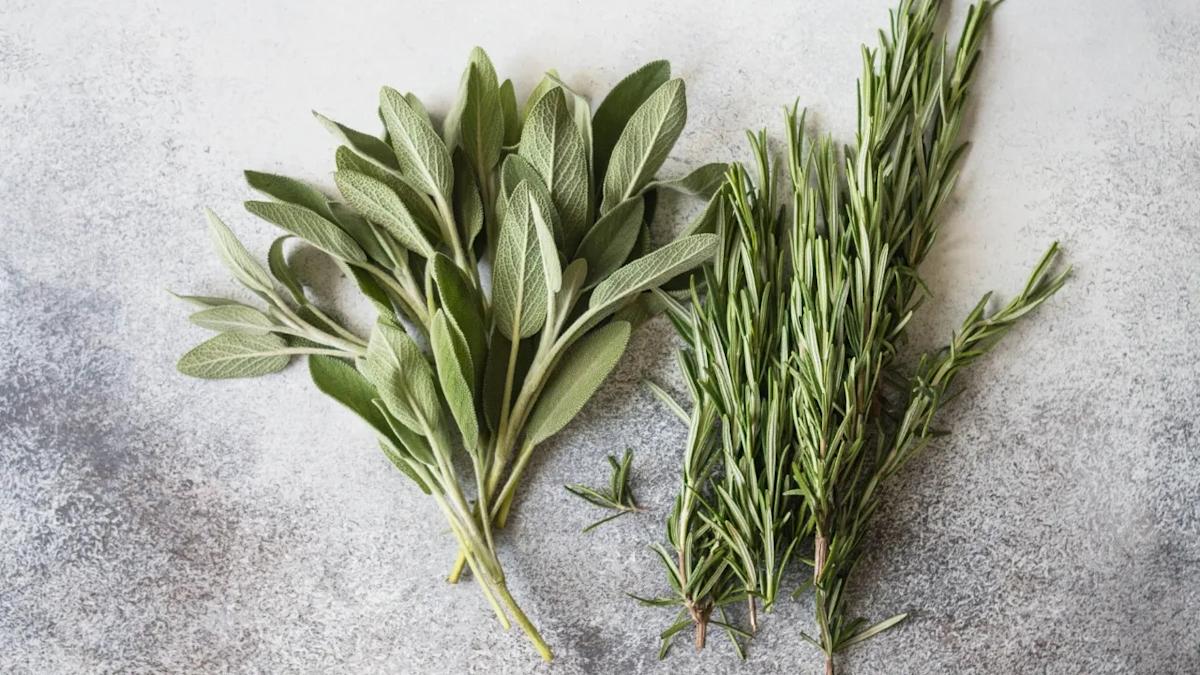
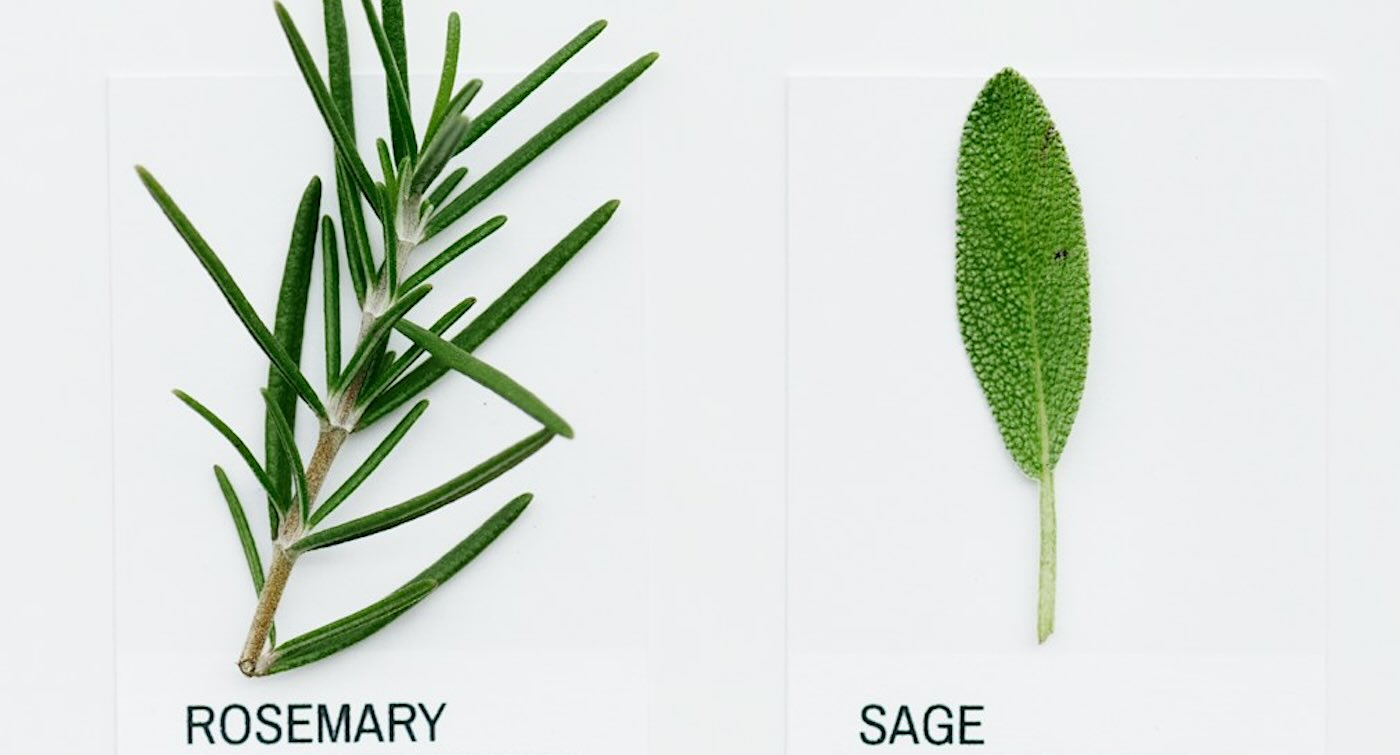
A study highlights that compounds in common herbs like rosemary and sage, particularly carnosic acid, may help slow Alzheimer's progression by reducing inflammation and oxidative stress, with promising results in mouse models. However, more human research is needed before these herbs or derived compounds can be recommended for treatment.
Researchers have identified a compound called carnosic acid in rosemary and sage that shows promise in improving brain health and reducing inflammation in mice with Alzheimer's-like disease, but more research is needed before it can be used as a treatment in humans, and consuming herbs won't provide the same benefits as the drug.
Researchers at Scripps have developed a stable form of a compound found in rosemary and sage, called diAcCA, which has shown promising results in mice by improving memory, increasing synapse density, and reducing Alzheimer's disease biomarkers through its anti-inflammatory and antioxidant effects, potentially paving the way for new treatments.
Scientists have developed diAcCA, a stable drug derived from rosemary's carnosic acid, which shows promise in treating Alzheimer's by reducing brain inflammation and oxidative stress, improving memory, and decreasing disease biomarkers in mouse studies, with potential for human trials due to its safety profile and targeted activation.
Rosemary, a Mediterranean herb, may boost brain health, improve memory, and potentially aid in fighting Alzheimer's disease through its compounds like 1,8-cineole and carnosic acid, which support cognitive function and protect brain cells. It also offers anti-inflammatory and antioxidant benefits, with promising research into derivatives like diAcCA showing cognitive improvements in pre-clinical studies. Beyond brain health, rosemary has traditional uses for digestion, skin health, and antimicrobial properties. While generally safe in culinary amounts, concentrated doses should be used cautiously, especially for pregnant women and those on certain medications.