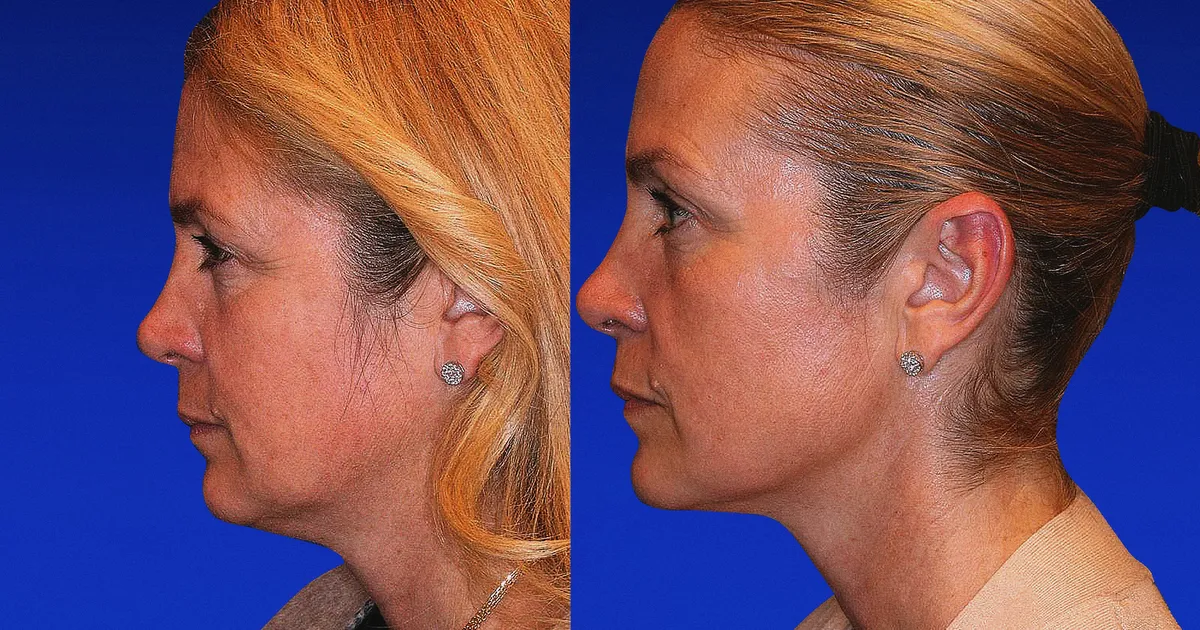
A woman in her 40s chose Ultherapy, a non-invasive ultrasound treatment, over a traditional face-lift to improve her sagging skin after significant weight loss and medical issues. She experienced noticeable, natural-looking results that boosted her confidence, and plans to repeat the treatment annually.
The XSoul At-Home IPL Hair Removal Device is available for $60, a 50% discount, offering a cost-effective alternative to salon treatments. This device uses professional-grade IPL technology to reduce hair regrowth and comes with protective shades. Reviewers praise its effectiveness, though some note it can be time-consuming to use.
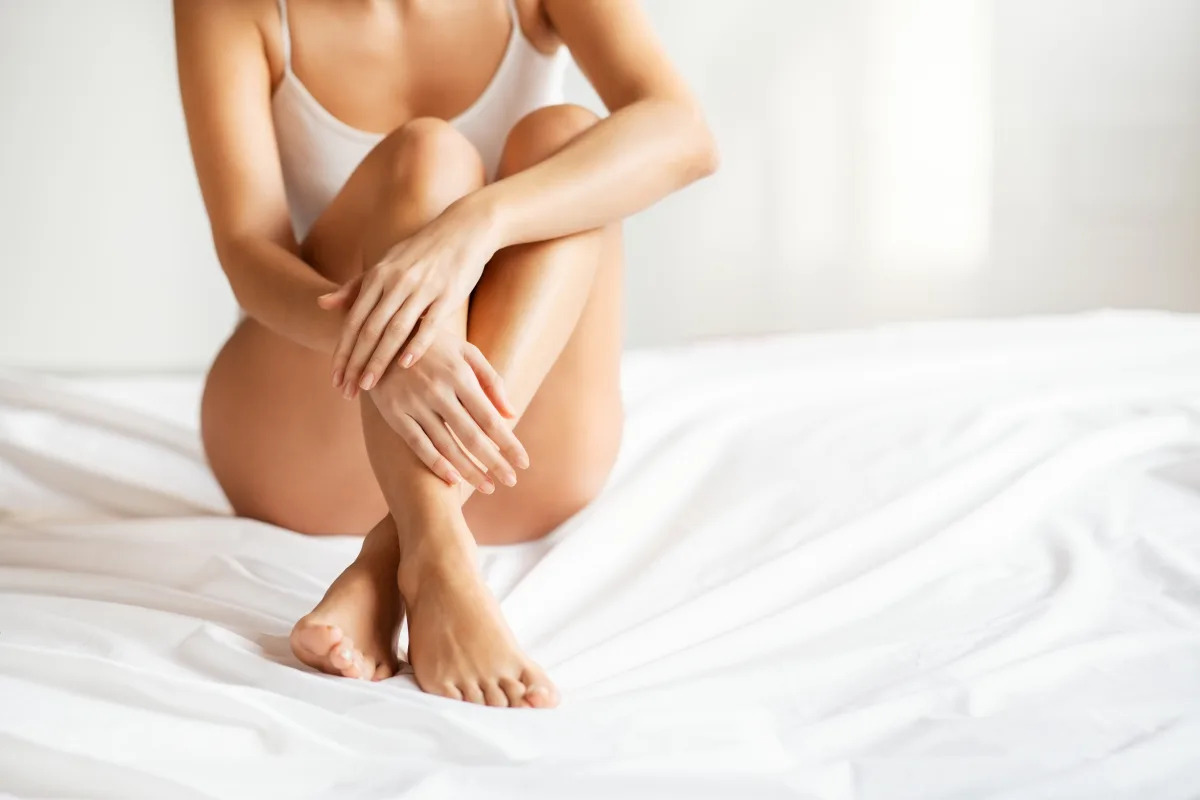
Laser hair removal is a popular, long-term solution for reducing unwanted hair, offering benefits over traditional methods like shaving and waxing. It works by targeting melanin in hair follicles with light, which converts to heat and damages the follicle to delay or prevent future growth. Suitable for most skin and hair types, the procedure's effectiveness depends on the laser used and the practitioner's experience. Costs vary widely, and it's crucial to research and choose a reputable provider to ensure safety and efficacy.
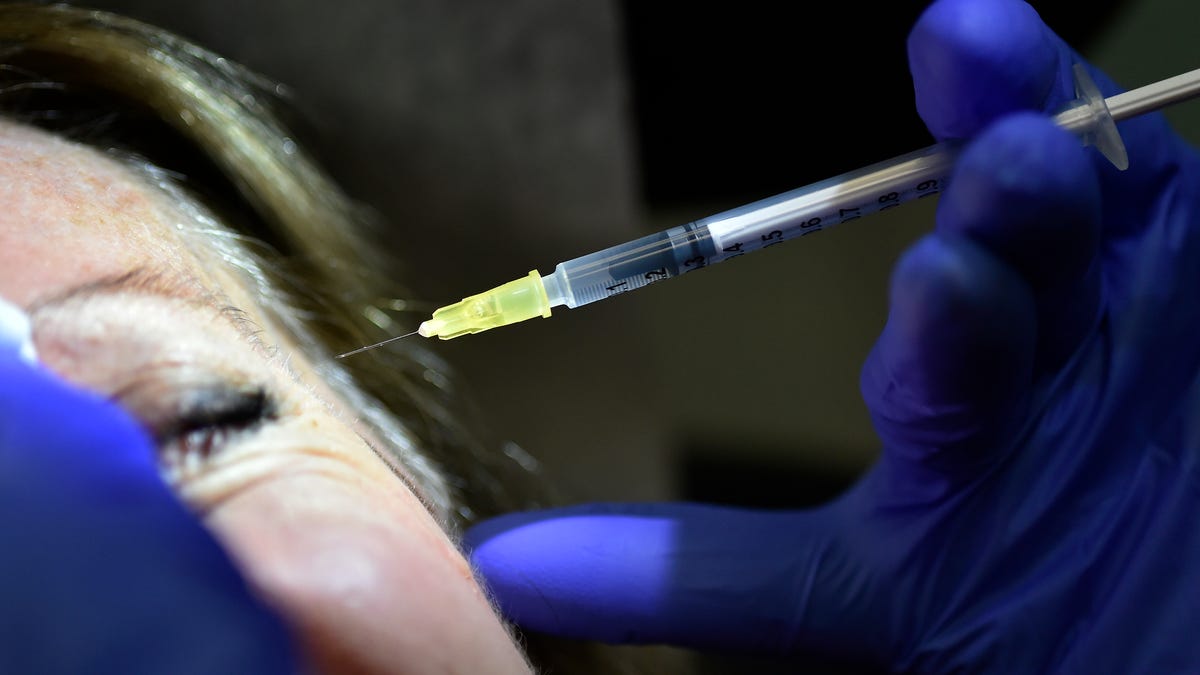
Plastic surgeon Dr. Anthony Youn explains that eye wrinkles can be caused by muscle contractions and the natural aging process, and suggests retinoids, peptide-based creams, and sunscreen as non-invasive treatments to reduce wrinkles. He also recommends Botox for dynamic wrinkles and fractional laser resurfacing for fine lines, but notes that surgical procedures like blepharoplasty won't eliminate wrinkles. The best approach depends on individual skin goals and concerns.
Hair growth products in 2024 include oils like Cantu and Mielle, supplements such as Hair Gain and Beauty Pie, shampoos and conditioners from Pantene and Revitalash, and treatments like L'Oreal Professional masks. These products aim to stimulate follicular activity, provide essential nutrients, and promote scalp and hair health, offering a variety of options for individuals seeking genuinely impressive results.
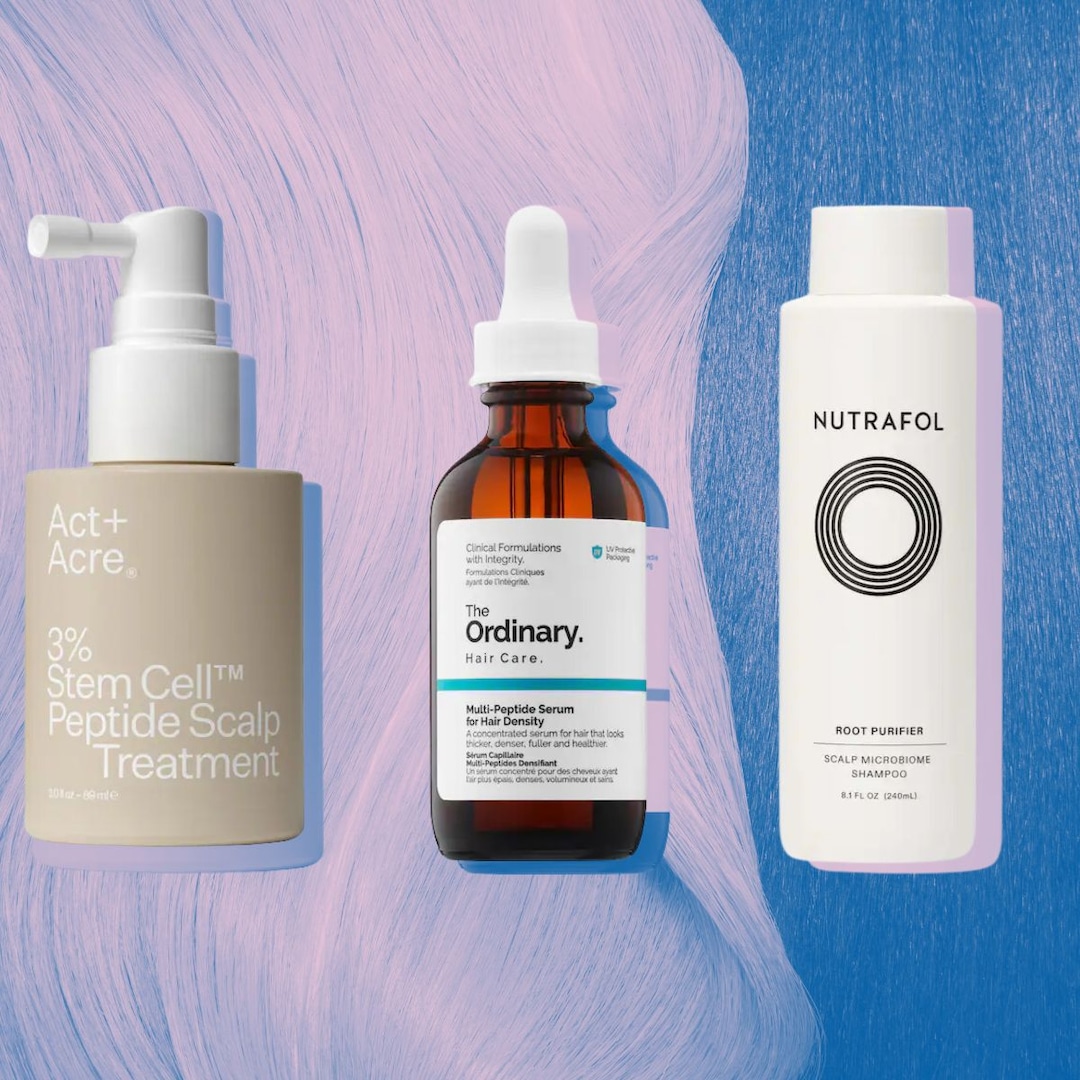
Board-certified dermatologist Dr. Sheila Farhang explains the causes of hair thinning and hair loss, emphasizing the importance of identifying the root cause. She recommends topical products with FDA-approved minoxidil, peptides, keratin, saw palmetto, rosemary oil, and pumpkin seed oil to target specific factors contributing to hair loss. Dr. Farhang stresses the need for patience, as results may take at least 6 months to show. Additionally, she suggests using scalp treatments, shampoos, and conditioners to rebalance the scalp's microbiome and promote healthy hair growth.
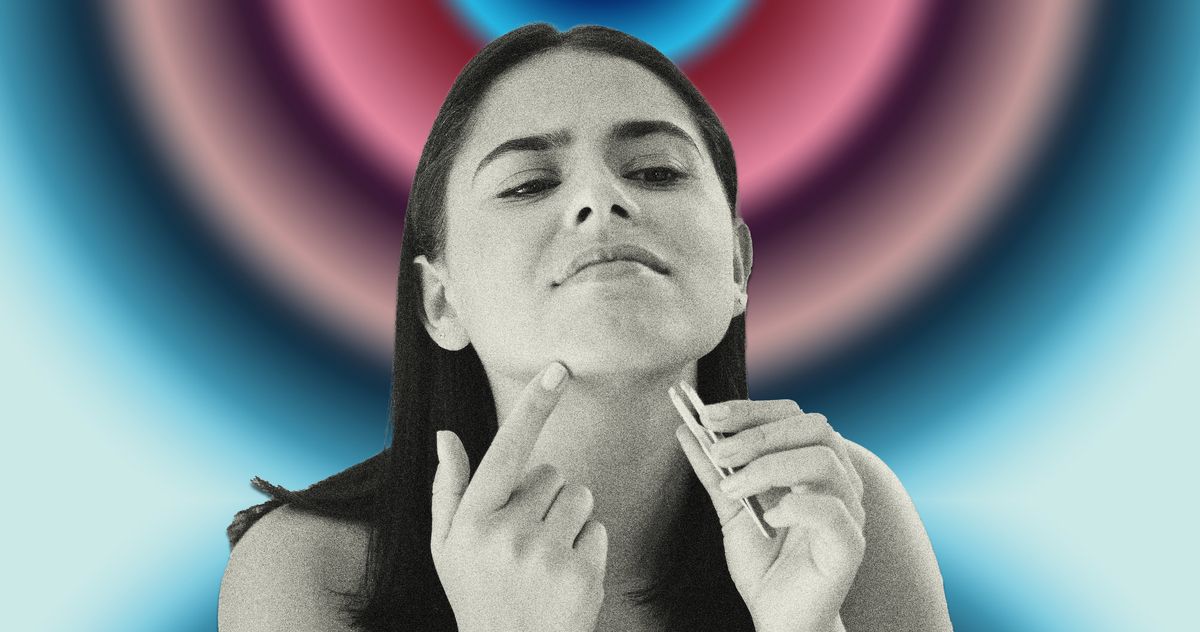
Cassie seeks advice on dealing with chin hairs that cause breakouts when plucked and look like a prickly beard when shaved. The options suggested include laser hair removal or electrolysis, with a recommendation to consult a dermatologist first to rule out any underlying medical conditions. Laser hair removal targets pigment in the hair and requires multiple sessions, while electrolysis is a truly permanent option suitable for all hair colors and skin types. At-home hair removal devices are not recommended due to potential complications.
Maintaining healthy and shiny hair involves consuming a nutrient-filled diet rich in vitamins, protein, and essential fatty acids, avoiding daily hair washing, using conditioner regularly, minimizing heat-based styling, and regularly oiling the hair to shield it from harmful chemicals and improve hydration.
Achieving thicker hair involves using specialized shampoos, scalp massages, maintaining a protein-rich diet, considering vitamin supplements, and making lifestyle adjustments. Additionally, adopting gentle hair care habits and using a silk pillowcase can prevent breakage and foster overall hair thickness. Medications and factors such as genetics and hormones can also affect hair texture, so consulting a healthcare provider for tailored solutions is recommended.
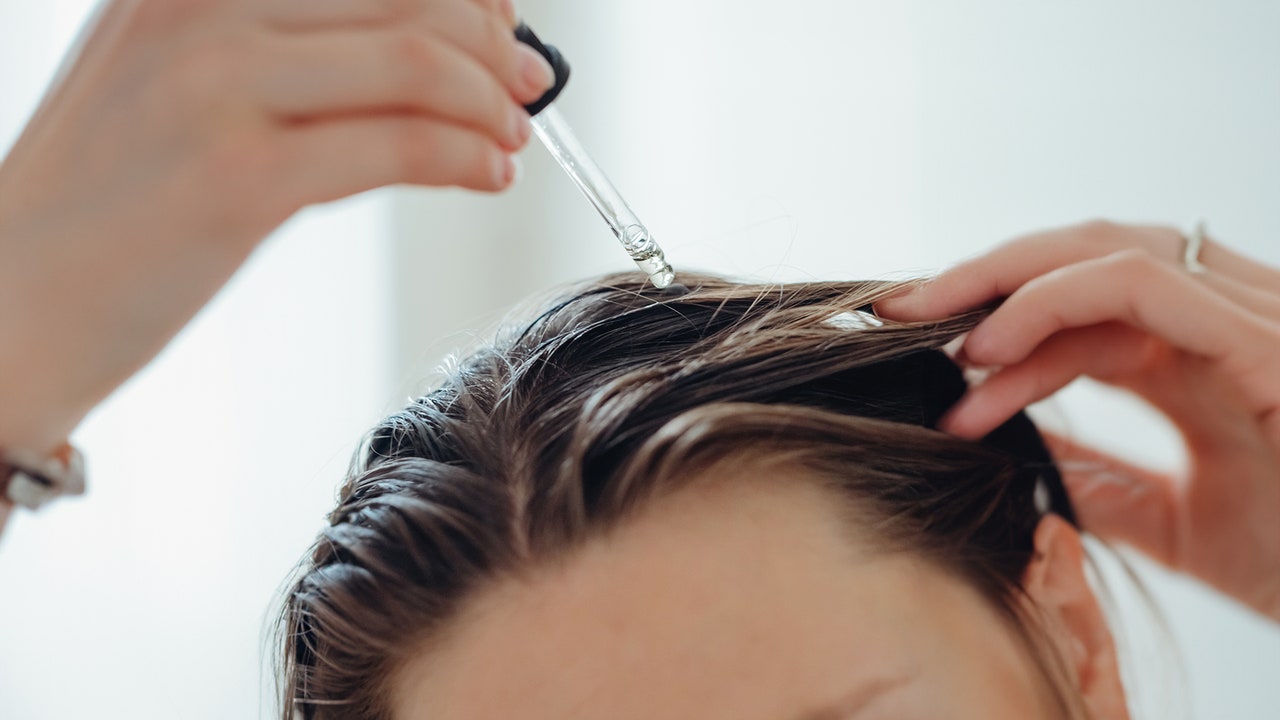
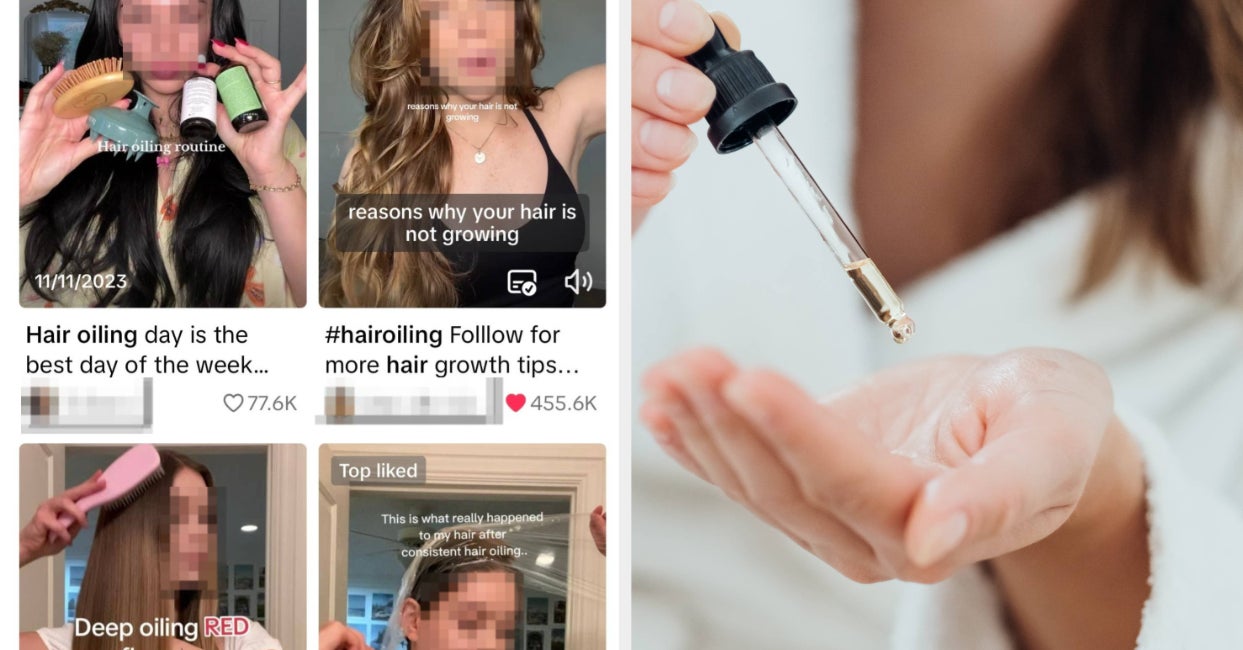
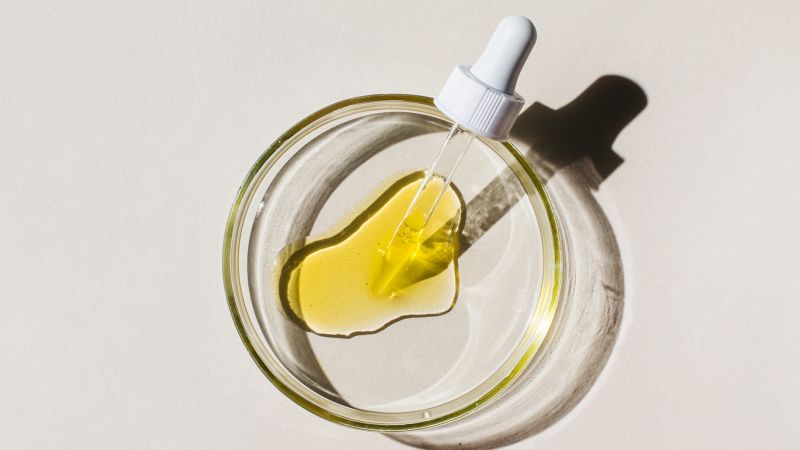
Hair oiling, a centuries-old practice originating from India and South Asia, involves massaging oil into the scalp for hair growth, shine, and strength. Different oils cater to specific scalp concerns and hair types, with rosemary and castor oil being recommended for hair regrowth. Diluting essential oils with a carrier oil is advised before application, and cold-pressed oils are recommended for their nutrient abundance. The technique, done one to two times per week, can help with scalp hydration, frizz reduction, and hair moisture retention. Personal experiences with hair oiling may vary, and it's important to research and consult with experts before trying this beauty trend.
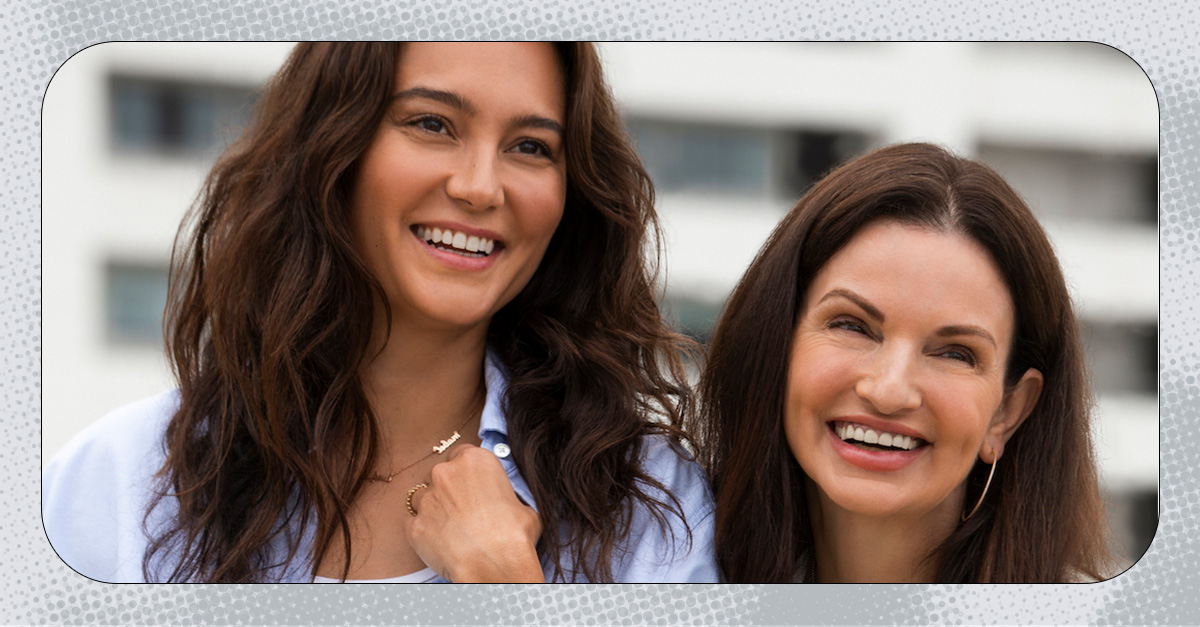
Make Time Wellness co-founders Emma Heming Willis and Helen Christoni emphasize the importance of self-care and brain health, inspired by Heming Willis's experience with postpartum brain fog. Their brand aims to simplify women's wellness with an all-in-one solution, offering a drinkable alternative to complicated supplement regimens.
Rosemary can be used in various ways to promote healthy hair. From using rosemary oil as a hair potion to incorporating it into shampoos, hair masks, and tonics, this versatile herb can stimulate hair growth, prevent hair loss, and improve scalp health. Rosemary tea rinses and consumption of rosemary tea can also contribute to smoother and shinier hair. Additionally, rosemary offers benefits for brain health and memory retention.
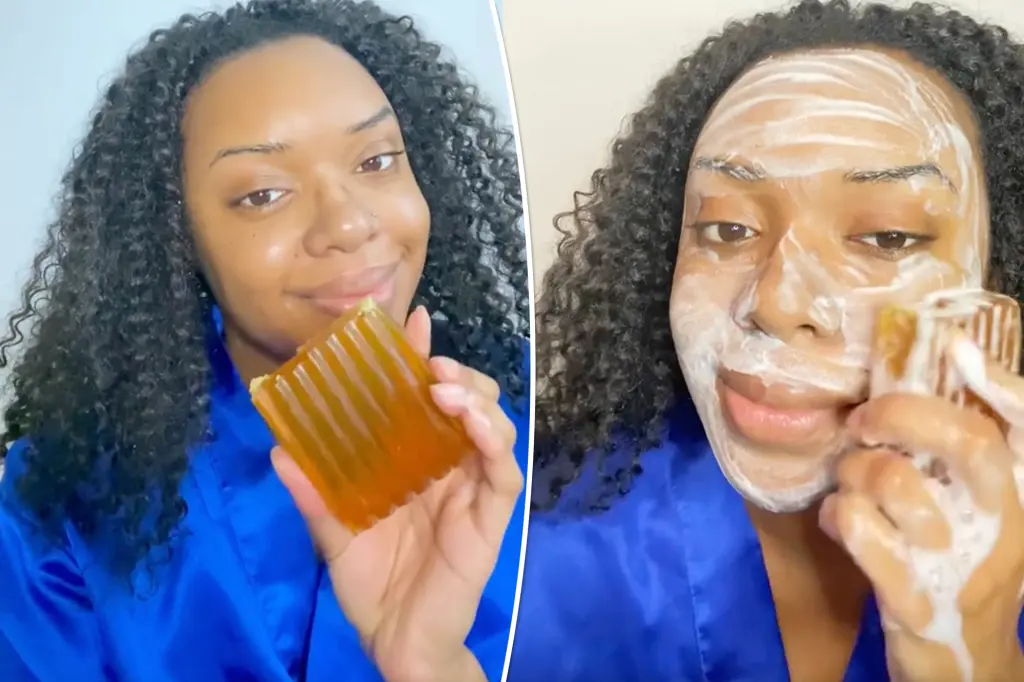
Turmeric soap and face masks have gained popularity on TikTok as a natural remedy for achieving "glass skin," a smooth and glowing complexion. The key ingredient in turmeric, curcumin, provides anti-inflammatory, antioxidant, and antimicrobial properties that can soothe the skin, reduce redness, and protect against environmental stressors. It may also help manage acne, decrease hyperpigmentation, and promote wound healing. However, it is important to test for allergies and be cautious of staining when using turmeric topically. While the benefits of turmeric for skincare are promising, more research is needed to fully validate its effectiveness.
Gen-Z, despite being in their early twenties, is already concerned about looking older and is embracing preventative anti-aging measures. They are opting for makeup products with anti-aging benefits, using anti-aging serums daily, and even turning to Botox at a young age. Social media platforms like Instagram and TikTok have fueled this trend, with Gen-Z sharing their skincare routines and seeking out treatments like injectables. Brands are responding to this demand by creating more products tailored to young skin. However, there is a need for accurate information and long-term research on the effects of these treatments on a younger demographic.
A woman in Florida who has spent $30,000 on anti-aging treatments and surgery over the past nine years shared her experiences and recommendations. She found Botox and Dysport injections to be worth it, as they helped smooth wrinkles without freezing her facial expressions. Upper blepharoplasty, which removes skin from the upper eyelids, was also worth it, although she regretted getting scar massage afterward. The Morpheus8 treatment, laser hair removal, and broadband light were not worth the risks and results. However, she highly recommended PRF/PRP injections (vampire facial) for improving under-eye circles and skin quality. She also found chin filler, Sculptra, microneedling, and Co2/eCo2 lasers to be worth it for various purposes. She plans to continue with Dysport, PRF, and explore microneedling and chin fillers, while emphasizing at-home devices and proper supplements for aging support.