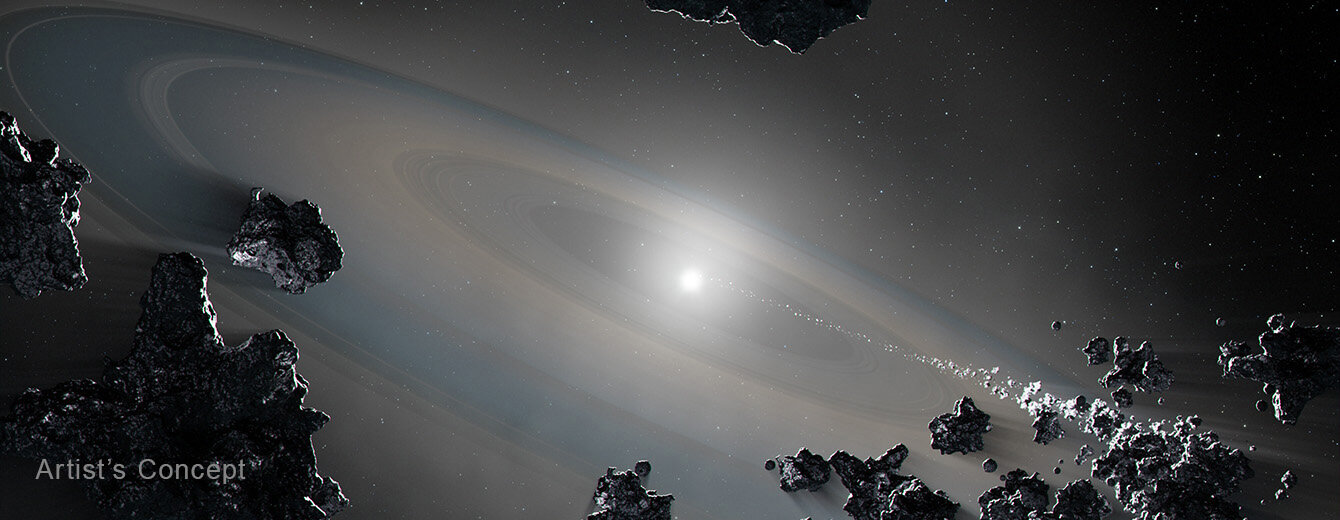
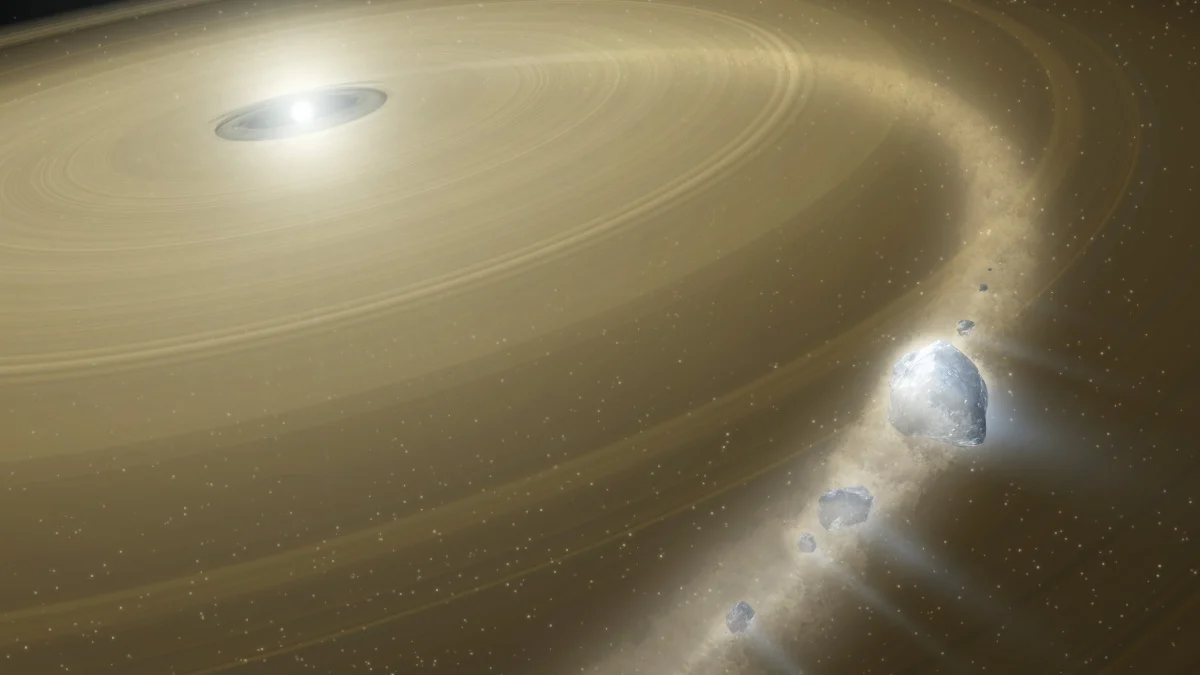
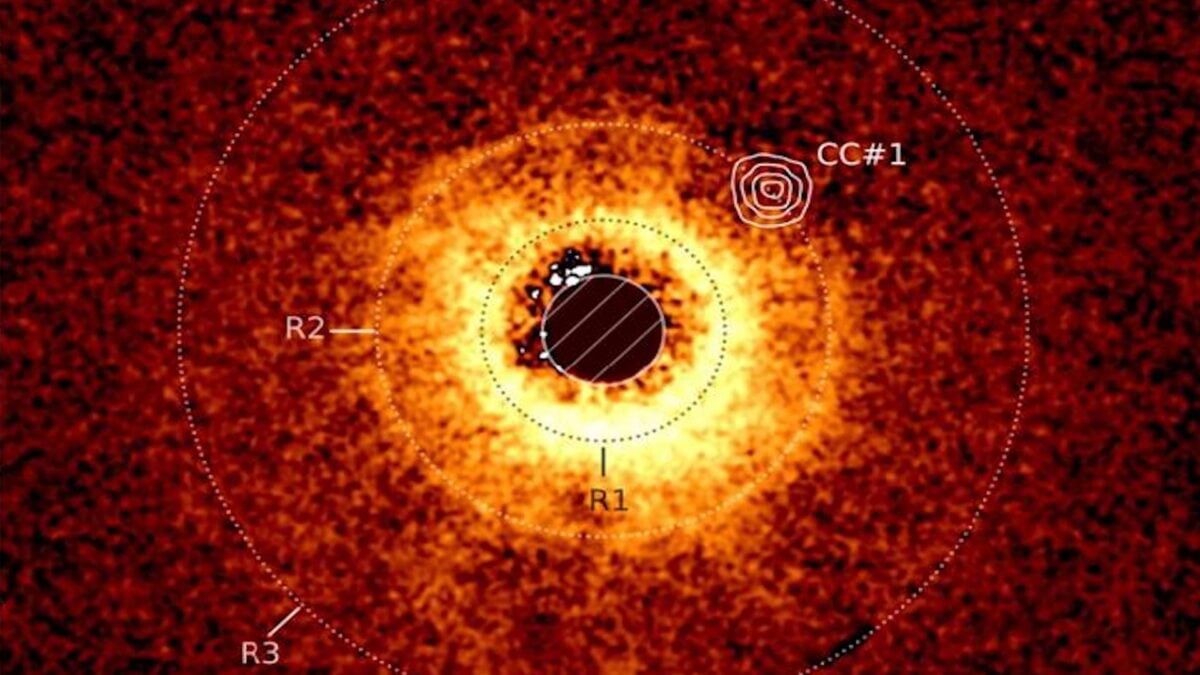
Astronomers discovered a 3 billion-year-old white dwarf actively consuming material from its planetary system, challenging previous beliefs about the stability of planetary remnants long after stellar death, with evidence of ongoing dynamical disturbances and potential outer planets.
Astronomers observed a Pluto-like icy body colliding with a white dwarf star, revealing that outer solar system objects can survive long after their star's death, and providing insights into planetary system evolution and water delivery in space.
Astronomers discovered a unique planetary system around star WASP-132, featuring a super-Earth with a 24-hour orbit and a distant icy giant taking five years to orbit, providing insights into planetary formation and astrochemistry.
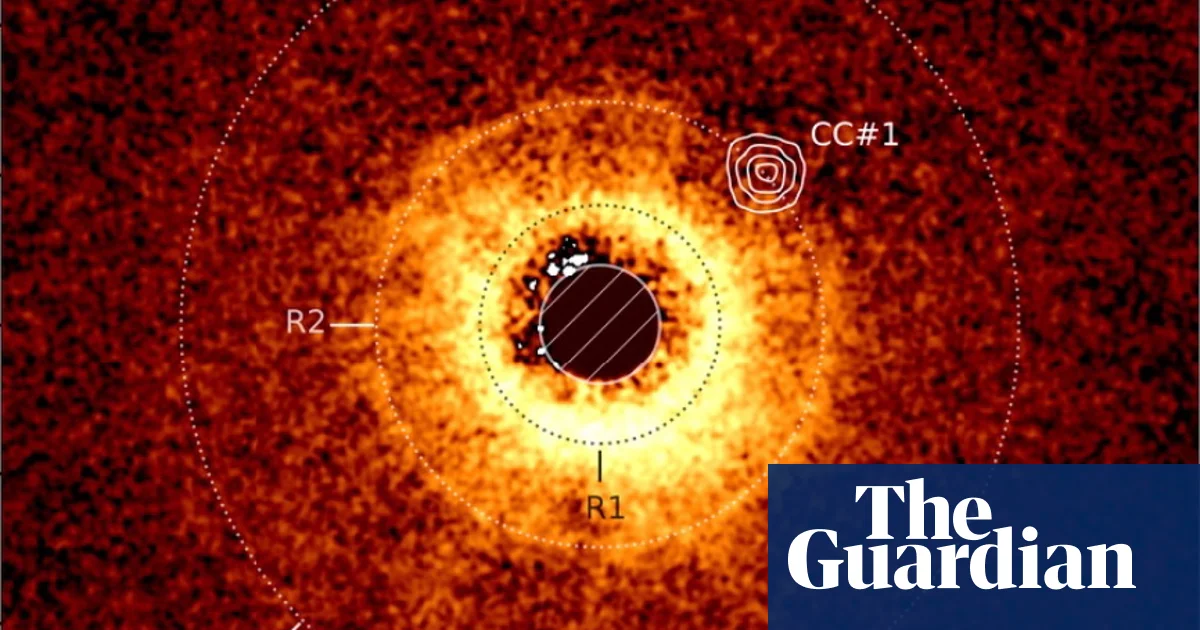
The James Webb space telescope has captured the first direct images of a Saturn-sized exoplanet, TWA 7b, orbiting a star 110 light years away, providing new insights into young planetary systems and demonstrating advanced imaging techniques to observe faint planets near bright stars.
The James Webb Space Telescope has made its first direct detection of an exoplanet, TWA 7b, a Saturn-like planet orbiting a young star, using advanced imaging techniques. This breakthrough allows astronomers to study faint planets and their atmospheres, opening new avenues in exoplanet research.
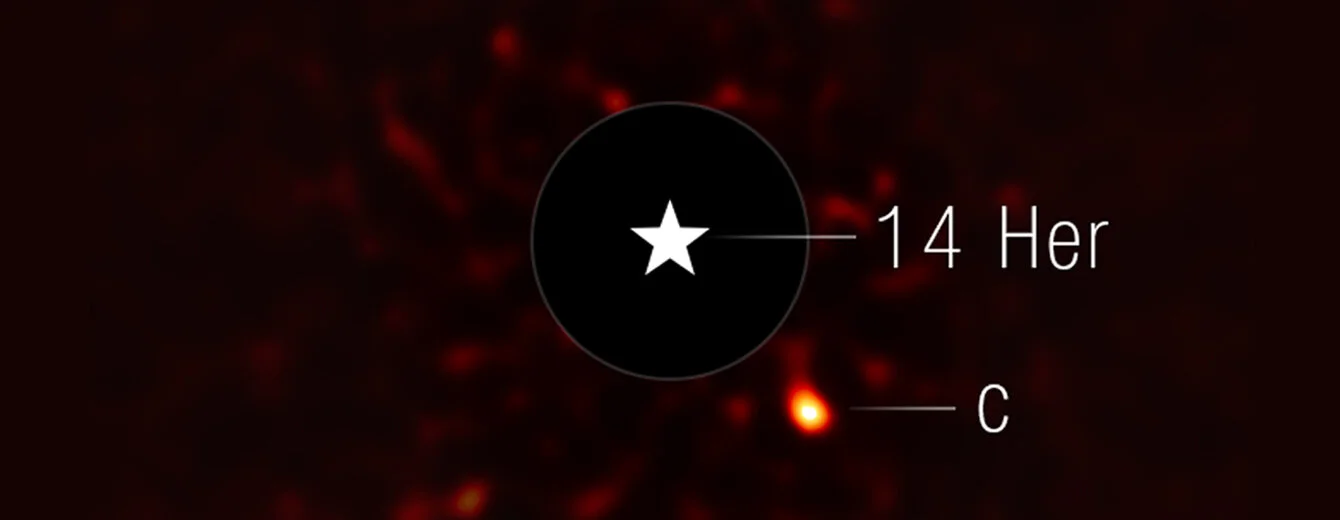
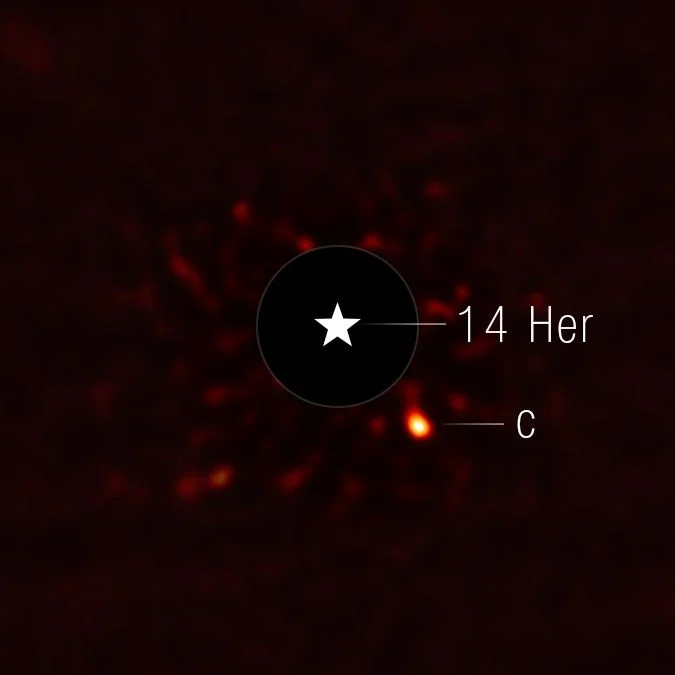
NASA's James Webb Space Telescope has imaged the coldest known exoplanet, 14 Herculis c, revealing a highly unusual, chaotic planetary system with a misaligned orbit and complex atmospheric chemistry, providing new insights into planetary formation and dynamics.
NASA's James Webb Space Telescope has imaged the cold exoplanet 14 Herculis c, revealing a highly elliptical orbit and a misaligned planetary system, providing new insights into planetary formation and atmospheric dynamics in a system unlike most studied before.
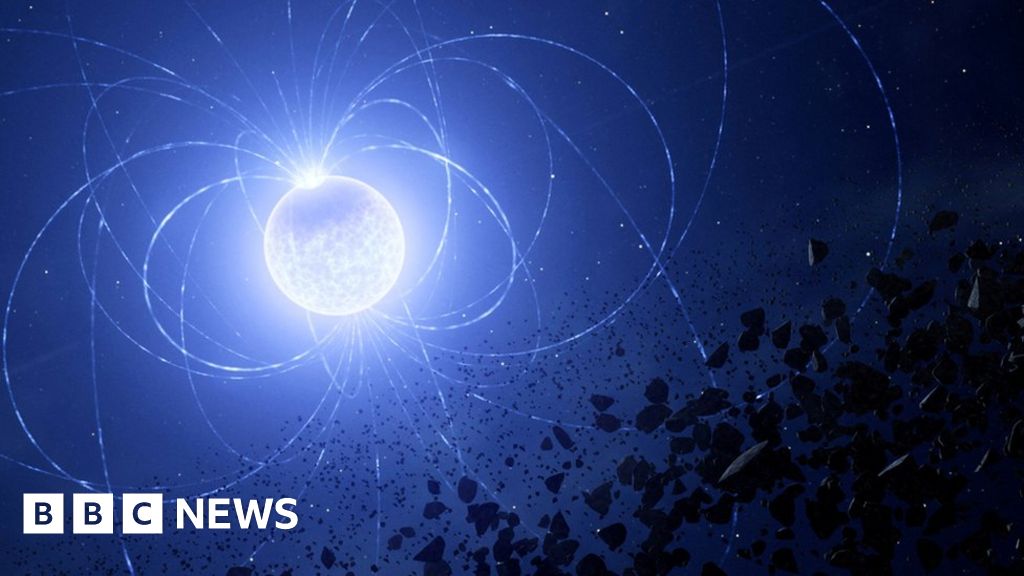
Astronomers at Armagh Observatory have discovered a 500km-long metal scar on the surface of a white dwarf star, suggesting that it "ate" nearby planets and asteroids from its solar system. This scar, named WD 0816-310, is a concentrated patch of planetary material held in place by the star's magnetic field. The discovery was made using the European Southern Observatory's Very Large Telescope, and it sheds light on the role of magnetic fields in the process of white dwarfs cannibalizing pieces of their planetary systems.
The James Webb Space Telescope has made a rare direct detection of two exoplanets orbiting dead white dwarf stars, offering a glimpse into the future of our solar system. The planets resemble Jupiter and Saturn and are located at distances similar to those of the outer planets in our solar system. This discovery provides insight into what may happen to our own gas giants when the sun becomes a white dwarf. The detection also suggests a connection between giant planets and metal pollution in white dwarfs, hinting at the fate of asteroids in our solar system. This direct imaging breakthrough opens up the possibility of further studying the exoplanets' atmospheres and could challenge current understanding of exoplanet physics and chemistry.
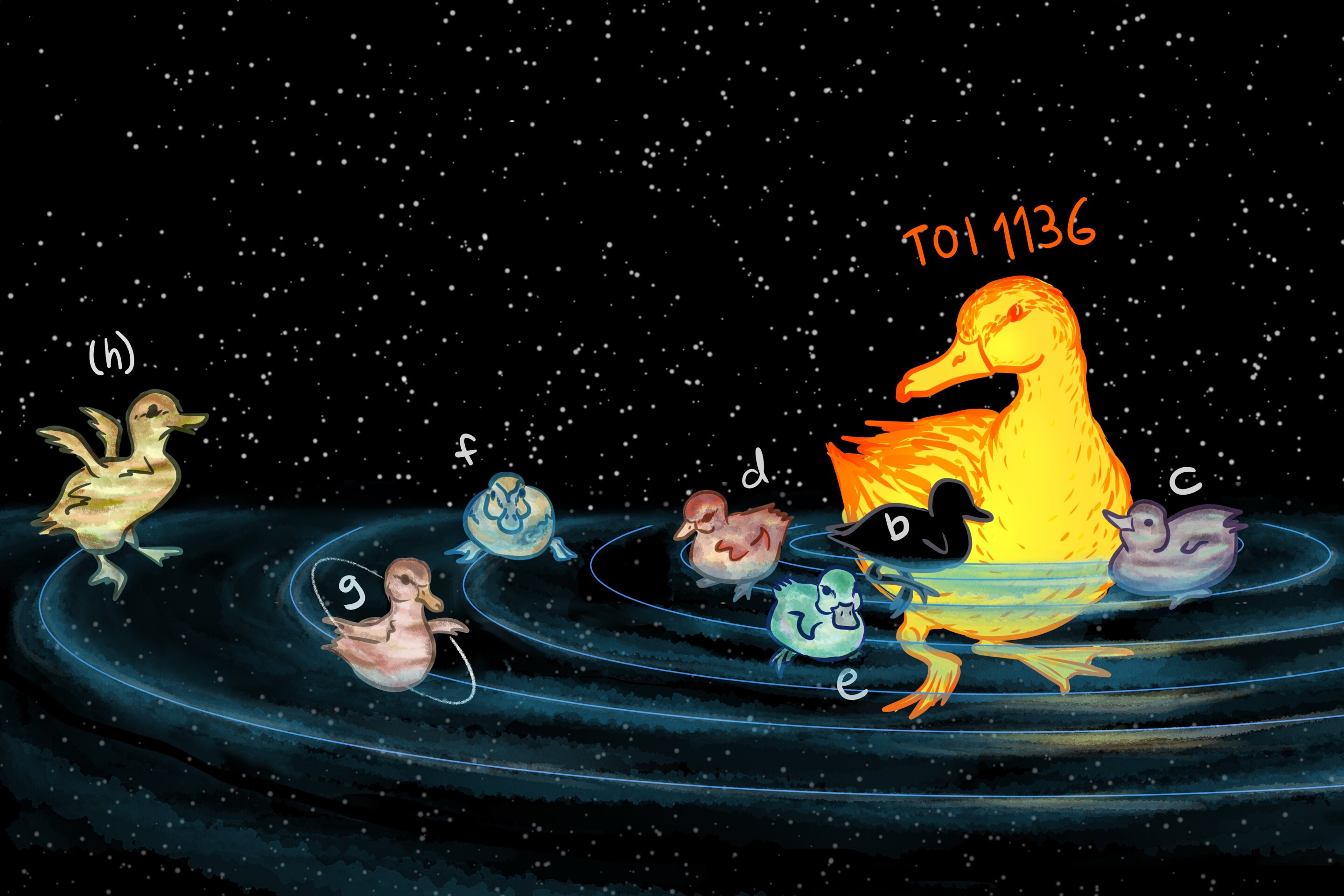
Astronomers led by researchers at the University of California, Irvine, have gathered precise information about six confirmed exoplanets orbiting TOI-1136, a dwarf star 270 light years from Earth. Using data from the TESS-Keck Survey, the team obtained detailed measurements of the exoplanets' masses, orbital properties, and atmospheric characteristics, providing valuable insights into planet formation and evolution. The study, published in The Astronomical Journal, involved combining transit timing variations with radial velocity analysis to create complex planetary system models, revealing unprecedented knowledge about the exoplanetary system. The researchers also noted the potential presence of a seventh planet and expressed interest in further exploration of the planets' compositions and atmospheres using advanced spectroscopy capabilities.
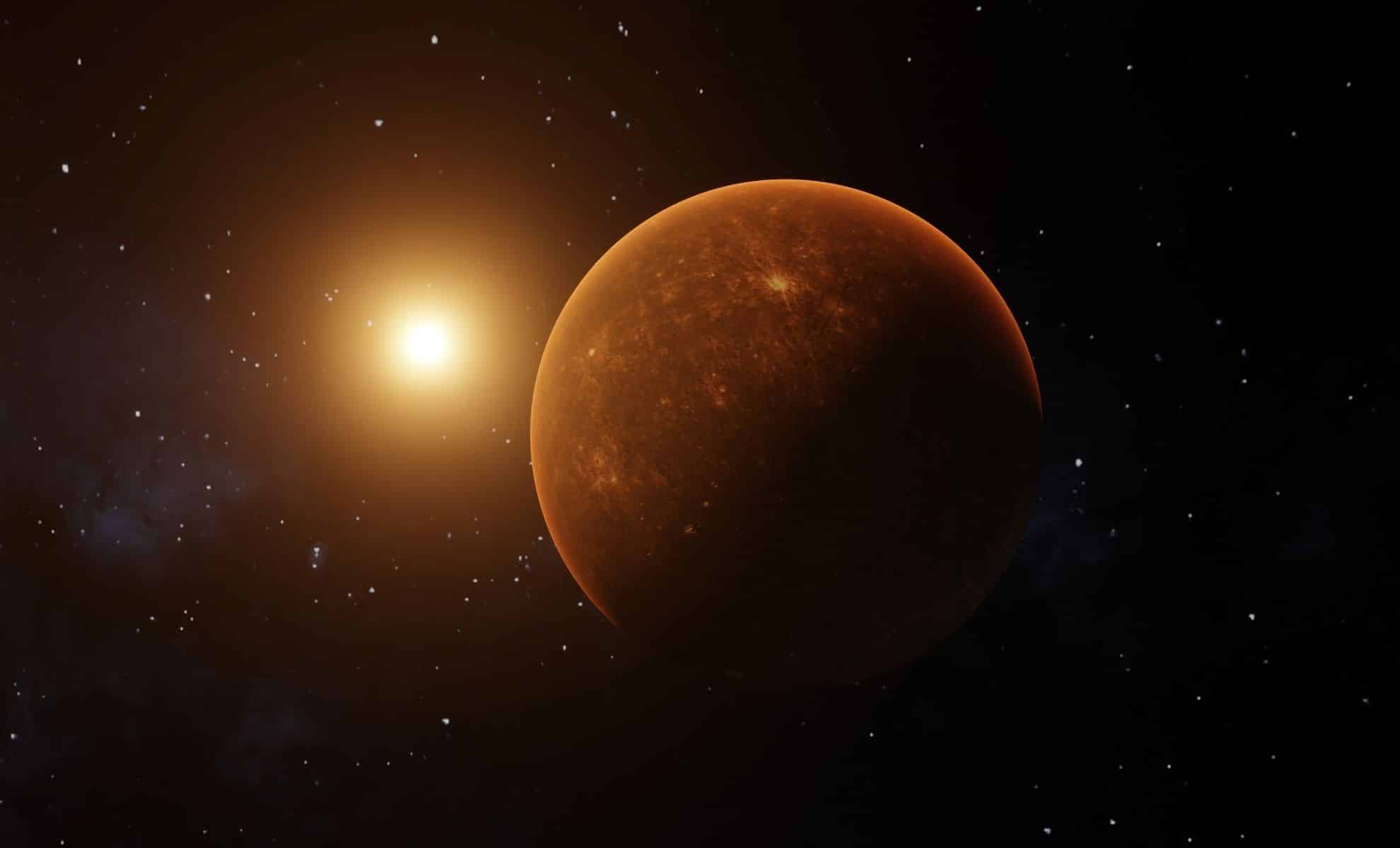
Scientists have discovered a new Earth-sized exoplanet, HD 63433 d, in a planetary system known for having two planets. The planet is extra hot, young, and tidally locked, with one side constantly facing its Sun-sized star. The planetary system is 500 million years old, making HD 63433 d the youngest Earth-sized planet known. The star in the system is a G-type star, similar to our Sun. The discovery was made using data from NASA's TESS, and the planet's dayside may resemble a "lava hemisphere" due to its scorching temperatures.
Astronomers using NASA's TESS have discovered a young, Earth-sized exoplanet, HD 63433 d, in a planetary system with two known planets. The planet is tidally locked, with scorching temperatures on its dayside, possibly making it a "lava hemisphere." It orbits a star similar to our Sun and is the closest confirmed Earth-sized planet of its age, at about 400 million years old. This discovery provides valuable insights into planetary formation and evolution and will be discussed at the 2024 American Astronomical Society Meeting.
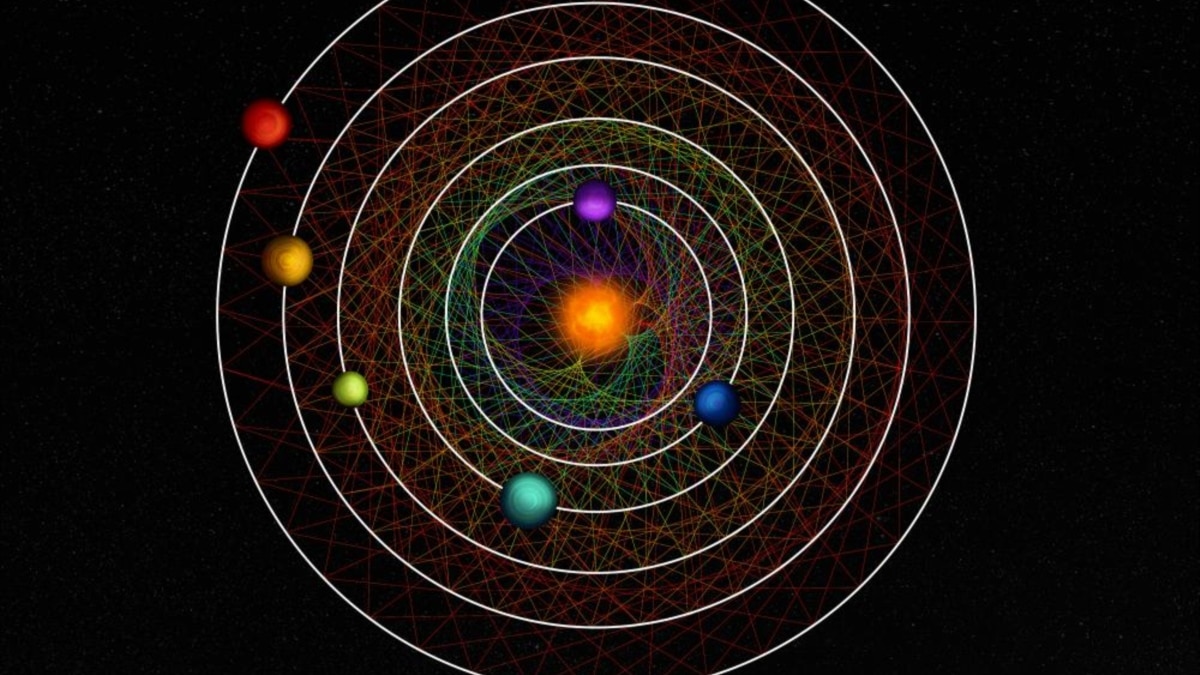
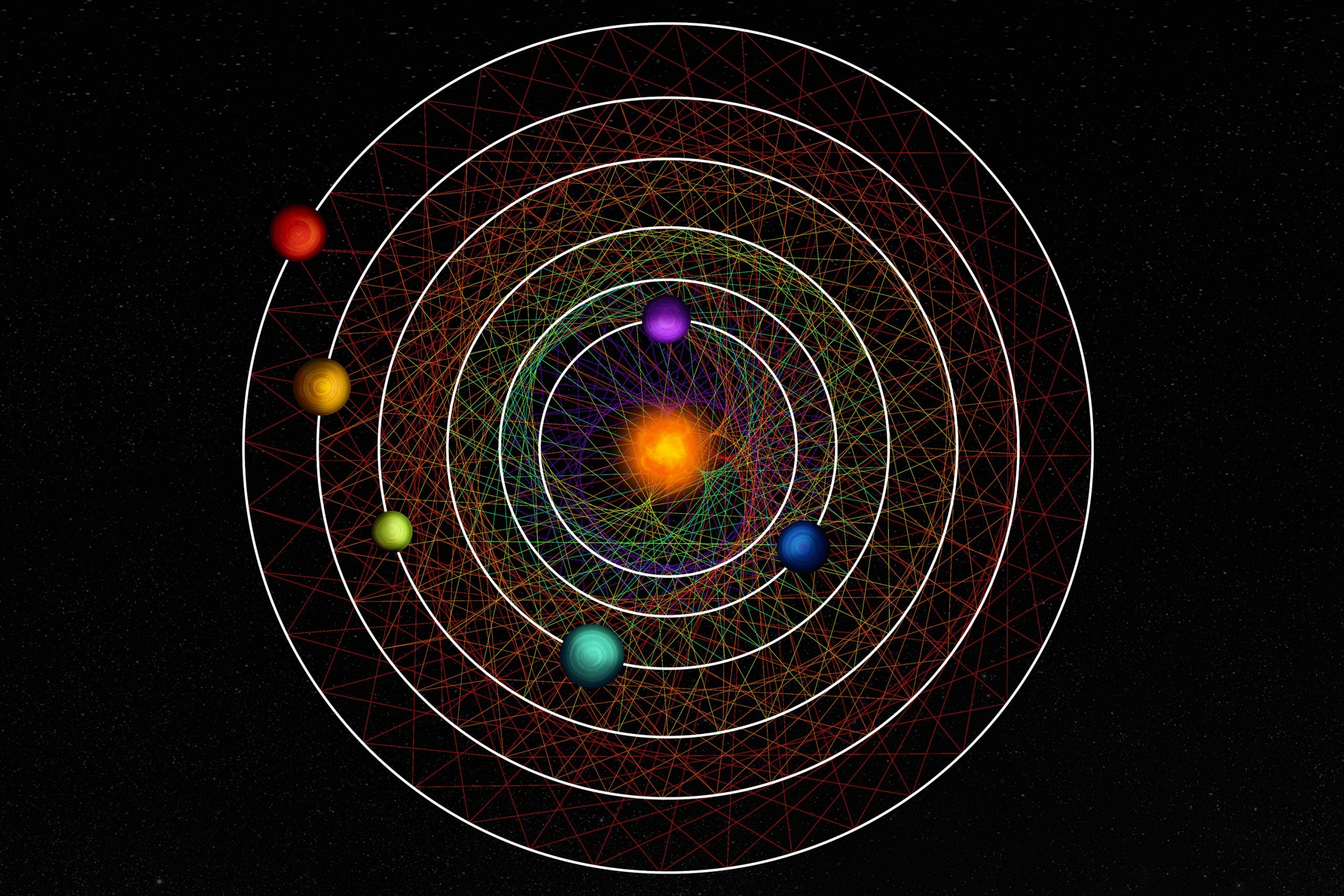
Scientists have discovered a rare solar system consisting of six planets in perfect orbital resonance, meaning they are synchronized in a gravitational formation. The system, located about 100 light-years from Earth, is considered untouched since its formation billions of years ago. The planets, known as sub-Neptunes, are larger than Earth but smaller than Neptune and have densities similar to gas giants. The discovery provides valuable insights into the formation and development of solar systems, and astronomers believe it could unlock the secrets of these mysterious planets.
A team of researchers has discovered a unique planetary system orbiting the star HD110067, consisting of six sub-Neptune planets that are all in direct resonance with each other. The discovery was made using data from NASA's TESS and ESA's Cheops satellites. This system provides valuable insights into planetary formation and system evolution, as well as the potential for studying the atmospheric composition of sub-Neptunes. It is also a promising target for future observations using the James Webb Space Telescope.
Astronomers have discovered a system of six planets orbiting a nearby sun-like star, HD 110067, which are locked into a rare resonance with one another. These sub-Neptune planets, larger than Earth but smaller than Neptune, provide insights into planet formation and evolution. The stable, predictable orbital pattern suggests that the planets have remained undisturbed for billions of years. While not suitable for life, the system offers valuable opportunities for studying planet atmospheres. The discovery raises questions about why our own solar system lacks sub-Neptune planets, and further investigation will be conducted using NASA's James Webb Space Telescope.