Tag

Astronomical Discovery

All articles tagged with #astronomical discovery

astronomy1 year ago

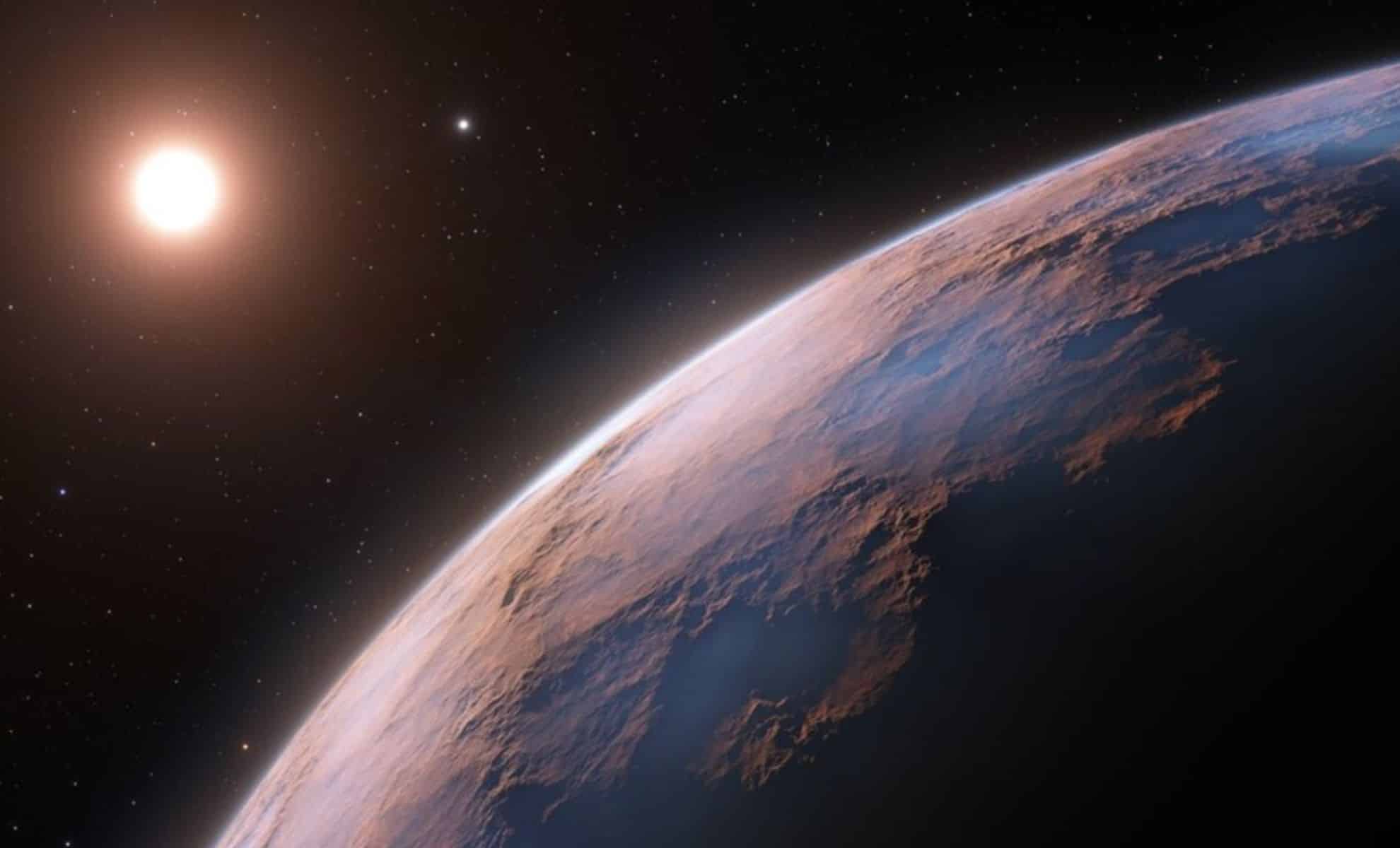
Scientists Discover Potential New Planet Neighboring Earth

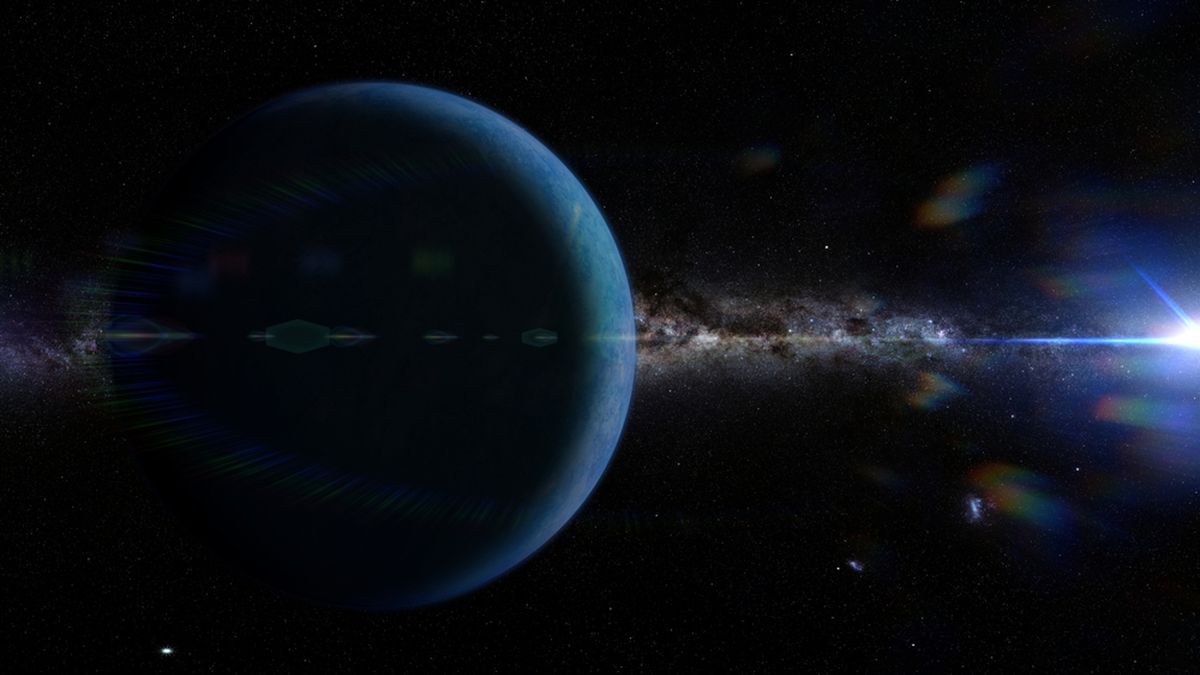
Astronomers have detected potential evidence of a new planet in the Oort Cloud, a distant region of the solar system filled with ice and rocks. This discovery could reshape our understanding of planetary formation and behavior, suggesting that large gravitational forces from planets like Jupiter and Saturn may have pushed an ice giant to this remote area. Detecting such a planet is challenging due to its vast distance and faint signals, but future research and advanced observational techniques could confirm its existence and provide new insights into the dynamics of the outer solar system.

astronomy1 year ago

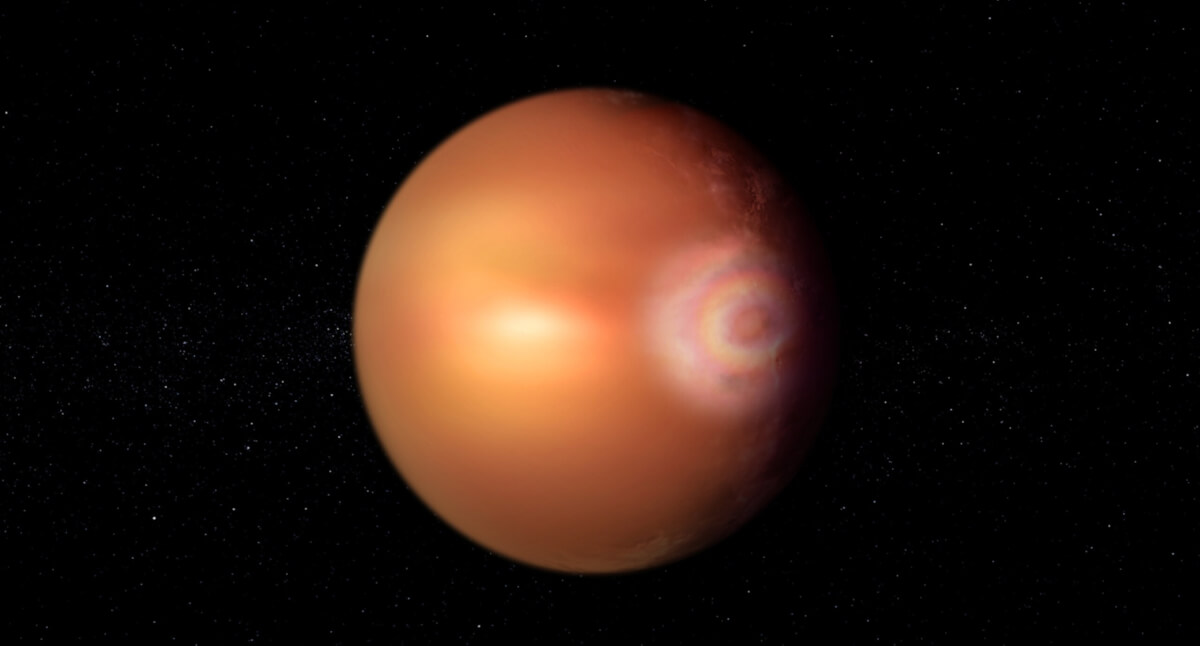
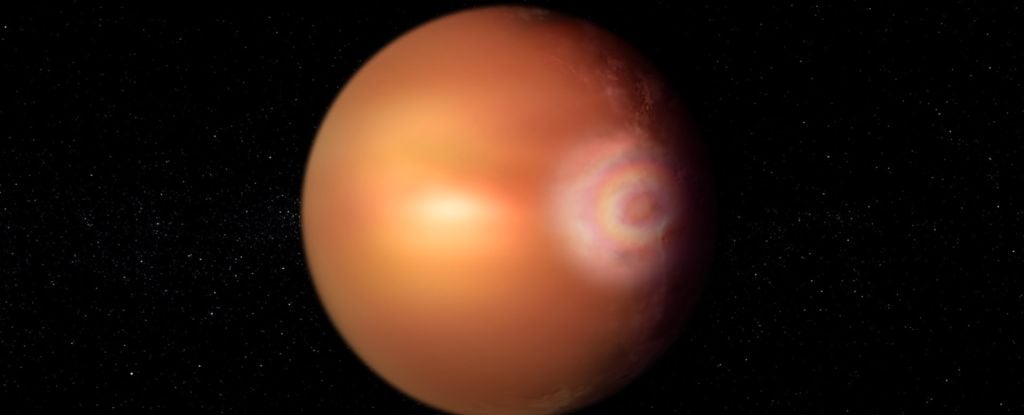
"Rare Rainbow-Like 'Glory' Effect Detected on Chaotic Exoplanet"

Astronomers have potentially observed a rare "glory" phenomenon in the atmosphere of the distant exoplanet WASP-76 b, located 637 light-years away, making it a possible first outside our solar system. This planet, known for extreme conditions due to its close orbit to its star, exhibited a bright spot of light, possibly a "glory," on its eastern limb, suggesting diffractive atmospheric conditions. Further study is needed to confirm this discovery, but it could lead to new insights into atmospheric phenomena on other worlds and expand our understanding of distant galaxy atmospheric conditions.

astronomy1 year ago

"Unveiling the Enigmatic 'Eyeball' Super-Earth: Kua'kua's Peculiar Day-Night Cycle"

Scientists have discovered an exoplanet, LHS 3844b, with one side in perpetual darkness and the other in constant sunlight, providing evidence of tidally locked exoplanets beyond our solar system. The planet, known as Kua'kua, is close to its host star Batsu and lacks an atmosphere, making temperature readings directly related to its surface. Researchers developed a global thermal model and compared it to observations from the Spitzer telescope, confirming the planet's tidally locked orbit. This discovery sheds light on the prevalence of such exoplanets in the Milky Way.

astronomy1 year ago

"Unprecedented Discovery: Rainbow-Like 'Glory' Lights Found on Distant Exoplanet"

Astronomers have potentially discovered the "glory" effect on a planet outside our solar system for the first time, shedding light on the habitability of distant worlds. This phenomenon, resembling rings of light around a bright spot, is caused by light scattering in a specific way by tiny particles in the planet's atmosphere. The effect was observed on WASP-76b, a planet known for its extreme conditions, and if confirmed, it would provide valuable insights into exoplanet atmospheres and their potential habitability. The discovery was made using the European Space Agency's Characterising Exoplanet Satellite, and further confirmation is sought through NASA's James Webb Space Telescope.

astronomy1 year ago

"Unprecedented Rainbow-Like Glory Spotted on Distant Alien World"

Astronomers have detected a rare and beautiful phenomenon known as a glory in the skies of WASP-76b, an exoplanet located 640 light-years from Earth. This colorful halo of light, previously only observed on Earth and Venus, provides insights into the unique atmospheric conditions of this alien world. The discovery suggests the presence of stable, spherical aerosol droplets in the planet's clouds and could lead to further revelations about its atmospheric composition. If confirmed, this finding could serve as a model for identifying similar phenomena on other exoplanets and potentially uncovering other features such as starlight reflecting off liquid surfaces.

astronomy1 year ago

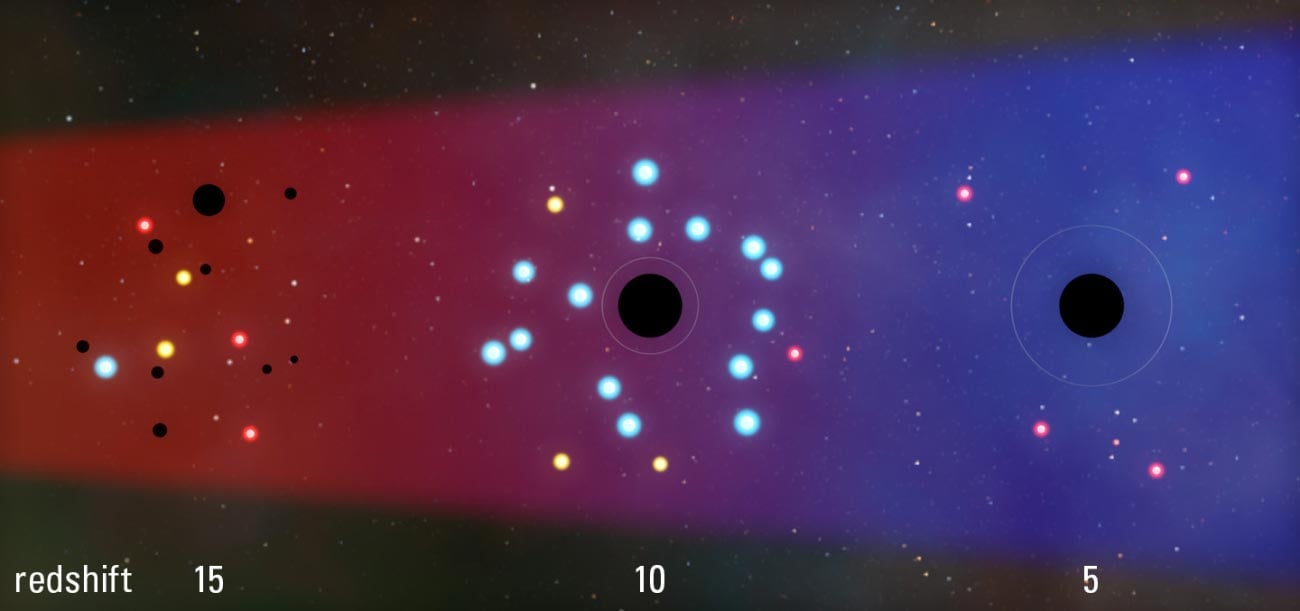
"Unveiling the Secrets of Infant Supermassive Black Holes with Webb Telescope"

The James Webb Space Telescope has made an astonishing discovery of early galaxies with massive black holes, challenging traditional galaxy formation theories and suggesting a synchronous development of black holes and stars. This finding could reshape our understanding of cosmic evolution, as it indicates that black holes may have formed along with the first stars, promoting their growth before later suppressing star formation through negative feedback. The proposed new timeline for this shift in early galaxy formation could guide future observational strategies and help contextualize the characteristics of modern galaxies.

astronomy1 year ago

"Unprecedented Find: Astronomers Stumble Upon Impossible Galaxy"

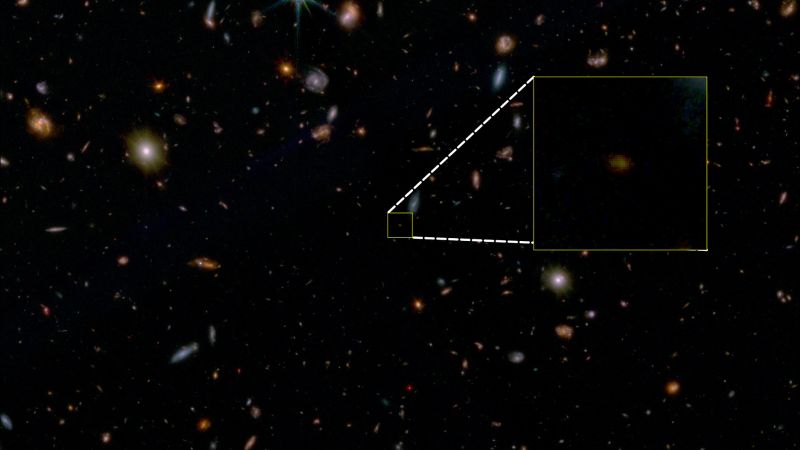
The discovery of the isolated dwarf galaxy PEARLSDG by the James Webb Space Telescope challenges existing theories of galaxy evolution by not forming new stars, prompting a reevaluation of our understanding of galaxies. This unexpected finding suggests that many more isolated quiescent galaxies may exist, and the advanced capabilities of the JWST have the potential to uncover further cosmic phenomena, revolutionizing our understanding of galaxy formation and evolution.

astronomy1 year ago

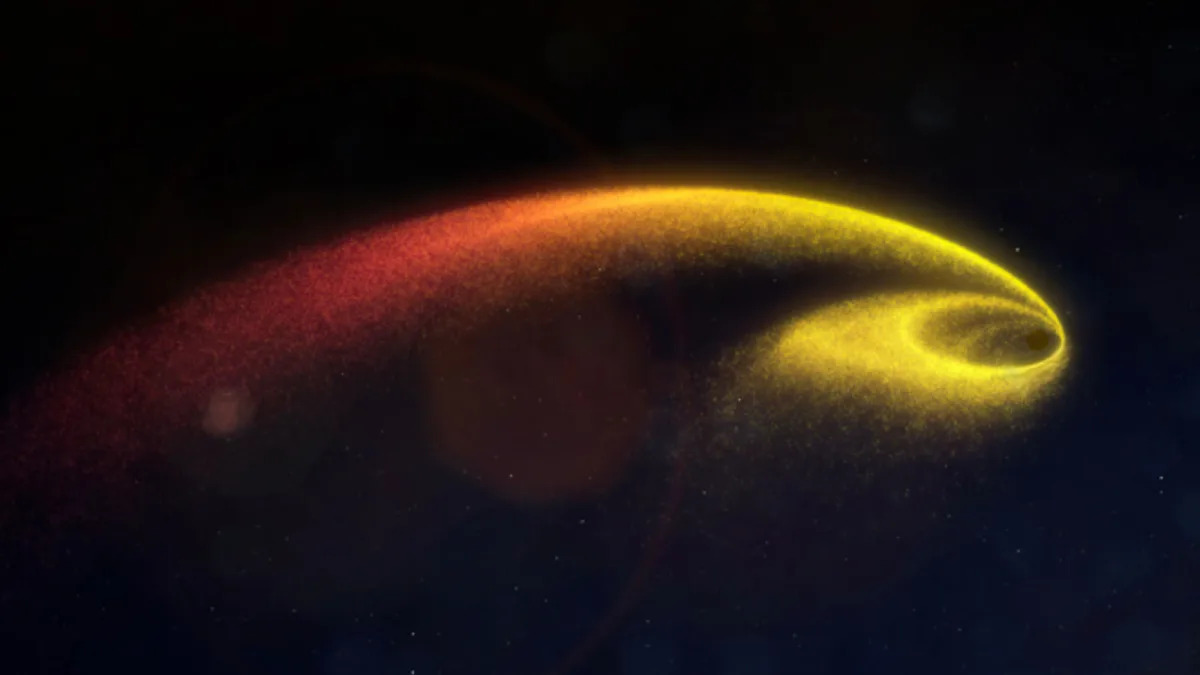
"Closest Black Hole Spaghettifying Star Recorded by Hawaiʻi Astronomers"

Astronomers have observed a supermassive black hole tearing apart and consuming a star in the galaxy NGC 3799, located 160 million light-years from Earth. This rare event, known as a tidal disruption event (TDE), was detected using visible light and is remarkable for its proximity to Earth and rapid brightening and fading. The discovery provides valuable insights into the behavior of supermassive black holes and will be published in the Monthly Notices of the Royal Astronomical Society.

astronomy1 year ago

"James Webb Telescope Discovers Earliest 'Dead' Galaxy in Distant Universe"

Astronomers using the James Webb Space Telescope have discovered the oldest "dead" galaxy in the universe, which ceased star formation almost as quickly as it began over 13 billion years ago. The galaxy, JADES-GS-z7-01-QU, provides new insights into the early universe and the factors affecting star formation, challenging existing models. This discovery suggests that galaxies in the early universe may have experienced rapid transitions from star-forming to dormant phases, and further observations could shed light on the reasons behind this phenomenon.

astronomy1 year ago

"Astronomers Use Massive Game of 'Connect the Dots' to Pinpoint 'Planet Nine's' Hiding Place"

Astronomers have narrowed down the potential location of the elusive "Planet Nine" in the outer solar system after ruling out over three-quarters of its suspected orbital pathway. Using data from the Pan-STARRS observatory, researchers believe they could find the hypothetical planet within the next few years. The planet, theorized to be around seven times more massive than Earth, has an elliptical orbit and is likely located between 500 and 600 astronomical units from the sun. Further surveys using the Subaru Telescope and the upcoming Vera C. Rubin Observatory are planned to confirm its existence.

astronomy1 year ago

"Astronomers Use Massive Game of 'Connect the Dots' to Pinpoint 'Planet Nine's' Hiding Place"

Astronomers have narrowed down the potential location of "Planet Nine" in the outer solar system after ruling out most of its suspected orbital pathway. Using data from the Pan-STARRS observatory, researchers analyzed 78% of the region where the elusive planet is likely to be, but it was not found. They are now planning to use data from the Subaru Telescope and the upcoming Vera C. Rubin Observatory to continue the search, expressing confidence in finding Planet Nine within the next few years.

astronomy1 year ago

"Unveiling the Brightest Object in the Universe: A 500 Trillion Times Brighter Than the Sun"

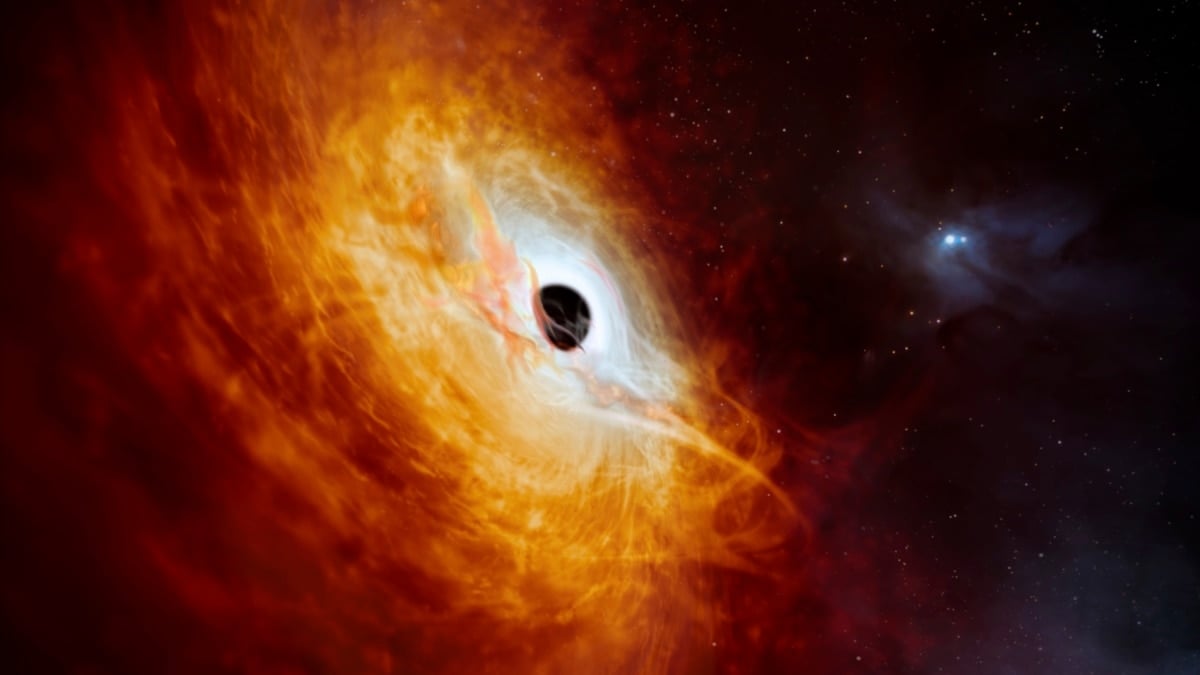
Astronomers have possibly discovered the brightest object ever observed in the universe, a distant quasar estimated to be at least 500 trillion times brighter than the sun. The quasar, identified by Australian researchers using the Very Large Telescope and Siding Spring Observatory, is powered by a supermassive black hole more than 17 billion times larger than our sun and is located about 12 billion light years away. The finding, reported in Nature Astronomy, could provide important insights into the early universe and the growth of supermassive black holes.

astronomy1 year ago

"JWST Unveils Neutron Star Remnants from 1987 Supernova"

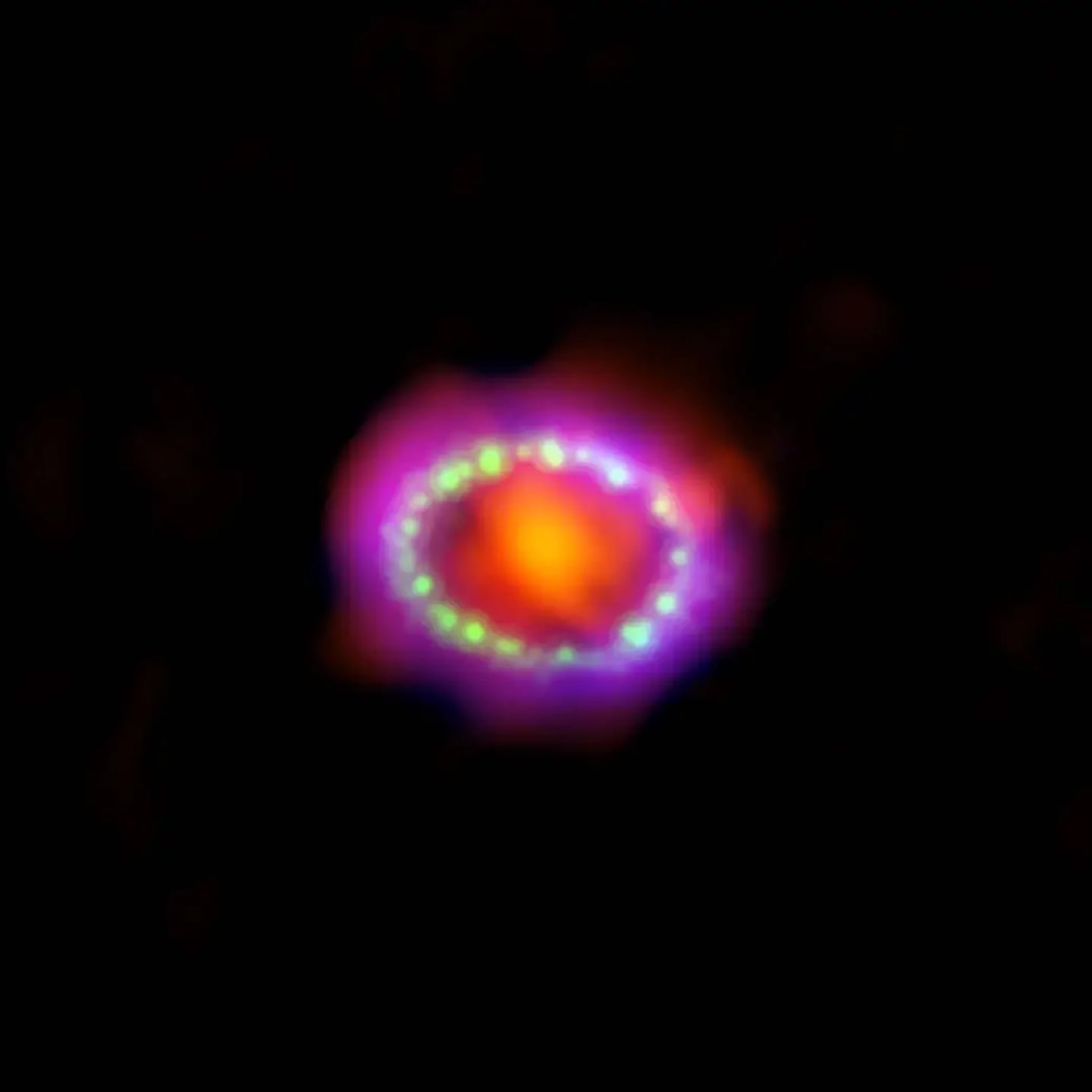
The James Webb Space Telescope's observations suggest that the debris field of Supernova 1987A contains compelling signs of a neutron star, potentially resolving a long-standing debate about the aftermath of the explosion. If confirmed, this would be the youngest and freshest neutron star ever observed, providing valuable insights into the birth of such exotic objects and offering a natural laboratory for high-energy and particle physics. However, while the evidence is compelling, the direct detection of the hypothesized neutron star remains elusive, leaving the case not yet closed.

astronomy1 year ago

"Unveiling the Enigma: James Webb Telescope's Discovery of an Impossible Ancient Galaxy"

Astronomers using the James Webb Space Telescope have discovered a massive galaxy, ZF-UDS-7329, that challenges current models of galaxy formation as it contains more stars than the Milky Way despite forming just 800 million years after the Big Bang, seemingly without the gravitational pull of dark matter. This discovery poses significant challenges to our standard model of cosmology and pushes the boundaries of our current understanding of how galaxies form and evolve.