Tag

Cheops

All articles tagged with #cheops

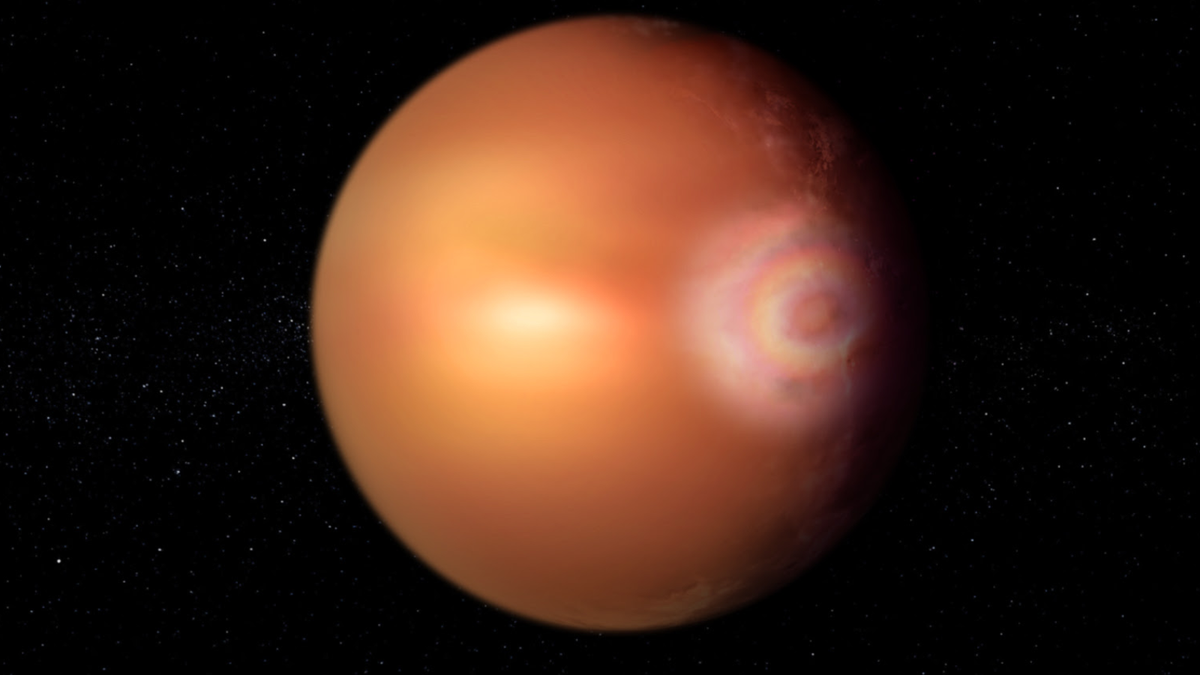
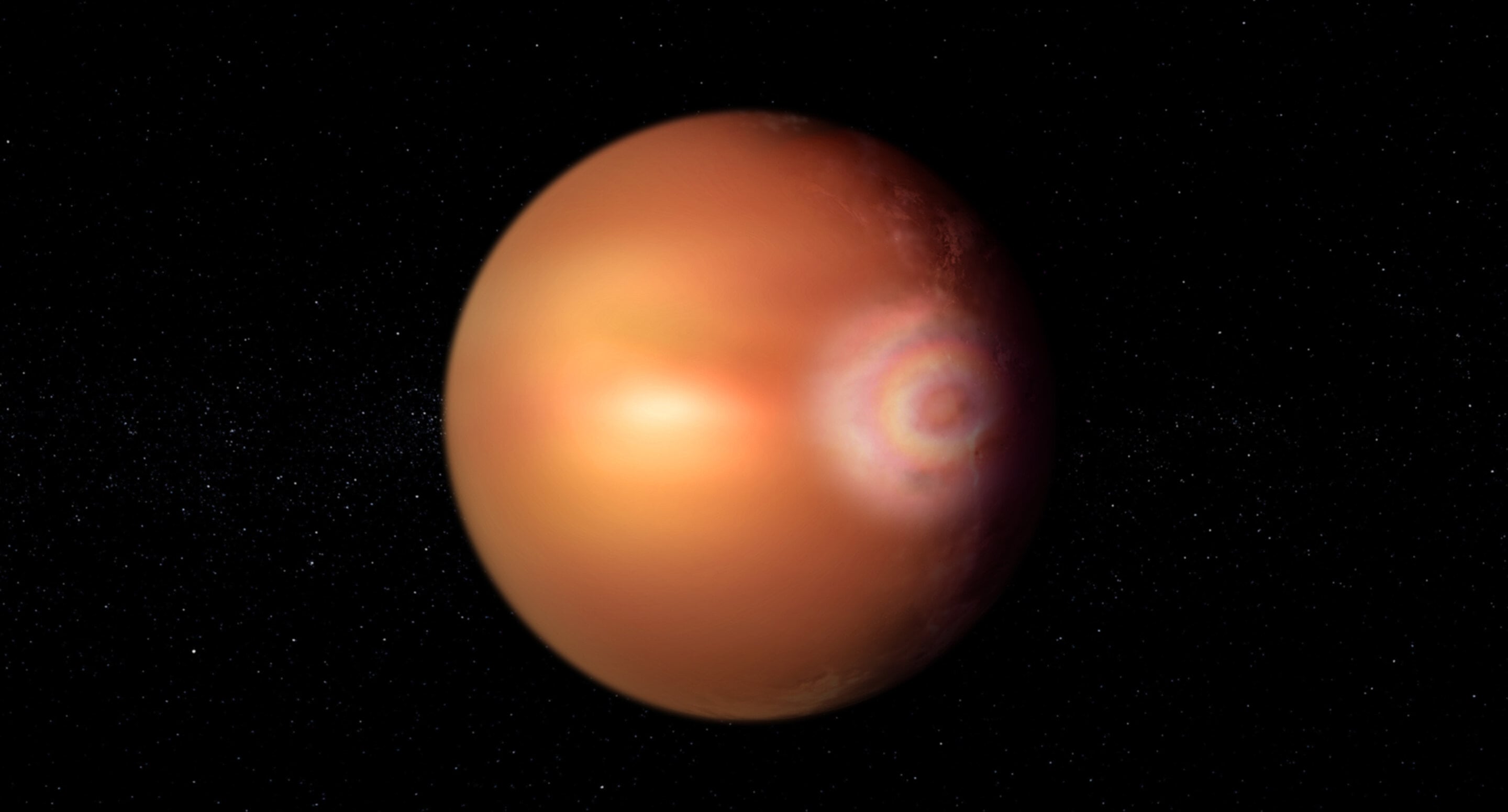
"Exoplanet's Iron Rain Creates Spectacular Rainbow Effect in Alien Skies"

Originally Published 1 year ago — by Space.com

Featured image for "Exoplanet's Iron Rain Creates Spectacular Rainbow Effect in Alien Skies"
Source: Space.com

Astronomers have detected a rainbow-like "glory" effect in the atmosphere of the ultra-hot Jupiter exoplanet WASP-76b, located 637 light-years away. This phenomenon, observed by the European Space Agency's CHEOPS mission, suggests the presence of stable, spherical clouds and could provide insights into the extreme exoplanet's turbulent environment. The discovery highlights the potential for investigating similar light phenomena on distant worlds and its significance in the search for life beyond our solar system.

"Discovery of Mysterious 'Rainbow Glory' Effect on Hellish Exoplanet"

Originally Published 1 year ago — by Phys.org

Featured image for "Discovery of Mysterious 'Rainbow Glory' Effect on Hellish Exoplanet"
Source: Phys.org

Astronomers have potentially detected the rainbow-like "glory effect" on the distant exoplanet WASP-76b, 637 light-years away, using data from ESA's Cheops satellite and other missions. This delicate phenomenon, previously observed only on Venus, could provide insights into the nature of this ultra-hot gas giant and its nearby star. The discovery suggests the presence of perfectly spherical atmospheric particles and stable temperatures, offering valuable lessons for understanding distant worlds and aiding in the detection of critical phenomena in exoplanets.

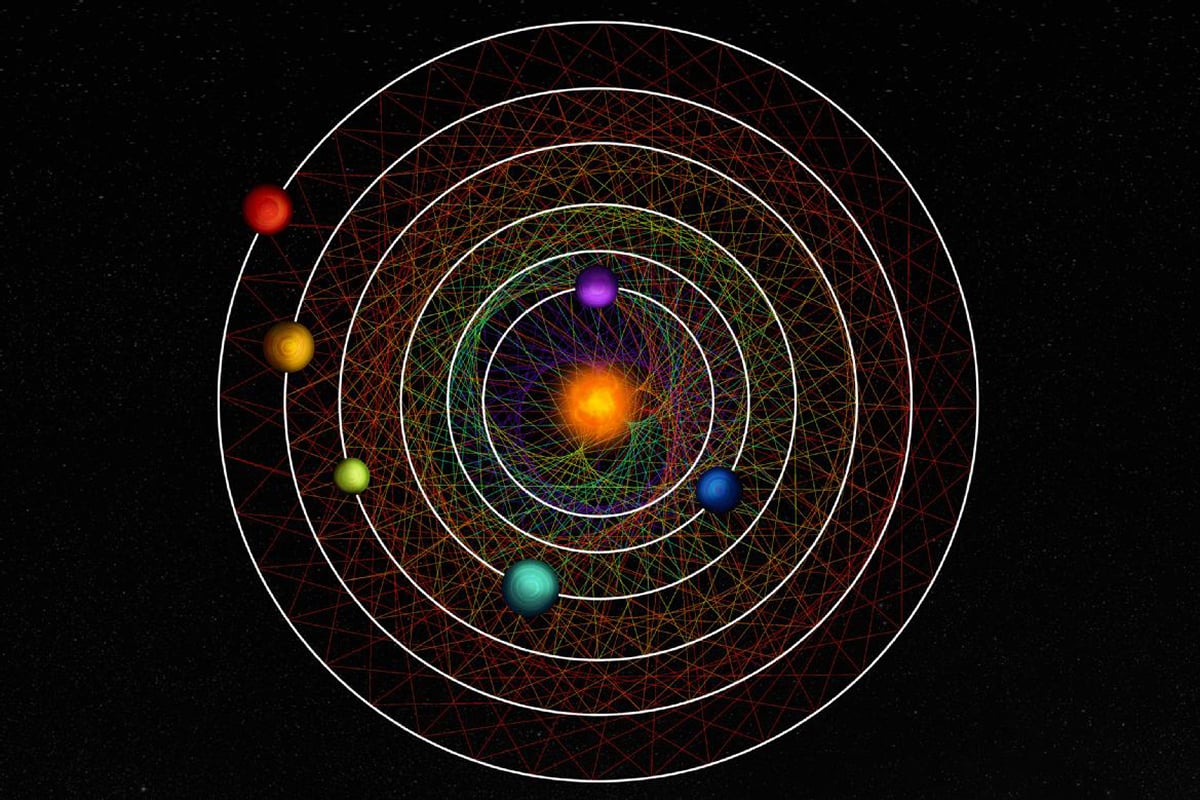
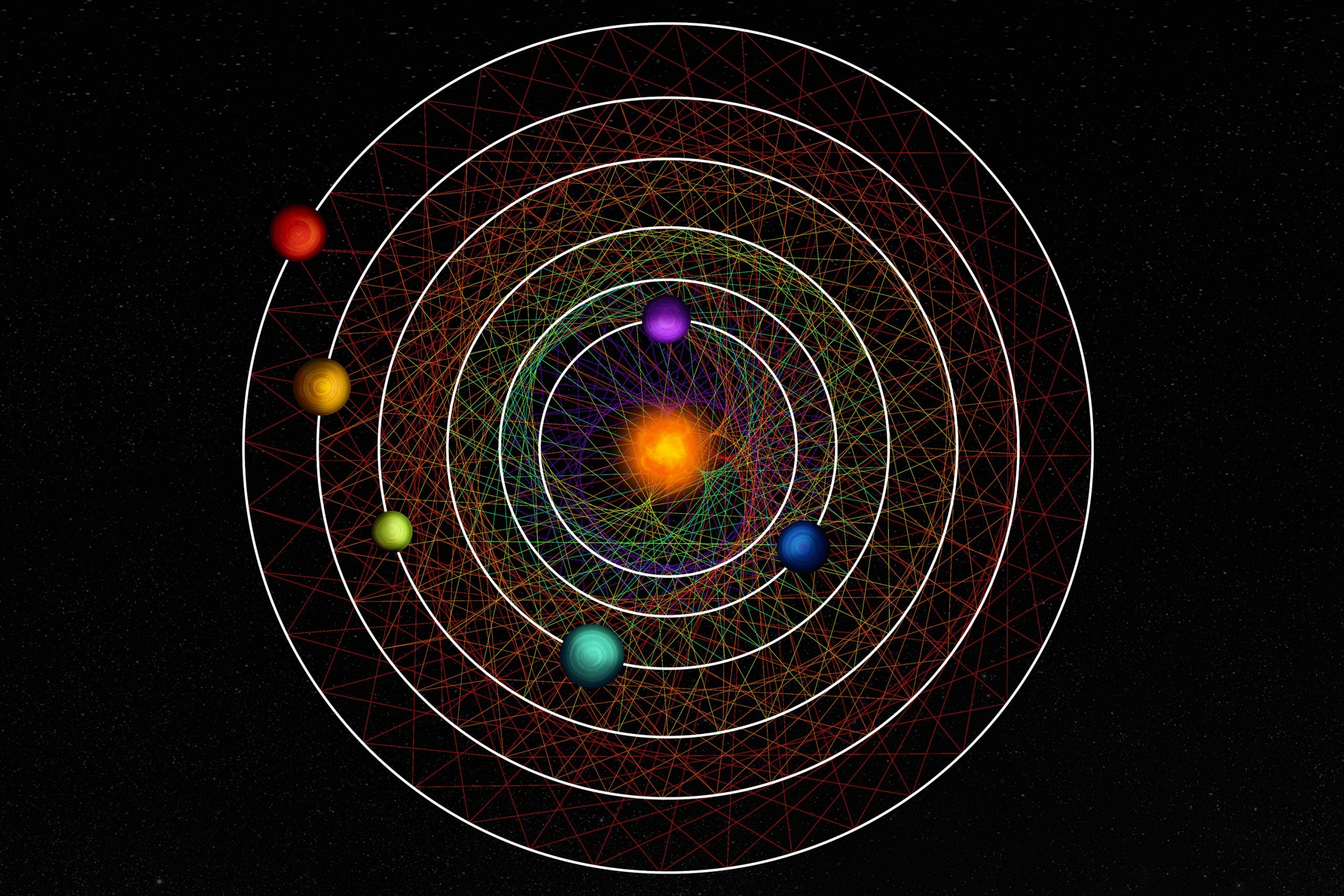
"Six Planets Found in Harmonious Alignment by Astronomers"

Originally Published 1 year ago — by Sky at Night Magazine

Featured image for "Six Planets Found in Harmonious Alignment by Astronomers"
Source: Sky at Night Magazine

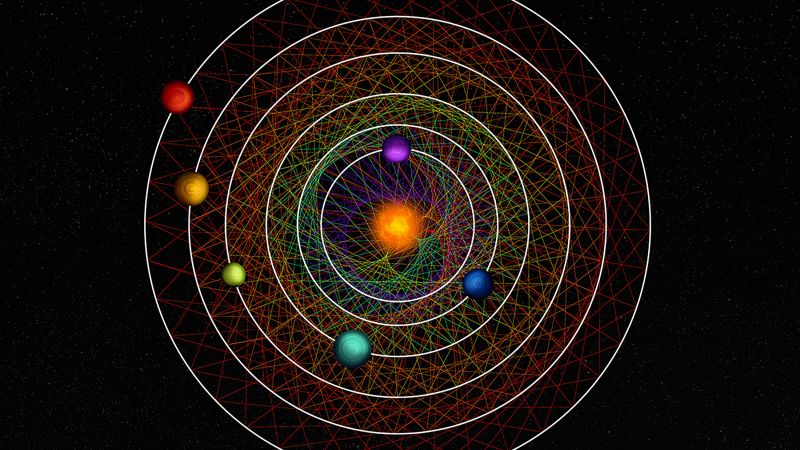
Astronomers have discovered a rare system of six planets orbiting the star HD110067, all in perfect balance and in what's known as an orbital resonance. The planets, with sub-Neptune masses, have large atmospheres similar to Uranus or Neptune, making them ideal for observation with the James Webb Space Telescope (JWST). This unique system, just 100 lightyears away, provides a pristine configuration of a planetary system that has survived untouched, offering valuable insights into planetary formation and evolution.

"Resonant Orbits: A Perfectly Harmonious Solar System with Six Sub-Neptunes Discovered"

Originally Published 2 years ago — by Universe Today

Featured image for "Resonant Orbits: A Perfectly Harmonious Solar System with Six Sub-Neptunes Discovered"
Source: Universe Today

A team of researchers has discovered a unique planetary system orbiting the star HD110067, consisting of six sub-Neptune planets that are all in direct resonance with each other. The discovery was made using data from NASA's TESS and ESA's Cheops satellites. This system provides valuable insights into planetary formation and system evolution, as well as the potential for studying the atmospheric composition of sub-Neptunes. It is also a promising target for future observations using the James Webb Space Telescope.

Astronomers Uncover Perfectly Synced Solar System with Six Planets

Originally Published 2 years ago — by CNN

Featured image for Astronomers Uncover Perfectly Synced Solar System with Six Planets
Source: CNN

Astronomers have discovered a rare family of six exoplanets in the Coma Berenices constellation, located about 100 light-years from Earth. These sub-Neptunes, labeled b through g, orbit a star called HD110067 in a rhythmic celestial dance known as orbital resonance. The discovery, made possible by the combined observations of NASA's TESS and the European Space Agency's Cheops satellites, could provide insights into planet formation and the origin of sub-Neptunes in our galaxy. The system's stability over 1 billion years makes it a valuable "rare fossil" for studying planetary systems. The James Webb Space Telescope may be used to further investigate the composition of these planets' atmospheres.

"Cheops Discovers Highly Reflective Exoplanet: A Mirror in Space"

Originally Published 2 years ago — by Phys.org

Featured image for "Cheops Discovers Highly Reflective Exoplanet: A Mirror in Space"
Source: Phys.org

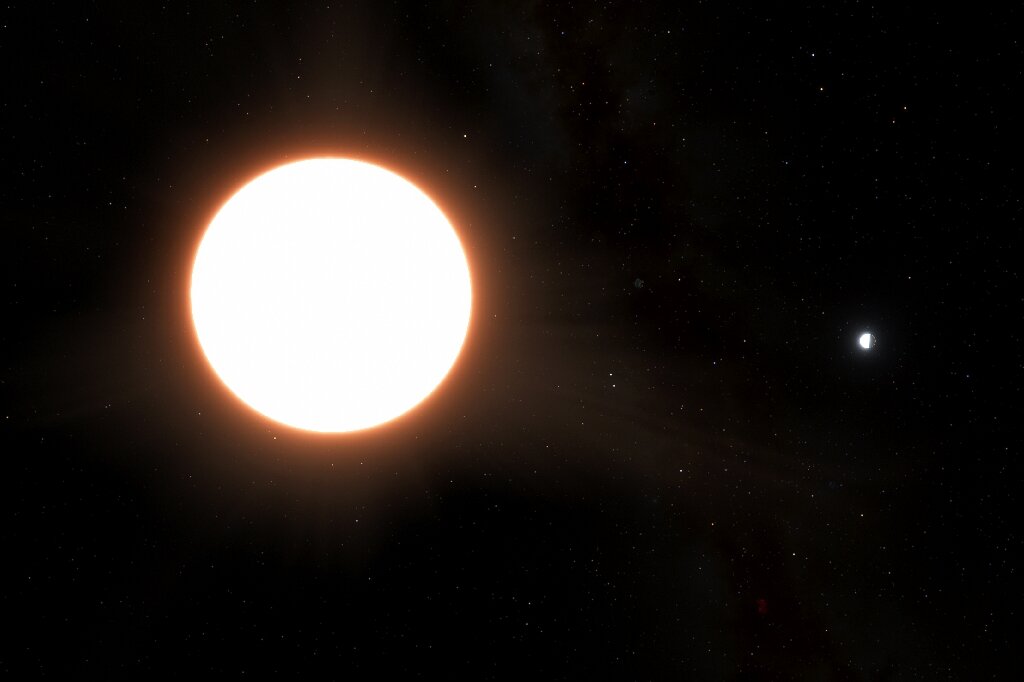
Astronomers have discovered the most reflective exoplanet outside of our Solar System, named LTT9779b. This Neptune-sized planet reflects 80% of the light from its host star, making it as shiny as Venus. Despite its scorching temperatures, LTT9779b has managed to form metallic clouds that act as a mirror, preventing its atmosphere from being blown away. This finding challenges previous assumptions about the survival of Neptune-sized planets in the "Neptune desert" region. The observations were made by the Cheops space telescope.

Discovery of 4 mysterious 'mini-Neptune' exoplanets baffles scientists.

Originally Published 2 years ago — by Space.com

Featured image for Discovery of 4 mysterious 'mini-Neptune' exoplanets baffles scientists.
Source: Space.com

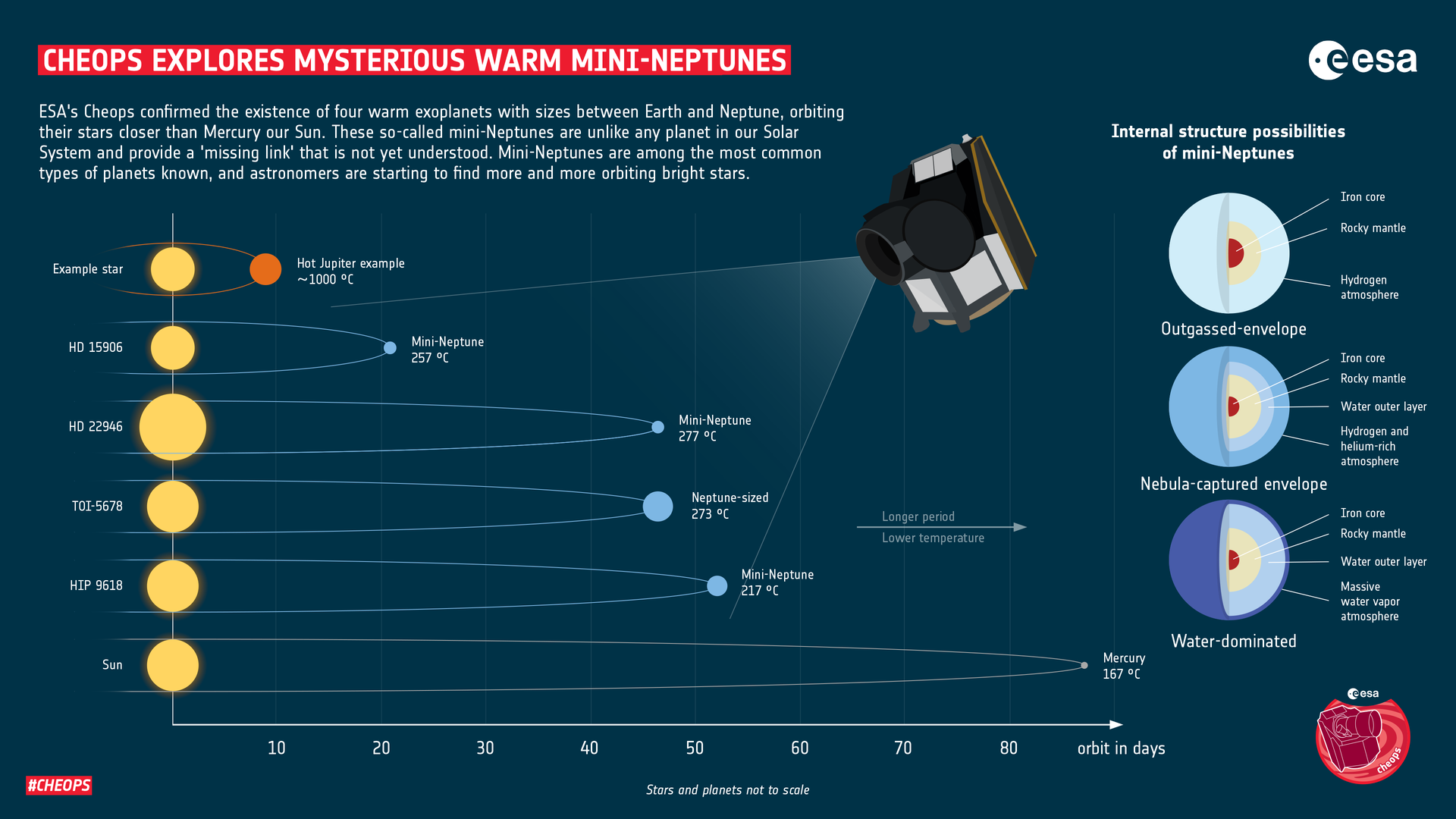
Astronomers have discovered four new "mini-Neptunes" exoplanets using the European Space Agency's exoplanet-hunting spacecraft, CHEOPS, after NASA's Transiting Exoplanet Survey Satellite (TESS) first tipped them off to the presence of these exoplanets. The newly found planets orbit different stars and are around the size of Neptune or slightly smaller, or about two to five times the size of Earth. The mini-Neptunes are farther out from their parent stars than typical hot Jupiters are, and their relatively cool temperatures could mean they still have atmospheres and clouds that the James Webb Space Telescope (JWST) could investigate.

CHEOPS discovers warm mini-Neptunes and elusive planets

Originally Published 2 years ago — by European Space Agency

Featured image for CHEOPS discovers warm mini-Neptunes and elusive planets
Source: European Space Agency

ESA's exoplanet mission Cheops has confirmed the existence of four warm mini-Neptunes orbiting four stars in our Milky Way, providing a 'missing link' between Earth-like and Neptune-like planets. These planets are smaller, cooler, and more difficult to find than hot Jupiters. The discovery of these planets is essential as it brings our sample of known exoplanets closer to the longer orbits that we find in our own Solar System. The composition of mini-Neptunes is still unknown, and further studies are needed to understand how these bodies formed. The newly confirmed exoplanets are perfect candidates for a follow-up visit by the James Webb Space Telescope or ESA's future Ariel mission.

CHEOPS mission extended to continue exoplanet-hunting in Europe.

Originally Published 2 years ago — by Space.com

Featured image for CHEOPS mission extended to continue exoplanet-hunting in Europe.
Source: Space.com

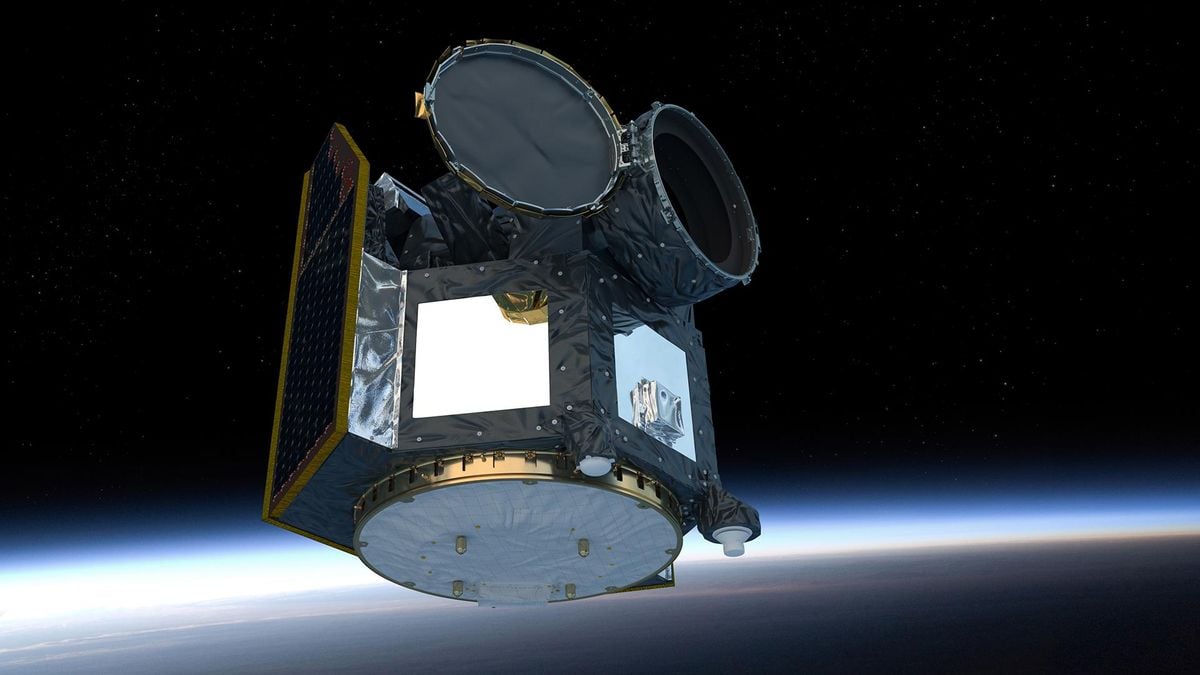
Europe's CHEOPS spacecraft, designed to study planets outside our solar system, will continue its mission until at least 2026, with the potential to extend until 2029. CHEOPS has exceeded expectations in determining properties of several exoplanets, including the discovery of the distended, flattened shape of the gas giant WASP-103 b. The spacecraft has coped well with the rigors of space and has exciting observing opportunities left, such as discovering the first exomoon. CHEOPS plays a key role in our hunt for planets that could potentially support life.