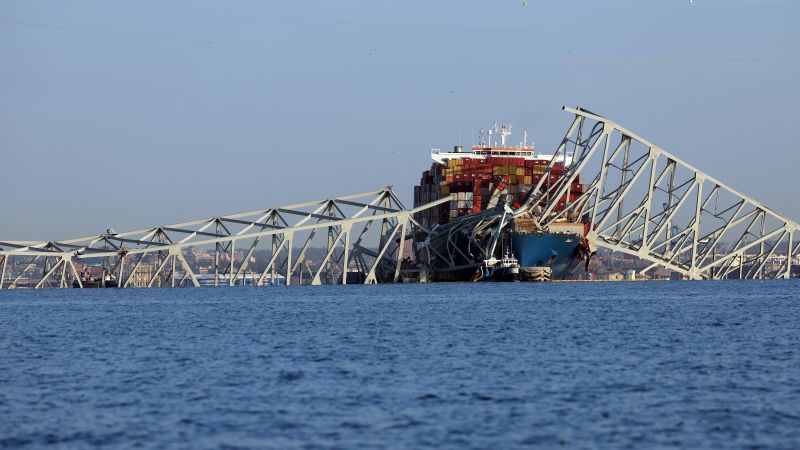
A recent collision involving a container ship and the Francis Scott Key Bridge in Baltimore has drawn attention to the vulnerabilities of America's aging bridges, with 1 in 13 bridges in poor condition and at risk of collapse from a single hit. Extreme weather events, heavier trucks, and collisions from larger ships pose significant risks to US bridges, highlighting the urgent need for improvements and protections to guard against potential disasters. The $1.2 trillion federal infrastructure law passed in 2021 could help address some of these issues, but more investment and proactive measures are needed to ensure the safety and resilience of the nation's bridge infrastructure.
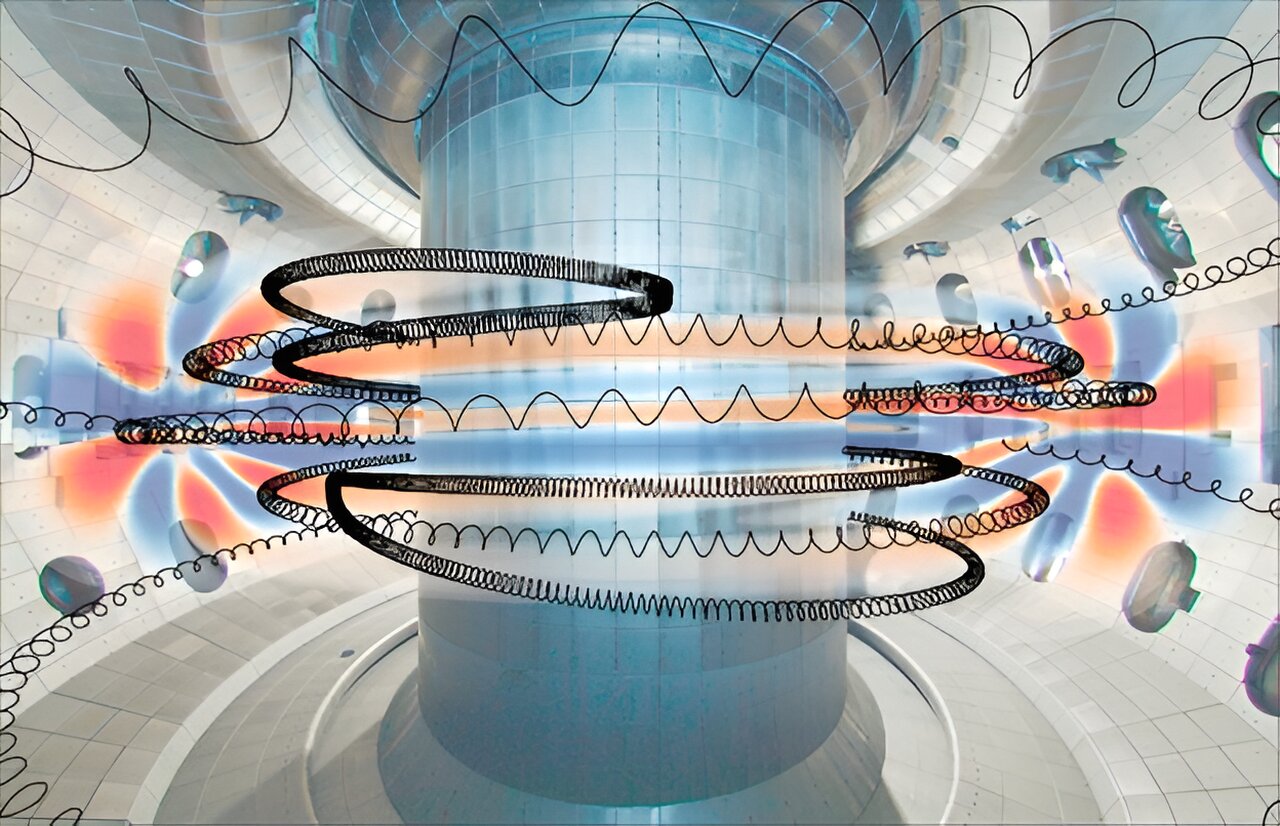
Collisions between fast ions and plasma waves in fusion experiments can affect the efficiency of energy transfer and the behavior of particles. Different types of collisions, such as diffusive scattering and convective drag, compete to determine the resonance between fast ions and waves. Researchers have used mathematical calculations and computer simulations to understand these interactions and develop models for sustaining fusion reactions. This understanding can also be applied to astrophysical research and gravitational interactions in galaxies. The study reveals that drag collisions can shift the speed at which resonance occurs, creating new resonances and extending the range of interaction. The derived resonance function provides insights into wave-particle interactions in plasmas and can be used to improve simulations for developing commercial fusion power plants.
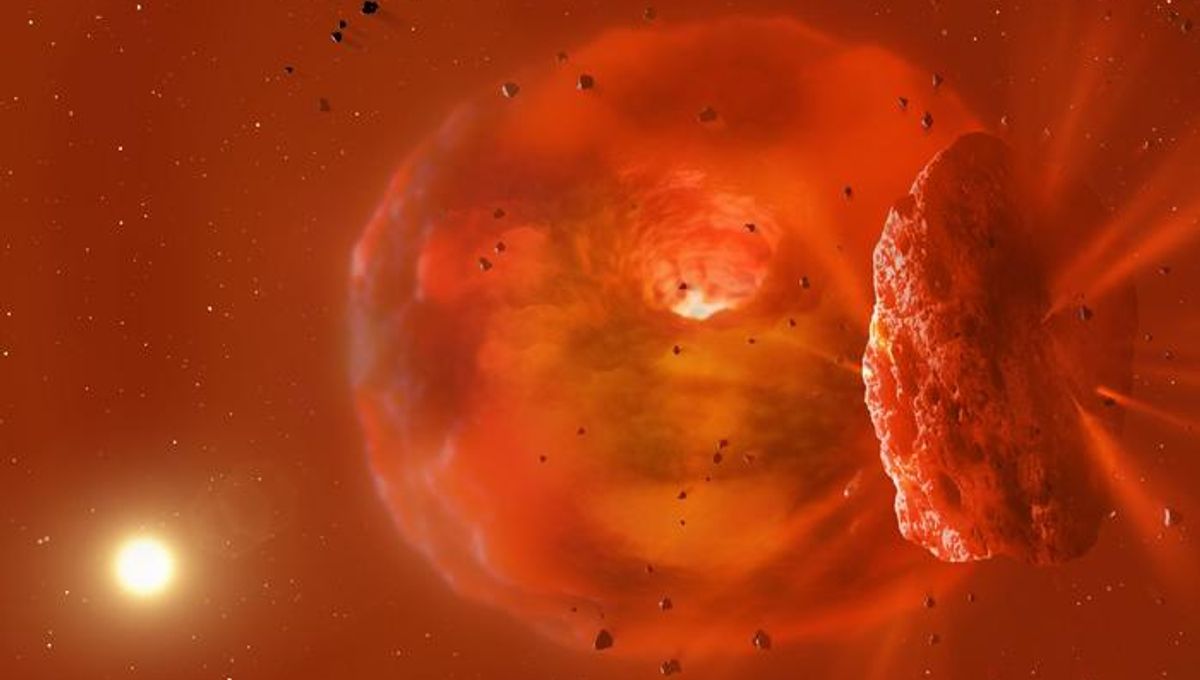
Astronomers have observed the aftermath of a collision between two giant planets for the first time. The collision caused a sudden brightening of a star in infrared light, followed by a fade in visible light. The event was marked by the formation of a massive cloud of dust, which eventually blocked enough light to cause the fading. The collision likely involved two ice giant planets similar to Neptune and Uranus, and the majority of their mass is expected to form a new planet. The researchers have also detected light from this new planet, which may eventually condense to form moons.
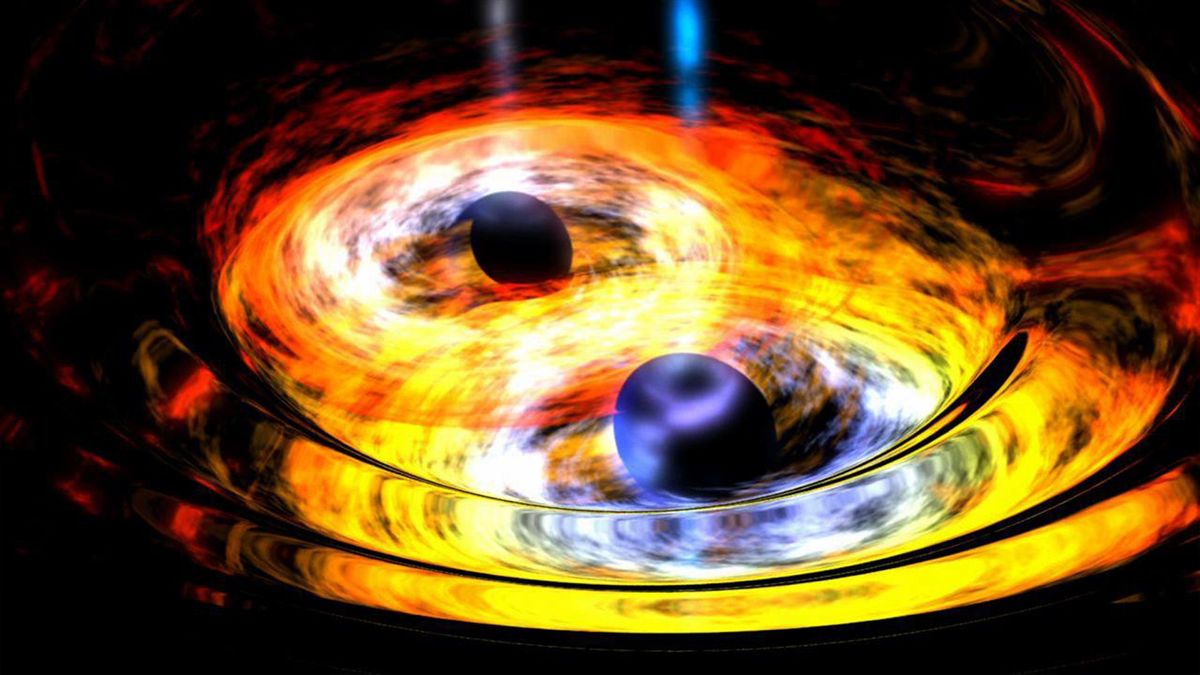
Researchers have discovered a new speed limit for colliding black holes, with a maximum possible recoil velocity exceeding 63 million mph. This limit occurs when the black holes are at the tipping point between merging and scattering. The researchers hope to mathematically prove this limit using Einstein's equations for general relativity, which could have implications for the fundamental laws of physics. The discovery suggests that this speed limit could be part of a larger set of physical laws that apply to objects of all sizes in the universe.
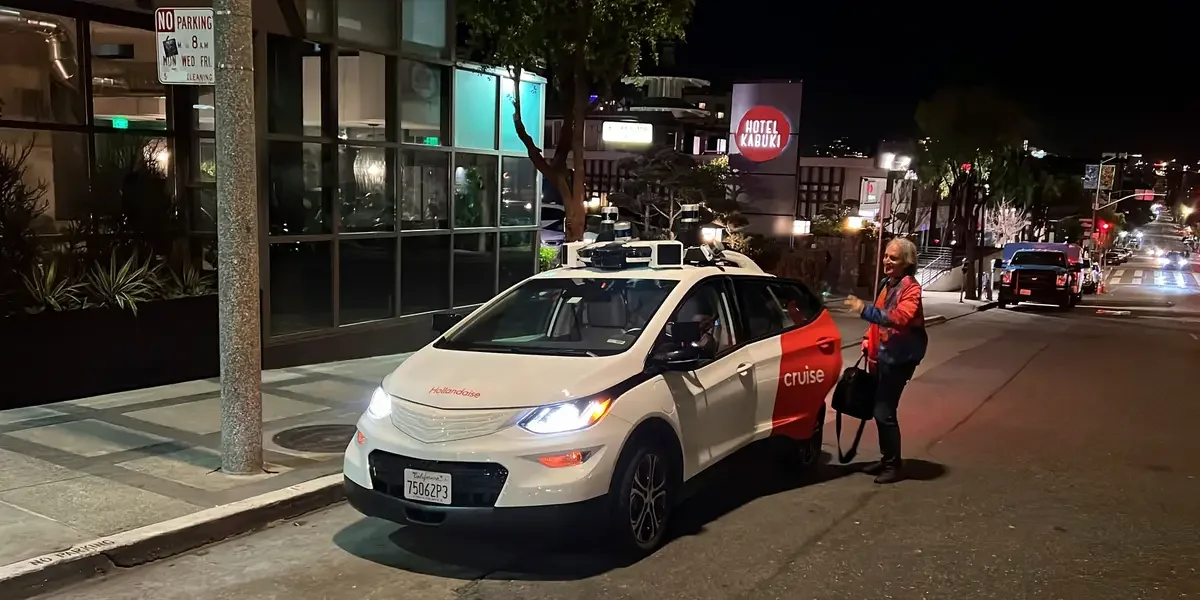
Cruise, a self-driving car company, has agreed to reduce its driverless taxi fleet in San Francisco by 50% following two separate collision incidents involving its vehicles. The California Department of Motor Vehicles (DMV) is investigating the incidents and requested the reduction in operating vehicles. Cruise will now have a maximum of 50 driverless vehicles operating during the day and 150 at night. The company believes it positively impacts road safety and is committed to working with the DMV to improve safety and efficiency. This comes just a week after the California Public Utilities Commission (CPUC) approved Cruise and Alphabet's Waymo to operate driverless taxis 24/7 in San Francisco. Concerns have been raised about the city's readiness for the expansion of driverless taxi operations, with reports of traffic jams, interruptions to emergency situations, and incidents involving dogs.
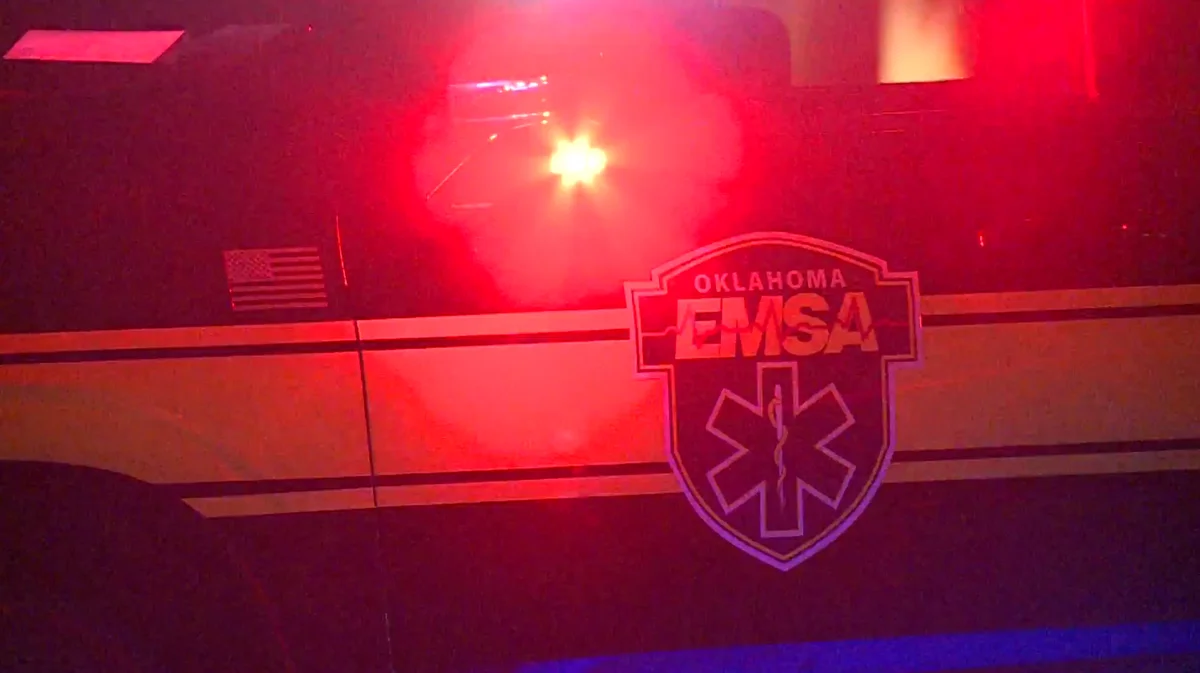
Two separate collisions involving pedestrians occurred late Sunday night in Oklahoma City. The first incident involved a pickup truck striking a person near Northwest 10th Street and Rockwell Avenue, while the second incident occurred about two miles away near Reno and Meridian avenues. Both victims were taken to hospitals, and police do not believe the incidents are connected.
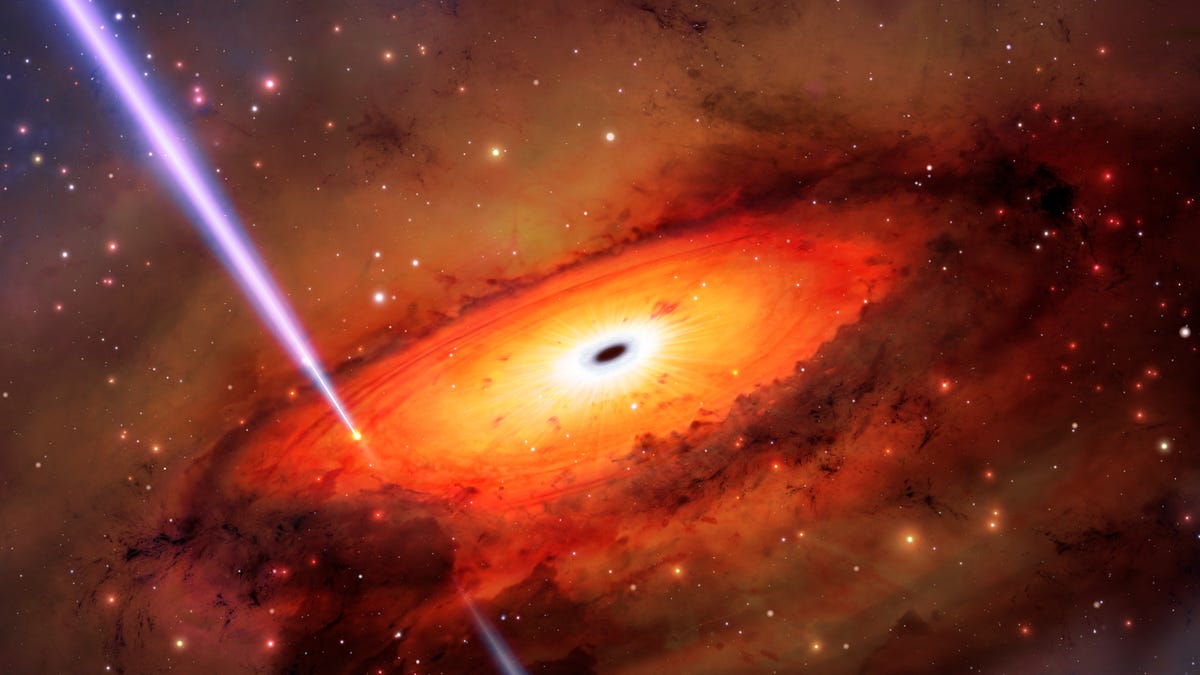
Astronomers have discovered evidence of gamma-ray bursts emerging from the collisions of stars, rather than from black holes, neutron stars, or the violent deaths of stars. The discovery was made using observations made by the Gemini South telescope in Chile, the Nordic Optical Telescope, and the Hubble Space Telescope. The team hopes to match a gamma-ray burst like GRB 191019A with gravitational waves, which would be found using a detector like LIGO. Cutting-edge observatories like the Webb Space Telescope may help to see more intimate phenomena, like regions of stellar birth.
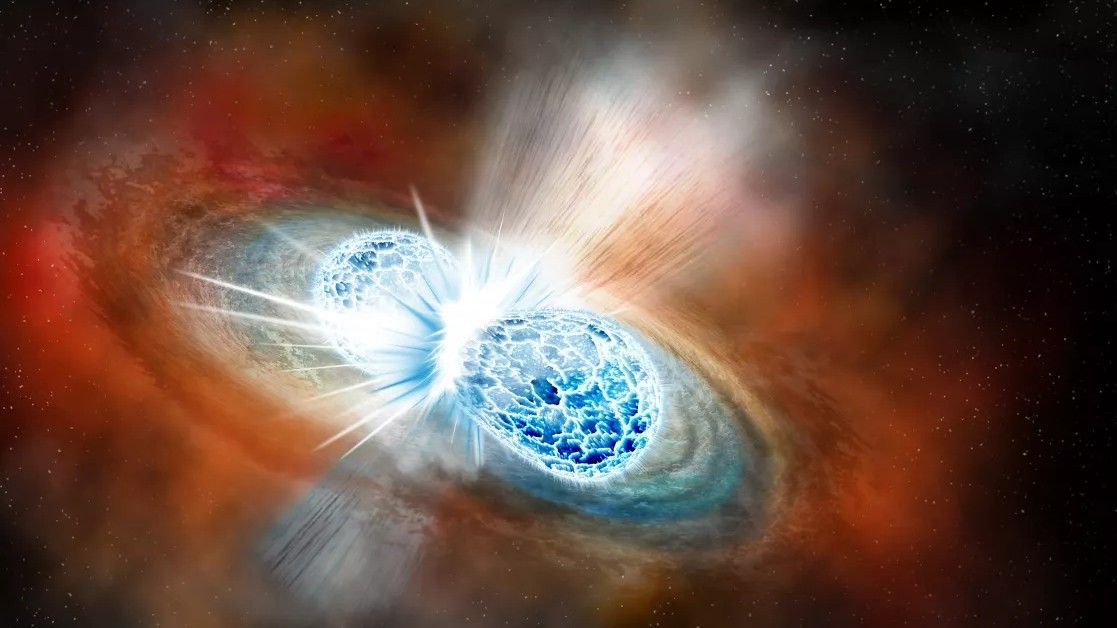
Astronomers have linked fast radio bursts (FRBs) with the ripples in space-time emitted by collapsed, colliding stars. FRBs are massive blasts of radio energy that can outshine every star in an entire galaxy combined, while lasting just fractions of a second. The ultradense, collapsed cores of exploded stars (known as neutron stars) with powerful magnetic fields are the leading candidates for the emission of FRBs. However, recent observations suggest there may be multiple possible sources, which may include neutron star collisions.