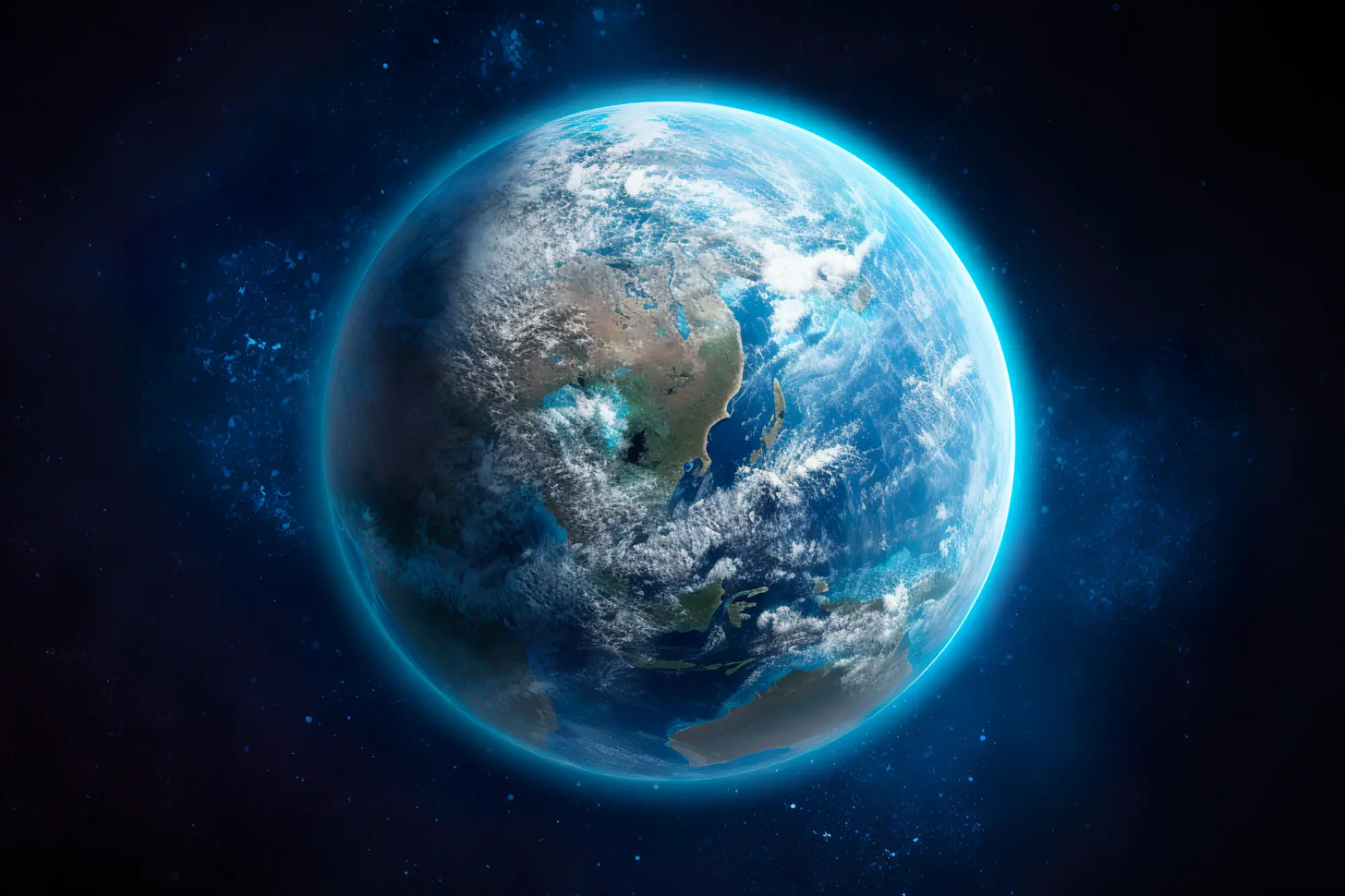
The next ice age is unlikely to begin for at least 50,000 years, with natural climate cycles and human-induced greenhouse gas emissions delaying its onset significantly, potentially up to 500,000 years in the future.
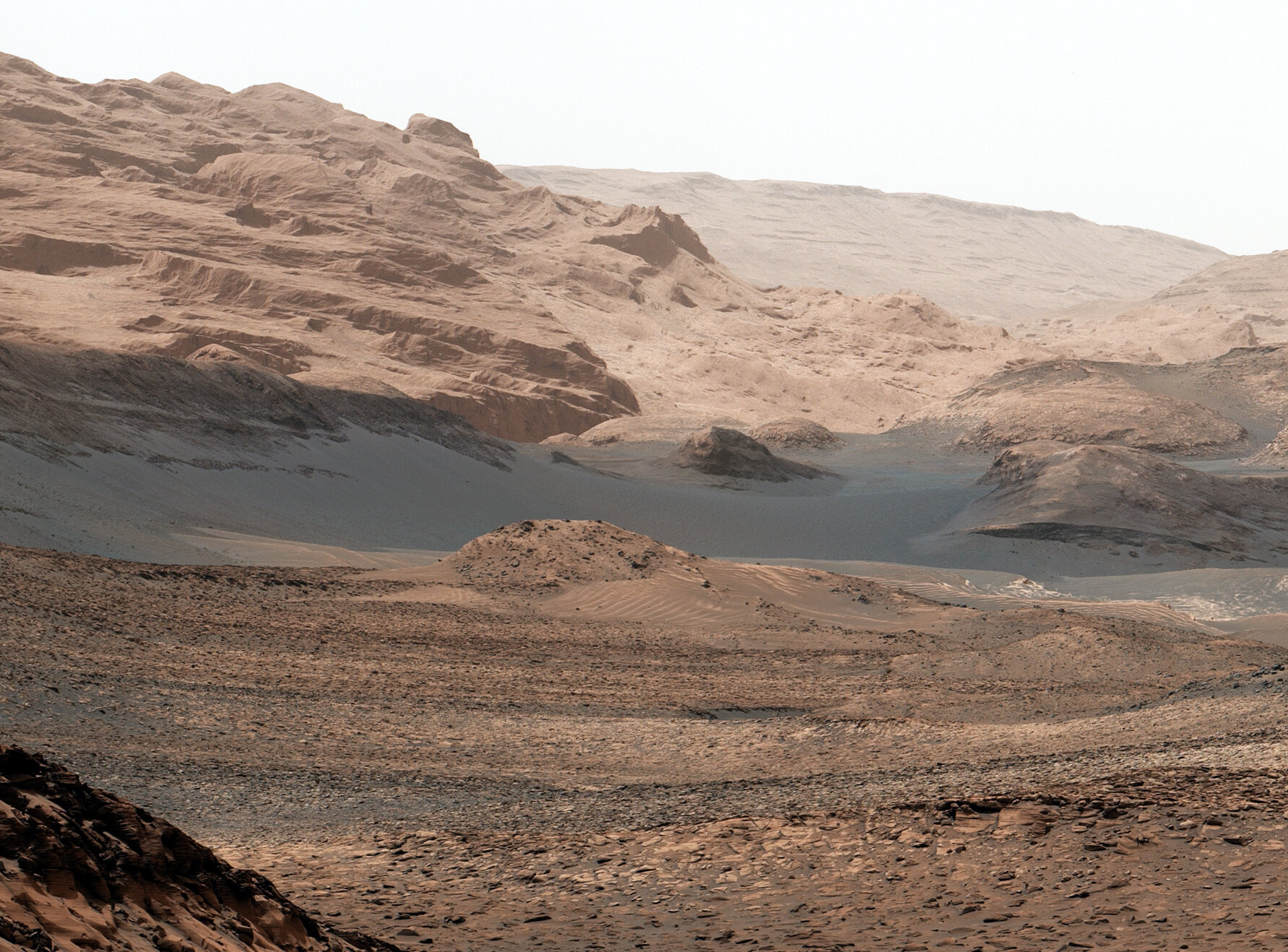
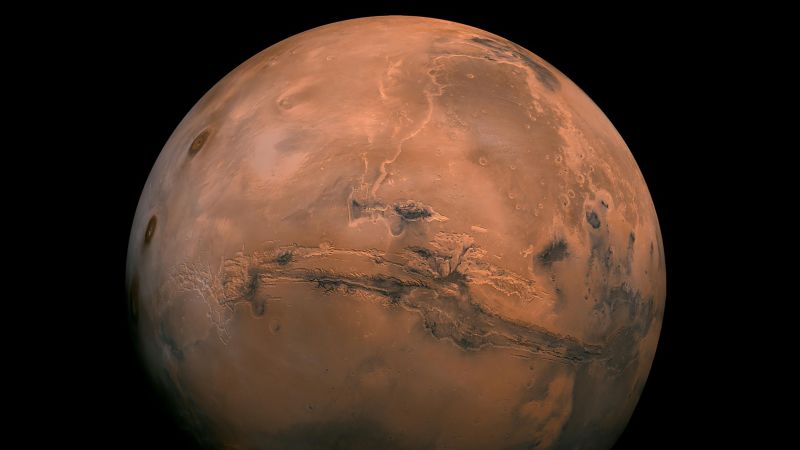
A new study suggests that Mars's transition from a once warmer, water-rich environment to a barren desert is due to a self-regulating climate cycle driven by the slow brightening of the sun and the planet's volcanic dormancy, which caused periodic liquid water presence followed by long desert periods, explaining why Mars lost its habitability over time.
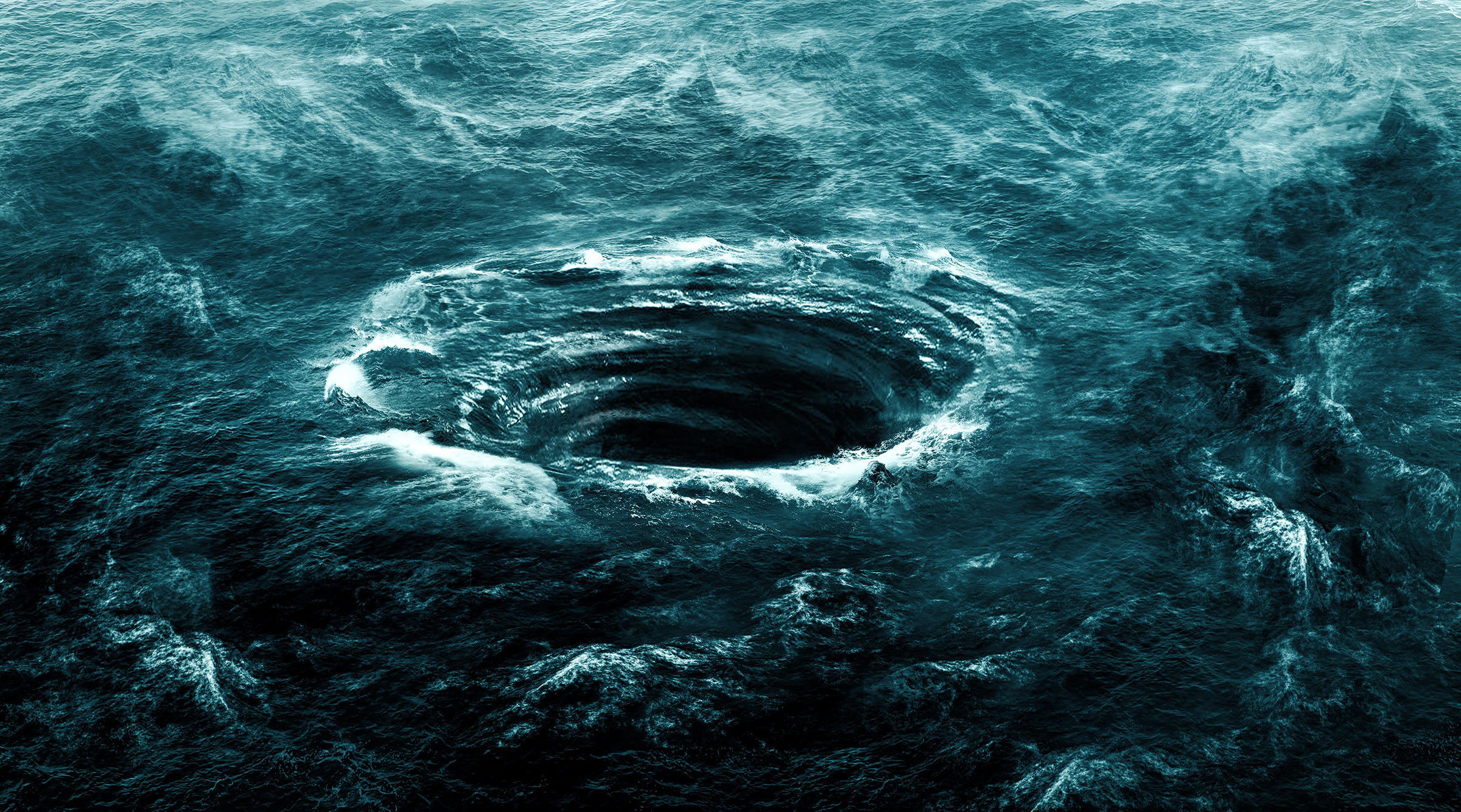
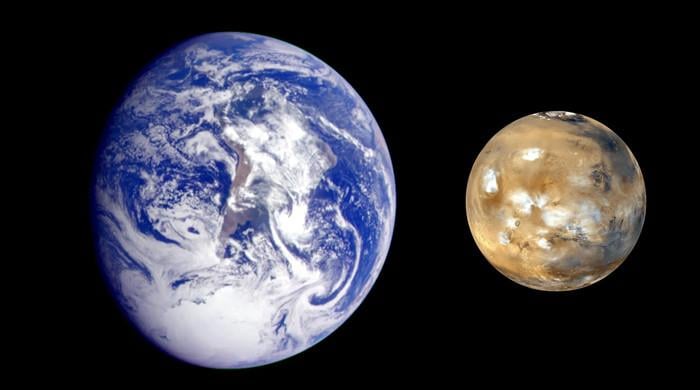
New research suggests that Mars's gravitational influence on Earth may be causing giant whirlpools in the deep ocean through a phenomenon called resonance, where the two planets exert gravitational forces on each other. These deep-sea currents affected by Mars erode the seafloor and create large accumulations of sediment, providing insights into Earth's natural climate cycles. The findings also hint at a potential role in mitigating impacts of a possible collapse of the Atlantic Meridional Overturning Circulation, a crucial ocean current.
Scientists have discovered a previously undetected 2.4-million-year cycle in deep sea currents, linked to global warming and cooling driven by the gravitational interaction between Earth and Mars. This cycle affects the amount of sunlight Earth receives and has an impact on climate. By analyzing sedimentary sequences from over 200 drill sites, researchers identified hiatus cycles over the past 65 million years, showing that the vigor of deep-sea currents fluctuates in 2.4 million year cycles coinciding with changes in the shape of Earth's orbit. The findings suggest that more intense deep-ocean eddies may counteract potential ocean stagnation in a warming world, and the interaction between Earth-Mars astronomical influence and human-driven global warming will depend on future greenhouse gas emissions.
Researchers have discovered a previously undetected 2.4-million-year climate cycle driven by the gravitational interaction between Earth and Mars, affecting deep-sea currents and global warming. By analyzing deep-sea sediment records spanning 65 million years, the study found evidence of a connection between the changing orbits of Earth and Mars, past global warming cycles, and the speeding up of deep-ocean currents. The findings suggest that warmer oceans have more vigorous eddy-driven circulation, which may play a crucial role in counteracting potential ocean stagnation in a warming future.
Scientists have discovered a surprising link between Mars and Earth's oceans, revealing that deep-sea currents have been influenced by 2.4 million-year climate cycles caused by the gravitational resonance between the two planets. This interaction has led to the weakening and strengthening of ocean currents, impacting the shape of their orbits and distance from the sun. While these natural climate cycles affect warming and ocean currents on Earth, they are not linked to the rapid heating caused by human activities. The study provides valuable insights into ocean circulation changes and the potential mitigation of impacts from a collapse of the Atlantic Meridional Overturning Circulation.
A new study suggests that Mars may be influencing Earth's deep ocean currents, driving "giant whirlpools" through a gravitational interaction that affects the shape of their orbits and the distance from the sun. These 2.4 million-year cycles correlate with warmer climates and more vigorous ocean currents, but are not linked to current human-caused warming. The study's authors also propose that these eddies could potentially mitigate the impacts of a potential collapse of the Atlantic Meridional Overturning Circulation (AMOC), a crucial ocean circulation system. However, some experts caution that the link between Mars and ocean circulation is speculative, and the evidence for deep ocean circulation being stronger in warm climates is thin.
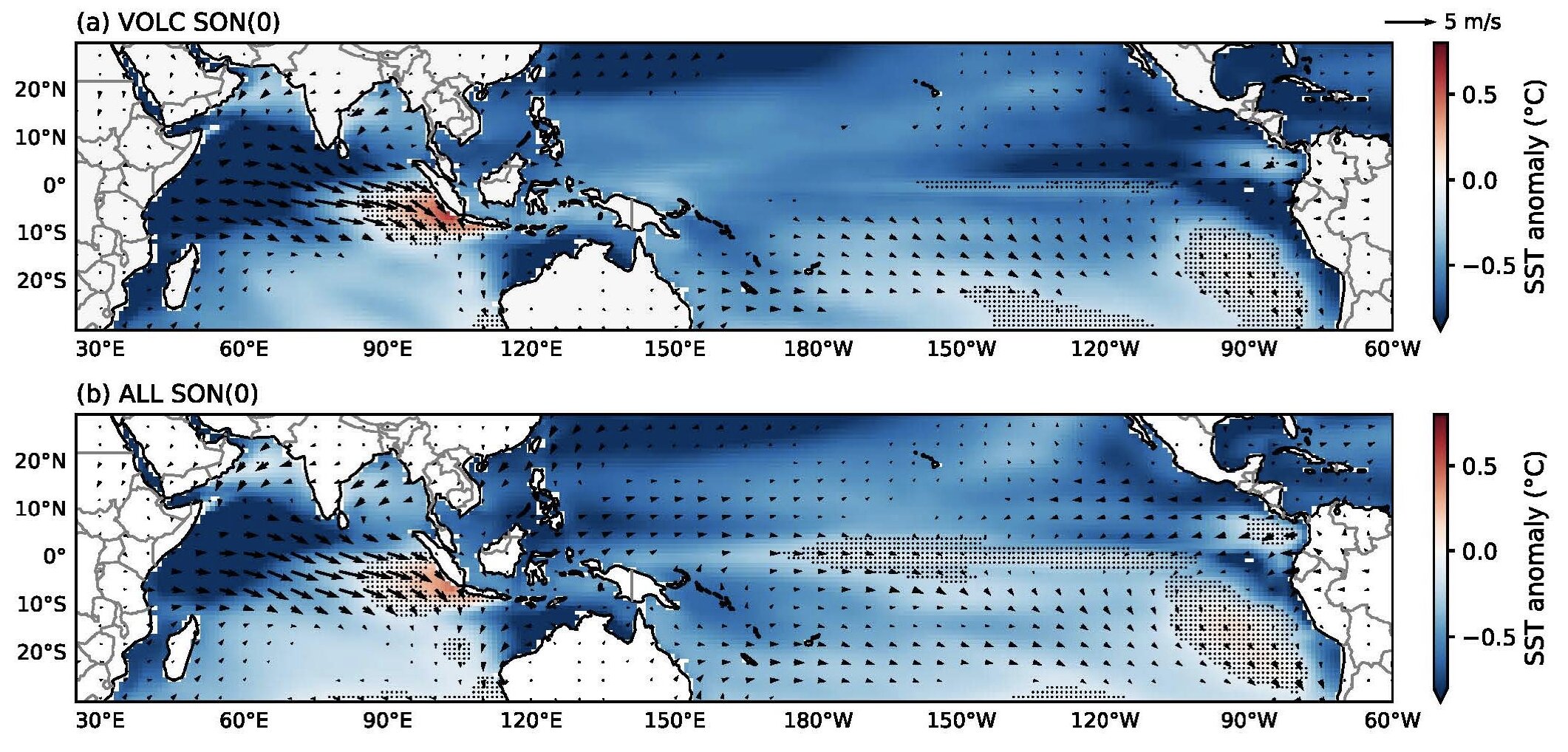
Volcanic eruptions in tropical regions have been found to disrupt the Indian Ocean's climate cycles, including El Niño Southern Oscillation (ENSO) and Indian Ocean Dipole (IOD), for up to eight years. The intensity of the eruption affects the duration and strength of the disruption. The study also found that the Interdecadal Pacific Oscillation (IPO) and the depth of the thermocline in the Indian and Pacific oceans play a role in the post-eruption climate responses. These findings have implications for risk assessments and preparedness in volcanic regions to mitigate the impacts of extreme climate events.
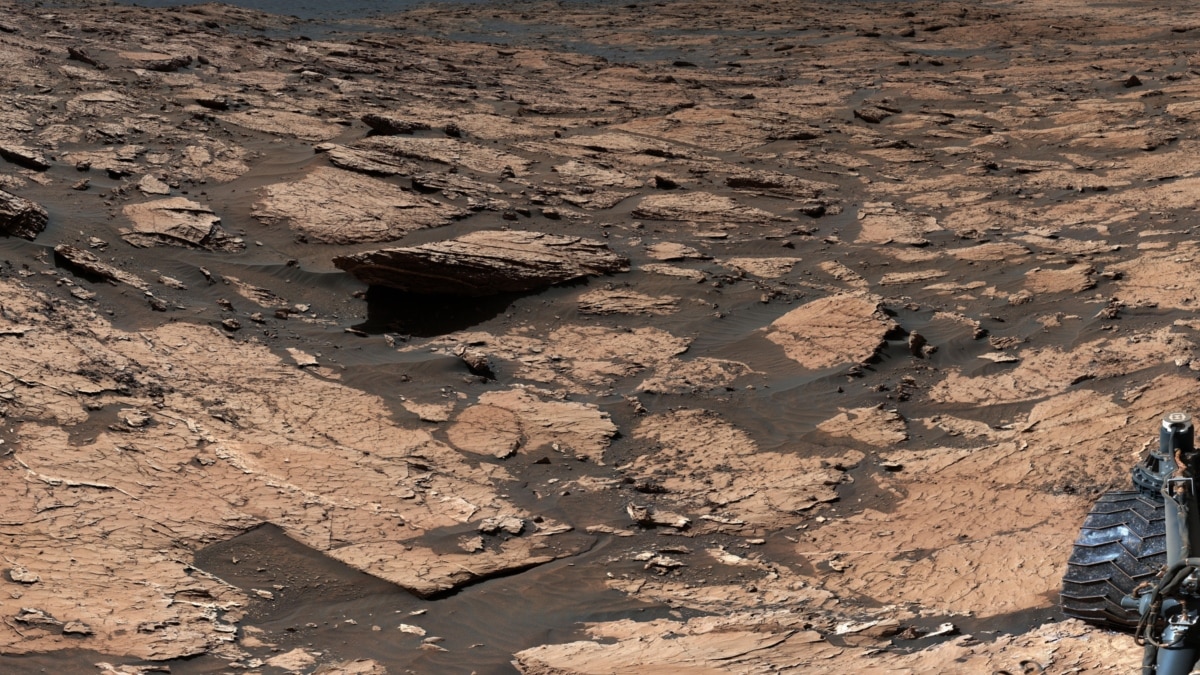
Researchers analyzing data collected by NASA's Curiosity rover on Mars have found evidence suggesting that the planet experienced both wet and dry climate cycles in the past. The discovery of hexagonal salt remains in dried mud indicates long dry periods in the Gale Crater area, providing the first tangible proof of a wet-dry climate on Mars. This finding supports the idea that Mars may have once had the right conditions to support life, as it had both wet and dry seasons similar to Earth. The study also suggests that studying Mars could help scientists understand how life originated on Earth.
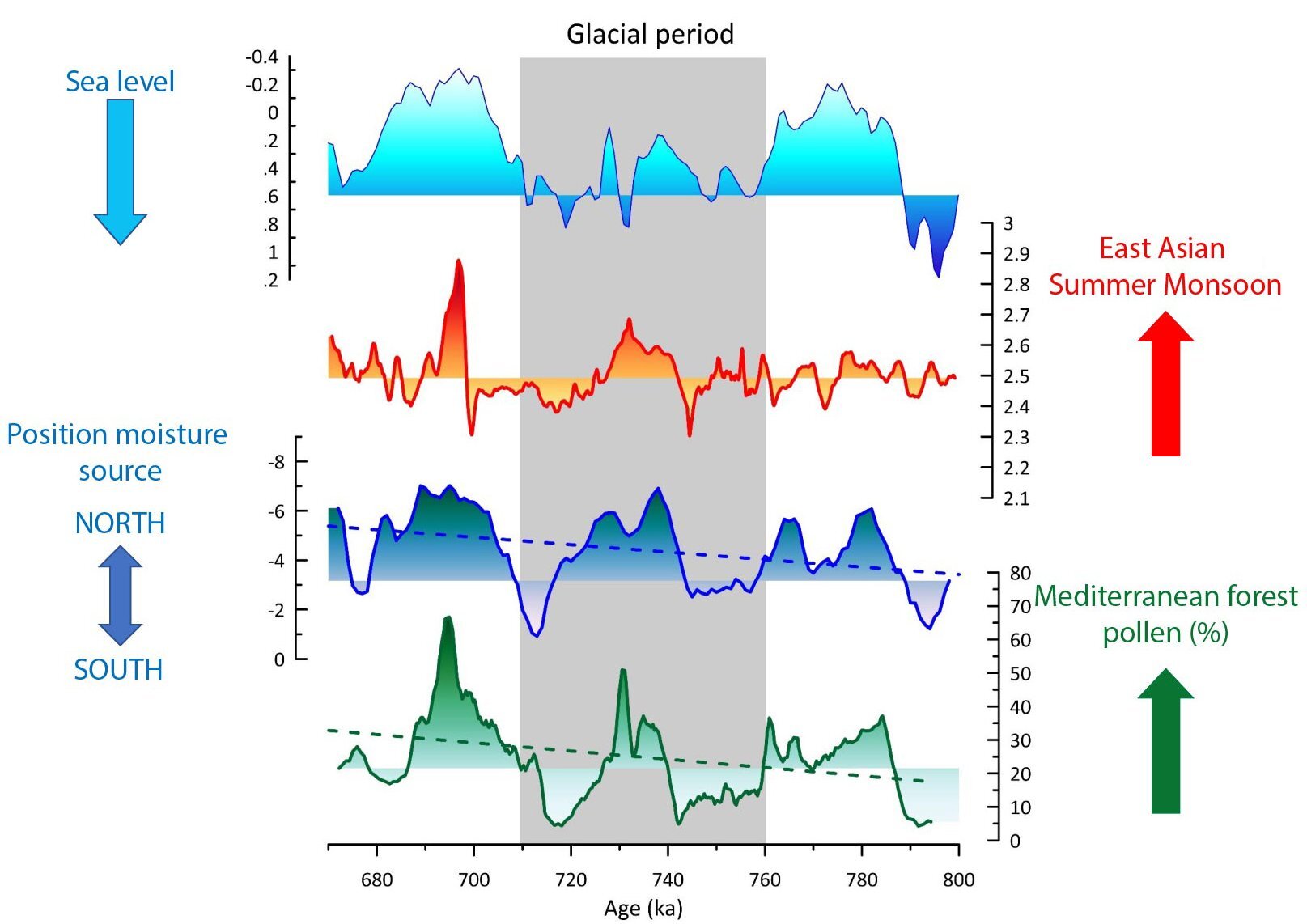
A research team has discovered that a "warm ice age" around 700,000 years ago caused a significant shift in Earth's climate cycles, leading to expanded polar glaciers and a transition from 40,000-year to 100,000-year climate rhythms. By analyzing geological data and using computer models, scientists found that this paradoxical phase of hot and humid conditions resulted in changes to climate cycles, marking a crucial development in global climate history. The findings shed light on the mechanisms behind this shift and its impact on Earth's climate evolution.
A "warm ice age" that occurred approximately 700,000 years ago permanently changed the climate cycles on Earth, according to a study by a European research team. The study used geological data and computer simulations to identify the connection between the warm and moist period and the expansion of polar glaciers. The change in climate cycles occurred in the Middle Pleistocene Transition period, which began approximately 1.2 million years ago and ended about 670,000 years ago. The study sheds light on the mechanisms responsible for the critical change in the global climate rhythm.