A Silicon Valley start-up, Substrate, has raised over $100 million to develop cost-effective chip manufacturing technology using particle accelerators, aiming to challenge industry giants TSMC and ASML and boost US semiconductor independence amid geopolitical tensions.
The article discusses the current state and future prospects of particle colliders for studying the Higgs boson, highlighting the potential of a cost-effective and faster option called LEP3, which would repurpose existing infrastructure to produce large numbers of Higgs particles for detailed study, as an alternative to more expensive and longer-term projects like the Future Circular Collider.
Creating gold in a lab is theoretically possible through nuclear reactions or particle accelerators, but it requires enormous amounts of energy and cost, making it impractical and economically unfeasible.
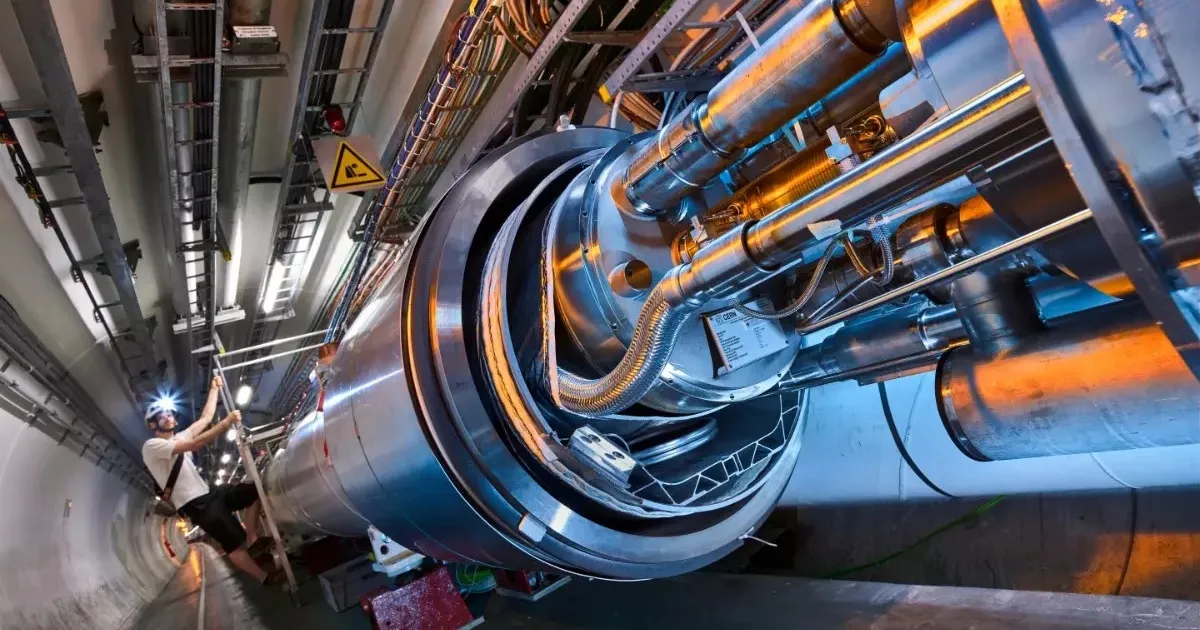
After 20 years, scientists at CERN have discovered a beam killer resonance in high-intensity circular particle accelerators, which causes particles to deviate from their course and results in beam loss. This discovery was made through collaboration between scientists at the Super Proton Synchrotron and GSI in Darmstadt, and it proves the existence of a particular resonance structure.
Scientists at CERN's Super Proton Synchrotron have experimentally proven the existence of a resonance structure that causes particle loss in accelerators for the first time. This structure, previously theorized and simulated, is difficult to study as it affects particles in a four-dimensional space. The findings, published in Nature Physics, will help improve beam quality for various accelerators and colliders. The experimental observation of these resonance structures opens the door to developing theories to minimize their detrimental effects on current and future accelerators.
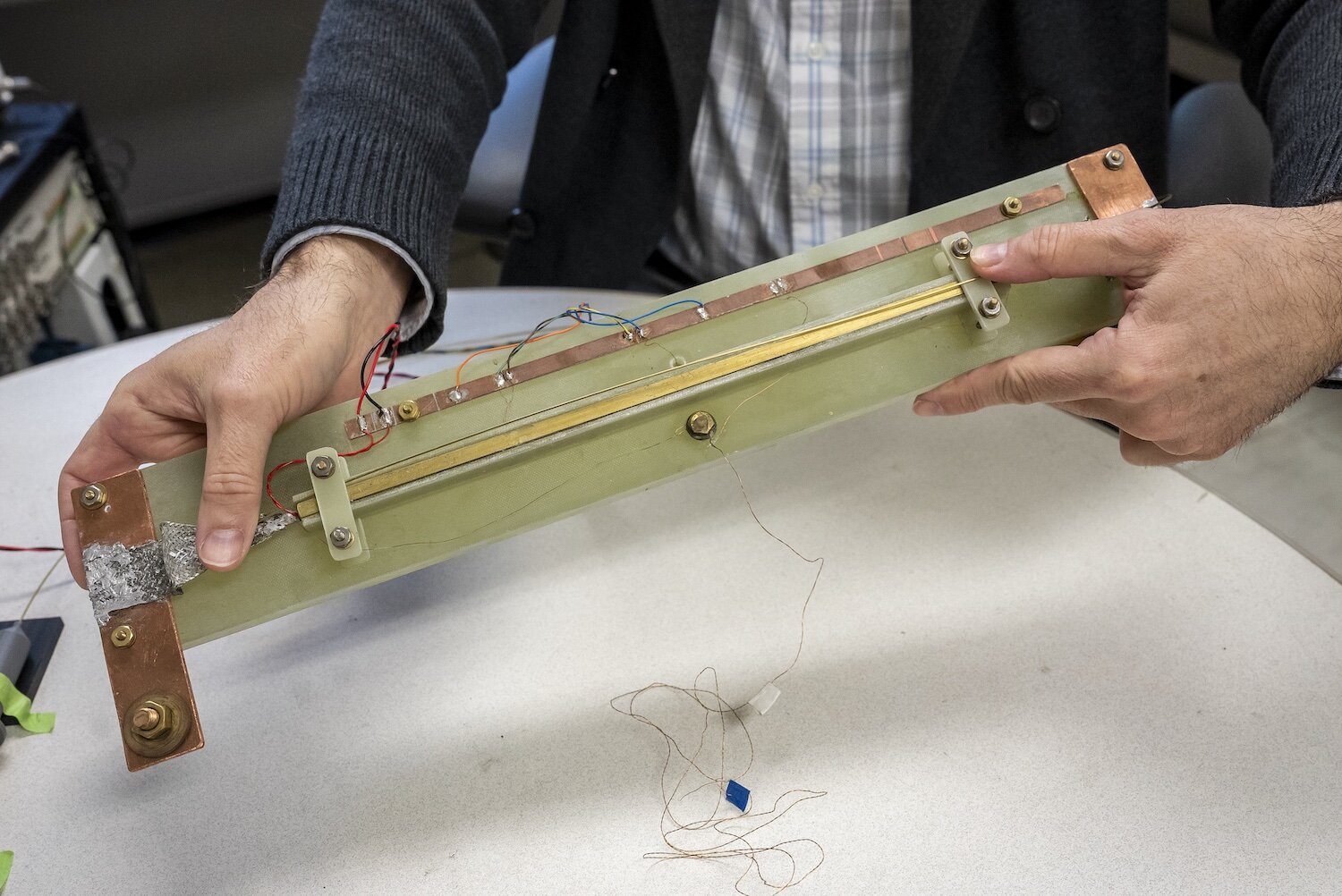
Researchers at Lawrence Berkeley National Laboratory are developing a strategy to prevent magnet meltdowns in high-temperature superconducting (HTS) magnets by identifying conditions under which they can safely operate without the risk of sudden heat build-up causing the magnet to fail. By calculating a window of operational parameters in which the HTS conductor will work without spiraling out of control into a quench, they aim to detect signs of heat early and safely run down the current without quenching the magnet. Their approach, if successful, could enable widespread adoption of HTS magnets, leading to higher magnetic fields and cheaper maintenance, benefiting accelerator-driven research and fusion energy goals.
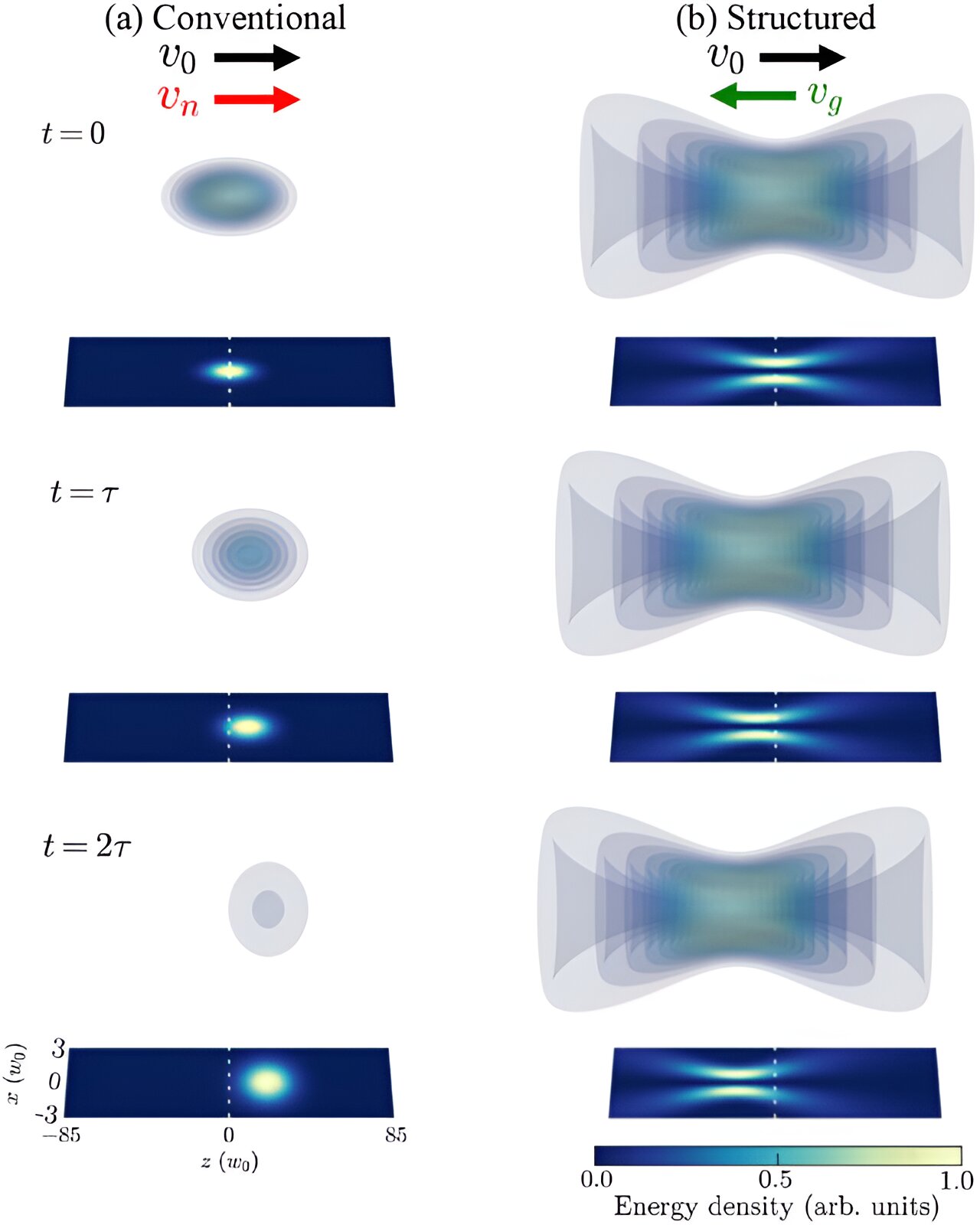
Researchers have discovered a new class of plasma oscillations that move independently of the properties of the plasma in which they exist, with potential applications in improving miniature particle accelerators and fusion energy reactors. This breakthrough in understanding the motion of plasma has implications for solar physics, astrophysics, and fusion energy, offering innovative advancements in particle acceleration and clean-burning, commercial fusion energy.
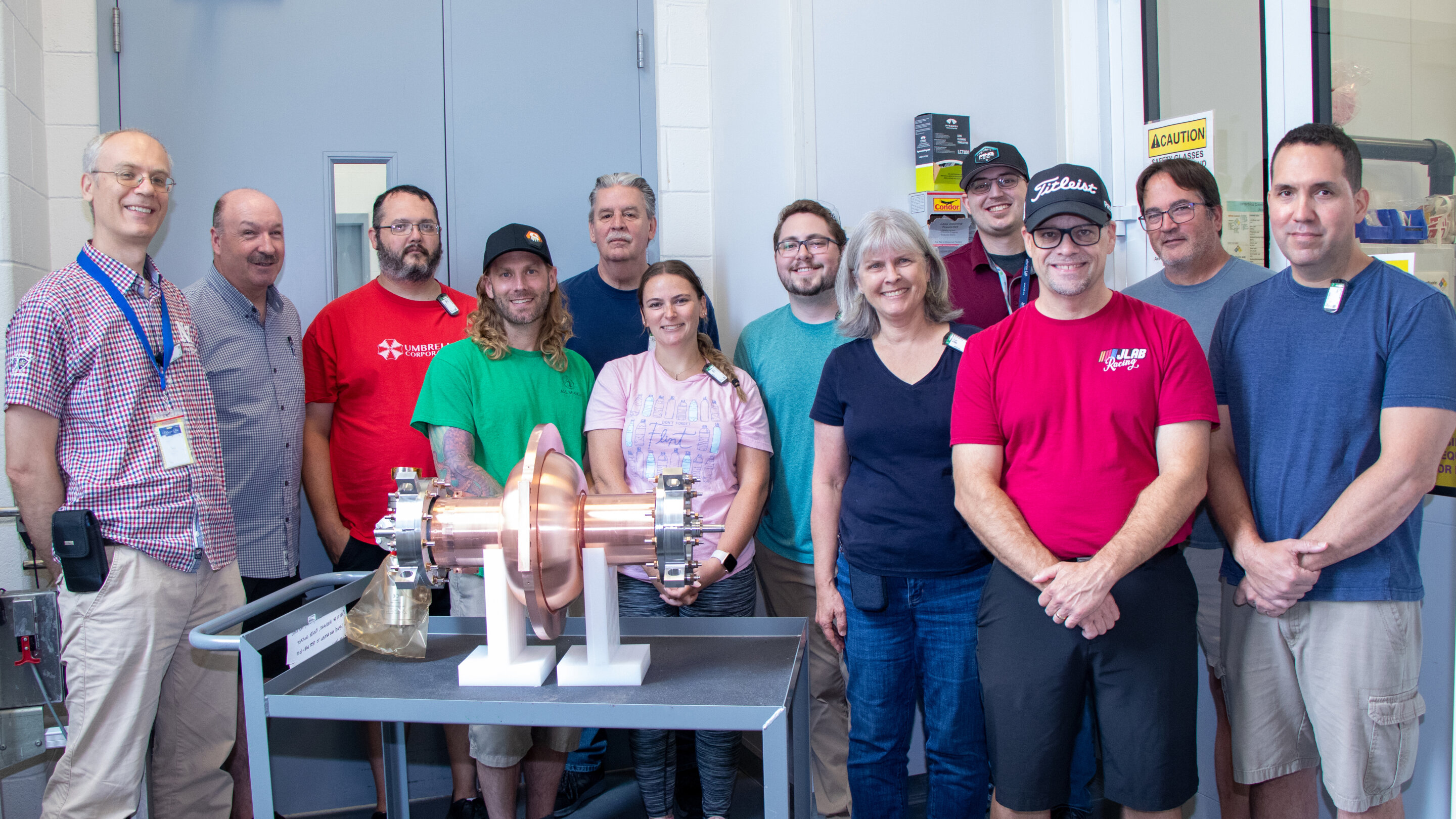
Researchers at the U.S. Department of Energy's Thomas Jefferson National Accelerator Facility, in collaboration with General Atomics and other partners, have successfully designed, prototyped, and tested a conduction-cooled particle accelerator cavity, demonstrating its feasibility for commercial applications. The prototype features advanced commercial off-the-shelf cooling components and novel superconducting materials, and it achieved the same specifications as traditional liquid helium-cooled cavities. This breakthrough design paves the way for more efficient, compact, and reliable superconducting radiofrequency accelerators with potential applications in environmental remediation and industrial processes.
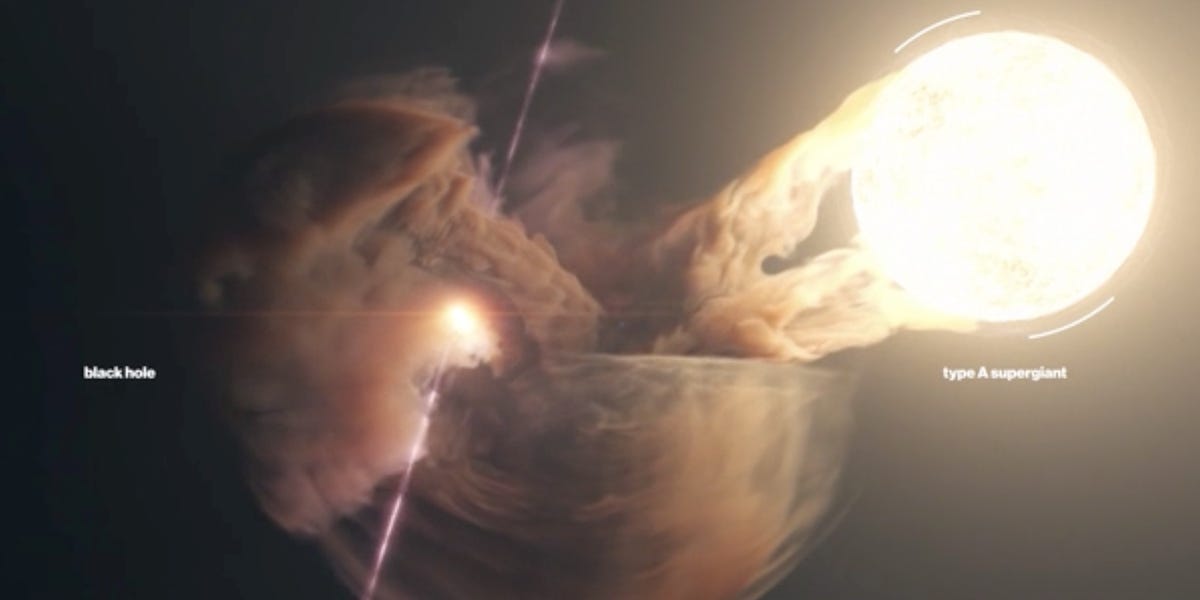
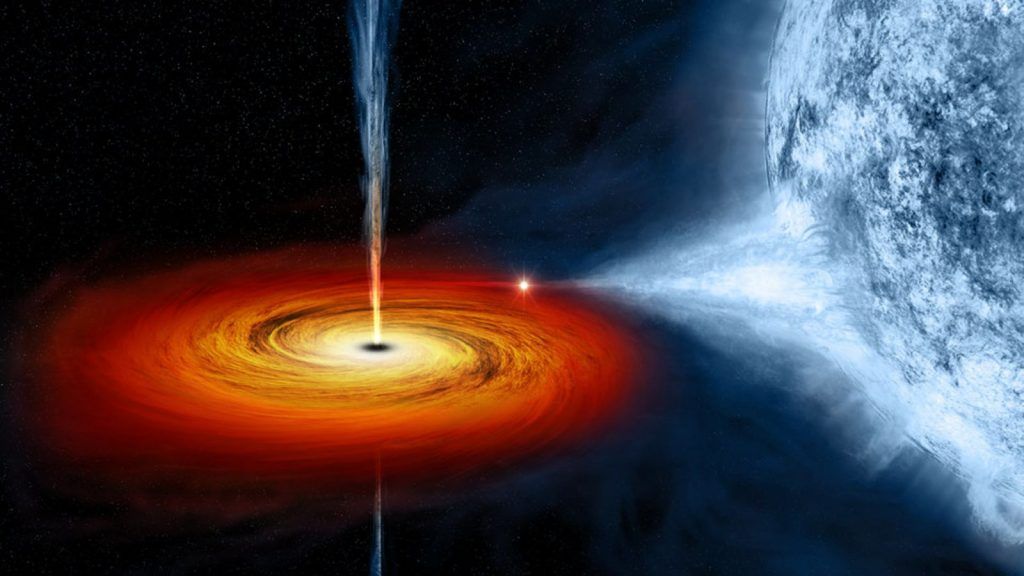
Scientists have discovered a naturally occurring particle accelerator near a small black hole called SS 433, shedding light on the mystery of how high-energy cosmic rays reach Earth at nearly the speed of light. This finding provides unprecedented detail into the acceleration of cosmic rays and suggests that particles are accelerated to near the speed of light by encountering an invisible wall, causing energy to build up and propel them into space. The discovery, published in the journal Science, marks a significant step towards understanding the origins of these mysterious cosmic rays.
Scientists have found evidence that microquasars, or "vampire black holes," may be the source of high-energy cosmic rays bombarding Earth. Using the High Energy Stereoscopic System (H.E.S.S.), researchers detected extremely high-energy gamma rays coming from the jets of the microquasar SS 433, indicating that these phenomena could be responsible for the energetic cosmic rays. The jets of SS 433, the first microquasar ever discovered, accelerate particles to high energies, shaping the surrounding supernova wreckage into a cosmic manatee. This discovery sheds light on the acceleration mechanism of particles in microquasars and may have implications for understanding cosmic rays from other astrophysical jets.
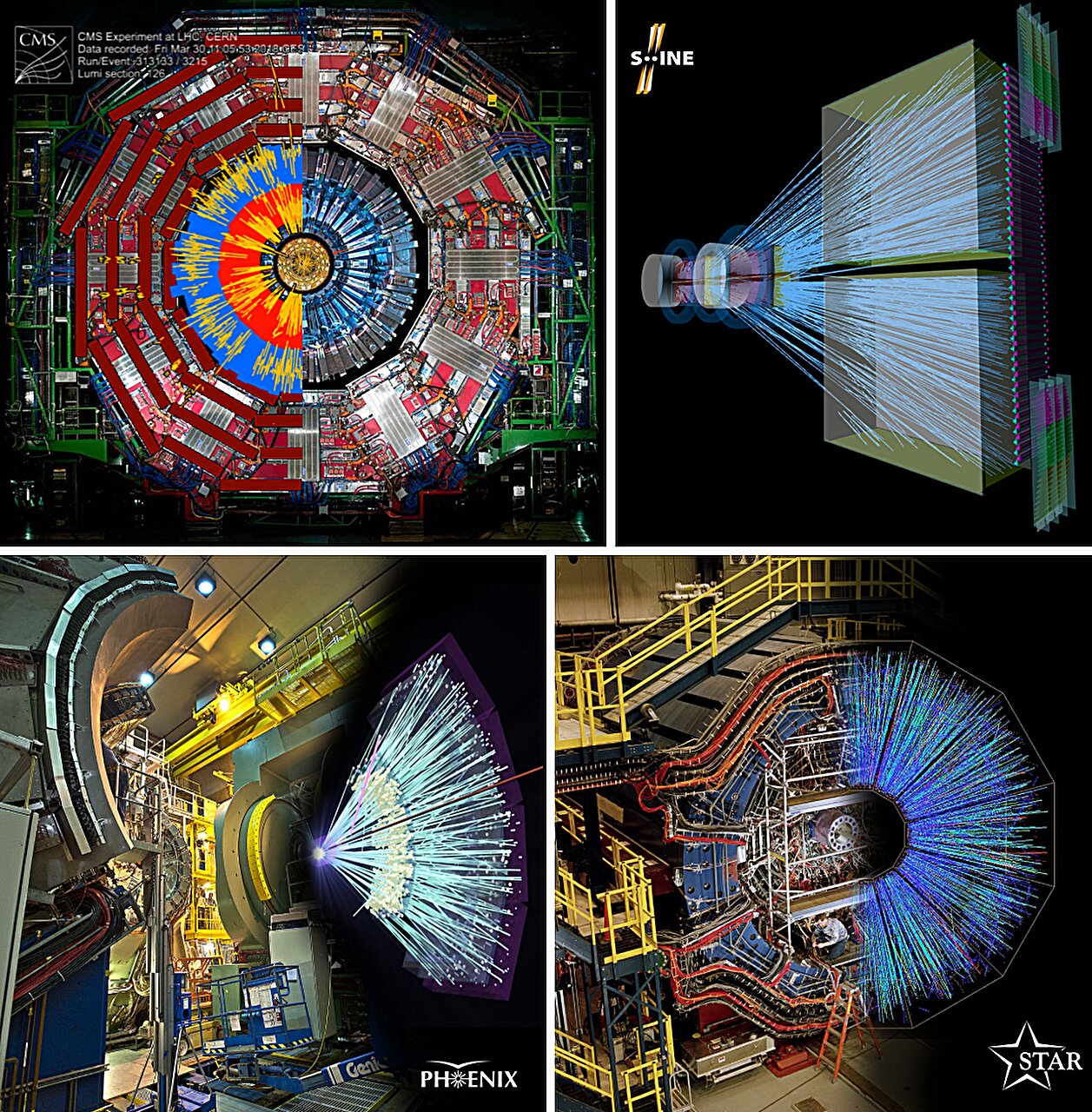
Physicists at Eötvös Loránd University are using advanced particle accelerators to study the transformation of quark matter into ordinary matter in the early Universe, shedding light on fundamental physics and the strong interaction. Their research involves mapping the "primordial soup" that existed in the Universe's first microseconds and has revealed similarities between quark matter and phenomena such as climate change and stock market fluctuations. By employing femtoscopy techniques, the researchers have gained a comprehensive understanding of the geometry of quark matter, with implications for our understanding of the strong interaction and the phases of quark matter.
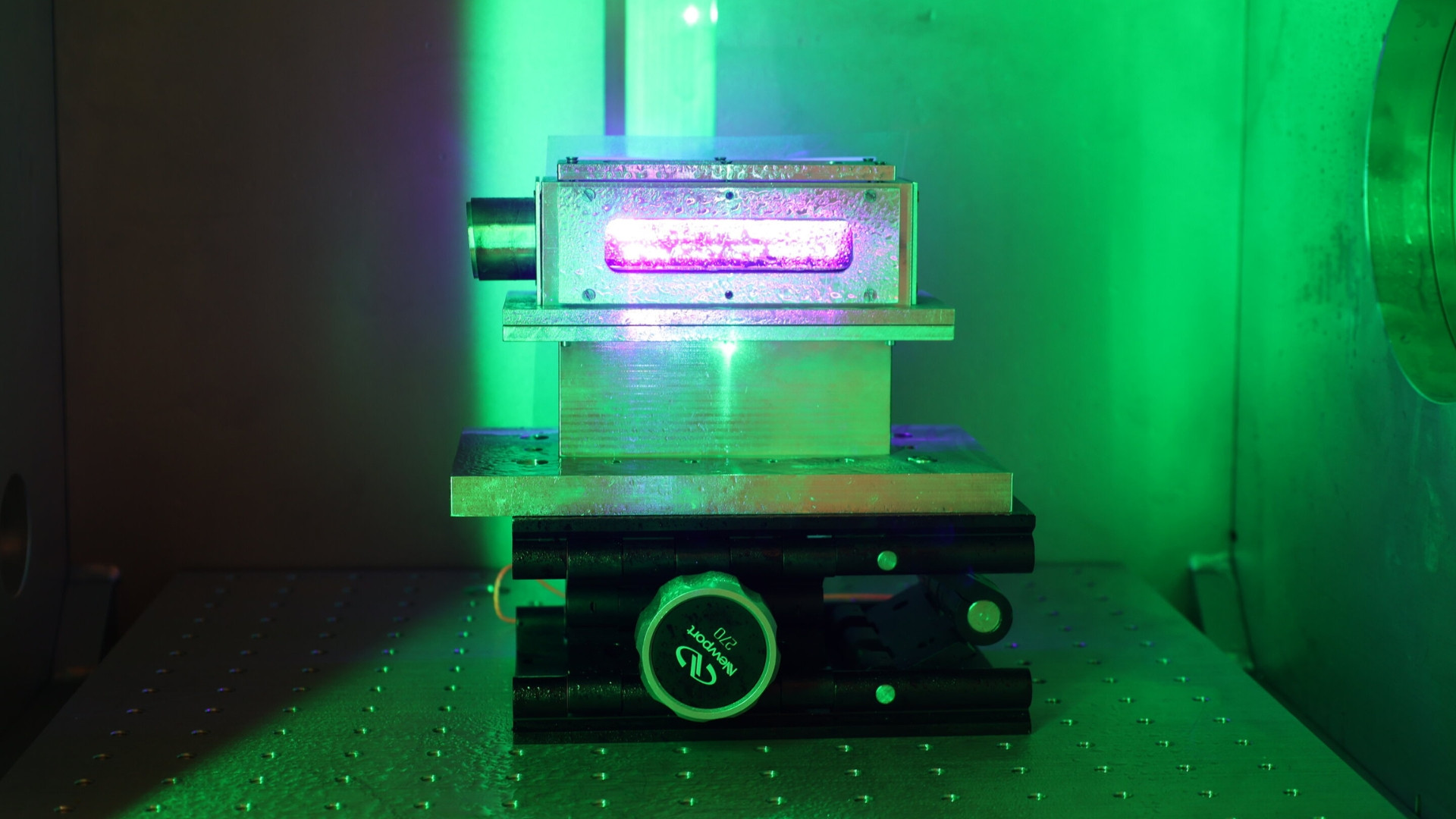
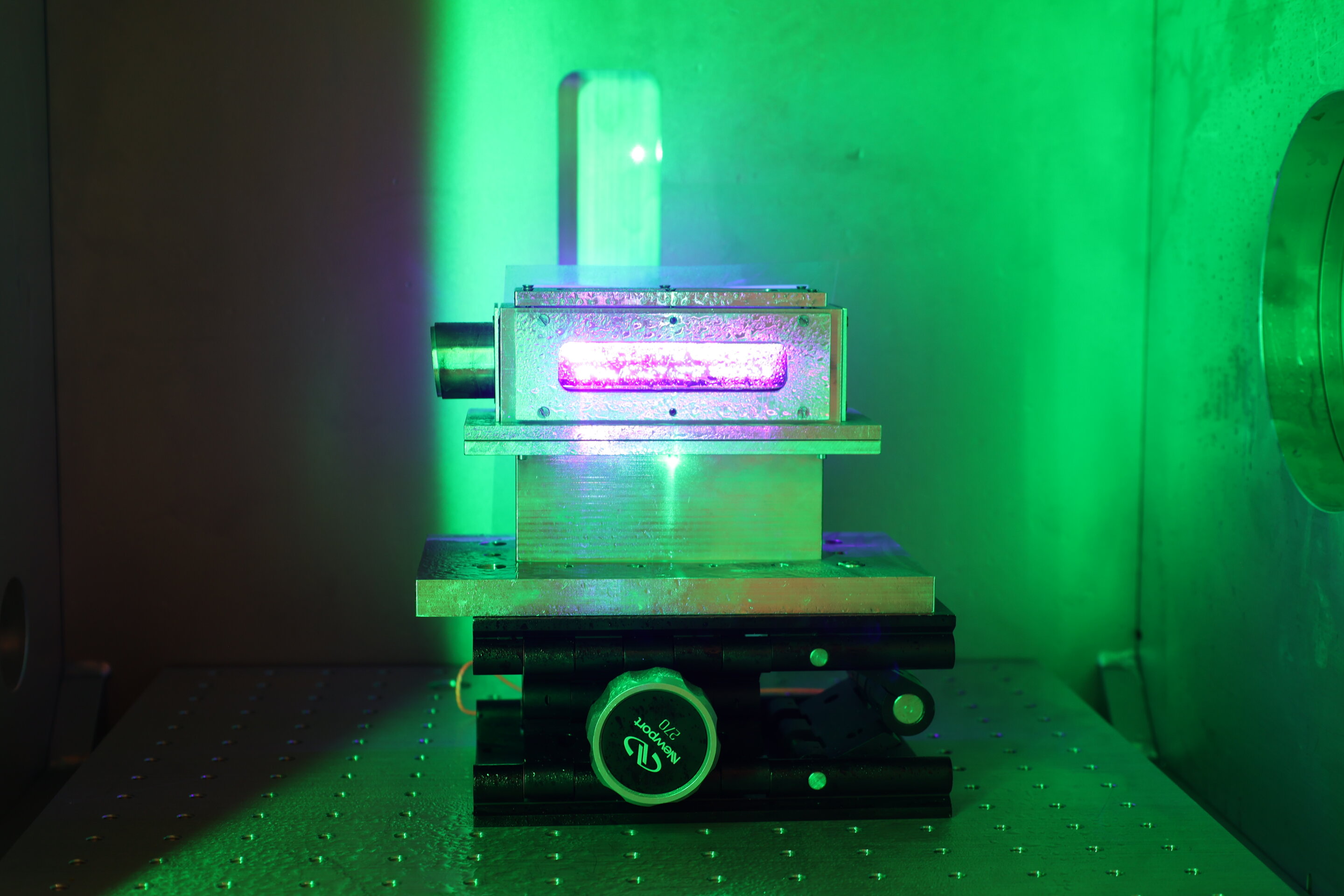
Scientists have developed a compact particle accelerator called an advanced wakefield laser accelerator, which spans less than 20 meters in length and produces an electron beam with an energy of 10 billion electron volts (10 GeV). This technology has potential applications in semiconductor technology, medical imaging and therapy, and research in materials, energy, and medicine.
Researchers from The University of Texas at Austin have developed a compact particle accelerator less than 20 meters long that can produce an electron beam with an energy of 10 billion electron volts (10 GeV), a milestone previously achieved only by much larger accelerators. The accelerator, called an advanced wakefield laser accelerator, utilizes nanoparticles to boost the energy delivered to electrons from plasma waves created by a powerful laser striking helium gas. This compact accelerator has potential applications in semiconductor technology, medical imaging, cancer therapy, and advanced medical imaging techniques. It could also be used to drive an X-ray free electron laser for studying atomic and molecular processes.
Physicists from the Eötvös Loránd University have been using the world's most powerful particle accelerators to study the space-time geometry of quark matter, the "primordial soup" that filled the universe after the Big Bang. By applying femtoscopy techniques, they have mapped the femtometer-scale structure of the medium and discovered that the movement of observed particles follows a Lévy distribution, similar to the search for prey by marine predators, climate change patterns, and stock market fluctuations. This research provides valuable insights into the properties and phases of quark matter, deepening our understanding of the strong interaction that governs atomic nuclei.
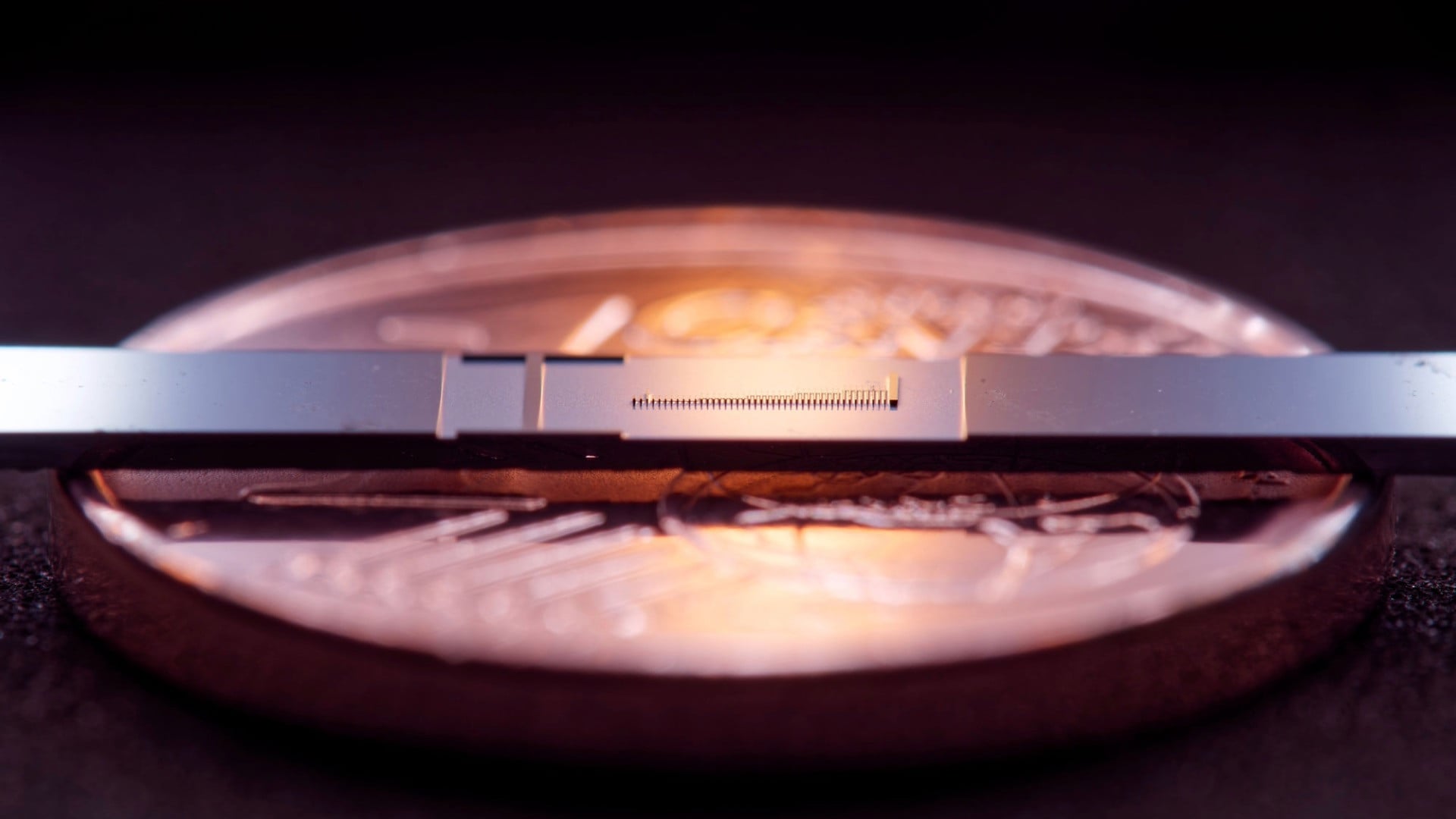
Physicists at the Friedrich-Alexander University of Erlangen–Nuremberg (FAU) in Germany have developed a nanophotonic electron accelerator (NEA), which is the world's tiniest particle accelerator. Roughly the size of a small coin, this miniature accelerator has successfully demonstrated practical operation, offering a potential solution to the space constraints of traditional particle accelerators.