astronomyspace2.63 min read
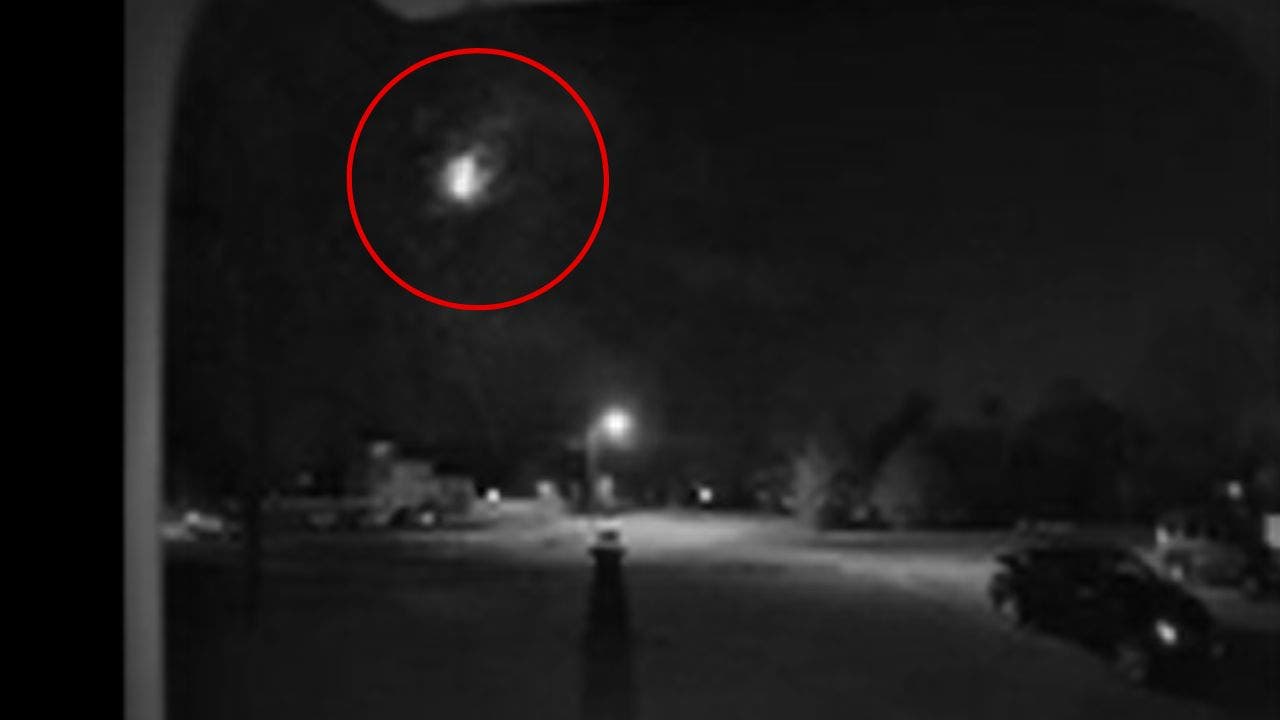
"Multiple Fireball Sightings Illuminate Northeastern Skies"
1 year ago•Source: Fox News

The latest astronomyspace stories, summarized by AI
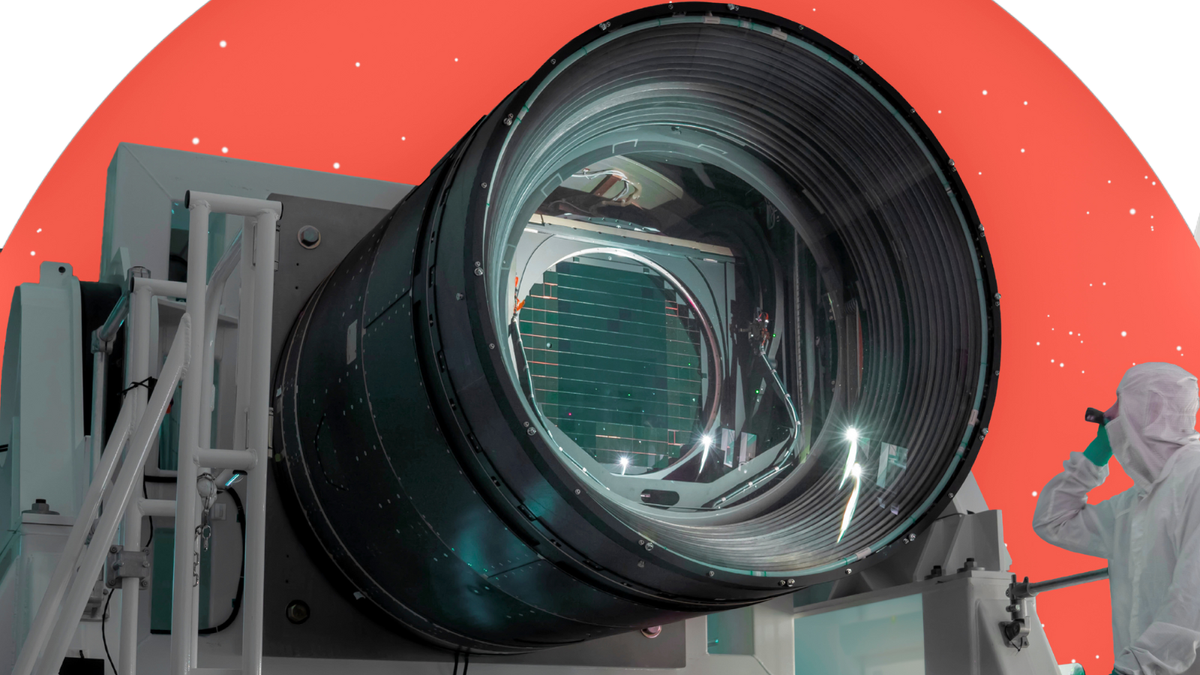
The Vera C. Rubin Observatory is set to embark on a decade-long Legacy Survey of Space and Time using the world's largest digital camera, the 3,200-megapixel LSST Camera, which weighs 3 metric tons and is the size of a compact car. This camera will monitor the southern hemisphere sky, aiming to unravel mysteries surrounding dark energy and dark matter, and create the most comprehensive map of the night sky ever assembled. The LSST survey will allow for detailed monitoring of transient events and the expansion of the universe, providing groundbreaking insights into cosmic phenomena.
NBC Southern California•1 year ago
KTLA Los Angeles•1 year ago
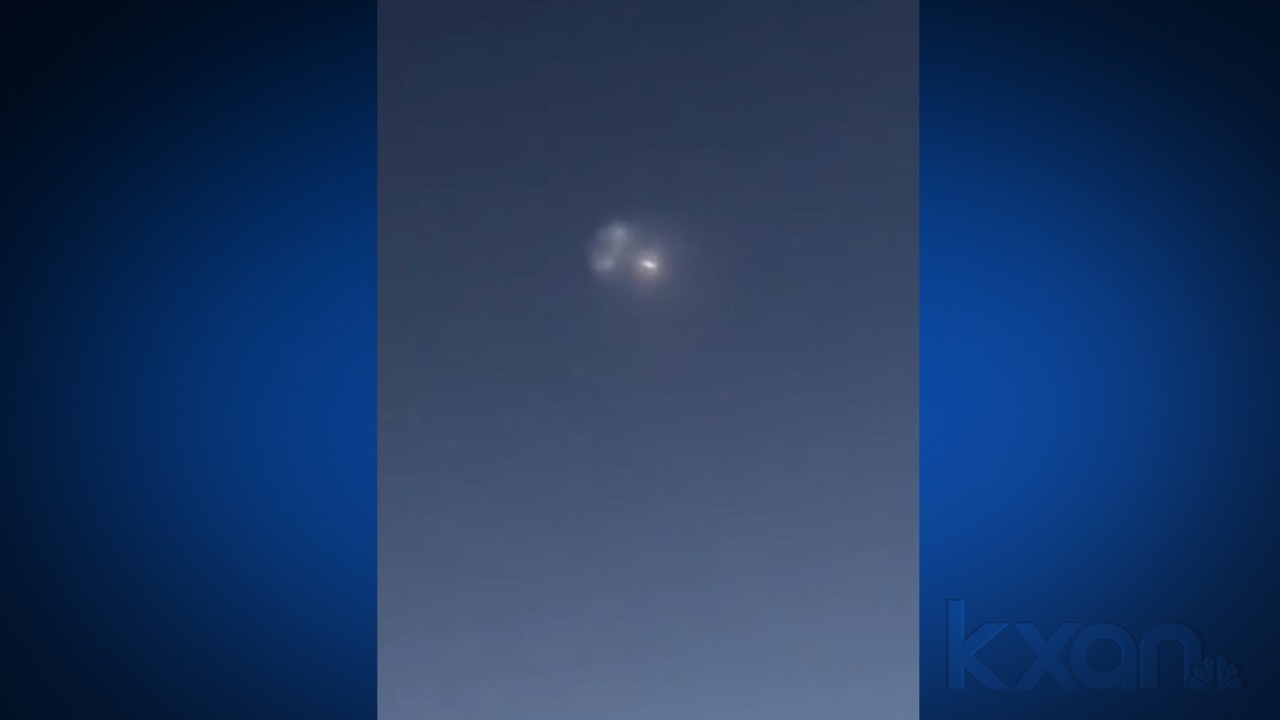
A bright light seen over Central Texas on Monday evening was likely the result of a SpaceX Falcon 9 launch from Cape Canaveral as part of the Starlink mission, which aims to build a satellite constellation. Similar sightings in the past have also been linked to SpaceX's Falcon 9 launches and the Starlink project.
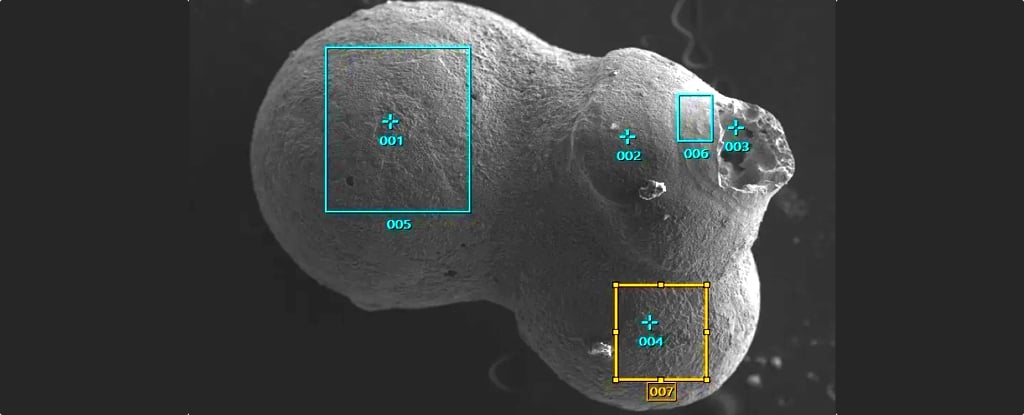
Seismic monitoring data used to track a purported interstellar meteor's path into the sea off the coast of Papua New Guinea may actually show a passing truck rumbling down a nearby road, casting doubt on the claim. The team of scientists who found tiny spherules on the seafloor, speculated to contain evidence of alien technology, may have used the wrong signal and looked in the wrong place. Furthermore, the velocity of the meteor was likely overestimated, and evidence for an interstellar origin was probably incorrect. The findings will be presented at the Lunar and Planetary Science Conference 2024.
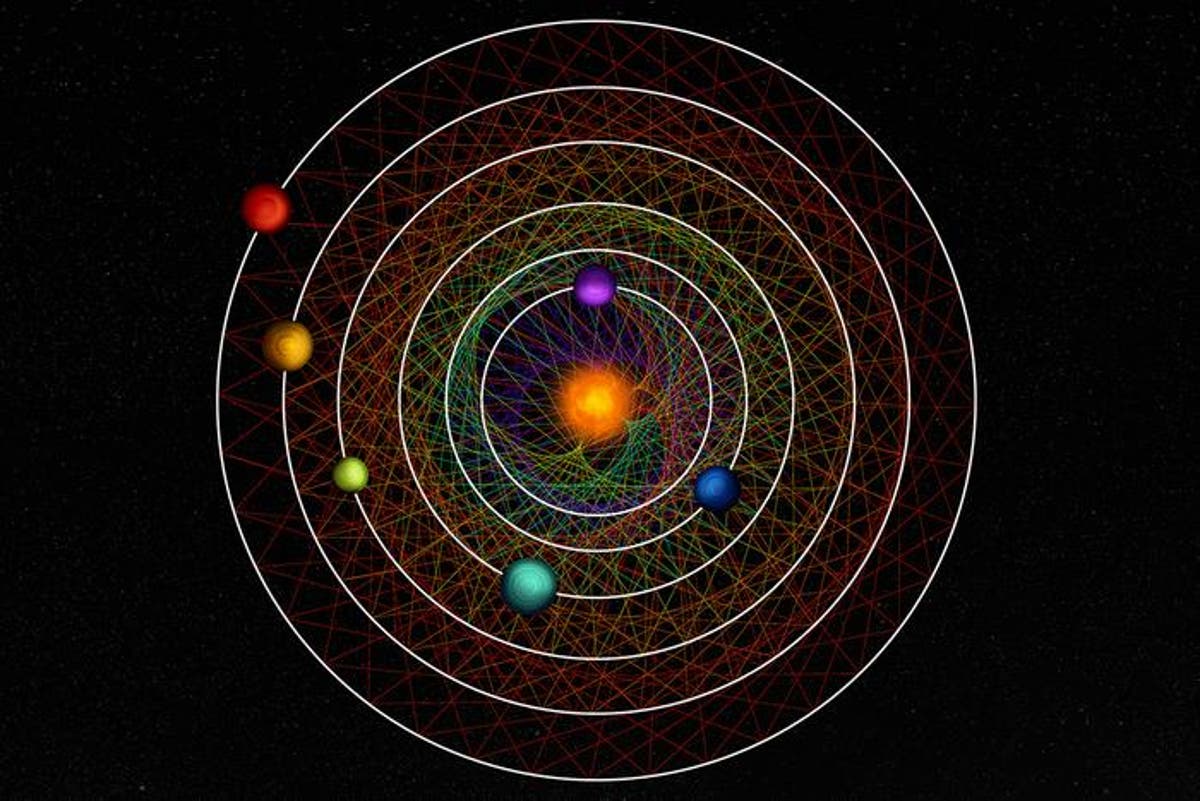
Scientists are investigating a solar system 100 light years away with six perfectly synchronized planets orbiting an orange dwarf star, suggesting they have remained undisturbed for a billion years. They are searching for signs of alien technology, or technosignatures, using radio signals, as the planets may have liquid water and could potentially harbor alien life. While no signals were found in the current study, the unique solar system remains an intriguing target for future searches.
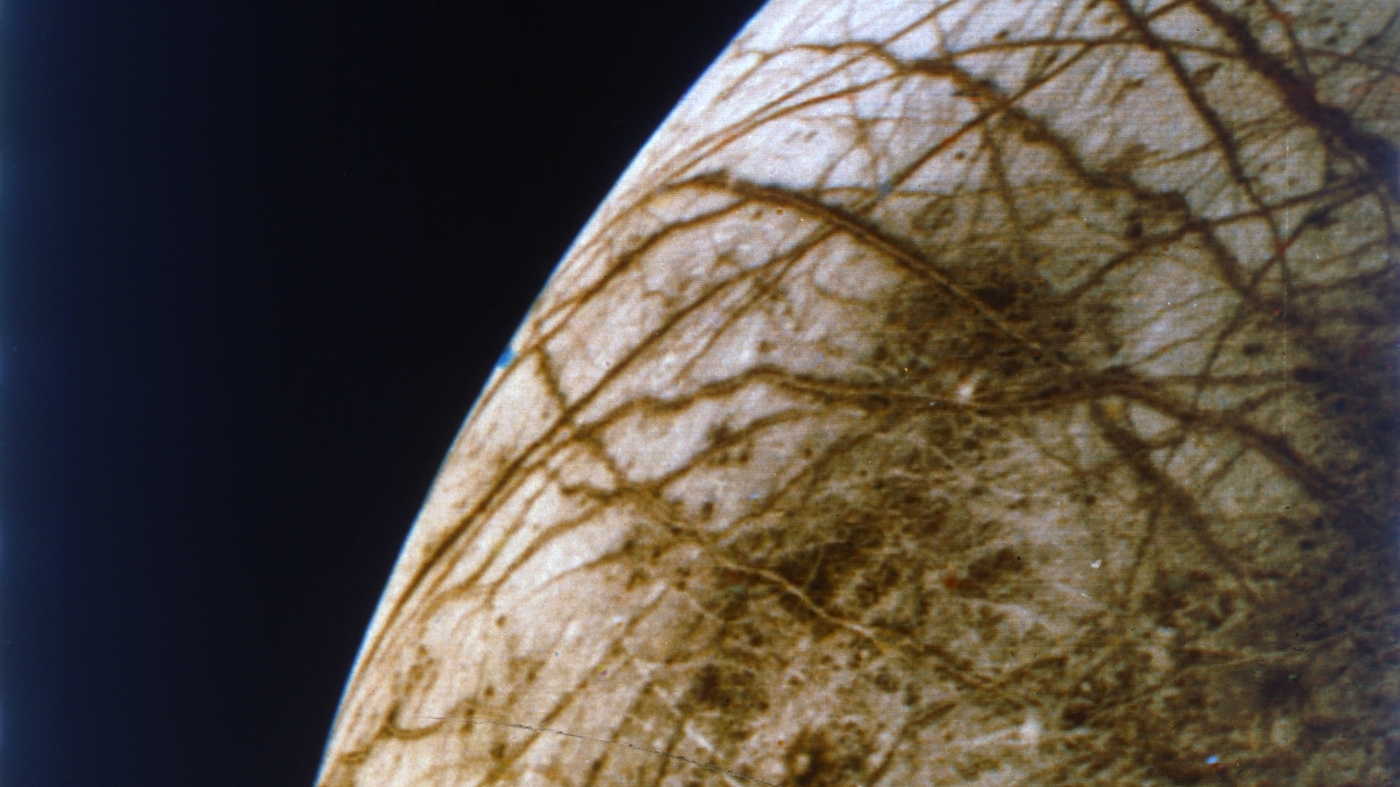
The age-old question of whether we are alone in the universe continues to intrigue scientists, with ongoing exploration of celestial bodies like Saturn's moon Titan and Jupiter's moon Europa. Despite decades of searching, the answer remains elusive, but upcoming NASA missions to these moons offer hope for progress in the quest for extraterrestrial life.