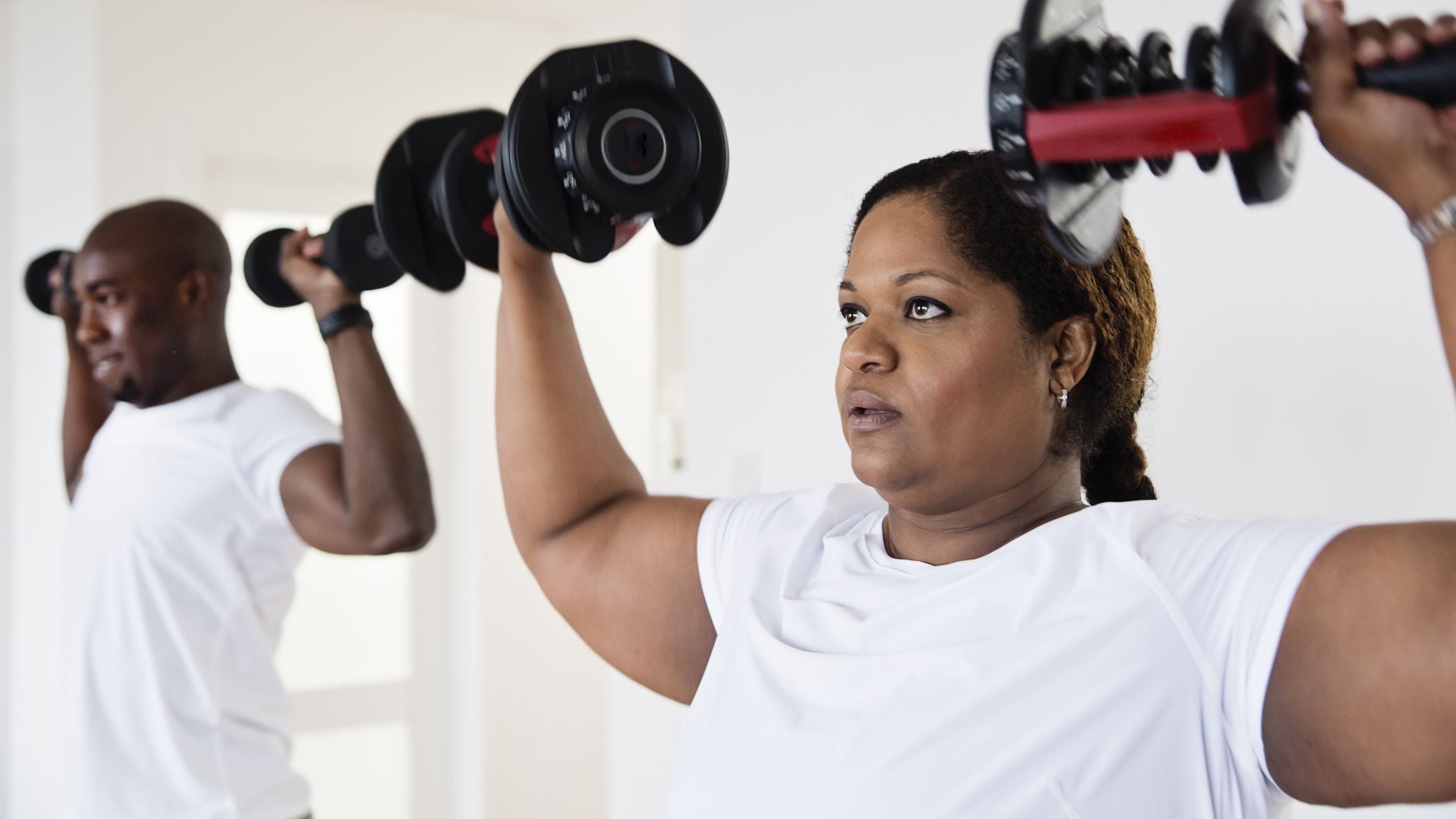
Research shows that lifting lighter weights to near failure can produce similar muscle growth as lifting heavier weights, emphasizing the importance of proximity to failure over the weight itself. The traditional focus on specific rep ranges for strength or hypertrophy is being reconsidered, with progressive overload—whether through more reps or increased difficulty—being key to gains. Avoiding 'junk volume' and pushing close to failure are crucial for effective training.
A meta-analysis shows that resistance training and other forms of exercise can significantly improve cognitive functions in adults over 60, with resistance training being particularly effective for overall cognition and inhibitory control, highlighting the importance of staying active for brain health as we age.
Fitness coach Julie Capozziello shares five tips to reverse insulin resistance and aid weight loss, emphasizing muscle building through resistance training, eating protein first, walking after meals, managing sleep and stress, and tracking data to inform behavior changes.
A study suggests that resistance training load does not significantly influence hypertrophy, emphasizing individual genetic differences and the importance of training effort over specific load or rep ranges. The discussion highlights that consistent effort, proper technique, and overall lifestyle factors like diet and sleep are more crucial for muscle growth than the exact training protocol.
A study comparing mice shows that resistance training (weightlifting) may be more effective than running in reducing fat, improving blood sugar regulation, and lowering insulin resistance, suggesting weightlifting could be a powerful method to prevent diabetes.
Dr. Jeremy London emphasizes that seven simple, consistent habits—such as waking early, daily movement, sunlight exposure, resistance training, cooking at home, quitting alcohol, and spending time with loved ones—are key to a longer, healthier life, highlighting that basic routines often have the most profound impact on well-being.
A study from Virginia Tech suggests that resistance training, like weightlifting, may be more effective than cardio in controlling blood sugar and preventing diabetes, based on experiments with mice showing better fat reduction and glucose management through weightlifting. The research highlights the benefits of combining both exercise types for optimal metabolic health, especially for those unable to perform long cardio sessions.
Emerging research suggests that weight lifting and resistance training can significantly improve blood sugar control, insulin sensitivity, and metabolic health in people with or at risk of Type-2 diabetes, potentially leading to remission and offering a powerful alternative or complement to traditional treatments.
Strength training after 45 is crucial for maintaining muscle mass, bone density, and metabolic health, with exercises like bodyweight squats, pushups, glute bridges, planks, bent-over rows, and step-ups recommended to fight aging effects and promote overall wellness.
A personal trainer emphasizes the importance of resistance training, squats, and steady-state cardio for people in their 40s to combat muscle loss, improve mobility, and promote longevity, highlighting that starting these exercises early can help maintain health and independence into old age.
A personal trainer reviews Olivia Lawson's 30-minute 'Hourglass' workout, finding it to be a comprehensive full-body routine that effectively targets major muscle groups, though it may aggravate lower back issues and requires modifications for some exercises. The workout can help build strength and improve body composition but won't necessarily create an hourglass shape without proper genetics and low body fat.
Weightlifting is beneficial for boosting immunity, preventing cognitive decline, and increasing longevity, and can be safely started at any age with proper guidance. It is important to train progressively, use the right amount of weight, and incorporate a balanced routine targeting all major muscle groups. Beginners can start with machines or free weights, and supplements like creatine may enhance results. Consistency, proper recovery, and aligning workouts with personal schedules are key to success.
Scientists have found that practicing high-intensity yoga for less than 30 minutes twice a week can significantly improve sleep quality, with noticeable effects after 8-10 weeks. Resistance and strength training are also effective, and the timing of exercise plays a role in sleep benefits. However, more research is needed to determine the optimal exercise prescriptions for sleep improvement.
A neuroscientist highlights that resistance training, such as weightlifting and bodyweight exercises, boosts BDNF levels, a molecule that promotes brain growth, improves memory, and may protect against Alzheimer's, offering a simple way to enhance brain health.
Keltie O’Connor compares her five-year experience with Pilates and weight training, highlighting Pilates' benefits for posture, mobility, and injury prevention, and weight training's superiority for muscle building, longevity, and bone health. She suggests balancing both based on fitness goals and preferences, emphasizing that weight training should be the foundation for muscle and bone health, with Pilates serving as a complementary or alternative option.