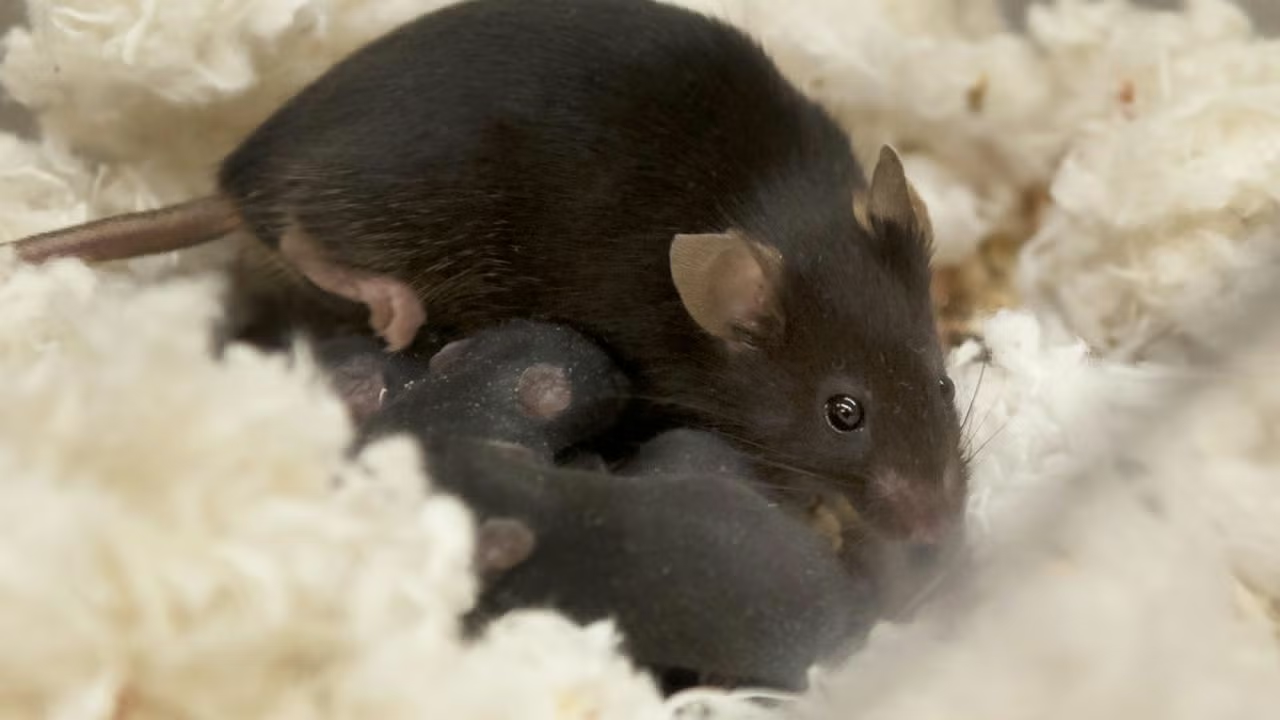
A UC Davis study found that psilocybin worsens anxiety and depression symptoms in postpartum mice and can negatively affect their offspring, suggesting that psychedelics may pose risks during the postpartum period and are not universally beneficial for mental health treatment.
A rat study suggests that creatine supplementation can reduce gut inflammation and protect brain function, potentially easing both physical and mental symptoms of inflammatory bowel disease, with some benefits more pronounced in females.
A study by CU Boulder researchers reveals that female animals experience less restorative sleep than males, suggesting biological factors play a significant role in sleep patterns. This finding challenges past biomedical research that often excluded females, potentially skewing drug development and treatment effectiveness. The study emphasizes the need for equal representation of sexes in research to avoid flawed data interpretations and improve clinical outcomes.
PETA has urged the National Institutes of Health (NIH) and Florida Gov. Ron DeSantis to halt funding for a planned University of Wisconsin-Madison study involving disrupting the sleep of aged marmosets to gather information about age-related cognitive decline, calling it "cruel and horrific." The study, funded by NIH, aims to understand the role of poor sleep in Alzheimer's disease, but PETA argues that the experiments cause distress and pain without relief and offer little to no new scientifically valuable knowledge or human benefit. The university defends the study's safety and importance, stating that nonhuman primates like marmosets share similar features of their biology with humans and offer opportunities to study the causes of Alzheimer’s and potential treatments.
Early-life stress has a greater impact on gene expression in the brain than a head injury, according to a study conducted on rats. Researchers found that stress changed the activation level of many more genes in the brain compared to a traumatic brain injury. The study suggests that early-life stress may have long-lasting health consequences and highlights the importance of addressing adverse childhood experiences. The findings also revealed that stress and head injury together had different effects on brain signaling pathways, including those related to oxytocin, a hormone linked to social bonding. The study emphasizes the need for interventions and support to mitigate the detrimental effects of early-life stress.
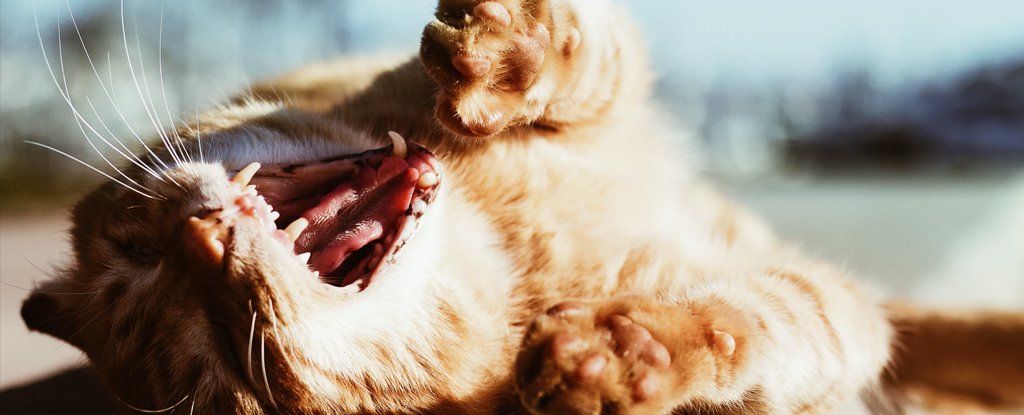
A large-scale animal study has found a correlation between brain size and the duration of yawning in vertebrates. The study collected data on 1,291 yawns from 55 mammal species and 46 bird species and found that animals with larger brains and more neurons tend to have longer-lasting yawns. The researchers suggest that yawning is an essential way of cooling down the brain, and bigger brains need longer yawns to properly cool them. The study could fill in some of the gaps in our knowledge about yawning, including why it happens in the first place and why animals such as giraffes have no need to bother with yawning at all.