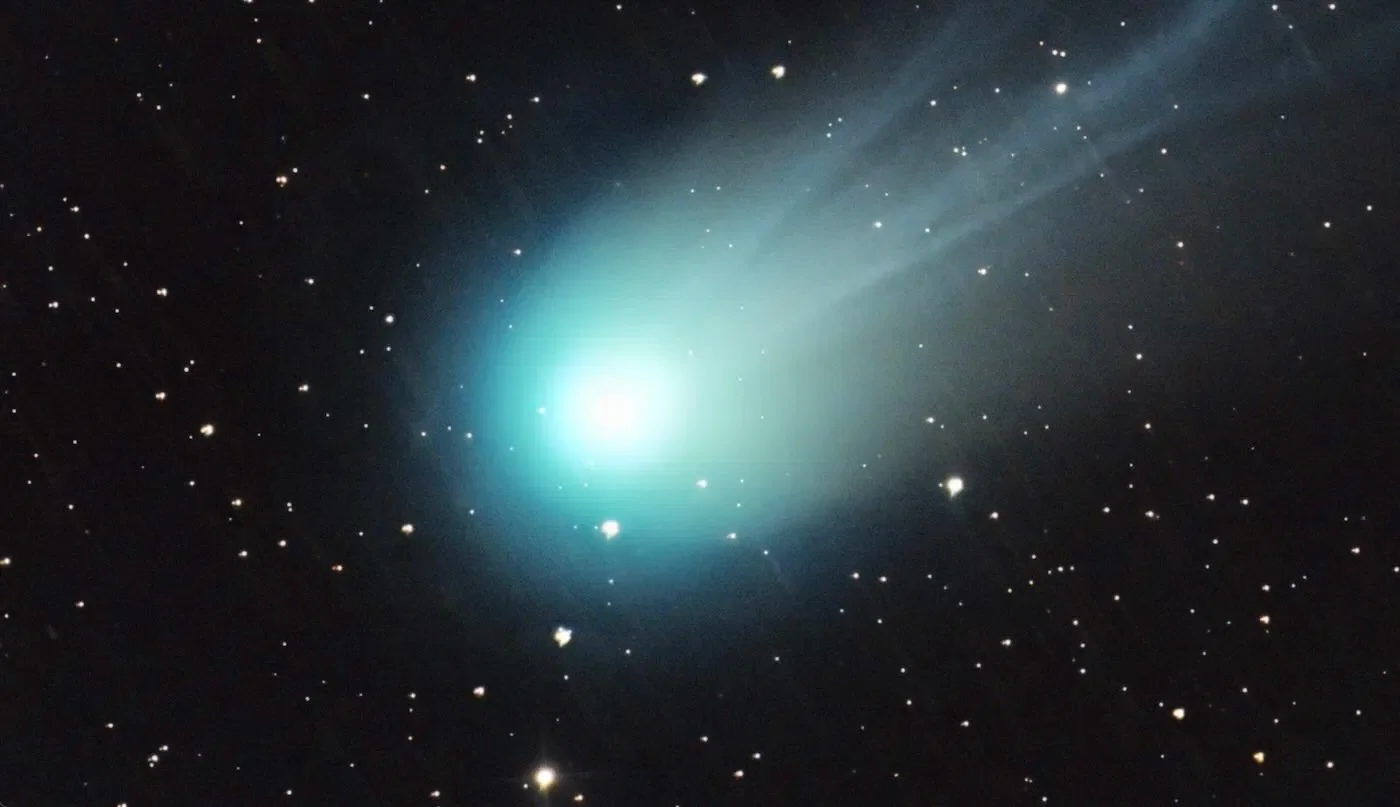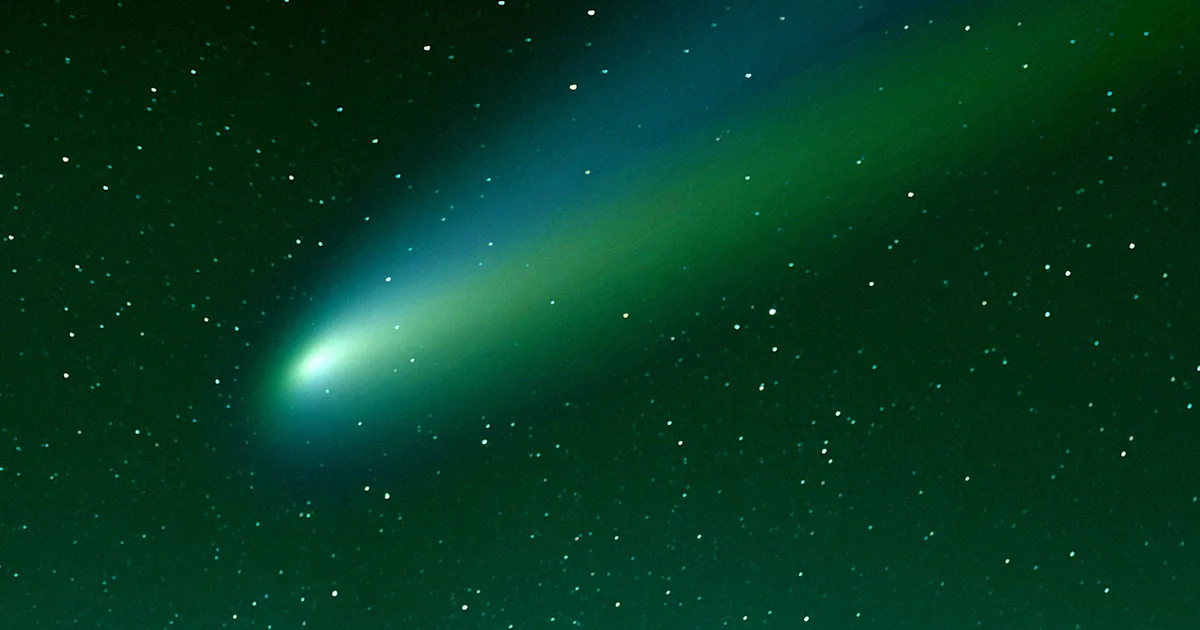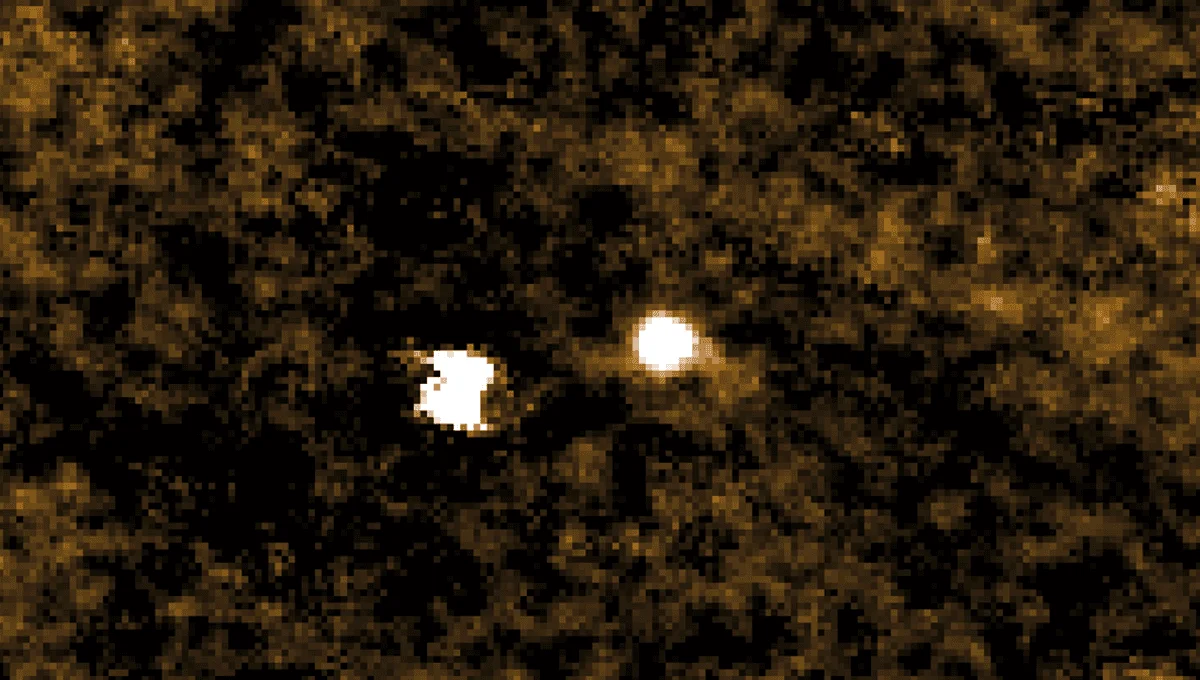
During its closest approach to Earth, the interstellar comet 3I/ATLAS was observed by the Breakthrough Listen project for signs of alien technosignatures, but no credible signals were detected. Simultaneously, another team estimated the comet's size to be around 1 km based on its non-gravitational acceleration, confirming its natural cometary nature. The efforts highlight ongoing searches for extraterrestrial signals and detailed studies of interstellar objects.
Recent observations of 3I/ATLAS reveal synchronized narrow-band radio signals and pulsing jets, suggesting controlled, non-random behavior that may indicate an artificial or technological origin, prompting further monitoring as the object approaches Earth.
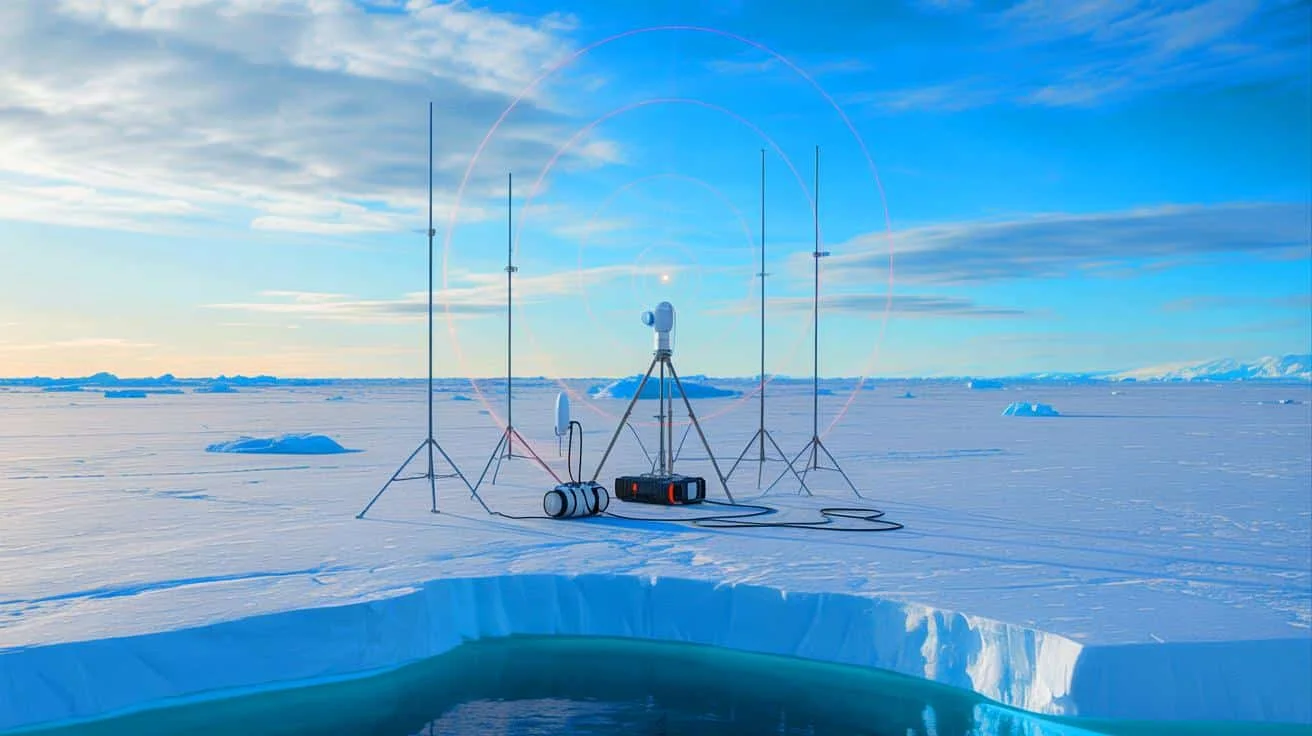
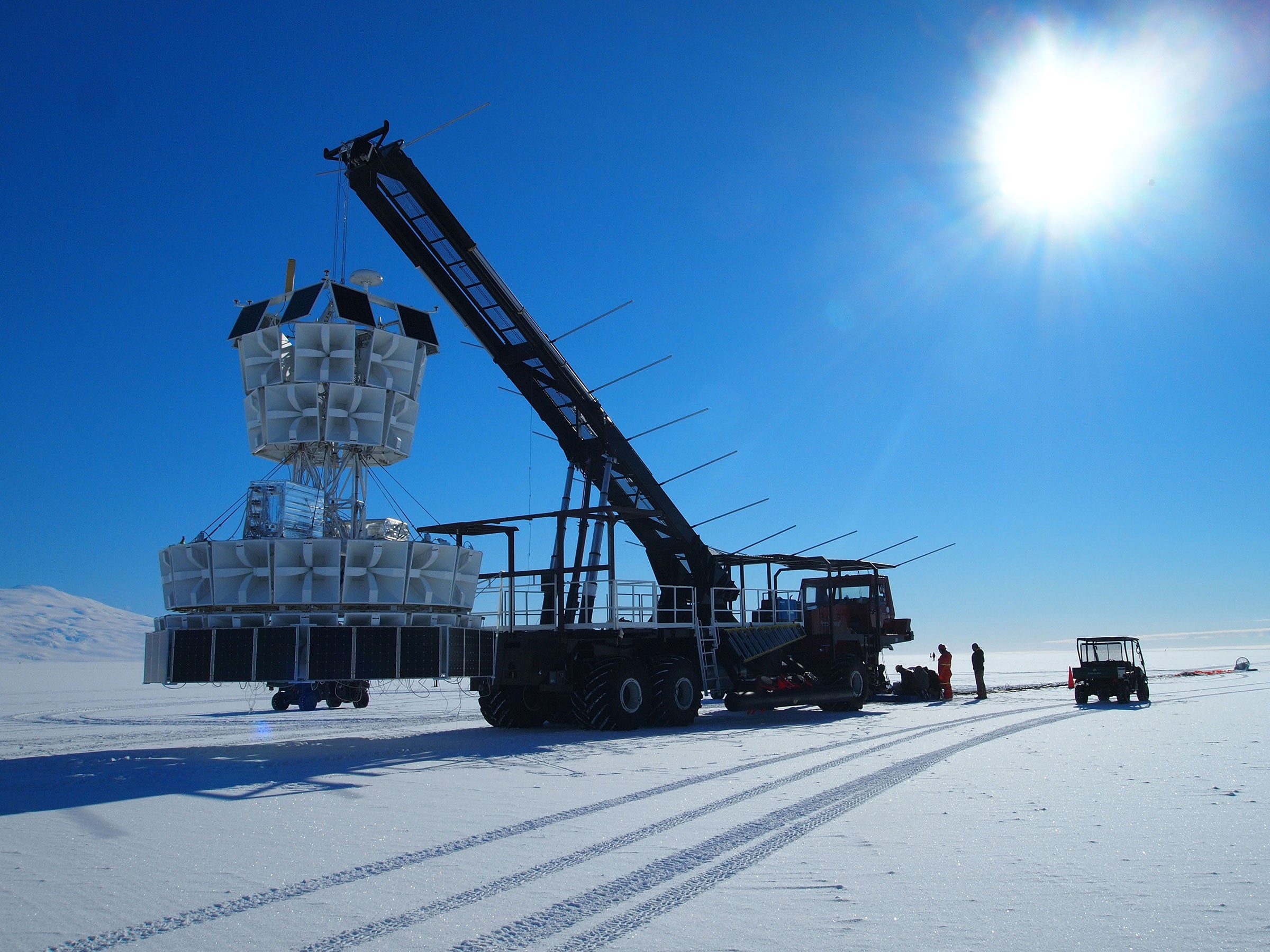
NASA's ANITA balloon experiment detected mysterious upward-moving radio signals from beneath Antarctica's ice, initially suggesting potential new particles or physics, but further analysis indicates these signals are unlikely to be neutrinos, leaving the anomaly unexplained. Researchers are developing more advanced detectors like PUEO to better understand these phenomena.
Astronomers in China detected unusual radio signals from comet 12P/Pons-Brooks, revealing the most distant detection of ammonia molecules in a comet, which may explain its outbursts and offers insights into the early solar system's chemistry, with potential implications for studying interstellar objects and extraterrestrial technology.
Scientists have detected intriguing radio signals and high levels of water vapor and ammonia from Comet 12P/Pons-Brooks during its 2024 approach, revealing its active nature and potential insights into the early solar system and Earth's habitability.
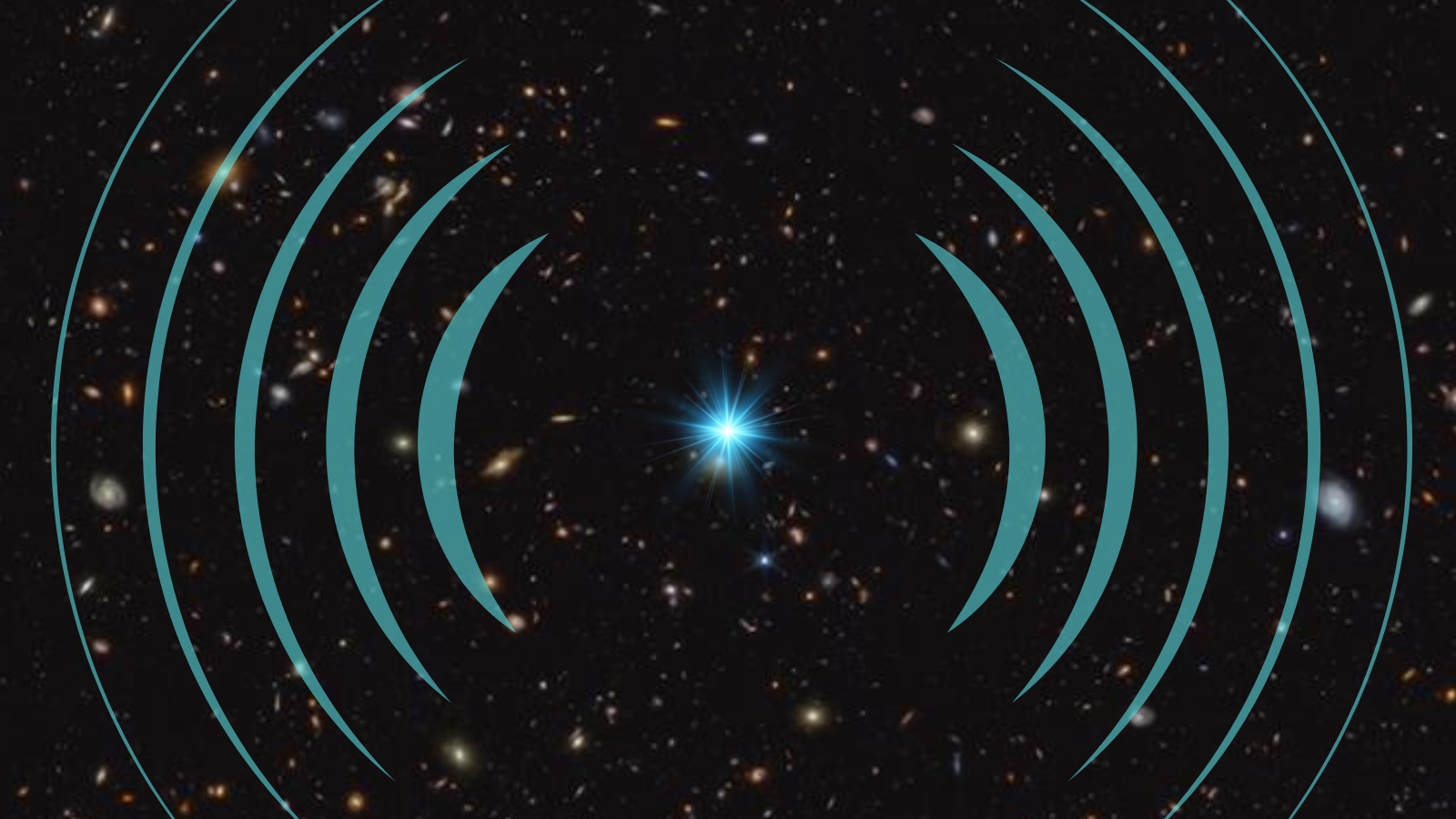
Citizen scientists discovered two crossing rings of extragalactic radio signals forming a near-perfect Venn diagram, identified as 'odd radio circles' (ORCs), which are vast, magnetized plasma rings visible only at radio wavelengths. These findings, among the most distant and powerful, suggest ORCs may result from galactic superwinds and black hole activity, providing insights into galaxy and black hole co-evolution. The discovery underscores the value of human pattern recognition in scientific research.
Harvard astronomer Avi Loeb suggests that the mysterious 1977 Wow! Signal may have originated from the interstellar object 3I/ATLAS, raising the possibility of an alien transmitter, though this theory requires further data and investigation.
Harvard astronomer Avi Loeb suggests that the mysterious 1977 Wow! Signal may have originated from the interstellar object 3I/ATLAS, raising the possibility of an alien transmission, though this theory requires further data and investigation.
NASA scientists detected mysterious radio signals beneath Antarctic ice that challenge current physics, possibly indicating unknown particles or forces, prompting plans for further investigation with advanced experiments like PUEO.
Scientists detected mysterious radio signals above Antarctica that cannot be explained by known particle physics, possibly hinting at new particles or interactions, with some speculation about dark matter; meanwhile, an ice shelf in East Antarctica has collapsed unexpectedly, raising concerns about climate stability.
Astronomers detected ancient radio signals from a distant galaxy cluster, indicating the presence of high-energy particles and magnetic fields that could shed light on the early universe's formation, with potential origins linked to black holes or cosmic particle collisions.
Astronomers have detected the most distant mini-halo, a cloud of energetic particles around a galaxy cluster from 10 billion years ago, which could shed light on the early universe and galaxy formation processes. The discovery suggests such particles have existed since galaxy cluster formation and may be caused by black holes or particle collisions, impacting star formation and cosmic magnetic fields. Future telescopes like the SKA will help further explore these phenomena.
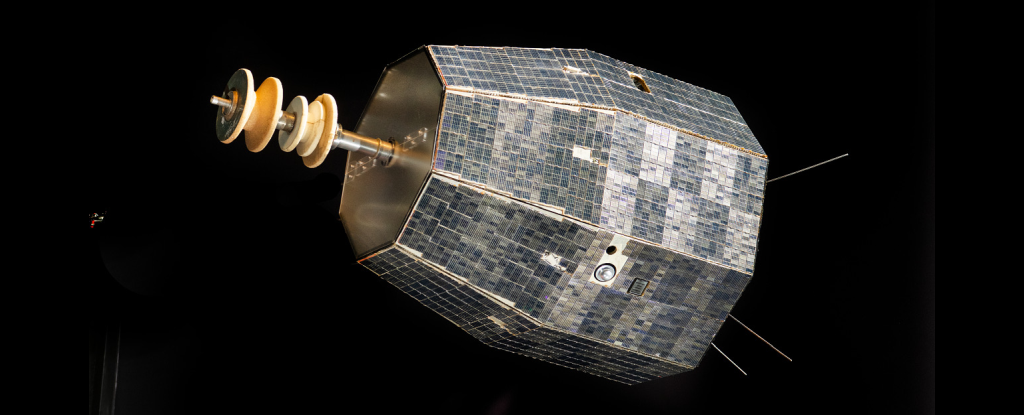
A mysterious radio burst detected in 2024 was traced to NASA's decommissioned Relay 2 satellite, likely caused by electrostatic discharge or micrometeoroid impact, highlighting the importance of understanding anthropogenic signals and space environment hazards.
Astronomers propose using radio signals, specifically the 21-centimeter signal from hydrogen, to study and 'weigh' the universe's first stars during the Cosmic Dawn, potentially revealing new insights into the early universe's evolution. The REACH project and upcoming SKA array aim to analyze these signals to understand the properties and distribution of Population III stars, which are otherwise hidden from direct observation.
Scientists are investigating mysterious signals detected from beneath Antarctic ice, which defy current physics understanding, with follow-up studies and new detectors like PUEO aiming to uncover their origin, potentially revealing new insights into cosmic phenomena.