Recent observations of 3I/ATLAS reveal synchronized narrow-band radio signals and pulsing jets, suggesting controlled, non-random behavior that may indicate an artificial or technological origin, prompting further monitoring as the object approaches Earth.
In 2008, Earth sent a message to the exoplanet Gliese 581c, which is about 21 light-years away, and the message is expected to arrive in 2029. The message included images of celebrities and Earthlings, with the hope of making contact if extraterrestrial life exists. The earliest possible reply could be in 2050, but the likelihood remains uncertain, making it a fascinating but speculative endeavor.
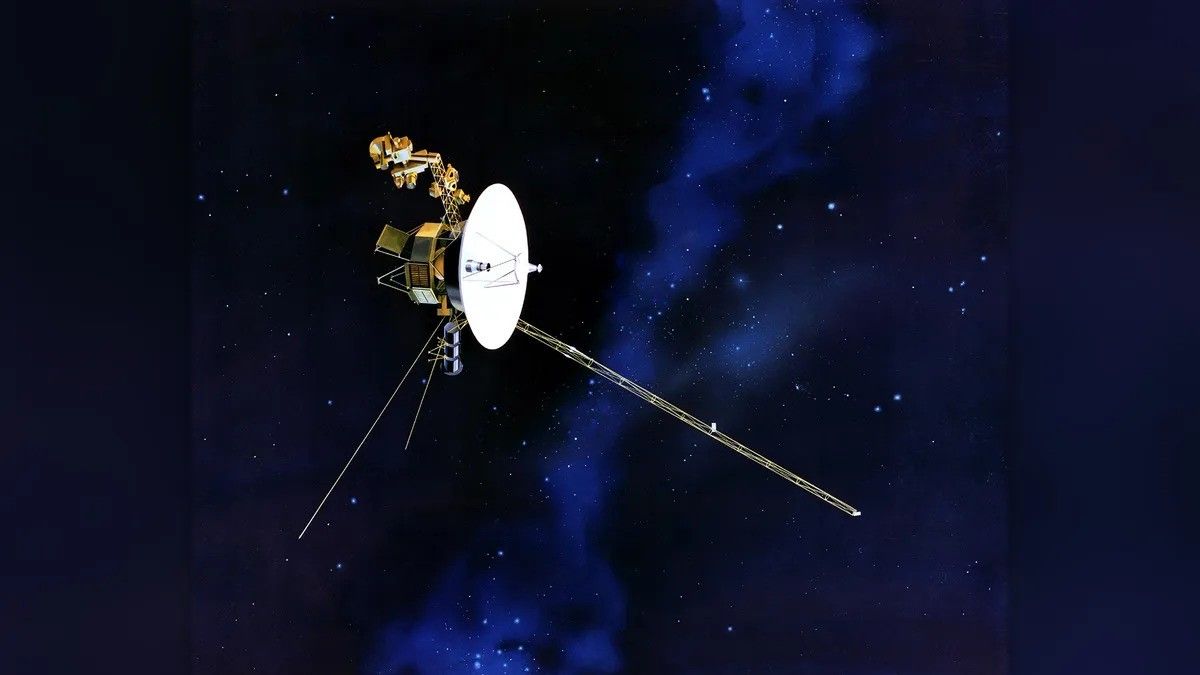
NASA engineers have discovered that the Voyager 1 spacecraft's recent stream of gibberish is due to a corrupted memory in its flight data subsystem (FDS). The issue may be caused by a malfunctioning chip, possibly due to exposure to energetic particles or simply wear and tear after 46 years. Engineers are working on a workaround to run the FDS without the faulty chip, aiming to restore the spacecraft's messaging output and enable it to continue sending readable information from outside our solar system, where it currently resides more than 15 billion miles away.
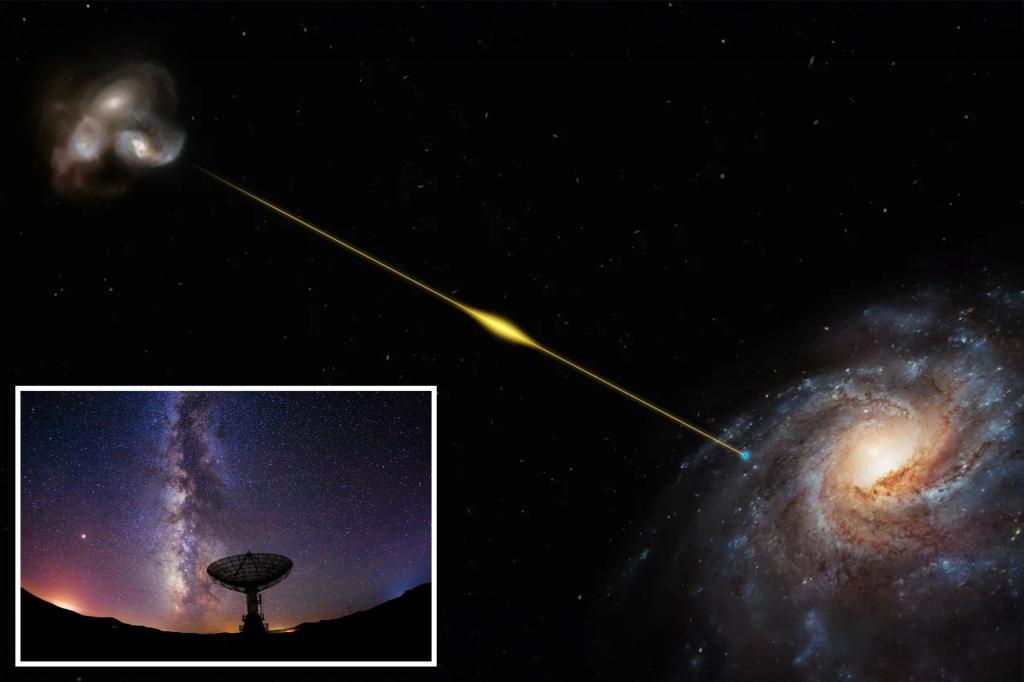
Astronomers have made significant progress in understanding Fast Radio Bursts (FRBs), mysterious and powerful flashes of intergalactic light. In a recent study, researchers observed repeating FRB 20220912A and discovered a drop in the center frequency of the bursts, resembling a celestial slide whistle. However, the bursts did not exhibit a specific pattern, highlighting their unpredictability. Scientists are narrowing down potential sources, such as magnetars, but no existing model can explain all observed properties. Despite the breakthrough, the secret behind these interstellar radio waves remains elusive.
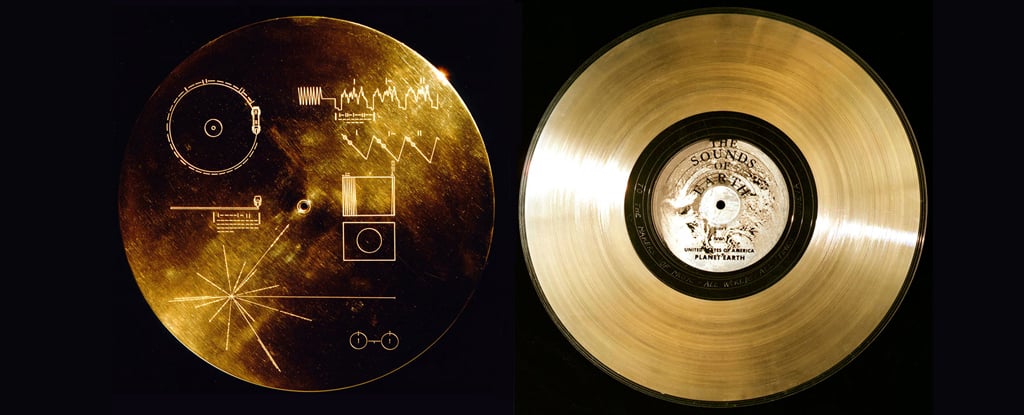
Researchers are considering creating new editions of Voyager's Golden Records, which were launched into space in 1977 as a message to potential intelligent life. The Golden Records contain sounds and images that represent life on Earth, and the researchers propose updating the content to reflect current technology and times. They suggest including a scroll with simple images for less advanced recipients and a small minicomputer for more advanced recipients. The goal is to share humanity's collective knowledge, emotions, innovations, and aspirations in a way that provides a universal understanding of human society and our hopes for the future. The researchers also emphasize the importance of considering the recipient's perspective and including a timestamp to indicate when the message was launched. The new Golden Records would serve as a time capsule and a testament to humanity's journey and aspirations.
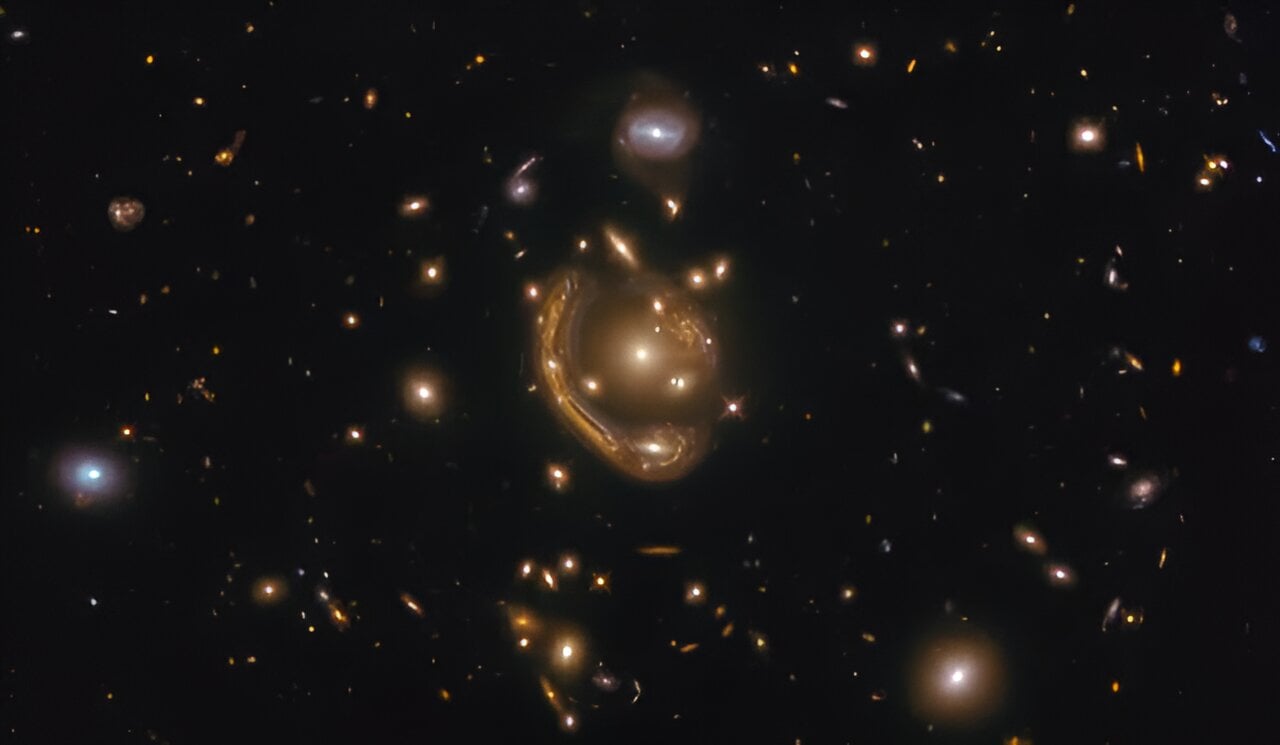
Scientists have proposed using gravitational lenses, such as the Solar Gravity Lens (SGL), to transmit power from star to star. By utilizing the amplification properties of gravitational lenses, advanced civilizations could potentially create an interstellar power transmission network. This concept could have significant implications for astronomy, the search for extraterrestrial intelligence (SETI), and the development of space-based solar power systems in interstellar space. While the feasibility of interstellar power transmission has been demonstrated, further research is needed to address various technical challenges.